
Last updated: Apr 19, 2026
Spring in this stretch of the Southern Plains brings hail and damaging straight-line winds that can strip a roof's protective layer in minutes. The harsh sun and rapid temperature swings amplify membrane and shingle stress, making residential roofs vulnerable even after a seemingly minor storm. The edge of the Wichita Mountains means weather can hit differently from one neighborhood to the next, so a neighbor's intact roof after a storm doesn't guarantee your own won't face localized damage. That variability matters: you may see isolated dents, granule loss, or lifted shingles only in certain blocks, while adjacent homes look mostly fine. The result is a climate where deterioration happens faster and decisions about replacement can come sooner than expected.
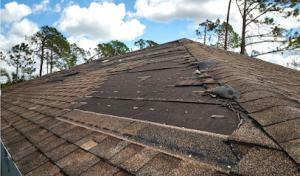
Hail can crater asphalt shingles, crack flashing, and bruise underlayment, creating hidden water paths that only show up after a thaw or heavy rain. Wind can peel edges, lift corners, or force shingles up and back, exposing joints and valley lines. Homes near the Wichita Mountains often endure gusts that drive debris across roofs, scouring ridge caps and vents. Because damage can be highly localized, a roof that survived last season's storm might not fare as well with the next event. Look for soft spots, granule buildup in gutters, and discolored streaks on ceilings-signs that moisture is working its way in. If you notice shingles curling at the edges or a patchwork appearance from repairs, plan a thorough inspection sooner rather than later.
Storm damage and insurance-related roofing work are unusually prevalent in this market, reflecting a strong local contractor focus on storm response and claims support. That means the repair cadence often revolves around timely claim handling, documented damage, and coordinated replacements. The pressure to act quickly can tempt rushed decisions; taking time to document storm impact, photograph patterns of wear, and compare contractors helps protect you from frequent storm-tied schemes. Work with a contractor who emphasizes transparent documentation, fair inspection practices, and a clear path from assessment to claim submission. In this environment, a well-prepared homeowner can steer the process toward a durable, road-tested solution rather than a temporary patch.
Begin with a thorough roof check after each significant storm, paying attention to shingle edges, seals around vents, and the ridge line. If damage is suspected, request a formal inspection that includes a written report, visible photo evidence, and an assessment of underlying decking and underlayment. When choosing a contractor, ask for references from recent Lawton projects, verify insurance coverage, and confirm that the scope of work addresses both surface damage and any substructure exposure. Focus on roofing systems with proven resilience to hail and wind in this climate, and insist on material and installation details that maximize wind resistance and water shedding. Finally, establish a clear, time-bound plan for assessment, claim coordination, and project milestones so a storm event doesn't turn into a waiting game.
Oklahoma is a high roof-claim state because hail and wind losses are frequent, so you should expect insurers to scrutinize roof age, condition, and depreciation. In this corner of the state, storms come with a quick spike in claim activity, which means adjusters may focus on whether previous repairs or wear contribute to current damage. This reality shapes how you approach a claim from the moment the storm passes.
After a Lawton-area storm, adjusters commonly request date-stamped photos, documentation of roof condition prior to the event, and evidence separating old wear from new storm damage. Gather your own records so you can clearly demonstrate when hail impact or wind damage occurred and how it relates to the roof's existing state. A straightforward package helps the process move along and reduces back-and-forth questions that can slow an approval.
Because claim volume spikes after major spring storms in southwest Oklahoma, delays in inspections, approvals, and contractor scheduling are a practical local concern. Plan for potential calendar shifts and align expectations with the adjuster about when an inspection can happen. If possible, book a credible local contractor to be ready to respond promptly once the claim is approved. Having trusted eyes on the roof early helps you spot issues that might not be obvious from the ground.
Keep a concise file with storm-related notes, photos, and a simple history of roofing work. Photograph the roof from multiple angles, including edges, valleys, and penetrations, both before any contractor work and after any temporary protections are in place. Create a dated sequence showing the progression from storm impact to current condition. If interior water intrusion is present, document it as well with timestamps and rooms affected. Having clear, organized evidence helps separate new damage from prior wear in a way adjusters can verify.
When communicating with an adjuster, be precise about dates, locations, and observed conditions. If you have a pre-storm photo set, reference it to support your claim that damage is storm-related. Ask for a written scope of what the adjuster plans to review and what documentation they still need. A calm, factual tone helps keep the process moving and reduces the likelihood of misinterpretation or delays.
Delays in inspections and contractor scheduling are common after big spring storms. Have a plan to secure a temporary protection solution if leaks are present, and keep records of any temporary measures you install. If an adjuster approves a scope but contractor availability slows progress, stay in regular contact with both parties to keep the claim on track. Document every message and update.
Avoid signing any settlement offers that close the claim before a clear, comprehensive scope is defined. Do not let a rush to claim settlement override the long-term reliability of the roof. If depreciation is involved, request a detailed explanation and a rider that clarifies how future repairs will be covered. If a prior repair is questioned, supply documentation showing it was completed by a licensed professional and that it addressed the referenced issue.
A successful outcome hinges on clear documentation, timely inspections, and a well-coordinated effort between you, the adjuster, and a reputable local contractor. By approaching the claim with organized records, practical expectations for delays, and a focus on distinguishing new storm damage from old wear, the process becomes more predictable even in a high-claim market.
Connect with contractors who help homeowners navigate the claims process from damage assessment to final approval.
TayCo Roofing
(580) 355-7663 taycoroofing.com
2510 W Gore Blvd, Lawton, Oklahoma
4.9 from 349 reviews
Sentry Roofing Lawton
(580) 749-7850 www.sentryroofingok.com
505 NW Sheridan Rd, Lawton, Oklahoma
5.0 from 85 reviews
Keystone Roofing & Gutters
(580) 419-7663 keystoneroofingcompany.com
1902 W Gore Blvd, Lawton, Oklahoma
4.9 from 79 reviews
TayCo Roofing
(580) 355-7663 taycoroofing.com
2510 W Gore Blvd, Lawton, Oklahoma
4.9 from 349 reviews
At Tayco Roofing, we are dedicated to providing top-quality roofing solutions for homeowners and businesses in Lawton, OK, and the surrounding areas. With years of experience, our skilled team specializes in roof repairs, replacements, and new installations, using high-quality materials to ensure durability and protection. We pride ourselves on exceptional craftsmanship, honest pricing, and outstanding customer service. Whether you need storm damage repairs or a complete roof overhaul, Tayco Roofing is your trusted local roofing expert. Contact us today for a free estimate and let us keep your home covered with excellence!
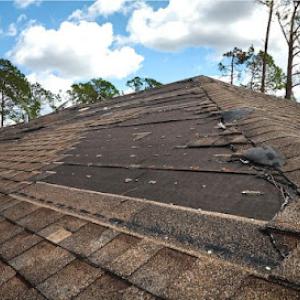
Sentry Roofing Lawton
(580) 749-7850 www.sentryroofingok.com
505 NW Sheridan Rd, Lawton, Oklahoma
5.0 from 85 reviews
Locally-owned and operated roofing and general contracting company serving Comanche County and surrounding areas. We specialize in high-quality roofing services while also providing gutters, siding, fencing, and painting services. We always aim for transparency and customer satisfaction. With years of experience, our team delivers precise and skilled craftsmanship. As certified specialists, we adhere to industry standards, handling repairs and replacements efficiently. From insurance claims to installation, we manage the process seamlessly, ensuring hassle-free roofing. We are always #OnGuardForOklahoma!

Keystone Roofing & Gutters
(580) 419-7663 keystoneroofingcompany.com
1902 W Gore Blvd, Lawton, Oklahoma
4.9 from 79 reviews
If you're looking for expert roofing advice in Lawton, Oklahoma, you've come to the right place. Our team of experienced roofing professionals has been serving the Lawton community for years, providing top-notch roofing services and advice to homeowners and businesses alike. Whether you need help with a small repair or a complete roof replacement, we have the knowledge and expertise to get the job done right. From shingle selection to ventilation systems, we'll guide you through every step of the process to ensure that your roof is strong, durable, and able to withstand the unpredictable Oklahoma weather. Trust us for all of your roofing needs in Lawton.
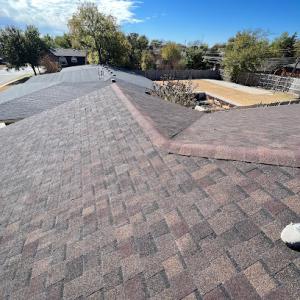
Lemos Roofing & Construction
(580) 353-9777 www.lemosroofing.com
1603 W Gore Blvd, Lawton, Oklahoma
5.0 from 25 reviews
Roofing projects should be handled with great care and precision. If you need shingle roof installation or roof deck repair services, count on Lemos Roofing to provide expert guidance. Our local roofing company serves residential and commercial clients in Lawton, OK and surrounding areas.
Sky Roofing
(580) 917-5850 www.skyroofingllc.net
3120 SW J Ave, Lawton, Oklahoma
4.5 from 73 reviews
One storm can cause significant damage to your roof. If you’re having problems with your roof after harsh rain or high winds, contact Sky Roofing We provide top-quality roofing services in Lawton, OK. We’ll work directly with you and your insurance provider for your roof repair or replacement. Using top-of-the-line tools and materials, we’ll provide you with a durable and attractive roof. Sagging gutters? Warped siding? We’ve got you covered. We offer siding, window and drywall services as well. Call Sky Roofing right now for your consultation and estimate.
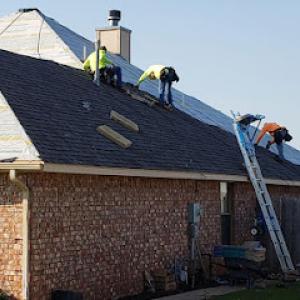
Lockwood & Sons Construction
(580) 355-6745 www.lawtonroofers.com
2306 SW G Ave, Lawton, Oklahoma
4.3 from 58 reviews
Lockwood & Sons Construction provides roofing, gutter, and siding services to Lawton, OK and nearby areas.
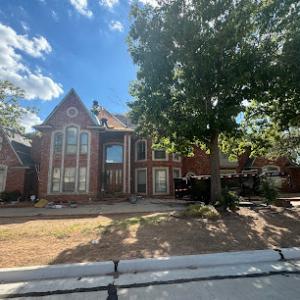
Ryan’s Roofing & Construction
(580) 695-8186 www.facebook.com
2603 NW Cache Rd Ste 3, Lawton, Oklahoma
4.5 from 30 reviews
FREE inspections , Locally owned with over 15 years of experience, count on Ryan to install a durable new roof on your home. We can handle any of your home improvement or construction needs. Visit our Facebook page Ryan’s Roofing and Construction. Ok Lic# 80005663

Lawton Roof
(580) 290-2780 lawtonroofingcompany.com
6213 NW Cache Rd office 2, Lawton, Oklahoma
4.4 from 14 reviews
We are a full service roof company. We serve Lawton, Altus, Duncan, Elgin, and of course Wichita Falls. From roof repair fixes to full roofs, we can take care of it all!
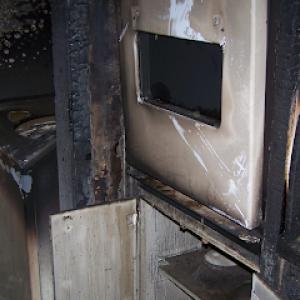
Brooks Construction
508 SW 70th St, Lawton, Oklahoma
4.4 from 13 reviews
24 hour water and fire restoration. Bathroom and kitchen remodeling. Roof and siding replacement.
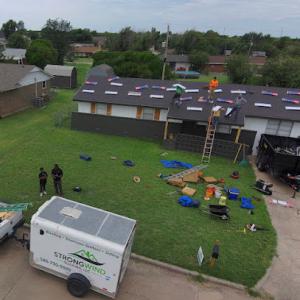
Strong Wind Roofing
(580) 730-0999 strongwindroofing.com
Lawton, Oklahoma
4.0 from 8 reviews
Whether you own a business or a home, your roof is always one of the most important features of your building. If you need a new roof or your current one needs repairs, you won't want to cut corners. Reach out to the team at Strong Wind Roofing for roof repair and new roof installation in the Lawton, OK area. Our team of roofing contractors can handle essential roof repairs, maintenance and installation services for properties in Comanche County. For a free estimate, contact our local roofing company now by calling us today!
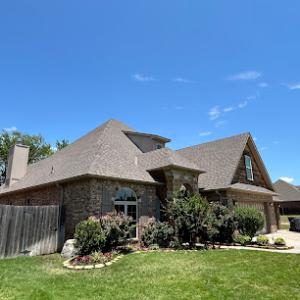
AP3 Construction
(580) 574-8633 www.ap3construction.net
520 SW Sheridan Rd, Lawton, Oklahoma
4.0 from 4 reviews
Welcome to AP3 Construction, your top choice for roofing replacement and repair in Southwest Oklahoma. With a focus on quality and customer satisfaction, we specialize in residential and commercial roofing services. From storm damage repairs to complete roof replacements, trust our experienced team for reliable solutions tailored to your needs. Contact us today for superior craftsmanship and personalized service!
Wing Brothers Roofing
(580) 284-9332 wingbrothersroofing.com
Serving
5.0 from 167 reviews
Welcome to Wing Brothers Roofing! We are a team of skilled professionals dedicated to providing top-notch roofing services to our community. With years of experience in the industry, we take pride in delivering exceptional craftsmanship and outstanding customer service. Our services include roof installations and replacements, catering to both residential and commercial properties. Whether you need a brand-new roof for your dream home or want to fix a leaky roof that's been causing you trouble, we've got you covered. We offer free consultations and estimates, allowing us to assess your needs and budget!
During the edge-of-the-Wichita Mountains climate, the sweet spots for scheduling a full roof replacement are spring and fall. Temperatures are more moderate than the brutal peaks of summer and the sharp freezes of winter, which helps with adhesive temps, shingle sealant, and steady crew pace. If a storm window opens in spring, you can align material delivery and crew start times to minimize delays from rain or sudden wind gusts typical of late-season squalls. In fall, you often catch calmer weather before the first cold snaps, allowing underlayment and ventilation work to set up solidly before winter.
Spring brings the strongest argument for planning a replacement, but it also carries higher hail and severe storm risk for freshly installed roofs. If you schedule in this season, you should prepare for potential temporary setbacks caused by sudden hail events or wind-driven debris. Have a plan for expedited inspection after each storm, and confirm your contractor's policy on post-storm warranty checks. The aim is to avoid a scenario where a newly installed roof faces damage before the sealants and fasteners have properly cured. A proactive moisture barrier strategy and staged inspections help keep a spring project on track.
Southwest Oklahoma summers are long and hot, and that heat can slow crews and complicate material handling. Asphalt shingles and certain synthetic products can become less pliable in peak heat, increasing waste if misaligned during installation. Plan for early-day work hours to dodge the worst heat, and ensure crews have shaded breaks and water on site. If a tear-off runs into extreme heat, you may see slower progress, but preparation for drip edge, ventilation, and flashing should still stay on schedule-as improper handling in heat can lead to long-term issues.
Winter freezes, occasional ice storms, and occasional wind events can delay tear-off and underlayment work. If a project crosses into late fall or early winter, expect shorter work days and potential stoppages when temperatures dip below effective adhesive thresholds. A well-coordinated plan accounts for weather holds, with contingency days built into the schedule and protected staging for materials. In practice, this means you want to lock a start window in late winter to early spring or late spring to early summer, balancing storm risk with the need for steady conditions to complete a durable installation.
Get a clear picture of your project costs upfront - no commitment required.
TayCo Roofing
(580) 355-7663 taycoroofing.com
2510 W Gore Blvd, Lawton, Oklahoma
4.9 from 349 reviews
Keystone Roofing & Gutters
(580) 419-7663 keystoneroofingcompany.com
1902 W Gore Blvd, Lawton, Oklahoma
4.9 from 79 reviews
Asphalt shingles are a dominant choice due to their quick re-roofing turnover and relatively forgiving entry cost. In this climate, the combination of repeated hail exposure and intense summer heat means you should prioritize impact-resistant shingles and those with a durable granule layer. Look for a high-Gladiator or ALS rating and a robust warranty that covers hail impact and wind uplift. Regular inspection after hail events is key, because granule loss can accelerate under heat cycling and leave the underlayment vulnerable. If you expect frequent storm activity, you'll want shingles that hold color well and resist curling, since extreme temperature swings can aggravate edge lift over time.
Metal offers a longer service life and excellent wind resistance, which appeals to homeowners facing Lawton's hail storms and strong gusts. When evaluating metal, choose standing-seam or interlocking panel systems with proper sealants and secure fasteners. Coatings matter: a reflective finish helps cut heat gain on hot days, and a durable coating protects against hail scuffs. In this market, metal is a meaningful option for those aiming to reduce maintenance visits, but it pays to compare impact resistance between panel profiles and to ensure the system is designed to handle expansion and contraction from the area's heat cycles. Weathered patina or lighter colors can also help shed heat while preserving curb appeal.
Clay and concrete tiles bring a distinct look and can handle heat well, but their performance under hail depends on tile mass and attachment method. In hail-prone zones, you'll want reinforced fasteners and a robust underlayment to limit cracking and water intrusion. Wood shakes offer natural aesthetics but require diligent maintenance to resist hail impact and UV degradation; they're less forgiving in high-waltz wind events and may need more frequent replacement. Synthetic and composite shingles march in with improved impact resistance and lower maintenance than natural materials, yet their performance hinges on proper installation and the specific product's hail rating. For any of these, evaluate how they perform under heat cycling and wind uplift, and check manufacturer guidance for Lawton-like wind pressures.
For a practical approach, align the roof choice with your home's existing structure and the typical storm sequence you've faced. In a high-claim insurance market, document hail history, inspect attic insulation and ventilation, and consider impact-rated options that balance resilience with the home's appearance. If you live in a home with planar or low-slope sections, verify that the chosen system can maintain a tight seal against wind-driven rain during pressure spikes. Ultimately, the best roof melds strong hail resistance with reliable wind uplift performance and heat durability, while matching the home's architectural character.
Typical Lawton pricing runs about $350 to $700 per square for asphalt shingles, $600 to $1100 for metal, $1100 to $2000 for clay tile, $900 to $1800 for concrete tile, $600 to $1200 for wood shingles or shakes, and $400 to $800 for synthetic or composite shingles. These figures reflect local sourcing, labor rates, and the mix of residential slopes found on the city's homes at the edge of the Wichita Mountains. For a standard 3-tab or architectural asphalt roof, you'll usually land near the lower end of that asphalt range, while more complex layouts or larger homes push prices toward the upper end.
Lawton costs can rise quickly after major hail events because storm-driven demand increases competition for crews, materials, and inspection slots across southwest Oklahoma. If your area sustains a significant hail event, you should expect scheduling squeezes and tighter windows for inspections, which can nudge both material and labor charges upward temporarily. In practical terms, a same-as-usual replacement can become a tighter, more expensive project when crews are juggling multiple high-claim jobs at once.
Project pricing in Lawton is also affected by whether the job is a straightforward re-roof on common residential slopes or a heavier system such as tile that may require added structural and labor considerations. Tile roofs, particularly clay or concrete, demand heavier framing, more crew hours, and sometimes upgrade of underlayment or ventilation. When you're comparing bids, verify whether the estimate includes any needed structural reinforcement, additional underlayment, and the reduced or increased roof pitch that affects both safety and cost. For insurance-driven work, expect a careful accounting of whether replacements align with the claim scope and whether add-ons like attic ventilation or containment were included.
For a full re-roof in Lawton, permits are typically issued through the City of Lawton Building Department rather than handled informally at the contractor level. This means that the procedural steps are tied to official records, not a quick signature at the job trailer. A permit acts as a record of the project scope and the professionals involved, so knowing who is responsible helps prevent later disputes with the city or an adjuster who questions workmanship. In practice, the permit submission generally includes project details and proof tied to a licensed roofing contractor, whether filed by the contractor or homeowner. That proof ensures the person overseeing the work has the credentials to stand behind the project when weather or hail claims come into play.
Submitting the permit is not a formality to breeze through. The city will want a clear description of materials, a proposed timeline, and a plan for safe storm-season work, especially given the region's wind exposure and high-hail risk. A licensed roofer can help assemble the documentation, but the homeowner should be prepared to verify that the contractor's license is active and that the project aligns with local wind-resistance standards and code requirements. If any subcontractors are used, their licenses and worker qualifications may also come under review. Keeping a complete file-drawings, material specs, and a site plan-can speed the evaluation and reduce the chance of a halt in construction.
Lawton inspections occur during and after the work, and the city may require compliance checks on roofing materials and wind-resistant underlayment. During construction, a city inspector will verify installation details, fastener patterns, and flashing intersections to ensure they meet current code expectations and weather realities. After completion, a final inspection confirms everything is in place and tied to the permit record. If adjustments are needed, addressing them promptly helps avoid delays that can compound storm-season timelines.
The repetitive hailstorms that pepper this area bruise shingles, dislodge granules, and crack tiles in ways that aren't obvious from ground level. Those subtle bruises and granule loss accumulate, shortening the usable life of the roof and quietly eroding its protective edge. A missed hit near a valley, flashing, or edge can sit undetected until a heavy rain reveals a pathology that insurance may scrutinize more closely after a claim. The result is a roof that looks intact but has less capacity to shed water when the next storm arrives.
Strong wind events common to southwest Oklahoma can lift shingle tabs, expose underlayment, and turn minor edge damage into full-on leak paths during the next storm cycle. A single gust can uncouple tabs or peel back flashing, allowing rain to seep beneath coverings before the issue becomes obvious from the ground. In practical terms, what starts as a cosmetic anvil of wind-damage can quickly become a structural vulnerability if left unaddressed, especially after several windy days in a row.
Lawton's heat and occasional cold snaps create expansion-contraction stress that accelerates aging around penetrations, flashing details, and sealant-dependent areas. Those joints and corners endure repeated thermal movement, which can loosen fasteners, dry out sealants, and create slow leaks that worsen with time. The consequence is a roof that looks fine but loses its integrity at critical seams, allowing moisture to migrate inward and compromise decking if neglected. Regular checks around chimneys, vents, and skylights become essential in this climate.
The local roofing scene is heavily shaped by re-roofs and storm work, with many contractors signaling fast response and insurance familiarity over boutique custom systems. When a hailstorm hits, you'll notice a rush of crews promising quick starts and simple, streamlined scopes. Expect some push to commit before they've fully assessed damage or lined up the needed material.
Cleanup is a visible hiring priority in this city's contractor reviews and listings, especially after tear-offs and storm-driven emergency work on occupied homes. Look for teams that arrive with organized debris containment, prompt removal of old shingles, and a clear plan to protect landscaping and possessions during the tear-off. A clean site often reflects disciplined project management.
The local market includes a mix of affordable, residential-focused firms and longer-established or family-owned operators, so homeowners often compare responsiveness and job handling style as much as price. A contractor's willingness to explain what they'll do, how they'll handle insurance communication, and how they schedule crews can be as telling as the estimate itself.
Ask for local references with recent storm work and verify they have experience with the major storm hazards here-hail impact rating, wind uplift choices, and compatible underlayment. Request a documented scope that outlines tear-off, installation sequence, and cleanup. Finally, check responsiveness: how quickly they return questions and how thoroughly they document progress after each storm-day milestone.
Expect crews to coordinate closely with you during roof recovery, especially if the home remains occupied. A reliable storm roofer will maintain clear lines of communication, protect interior spaces during work, and promptly address any post-install concerns. After the finish, insist on a thorough walkthrough to confirm all storm-related issues are resolved.