
Last updated: Apr 19, 2026
Spring hailstorms and severe thunderstorms set the rhythm for roof decisions in this market. After a storm, the clock starts ticking on replacement timing, because insurers prefer to resolve weather-related damage quickly, and once wind-driven debris and hail impact become visible, delays can complicate coverage. A homeowner should plan for a rapid, focused response: document damage, communicate with the insurer promptly, and be ready to mobilize a roofing professional who understands how local winds, hail patterns, and attic performance interact with the city's climate realities. The key is to avoid letting pre-existing wear get confused with new storm damage, which often stalls or derails claims if not handled decisively.
In this market, insurers often want thorough photo documentation, a roof condition report, and evidence separating new storm damage from pre-existing wear. Start with high-resolution photos from multiple angles: close-ups of hail impact on shingles, dented flashings, and any granule loss in gutters and downspouts. Take wide shots of the roof's overall condition, and include interior attic photos showing daylight gaps or signs of water intrusion. A roof condition report from a qualified professional helps; it should note the age of the roof, the present ventilation, and any insulation concerns observed during inspection. Organize a clear timeline: storm date, first signs of damage, and when you first contacted the insurer. Consistency and clarity in this packet can speed up approvals and reduce back-and-forth.
Adjusters in Norman often seek to confirm that attic ventilation and insulation are adequate before approving full replacement. If the attic is poorly vented or insulation has degraded, it can complicate coverage decisions or shift scope. Have a trusted contractor attest to ventilation adequacy and insulation performance, including any upgrades that would improve attic comfort and energy efficiency post-replacement. Prepare a side-by-side damage assessment that flags which areas are clearly hail-affected versus wear from sun, age, or previous repairs. A clean, professional presentation that distinguishes new storm damage from pre-existing conditions helps keep the claim in a straightforward path toward replacement rather than piecemeal fixes.
Because hail and wind claims are common around Norman, the claim often hinges on the roof's ability to vent correctly and keep the attic within the target temperature and moisture range. Ensure that soffit, ridge, and roof vent flows are unblocked, and that insulation below the deck is adequate to regulate interior conditions after a full replacement. A properly ventilated, well-insulated attic supports a long-lasting roof and can influence the insurer's determination of replacement versus repair. If the assessment reveals gaps, address them as part of a full replacement plan rather than as an afterthought.
A storm-driven decision typically centers on whether the roof has sustained pervasive damage or if the cumulative wear is masking the true extent of hail impact. If the damage is widespread, quick escalation to full replacement is prudent to prevent ongoing leaks and further interior risk. If damage appears isolated and the rest of the roof shows substantial life left, a repair strategy may be considered, but avoid partial fixes that overlook hidden damage beneath the deck. Coordinate closely with the roofer and the adjuster to align the replacement plan with verified storm damage, ensuring the project proceeds without unnecessary delays.
Hartland Construction & Roofing
2500 Boardwalk St Ste. 113, Norman, Oklahoma
5.0 from 139 reviews
Jesus is King! At Hartland Construction & Roofing, our mission is simple: serve others with excellence and integrity, as unto the Lord. As a family-owned and operated company based in Norman, OK, we specialize in residential roof replacement, roof repair, siding, windows, and gutters. With every project, we stand on Colossians 3:23 — “Whatever you do, work heartily, as for the Lord and not for men.” This means you can expect honest communication, quality craftsmanship, and dependable service—from start to finish. We are licensed and insured (OK LIC#: 80004455), proudly serving Norman, Oklahoma City, and surrounding areas. Whether you're facing storm damage or planning an exterior upgrade, contact us today for a free estimate—we’d be honor
Sentry Roofing Norman
2244 36th Ave NW Ste 100, Norman, Oklahoma
5.0 from 79 reviews
Locally-owned and operated roofing and general contracting company serving Comanche County and surrounding areas. We specialize in high-quality roofing services while also providing gutters, siding, fencing, and painting services. We always aim for transparency and customer satisfaction. With years of experience, our team delivers precise and skilled craftsmanship. As certified specialists, we adhere to industry standards, handling repairs and replacements efficiently. From insurance claims to installation, we manage the process seamlessly, ensuring hassle-free roofing. We are always #OnGuardForOklahoma!
Washita Roofing & Construction
(405) 928-6282 washitaroofing.com
2746 Broce Dr #116, Norman, Oklahoma
5.0 from 112 reviews
Based in Norman, Washita Roofing & Construction provides high quality roofing services to the Greater Oklahoma city area. With over 25 years of combined industry experience, this licensed team focuses on quality, safety, and 100% customer satisfaction. We can handle any roofing project including minor or major repairs, full roof replacements, roof inspections, gutter repairs, and more! We provide emergency hours so we are always there when you need us. Call today to get a free estimate!
Roof-Tech of Oklahoma
(405) 703-4245 joshtheroofer.com
2105 W Indian Hills Rd, Norman, Oklahoma
5.0 from 58 reviews
Not only can you trust us for exceptional roofing work, we also handle other exterior home improvements for your home. Improve the look of your home with new siding and gutters. Protect your car with a new carport or extend the hours you enjoy on your patio with a new patio cover. The possibilities are endless! State Registered Roofing Contractor: #80000056 Services Include: Edmond Full Roof Replacement 73013 Moore Full Roof Replacement 73160 Yukon Full Roof Replacement 73099 Oklahoma City Full Roof Replacement 73170 Norman Full Roof Replacement 73069 Norman Roof Repair Services 73069 Norman Roof and Siding Repair 73069
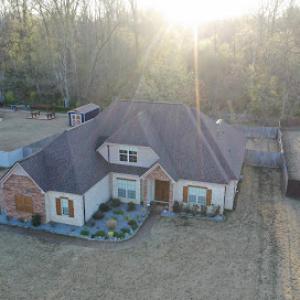
Legend Roofs Roofing Contractor Norman Roof Repair
(405) 353-9125 legendroofsok.com
2413 E Tecumseh Rd, Norman, Oklahoma
5.0 from 53 reviews
Legend Roofing is a full-service roofing contractor specializing in roofing services for residential and commercial properties all throughout the Greater Oklahoma City, Norman, Moore & Shawnee areas. At Legend Roofing we do residential asphalt roofing shingles as well as metal roofing. At Legend we also believe a well-done roof repair can save our roofing clients a lot of money. Call for a free roof inspection and the first thing we do is check the possibility of doing a top-notch roof repair. In many cases, a good roof repair can extend the life of your current roof by many years save you money in the long run. Call Legend Roofs today.
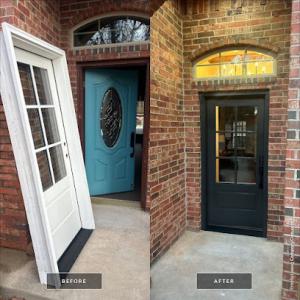
Hailstone Roofing & Construction
(405) 999-3464 hailstoneroofing.com
4009 Annalane Dr, Norman, Oklahoma
5.0 from 45 reviews
Hailstone Roofing & Construction is focused on providing world class customer service and excellence in the field of Residential Roofing & Construction in Oklahoma. The business has satellite offices in North Texas where we do Residential & Commercial work.
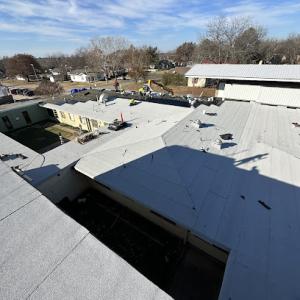
Streamlined Roofing & Construction
(405) 378-9978 streamlinedroofing.com
1818 Industrial Blvd, Norman, Oklahoma
5.0 from 38 reviews
Streamlined Roofing is a family-owned business specializing in high-quality roofing and restoration for residential and commercial properties across OKC, Norman, Edmond, Moore, and Mustang. Our expert team handles routine maintenance, steel roofing installations, emergency repairs, and damage restoration, including mold and water damage. We offer free inspections and upfront pricing to keep your property secure and your investments safe. Our services include architectural shingles, impact-resistant roofing, wood shake, slate, and metal roofing, along with durable TPO roofing systems. We're also ready with emergency services to tackle any crisis promptly. Contact us today for your free inspection and see how our family values sets us apart.
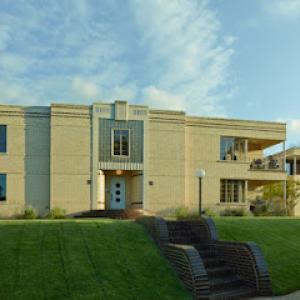
SwiftCo
109 E Tonhawa St Suite 100, Norman, Oklahoma
5.0 from 37 reviews
With a journey that commenced in 1997, Brent Swift boasts an impressive 27 years of expertise in the construction industry. Based in Norman, Oklahoma, we specialize in roofing and construction, with a primary emphasis on comprehensive home improvement. As locals invested in our community, our commitment extends beyond individual projects; we focus on enhancing entire homes. Trust us to bring transformative changes to your residence, leveraging our wealth of experience to make your vision a reality.
ScissorTail Roofing & Construction
(405) 452-0591 www.scissortailroofing.com
300 W Main St, Norman, Oklahoma
4.8 from 86 reviews
ScissorTail Roofing and Construction has been a trusted name in the Oklahoma City metro area since 2014. Located in Norman, OK, this family-owned business specializes in both residential and commercial roofing services, including TPO, metal roof restoration, and acrylic coatings. They also offer a variety of construction services, such as home building, kitchen and bathroom remodeling, and siding installation. Our team of certified and experienced professionals is dedicated to providing quality service. When you need a dependable Norman roofing company, turn to ScissorTail Roofing and Construction for all your roofing and construction needs.
McCann's Roofing & Construction
(405) 957-5751 roofingbymccanns.com
116 W Main St, Norman, Oklahoma
5.0 from 35 reviews
Founded in 1995, McCann's Roofing and Construction is a trusted, family-owned business dedicated to providing top-quality roofing and construction services across Oklahoma. With offices in Edmond and Norman, we proudly serve homeowners and businesses with a wide range of expertise, including roof installation, repair, re-roofing, maintenance, and custom construction solutions. For over 30 years, we’ve built our reputation on trust, integrity, and exceptional craftsmanship. Our experienced team uses only the best materials and techniques to ensure every project is completed to the highest standard, from minor repairs to full-scale construction.
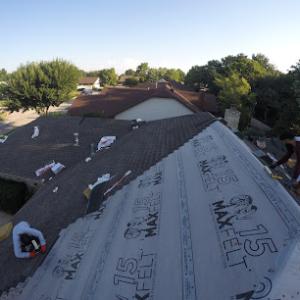
RedZone Roofing & Restoration
(405) 615-8004 www.redzoneroofing.com
2320 N Interstate Dr, Norman, Oklahoma
5.0 from 27 reviews
RedZone Roofing & Restoration is a full-service general contractor specializing in residential and commercial roofing solutions. Whether it's storm damage, routine maintenance, or a full roof replacement, our experienced team delivers top-tier craftsmanship and efficient project management. We work directly with homeowners, business owners, and insurance carriers to ensure every project runs smoothly. From free inspections to flexible financing, RedZone makes the process simple and stress-free. Quality work. Honest communication. No corners cut.
Hiner Roofing OKC
(405) 241-2584 hinerroofing.com
114 W Main St Suite 5, Norman, Oklahoma
5.0 from 26 reviews
At Hiner Roofing OKC, we help protect what matters most — your home. Based in Norman, Oklahoma, we specialize in roof replacements, repairs, and inspections that keep your roof strong and your family safe. Storm or hail damage? No problem. Our team is quick to respond with reliable solutions that get your roof back in shape fast. And if you’re facing an emergency, we’re just a call away with 24/7 repair services when you need them most. We bring expert craftsmanship and attention to detail to every job — no matter the size. We don’t just patch problems; we build roofs that last. When you choose Hiner Roofing OKC, you’re choosing peace of mind, quality service, and a team that truly cares. Call today to book a free inspection!
Spring in Norman can be a tricky time for installing roof-penetrating openings like skylights or dormer windows. Hail and high-wind storms often force a pause in work, push crews to adjust schedules, and can complicate flashing detail. If you're coordinating window installs with a roof project, target a stretch when skies are reliably clear for several days and the forecast shows only moderate thunderstorm risk. The goal is to get the roof edge, flashing, and underlayment finalized before any long, exposed phase of the window installation begins. That minimizes the time the structure sits exposed to wind-driven rain and reduces the chance of weather-related damage to delicate flashing joints.
Hot, humid afternoons in July and August can slow progress and affect material handling. Vinyl and fiberglass skylights travel well in moderate temps, but installers should avoid prolonged heat exposure that can warp frames or degrade sealant. Plan for cooler mornings or late afternoons for the most critical sealant work and flashing fits. If air-conditioning load is already high in the home, ensure temporary cooling is arranged for the attic space during interior work to prevent condensation on interior surfaces and to maintain sealant tack. A well-ventilated attic helps the installer maintain accurate measurements and reduces risk of misaligned flashing once heat expands materials.
Autumn rain and early frost can delay the tear-off, dry-in, and underlayment work that surrounds window openings. The best approach is to have the rough opening prepared during a window-friendly window of weather, then pause only if wet conditions threaten the integrity of exposed underlayment. When temperatures dip, sealants lose elasticity and some sealants require warmer air to cure properly; plan for a window installation window when overnight temps stay above freezing and daytime warmth reappears. Cold snaps can also thicken caulks and gaskets, slowing progress and affecting air leakage performance around the window frame. In those conditions, crews often prioritize interior finish work and protect exterior flashing until temperatures recover.
In central Oklahoma's hail-prone environment, impact-rated windows are a practical choice for attic and roofline openings. Select glazing and frame materials with proven performance in varying temperatures and direct sun exposure. For skylights, ensure the glazing has a UV shield and an appropriate shading option to control heat gain in the summer, while still providing natural light during the cooler months. Frame materials should resist expansion and contraction with temperature swings, preserving seals around the rough opening. Proper venting around the window area is essential to prevent moisture buildup in the attic and to maintain roof ventilation performance after installation.
Coordinate window installation to piggyback on a roof replacement when possible. Installing windows in the midst of a tear-off and reinstall process helps ensure the openings are flashed to the same standards as the surrounding roof field and that underlayment continuity is preserved around the vented and non-vented sections. If the window installation occurs separately, plan a meticulous sequencing that prioritizes flashing, drip edge alignment, and shingle-to-flashing transitions near the opening. A careful handoff between roofing crew and window installers minimizes the chance of wind-driven leaks and slows any moisture intrusion during the critical dry-in phase in Norman's climate.
Asphalt shingles are a dominant choice for homes across Norman, reflecting a balance between familiar installation practices and practical performance. In this city's hail-heavy thunderstorm corridor, the seal between shingle courses and the granule layer matters more than in milder climates. A key consideration is impact resistance-look for shingles labeled for high wind and impact resistance, and choose options with a robust granule density to weather repeated hail exposure. Local homes often ride out strong winds by ensuring proper nailing patterns, correct overhangs, and adequate attic ventilation to minimize wind-driven uplift and moisture intrusion. When risk of hail is high, reinforced underlayment and valley protection play a meaningful role in delaying leaks and preserving a roof's life span.
Metal roofing has become a meaningful specialty in Norman and is frequently considered by homeowners aiming to reduce future hail-related replacement cycles. Metal panels or shingles can shed hail with less immediate surface damage compared to some shingle configurations, and their durability can translate into fewer complete roof replacements after severe storms. The challenge lies in proper installation: sealant compatibility, panel laps, and flashing around chimneys, skylights, and vent stacks must be executed with precision to prevent leaks after hail events. A well-installed metal roof also benefits from ventilation considerations and sound-dampening strategies, since the combination of storm activity and Oklahoma winds can amplify attic heat and noise. For homeowners weighing long-term resilience, metal offers a proactive option that aligns with Norman's storm profile when installed by a tradesperson familiar with local hail patterns and wind loads.
Clay tile and concrete tile provide distinct curb appeal, but their weight and brittleness require careful evaluation after hail events by homeowners in central Oklahoma. Heavier systems demand structural assessment to ensure the deck and rafters support the load, particularly on older houses or those with marginal attic space. After a hail event, inspection should focus on cracked or displaced tiles, potential fastener loosening, and vulnerable flashing around edges and penetrations. Wood shakes and synthetic/composite products bring their own sets of considerations. Shakes can be more susceptible to hail-caused cracking and wind infiltration if not properly maintained; synthetic shingles aim to blend resilience with ease of installation, but the performance depends on the grid of fasteners and the integrity of the underlayment. In all cases, evaluate the roof's ventilation and underlayment compatibility, as improper pairing can accelerate moisture ingress and compromise seal performance after storms.
For homes with complex rooflines or multiple penetrations, material choice should account for both surface durability and how each system handles rapid temperature swings and wind-driven rain common to Oklahoma storms. Ventilation remains a pivotal factor across material types, influencing attic moisture, shingle adhesion, and overall roof longevity. The best outcomes arise when installation teams tailor underlayment and fastening patterns to the specific roof pitch, exposure, and historical storm frequency of the neighborhood. In practice, this means pairing a storm-aware material with meticulous sealing around vents, skylights, and chimneys, while ensuring flashing is integrated with a robust attic ventilation strategy. In Norman, the combination of hail exposure, high winds, and insurance-driven replacement cycles makes thoughtful material selection and precise workmanship particularly consequential for enduring performance after each storm.
Typical Norman material pricing runs about $300-$550 per square for asphalt shingles, $600-$900 for metal, $900-$1800 for clay tile, $700-$1200 for concrete tile, $550-$1100 for wood shingles or shakes, and $350-$700 for synthetic/composite shingles. In practice, most homes in the area land in the asphalt or synthetic range, unless the house has a distinct architectural style that benefits from heavier products. The exact choice often comes down to how long you want the roof to last, the local wind tolerance, and what the insurer prefers after a hail event. If the affected roof has multiple angles or skylights, the square count can creep up quickly, and so can the labor component tied to material type.
Storm-season demand spikes in Norman can push scheduling pressure and labor costs higher when many homeowners are replacing roofs after the same hail event. If your roof is within a few blocks of a hail-damaged property, expect crews to tighten their schedules and, sometimes, their bids. It's common for production days to be weather-limited, with back-to-back storm days turning crews into line items on a calendar rather than a single-week project. For asphalt and synthetic shingles, that pressure rarely changes the material price, but it can affect waste handling, trailer access, and whether a tear-off is staged or combined with a neighboring job.
Costs in Norman can also move based on tear-off complexity after storm damage. If the old material is heavily curled, saturated, or requires full removal down to the sheathing, the labor becomes more intensive. A roof with multiple penetrations, vent stacks, or a difficult access point adds hours to the project. The more complex the pitch and the more layers that must be stripped, the higher the temporary disposal costs and labor per square foot. Homeowners should expect a noticeable difference in price between a simple re-roof with minimal waste and a full tear-off with underlayment upgrades.
Ventilation or underlayment upgrades are common in Norman to satisfy inspection or insurance expectations after a hail event. If the inspector asks for upgraded underlayment or baffles, budget accordingly, as these changes can tip the cost range upward, especially on steeper roofs. In some cases, adding molded or synthetic underlayment improves wind resistance and helps with heat transfer in the attic, reducing potential future energy costs. The key is to plan for a robust ventilation strategy early, since retrofits tend to incur additional labor and material marks.
Get a clear picture of your project costs upfront - no commitment required.
Hartland Construction & Roofing
2500 Boardwalk St Ste. 113, Norman, Oklahoma
5.0 from 139 reviews
Washita Roofing & Construction
(405) 928-6282 washitaroofing.com
2746 Broce Dr #116, Norman, Oklahoma
5.0 from 112 reviews

GoodRidge Roofing & Construction
(405) 831-8250 goodridgeroofing.com
109 E Tonhawa St Suite 100, Norman, Oklahoma
5.0 from 24 reviews
A full re-roof in Norman typically requires a permit issued by the City of Norman Building Department. That process is not optional fluff-it's how you'll stay compliant with local code, especially for ventilation, underlayment, and fire safety standards. The permit application can feel meticulous, but skipping it invites delays, fines, or a permit ding that shows up when you least want it. When the project starts, the city expects visible signs of work and clear documentation of the scope, materials, and ventilation details. Getting the permit early also helps you align with your homeowner's association (if applicable) and neighbors who may be watching the project closely.
Norman inspections occur during construction and a final inspection is required to close the permit. During construction, a permit inspector will typically check that the roof deck is solid, the underlayment is correctly installed, and ventilation paths are not obstructed. The final inspection confirms that everything from flashing to attic ventilation, deck preparation, and the overall roof system meets current standards. If something doesn't pass, you'll be notified to make corrections before the permit can be closed. Delays aren't unusual if the crew misses a ventilation detail or uses undersized underlayment, so plan around the inspection timeline rather than assuming a quick turn.
Local quirks include possible added HOA or neighborhood approvals, a visible permit placard, and inspector attention to attic venting and underlayment. Some homeowners associations in Norman want to see the permit placard posted where it is easily visible from the street; this isn't just ceremonial-it helps streamline the inspection process and avoids community complaints. The placard also serves as a reminder that the project is being tracked for compliance. Expect inspectors to scrutinize attic venting choices, such as intake and exhaust balance, and the type and placement of underlayment. If attic venting isn't adequate or the underlayment isn't properly rated for the climate and roof type, corrective work could add time and friction to the project.
Coordinate early with your roofer to ensure the permit package is complete, including accurate ventilation calculations and product specs. Notify neighbors and, if relevant, the HOA well ahead of work start so there are no last-minute objections or delays. Make the work site easy for inspectors to access and review-clear any debris from eave lines and ensure the permit placard remains visible throughout the project. Finally, anticipate a staged inspection cadence: plan around the approximate timing of sheathing, underlayment, and final venting checks to minimize rework and keep the project moving toward a clean, compliant finish.
In Norman, emergency calls often follow severe thunderstorms with wind-driven rain that exposes hail bruising, lifted shingles, or flashing failures. Those are not cosmetic issues-water intrusion can move quickly from attic to living spaces, attic insulation to ceilings, and can jeopardize electrical boxes if paths line up with ceiling perforations. Pay attention to damp spots that grow after a storm, and note any unusual attic smells or acoustic drips that form after rain stops.
Fast temporary dry-in matters locally because repeated storm rounds can hit before a full insurance scope or permit is finalized. Cover exposed decking with heavy-duty tarps and secure with battens or bricks where wind can't pick them up. Seal open venting paths temporarily with roofing tape or low-profile patches until a pro can assess backing and underlayment. If flashing around chimneys or vents shows gaps, apply a non-rimportant sealant only as a short-term measure to slow leaks.
Quick-response contractors are especially relevant in Norman's market because leak mitigation often starts before full re-roof scheduling opens up after a storm. Seek firms with a track record of storm response, visible licensing, and a plan for staged repairs. When a roofer arrives, expect an on-site assessment of hail bruising, lifted shingle tabs, flashing integrity, and attic ventilation. Do not delay if you notice moisture, because delayed mitigation tends to complicate insurance reviews and extend exposure to further weather.
When you can't wait, these contractors offer fast response times to stop leaks and prevent further damage.
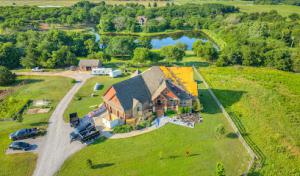
Washita Roofing & Construction
(405) 928-6282 washitaroofing.com
2746 Broce Dr #116, Norman, Oklahoma
5.0 from 112 reviews
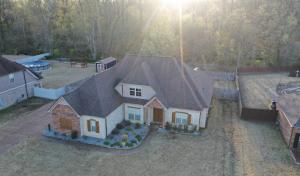
Legend Roofs Roofing Contractor Norman Roof Repair
(405) 353-9125 legendroofsok.com
2413 E Tecumseh Rd, Norman, Oklahoma
5.0 from 53 reviews
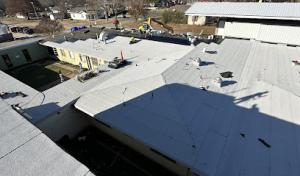
Streamlined Roofing & Construction
(405) 378-9978 streamlinedroofing.com
1818 Industrial Blvd, Norman, Oklahoma
5.0 from 38 reviews
Norman has earned a reputation as a high-claim hail and wind market, where insurers often decide whether to repair, patch, or fully replace based on what is seen after a storm. That means the timing of a claim can swing with the weather and the adjuster's read of damage severity. If a roof has repeated hits or a prior patch, the decision to replace rather than repair may come sooner than expected. Delays can complicate coverage if new damage appears after a claim is opened.
Homeowners should keep dated photos, interior leak evidence, and notes on when the storm occurred because insurers commonly scrutinize pre-existing damage in this area. A well-organized file helps avoid questions about prior wear versus storm impact. Take clear roof photos from multiple angles after each storm and save receipts for temporary repairs. If there is interior staining, document it with timestamps and locations; this can be critical if the claim shifts toward category of loss.
Ventilation and attic insulation documentation can matter in Norman claims because adjusters may ask whether poor roof performance was storm-related or tied to system conditions. Have attic vents and insulation evaluated by a licensed professional who can attest to their condition prior to and after the incident. This information supports whether the loss should be treated as imminent storm damage or ongoing energy efficiency issues, and it helps anchor the claim in observable facts rather than assumptions.
When storm season hits, contact your insurer promptly but avoid signaling a complete surrender. Document communications, keep a map of hail patterns on your roof, and coordinate with a trusted local contractor who understands how adjusters evaluate ventilation and insulation concerns. Being proactive helps ensure the process stays tied to verifiable damage rather than rumors in the neighborhood.
Connect with contractors who help homeowners navigate the claims process from damage assessment to final approval.
Hartland Construction & Roofing
2500 Boardwalk St Ste. 113, Norman, Oklahoma
5.0 from 139 reviews
Sentry Roofing Norman
2244 36th Ave NW Ste 100, Norman, Oklahoma
5.0 from 79 reviews
Washita Roofing & Construction
(405) 928-6282 washitaroofing.com
2746 Broce Dr #116, Norman, Oklahoma
5.0 from 112 reviews
Although steep-slope residential re-roofing dominates the local market, the contractor scene includes active specialties for flat or low-slope systems and solar-integrated roofing. In this area, a thoughtful mix of products and detailing can yield durable performance, especially when paired with proper ventilation, flashing, and underlayment choices. The central Oklahoma weather pattern-frequent hail and gusty winds-shapes both selection and service priorities for low-slope and solar configurations.
Low-slope sections in Norman need close attention after hail because punctures, membrane bruising, and drainage issues can be less obvious than on shingle roofs. A thorough inspection should look for hidden impacts under flashing, at transitions to existing walls, around penetrations, and where drains or scuppers connect. In flat or low-slope designs, even small punctures or lifted edges can allow water infiltration during spring storms, so a careful, moisture-focused assessment is essential before finalizing any replacement strategy. If signs of hail damage are found on the membrane or underlying substrate, prompt repair or system-wide confirmation of integrity helps prevent progressive issues.
Solar-related roof work should be coordinated with storm inspections and re-roof planning so attachment points and flashing are not overlooked after hail events. In practice, this means aligning photovoltaic or solar-thermal racking and flashings with the roof's primary waterproofing layer and venting plan. Ensure that mounting brackets don't compromise membrane integrity and that penetrations are backed by compatible sealants and flashing details. For Norman, where solar options increasingly pair with existing low-slope sections, it is prudent to review the roof edge details, drainage geometry, and the compatibility of microinverters or string inverters with the local electrical service. The goal is a cohesive system where solar hardware does not introduce new leakage paths or thermal stresses in a climate prone to rapid weather shifts.
Low-slope and solar projects in this market benefit from membranes that tolerate hail exposure and temperature swings without cracking or losing adhesion. Plan to select products with proven hail resistance, strong puncture resilience, and reliable seam integrity. When combined with solar attachments, the membrane selection should prioritize low-profile, corrosion-resistant flashing, and well-detailed transitions around skylights, vents, and chimney penetrations. Ventilation remains a critical factor to prevent condensation buildup beneath the membrane, especially in attic spaces where solar integration adds weight and potential heat gain. A well-documented, integrated approach helps ensure the roof remains watertight and energy-efficient over the long term.
Find specialists in TPO, EPDM, and built-up flat roofing systems for residential and commercial properties.
Streamlined Roofing & Construction
(405) 378-9978 streamlinedroofing.com
1818 Industrial Blvd, Norman, Oklahoma
5.0 from 38 reviews
ScissorTail Roofing & Construction
(405) 452-0591 www.scissortailroofing.com
300 W Main St, Norman, Oklahoma
4.8 from 86 reviews
GoodRidge Roofing & Construction
(405) 831-8250 goodridgeroofing.com
109 E Tonhawa St Suite 100, Norman, Oklahoma
5.0 from 24 reviews