
Last updated: Apr 19, 2026
Denison sits in a North Texas hail and severe-weather market where spring storm activity is a primary trigger for roof inspections, emergency dry-ins, and full replacements. The way the sky can crack open in a matter of minutes means a roof can deteriorate from a quick hail ding to a compromised surface that leaks or blows off during the next gust. The window for identifying damage and moving claims forward is narrow, because a storm-native roof often looks fine from the ground even as water finds its way beneath shingles and flashing. Neighbors who know the rhythm of these springs act fast: they photograph, document, and call on their insurer while the weather is still fresh on the mind of adjusters.
Because Denison is near the Red River and on the Texas-Oklahoma line, storm tracks affecting Texoma frequently bring wind-driven rain, hail, and fast-moving severe weather into the city. Those days create a cascade of dented shingles, curled edges, and loose granules in gutters. Wind brings uplift, which means the most vulnerable spots are along hips, valleys, and vents where hail damage can be hidden under debris. The urgency here is real: a damaged roof won't fix itself, and delays can compound the risk of interior damage when the next front passes. If your neighbor reports a storm that rattled the attic doors or rattled loose a few shingles, treat it as a potential early warning and start documenting immediately.
In Denison, post-storm roofing demand can surge quickly, which affects inspection wait times, temporary repair availability, and how fast homeowners need to document damage for insurers. After a big event, local inspectors and adjusters flock to town, and scheduling can become a bottleneck. That means timely photos, clear notes about the date and extent of the storm, and a record of any pre-existing issues are essential. A quick-start approach can prevent a small issue from ballooning into a major job. If a tree limb lands on the roof or wind picks up, a temporary patch covering the fastest-entry leaks can buy you crucial hours, but only if you act fast and document everything for the insurer.
Given the seasonal pace, you should start with a simple, practical plan. First, walk the roof with caution after a storm, looking for obvious punctures, lifted shingles, missing granules, and damaged flashing along chimneys and vents. Second, photograph the affected areas from multiple angles, including close-ups of hail hits and broader roof views. Third, note any interior signs of water intrusion-stains on ceilings, damp insulation in the attic, or spots on upper walls. Fourth, contact your insurer with a concise damage report and the storm date, keeping a log of every conversation. Fifth, arrange for a licensed local roofer to perform a controlled inspection quickly, prioritizing any signs of active leaks or widespread shingle failure.
As the season tightens, you'll feel the pressure of getting a repair plan in motion before the next wave of weather. A reliable roofing professional in this market should be prepared to mobilize promptly, carry the right materials for common Denison exposures, and coordinate with you on temporary protections if rain is forecast. Expect a careful assessment that distinguishes hail-induced damage from aging wear, and an upfront explanation of why certain sections may require full replacement rather than isolated patches. In this climate, the most prudent path is often a rapid, transparent plan that prioritizes the most vulnerable edge areas, valleys, and flashing details-areas historically prone to wind-driven failures here.
Even after the initial damage is secured, seasonal vigilance matters. Denison's weather can revisit roofs with another round of wind and hail within the same spring, so homeowners should keep an ongoing eye on the attic and ceiling spots that showed signs of moisture. A follow-up inspection a few weeks after the event helps verify that the temporary fixes held and that no hidden damage has emerged beneath the surface. By staying proactive and coordinating closely with a trusted local roofer and insurer, you reduce the risk of a minor storm scar becoming a major repair later in the season.
BT Xteriors
3011 S Fannin Ave, Denison, Texas
5.0 from 102 reviews
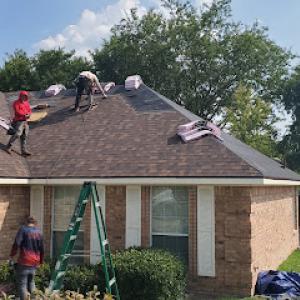
BT Xteriors is your top choice for roof repair, installation, and replacement in the Texoma area. As an affordable roofing company, we excel in both residential and commercial services, ensuring your property is protected with quality materials like composite shingles, metal, synthetic slate tiles, TPO, PVC, and EPDM. We pride ourselves on offering emergency roofing services, meaning we're always ready to handle urgent needs. Our experienced team is dedicated to craftsmanship and customer satisfaction, guaranteeing results that meet all manufacturing guidelines. Conveniently located on 3011 S Fannin Ave in Denison, TX, call us at (903) 662-1916 for your free roofing estimate today!
Fossil Ridge Roofing & Construction
(903) 624-4900 fossilridgeroofing.com
494 Kool Ln, Denison, Texas
4.6 from 140 reviews
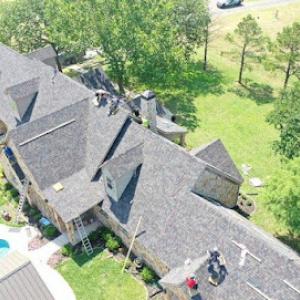
Fossil Ridge Roofing and Construction is a fully licensed and bonded roofing company. With over 30 yrs experience in construction, we guarantee and stand behind every job we touch. We are five star rated by the BBB, member of the NRCA (National Roofing Contractors Association) and an Owens Corning Preferred contractor. From commercial to residential, we specialise in TPO, PPC, EPDM, composition, and metal roofing applications. We are insurance claims specialist and handle your claims from start to finish including gutters, screens, windows and garage doors. Look no further as we are a one stop shop for your whole claim. We offer free honest inspections of your roof, covering Oklahoma and North Texas.
The Roofsters
(866) 798-7776 www.theroofsters.com
305 W Woodard St Suite 206, Denison, Texas
5.0 from 12 reviews
The Roofsters are a commercial and residential roofing company serving all of north Texas and southern Oklahoma.
Southern Made Roofing & Construction
3510 Oakwood Dr, Denison, Texas
5.0 from 5 reviews
24/7 roofing and construction business serving North Texas and surrounding areas.

Greenleaf Roofing
(903) 361-7274 www.greenleaf-roofing.com
3011 S Fannin Ave, Denison, Texas
5.0 from 3 reviews
Your local Roofing Contractor that is ready for all jobs big and small. Commercial or Residential, we are here to keep you dry!
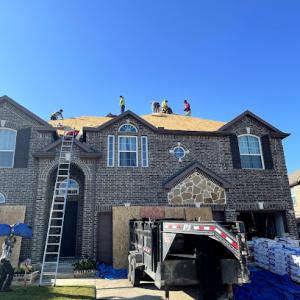
Top Repair Roofing
(903) 819-0452 www.toprepairroofing.com
Serving
5.0 from 42 reviews
Roofing Repair Done Right!

Premiere Roofing
(888) 766-3669 premiereroofing.net
Serving
4.8 from 86 reviews
Premiere Roofing is one of the most trusted commercial roofing companies in the Dallas-Fort Worth, Sherman-Denison, Tulsa & Oklahoma City regions. With more than 25 years of experience, we are the consumers’ first choice for roofing needs. We are a full-service contractor specializing in commercial and residential roofing installation, repairs, roof coating, and emergency fixes. Premiere Roofing is A+ rated by the Better Business Bureau and GAF Master Elite Certified.
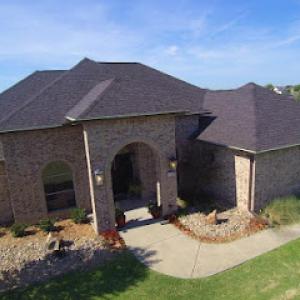
Gbt Roofing
(903) 818-6513 www.gbtroofing.com
Serving
4.9 from 75 reviews
GBT Roofing is a local roofing company that takes pride in our honesty and integrity.
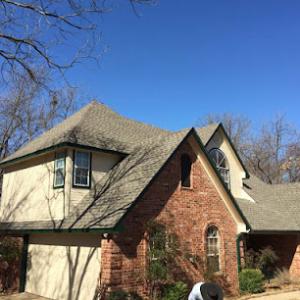
CRF Roofing Company
(903) 821-5579 crfroofingcompany.com
Serving
4.8 from 26 reviews
Our team has more than 25 years of roofing experience and will make sure the roof protecting you and your family is secure. We take pride in our superior craftsmanship and in providing the best service for our clients. We'll start your appointment with an inspection of your roof to determine if there's any damage that needs to be repaired
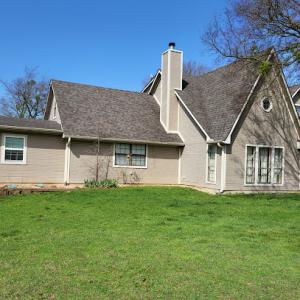
T Rock Roofing & Contracting
(903) 271-3104 www.dallasroofer.com
Serving
5.0 from 72 reviews
Serving North Texas with residential, commercial, and industrial roofing excellence for over 60 years.
ProFamily Roofing
Serving
5.0 from 6 reviews
ProFamily Roofing is a roofing company in Sherman, TX and surrounding areas. We specialize in residential roofing services, including shingle, metal and flat roof installation. We also offer emergency repair services for storm damage and hail damage. Our experienced team of professionals will ensure quality workmanship at a fair price.
Square Construction
Serving
5.0 from 52 reviews
SQUARE is your hometown construction company specializing in storm restoration focusing on residential roofing, gutters, windows, fence and interior. Service areas include ALL of DFW and Greater Austin. We offer NO COST inspections and pre claim assistance. SQUARE is fully insured, locally owned/operated and not chasing storms around the country.
For Denison homeowners, fall and spring are typically the most favorable reroof windows because they avoid the worst summer heat while still fitting around the city's storm-driven replacement cycle. This means planning around the spring hail season and the typical late-year weather lull can keep crews productive without exposing fresh underlayment to long heat spikes. In practice, target mid-spring and late-fall on the calendar, choosing stretches with a stable pattern of dry days rather than rapid, stormy swings. The goal is to secure a window where weather risk is low enough to complete the project without disruption, while insurance claims and city inspection cycles are still manageable.
Denison's hot summers can affect shingle handling, seal-down timing, and crew productivity, making scheduling and material staging more important than in milder climates. When planning a reroof, coordinate with material deliveries to avoid peak heat hours and to allow roofers to work in cooler morning temperatures. Use shaded staging areas for bundles and keep underlayment and fasteners organized to minimize heat-driven material handling issues. If inspecting for hail or wind damage after a spring storm, set aside a buffer day for temporary protection and quick tarp placement to avoid rain infiltration during the tear-off and application phases.
Winter freezes in North Texas can slow tear-off and underlayment work in Denison, especially when cold snaps follow rain or severe weather. If the project must extend into cooler periods, ensure crews have access to heated break areas and that sealant products are stored within their recommended temperature range. Short freezes between storms can compress scheduling windows, so a clear contingency plan is essential. Consider prioritizing moisture control strategies during milder winter spells and be prepared to pause work if temperatures dip and the crew cannot maintain consistent adhesive performance.
1) Review the storm history for the target window, noting spring hail patterns and the typical wind-driven claim cycle.
2) Align the project with a forecast block of dry days, ideally two to four weeks of stable weather.
3) Coordinate with the insurance flow to avoid delays caused by claim processing, and confirm a start date that minimizes expected peak heat.
4) Prepare staging areas that minimize sun exposure on materials and protect newly laid layers from sun and heat stress.
5) Build in a weather contingency-backup timelines and a plan for rapid tarp deployment if a quick shower interrupts work.
Get a clear picture of your project costs upfront - no commitment required.
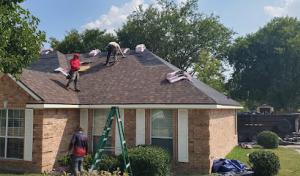
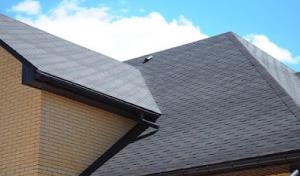
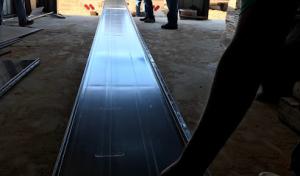
Asphalt shingles remain a dominant choice in Denison because they align with the city's large re-roof market and are commonly selected after hail-related insurance claims. Homeowners typically see rapid installation timelines and broad contractor availability with asphalt, which helps after spring storm events. When choosing this path, focus on warranted impact resistance options and compatible underlayment so the system retains its protective value through North Texas wind and hail exposures. If your roof line features complex valleys or multiple hips, ensure the shingle pattern you pick includes adequate weatherization for those details.
Metal roofing has a meaningful specialist presence in Denison and appeals to homeowners looking for stronger performance against recurring North Texas weather exposure. Standing-seam and premium panel profiles work well on homes with mid-century lines or more modern silhouettes, offering improved wind resistance and a longer service life. Take care to select color and finish options that hold up to frequent sun and temperature swings typical of spring transitions. A well-executed metal installation should include careful detailing at eaves, transitions to gutters, and secure ventilation breaks to prevent issues that can arise in windy spring days.
Clay tile, concrete tile, synthetic/composite shingles, and slate are present in the Denison market but require closer attention to structure, flashing details, and replacement logistics than standard shingle jobs. Clay and concrete tiles bring a distinctive profile and excellent longevity, but their weight demands a verified structural assessment and, in some cases, reinforcements to support the load. Synthetic and composite shingles offer a more flexible installation path that approximates the look of natural tile with lighter weight, yet they still require precise flashing at roof penetrations and transitions to walls. Slate delivers timeless aesthetics and superior durability, but installation precision is critical due to its weight and fragility during heavy storms. In all these cases, expect additional attention to valley metal, step flashing, and chimney or vent terminations to avoid leaks after hail impacts.
Denison homes vary from traditional bungalows to newer, multi-story designs, and material choice often ties to the overall roof geometry and the surrounding streetscape. When evaluating options, consider how a material's weight, profile, and anticipated maintenance align with your home's structural capacity and your neighborhood's storm history. For spring hail and wind cycles, a well-chosen material paired with proper underlayment and flashing detail can improve resilience while preserving curb appeal.
Spring hail storms and strong winds are a reliable driver of demand here, and after a major North Texas hail event, labor can tighten quickly. When crews get scarce, bids may rise and scheduling compresses, so timing your project window matters. You'll often see a price bump not just from the material you pick, but from the speed with which a contractor can mobilize a crew and equipment around a storm claim surge.
Denison projects fall along a clear spectrum: asphalt shingles and synthetics stay closer to the lower end, while metal, clay or concrete tiles and slate sit higher. Typical cost ranges per square you'll see locally reflect both material and the regional hardening of demand after hail events. For example, asphalt shingles generally land toward the lower-middle of the pricing curve, while metal routes you into mid-to-upper territory, and tile or slate options push toward the upper end. The exact numbers shift with the weather cycle, warranty terms, and the contractor's current supply chain conditions.
A straightforward re-roof is priced differently from a job that includes storm-related decking repairs, emergency dry-in work, or detailed flashing replacement after wind damage. When decking is damaged, replacing or reinforcing that structure adds labor and material costs that ripple through the project. Flashing, vents, and rain barriers require careful attention after windy bursts, which can add hours of workmanship even if the visible roof area looks similar from the ground.
In this market, pricing signals go beyond the sticker price of shingles. Higher-end materials can lift both roofing cost and the downstream impact on project value. If a claim drives a larger scope, expect the total to reflect the combination of material, labor availability, and any incidental repairs triggered by the storm and wind exposure.
A full roof replacement in Denison generally requires a building permit through the City of Denison Building Department. The permit process exists to ensure the work meets local codes and rain-quick weatherproofing standards, especially after spring hail and wind events that can stress the roof deck. The inspection cadence matters here: a typical project uses an interim or rough-in inspection during the rebuild and a final inspection after completion. When storms hit and crews move quickly to tear off and dry-in, the timing of those inspections can become a bottleneck or a source of miscommunication if the schedule isn't clear from the start.
Because inspections are coordinated through the local building department, the clock on your project often hinges on when the permit is pulled, and when the contractor or homeowner calls in each inspection. It's common for weather windows to compress timelines in spring, so a rapid tear-off followed by a dry-in can collide with the next available inspection slot. If the interim inspection is missed, or if the rough-in is completed without the required follow-up, the project can stall until the city re-certs progress. Being proactive about booking inspection dates early helps prevent backlogs from delaying a storm-damaged roof's completion.
Confirm who is responsible for pulling the permit and who is responsible for calling in each inspection. In practice, this often falls to the contractor, but local rules vary by project and neighborhood association requirements. If a claim is involved with your replacement, ensure the party handling the permit has a clear contact with the building department and a plan for timely notifications when inspections are needed. A simple written plan exchanged at project kickoff avoids delays when a storm-repair window is closing.
Keep your project files organized with permit numbers, inspection dates, and the contact details for the city inspector. Schedule the rough-in and final inspections as soon as the roof deck and underlayment are in place, and confirm that any required setbacks or venting adjustments are addressed before the final walk-through. If weather interrupts the schedule, communicate promptly with both your contractor and the building department to adjust inspection timing rather than letting a lapse create a longer wait. This approach helps protect the investment and reduces the risk of weather-related damage during the transition from tear-off to a weather-tight roof.
In a high-claim North Texas environment, hail and wind losses often lead insurers to request detailed roof condition reports, photos, and prompt estimates. After a severe event, expect communications that push toward rapid documentation and a clear audit trail. The timeline can hinge on adjuster schedules, storm intensity, and the pace of temporary repairs, so knowing what to gather ahead of time makes a real difference when conversations move quickly.
Adjuster inspections are a common part of the replacement timeline after severe weather, which means homeowners need to preserve evidence before temporary repairs or full tear-off begin. If a repair is unavoidable to stop leaks, photograph it from multiple angles before any patching, and keep notes about what was done and why. The goal is to create a record that can withstand a second look during a written review or supplemental claim discussion.
Because claim activity is frequent in this part of Texas, Denison homeowners benefit from documenting elevations, soft-metal impacts, interior leaks, and date-of-loss details as soon as storm damage is suspected. Elevations show hail strikes on corners and ridge lines, while soft-metal impacts on flashing or gutters can signal deeper issues. Interior leaks often reveal themselves away from visible roof damage, so note any staining, nurseries or attic condensation, and the first date leaks appeared. A steady, timestamped log helps the process stay on track even when weather shifts delay field visits.
Keep a dated album of exterior photos from ground and vantage points that reveal most of the roof surface, including attic inflow and nearby chimneys. Store storm notes, receipts for temporary fixes, and any communications with insurance representatives in one accessible place. When suspected damage arises, start a detailed timeline: weather events, observed damage, dates of any leaks, and when you first contacted the insurer. This paper trail can reduce back-and-forth and help ensure the claim moves forward with fewer delays.
Connect with contractors who help homeowners navigate the claims process from damage assessment to final approval.
Fossil Ridge Roofing & Construction
(903) 624-4900 fossilridgeroofing.com
494 Kool Ln, Denison, Texas
4.6 from 140 reviews
The Roofsters
(866) 798-7776 www.theroofsters.com
305 W Woodard St Suite 206, Denison, Texas
5.0 from 12 reviews
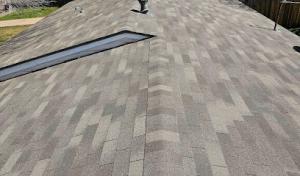
In Denison, repeated hail exposure can shorten the service life of asphalt roofs even when damage is not obvious from the ground. Granules can be knocked loose in cycles that quietly accelerate aging, and subtle bruising may progress into weak spots that fail during the next storm. You'll often notice no obvious dent on a single shingle, but the overall surface can feel chalky or look slightly faded where hail has flaked protective granules. The key practical signal is a pattern of tiny divots or a speckled look across large sections of the roof after a heavy spring hail event. Regular inspections after hail storms help catch early failures before a leak appears inside.
Wind-driven rain during North Texas storm events makes flashing transitions, ridge areas, and roof penetrations especially important leak points for Denison homes. If flashing around chimneys, skylights, vents, or transitions between materials is compromised, water can find a path behind the outer layer and travel laterally before dripping inside. Ridge vent seams and vent boots are common failure sites when winds slam water under membranes. After storms, check attic spaces for sudden dampness, musty smells, or dark staining along ridges and penetrations. A tactile exterior check should focus on loose or corroded step and counter-flashing, especially at corners, dormers, and where roofing meets other surfaces.
Heat cycling through Denison summers can accelerate granule loss, sealant fatigue, and aging at vents, pipe boots, and other exposed roof accessories. Sun-exposed edges and rubberized sealants harden and crack, allowing slow moisture intrusion that worsens with every heat spike. Pay particular attention to vent collars, plumbing stacks, boot seals, and metal flashings surrounding skylights. When inspecting, look for hairline cracks in rubber seals, missing granules near vent openings, or any edge deterioration where metal meets shingle. If you notice accelerated aging around these components, plan for targeted resealing or replacement before a leak becomes active. Regular maintenance focused on these areas can extend roof life in the climate-driven cycles Denison experiences.
Find contractors experienced in skylight installation, flashing, and leak repairs to bring natural light into your home.
Fossil Ridge Roofing & Construction
(903) 624-4900 fossilridgeroofing.com
494 Kool Ln, Denison, Texas
4.6 from 140 reviews

Greenleaf Roofing
(903) 361-7274 www.greenleaf-roofing.com
3011 S Fannin Ave, Denison, Texas
5.0 from 3 reviews
Denison homes often blend low-slope sections-porch covers, room additions, and garage bays-with steeper main roofs. That mix means you're not just replacing shingles; you're tying together different drainage and flashing details. On many properties, a low-slope surface can look fine after a hail event, but water can be seeking a path through transitions that appear intact. Pay attention to any roof area where a shallow slope meets a steeper pitch, especially where metal or membrane materials might be required to bridge the change without gaps.
If you have a low-slope porch cover or an addition connected to the house, the transition flashing and drainage must be continuous. Wind-driven spring storms can lift edges or uncover fasteners at these joints. Ensure the edge details on the low-slope portion are integrated with the main roof's gutter system, downspouts, and overflow paths. In addition, verify that any scuppers or interior drips are wired into a single, clear drainage plan so water from the added sections doesn't pool or back up into framing.
During storms, wind can push rain under areas that look intact, particularly at fastener zones, sealant lines, and vent penetrations on low-slope sections. A thorough inspection after a storm should include the interior side of transitions for signs of moisture staining or small leaks around penetrations. If a DIY check shows any suspect flashing or edge sealing that's not handling runoff from both roof areas, plan a targeted repair that seals the entire transition rather than patching individual spots.
When planning repairs, factor in the sequence: secure the primary roof first, then address the low-slope add-ons so that the entire envelope re-establishes a cohesive water barrier. For visible shingle damage that sits near a transition, don't assume the issue ends at the visible edge-inspect just beyond the apparent boundary where rainwater could migrate. In storm repair scenarios, prioritize stable, continuous drainage along all connectors to minimize interior water intrusion.
Find specialists in TPO, EPDM, and built-up flat roofing systems for residential and commercial properties.
Fossil Ridge Roofing & Construction
(903) 624-4900 fossilridgeroofing.com
494 Kool Ln, Denison, Texas
4.6 from 140 reviews
After spring hail and gusty winds, the top concern is a contractor that can move quickly from the first call to a cleaned-up completion. Homeowners screen for crews that show up promptly, set clear cleanup expectations, and follow a practical sequence for a re-roof rather than just handing over a bid. In Denison, storm response isn't optional: a fast crew that arrives with tarps, dumpsters, and disposal plans helps prevent further interior damage and minimizes days with exposed decking.
The local contractor mix leans toward established, straightforward residential re-roof experience over flashy, niche luxury work. Homeowners look for crews with a track record of handling typical Denison roofing layouts-shotgun, gable, or low-slope sections common to region housing stock-and a clear plan for weather protection during the process. A trusted team shows up with familiar materials and a predictable workflow, avoiding detours into unusual designs unless they are truly needed.
Because insurance-driven work is common, documentation quality becomes a screening priority. Homeowners expect thorough photo logs, file-ready damage summaries, and organized replacement timelines that insurers and adjusters can follow. Responsiveness matters: a contractor that returns messages promptly and can adapt to adjuster visits, set appointment windows, and align inspection timing earns higher consideration. In practice, this means written scopes, itemized line items for the re-roof, and a clear calendar that can be shared with the insurer and the property owner.
A practical contractor doesn't just provide a bid; it coordinates around the claim workflow. Look for teams that offer to schedule and accompany progress inspections, prepare for adjuster walkthroughs, and communicate any needed documentation or supplemental photos. In Denison, where spring storms drive many reroof decisions, the ability to synchronize with insurance timelines reduces friction and keeps the project on track, even when weather or claim pauses occur.
Get a clear picture of your project costs upfront - no commitment required.