
Last updated: Apr 19, 2026
Spring in this city brings frequent hail and severe thunderstorms that slam roofs and trigger replacement decisions. The window when you can install with the least hassle tends to be the drier pockets of spring or fall, but those same spring events often collide with weather delays and insurance callbacks. When a hailstorm hits, you're balancing storm recovery with the push to secure a solid installation window before the next round of storms arrives. In Stillwater, the risk isn't just what falls from the sky-it's the cascading impact on schedules, crew availability, and the ability to document damage promptly for insurers and OSU-area housing stock.
Oklahoma's hail and wind claim environment can feel relentless, and the timing of storms matters as much as the damage itself. After a hail event, insurers will want a clear trail of evidence: roof age records, any prior repair history, and fresh photo documentation showing the affected areas. If you're late on documentation, or if the roof has known weaknesses from earlier repairs, that can slow coverage decisions or shift your claim toward a denial or a reduced payout. In Stillwater, early action matters because adjusters often use the first available inspection window to determine coverage and scope.
Capture and organize what insurers will expect before the next claim review. Gather a concise roof age record and a log of prior repairs, noting materials, dates, and contractors if possible. Take high-resolution photos from multiple angles after every major hail event, including close-ups of any roofing penetrations, flashing, and gutters. If you don't have an independent roof assessment, consider a quick, targeted evaluation by a local pro who understands OSU-style housing stock and common Stillwater roof assemblies. When a storm hits, you want to trigger the claim promptly and present a clear, dated trail of the roof's condition before the next round of weather can complicate the record. Quick documentation helps insurers move from assessment to coverage faster and keeps your project on the tighter, drier side of the spring window.
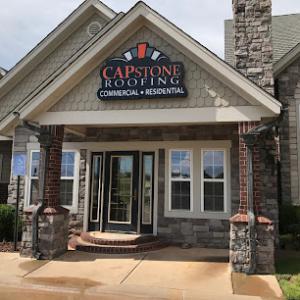
Capstone Roofing
(405) 873-6443 roofwithcapstone.com
1782 W Lakeview Rd, Stillwater, Oklahoma
4.9 from 212 reviews
Capstone Roofing is your local, professional roofing company keeping homes and businesses protected throughout Stillwater with expert roofing services. Whether your in need of quick roof leak repairs or extensive new roof construction, we are the company home and business owners rely on for the best results in Northeast Oklahoma. With locations in Stillwater, OK. and Owasso, OK., we are proud of who we are and the work we do! We service all of Northeastern Oklahoma and are Licensed and insured for your protection. We have an A+ rating with the BBB and invite you to look at other clients experience with us. Being a third generation business, our experience and expertise is what you deserve.
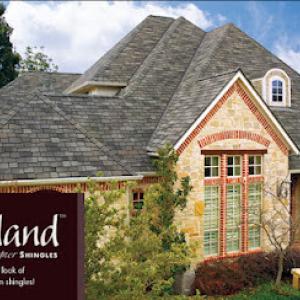
RSI-Roofing Services
(405) 372-7645 www.rsistillwater.com
524 S Hafner St, Stillwater, Oklahoma
4.9 from 80 reviews
RSI Is the "PREMIER ROOFING COMPANY" located IN STILLWATER, OK. Additional sales offices in OKC, Tulsa and Phoenix, AZ. Our Commercial crews install TPO, PVC, EPDM, Standing-Seam Metal, Mission and Spanish Tile. See our web site for hundreds of pictures. RSI is certified with GAF, Certainteed and Malarkey shingle products, we always give a GOOD, BETTER and BEST estimate, all of our residential shingle installations have a 50 year material warranty and a 5 or 10 year labor warranty. Our residential metal roofing has a 40 year paint material warranty along with our standard 5 year labor.

Outback Restoration & Roofing
(405) 863-8545 outbackrestorationandroofing.com
3107 Esther Park Ct, Stillwater, Oklahoma
4.9 from 59 reviews
We are a family owned and operated licensed roofing and construction company that has been in business for over 29 years (since 1993). At Outback, we take pride in each job providing honest information, transparency, and expert knowledge and craftsmanship. For all your roofing or construction needs, give us a call!

New View Roofing
(405) 877-1850 newviewroofing.com
1514 W 14th Ave, Stillwater, Oklahoma
5.0 from 9 reviews
New View Roofing is a local, veteran-owned, Oklahoma roofing company serving the residents of Stillwater and surrounding communities. We provide full-scale residential, commercial and industrial roofing services. As a Certified GAF Master Elite® Contractor, New View Roofing has met strict business standards and undergoes regular training and recertification to keep up-to-date with the industry’s best practices. Master Elite status puts us in the top 3% of all roofing companies in the country, so you will receive the best workmanship for your project. Home and business owners in Oklahoma know they can depend on New View for high-quality workmanship, dependable service and exceptional customer care.

Sumpter Central Roofing
(405) 743-1200 sumptercentralroofing.com
1618 W 12th Ave, Stillwater, Oklahoma
5.0 from 5 reviews
As members of the community ourselves, we understand the importance of trust and reliability. Our reputation as trustworthy roofers has been built on a foundation of honesty, integrity, and quality workmanship. From residential homes to commercial properties, we approach every job with the same commitment to excellence.
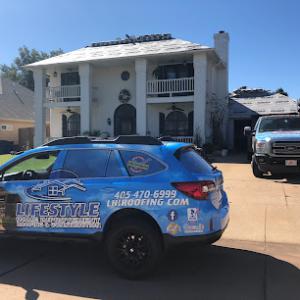
Lifestyle Home Improvement: Stillwater Inc Roofing & Construction
913 S Main St #1, Stillwater, Oklahoma
5.0 from 2 reviews
Lifestyle Home Improvement is a general contractor that specializes in home exterior and insurance restoration
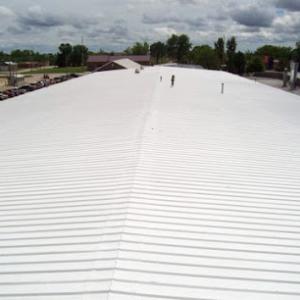
Skyline Commercial Coatings
(405) 962-9471 www.skylinecommercialcoatings.com
Serving
We offer seamless spray-on roof coating systems for metal and low-slope roofs. Save money by restoring your existing roof with a white energy efficient solution and warranty up to 20 years.
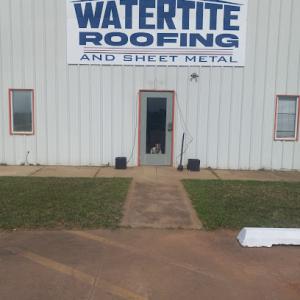
Watertite Roofing & Sheet Metal
(405) 612-7663 watertiteroofingandsheetmetal.com
2417 N Marine Dr, Stillwater, Oklahoma
Watertite Roofing and Sheetmetal is a local and family owned business and we have proudly served Stillwater and surrounding areas since 2003. Roofing has been a tradition in our family since 1975, and we have over 35 years of experience. We specialize in leak repair, commercial and residential roofing, composition shingle roofing, metal roofing, flat roofing, tpo roofing, new construction and skylights and chimneys. If you need an estimate for a leak repair or a brand new roof, we give free estimates.
Hot summers and springtime hail are the two big weather shapers for roofs here. The heat drives asphalt shingles to age faster, and the bright Oklahoma sun can magnify granule loss or edge wear on lighter color shingles. Hail exposure in the spring means roofs take repeated, sometimes sharp impacts during storms, which can lead to accelerated wear, dented metal, and dislodged granules. The climate also features variable precipitation, so moisture management matters year-round, not just after a storm. A roof stored for the long haul needs materials and ventilation that tolerate heat spikes, occasional wind-driven rain, and periods of dry, windy days that strip exposed roof surfaces.
Storm season tends to cluster in the transition from late winter to spring, with severe convective weather that can produce sudden hail events and fast-moving rain. Replacement timing is often chosen around short dry-weather windows rather than a fixed construction calendar. Planning for a reroof in this region means prioritizing prompt storm damage assessment after hail events, coordinating with contractors who can mobilize quickly, and keeping an eye on how soon after a storm the roof needs temporary protection to prevent leaks. Because weather windows can close quickly, having a pre-arranged plan for material storage, safe access, and tarp deployment helps minimize the disruption to your home during the busiest weeks.
The housing stock in this area tends to favor shingles and metal, with occasional tile options that can be worth considering in the right exposure. Asphalt shingles stay common due to cost and ease of installation, but hail can cause denting in metal and potential surface damage on lighter shingle profiles. In regions with hot summers, metal roofs can reflect heat and shed water efficiently, though attention should be paid to flashing and panel seams to prevent wind-driven leaks. Clay and concrete tiles offer durable alternatives, but require solid underlayment and proper roof slope to handle rapid rain transitions and hail impacts. Wood shingles and synthetic options bring unique aesthetics and performance, but each carries trade-offs in hail-prone springs and temperature-driven expansion.
Ventilation plays a central role in performance during Oklahoma's warm months and storm cycles. Adequate soffit and ridge venting helps regulate attic temperatures, which in turn reduces moisture buildup and extends roofing system life. Proper underlayment remains critical in storm-prone years; a robust barrier helps guard against wind-driven rain and hail-driven pinholes that can develop after repeated impacts. Keeping roof decks dry during and after hail events protects structural integrity and helps maintain the tariff of your replacement or repair decisions when timelines are tight.
Storm damage, documentation, and claim readiness are part of the local decision framework. Photograph damage promptly, keep a dated record of hail events, and organize contractor assessments that note impact locations, shingle or panel condition, and flashing integrity. Having an accessible folder of prior roof conditions, warranty information, and a simple map of affected areas makes the post-storm reporting process smoother. When storms march through, the goal is to identify damage early, protect vulnerable areas, and have the right documentation ready to support any insurance conversations that arise.
Asphalt shingles dominate many reroofs because they fit the local housing stock and cost range. In Stillwater, the frequent hail exposure can shorten replacement cycles, so you'll want a shingle line with robust impact resistance and a reliable warranty. Look for impact-rated shingles that maintain performance under repeated hail hits, and choose a color and profile that helps shed heat during Oklahoma summers. A straightforward installation with a solid attic ventilation plan keeps moisture from lingering after storms, which helps extend the life of an asphalt roof in this climate. If a hail event tears sections, the repair path is typically simpler with asphalt compared to heavier, more specialized systems.
Metal roofing is especially relevant in this market because it performs well in heat and can be attractive in a hail-focused market, though cosmetic denting can still become an insurance and resale issue. In a spring storm window, metal panels shed hail impacts more gracefully than some other types, potentially limiting interior damage timelines. The key is to choose a profile and finish that minimizes dent visibility while maintaining a clean look from the street. Copper or aluminum options can resist corrosion in Oklahoma humidity, and standing-seam installations reduce the risk of panel seam leaks after heavy rains. Ensure fasteners are properly sealed and that the roof-to-wall transitions are integrated to reduce wind-driven water intrusion during severe thunderstorms.
Tile and wood options exist locally, but their weight, brittleness, or maintenance profile matter more in a city where hail, summer heat, and thunderstorm scheduling are recurring concerns. Clay and concrete tiles can provide long life and good heat resistance, yet they come with significant weight that may require structural checks before installation. In hail-prone springs, tiles may crack on impact, creating the need for careful patching or panel replacement. For wood, be mindful of rapid expansion and contraction from heat and moisture cycles, plus potential weathering after hail events. If choosing tile or wood, coordinate with a skilled roofer who can assess structural compatibility and long-term upkeep for the Stillwater climate.
Wood options bring curb appeal but carry higher maintenance needs in a hail-prone environment with hot summers. Shake surfaces can show denting or hail marks, and the seasonal heat accelerates drying and potential cracking. Regular inspections after storms help catch issues early, especially around rafters, underlayment, and drip edges. Consider faster replacement cycles if hail damage is likely, and pair wood with a high-grade underlayment and proper ventilation to minimize moisture problems during monsoon-esque Oklahoma storm patterns.
Synthetic or composite shingles offer a blend of durability and weight management. In Stillwater, these products can emulate other styles while delivering improved impact resistance and easier maintenance after hail events. Look for products that include UV stabilization and a warranty that covers hail impact to avoid premature granule loss. Proper ventilation remains essential, as heat buildup can accelerate wear on any roof system during Oklahoma summers. If choosing synthetic, ensure the installation team understands the local wind and hail exposure patterns to maximize life span and performance.
Residential reroofs require a building permit, and the permit is applied for through the City of Stillwater Building Department. In practice, the contractor typically handles the reroof permit application rather than the homeowner filing it directly. This means you'll likely receive notices or requests for documentation from the contractor as the process moves along. If you prefer handling it yourself, coordinate in advance with the roofer to avoid delays.
Before any work begins, the contractor should verify that the project scope matches the permit plan on file. The Building Department may require confirmation of the roof type, ventilation changes, and attic access. Expect the permit to reference basic structural elements like sheathing and underlayment requirements, as well as ventilation needs for the attic space. If there is any deviation from the approved plan, the roofer must submit an amendment for approval.
City inspections after installation commonly focus on sheathing, underlayment, ventilation, and final completion. A typical sequence includes a rough inspection after sheathing and underlayment are installed, a ventilation/attic inspection to confirm intake and exhaust paths are adequate, and a final inspection once the roof replacement is complete and all ancillary components are in place. In Stillwater, documenting hidden work matters. Hidden components such as roof sheathing fasteners, underlayment underlayment type, and venting hardware are often scrutinized if not visible. Well-organized records help pass inspections without delay.
Because inspections can hinge on the unseen parts of the roof, gather clear documentation of all hidden work. Take dated photos of the roof deck, installation of underlayment, and ventilation systems before and after completion. Save product datasheets for underlayment, ice and water shield, and vented soffit or ridge systems. Keep notes on any deviations from the original permit plan and have the contractor provide written explanations if changes occurred. A complete, organized file helps the inspector confirm compliance and can smooth the final sign-off.
Once the final inspection passes, the permit is closed and the project moves toward occupancy or use as applicable. If any deficiencies are noted, address them promptly with the contractor and schedule a reinspection through the Building Department. Clear communication and thorough documentation reduce rework and keep the reroof on track through Oklahoma's spring storm season.
For asphalt shingles, the local range is about $350 to $650 per square. If metal is chosen, anticipate $700 to $1100 per square. Clay tile sits higher, roughly $1000 to $1800 per square, while concrete tile runs about $900 to $1500 per square. Wood shingles or shakes fall in the $600 to $1000 per square band, and synthetic or composite shingles come in at $500 to $850 per square. These figures reflect the typical Stillwater market in the wake of spring storms, and they're useful benchmarks when you start talking bids with local crews. Prices in this area can differ from statewide norms because Stillwater sees unique housing types and roof geometries common to central Oklahoma.
Pricing can rise after spring hail events when regional demand spikes across central and north-central Oklahoma and contractor schedules tighten. If a hail storm hits during a busy week, a few reputable crews may be booked out several weeks, which can push labor costs and material lead times higher. In practice, that means getting on a trusted roofer's calendar early after a storm helps avoid the sharpest premium increases. Keep in mind that the price bands above are most reflective of typical Stillwater activity; during peak storm seasons, expect the upper ends to feel more attainable rather than the norm.
Costs in Stillwater are also affected by roof geometry common in local single-family neighborhoods, such as complex valleys or multiple transitions, which can add labor time and small-material waste. If storm-related sheathing replacement is needed, or ventilation corrections are flagged during inspection, these items can push the overall project cost toward the higher end of the ranges for your chosen material. When budgeting, it helps to compare at least three local bids that break down labor, waste, and any additional items tied to your roof's layout. Documentation of hail impact and prior repair history can smooth the process and protect against surprises down the line.
In this part of central Oklahoma, hail and wind claim activity is a familiar rhythm. The local insurance market can push changes in premiums, deductibles, or underwriting scrutiny after a severe storm. Some insurers have tightened roof-related coverage terms in hail-prone areas, even though pullbacks aren't uniform across the state. That means careful documentation and clear communication with your carrier can influence how a claim is reviewed and how renewal terms are set.
Because spring severe weather can arrive quickly, you want to be ready before the next hailstorm arrives. Keep date-stamped photos of your roof and any prior damage, plus records of the roof's age and past repair invoices. If you've earned any roof certifications, have those on hand as well. Carriers may request this material during claim review or renewal, and having it organized can prevent delays or disputes. A simple, well-kept file saved digitally and physically in a safe spot can save you headaches when a hail event tests your system.
During a storm season, claim review can feel scrutinizing, not just exploratory. Expect questions about the timeline of the damage, any interim repairs, and the condition of ventilation and attic insulation, which can influence settlement decisions. Being able to reference specific dates, contractor notes, and repair invoices helps establish the sequence of events and the scope of needed work. If a claim stalls, you'll benefit from having clear, timestamped records that demonstrate the durability of previous fixes and the integrity of the roof assembly.
Repeated hail exposure can bruise asphalt shingles and loosen granules, creating damage that may not be obvious from the ground after a spring storm. In Stillwater, those hidden hits often show up later as premature aging, granule loss in gutters, or patchy shine on the roof surface. After a storm, walk around with a flashlight at dusk and look for loose granules left in the driveway or along roof edges. If asphalt shingles feel rough or curled at the edges, you may be dealing with more than a cosmetic blemish. A closer-to-home check from a cautious eye can save you from chasing problems that only reveal themselves after summer heat intensifies.
Summer heat in this area can accelerate aging in darker or poorly ventilated roof systems, making attic ventilation a bigger issue than in milder climates. In attics with limited intake or exhaust, heat stalls under the decking and softens underlayment, which can hasten the deterioration of roofing felt and flashings. If you notice unusually warm or humid attic conditions, or if soffit vents look clogged, addressing ventilation now helps prevent faster degradation of shingles and ventilation components. The combination of high sun exposure and dense spring debris can compound the problem, so routine checks after the first hot stretch are a smart habit.
Thunderstorm-driven repairs in the city often uncover compromised decking or underlayment, which matters because local inspections commonly review those concealed components. After a heavy hail event or a thunderstorm with strong winds, it's not unusual to find soft spots or warped decking once the old shingles come off. That hidden layer failure can weaken the roof's core and complicate later repairs. If decking or underlayment is compromised, plan for a staged replacement that prioritizes structural integrity and moisture control, rather than chasing only surface cosmetic fixes.
When a regional hail event hits, crews from nearby Oklahoma markets start moving. That mass surge can tighten contractor availability quickly, and your project may need to slide into a slot you hadn't planned for. In rural-travel corridors around campus housing clusters, the best crews are often booked days to weeks out, especially if the storm system lingers and multiple neighborhoods call for attention. If a storm-damaged roof is confirmed, expect a temporary rush, then a lull as crews shift to the next affected area. Having a realistic window for start dates and a plan to accommodate a slightly flexible schedule helps avoid losing a preferred time frame to someone who acts faster.
As a university town with a blend of owner-occupied homes and rental properties, the area can see a churn of repairs when investors and long-term residents pursue replacements together. Rental properties may require coordinated access and entry windows, squeezing available crew days across multiple units. This dynamic can compress scheduling into a narrower span, especially after back-to-back hail events during peak spring weather. Communicate clearly with property managers about preferred access times and ensure you have a single point of contact for arranging inspections and staging. A proactive homeowner who aligns timelines with property owners can reduce back-and-forth and keep crews moving efficiently.
The sweet spot commonly sits between avoiding peak hail season and dodging extreme summer heat, while still securing a dry-weather inspection window. Early spring can offer cooler temperatures and a lower likelihood of unexpected storms, but that depends on the season's pattern. Late fall may also provide stable conditions, but you want to finish before winter weather takes hold. Plan for a window that includes a day or two of dry weather after the inspection, so the crew can proceed without weather delays. Coordinating around OSU schedules and typical campus activity calendars can help you anticipate when neighborhoods will be most receptive to scheduling and minimize last-minute changes.