
Last updated: Apr 19, 2026
Enid sits in north-central Oklahoma, where spring severe weather and hail are a primary driver of roof replacement decisions. The pattern is clear: frequent hail events, sometimes clustered over a few days, can overwhelm even well-maintained roofs. This isn't a distant risk-this is a real, recurring factor that shapes the condition of wood, asphalt, metal, and tile roofs in town. When hail sizes climb and wind speeds rise, fast-moving moisture and impacts create micro-defects that may not be obvious at first glance but will show up as leaks or accelerated aging after only a few weeks. The practical consequence is that a roof that looks "okay" after a storm may harbor unseen damage, and delays can turn a manageable repair into a more invasive replacement.
Local project timing is heavily affected by spring storm clusters, which can create sudden demand spikes for inspections, temporary dry-ins, and full replacements. When a cold front brings a hail core, you may see multiple homes compete for the same resources-roofers, lenders, and adjusters all respond to the same flood of claims. Inspections can be scheduled days out during peak weeks, and crews may be stretched thin as homeowners race to document damage before the next storm hits. If a claim is filed during a storm cluster, expect longer wait times for a reliable assessment and a workable dry-in plan. Planning ahead during calmer weeks can dramatically reduce the friction once a hail event lands.
Because Oklahoma is a high-claim hail market, Enid homeowners should expect insurers to scrutinize storm dates, photo documentation, and whether damage is functional versus cosmetic. Photos should document: the date and time of the storm, the extent of hail impact on shingles and flashings, any visible granule loss, and interior indicators like ceiling stains or attic condensation in the days immediately following the event. Don't rely on memory; keep a dated gallery from the roof vantage points and attic spaces. Functional damage-shingle perforations, lifted edges, exposed underlayment, or compromised flashing-will carry more weight in a claim than cosmetic scuffing. Make sure the contractor's initial assessment clearly distinguishes between cosmetic issues and structural or moisture-related concerns. If a roofer notes soft decking, buckling underlayment, or widespread granule loss, that's a red flag for a full replacement rather than a patch. Stay proactive about documenting every step, because adjusters value precise, contemporaneous evidence.
Act quickly after a hail event to protect value and limit exposure to weather. Move quickly to arrange a certified roof inspection within 72 hours if possible, especially after a severe cluster. Ask the inspector to evaluate for hidden damage under shingles and along eaves, ridges, and skylights-areas prone to moisture intrusion that can be missed from a ground-level view. If damage is found, request a written, dated report that differentiates cosmetic marks from functional failures. Coordinate with a reputable roofing contractor who can provide a temporary dry-in plan and help you assemble the documentation an insurer will expect. Keep a centralized folder with storm dates, contractor estimates, and any correspondence with the insurer. In a tight market, consider scheduling pre-storm maintenance on critical components-like flashing around chimneys and vents-so that when the hail hits, your roof has fewer easy failure points to document.
A replacement is not an automatic reflex after every hail event; it hinges on sustained performance, the extent of visible and hidden damage, and the insurance outcome. If the assessment confirms widespread functional damage or compromised decking, a replacement may be the prudent path to prevent recurring leaks and higher future claims. If damage is primarily cosmetic and the roofing system remains weather-tight, a repair could be appropriate, but insure that the repair does not mask underlying defects that will worsen with the next storm. In Enid, the window from initial discovery to final decision often tightens during spring storm cycles, so timely action-paired with thorough documentation-keeps options open and reduces the risk of premature failure.

USA Roofing
(580) 242-8996 www.usaroofingcompany.com
2504 W Owen K Garriott Rd #171, Enid, Oklahoma
4.9 from 141 reviews
Roof Installation & Replacement
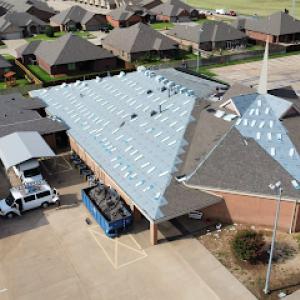
Good Choice Homes & Construction
(580) 478-4334 www.goodchoiceok.com
3218 Craftsman Dr, Enid, Oklahoma
5.0 from 19 reviews
Established in 2011, Good Choice Homes and Construction is a family-owned business proudly serving Enid and North Central Oklahoma. With a foundation of quality craftsmanship, they specialize in a comprehensive range of construction services. From new home builds and expert roofing to remodels and general contracting, their team provides timely and professional service. Their skills also extend to masonry, concrete work, and welding, offering complete solutions for your property enhancements. Good Choice is your trusted partner for all construction needs.
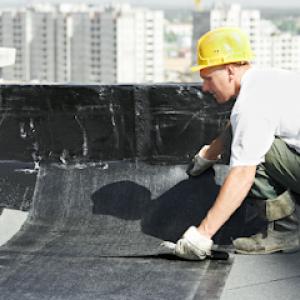
Pioneer Construction & Insulation
(580) 234-8610 pioneerconst.net
213 E Elm Ave, Enid, Oklahoma
4.5 from 14 reviews
Roof installation roof inspections, estimates,and repair. Home insulation, Home remodeling Home repair Interior and exterior painting Drywall installation and repair Guttering estimates, repair, replacement
On Top Restoration & Remodeling
1501 N Van Buren St, Enid, Oklahoma
2.0 from 5 reviews
We are a local Enid Contractor offering roofing services as well as general contractor services
In this inland Great Plains setting, roofs endure stubborn sun that bakes shingles and drives attic heat, paired with fast-moving thunderstorms that can batter flashing and edges. Wide temperature swings-from scorching summer days to sharp freeze-thaw cycles-stress materials in ways not seen along coastlines. You'll notice shingles aging faster if they're not rated for high-heat exposure or rapid cooling, and metal flashing needs careful detailing to resist expansion and contraction. This isn't about rain alone; it's about how heat, wind, and cold cycle through the roof over years. When you're planning replacements or major repairs, factor in how a material behaves under sustained sun exposure, and how its color and reflective properties can temper attic temperature.
The city's roofing risk profile is dominated by hail impact, wind storms, and the toll of heat on sealants and joints. Hail can leave pocked shingles, dent metal, or compromise granule adherence on asphalt and composite products. Wind-driven gusts can pry under edges, lift ridge caps, or peel back flashing around vent stacks and chimneys. In this environment, choosing impact resistance and wind resilience is not a luxury-it's a proactive measure. Look for products with strong impact ratings and sealed edge details. Beyond material choice, the way components are installed-proper nailing patterns, correct underlayment, and robust hip and ridge lines-becomes just as important as the material itself.
Replacement planning in Enid emphasizes more than waterproofing during a single rainy season. Attic ventilation plays a major role in long-term performance. A well-ventilated attic reduces heat buildup that can age shingles unevenly and helps maintain the effectiveness of underlayment and attic insulation. When storms pass through, a roof system that supports quick, thorough post-storm inspection helps you document damage for insurance, coordinate timely repairs, and avoid hidden issues that could lead to leaks after a warm-up cycle. Practical readiness means keeping a simple, accessible plan for inspecting attic vents, soffits, and ridge vents after major weather events, and knowing how to spot early signs of stress-like curling edges, lifted granules, or softened sealant joints.
Many Enid homes feature standard residential layouts with asphalt, metal, or synthetic roofing options, crafted to handle wide temperature swings and strong sun. If a roof shows consistent aging in the hottest afternoons or bears new hail scuffs after a storm, understand that performance hinges on both the material's inherent resilience and the quality of installation. The most durable choice for this climate blends impact resistance with thoughtful venting and a detailing plan that secures vulnerable transitions-around chimneys, skylights, and vents-against wind uplift and thermal movement. In short, the roof that lasts here balances hail-hardy performance, heat management, and a readiness mindset for post-storm follow-through.
Asphalt shingles are common in Enid because they fit local housing stock and price expectations, but repeated hail exposure can shorten practical replacement cycles. This means if you live in a hail-prone zone, you'll want impact-resistant variants (ICC-rated) and a reinforced underlayment. A solid installation with proper sealing and attic ventilation helps mitigate heat buildup during Oklahoma summers. If you're evaluating your roof over time, note how hail marks fade or roughen the surface and how quickly granules shed after a storm. In a market with strong wind and sun, sealed starter courses and a quality reflective coating can extend service life without changing the core material.
Metal roofing is a strong local contender because it handles Oklahoma heat well and is often considered by owners looking for better long-term storm resilience. In Enid's climate, metal panels with a reflective finish reduce cooling loads and resist denting from hail when a thicker panel and proper seam details are used. Look for 24-26 gauge or thicker with concealed fasteners or precision-sealed exposed-fastener systems designed for high wind zones. A professional installation matters here: panels must be aligned for proper load shedding during hail events, and fasteners should be corrosion-resistant to endure agricultural dust and heat cycles. If you expect frequent hail, metal can offer notable gains in roof life and post-storm recovery ease.
Tile and wood options exist in Enid but require closer attention to impact vulnerability, weight, maintenance, and installer skill in a hail-prone market. Clay and concrete tiles can be striking and durable, yet they are susceptible to cracking under hail impact if not rated for impact resistance or installed with appropriate underlayment and breakage media. Weight matters: a structural assessment is essential to confirm your attic framing can carry the load without issue. Maintenance focuses on keeping outlets, gutters, and valleys clear to prevent moisture intrusion after hail damage. For heat, lighter-colored tiles can reflect sun, but you must balance reflectivity with the risk of impact and the need for strong, hail-resistant fasteners and premium sealants.
Wood shingles or shakes offer classic curb appeal, but their vulnerability to hail and sun exposure requires careful consideration. Impact resistance varies by species and thickness, and high heat can cause faster shrinkage and splitting if venting is inadequate. In Enid's sun-driven climate, regular maintenance is critical to prevent surface checking and moisture-related rot. If choosing wood, opt for treated, heavier-grade shakes and schedule periodic inspections after severe hail events. Installer skill matters: improper nailing patterns or insufficient underlayment can amplify hail damage over time, so verify prior projects in the region.
In a hail-heavy market like this, your decision should weight long-term resilience against initial fit with your home. Prioritize systems with solid impact resistance, appropriate underlayment, and a stance toward heat reflection and ventilation. Consider the anticipated storm pattern, typical roof pitch, and the ability of the chosen material to shed granules or shed hail impact without extensive damage. An experienced local contractor can tailor the selection to your home's geometry, attic layout, and existing deck conditions, ensuring the roof can endure Enid's hail bursts and hot, windy summers.
Provided local cost ranges are: Asphalt Shingles 350 to 700 USD per square, Metal Roofing 700 to 1100, Clay Tile 900 to 1700, Concrete Tile 800 to 1500, Wood Shingles/Shakes 800 to 1300, and Synthetic/Composite Shingles 550 to 900. Those numbers reflect the mix you'll see after a spring hail event when demand spikes and crews tighten schedules. In this market, a straightforward replacement can turn into a race against lead times, especially for higher-end materials or if the roof needs additional work beyond a simple cover. You'll sometimes see higher quotes if the roof requires decking repairs, upgraded flashing, or ventilation corrections before the final inspection.
Storm-driven demand surges after spring hail can push scheduling pressure, labor availability, and material lead times higher than in calmer periods. If a roof has dented decking or compromised underlayment, the price ladder climbs quickly because more labor and potentially more material are required. When you're comparing bids, look beyond the per-square cost and ask for a line-item breakdown that includes decking repair, new flashing, attic ventilation tweaks, and any required roof-to-wall detailing. The timing of the weather cycle also matters: late-season deliveries can add days or weeks to wait times, which can shift cash flow and project planning for several weeks.
In Enid, your best-fit material hinges on the balance between hail resilience, wind tolerance, and budget. Asphalt shingles remain the most cost-effective option, with a wide delivery window. Metal roofing offers robust hail resistance but commands a higher upfront price. Clay or concrete tiles bring long life and strong impact resistance but add weight and installation complexity. Wood shingles add a classic look with moderate durability under hail but higher maintenance. Synthetic/composite shingles blend durability with a middle price tag. If a storm tilts you toward a faster schedule, choose a material with proven hail performance and reliable local crews, while staying mindful of the eventual impact on flashing, ventilation, and final inspection readiness.
The City of Enid requires building permits for most re-roof projects. If a hailstorm blew through or wind damaged shingles, you might assume a quick roofing patch will suffice, but a permit anchors the project in proper code compliance. Skipping the permit can lead to delays, penalties, or problems when you go to sell the home. A permit helps ensure the work is done to current standards, especially for impact-resistant materials that perform better in Oklahoma's hail-prone seasons.
Permit applications and inspection scheduling are handled through the city's Building Department. Before lifting a single shingle, verify that your contractor has pulled the permit or that you have the necessary permits in place. During the process, the department may request project details, roof plans, or material specifications. Expect a short wait if weather has driven a surge in storm-related projects, and plan for a couple of on-site checks as the work progresses. Keeping proactive lines of communication with the Building Department helps avoid last-minute holds or delays.
A final inspection is performed after completion to verify flashing, ventilation, and overall installation quality. The inspector will check that attic ventilation remains adequate for moisture control, flashing around chimneys and vents is properly sealed, and that shingles, underlayment, and fasteners are installed according to code and manufacturer recommendations. In hail-prone conditions, proper sealing and nail placement matter more than you might expect, as improper flashing or gaps can invite leaks during heavy spring storms. If discrepancies are found, milestones or corrections may be required before clearance is issued.
Keep a clear file of all communications with the Building Department, the contractor, and your insurer. Storm damage documentation that you've submitted for claim purposes should align with what the permit and final inspection require. If an insurer requests photos or diagrams, have the project timeline and material choices ready to reference. Timely permit submission and a successful final inspection reduce the risk of post-install issues, insurance disputes, or weather-driven missteps during Enid's peak storm season.
In Enid, hail commonly produces bruising and granule loss on asphalt shingles, which can be missed from the ground but later affect insurability and resale discussions. Shingles may look fine at first glance, yet the surface coating has been compromised, soaking up sun and expanding under heat. That unseen damage often shows up as accelerated aging after a storm season, even if leaks aren't immediate. A careful rooftop inspection after hail events is worth arranging, and keep an eye on any dark, dented spots that broaden over time. If you're documenting damage for an insurance claim, photos taken up close and from multiple angles help capture the subtle granule loss before it evolves.
Heat and freeze-thaw cycling in Oklahoma can accelerate cracking around penetrations and flashing transitions, especially after storm events loosen seals. In practice, that means vents, plumbing stacks, and chimney flashing may crack or separate in ways that aren't obvious until a cold snap or heavy rain reveals small leaks. When replacements are performed, ensure flashing details are meticulously integrated and sealed, not just nailed down. Poorly sealed transitions invite moisture intrusion that compounds damage under continued sun exposure and temperature swings, so insist on high-quality sealants and proper step-by-step flashing installation.
Wind-driven storms in the region often expose weak ridge, hip, and edge details, making workmanship quality especially important on replacement projects. A hail-damaged roof isn't just about the shingles; it's about how the roof integrates with vents, valleys, and eaves under gusty Oklahoma winds. Subpar nailing patterns, inadequate sealant at edges, or rushed ridge cap work can fail quickly when a storm ramps up. Prioritize experienced installers who demonstrate precise fastening, proper shingle alignment, and reinforced edge details to resist repeat wind loading.
In Enid, homeowners face a hail-prone Oklahoma insurance environment with elevated claim activity after severe weather. Carriers routinely scrutinize damage reports after storms, and faster reporting often translates to smoother handling. Documentation should begin immediately after suspected damage, with a focus on what happened, when, and how it affected the roof and surrounding systems.
After a hail event or high-wind day, collect photos from multiple angles: roof surface, vents, flashing, gutters, and any interior signs of water intrusion. Note the date and the storm's approximate start time. If access is limited, request a professional inspection as soon as possible and obtain a written report highlighting observed damage, areas of concern, and recommended next steps. Have your insurer name, policy number, and a concise description of the event ready when you report.
Carriers in Oklahoma may ask for photos, wind or impact-resistance information, and prompt reporting after storms, so documentation should begin immediately after suspected damage. Be prepared to share details about roof age, material type, and any prior repairs. If a mitigation step was taken (temporary tarping, debris removal), document that as well. Insurers often want independent assessments or quotes for repairs, so organize credible third-party evaluations to support the claim.
Because underwriting has tightened in some storm-prone Oklahoma markets over time, roof age, material choice, and proof of condition can directly affect renewal and replacement decisions in Enid. If the roof is near the end of its expected life or uses older, less hail-tolerant materials, expect closer scrutiny on replacement timelines and coverage scope. Having up-to-date photos and a current condition report can help align expectations with the insurer.
1) Photograph and document the damage; 2) Notify the insurer promptly with a concise report; 3) Gather independent assessments and repair quotes; 4) Organize prior maintenance records and any prior claims; 5) Maintain a clear line of communication with the insurer and contractor to ensure timely progression of the claim.
Spring in this area brings the highest disruption risk because hail, severe storms, and rain can both damage roofs and delay active projects. After a storm, take time to document hail impact on shingles, gutters, and flashing, and keep notes for the insurer. If a contractor recommends a temporary tarping or a quick inspection before a full teardown, plan for weather windows that let crews work safely without rushing. Spring storms can swap sunny hours for late-afternoon downpours, so build in a cushion for delays and confirm that material deliveries can still arrive on site.
Summer installations must account for Oklahoma heat, which can limit crew productivity and affect how some roofing materials are handled during the day. Schedule the bulk of high-heat work in the cooler morning hours or late afternoon whenever feasible. Heat can affect tar and asphalt aging, so allow for proper curing time where applicable. If a roof deck is dry, crews may push faster, but inconsistent temperatures can lead to uneven installation. Plan for shade, hydration, and short work shifts during peak heat to protect both crew and warranty-valid installation.
Winter work is possible but freeze conditions and occasional ice can slow tear-off, installation, and inspection timing. Freeze-thaw cycles can affect sealants and underlayment, and icy mornings create slip hazards. When cold snaps hit, expect shorter workdays and potential delays in material setting or adhesive cures. If a winter storm rolls through, postpone nonessential inspections and wait for solid frost-free days to complete critical steps. Have a clear plan for snow removal on the roof and safe access to the eaves.
Coordinate work during windows of forecasted calm days, accounting for the typical spring disruption cycle and the heat-tested summer. Communicate storm-response expectations with the crew and establish a realistic pace that preserves quality without exposing the team to peak weather risks. Stay flexible on start dates to align with insurance documentation needs and on-site safety checks that protect the home and neighboring properties.