
Last updated: Apr 19, 2026
Tulsa sits in a severe-weather corridor where spring hail storms and severe thunderstorms are a primary trigger for roof replacement rather than age alone. That means your roof lives on a faster clock than in milder climates. A single hail event can punch dented shingles, cracked granules, and compromised underlayment, creating leaks that only become obvious after the next heavy rain. When hail hits, you should treat the next 24 to 72 hours as a crisis window: inspect for obvious damage, photograph evidence, and start documenting dates, guaranties, and any insurance correspondence. Waiting for telltale water stains to appear invites accelerated damage from hidden cracks and wind-driven leaks that ride along with the season's gusts.
In Tulsa, storm demand spikes after spring events can delay inspections, estimates, material delivery, and installation scheduling across the metro. Insurance adjusters and local crews get overwhelmed, and the time between a claim and a start date can stretch into weeks. If you wait for a perfect window, you risk slipping into the peak of summer when heat and humidity strain everything from shingles to underlayment. A proactive homeowner begins with a documented, clean pipeline: file the claim promptly, secure a reputable contractor, and lock in a measured timeline that includes contingency days for weather setbacks. The goal is to move from claim approval to material on-site before the next round of storms, not to chase a moving target after every pop-up storm.
Because Tulsa also sees hot summers, cold winters, and frequent wind-driven storms, many roofs here age from repeated weather shocks instead of a single steady wear pattern. Asphalt shingles can curl or loosen, metal can dent, and underlayment can deteriorate in waypoints you don't notice until a sudden downpour. In practice, this means aging and new damage often coexist. A roof that survived last spring's hail may still be vulnerable to the next round of hail, or to a windy night that rips at edges and seals. The practical takeaway is to monitor after every storm, not just after anniversaries on the calendar. If shingle tabs lift or granules litter the gutters after a healthy gust, treat it as a red flag, not a cosmetic nuisance.
After a hail event, step one is a thorough visual check from ground level for obvious signs: bruising, dented metal, lifted shingles, and displaced flashing. Step two is safe, staged documentation: take wide and close-up photos, note the time and date, and gather neighbor observations. Step three is engage a trusted local contractor who understands the seasonal rhythm and can prioritize good communication with the insurer. Step four is plan for a sledgehammer test only if you are trained to avoid further damage; otherwise rely on professional assessments. Finally, coordinate follow-up inspections within a week of any weather cleanup to catch those leaks that don't reveal themselves until the next storm surge.
Native Roofing
(918) 552-0655 nativeroofingok.com
5711 West Skelly Drive, Tulsa, Oklahoma
5.0 from 360 reviews
Native Roofing + Construction is a locally owned roofing company serving Tulsa, Broken Arrow, Bixby, Jenks, Owasso, Sapulpa and nearby communities. We provide residential and commercial roofing services including inspections, leak repairs and full replacements backed by strong warranties and certified workmanship. As a Native American owned business, we value honesty, quality and clear communication. We offer free inspections, help with insurance claims and treat every home with care.
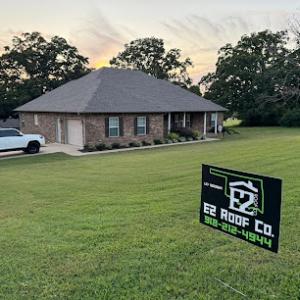
E2 Roof
(918) 228-8958 www.e2roofco.com
6836 E 44th St, Tulsa, Oklahoma
5.0 from 220 reviews
E2 Roof provides experienced roofing repairs, roofing installations, roofing replacements, gutter services and more to Tulsa, OK & all surrounding communities and Northwest Arkansas. Founded By Kyler Ekberg & Andy Edwards.
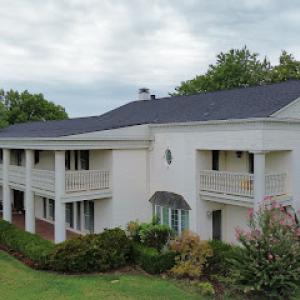
Roof Leaks & More
(918) 202-8184 roofleaksandmore.com
8990 S Sheridan Rd suite b, Tulsa, Oklahoma
5.0 from 137 reviews
Founded in 2018, Roof Leaks and More is a premier roofing and construction company serving Tulsa and surrounding areas. As a leading roofing contractor, we specialize in a wide range of services, from expert roof repairs and comprehensive waterproofing to new roof installations. We are committed to delivering top-quality residential and commercial roofing solutions, ensuring lasting durability and protection for your property. Our skilled team provides exceptional craftsmanship and reliable service on every project, giving you confidence in the integrity of your home or business.
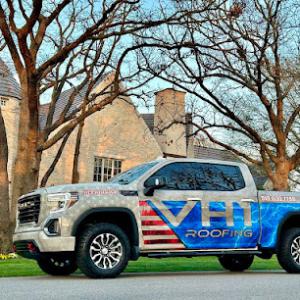
VH1 Roofing
5903 S 107th E Ave Suite 113, Tulsa, Oklahoma
5.0 from 290 reviews
VH1 Roofing are the trusted roofing experts for Tulsa, Broken Arrow, Jenks, Sand Springs, Owasso, and surrounding areas. Our skilled and professional roofers offer roof repair, roof installation, roof inspections, and roof consultation for your home or commercial property. Our roofing professionals are experienced and ready to address any and all of your roofing needs. Our roofing company also specializes in skylight installation, repair, and emergency tarp downs & repairs due to storm damage. VH1 Roofing provides outstanding service 24 hours a day, seven days a week! Call our Tulsa roofing company for more information on our expert roofing services!
Arrowhead Roofing
(918) 743-9257 www.arrowheadroofing.com
5810 S 118th E Ave Suite A, Tulsa, Oklahoma
4.9 from 605 reviews
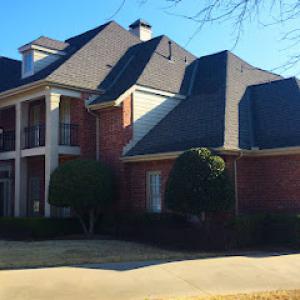
Since 1987, Arrowhead Roofing has been the trusted name in Tulsa for both residential and commercial roofing solutions. With over three decades of experience, we bring unparalleled expertise to every project, big or small. More than just a roofing contractor, we offer comprehensive construction services, ensuring quality and reliability for homes and businesses alike. Our long-standing presence and unwavering commitment have made us a leader in the roofing industry.
The Roofing Guys
(918) 842-8700 theroofingguys918.com
5103 S Sheridan Rd #404, Tulsa, Oklahoma
5.0 from 122 reviews
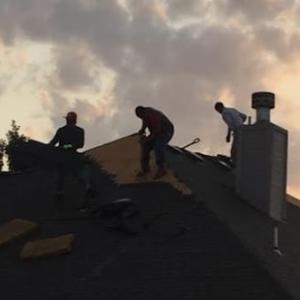
The Roofing Guys are Tulsa’s roofing contractor + attorney team specializing in roof insurance claims, hail damage, wind damage, and storm-related roof replacement. We provide free inspections, full documentation, adjuster meetings, and claim guidance to help homeowners receive the payout their policy owes. As a GAF Certified™ roofer with 5-star ratings, we deliver high-quality roof replacements backed by exceptional customer service. Serving Tulsa, Broken Arrow, Bixby, Owasso, Jenks, Sand Springs, and surrounding areas.
A. Fricker Roofing & Waterproofing
(918) 402-7167 africkerroofing.com
3321 W 5th St, Tulsa, Oklahoma
4.9 from 616 reviews
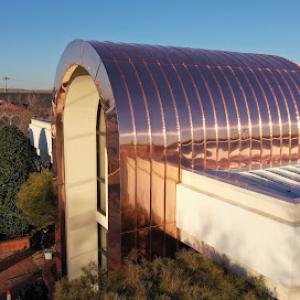
Our team understands that your roof is the first line of defense against the elements and sudden weather events. Regular wear and tear or storm damage can take a toll on any roof but you do not have to worry about it when you have our team on call! We offer reliable roofing services in Tulsa and surrounding areas to ensure that your property stay protected.
RainTech Roofing, Sheet Metal & Gutters
(918) 449-1474 raintechoklahoma.com
3815 S 79th E Ave, Tulsa, Oklahoma
4.9 from 469 reviews
At RainTech Roofing, we are committed to providing top-tier roofing solutions to homeowners and businesses while fostering a tight-knit, family-like company culture. Our mission is to deliver unmatched craftsmanship with professionalism, integrity, and safety. Our passionate and experienced team is fully insured and meets the highest industry standards, ensuring a stress-free experience for our customers. Whether installing a new roof, repairing storm damage, or fabricating custom sheet metal, we guarantee quality and exceptional customer service. Trust RainTech, Oklahoma's Best of the Best in residential roofing since 2019, for all your residential, commercial, new construction, and multifamily roofing needs.

Epic Roofing & Construction
(918) 771-0177 www.epicroofs.net
11047 S Memorial Dr, Tulsa, Oklahoma
4.9 from 237 reviews
For the highest quality roofing and construction work, look no further than our award-winning team of dedicated professionals.

Kennedy Roofing Solutions
(918) 229-5992 www.kennedyroofingsolutions.com
3701 S Harvard Ave A, Tulsa, Oklahoma
5.0 from 151 reviews
Kennedy Roofing Solutions provides commercial and residential roofing installations, inspections, and repairs, roof coatings, gutters, waterproofing, and insurance claims work to the Tulsa, OK area.
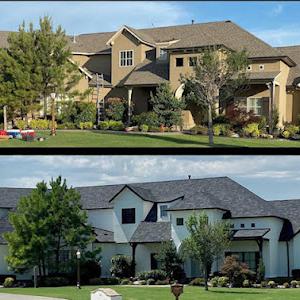
Peak Performance Roofing & Construction
10404 E 55th Pl, Tulsa, Oklahoma
4.9 from 264 reviews
Peak Performance Roofing & Construction is your go-to company for all your roofing services. We do both residential and commercial roof installation and repair. With years of experience in the industry, our team is the most reliable and dependable choice when it comes to any roofing service. We provide the highest quality materials, the best customer service, and the most comprehensive solutions to your roofing needs. We are always up-to-date on the latest advancements in roofing technology and techniques, so you can be sure your roof will last for years to come.
Billings Roofing & Solar
(918) 600-9565 billings.construction
11911 S Oxford Ave Ste 300, Tulsa, Oklahoma
4.9 from 230 reviews
Billings Roofing & Solar is a General Contractor specializing in Roofing and Solar. We are your trusted roofing expert, delivering top-quality roof installations, roof repairs, and roof replacements in Tulsa and surrounding areas. We specialize in durable, energy-efficient roofing solutions, ensuring long-lasting protection for your home or business. Our team is committed to exceptional craftsmanship, using premium materials to guarantee reliability and performance. Whether you need storm damage repair or a full roof upgrade for your home or business, we provide expert service with integrity. Contact Billings Roofing & Solar today for a free roofing estimate and experience the best in roofing excellence!
Asphalt shingles are the dominant roof covering in this area, and that reality shapes daily decisions you'll face after a hail event. Repeated spring hail exposure and summer heat accelerate granule loss and bruise life cycles, so you'll often see shorter cycles between replacements if you stay with the same material. When you plan a reroof, think about shingle granule retention, color fade from long Texas-sized sun exposure, and the ease of replacement in an already tight job site. If you want to minimize repeat cycles, you'll want to choose a shingle style with good impact resistance and a color that hides some weathering without absorbing too much heat.
Metal roofing has become a mainstream upgrade path for homeowners facing hail repetition and the desire to reduce repeat replacement cycles. It resists hail impacts better than asphalt in repeated hit scenarios and tends to shed heat more efficiently, which helps during Tulsa's hot months. If you are weighing options after a storm, consider how metal panels will interact with attic ventilation and roof pitch. A conservative approach is to pair a durable, interlocking panel system with a proven underlayment and properly sealed fasteners. In a storm-prone climate, you'll also want to think about panel width, wind uplift ratings, and how the chosen metal performs under freeze-thaw cycles typical of our winters.
Tile, wood shake, and synthetic products exist in the Tulsa market, but performance has to be weighed against local hail frequency, winter freezes, and the structural demands of heavier systems. Clay and concrete tiles bring a long service life in theory, yet hail can still cause cracking if impact strength isn't matched to your roof's slope and exposure. Wood shakes offer a distinctive look but can be vulnerable to hail and moisture if not properly treated and maintained. Synthetic shingles provide a middle ground, often blending hail resistance with lighter weight and easier installation, but you should verify how the product behaves in extreme heat and long-term granule retention. In short, evaluate each option against actual weather patterns and your home's structural realities rather than aesthetics alone.
The steep-slope shingle stock common in the region benefits from ventilation and appropriate underlayment, especially when hail damage or weather events trigger roof deck concerns. When you select materials, think about how they handle the seasonal swing-from spring hail blasts to hot, sun-drenched summers. A material choice that favors easier inspection and a faster dry-in period can reduce downtime after a storm, helping you keep the roof in solid shape during Tulsa's volatile weather cycles. If you anticipate more frequent hail exposure, lean toward products with proven impact resistance and robust warranties that align with your home's roof pitch and structure.
In Tulsa, spring hail events drive sudden demand for crews, dumpsters, and material supply. When a storm hits, the same few local crews swing to high alert, which can push a typical reroof into a rapid scheduling window but also lift the bottom line. Per-square prices for steep-slope residential roofs stay highly sensitive to tear-off scope, decking repairs, and any accessory replacement after wind and hail. If decking needs replacement or sheathing repair shows up, the job quickly moves from "shingle swap" to a more involved rebuild, and the price jumps accordingly. Expect the stress test to show up in the bid as a higher waste-disposal charge and a tightened schedule.
The area's common shingles are asphalt, with many homes built to handle a steeper pitch. Asphalt shingles remain the baseline, but when storms threaten, upgrades or premium underlayment can shift total costs even if the surface looks similar. Typical per-square costs, not including teardown or decking repairs, run roughly 350 to 550 dollars for asphalt shingles, depending on product line and local market. Metal roofing can double the price per square in some crews' bids, roughly 700 to 1000 dollars. Clay tile and concrete tile sit higher still, with tile options often landing in the 900 to 1600 or 850 to 1400 dollar range, respectively. Wood shingles or shakes push above asphalt in many cases, while synthetic or composite shingles offer a middle ground around 450 to 850 dollars per square. In practice, the exact number hinges on tear-off scope, venting adjustments, and whether premium underlayment or impact-resistant products are chosen. Keep your bid clean: ask for a breakdown by tear-off, decking, and accessories.
Storm-driven demand affects not only price but the timing of work. Full replacements paired with premium materials can take longer to secure available crews and material, extending the project window beyond the initial storm-entry estimate. You may find that bids come with different assumptions about mitigation, venting, and potential accessory replacements like flashing and drainage components. The goal is to align the scope with actual damage, while keeping the project manageable for weather swings and the local supply chain. Ask for a no-surprises contract that lists tear-off, decking, flashing, and vent work as separate line items, so you can compare apples to apples across bids. Document hail damage with photos to support scope changes during the claim process later.
Get a clear picture of your project costs upfront - no commitment required.
Billings Roofing & Solar
(918) 600-9565 billings.construction
11911 S Oxford Ave Ste 300, Tulsa, Oklahoma
4.9 from 230 reviews

Green Country Roofing
(918) 607-7409 greencountryroofingok.com
4734 S 179th E Ave, Tulsa, Oklahoma
5.0 from 90 reviews
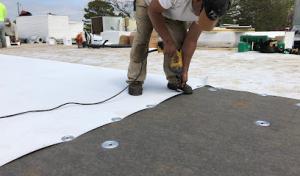
Roof Nerds - Commercial Roofing Tulsa
(918) 973-1010 www.okroofnerds.com
1441 E 41st St, Tulsa, Oklahoma
5.0 from 81 reviews
A full reroof in Tulsa typically requires a building permit through the City of Tulsa Building Permits office. This isn't just a box to check after a hail storm; it sets the timetable for inspections and helps ensure repairs meet local code and weather realities. The permit process gates work on a timeline tied to the city's expectations after storm damage or reroof planning, so understanding this early can prevent delays when insurance work is ready to move forward.
Before any permit is issued, the city reviews a brief project scope. This step is intentionally focused and keeps the project aligned with safety and structural standards. Once the scope is approved, the permit goes active and your contractor can proceed with material selection and scheduling. Because Oklahoma weather swings rapidly, the scope review also helps confirm ventilation and attic details are planned to meet the upcoming inspections rather than becoming last-minute fixes.
Inspections in this process occur at two critical junctures. Rough-in inspections are conducted when applicable-these verify that a reroof plan, venting details, and attic access align with code requirements before the new roofing is fully installed. The final inspection is the checkpoint that confirms everything is complete and compliant. This stage is where the city's focus on ventilation becomes concrete: attic airflow, exhaust detailing, and overall ventilation compliance are checked closely, not as a preference but as a code-driven standard.
Ventilation is a central element of the final inspection. Improper or incomplete attic ventilation can create moisture problems, reduce roof longevity, and trigger return visits or refusals at final. Expect inspectors to look for balanced intake and exhaust, proper soffit and ridge venting, and any baffles or radiant barriers that affect airflow. Plan for ventilation details to be finalized in the permit package, so there are no surprises during final sign-off.
Coordinate reroof timing with permit issuance and inspection windows to minimize weather-related setbacks. If a storm triggers a claim, ensure the scope aligns with what the city requires for permit review to avoid rework. Keep communication clear with the contractor and the permit office, especially around rough-in milestones and the final inspection appointment, so the process stays predictable even after spring hail seasons.
Tulsa homeowners operate in a high-claim Oklahoma insurance environment where hail and wind-driven losses are common and closely scrutinized. After a big spring event, insurers expect you to approach the process with concrete evidence and clear next steps. That means preparing to show not just what looks broken, but how the damage affects the roof's ability to keep weather out and stay securely fastened through the next storm cycle. The more you can demonstrate a pattern of impact-ceiling stains, granule loss, or hit marks on shingles-the easier it is to map a credible path from damage to repair.
After major spring storms in Tulsa, insurers commonly expect detailed photo documentation, damage notes, and contractor quotes before approving full scope repairs. Take fresh photos from multiple angles, including close-ups of impact marks, dented flashing, damaged underlayment, and any soft or sagging areas. Note the dates of the storms, visible wind directions, and any interior signs of leakage that correspond to the roofline. It helps to create a simple, chronological binder: incident date, location of damage, and the type of observed deterioration. If you can, add a basic sketch that marks attic penetration or areas where attic air could be compromised. The strength of your claim often rests on how well this evidence communicates to the adjuster what needs attention now and what can wait.
Contractor quotes matter, and in this market they frequently serve as a bridge between the homeowner and the insurer. A reputable Tulsa contractor can translate storm-induced damage into a scope that aligns with the adjuster's findings. They should provide a line-by-line estimate for replacements and repairs, clearly distinguishing temporary fixes from permanent solutions. Keep in mind that adjusters will compare reported damage against the contractor's notes and photos, so consistency across documents is essential. If a claim stalls or the scope shifts, it may be necessary to revisit the documentation and obtain updated photographs and a revised quote that reflect the latest inspection results.
Because repeated regional storm losses can affect premiums and coverage terms, Tulsa homeowners often have to weigh whether to repair isolated damage or move forward with a full reroof. Insurers may scrutinize chronic or widespread wear as part of the decision. In such cases, a documented history of prior damage, matched with current evidence and cost-effective mitigation options, helps the adjuster see whether a focused repair can restore performance or if a full reroof is warranted to prevent future failures. Thoughtful, transparent documentation now can reduce back-and-forth later and support a fair, timely resolution.
Connect with contractors who help homeowners navigate the claims process from damage assessment to final approval.
Native Roofing
(918) 552-0655 nativeroofingok.com
5711 West Skelly Drive, Tulsa, Oklahoma
5.0 from 360 reviews
Roof Leaks & More
(918) 202-8184 roofleaksandmore.com
8990 S Sheridan Rd suite b, Tulsa, Oklahoma
5.0 from 137 reviews
Spring in this area brings frequent hail events that can ding exposed edges and loosen fasteners on roof edges where windows intersect. Plan window installs after a calm stretch has passed, ideally avoiding back-to-back hail days when debris can hide shingle lift or nail heads. Check attic and soffit ventilation before ordering materials to prevent moisture buildup once the roof is opened. If a storm front rolls through during installation, cover open flashing and anticipate small delays for temporary protection. Keep access paths clear for crew trucks and material deliveries, since spring storms can reroute work and complicate scheduling.
Tulsa summer heat and humidity can complicate shingle handling and installation quality during extreme temperature stretches. On hot days, schedule the most sensitive cutwork for early morning or late afternoon when ambient temps are lower. Heat can warp underlayment and affect sealant adhesion around window flashings, so verify that sealant choices cure properly in the heat and avoid extended exposure of bare decking. Hydration breaks and shade can help crew accuracy, especially when working near roof edges where window install requires precise alignment. If a heat spike coincides with a storm, pause work and reseal penetrations once temperatures stabilize.
Fall in Tulsa brings wind events and rapid temperature swings that can affect shingle sealing and scheduling reliability. Use this window to finalize any troublesome flashing details and ensure that all roof-to-wall transitions around the window are securely strapped and nailed. Weather forecasts matter: a windy front can loosen temporary tarps and expose vulnerable seams. Schedule critical sealant applications on days with moderate winds and dry conditions, and have a plan for rapid tarping if a gusty day appears.
Winter freezes and occasional ice storms in Tulsa can delay tear-offs, affect material handling, and create short weather windows for emergency repairs. If a frost delay occurs, protect openings and store windows out of the ground wind. Use cold-weather sealants only within their cure temperature range, and keep pathways salted or cleared to prevent slips during urgent repairs. When a window install must proceed in frigid conditions, verify flashing continuity and test sealant performance before finalizing the corner systems.
When you can't wait, these contractors offer fast response times to stop leaks and prevent further damage.

VH1 Roofing
5903 S 107th E Ave Suite 113, Tulsa, Oklahoma
5.0 from 290 reviews
A. Fricker Roofing & Waterproofing
(918) 402-7167 africkerroofing.com
3321 W 5th St, Tulsa, Oklahoma
4.9 from 616 reviews

Kennedy Roofing Solutions
(918) 229-5992 www.kennedyroofingsolutions.com
3701 S Harvard Ave A, Tulsa, Oklahoma
5.0 from 151 reviews
In this market, most roofs are steep-slope shingle jobs, but a meaningful share of additions, porches, and mixed residential-commercial structures still demand flat or low-slope work. Expect quick turnarounds to be everything when storms hit, and be wary of crews that push quick patch jobs on these areas. Low-slope surfaces demand proper drainage planning, accurate membrane overlap, and careful edge detailing to resist spring hail and driving rain. If an addition or covered porch includes a flat section or a low-slope interface with the main roof, insist on a unified flashing plan that extends across transitions and uses the correct membranes for vertical penetrations. A local pro will prioritize continuous drainage, clean detailing at parapets, and a deliberate test for ponding potential before any patch work is finished.
Skylights show up more often than you'd expect in Tulsa projects, and leak diagnosis around penetrations is a recurring local need. Treat each skylight or vent as a potential failure point, not an afterthought. When flashing around these penetrations, verify that the base flashing is integrated with the roof deck, that counter-flashing is properly lapped, and that sealants are appropriate for seasonal temperature swings. In addition, flashing around dormers and roof penetrations should be checked for wind-driven rain paths introduced by storm cycles. A careful inspection plan during reroofing should map risk zones and include hands-on tests to simulate high-wind and hail-driven water intrusion scenarios.
Chimney-related work appears frequently in contractor profiles, signaling that flashing transitions at masonry penetrations are a common homeowner concern. Expect mortar joints to shift with age, and flashing to suffer from wind-driven rain along ledges and cap details. Ensure step-flashing and counter-flashing are continuous where brick or stone meets the deck, and monitor for hairline cracks in the mortar that can channel water toward interior ceilings. When a chimney is involved, insist on a unified sealant system that accommodates expansion and contraction, plus heat-resistant components where the flue penetrates the chase. Regular checks after hail events help catch small leaks before they become costly repairs.
Find specialists in TPO, EPDM, and built-up flat roofing systems for residential and commercial properties.
A. Fricker Roofing & Waterproofing
(918) 402-7167 africkerroofing.com
3321 W 5th St, Tulsa, Oklahoma
4.9 from 616 reviews

RainTech Roofing, Sheet Metal & Gutters
(918) 449-1474 raintechoklahoma.com
3815 S 79th E Ave, Tulsa, Oklahoma
4.9 from 469 reviews
Pro-Tech Roofing
(918) 250-7663 www.tulsaprotech.com
1107 N 105th E Ave, Tulsa, Oklahoma
4.8 from 52 reviews