
Last updated: Apr 19, 2026
In this market, the weather pattern is the antagonist you must plan around. Spring hailstorms in the Tulsa metro area can explode in a single afternoon, delivering dents, punctures, and blown-off flashing in a mix with high winds and heavy rain. Shingles aren't the only damaged piece-the vents, gutters, and roof edges take hits too. The result is damage that looks patchy at first glance but can compromise water barriers, attic venting, and insulation if left untreated. Broken Arrow homeowners face a reality where a roof replacement becomes a storm-restoration decision rather than a pure age-based project, because the hail damage often changes the roof's structural and weatherproof integrity far faster than the calendar does.
The city sits in a dynamic spring system zone, where a single event can carry hail, high winds, and deluge-style rain. That overlap means mixed damage: a shingle that looks intact on a sunny day can fail under the next round of weather, and flashing and gutters can leak long before the roof shows obvious trouble. After a major hailstorm, demand surges across Broken Arrow and neighboring communities in Tulsa's orbit. The urgency comes from both the volume of claims and the limited window to secure a reputable contractor who can start work without delay. When a storm hits, the clock starts ticking on who you can trust to handle a full replacement, not just a quick patch. Expect schedules to compress as contractors shift from one neighborhood to the next, chasing the same storm-nightwork rush.
Guidance from neighbors who've weathered the spring surge is clear: insurance-driven replacement timing often dominates, not the roof's exact age. As adjusters and crews converge, you'll see scoping and approvals accelerate, which can squeeze you into a tighter window for selecting materials, coordinating inspections, and aligning with crews who can dedicate real contractor time. The risk here is accepting a rapid decision that favors speed over thoroughness. The best approach is to treat the storm window as a finite, high-stakes deadline. Do not gamble on a DIY patch that buys days but invites water intrusion and further interior damage. If you suspect hail or wind damage, start documenting now-photos, notes of any leaks, and a list of compromised components. A deliberate plan executed promptly will outperform a rushed, last-minute plan.
First, conduct a careful, daylight inspection of the roof from the ground if safe-look for bruising on shingles, lifted edges, granule loss, and damaged flashing along chimneys and vents. If you see damage or suspect it, contact a trusted local roofer who has a track record with storm-restoration projects in this area. Request a same-day or next-day roof evaluation to determine the full scope, including interior risks like attic condensation or water staining. When interviewing contractors, prioritize those with established Broken Arrow experience, strong local referencing, and a clear plan for staged communication from the initial assessment through the final installation. Ask for a written project timeline that accounts for weather delays and a realistic sequence of material delivery, tear-off, and replacement. Time matters here, but so does doing it right.
Find local contractors experienced in assessing and restoring roofs after hail, wind, and severe weather events.

Blacksmith Roofing & Construction
(918) 994-2874 blacksmithroofing.com
100 E Broadway Ave, Broken Arrow, Oklahoma
5.0 from 380 reviews
Tier-One Roofing
2013 S Elm Pl, Broken Arrow, Oklahoma
5.0 from 891 reviews
Solid Roofing
530 W Dallas St, Broken Arrow, Oklahoma
4.9 from 258 reviews
Broken Arrow experiences frequent spring hail and intense wind bursts, so insurers are tuned to catch patterns beyond obvious dents. Adjusters will expect to see a full picture: the roof surface, soft metals around vents and flashing, interior leaks, and any preexisting wear. They're looking for evidence that the damage is storm-related and not just aging. If you have metal components like gutters, downspouts, and flashings that show dings or looseness, document those as well. The more you can show a clear line from the event to the failure, the stronger your case for replacement rather than patchwork.
This market rewards precise, date-stamped records. Start with wide shots of the entire roof, then zoom into specific damaged shingles, hail impacts, and curled or missing edges. Include close-ups of broken or loose flashing and any interior staining on ceilings or attic spaces. Capture weather conditions on the day of the claim and any subsequent rain intrusion. Keep a log of maintenance tasks, like re-sealing vents or replacing degraded soffit, with dates. If you own a metal roof or metal components, photograph denting or seam issues clearly. A simple, organized photo timeline can be the difference between a partial repair and a full replacement.
Adjusters in this region often want the damage clearly separated from wear that predates the storm. Pre-storm maintenance records and date-stamped photos become valuable here. If you can show that a worn shingle or aged flashing existed before the hail event, you help demonstrate what part of the claim is attributable to the storm. On the flip side, if the storm exacerbated existing issues, be prepared to document the progression-how a previously stable area now shows accelerated deterioration after the hail.
Because hail and wind losses are common here, homeowners may hear insurers express interest in wind-resistant upgrades or stronger shingle options during a roof replacement. Expect conversations around more resilient materials, better underlayment, and enhanced fasteners. Having your evidence organized ahead of time helps you navigate these discussions with confidence. If you're contemplating upgrades, note which areas were most harmed by storms-these are likely targets for enhanced protections without jumping ahead of the claim process.
A typical claim in a spring hail cycle can involve multiple rounds of photos, a field visit from the adjuster, and possibly a second inspection after temporary repairs. Keep receipts for any temporary measures you undertake to stop further interior damage-these may be reviewed for validity during the claim. If mismatches arise between your documentation and the adjuster's findings, you'll want to revisit the photos with a clear, dated timeline to reconcile the differences. In a community with frequent hail events, patience and organized records often shorten the path from assessment to a durable, properly matched replacement.
Connect with contractors who help homeowners navigate the claims process from damage assessment to final approval.
Blacksmith Roofing & Construction
(918) 994-2874 blacksmithroofing.com
100 E Broadway Ave, Broken Arrow, Oklahoma
5.0 from 380 reviews
Tier-One Roofing
2013 S Elm Pl, Broken Arrow, Oklahoma
5.0 from 891 reviews
Solid Roofing
530 W Dallas St, Broken Arrow, Oklahoma
4.9 from 258 reviews

Blacksmith Roofing & Construction
(918) 994-2874 blacksmithroofing.com
100 E Broadway Ave, Broken Arrow, Oklahoma
5.0 from 380 reviews
Blacksmith Roofing & Construction serving Broken Arrow, pride themselves on their Ironclad Ethics, leading the industry in integrity. We truly believe in changing the roofing stigma by our high-quality customer service, honesty and step-by-step communication with the customer throughout the whole process. We want you to be apart of the Blacksmith family; you’re not just another roof. Blacksmith Provides a 50-year non-prorated warranty on all residential roofs (please call for details). Known as a shingle master with Certainteed roofing products allows us to offer these warranties. We are a BBB certified roofing company. Blacksmith Roofing operates using high-grade certified shingles, as well as other high-quality materials, in our projects.
Tier-One Roofing
2013 S Elm Pl, Broken Arrow, Oklahoma
5.0 from 891 reviews
With over 35 Years of experience, Tier-One Roofing is the top selected roofing company in Broken Arrow, Oklahoma, and its surrounding areas. Most people aren’t too familiar with the details of what makes a good roof. This is why we take the time to educate every customer and explain all the options for shingles, gutters, and construction methods. When we started this company, we wanted to help our customers through every step of the process. That’s why we offer comprehensive roofing solutions, and we mean comprehensive. From the first free inspection to repairing storm damage, and even helping you file an insurance claim, we’re here to help one person, you.
Solid Roofing
530 W Dallas St, Broken Arrow, Oklahoma
4.9 from 258 reviews
Stress free, mess free, roof repair and replacement. Our locally owned Broken Arrow Roofing Company has Oklahoma Covered! With roofing crews in Tulsa, Broken Arrow, Bartlesville, and Edmond, we provide fast and dependable roof repair, replacement and construction statewide. Roof estimates, roofing estimates, shingle estimates, roof inspection, roofing inspection, roof repairs, roofing repairs, roof replacement, roofing replacement, best roofing company, bartlesville roofing company, local roofing company, commercial roofing, metal roofing, metal roofs, business roofing, flat roofs, flat roof repair, commercial repair, commercially licensed, commercial license, christmas light installation, christmas lights, and holiday light installs. Local
Roof Nerds | Commercial Roofing Broken Arrow
(918) 973-1010 okroofnerds.com
2625 S Elm Pl, Broken Arrow, Oklahoma
5.0 from 131 reviews
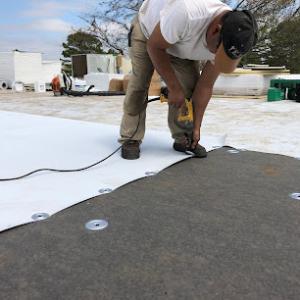
We are the home of the Roof Nerds and a commercial roofing company in the greater Tulsa area. We are the best commercial roofer in Tulsa and Broken Arrow. If you need a residential roofer, call us. When we install a roof and it withstands one of Oklahoma’s torrential rains, let’s just say, “Our systems are genius.” Advanced Commercial Systems isn’t just about roofs, it is about complex roofing systems. While inspecting many of commercial roofs in Oklahoma and residential roofing, we have seen one major problem. It is a complete lack of product and installation knowledge used by many roofing companies. This causes long term complications instead of long term roof solutions. Our Roof Nerds know Tulsa commercial roofing. Commercial roofers.
Firehouse Roofing
(918) 928-9975 www.firehouseroofingco.com
803 N Elm Pl, Broken Arrow, Oklahoma
4.9 from 258 reviews
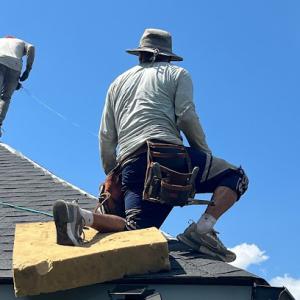
Welcome to FireHouse Roofing, based in Broken Arrow, Oklahoma, led by a firefighter committed to excellence. We specialize in premium asphalt roofing, offering exceptional replacements and repairs. Our team emphasizes craftsmanship, customer satisfaction, honesty, and transparency, treating every project with care. Aiming to exceed expectations, we handle storm damage repairs and home aesthetic enhancements with unmatched dedication. FireHouse Roofing stands for quality, reliability, and building lasting relationships. Choose us for your roofing needs and experience the commitment to excellence that defines our service.
ARK Roofing & Construction
(918) 376-5922 arkroofingok.com
1600 W Kenosha St, Broken Arrow, Oklahoma
4.9 from 312 reviews
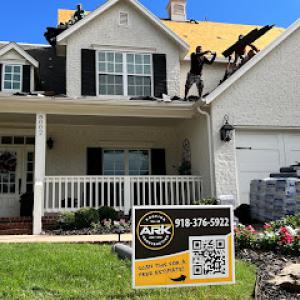
Welcome to Ark Roofing & Construction—Broken Arrow, OK's premier local roofing and construction specialists! We excel in providing a hassle-free and efficient experience tailored to meet all your roofing requirements. Our dedication to using only high-quality materials and delivering exceptional craftsmanship ensures that your home receives the best care possible. We treat each home with the respect and attention it deserves, striving for perfection in every project. With a commitment to punctuality, we ensure every phase of the roofing process, from the initial estimate to the final installation, is smooth and straightforward. For expert roofing and construction services in Broken Arrow, contact Ark Roofing & Construction today!
Maxx Roofing & Construction
(918) 893-9595 maxxroofing.com
2013 S Elm Pl, Broken Arrow, Oklahoma
4.9 from 152 reviews
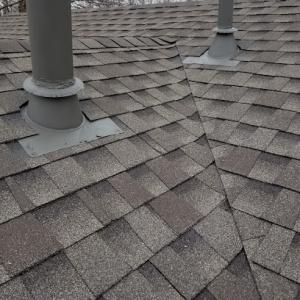
Maxx Roofing has over 30 years of experience as a company specializing in roofing and construction for residential and commercial properties. Today, we are family-owned and operated in Broken Arrow, Oklahoma. We have proudly served all of Green Country and outlying areas in the Roofing and Construction Industry. We are insurance claim specialists and are trained to provide you with the best service possible! Our goal is to reach homeowners, business owners, and others who need assistance in selecting or maintaining their roofs. We cover: -Residential Roofing -Commercial Roofing -Maintenance Plans -Patio Covers/Carports -Gutters -Insurance Claim Services
Tulsa Roofing Etc
(918) 459-7663 tulsaroofingetc.com
2108 N Yellowood Ave, Broken Arrow, Oklahoma
4.9 from 87 reviews
Tulsa Roofing Etc is a locally-owned family Company est. in 1984. We have been serving the Greater Tulsa Area for over 40 years. We bring you quality, affordable roofing services with good old-fashioned customer service . Call us for a free roof inspection. Weather your looking for a roof repair, roof replacement, roof inspection, roof installation, or need emergency roof tarping we have you covered. We work hand and hand with all insurance companies on your behalf to make your claim go smoothly. With our vast experience, let us guide you through your roofing project. Call and book a free roof inspection today and learn why we are Tulsa's preferred roofing company.
The Local Roofer
(918) 404-5996 thelocalroofer.com
1924 W Albany St, Broken Arrow, Oklahoma
4.8 from 174 reviews
The Local Roofer, based in Tulsa, OK, specializes in comprehensive roofing solutions for both residential and commercial properties. They offer expert services including roof installation, flat roof repair, and emergency roof repair, ensuring top-quality workmanship for every project. Their team is committed to delivering personalized service with a focus on customer satisfaction and long-lasting results. Serving the greater Tulsa area, The Local Roofer is recognized for reliability and attention to detail, making them a trusted choice for all your roofing needs.
On The Rock Roofing & Construction
(918) 639-2809 ontherockroofing.com
2430 W New Orleans St Ste D Suite G, Broken Arrow, Oklahoma
4.8 from 92 reviews
On the Rock Roofing and Construction has built a strong reputation throughout the Tulsa area for being a Tulsa roofing company people can trust and rely on. Our name stems from our belief that all relationships whether personal or professional should be based on a rock solid foundation of core beliefs. We have built our business on customer satisfaction. “On the Rock” is not just a name, it’s a way of life, and we hope that in everything we do from roofing to construction we can help show that living this way will bring a wonderful result!
Proof Construction
2604 W Kenosha St Suite #219, Broken Arrow, Oklahoma
4.9 from 103 reviews
We are a roofing contractor working out of Broken Arrow and surrounding communities. We are a top rated construction service provider, and from the first nail to the final creative touches our contractor and crew will turn your home into a modern, unique, and comfortable place to live. We proudly offer roof repairs, roof replacement, and roof installation.
CHOSEN Roofing
(918) 810-7625 chosenroofs.com
6625 S Elm Pl, Broken Arrow, Oklahoma
5.0 from 36 reviews
Locally owned and operated by a Firefighter, our company is BUILT ON INTEGRITY. Offering LIFETIME Warranty, NO MAX Wind Warranty & STAINGUARD Plus Warranty
In this suburban stretch of the Tulsa area, spring hail and fast-moving thunderstorms shape every roofing decision. The balance you want is a system that stands up to repeated hail strikes without turning into a maintenance nightmare after every storm. The goal is a roof that holds its shape, keeps attic heat in check during heat waves, and doesn't require a full teardown every time a hail event rattles the gutters. The steady rise and fall of daily temperatures, plus windy swings, mean selecting materials that perform reliably under heat, moisture, and impact stress matters more here than in milder climates.
Asphalt shingles dominate many Broken Arrow homes because they fit mainstream suburban housing stock and are easier to replace after hail than heavier premium systems. When you've got standard roof slopes and a typical attic, they balance cost, repairability, and wind resistance. If you expect to see hail repeatedly over the roof's life, you'll notice asphalt is forgiving to fix and patch with minimal disruption to living space. Choose architectural or thick two-piece shingles for a bit more impact resistance and a longer probable service life, while keeping in mind that classic three-tab shingles can be susceptible to granule loss under intense hail. For most neighborhood layouts, asphalt remains a straightforward, practical choice that aligns with common roof lines and attic access points.
Metal roofing is locally relevant because it handles repeated storm exposure differently than shingles, but installation quality around fasteners, flashing, and ventilation matters in heat and wind swings. In Broken Arrow's sun-heavy days, metal panels shed heat slightly better and can resist hail dents better than some shingle options, depending on profile and thickness. The real performance hinge is on how well the fasteners are sealed, how well flashing integrates with chimneys and exhaust vent stacks, and whether attic ventilation is balanced to prevent heat buildup beneath the metal. If you're upgrading under storm pressure, a careful, reputable installation that emphasizes proper nailing patterns and ventilation can pay dividends in resilience and longevity, especially on homes with vaulted ceilings or complex rooflines.
Tile, synthetic/composite, and slate appear in higher-end segments, but their weight, breakage risk during hail events, and repair complexity can affect suitability and insurance conversations in this market. Tile and slate bring strong wind and impact performance on some layouts, yet their heft increases structural demands and repair complexity after a severe hail season. Synthetic or composite alternatives can offer a middle ground, combining durability with a lighter footprint and more forgiving installation. Insurance considerations often hinge on how the roof responds to hail, how easily panels or tiles can be replaced, and whether fasteners and underlayment have proven performance in the region's heat cycles. For premium looks or long-term durability, these options deserve careful evaluation with a local roofer who understands the specific storm history of this area.
The most popular roofing material in the US. Find pros who install, repair, and replace asphalt shingles.
Firehouse Roofing
(918) 928-9975 www.firehouseroofingco.com
803 N Elm Pl, Broken Arrow, Oklahoma
4.9 from 258 reviews
ARK Roofing & Construction
(918) 376-5922 arkroofingok.com
1600 W Kenosha St, Broken Arrow, Oklahoma
4.9 from 312 reviews
On The Rock Roofing & Construction
(918) 639-2809 ontherockroofing.com
2430 W New Orleans St Ste D Suite G, Broken Arrow, Oklahoma
4.8 from 92 reviews
Typical Broken Arrow material ranges are about $350 to $600 per square for asphalt shingles, $700 to $1100 for metal, $900 to $1700 for clay tile, $900 to $1500 for concrete tile, $420 to $850 for synthetic/composite shingles, and $1300 to $2600 for slate. When you're weighing options after a spring hail season, those numbers are a practical starting point, but the real total depends on roof complexity, existing flashing, and ventilation needs. In this market, a full reroof often lands on the higher end of these ranges if complex angles, large overhangs, or multiple roof planes are involved. The impact of choice matters: metal tends to push the bottom end higher than asphalt, while tile and slate rise quickly with material density and installation labor.
Storm-driven demand spikes in Broken Arrow can push labor scheduling and pricing upward after major hail events, especially when many reroofs are being booked across the Tulsa metro at once. That means you may see shorter lead times and higher bids in the weeks immediately following a major hailstorm. If a contractor is booked up, timing your project and vetting multiple bids becomes a practical strategy to avoid paying a premium for rushed scheduling. Scheduling flexibility, around weather windows and adjuster timelines, can help you keep costs closer to the low end of the material range while still moving toward a solid, weather-tight roof.
Costs here also move with roof complexity common in suburban homes, replacement of storm-damaged flashing and ventilation components, and the overall square footage involved. If your home has multiple dormers, steep pitches, or intricate ridge work, expect the square with the same material to tilt toward the higher end of the cited ranges. For asphalt, that might mean closer to $600 per square in a challenging layout, while slate or clay will push the bill significantly more, even before any hail-related repairs or flashing replacements are added. Understanding these anchors helps you compare bids without losing sight of the local weather-driven demand and the practical realities of Broken Arrow homes.
Don't let upfront costs delay a critical repair - these contractors offer payment plans to fit your budget.
ARK Roofing & Construction
(918) 376-5922 arkroofingok.com
1600 W Kenosha St, Broken Arrow, Oklahoma
4.9 from 312 reviews
The Local Roofer
(918) 404-5996 thelocalroofer.com
1924 W Albany St, Broken Arrow, Oklahoma
4.8 from 174 reviews

A permit is normally required for a full roof replacement, and the City of Broken Arrow Building Department handles the permit process. The permit step is not something to shortcut or batch into a later date, since the review points tie directly to how materials are installed and how ventilation and drainage are addressed on the roof. When planning a reroof, verify early which entity is responsible for pulling the permit and what documentation is needed from the contractor-photos of the showing, project scope, and any required setbacks or accessory structure considerations. This upfront clarity helps prevent delays tied to missing paperwork when inspections are scheduled or requested.
Inspections in this area are scheduled during and after installation to verify underlayment, flashing, ventilation, and correct material installation. The city's review points are designed to catch issues that could affect weather resistance, ice dam prevention, and long-term performance in severe spring storms. Expect the inspector to walk the roof at several stages, confirming that the underlayment is properly overlapped and sealed, that chimney, vent, and valley flashing are installed correctly, and that attic ventilation meets the required air-flow standards. A successful check-in at each milestone minimizes the chance of rework later in the process and reduces the risk of a failed inspection that could interrupt your project timeline.
Because inspections are part of the reroof workflow here, homeowners should confirm who is pulling the permit, who is scheduling inspections, and whether the crew's installation sequence matches the city's review points. If the contractor handles the permit, request written confirmation of the inspection dates and the sequence of installation steps aligned with the city's checkpoints. If you or a third party handles scheduling, keep a calendar reminder for the inspection windows and have the contractor present or readily reachable during inspection times. Coordination also means sharing the exact scope with the inspector-especially if there are neighboring trees or rooftop structures that could affect ventilation or drainage paths. Good planning helps ensure that the project progresses smoothly from teardown to final approval, with minimal hold-ups caused by missed steps in the city's review process.
Major reroofs in this area are most reliably completed during the region's dry, mild months, when tear-off crews can work without rain interruptions and shingles have a longer life in the sun. Spring storms can disrupt removal and installation, so plan for a window that avoids peak storm activity and aligns with a steady work pace. In fall, winds and late-season storms become a real possibility, so many homeowners try to book before the peak storm season or well ahead of autumn weather shifts. Winter brings freezes that can reveal flashing weaknesses and attic ventilation gaps, making late-fall inspections useful before cold snaps set in.
Spring hail and thunderstorms are a constant concern in a growing suburb with rapid home turnover. If a reroof is on your radar, aim to schedule the tear-off once the worst of the storm pattern has passed and temperatures are moderate enough to keep underlayment and ice barriers functioning without stiffening or shrinking. Have debris containment and daily cleanup prepared for quick turnover days, so weather surprises don't derail the project mid-stream.
Fall can still deliver gusty days and storms that push installation windows toward narrow margins. Build in a contingency plan for weather days and communicate with the crew about preferred sequencing to protect underlayment exposure times. If possible, choose a start date that finishes before the harsher late-fall cycles.
If a late-season project is unavoidable, use the window between cold fronts for steady progress and insist on thorough flashing checks and attic ventilation reviews before temperatures drop further. Late-fall inspections help identify gaps and prep the roof for the first hard freeze, reducing the risk of hidden damage going into winter.
1) Assess storm history and forecasted windows for your street. 2) Align scheduling with a dry, moderate period. 3) Build a buffer for weather days and ensure attic ventilation checks are completed beforehand. 4) Do a pre-inspection to catch flashing or vent issues that could worsen with cold snaps. 5) Confirm a post-install inspection to verify ventilation and flashing integrity after the first winter.
In Broken Arrow, hail and wind commonly show up first at ridge caps, shingle tabs, flashing transitions, vents, and other exposed roof accessories rather than only on broad field shingles. Those elevated features take the brunt of wind uplift and hail impact, and small gaps there can cascade into leaks inside the attic. Inspect these connections after every severe storm to catch discreet damage early.
Ridge caps and flashings sit at the junctions where roof planes meet and where pathways allow moisture to travel into the attic. When hail or improper sealant ages, those areas develop hairline cracks or missing sealant that expand with every freeze-thaw cycle. A compromised ridge line often leads to concentrated leaks along the interior ceiling line, sometimes behind vents or in closet ceilings where moisture hides.
Vents, exhausts, and other roof penetrations are common attack points for wind-driven debris and hail. Damaged booties, cracked seals, and misaligned flashing around these features create predictable drip paths. Seasonal sun and heat broaden the risk: once flashing integrity is breached, even a light rain can intrude, pooling moisture around plywood edges and underlayment seams.
Summer heat and UV exposure in this part of Oklahoma can accelerate shingle aging and underlayment wear, especially on roof planes with prolonged sun exposure. Warped tabs, brittle granules, and delicate underlayment become more prone to cracking and leaks during storms, pushing some roof systems toward earlier failure if not addressed promptly.
Freeze-thaw periods in winter can worsen flashing gaps and ventilation-related moisture issues after roofs have already been stressed by the city's storm season. Ice formation around penetrations tightens gaps and can push fasteners or sealants loose. Consistent vigilance through the seasons is essential to keep moisture from seeping into attic spaces.
Find contractors experienced in skylight installation, flashing, and leak repairs to bring natural light into your home.
Solid Roofing
530 W Dallas St, Broken Arrow, Oklahoma
4.9 from 258 reviews
The Local Roofer
(918) 404-5996 thelocalroofer.com
1924 W Albany St, Broken Arrow, Oklahoma
4.8 from 174 reviews
Steep-slope residential reroofing dominates the local landscape, but many homes still have low-slope sections over patios, additions, porches, or transitions that need different detailing than the main roof. In fast-moving spring storm cycles, these pockets are easy to overlook, yet they're key to long-term performance. The wind-driven rain that accompanies severe thunderstorms can exploit weak transitions, wall flashings, and drainage details, making these spots prime for leaks if not treated with a tailored approach.
When you walk the roof line, pay attention to the low-slope portions tied to additions, covered patios, or transitions from main roof to gutters. Look for signs of water sheeting or minor discoloration around flashings, skylight bases, or vent penetrations that sit on a flatter plane. In our thunderstorm pattern, wind can drive rain under mismatched seals or over poorly terminated edges, so lean-to connections and change-of-plane joints deserve extra scrutiny.
If the main roof is being replaced after a hail event, these attached low-slope sections often get missed in the scope review. Treat them as separate systems with their own inspection checklist. Confirm that flashing materials match the slope, that edge metal or parapet details are continuous, and that drainage details divert water away from seams. A dedicated inspection for low-slope areas should verify substrate integrity, sealant compatibility, and any counter-flashing where the low-slope meets a vertical wall.
Create a simple diagram of the transitions: main roof plane, low-slope sections, and any attached features. Note observed issues such as pooling, flashing gaps, or misaligned transitions. Share the diagram and photos with the contractor and request a distinct scope item for the low-slope areas. This helps ensure the added detailing receives proper attention and materials, reducing the chance of later leaks after spring storms.
Find specialists in TPO, EPDM, and built-up flat roofing systems for residential and commercial properties.
Solid Roofing
530 W Dallas St, Broken Arrow, Oklahoma
4.9 from 258 reviews
The Local Roofer
(918) 404-5996 thelocalroofer.com
1924 W Albany St, Broken Arrow, Oklahoma
4.8 from 174 reviews
RainTech Roofing, Sheet Metal & Gutters
(918) 449-1474 raintechoklahoma.com
Serving
4.9 from 469 reviews
In this market, the storm-restoration pace can be quick after hail events, and pressure to sell can run high. You should compare contractors not only on how fast they respond, but on what they actually deliver: reroof experience, thorough cleanup practices, and whether they routinely handle insurance-related documentation. A solid local roofer will have a track record of coordinating with adjusters, submitting the right forms, and following up on any post-storm issues that arise after the crew leaves. Look for a contractor who can show you recent, verifiable examples from nearby neighborhoods and who can explain how their process protects your property during and after the job.
The local market includes many residential-focused and long-established operators, so you want clarity on who supervises the project from start to finish. Ask who will be on site daily, who handles scheduling and inspections, and who will address corrections if something isn't right after installation. A responsible roofer should offer a clear point of contact for questions during debris cleanup, and a dependable plan for addressing any minor post-installation adjustments flagged by the city's inspection process. Don't hesitate to request a short, written summary of supervision and post-install steps before signing.
In a city where hail events can trigger fast sales pressure, homeowners benefit from checking local presence, warranty terms, and whether the estimate clearly separates full replacement items from optional upgrades. Seek a detailed breakdown that distinguishes basic components from add-ons, and verify that the warranty covers both workmanship and materials for the expected lifespan of your selected roof system. A trustworthy contractor will walk you through the specifics, point out what's included in the standard package, and explain any upgrade options in plain terms so you can compare apples to apples when the time comes to decide.