
Last updated: Apr 19, 2026
Muskogee sits in eastern Oklahoma where spring thunderstorms, hail, and straight-line winds are a recurring roofing threat. The area's climate forces you to think in terms of windows: you either replace before peak spring hail activity or face the crush of late-summer and early-fall contractor demand when storms keep knocking on doors. This isn't a quiet process-every delay means more exposure to upcoming storms and a tighter squeeze on tear-off downtime. Plan with the storm radar in hand, and treat the calendar as a moving target rather than a fixed date.
The hot-season storm pattern accelerates risk from hail and wind. If a roof has already shown issues-shingles cupping, granule loss, or compromised underlayment-waiting through summer can backfire if a major storm hits in August or September. On the other side, starting too early in spring can collide with ongoing storm activity, forcing multiple weather-driven interruptions. The practical pivot is to align a replacement window with a downloadable forecast that shows a consecutive dry span of several days, ideally near a 40-50 hour dry-out block, and then lock in a tear-off that minimizes rain risk while weathering the backlog of storm repairs.
Frequent thunderstorm interruptions in this area can complicate tear-off scheduling, dry-in planning, and debris control more than in drier parts of the region. You'll want a crew that can adapt to sudden weather changes, with a contingency day built into the plan. Ensure your contractor can stage a full tear-off during an extended dry spell, then execute the dry-in with heat and insulation that stands up to Oklahoma humidity. Debris control isn't cosmetic here; it protects your landscaping, gutters, and neighboring homes from gusty blasts and hail shrapnel that come with late-season activity.
Start with a weather-aware replacement plan: pick a target window just after a reliable dry spell but before late-summer storms ramp up, and secure a crew that can respond quickly to delays. Communicate clearly about how debris will be controlled during any intermittent rain chances, and confirm that tear-off sequencing won't leave exposed roof decks during a storm gap. Prepare your attic and interior to handle short-term weather exposure during the transition, and have a plan for rapid tarping if a sudden thunderstorm forms during replacement. In this climate, timing isn't just about cost or aesthetics; it's about minimizing further damage and maximizing the roof's resilience against the corridor's hail and wind threats.
Keep a short, action-oriented checklist handy: confirm a dry window of several days, verify crew availability for rapid start, ensure tear-off and dry-in materials are on-site, and establish a contingency plan for weather interruptions. This city's spring thunderstorm pattern rewards decisiveness and a well-coordinated crew who can turn a fragile weather forecast into a durable, storm-resilient roof.
Muskogee's climate combines hot summers, mild winters, and frequent thunderstorms, so roofs here age from both heat exposure and impact weather rather than from prolonged snow load. That means the surface you see today could show wear from sun and hail sooner than from heavy winter accumulations. When you plan replacements, think about coatings and underlayment that resist heat buildup and UV degradation, alongside materials that stand up to hail strikes. A roof that handles heat and impact well tends to perform longer between big maintenance cycles, especially during Oklahoma's thunderstorm season.
Its location in the Arkansas River basin region brings humid conditions that can magnify attic ventilation and moisture-management issues compared with drier Oklahoma markets. In practice, that means air flow becomes a primary design detail. If your attic heat and humidity aren't moving well, you'll see faster decking aging, faster insulation degradation, and more condensation-related concerns. Look for roofing systems and ventilation accessories that promote continuous air exchange, balanced ridge and soffit intake, and reliable vapor management. Sealing strategies should accommodate shifts in humidity across seasons, not just the summer heat.
Because Muskogee is not a coastal or mountain market, the dominant local roofing decisions center on hail resistance, wind attachment, and heat durability rather than salt corrosion or heavy snow design. Hail can nick surface layers and dent edges, so choose materials with good impact resistance and robust fasteners. Wind resistance matters in how the roof edges and penetrations are sealed, and how well the chosen system holds up during sudden gusts. Heat durability translates into color choices, reflective underlayers, and material aging characteristics that minimize thermal fatigue over a roof's life. The goal is a system that endures quick, heavy weather events and still protects the home after the storm passes.
In this market, some roofing materials respond differently once installed to account for heat and moisture cycles. Asphalt shingle technology with protective granules that resist UV and hail impact can help, while metal roofs with accurate fastener patterns and wind uplift ratings reduce the chances of panel loosening during storms. Clay and concrete tiles bring excellent hail resistance when correctly installed, but their weight and fastener requirements demand careful structural checks to ensure the home can sustain long-term loads without excessive deflection. Wood shingles or shakes offer aesthetic appeal but can be more susceptible to moisture-related issues if attic ventilation isn't solid. Synthetic or composite options can blend hail resilience with lighter weight and good UV stability, but installation quality remains crucial for wind performance.
A practical approach blends heat-focused durability with robust wind and hail performance. Prioritize underlayment systems and attic ventilation plans that address humidity swings, then pair those with a roofing material chosen for impact resistance and wind attachment. Consider color and reflective properties that reduce heat gain, especially on roofs with south-facing exposures. If replacement timing aligns with severe-weather forecasts, plan for a system that can absorb and shed energy quickly, minimizing the window of vulnerability after a storm. In all cases, ensure fasteners, flashing, and edge detailing are matched to the chosen material and local wind expectations, so the roof remains secure through the next round of strong weather.
Asphalt shingles are the common, budget-friendly choice that fits the mainstream housing stock in this area. In this climate, hail bruising and wind-lift are the major local decision points to weigh when choosing colors, shingle granule density, and warranty terms. If you already have asphalt, a hail-resistant class and a stiff, wind-resistant installation are key. In Muskogee's thunderstorm corridor, look for architectural or thicker-profile shingles that hold their surface better after hail impacts and that scratch less when gusts slam.
Metal roofing is especially relevant in this market because repeated thunderstorm exposure makes impact resistance, fastener detailing, and panel attachment more important than in calmer climates. A metal system with properly sealed seams and a robust underlayment can resist hail dents and wind-driven rain more reliably than conventional asphalt, provided the installation follows best practices for fastener length, seam spacing, and panel overlaps. If choosing metal, emphasize corrosion-resistant coatings and a color and finish that minimize heat buildup while maintaining durable reflectivity in summer storms. Local conditions favor panels that are securely attached to reinforced rafter lines, with attention to eave and ridge detailing to reduce wind uplift.
Clay and concrete tile can appear on higher-end homes, but their weight and breakage risk under hail make structural suitability and replacement-piece availability more important locally than in markets where tile is purely aesthetic. In this region, tile roofs must be evaluated for the home's structure to support the load, and the supply chain for matching replacement pieces needs to be confirmed before committing. Tile's impact resistance can be strong, but localized hail patterns and the potential for broken tiles during severe weather require careful inspection plans and readily available color-matched replacements. If choosing tile, consider a design with heavier interlocks and a robust underlayment that can help divert moisture quickly after a storm.
Wood shingles and synthetic/composite shingles offer distinct aesthetics and performance profiles. In Muskogee, wood can suffer faster degradation if moisture exposure is high and continuous. Synthetic or composite shingles often provide better hail resistance and uniform thickness, but verify that the product has a proven track record against local weathering and a compatible fastener system. Whichever option is selected, insist on a methodical installation approach that accounts for southern exposure, wind-driven rain, and the likelihood of rapid weather changes.
Storm timing matters in this region because severe weather can cluster within seasonal windows. If a hail event or damaging wind strike occurs, prioritize an immediate assessment to determine if accelerated replacement or temporary protection is needed. Roofing systems should be evaluated for residual hail bruising, uplift risk, and the suitability of the chosen material to endure repeat storms through the remaining life expectancy of the structure. In all cases, coordinate with a local contractor who understands how each material behaves under Muskogee's thunderstorm dynamics and can tailor fastener details, underlayment choices, and panel connections to the neighborhood's typical wind patterns.
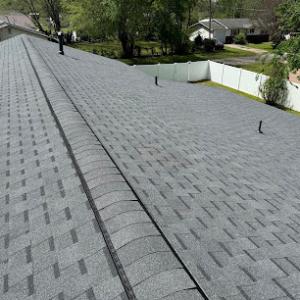
Affordable Roofing Solutionz
(918) 360-9884 affordableroofingsolutionz.godaddysites.com
1710 Live Oak St, Muskogee, Oklahoma
5.0 from 7 reviews
Welcome to Affordable Roofing Solutionz ! We are a locally owned company. We specialize in residential roofing services ranging from installations, roof maintenance and repair, and even reroofs. We take pride in our ability to go beyond for our clients with our excellent service, customer service and our 10 year warranty. Get in touch with us to request a free roof inspection and get a free quote for your next roofing project.
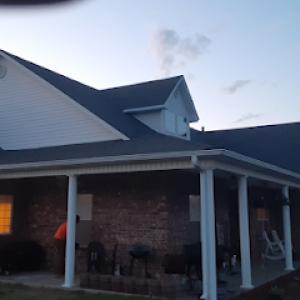
T & T Roofing
(918) 990-3829 tandtroofing.net
809 Hamilton St, Muskogee, Oklahoma
4.0 from 2 reviews
Free estimates, new construction, Roof repairs, shingles, metal, modified Experience, Skill and Quality all under one roof.
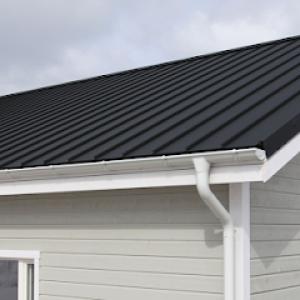
Jay & Jay Roofing
(918) 228-8686 www.jandjroofer.net
Serving
5.0 from 11 reviews
Jay & Jay Roofing provides roof installations and repairs, specialized roofing services, and specialty roof repairs to Muskogee County, OK.
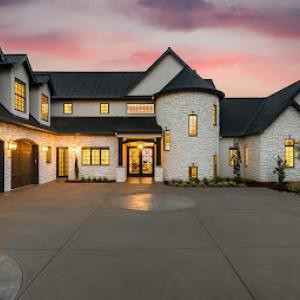
Exceptional Roofing & Exteriors
Serving
5.0 from 85 reviews
Exceptional Roofing & Exteriors, Inc. is your source for residential and light commercial roofing services in Broken Arrow, OK. Our clients rely on us for roof replacement, installation and repair services. Since we treat each customer like a member of our family, you can expect to gain a lifelong friend and reputable business connection.
Green Up Renovations
(918) 230-1889 greenuprenovationsllc.com
Serving
5.0 from 23 reviews
At Green Up Renovations, we’re more than a roofing company – we’re your neighbors, committed to protecting your home while caring for our environment. Locally owned and operated, we show up when we say we will, finish the job with integrity, and stand by our work long after we’ve cleaned up your property.
Parker Roofing & Seamless Guttering
Serving
4.0 from 1 review
Parker Roofing & Seamless Guttering is the oldest roofing business in Tahlequah, OK offering roofing services for all your needs. Shingles, metal roofs, commercial roofs, and 5" and 6" seamless guttering for residents and commercial properties.
Oklahoma's high hail and wind claim volume directly affects Muskogee homeowners through stricter roof underwriting and closer scrutiny of older roofs. The work of adjusting offices has become more granular, with insurers tracking storm clustering and the age of roofing systems across neighborhoods. That means a claim isn't treated as a generic fix, but as part of a larger pattern that can influence settlement timing and acceptance. Expect underwriters to probe the roof's condition beyond the obvious dent or shingle lift, especially if the roof shows a decade or more of exposure to this climate.
In this city, post-storm claims commonly require detailed photo documentation, roof measurements, and clear separation of fresh storm damage from prior wear. Before you reach out to an adjuster, take comprehensive photos from multiple angles, both close-up and wide, including gutters and flashing. Map roof features with simple measurements so you can demonstrate whether any observed damage aligns with a recent event rather than preexisting issues. Keep records of previous repairs, replacements, and visible wear, because insurers will scrutinize whether damage is a direct result of the latest storm or a cumulative condition.
Because claim activity is high across Oklahoma, Muskogee homeowners should expect insurers to pay close attention to roof age, prior repairs, and whether damage is consistent with a recent local storm event. Payment decisions hinge on whether the damage corresponds to a named storm, how well the roof maintained its integrity over time, and whether there are alternating layers of repair that raise questions about workmanship or substandard materials. An adjuster may request independent roof measurements and a professional opinion to confirm the scope of damage and to separate new effects from existing vulnerabilities.
When planning to file, organize a clear timeline of weather events and any interim repairs, no matter how minor they seem. Have a trusted, licensed roofer provide a concise assessment that notes roof age, repair history, and any repairs that preemptively addressed prior hail or wind impact. If discrepancies arise, respond promptly with well-documented evidence to prevent downstream disputes that can stall or reduce settlement. In this climate, timely, precise communication helps ensure the claim reflects the actual storm impact rather than legacy wear.
In this area, pricing can spike after regional hail events when eastern Oklahoma crews are booked out and material demand rises suddenly. That means if a storm corridor batch hits your neighborhood, you may see quick shifts in both labor availability and lead times for the materials you choose. Plan for storms by budgeting a little extra for scheduling flexibility, not just the sticker price on shingles or metal. In practical terms, think of it as a two-step process: lock in a preferred start window when calm conditions are forecast, then prepare for a possible short-notice switch if a major hail episode hits nearby.
Steeper residential rooflines and cut-up designs found on older and mixed-era homes add labor time compared with simple low-complexity roofs. Muskogee homes often feature complex ridge lines, dormers, and varied eave edges that require more detailing, flashing, and edge finishes. Those extra minutes stack up, especially with asphalt or synthetic shingles that need precise alignment and sealant work around vents and chimneys. For concrete or clay tile, the added weight and substrate checks demand careful scheduling and more crane or crew coordination, which translates to higher labor costs even if material prices stay stable.
Summer heat and humidity can slow production rates and affect crew scheduling, which can influence labor pricing even when material costs are stable. In hot months, crews may shift to earlier start times or shorter daily sessions to protect durability and worker safety, extending project duration and tying up labor resources. If your roofer anticipates a longer renewal window due to heat, you may see labor-per-square-rate adjustments reflected in the contract. When hail-season demand spikes, premium materials and expedited timelines can push total costs higher, particularly for metal and concrete/clay tile projects. Use this to guide your decision: non-urgent replacements may fare better with a shoulder-season start, while storm-driven replacements should come with a clear, written schedule and contingency for weather-related delays.
Asphalt shingles are common and per-square pricing ranges roughly from 320 to 560 USD, depending on shingle class and roof complexity. Metal roofing tends to run higher, about 600 to 1100 USD per square, reflecting faster install cycles and long-term durability against hail. Clay tile can land around 900 to 1600 USD per square, with concrete tile often 700 to 1200 USD per square. Wood shingles/shakes fall roughly between 520 and 900 USD per square, while synthetic or composite shingles sit in the 360 to 650 USD per square window. Use these ranges as guardrails, but expect the notes above to nudge the final number during or after storm events.
A full re-roof in Muskogee generally requires a locally issued permit through the city or county building department, depending on jurisdiction. Before any shingle tear-off or nail gun starts, confirm which authority covers your property-city limits versus county oversight-and secure the appropriate permit. In some cases, a simple permit path with routine inspections is available, so you don't have to navigate a lengthy process.
Ask your contractor or the building department to verify whether your property sits inside city limits or falls under county oversight. The exact path you follow can change based on jurisdiction, and missteps here can delay your project or trigger re-inspections. If you're uncertain, start by calling the Muskogee County Building Office or the city clerk's permit desk to confirm the correct route for your address.
Reroof inspections in this area typically emphasize underlayment, ventilation, and nailing patterns rather than treating roofing as a no-contact trade. Prepare by ensuring the attic has proper ventilation, that the underlayment is correctly installed, and that fasteners are placed per code and manufacturer specs. The goal is a durable, weather-resistant install that resists the region's severe weather.
Communicate clearly with your contractor about when inspections will occur and what documents will be needed (permits, permit cards, roof plan if required). Keep access clear for inspectors and address any questions promptly. If a permit path is used, routine inspections should align with key milestones-framing complete, underlayment in place, and final roof inspection after completion.
In this area, repeated hail exposure can shorten the useful life of asphalt roofs even when shingles are not visibly torn off. Granule loss from impact and micro-cuts can accumulate season after season, eroding a roof's ability to shed water and resist UV damage. The result isn't always a dramatic failure; it's often a slow drift toward leaks around fasteners, vent penetrations, and transitions. If the attic feels warmer on sunny days or you notice more dawn drips after a storm, that subtle aging is likely at work. You should stay vigilant for soft spots or dark staining that suggests moisture beneath the surface layers, even when the surface looks mostly intact.
High-wind thunderstorm events in this corridor make edge details, ridge attachment, and shingle sealing performance recurring weak points. Edges can loosen from wind uplift, and ridge caps may crack or lift, allowing wind-driven moisture to penetrate underlayment or decking. Sealing around vents and plumbing penetrations is another common failure path after a strong gust storm. If your roof has mismatched or older edge metal, or if you have visible lifting at the eaves or around skylights, those issues tend to worsen with each major wind event. The practical consequence is faster deterioration of the deck beneath than most homeowners anticipate, which can show up as blistering or curling shingles and, eventually, more pronounced leaks.
The local mix of heat and humidity means poor attic ventilation can accelerate shingle aging and contribute to moisture-related deck concerns. When attic spaces bake in summer without adequate exhaust, the underside of shingles reddens and ages prematurely, drying out the sealant and weakening lamination. The result can be faster wear at roof penetrations, around chimney and vent stacks, and along transitions to gutters. Improving airflow, reducing peak attic temperatures, and ensuring a balanced venting strategy helps slow this cascade, even if the exterior looks only moderately weathered.
Spring brings the highest disruption risk from hailstorms and high winds, making active tear-offs more vulnerable to weather delays. If your roof needs to be torn off and replaced, plan for a window that avoids peak spring storm activity and watch the forecast closely. Short, back-to-back weather blocks are common, so have a contingency plan with your crew for move-ins and move-outs if a storm rolls in mid-project. Expect temporary gaps in progress after heavy hail events, and coordinate tarping and debris containment to limit additional damage on already stressed structures.
Summer projects in this area must account for heat and humidity that affect material handling and worker productivity. Schedule critical, labor-intensive tasks for the cooler mornings and late afternoons when possible, leaving mid-day work to lighter tasks or interior work if permitted. Ensure crews have ample hydration and shaded break areas to maintain safety and pace. Materials that expand with heat can shift alignment, so confirm fastener schedules and ridge vent work under stable morning conditions to prevent wind-driven concerns later in the day.
Winter freezes and occasional ice storms are less constant than in northern markets but can still interrupt installation windows and inspection timing. Target mid-fall or late winter for phases that require steady outdoor work, and keep a buffer for melt-free days when sloped surfaces are safer to access. Ice and snow buildup on decks or ladders can slow access and increase risk, so maintain clear, dry approaches and plan for potential frost delays during mornings.
Coordinate with your roofer to prioritize critical sections that will seal the structure first, then complete finishing details as weather allows. Maintain practical backup dates in your schedule for sudden storms, and align work with your preferred days of the week to minimize repeated access disruptions. In all cases, ensure weather-ready protections-tarps, clearance around eaves, and secure staging-are in place before any tear-off begins.