Last updated: Apr 19, 2026
Bartlesville sits in a high hail and severe thunderstorm corridor of northeastern Oklahoma, so sudden shingle bruising, granule loss, lifted tabs, and metal denting are common spring-season triggers for replacement. The pattern is not rare weather drama-it is a predictable occurrence that can swiftly push a roof from sound to compromised. After a storm, look for irregular shingle edges, dark bruises that don't scrub away, and granules accumulating in gutters. Metal roofs may show dings, creases, or lose a reflective finish where hail struck. The clock starts as soon as damage is visible, because delayed detection can lead to accelerated wear from leaks, moisture intrusion, and attic warmth that undermines interior finishes.
Projects in Bartlesville are often disrupted by active spring storm patterns, which means homeowners may need temporary drying-in before full replacement can be scheduled. If a roof has sustained hail impact or wind uplift, arrange a temporary cover to seal the most vulnerable areas within hours, not days. A trusted local contractor can install a rapid-drying tarp system or a temporary roofing layer to minimize rain entry and interior damage while weather holds. Document the site with clear photos from multiple angles, including close-ups of bruising, lifted tabs, and any denting in metal sections. This evidence will streamline insurance review and help set expectations for the timing of a full fix.
Because local contractor signals strongly skew toward storm damage and emergency response, homeowners here are more likely to encounter storm-driven sales activity after major weather events than in calmer markets. That reality requires a disciplined approach: verify licensing and insurance, request references from recent Bartlesville projects, and insist on a detailed written scope before any work begins. Storm-chasing crews can flood the area after a large event; ensure the contractor understands your home's original construction, roof deck condition, and any prior repairs. Ask for a phased plan that prioritizes leak control first, followed by a measured replacement window that aligns with insurance adjuster timelines and weather forecasts. A clear, written schedule reduces the risk of rushed decisions when pressure to proceed grows.
Insurance documentation should reflect the specific spring-pattern risks in this corridor. Keep an ongoing log of weather alerts, hail sizes observed, and dates of any new leaks. When an adjuster arrives, present the inspection notes, photos, and a professional assessment that highlights compromised shingles, lifted tabs, or dented metal. Clarify what constitutes "storm-related damage" versus preexisting wear, so the claim timeline is realistic and not punitive. In a market where storm-driven activity is common, timely, accurate documentation becomes the most effective shield against delays and incomplete repairs.
Prepare a short, action-oriented checklist for the first 24 hours after a storm: secure the site, photograph damage, contact a trusted local roofer for an assessment, and start compiling an insurance packet. Staying ahead of spring patterns with a proactive approach reduces risk, limits interior exposure, and keeps replacement decisions tightly aligned with the actual damage and the insurance process.
Oklahoma's high roof-claim environment affects Bartlesville homeowners directly, with carriers often expecting date-stamped photos, interior leak evidence, and a clearly itemized scope after hail or wind events. After a storm, begin with a quick outside survey at first light, then move to interior checks for staining, warped ceilings, and along-wall water trails. Take wide-angle photos of the entire roof line and any obvious impact spots, then zoom in on damaged shingles, gutters, and vents. Keep a simple log that records the exact date of each photo, the area photographed, and what each image demonstrates. The goal is to present an organized, easy-to-follow trail for the adjuster, showing both the visible surface damage and any signs of concealed leaks inside the attic or ceilings.
In Bartlesville, carriers often ask for a clearly itemized scope of repairs. Before contacting a roofer, draft a straightforward list: damaged roof areas, attic or interior damage evidence, and a rough assessment of needed remediation. When possible, align your list with what an experienced local contractor would document during a roof inspection. This alignment helps reduce back-and-forth with the insurer and speeds up decision-making.
After major storms in the Bartlesville area, claim volume can slow adjuster scheduling and roofing timelines, so early documentation matters more than in lower-claim regions. Prepare to experience delayed responses, and plan for temporary measures to slow leaks while awaiting approval. If you detect active leaks, use tarps or temporary patches as a stopgap, but keep records of the time and location of any temporary repairs. Your documentation should capture the urgency: a dated set of photos showing active ingress, plus a note describing how the leak worsens with rainfall. When the adjuster visit is finally scheduled, have all documentation organized in a single folder or binder, ready for review.
Because insurance-claims assistance is a prevalent local contractor specialty, homeowners commonly seek roofers who can align field findings with insurer-required documentation. A contractor with experience reading adjuster notes can translate observed damage into a precise scope of loss, reducing the chance of substitutions or under-scoping. Confirm that your roofing professional can provide a detailed scope breakdown that mirrors the insurer's language, including shingles, underlayment, flashing, and attic ventilation where applicable.
When the adjuster arrives, walk them through the property with your documented records in hand. Point to the date-stamped photos, interior leak evidence, and the itemized scope you prepared. If the adjuster's assessment misses areas you documented, request a re-inspection or provide the additional photos and notes to support your claim. Do not wait on a final decision to engage a contractor who understands claim-driven timelines. Hire a local roofer who can deliver a field report that matches insurer expectations, and who can begin work promptly once approval is secured. In this market, timely, precise communication between homeowner, adjuster, and contractor is the quick path from hail to a solid, properly installed roof.
Connect with contractors who help homeowners navigate the claims process from damage assessment to final approval.
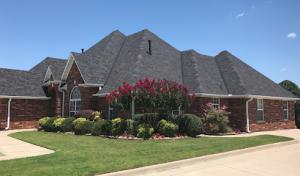
Solid Roofing
4015 Nowata Rd, Bartlesville, Oklahoma
4.9 from 74 reviews
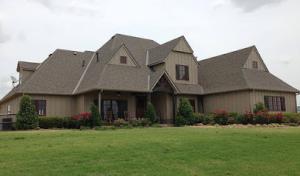
Heritage Roofing
(918) 914-9600 www.heritageroofingok.com
414 SE Washington Blvd #169, Bartlesville, Oklahoma
4.6 from 74 reviews
Bartlesville Roofing & Gutters
(918) 914-1523 bartlesvilleroofingandgutters.com
817 Crown Dr, Bartlesville, Oklahoma
5.0 from 13 reviews
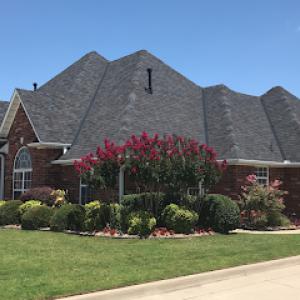
Solid Roofing
4015 Nowata Rd, Bartlesville, Oklahoma
4.9 from 74 reviews
Roof estimates, roofing estimates, shingle estimates, roof inspection, roofing inspection, roof repairs, roofing repairs, roof replacement, roofing replacement, best roofing company, bartlesville roofing company, local roofing company, commercial roofing, metal roofing, metal roofs, business roofing, flat roofs, flat roof repair, commercial repair, commercially licensed, commercial license, christmas light installation, christmas lights. Solid Roofing, a locally owned & operated roofing contractor established in 2009, is your trusted partner for all your roofing needs in Bartlesville, OK. We provide comprehensive residential roofing services, inspections, repairs, replacements and all commercial roofing solutions. Bville based roofers.
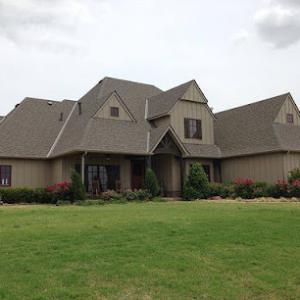
Heritage Roofing
(918) 914-9600 www.heritageroofingok.com
414 SE Washington Blvd #169, Bartlesville, Oklahoma
4.6 from 74 reviews
Welcome to Heritage Roofing! We’re a professional and fully licensed roofing company offering a wide range of services around the Bartlesville, OK, area. With over 25 years of roofing experience under our belts, you can trust us to provide you with high-quality workmanship paired with exceptional customer service. Call us at (918) 914-9600 for a free estimate!
Bartlesville Roofing & Gutters
(918) 914-1523 bartlesvilleroofingandgutters.com
817 Crown Dr, Bartlesville, Oklahoma
5.0 from 13 reviews
Bartlesville Roofing & Gutters has served North Eastern Oklahoma for the last 15 years. We provide quality roofs for a fraction of our competitors rates. This is because our experienced team has plenty of work, and they work efficiently. BRG will provide you with seamless gutters and we carry a variety of architectual shingles. Whether you need a small repair, need replace a damaged roof, or need help you with new your build; we have you covered! Please fee free to give us a call.
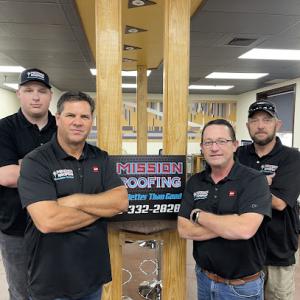
Mission Roofing
(918) 332-2828 missionroofing.us
500 Dewey Ave Suite A, Bartlesville, Oklahoma
5.0 from 7 reviews
Mission Roofing is a premier roofing company dedicated to safeguarding your home or business. With extensive experience in the roofing sector, we specialize in providing bespoke roofing solutions tailored precisely to your requirements. Whether installing a brand-new roof, conducting repairs, or providing ongoing maintenance, we're here to comprehensively meet your needs. Our team is dedicated to delivering superb craftsmanship, utilizing only premium materials and the latest methodologies to ensure enduring quality. We strongly emphasize customer satisfaction, transparent communication, and dependable service at every step.
Roof4Life Roof Coatings
2326 Yorman Rd, Bartlesville, Oklahoma
5.0 from 4 reviews
Never worry about your roof again! Roof4Life Coatings is a roofing and waterproofing contractor certified with Firestone/Gaco Western and insured. We use only the highest quality Firestone GacoFlex silicone coatings. Our roof coatings come with a 50-year product warranty and a 2-year labor warranty. For 20 years we have built our business on the highest standards of integrity and quality. We have 25 years of experience applying epoxies, urethanes, oil-based, lacquers, waterborne, and acrylic coatings for residential, commercial, and industrial applications. Serving all of Oklahoma, including Tulsa and Oklahoma City. We also serve Joplin, Coffeyville, Wichita, Independence (KS), Rogers/Springdale, and Fayetteville.
RoofPro
(918) 766-1584 www.roofproteam.com
1740 SE Washington Blvd ste b, Bartlesville, Oklahoma
5.0 from 3 reviews
Residential & Commercial roofing services - new roofs, roof repairs, storm damage - call us for all your roofing needs! Experienced, honest, and local roofing company specializing in roofing, siding, windows, gutters, exterior repair & replacements, storm restoration, and insurance claim assistance.
Green Country Home Repair
433 N Cholwell Ave, Bartlesville, Oklahoma
4.3 from 3 reviews
Green Country Home Repair is a family owned business located in Bartlesville, Oklahoma. We specialize in roofing, custom decks and outdoor entertainment areas, privacy fencing, room additions, room or whole home remodels. We are licensed, insured, and experienced and we offer free estimates. Call us for your next project. You will be glad you did.
Conley Construction
Serving
5.0 from 6 reviews
General Construction, Roofing, and Painting.
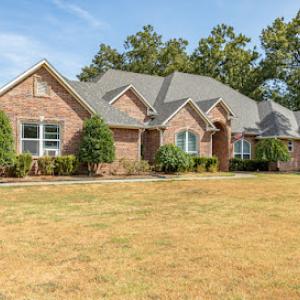
USA Roofing & Remodeling
Serving
5.0 from 4 reviews
We specialize in residential roofing and remodeling projects. We are a full service company that has built its reputation by working closely with our customers and their insurance companies to provide the best solutions for their home issues. We create long term relationships with our customers through our expertise and commitment to excellence. We stand by our work, and our customers can count on us to be there when they need us.
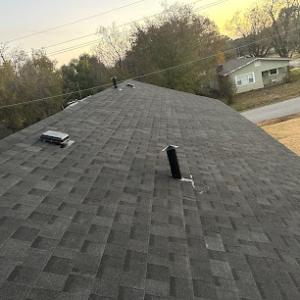
Aldana's Roofing
Serving
5.0 from 1 review
We are bonded and licensed for your roofing and remodeling needs. Give us a call today to schedule you for a quote today! If you have any questions or if you have gotten any quotes give us a call and let us see if we can beat the price! Nosotros tambien hablamos español. Danos la oportunidad de ayudarte con tus necesidades de remodelación y reparación de techo.
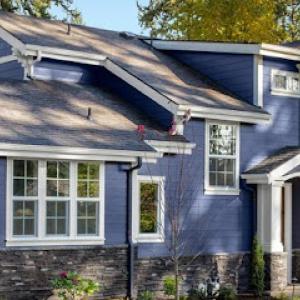
Falcon Roofing
(918) 332-2593 www.falconroofingco.com
Bartlesville, Oklahoma
Falcon Roofing is a family-owned and operated company with over one and a half decades of experience. We're fully bonded and insured. Our business is registered with the state of Oklahoma. The skilled roofers in our company are renowned in the area for their top-notch roofing craftsmanship. We're the preferred roofing firm in Bartlesville and the surrounding areas. We provide quality residential and commercial roofing services at competitive prices along with excellent customer service.
Asphalt shingles dominate replacements in this market because they fit the storm-repair demand and keep entry costs reasonable. In contrast, metal and tile systems are higher-cost options with more specialized labor needs. When you compare numbers, asphalt shingles sit in the lower end of the budget range, while metal climbs and tile sits highest in many Bartlesville projects. If your roof has a lot of intricate angles or old decking, a metal or concrete/Clay tile setup can extend life but will push labor toward the upper end of the spectrum. Use the city's spring hail season as a practical trigger for planning: you'll see more crews available in late spring and early summer, but wait times can still creep up after big hail events.
Storm surges in demand after hail events can push replacement pricing upward through labor bottlenecks and longer scheduling windows even when material pricing stays fairly stable. The typical pattern is a flurry of activity right after a hail event, followed by a lull as crews juggle crowded calendars. If you're negotiating after a hailstorm, expect some variability in crew availability and a tighter window for exact start dates. In practice, that means securing a firm start date and a written timeline before work begins, with clear milestones for weather-related delays.
Spring and fall are preferred work windows for this area, while summer heat and winter freezes can sap efficiency and slow pacing. In practice, that translates to faster project delivery and cooler weather windows for asphalt installs, whereas heat can stress underlayment and rooftop work for longer days or more frequent breaks. If you're coordinating a replacement around insurance timelines, plan for smooth handoffs in the shoulder seasons. You'll likely see more precise scheduling and fewer delays in spring or fall compared with the peak heat of July or the cold snaps of January.
When you're facing an insurance-driven replacement, start with a reputable local contractor who can document hail impact quickly and accurately. Request a detailed line-item estimate that separates debris removal, underlayment, and finish materials. If a hail event shifts the timeline, lock in a firm start date and build in a contingency for weather-related delays. Finally, compare both material costs and labor complexity-especially for metal and tile options-so you understand whether a higher upfront price yields meaningful long-term savings in this market.
A full roof replacement in Bartlesville typically requires a building permit through the city's Building Department rather than being treated as a no-permit maintenance item. This city-specific requirement reflects the local focus on storm-related work and proper documentation for insurance and permitting. Before any tear-off begins, verify that the permit is pulled in a timely manner to avoid delays that can cascade into dry-in and weather-related setbacks. The permit process often involves basic plan review and confirmation that the roof materials and installation methods meet local code for wind and impact resistance. Understanding these steps up front helps prevent last-minute scrambles when a storm recovery timeline tightens.
Bartlesville inspections commonly include an underlayment-stage inspection and a final inspection after completion, so scheduling must account for municipal signoff between roofing phases. The underlayment check ensures that the chosen underlayment, flashing details, and nail patterns meet code before shingles or other coverings are laid down. The final inspection confirms that the work matches approved plans and passes all safety and ventilation requirements. Because spring hail season can force rapid sequencing, align the permit approval, the underlayment inspection window, and the final inspection with the contractor's schedule so that tear-off, dry-in, shingle installation, and ventilation work flow smoothly without overlapping delays.
Because inspection timing can affect tear-off and dry-in sequencing, Bartlesville homeowners should confirm who is responsible for permit pull, inspection coordination, and correction of any failed inspection items. In practice, the contractor usually handles permit applications and coordinates inspection dates, but it is essential to obtain explicit commitments in writing. If an inspector notes a deficiency during the underlayment inspection or a post-completion item during the final signoff, the homeowner should know who coordinates the corrective work and how quickly the issue will be resolved to keep the project moving. Clear communication with the contractor and the Building Department helps reduce weather-driven disruptions and aligns the project with insurance documentation requirements relevant to spring hail recovery.
In Bartlesville, spring hail and wind exposure shape every roofing decision more than snow-load concerns or coastal exposure. The pattern of repeated hail events means that impact resistance and seal-strip performance matter from day one, not as a late upgrade. The mix of older established neighborhoods and ongoing re-roof demand means the best roof must tolerate quick weather reversals, fast leak detection, and insurance-driven replacement timing. Your selection should prioritize how the system behaves when hail strikes, how it stops leaks, and how long it remains weather-tight during the insurance adjustment process.
Asphalt shingles are the most common covering, and that reality drives expectations. When hail seasons are active, you want an impact-resistant profile and a strong seal-strip that can withstand multiple hits without blowing back open at the edges. Look for shingles with higher impact resistance ratings and a good wind uplift performance, since Bartlesville's springs bring both hail and gusts. In many neighborhoods, the rapid cycle from damage detection to temporary repairs and final replacement hinges on how well the asphalt system resists staining and maintains shingle integrity after hail strikes. A sound underlayment and proper attic ventilation help this setup stay water-tight between storm events.
Metal roofing is present in the local market and can perform well against wind and shedding rain. The key decision factor for hail is cosmetic: denting from hail is a real local concern that homeowners should weigh. If a metal roof is chosen, consider profiles designed to shed hail impact without compromising sealing performance. Coatings and finishes that resist staining after hail are also worth prioritizing. Metal can be a durable choice when installed with attention to panel seams, fastener seals, and proper flashing details around valleys and chimneys.
Clay tile, concrete tile, wood shakes, and synthetic/composite options exist, but their suitability depends heavily on how they handle hail strikes, replacement part matching, and local installer availability. Tiles and shakes can crack under hail, complicating a quick repair or replacement and potentially affecting matching with neighboring roofs. If considering these paths, verify a local installer's experience with hail-related breakage, tile matching, and post-storm warranty support. For any non-shingle choice, ensure the system composition supports rapid leak control and compatible sealants so that storm-season damage does not translate into prolonged exposure.
Spring is the usual window for replacements, but in this town it also brings the highest risk of hail interruptions and emergency rescheduling. If a storm hits during the planned tear-off, crews may have to halt work and protect exposed decking until skies calm. That can push a project into a narrow weather seam, especially when fresh leaks show up after a hailstorm. If you're facing hail damage, prompt documentation for insurance and a flexible schedule with your contractor can help minimize long gaps between assessment and replacement.
Hot summer days challenge asphalt shingles and the adhesives used to seal them. On exposed roofs, heat can soften underlayment and slow nail-seating or shingle adhesion, increasing the chance of misalignment or wind uplift later. Scheduling between peak heat hours, ensuring shade or reflective gear, and planning for daytime breaks protect both crews and materials. If a roof must be replaced in the heat, a staggered crew plan and protective measures for synthetic and shingle products can prevent premature aging or warping.
Winter freezes and occasional ice storms can slow tear-off and reveal brittle decking issues that weren't obvious in milder weather. Underlayment installation can become more meticulous but also more prone to delays if ice lurks in gutters or on the deck. When cold snaps hit, crews may need to pause for safety and material performance checks. If a roof is being replaced in late fall or winter, expect potential schedule shifts and a longer coordination window with weather-appropriate contingencies.
If you notice recurring leaks after a severe storm, or a shingle edge curling and cupping, replacement becomes more practical than constant patchwork. Consider how often next-spring storms interrupt work and how quickly you need reliable protection versus the reliability of temporary patches. In this market, timing around severe weather and insurance-driven expectations often governs whether to complete a full replacement promptly or relegate a mid-season project to a lighter, interim solution.
Get a clear picture of your project costs upfront - no commitment required.
Heritage Roofing
(918) 914-9600 www.heritageroofingok.com
414 SE Washington Blvd #169, Bartlesville, Oklahoma
4.6 from 74 reviews
Green Country Home Repair
433 N Cholwell Ave, Bartlesville, Oklahoma
4.3 from 3 reviews
In Bartlesville, re-roofing often signals aging roofs that have seen better days. When a tear-off exposes the deck, hidden deterioration can show up suddenly, even after years of patchwork repairs. This reality means that decking is routinely part of the project scope rather than an afterthought, and it can shift timing and priorities with storm-driven weather in spring. This shift in scope can alter the contract form, the required tear-off logistics, and even how storm damage documents are organized for a claim.
Wind-driven rain and repeated storm repairs leave a patchwork roof history on many homes. Contractors may find mismatched layers, questionable flashing, or undersized fasteners once the old shingles are off. Those discoveries matter for insurance comparisons, because a full replacement scope requires clear documentation of existing conditions and any newer repairs that influence coverage or depreciation. Understanding these nuances helps homeowners avoid under- or over-replacing and prevents surprises in the claims process when storm season rolls around again.
Older neighborhoods with mixed siding, mature trees, and frequent hail season the work around re-roofing. The usual signs of trouble-soft spots, curling shingles, granule loss-often appear unevenly, which makes a careful, room-by-room assessment essential. Keep a detailed record of prior patch repairs, roof lines, and venting configurations; insurers may use it to judge replacement eligibility and timing in a storm recovery scenario. Discuss attic access, vapor barrier integrity, and potential radiant heat issues from Oklahoma summers to frame a complete picture before any order for materials is placed.
During tear-off, plan for an orderly sequence: protect landscaping, remove and control debris, and verify attic ventilation and insulation. Uncovering decking or roof structure can reveal faster or slower replacement needs than the visible surface indicated by the old shingles. If structural issues appear, coordinate with the insurer and contractor to align expectations and avoid protracted disputes over scope. Document every step with photos, and if possible, have a third-party inspection record the decking and joist conditions.
Cleanup is a visible hiring priority in this market. Storm debris, nails, and disturbed landscaping require careful attention to prevent injuries and property damage. A responsible contractor stacks and clears materials, runs magnet sweeps, and leaves the site safer than it started. For many Bartlesville homes, that attention to cleanup is as important as the new roof itself, especially on tear-off jobs where debris management and landscaping protection are homeowner concerns.
In this climate, skylight flashings are frequent leak checkpoints after storms, especially when the surrounding shingle field has sustained wind-driven damage. The most vulnerable spots aren't always the glass itself but where the flashing meets the roof deck and the skylight curb. When hail or gusty winds strike, tiny gaps can open up and let water seep into attic spaces, soffits, or ceiling lines. Inspect after every major storm with a keen eye for any staining near the skylight or along the perimeter of the flashing.
Emergency leak calls in this area often reveal penetrations and transitions rather than broad field shingle loss. A sudden downpour can shove water through roof transitions around vents, dormers, or skylights even when the rest of the roof looks superficially intact. Fast response matters, because delayed attention to a single penetration can lead to interior damage, mold risk, and accelerated wear on nearby flashing membranes. When you call for help, describe the storm event clearly and point out any evidence of water intrusion along the skylight perimeter or interior ceiling seams.
Local contractor signals show skylight repair capability exists, but it is not a dominant specialty. That means homeowners with skylights should verify detail-specific experience before scheduling work. Ask about past jobs involving flashing seals, curb adjustments, and wind-driven rain scenarios, and request photos or references for skylight-related leaks. If a contractor seems to treat skylight work as a side task, consider seeking a specialist who can demonstrate a track record with precise flashing repairs and coordinated work around the surrounding shingles.
Expect that repeated spring hail and wind seasons will stress both flashings and nearby shingle fields. A proactive maintenance mindset-regular inspection after storms, timely resealing where recommended, and preemptive attention to any newly displaced shingles around the skylight-helps prevent small breaches from becoming larger leaks. In practice, treat skylight areas as high-priority checkpoints during inspections and reinforcements.
Find contractors experienced in skylight installation, flashing, and leak repairs to bring natural light into your home.
Heritage Roofing
(918) 914-9600 www.heritageroofingok.com
414 SE Washington Blvd #169, Bartlesville, Oklahoma
4.6 from 74 reviews