Last updated: Apr 19, 2026
In this Willamette Valley pocket, most full roof installations are scheduled from late spring through early fall to avoid prolonged rain exposure. The cadence makes it easier to complete tear-off, underlayment, and the dry-in sequence without weather-driven interruptions. Within that window, aim for a solid stretch of dry days-ideally 7 to 10 consecutive days-to minimize the risk of moisture intrusion while you're removing old shingles and laying new underlayment. If you're replacing an aging roof, pick a start date that aligns with the longest stretch of dry forecast in late spring or early summer, then build in a conservative buffer for a potential mid-project rain delay. Short, tight windows between rain events can still work with careful planning, but a longer, predictable stretch reduces the chance of speed-driven mistakes.
Spring and autumn in this valley bring more frequent rain kettles, which can interrupt tear-off and dry-in sequencing. The key is to protect underlayment and decking during any unavoidable wet spell. Use a robust tarping plan for exposed edges, and keep fasteners dry-sensitive by scheduling the dry-in when a stretch of dry weather is forecasted. If a rain event sneaks in, pause work on the underlayment and stage materials off the roof until the roof deck is dry again. Builders in this area often layer a temporary rain screen or use a water-shedding tarp system to buy time without sacrificing the integrity of the underlying decking. Communication with the crew about rain days and contingency sequencing helps prevent workflow creep and keeps the project on track when weather turns-without sacrificing protection where it matters most.
Persistent humidity in the Willamette Valley creates moss-friendly roof conditions when shade and retained moisture are present. Albany's typical homes often have eaves and north-facing slopes that stay damp longer into the season. When planning, consider the roofing material and underlayment compatibility with moss-prone climates. If your home has established moss or high shade, a pre-tear-off moss treatment plan may be appropriate, followed by a meticulous cleaning protocol before laying new underlayment. Post-install, a preventive moss-control step-such as applying a non-corrosive algaecide or a moss-resistant finishing coat on shaded areas-can help extend the life of the roof and reduce maintenance cycles. Remember, moisture management isn't just about the roof surface; it includes attic ventilation, soffit intake, and ridge cap function to keep the deck dry across seasons.
Coordinate with the contractor to align the tear-off sequence with the dry-in window. Ask for a detailed daily weather contingency plan, including how many days are devoted to tear-off, how many to dry-in, and what conditions will trigger a pause. For shaded or moss-prone sections, identify priority zones early in the project so those areas receive extra attention to moisture control and fastener integrity. If a spring rain event delays operations mid-project, have a clear off-rig plan for weathering the exposed decking and ensuring underlayment remains dry until the sequence resumes. Finally, document the start and finish dates of each stage to track how weather patterns impacted the timetable, and adjust future plans accordingly so the roof's moisture management stays aligned with Albany's wet-winter reality.
In this Willamette Valley climate, moisture isn't a seasonal nuisance-it's a steady companion. Humidity can linger on shingles, wood products, and flashing details long after a rain, and when moss takes hold, that moisture isn't just cosmetic. It seeps into tiny crevices, slows drying, and accelerates material wear. The subtle slow creep of moisture under layered roofing can shorten the life of asphalt shingles, wood products, and metal details alike. The result isn't just a patchy look; it's uneven aging, with saturated spots that soften granules, lift edges, and invite leaks where flashing sits against wall profiles or roof-to-wall transitions. This dynamic is especially true in Albany, where the valley's wet rhythm means a damp roof can stay damp weeks longer than elsewhere, compounding wear between maintenance events.
Winter storms bring rain, wind, and pressure changes that reveal weaknesses in a roof's moisture management. Small drainage or flashing defects, barely noticeable in sun, often show up first as leak calls during the wet season. In practice, a seemingly minor gutter clog, a recessed flashing seam, or a tiny gap at a vent can become a drip line fate line after a heavy downpour and gusty winds. The problem isn't always a dramatic failure; it's a sequence of micro-failures that allow water to travel along soffits, under shingles, or behind steps in the flashing system. The dialog of a responsible roof in this climate is to watch for damp patches after storms, and to treat a single weed growth or moss tuft not as a cosmetic issue but as a potential red flag for underlying moisture entrapment.
Wood remains a common choice among Albany homes, yet its moisture-retention traits make it particularly vulnerable when maintenance lapses. If moss, leaves, or organic debris persist, moisture stays in contact with wood longer, leading to accelerated swelling, cup/ripple of shakes, and accelerated wear along channels where water should escape. Even well-installed wood shingles can fail prematurely if the underlayment or flashing isn't kept dry and free of debris. The combination of humid air, frequent rain, and slow-drying cycles means small defects echo more quickly into visible problems-soft edges, cupping edges, or dark staining that signals wood decay beneath the surface. Regular removal of moss, careful cleaning of gutters, and timely replacement of damaged boards become less optional and more essential obligations.
The local climate rewards a proactive schedule. When moisture sits on a roof, waiting for "the right day" to address it invites minor issues to compound into larger repairs. Start with honest inspections after winter storms or heavy rains: check for damp patches, moss growth, lifted edges, and suspicious flashing seams. Don't overlook the small drainage problems-how rainwater travels around vents and eaves can determine whether a roof remains dry enough to delay broader repairs. If wood shingles show consistent moisture staining or softening, treat those areas as signals to reassess the roof's moisture management-because the cost of postponing maintenance tends to rise with every wet season.
Find local contractors experienced in assessing and restoring roofs after hail, wind, and severe weather events.
Stutzman & Kropf Contractors
(541) 928-6535 www.stutzmanandkropf.com
1954 Rye St SE, Albany, Oregon
4.6 from 72 reviews
Orezona Building & Roofing
(541) 981-2190 orezonabuildingcompany.com
4505 Marion St SE, Albany, Oregon
4.3 from 41 reviews
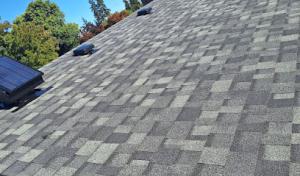
The Willamette Valley's long wet season shapes every roofing decision here. In Albany, how well a roof sheds water, resists moss, and holds up through repeated damp-dry cycles is often more decisive than a roof's resistance to hail or wind alone. The dominant residential mix-asphalt shingles, metal roofing, clay tile, concrete tile, wood shingles or shakes, and synthetic or composite shingles-reflects a balance between cost, maintenance, and performance in high-humidity conditions. When selecting materials, prioritize those that promote rapid drainage, resist surface micro-pitting from moisture, and minimize surface crevices where moss or algae can gain a foothold.
Asphalt remains a practical choice for most Albany homes because of its versatility and ease of maintenance during wet winters. Look for asphalt products with good laminate construction and proven moisture resistance, and pair them with proper underlayment and a well-sealed edge detail to keep out groundwater during heavy rains. In neighborhoods with established trees and persistent moss risk, emphasize shingles with algae-resistant properties and consider a roof deck ventilation plan that encourages drying between storms. A reliable installation with a continuous nailing pattern and secure ridge and hip caps helps prevent water intrusion around fasteners during Oregon's wet spells.
Metal roofs shed water quickly and resist moss better than many other materials when installed with a clean, continuous seam system. In Albany, metal is especially attractive on steeper pitches and on homes where moisture control is a priority. Choose panels with adequate thermal movement allowance and consider hidden fasteners or sealed exposed fasteners designed for damp environments to minimize leak paths. A snow and ice management approach isn't central here, but the effective shedding of wet air and reduced surface moisture can extend the life of neighboring flashings and gutters, reducing maintenance churn over time.
Clay and concrete tiles offer long wear life and strong water shedding, but their weight can demand structural verification on older Willamette Valley houses. If a tile system is feasible, ensure the supporting structure is rated for the load and that underlayment and flashing details account for frequent winter dampness. Wood shingles or shakes bring a natural look but require meticulous maintenance in a moss-prone climate; choose coatings or treatments that resist moisture retention and plan for periodic cleaning and re-sealing. Synthetic or composite shingles provide a middle ground, combining moisture resistance with ease of maintenance, while still fitting the appearance you want.
Across all materials, the driving concern is moss management. In Albany, consistent roof-cleaning intervals, proactive moss prevention, and strategic landscaping to reduce shade on the roof can dramatically extend a roof's service life. When selecting a material, consider finishing options that discourage moss buildup and the accessibility of cleaning and maintenance-especially on roofs with complex shapes or multiple valleys where moisture can collect. A thoughtful combination of material choice, installation detail, and ongoing care is the best defense against moisture-heavy winters.
In this climate, you'll most often size projects by square and compare material options against moisture exposure and local wear. Asphalt shingles run about $300 to $700 per square. Metal roofing tends to run $700 to $1,300 per square. If you're considering higher-end options, clay tile sits around $1,200 to $2,300 per square, while concrete tile runs $1,000 to $1,800 per square. Wood shingles or shakes are commonly priced from $450 to $900 per square, and synthetic or composite shingles fall in the $500 to $1,000 per square range. These ranges reflect Albany's mix of lightweight shingles and heavier tile systems, so markup and scope can shift with roof design and substrate needs.
Prolonged wet-season scheduling can raise project costs when crews need extra dry-in protection or delayed sequencing between tear-off and final installation. If rain delays mean contractors must install temporary weather protection, stage materials longer, or extend labor windows, you'll see additional days billed. In practice this means planning with your contractor for tighter sequencing once dry weather returns, and budgeting a cushion for weather-related delays that are common in the Willamette Valley's wetter months. Knowing this local tendency helps you set realistic timelines and avoid rushed decisions that could compromise moisture control.
Albany's installed roof mix includes both lightweight shingles and heavier tile systems, which can change labor scope and structural review needs. Heavier tile requires evaluating attic framing and roof deck strength, plus potential reinforcement or bracing. If your home has multiple penetrations, skylights, or complex transitions, expect longer installation times and higher potential for moisture-management steps during tear-off and re-cover. In contrast, asphalt or synthetic shingles usually present fewer structural variables, but still demand careful attic ventilation planning to curb moss growth and humidity buildup during the wet season.
Given the valley climate, upfront conversations about moss resistance, finish durability, and flashing details pay off. From a cost standpoint, treated or moss-resistant options don't always carry a premium, but their performance in Albany's damp air is a practical factor in long-term value. If you expect heavy moss pressure or persistent damp conditions, discuss underlayment choices, ridge venting, and drainage alignment with your contractor to minimize future moisture and leak risk, while aligning with your chosen material's weight and installation requirements.

IronHead Roofing
(541) 714-0575 ironheadroofing.com
1210 SE Jackson St, Albany, Oregon
4.9 from 75 reviews
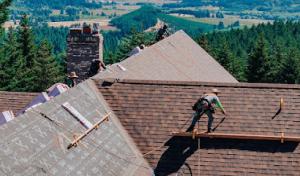
IronHead Roofing is a veteran-owned and Oregon-grown company dedicated to protecting homes, businesses, and communities with lasting roofing and solar solutions. Since 2017, we’ve built our reputation on integrity, craftsmanship, and relentless innovation, earning recognition as the 2024 Innovator of the Year by Roofing Technology Think Tank (RT3). With a team of skilled in-house crews and trusted partners, we deliver roofing, solar, and maintenance services that combine safety, quality, and efficiency. Guided by our mission to build lasting protection and trust, we’re proud to serve over 2,000 customers across the Pacific Northwest, while giving back to the communities we call home.
Efficient Roofing
(458) 233-9499 efficientroofing.org
2151 Three Lakes Rd SE #89, Albany, Oregon
5.0 from 31 reviews
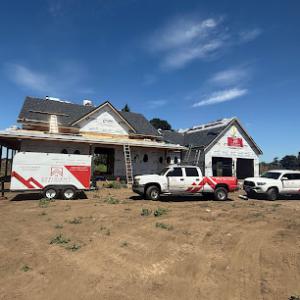
Efficient Roofing Roofing service, siding service, and gutter services in Albany, Tangent, Corvallis, Millers burg , Jefferson, Lebanon, and all the Willamette Valley. We provide exceptional service, affordable rates, and the very best in customer service so please call us now for a free estimate. When you hire an Efficient Roofing is top-tier roofing service, you aren't just paying for shingles and labor; you are adding several layers of tangible and "invisible" value to your home. In 2026, a professionally installed roof remains one of the most reliable ways to protect a property's market price. Here is a breakdown of the specific value professional roofing services add:
Renaissance Roofing
(541) 791-4886 www.renaissanceroofing.net
34058 Oakville Rd SW Suite A, Albany, Oregon
4.8 from 146 reviews
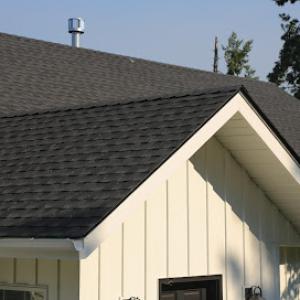
Since 1993, owners Greg and Laura Evans have committed their time and talents to providing local residents with customer-focused services and quality craftsmanship. They pride themselves on maintaining an upfront, honest line of communication with their clients. At Renaissance Roofing, Inc, we work hard to understand what you hope to achieve in hiring us as your roofing contractor. Our professional team is here to work with you through all phases of your next new roof.
Monroy's Roofing
(541) 740-3735 www.monroysroofing.com
640 Old Salem Rd NE, Albany, Oregon
4.8 from 98 reviews
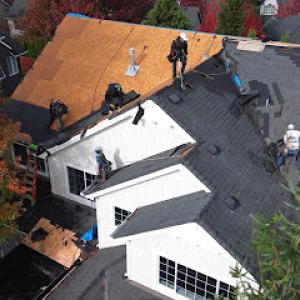
Monroy's Roofing provides roofing, siding, moss removal, skylights and gutter services to the Albany, OR area.
Stutzman & Kropf Contractors
(541) 928-6535 www.stutzmanandkropf.com
1954 Rye St SE, Albany, Oregon
4.6 from 72 reviews
Roofing & Siding Specialists for exterior construction needs. We have been in business since 1968, and believe that customers needs come first. We focus on both Residential and Commercial exterior assemblies. No job is too big or too small.
Orezona Building & Roofing
(541) 981-2190 orezonabuildingcompany.com
4505 Marion St SE, Albany, Oregon
4.3 from 41 reviews
Looking for a reliable roofing business you can count on? With 20 years of experience, Orezona Building & Roofing Inc. specializes in roof repair, full roof installations, and maintenance for both residential and commercial properties in Corvallis, OR. Our skilled roofing contractors deliver high-quality workmanship and exceptional service to keep your property safe and secure. Need fast, reliable help? Whether you’re searching for “roofing repair near me” or require 24-hour roofers for an emergency, our team is ready to respond anytime. Trust Orezona to protect your home or business with durable, long-lasting roofing solutions. Contact us today and experience expert roofing service you can depend on!

CBGC Construction & Plumbing
(541) 220-3934 cbgcconstruction.com
Albany, Oregon
4.5 from 8 reviews
Our services include roofing, roofing installation, and roofing repair. We can help you breathe new life into your home or business, from small changes, to complete remodels and additions. We have extensive construction experience and complete every project in time without compromising quality. We’re knowledgeable and professional and provide high quality designs. We’re polite and courteous and make sure to keep all promises we make to our customers. We assure every client that we devote our full attention and skills to their construction needs. Likewise, we pay attention to the client’s concerns and budget. So the client receives designs that are as elegant as they look.
Smart Choice Insulation & Roofing
(541) 480-8670 www.smartchoiceir.com
4505 Marion St SE, Albany, Oregon
5.0 from 3 reviews
Smart Choice Insulation and Roofing, Inc. offers exceptional SPF Roofing Systems and Foam Lifting services.
Nixon Roofing & Construction
Serving
5.0 from 17 reviews
We have 7 years of roofing experience and provide exceptional customer service with great pricing.

Benitez Painting & Roofing
1037 Pacific Blvd SE, Albany, Oregon
2.6 from 7 reviews
Benitez Painting and Roofing provides roofing and siding services in Albany, OR.
Eagle Point Roofing
(541) 908-5956 eaglepointroofing.com
Serving
4.8 from 39 reviews
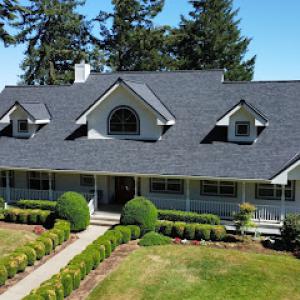
Eagle Point Roofing was founded on a simple principle. Roof it right. We are Licensed, Bonded, and Insured and never cut corners. We specialize in residential roofing. Give us a call for a free consultation today! With so many contractors out their it's hard to know who to trust, let us earn it.
Oregon Roof & Window Service
(541) 409-8668 www.roofandwindow.com
Serving
4.9 from 15 reviews
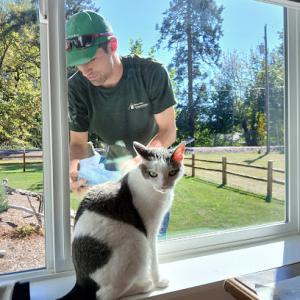
Locally owned and operated service company in the Mid-Willamette Valley specializing in roof cleaning (moss removal), rain gutter cleaning, and window cleaning.
The City of Albany Building Division typically requires a building permit for a full roof replacement. This means your project will go through an official review before work begins, with attention to how the new roof interacts with existing structure, ventilation, and drainage. When applying, you generally need to provide details about the roof system, including underlayment, starter courses, and fastener types, as well as the proposed materials. Prepare to show proof of contractor licensing as part of the application package, since Albany prioritizes qualified tradespeople for weatherproofing and moisture control in the Willamette Valley climate. The permit review can uncover concerns about attic ventilation, moss-prone humidity, and the impact of the new roof on energy efficiency, so having precise product specs on hand helps speed the process.
In Albany, timing a full roof replacement around the wet season is crucial. The permit and inspection process acknowledges that moisture control matters more than aggressive weatherproofing alone. Plan to coordinate weather windows where the roof can be installed with minimal exposure of the interior to rain. If possible, align the project to avoid prolonged bare decking or underlayment in late fall and winter, since prolonged exposure increases the risk of moisture intrusion and moss development on exposed sheathing during damp periods. Contractors should schedule underlayment and initial installation during dry spells, while your permit status is active, to minimize moisture-related setbacks.
Albany inspections typically occur after underlayment installation and again at final completion. This two-step check helps ensure proper layering, flashing around chimneys and roof penetrations, and overall moisture management before the project is considered closed. The department records the project upon inspection, creating an official history that can matter for future maintenance or resale. It is wise to keep communication open with the inspector-confirm that attic ventilation, soffit intake, ridge ventilation, and moss prevention measures meet local expectations during the final walk-through. If any discrepancies are found, address them promptly to prevent delays or re-inspection cycles.
Before applying, gather contractor licensing proof, project plans, and material specifications, including underlayment type and fasteners. Confirm access and sequencing with the contractor to protect interior spaces from moisture during the roof swing, especially in the wet season. After submission, monitor the permit status so inspections can be scheduled in a timely fashion, reducing the chance of weather-related hold-ups and ensuring the project records reflect accurate completion.
In Albany and the broader Willamette Valley, roof claim activity tends to follow wind or hail events rather than a constant severe-storm pattern. When a storm hits, the first step is to document visible damage and moisture intrusion before doing any work on the roof. The wet season makes timely response critical to prevent moss growth and interior moisture concerns from compounding the claim.
There is no broad insurer pullback noted for this market, but premiums may be adjusted based on roof age, material, and compliance with current code and wind-resistance expectations. Understanding how your roof type performs in our damp climate helps set expectations for future coverage. A well-maintained, wind-resistant roof with proper flashing and drainage reduces the chance of denial or delayed claims after a wind event.
Albany-area insurers often want documentation of pre-existing roof condition, which makes dated photos and maintenance records especially useful before winter storm season. Build a simple file: photos from each season, notes on moss treatment or repairs, and records of any venting, flashing, or attic ventilation upgrades. This helps establish baseline condition if a claim arises after a wind or hail event.
Start with a careful exterior inspection from ground level, then from a safe roof edge or ladder if you can do so without risking injury. Photograph all damaged areas, including shingles, flashing, and moss-prone zones. Contact the insurer promptly to initiate the claim, then schedule a licensed roofer's inspection to verify damage and moisture risk. If repairs are needed, use temporary, non-invasive measures that protect inside the attic and ceilings while awaiting a full replacement assessment. Keep all receipts and notes related to interim protection and maintenance.
Connect with contractors who help homeowners navigate the claims process from damage assessment to final approval.
IronHead Roofing
(541) 714-0575 ironheadroofing.com
1210 SE Jackson St, Albany, Oregon
4.9 from 75 reviews