
Last updated: Apr 19, 2026
In this valley, rainfall concentrates from fall through spring, not spread evenly through the year. That pattern means roofs contend with persistent moisture for months, a reality you'll feel on the north-facing slopes and in shaded eaves where dampness lingers. The nearby South Santiam River corridor and local creek systems intensify ambient moisture, especially around moss-prone spots, gutters, and ridge lines. Replacement or major repairs should acknowledge that winter rain and wind can interrupt tear-off, dry-in, and shingle sealing, so timing hinges on the dry summer window rather than any single sunny day in late spring.
High humidity and cooler nights in the wet season translate into slower attic air exchange and more condensation risk. A well-ventilated attic helps control indoor moisture exchange and reduces the potential for roof decking issues. If soffit and ridge vents are aging or tied into a poorly sealed attic bulkhead, moisture can pool near the peak or in damp corners, inviting mold and wood-rot over time. In Lebanon, you'll notice that shaded or moss-prone roof sections, especially on overhangs and near tree canopies, stay damp longer after a rain. Prioritize verifying that baffles remain in place and that venting paths are free of insulation blocking, so attic air can move from eave to ridge without interruption.
Moss thrives where consistent moisture and shade meet a forgiving substrate, which is common on roofs with north-facing slopes or heavily wooded neighborhoods. The damp microclimate around creeks and culverts keeps moss active well into late spring, making roofing material lifespans more sensitive to surface cleanliness and basal deck condition. Regular cleaning of moss-prone zones, careful over-cleaning of moss with soft tools, and keeping zinc or copper strips in good contact with the roof edge can slow regrowth. When choosing materials, consider those with proven moss resistance and ensure proper underlayment and ventilation to minimize moisture retention in the deck.
Replacement timing is strongly tied to the dry summer window because winter rain and wind can interrupt tear-off, dry-in, and shingle sealing. The practical implication is to plan the major roof project for mid-summer through early fall, allowing uninterrupted removal, deck inspection, underlayment, and sealing in a rain-free stretch. If an asphalt or synthetic roof is nearing end of life and a storm season looms, temporary protective measures become essential to avoid water intrusion while awaiting a clear weather spell. When scheduling, coordinate with the dry-season forecast and allow a buffer for any late-summer heat that can affect HVAC and attic startup testing.
Walk the roof after long wet spells to check for pooled moisture, loose shingles, or visible moss networks on shaded sections. Inspect attic ventilation paths and verify that soffit intakes and ridge outlets are clear, with insulation not blocking the flow. On south- and west-facing areas that see more sun, monitor for drying patterns and ensure sealant around penetrations remains intact to prevent interior moisture intrusion. If more than one seasonal cycle shows persistent dampness in the same spots, plan for a targeted deck inspection and potential underlayment replacement in those zones during the next dry window.
In the wetter western Oregon climate around Lebanon, roofs see persistent dampness. Moss and algae thrive on shaded sections where tree cover blocks dry sun, spreading across shingles and into nooks and valleys. That growth isn't cosmetic-moss acts like a sponge, holding moisture against the roof and lifting shingles over time, which accelerates wear and can punch through underlayment. When the next storm hits, damp patches and slippery debris increase the risk of roof venting and flashing problems being masked until a leak appears. This is not just about looks; a mossy, algae-covered roof can undermine long-term performance and the integrity of the roof deck.
Repeated wetting through Lebanon's long rainy season makes attic ventilation and balanced intake/exhaust especially important for reducing trapped moisture under the roof deck. A correctly sized, well-sealed ventilation system keeps your attic from acting like a humidity sink. If attic air stays stagnant, condensation forms on cold sheathing, and fasteners, nails, and shingles can corrode more quickly. In practical terms, that means more frequent inspections and a higher likelihood of unseen damage behind the fascia and flashing. The goal is to push moist air out and bring in a steady flow of fresh air, even when trees shade a big portion of the roof.
Inspectors in this area commonly verify ventilation, underlayment, nailing, and flashing during re-roof inspections, so ventilation problems are not just performance issues but also inspection issues. If a roof is being re-done, expect a close look at soffit vents, ridge vents, and any gable-end openings. Don't assume quiet attic conditions just because a roof looks solid from the curb. Damp conditions can hide fastener corrosion, loose nails, or ineffective flashing where roof meets wall. Nail patterns and shingle alignment are routinely checked to ensure that moisture has a clear path to the exterior rather than pooling beneath the deck. The presence of properly sealed penetrations-pipes, vents, and chimney stacks-matters just as much as shingle quality.
Target shaded roof sections for seasonal maintenance, especially where moss tends to establish first. Remove moss promptly with a soft brush and approved, roof-safe cleaners to avoid abrading shingles. Improve attic airflow by ensuring both balanced intake and exhaust, and consider adding or upgrading vents where the attic feels damp or condensation appears on cold mornings. If you're planning a roof upgrade, prioritize designs and materials that resist moisture retention and support effective ventilation, such as properly integrated underlayment and ventilation details that keep airflow consistent around the entire perimeter. In marginal weather windows, avoid heavy cleaning during wet periods to prevent accelerating moisture intrusion. A deliberate, proactive approach to moss control and ventilation now pays off with a longer-lived, drier roof deck later.
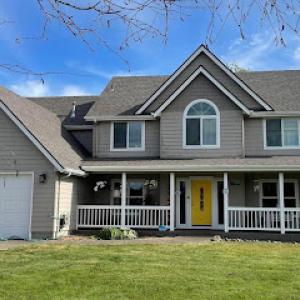
Coberly's Roofing & Construction
(541) 619-6744 www.facebook.com
2045 Stoltz Hill Rd, Lebanon, Oregon
4.6 from 21 reviews
Coberly's Roofing and Construction is proud to serve the Willamette Valley & surrounding areas with all of your roofing and general construction needs. We offer top quality, honest work at a competitive price. We are licensed, bonded and fully insured. CCB#235808
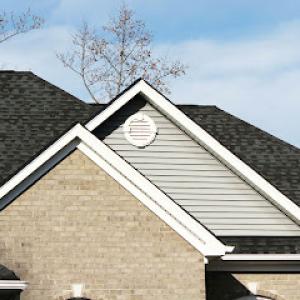
A+ Roofing & Construction
(541) 401-4181 www.aplusroofingconstruction.com
Lebanon, OR
4.6 from 13 reviews
A+ Roofing & Construction is a Roofing Contractor & Roof Consultant located in Sweet Home, OR. We also offer services as a Siding Contractor & Deck Contractor. We specialize in Roof Repairs, Residential Roofing Service, Roof Installation, Roof Maintenance, Metal Roofs, Re-Roofing Services, Custom Roofing, Roof Repair Service & many other Roofing Services. Here at A+ Roofing & Construction, our mission is to always provide quality Roofing Service at an affordable price. Our Roofers are highly trained professionals with years of experience. The success of our roofing company is due to the dedication we provide to our customers. No matter the job, customer satisfaction is always our number one priority! Call today for a FREE estimate!
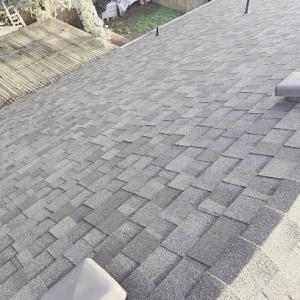
Safeguard Roofing
Lebanon, OR
5.0 from 4 reviews
SAFEGUARD ROOFING provides expert full roof installations and solutions across the entire state of Oregon. Specializing in high-quality asphalt shingles and metal roofing, we deliver premium durability at competitive prices. From complete tear-offs to siding and gutters, we handle every detail of your exterior project with years of licensed experience. Contact us today for your FREE inspection and estimate!
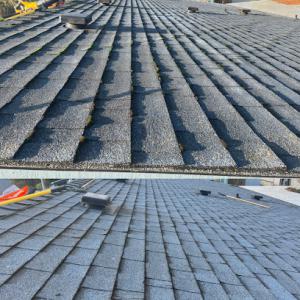
Snow Peak Enterprises
(541) 259-1029 snowpeakenterprises.com
743 S Main St Suite 6, Lebanon, Oregon
5.0 from 2 reviews
Family run and operated for 20+ years, Snow Peak Enterprises brings experience and quality to every job. Whether it's installing a new roof, cleaning & treating roofs & gutters, or pressure washing driveways and walkways; we nail it right the first time!
East Linn Roofing
(541) 367-2293 www.eastlinnroofing.com
Serving
4.9 from 17 reviews
Family Operated Residential and Commercial Roofing Specialist. Serving Sweet Home, Lebanon and Surrounding Communities for Over 20 Years. We Specialize in Residential & Small Commercial Metal and Flat Roofs , Shingle Replacement, Fascia Board Replacement and Composition Architectural Roofs.
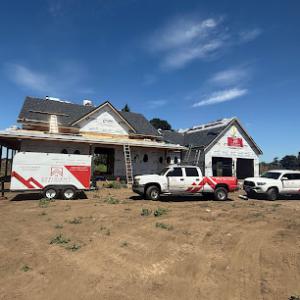
Efficient Roofing
(458) 233-9499 efficientroofing.org
Serving
5.0 from 31 reviews
Efficient Roofing Roofing service, siding service, and gutter services in Albany, Tangent, Corvallis, Millers burg , Jefferson, Lebanon, and all the Willamette Valley. We provide exceptional service, affordable rates, and the very best in customer service so please call us now for a free estimate. When you hire an Efficient Roofing is top-tier roofing service, you aren't just paying for shingles and labor; you are adding several layers of tangible and "invisible" value to your home. In 2026, a professionally installed roof remains one of the most reliable ways to protect a property's market price. Here is a breakdown of the specific value professional roofing services add:
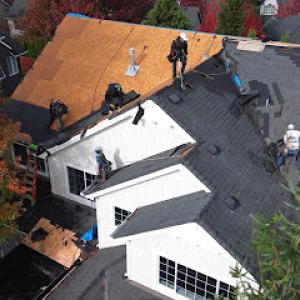
Monroy's Roofing
(541) 740-3735 www.monroysroofing.com
Serving
4.8 from 98 reviews
Monroy's Roofing provides roofing, siding, moss removal, skylights and gutter services to the Albany, OR area.

IronHead Roofing
(541) 714-0575 ironheadroofing.com
Serving
4.9 from 75 reviews
IronHead Roofing is a veteran-owned and Oregon-grown company dedicated to protecting homes, businesses, and communities with lasting roofing and solar solutions. Since 2017, we’ve built our reputation on integrity, craftsmanship, and relentless innovation, earning recognition as the 2024 Innovator of the Year by Roofing Technology Think Tank (RT3). With a team of skilled in-house crews and trusted partners, we deliver roofing, solar, and maintenance services that combine safety, quality, and efficiency. Guided by our mission to build lasting protection and trust, we’re proud to serve over 2,000 customers across the Pacific Northwest, while giving back to the communities we call home.
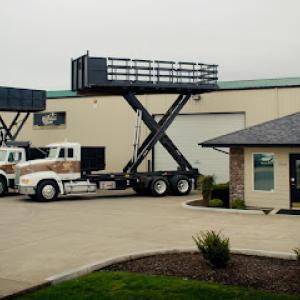
Stutzman & Kropf Contractors
(541) 928-6535 www.stutzmanandkropf.com
Serving
4.6 from 72 reviews
Roofing & Siding Specialists for exterior construction needs. We have been in business since 1968, and believe that customers needs come first. We focus on both Residential and Commercial exterior assemblies. No job is too big or too small.
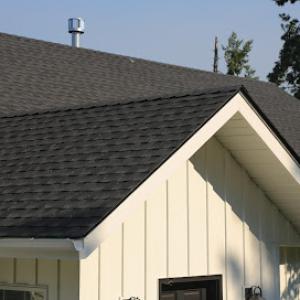
Renaissance Roofing
(541) 791-4886 www.renaissanceroofing.net
Serving
4.8 from 146 reviews
Since 1993, owners Greg and Laura Evans have committed their time and talents to providing local residents with customer-focused services and quality craftsmanship. They pride themselves on maintaining an upfront, honest line of communication with their clients. At Renaissance Roofing, Inc, we work hard to understand what you hope to achieve in hiring us as your roofing contractor. Our professional team is here to work with you through all phases of your next new roof.
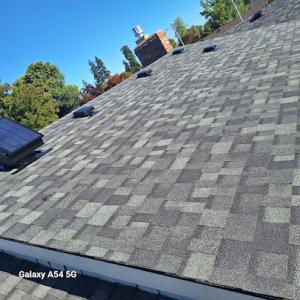
Nixon Roofing & Construction
Serving
5.0 from 17 reviews
We have 7 years of roofing experience and provide exceptional customer service with great pricing.
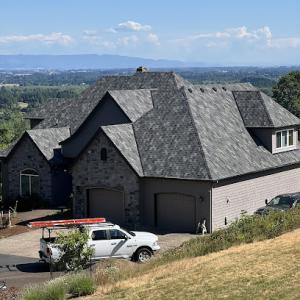
Orezona Building & Roofing
(541) 981-2190 orezonabuildingcompany.com
Serving
4.3 from 41 reviews
Looking for a reliable roofing business you can count on? With 20 years of experience, Orezona Building & Roofing Inc. specializes in roof repair, full roof installations, and maintenance for both residential and commercial properties in Corvallis, OR. Our skilled roofing contractors deliver high-quality workmanship and exceptional service to keep your property safe and secure. Need fast, reliable help? Whether you’re searching for “roofing repair near me” or require 24-hour roofers for an emergency, our team is ready to respond anytime. Trust Orezona to protect your home or business with durable, long-lasting roofing solutions. Contact us today and experience expert roofing service you can depend on!
Asphalt shingles dominate Lebanon's residential roofs because they fit the typical home shapes found along Willamette Valley streets and match the local budget expectations. They handle a mix of wet winters and dry springs well when paired with proper underlayment and venting. In this climate, prioritize architectural or laminated shingles rather than strip varieties to improve wind resistance and reduce exposed nail lines where moisture can penetrate over time. When choosing colors, reflectivity matters: lighter shades can reduce attic heat in shoulder seasons, while darker tones hide algae growth that can appear during damp winters.
Metal roofing is popular in Lebanon for shedding winter rain efficiently, but installation quality around fasteners and flashing matters in a region with long wet seasons. Look for panels with integrated or well-sealed seams and a reputable underlayment layer beneath. Ask the installer to pay special attention to valley and hip flashing, since prolonged wet spells can drive moisture to those joints. If the structure has multiple roof planes or a history of condensation in the attic, metal can help with rapid drying after storms, but gaps around penetrations must be tightly sealed to prevent slow leaks that mimic interior moisture issues.
Clay tile, concrete tile, and slate are available but are higher-cost options in a market where moisture management and structural suitability matter as much as appearance. These materials bring distinctive curb appeal, yet they demand a robust roof deck and precise installation to handle Lebanon's wet-season condensation. Clay and concrete tiles are relatively heavy; verify the structure can support the load, especially on older homes. Slate offers longevity but requires skilled hands for proper setting and flashing integration. If choosing these options, plan for thorough attic ventilation and a solid secondary drainage plan to manage moisture from frequent winter dampness.
Water management begins in the attic. In Lebanon's wet-dry Willamette Valley climate, ensuring adequate ventilation reduces condensation that can affect roof sheathing and attic insulation. Pair any material with a balanced vent picture: soffit vents that intake air, ridge or roof vents that exhaust, and additional baffles where needed to prevent dead zones. In closed, damp winters, check that vapor barriers are correctly installed on the warm side of insulation to keep indoor moisture from saturating roof assemblies. Regular inspections after heavy rains help catch slow leaks at flashing, penetrations, and transitions before they cause widespread damage.
Maintenance routines should align with the local moisture regime. For asphalt shingles, keep gutters clear so water doesn't back up onto the edge and soak vulnerable underlayment. Metal roofs benefit from periodic inspection of fasteners and sealants around flashing, especially after freeze-thaw cycles or heavy winter weather. Tile and slate require occasional resealing at joints and careful cleaning to prevent moss and algae growth that thrive in damp winters. In all cases, a proactive attitude toward ventilation and moisture handling pays dividends in the roof's lifespan and indoor comfort.
Provided local cost ranges are 350 to 650 USD per square for asphalt shingles, 600 to 1100 for metal, 900 to 1500 for clay tile, 800 to 1400 for concrete tile, 450 to 800 for synthetic/composite shingles, and 1200 to 2100 for slate. These figures reflect Lebanon's mix of Willamette Valley moisture, mid-valley humidity, and the region's typical housing stock with attic space that often needs attention. When choosing a material, your decision should weigh long-term moisture control and ventilation alongside upfront price. In Lebanon, costs can rise when contractors must schedule around the valley's rainy season, use extra dry-in protection, or return after weather delays. Material tends to drive the largest portion of price, but labor readiness for wet, tight schedules also matters.
Attics in this area regularly contend with prolonged winter moisture and summer dryness, so the bid often includes enhanced ventilation and moisture barriers. Asphalt shingles remain the most economical option, but when a project prioritizes attic airflow, metal or synthetic shingles can offer better long-term moisture management and faster installation windows, potentially offsetting higher upfront costs. Clay or concrete tiles bring a weight and durability advantage, but require structural checks and more careful scheduling around rain, which can push both material and labor costs upward. In Lebanon, the valley's pattern of wet springs and dry spells often means crews need weather-conscious planning that can add to the schedule and price.
Logistics matter. Contractors who plan ahead for the region's rainy window typically assign longer lead times, stagger deliveries, and protect dry-in phases with tapes and coverings. You'll notice line-item differences in estimates for dry-in protection, temporary ventilation, and additional tarps or dehumidification steps. The more weeks your crew must pause for weather, the more the overall project cost can creep up, even if material prices stay steady.
Material and labor pricing can shift with regional demand spikes after western Oregon wind or hail events, even though Lebanon is not a coastal storm-surge market. When these events occur nearby, local crews may see tighter scheduling and higher material orders, nudging bids upward across all options. If you're planning a replacement or major repair after a storm, expect quotes to reflect both seasonal demand and the specific roof profile you're upgrading.
Ask for a clearly broken-out bid that separates material, labor, dry-in protection, and weather delay allowances. If your roof line is complex or has multiple planes, budget a contingency for edge details and ventilation runs. For a mid-range outcome that balances moisture control and cost, metal or synthetic shingles often provide favorable performance in Lebanon's climate without the highest up-front price. If clay or concrete tiles are appealing, verify structural compatibility and potential reinforcement needs to keep overall costs predictable.
For a full re-roof, a building permit is typically required, and the process is handled by the local building department in Linn County. In practice, this means you'll submit with the county office that oversees Lebanon projects, not a separate city hall by the coast or a distant statewide agency. The permit ensures that the chosen roofing system and installation method meet Willamette Valley standards for moisture control and attic ventilation, which are especially important in this climate.
Expect inspections during the installation and again after completion. The focus of these inspections is practical and a bit granular: underlayment suitability and installation, proper attic ventilation, correct nailing patterns, and flashing around roof penetrations. In Lebanon's wet-dry cycle, inspectors will look for continuous venting paths and evidence that moisture won't become trapped in the sheathing. The goal is to confirm the roof system works with the local humidity and your attic setup, not just that a final sign-off was achieved.
The review period through Linn County is typically short, reflecting a straightforward permit process for common roof replacements. However, follow-up can occur if the submitted scope changes during planning or if an inspector notes corrections needed after an on-site review. If adjustments are required, expect a quick turnaround once the revised details are re-submitted. Keeping the initial plan precise-noting ventilation routes, deck ventilation, and flashing details-helps minimize back-and-forth.
Prepare a clear set of roof plans that show vent locations, attic cross-ventilation strategy, and flashing details around chimneys, skylights, and valleys. Have your contractor provide a concise narrative explaining how the underlayment and venting will perform across Lebanon's wet winters and dry summers. If any local contractor has recent Linn County permit experience, consider their familiarity with how inspections tend to be scoped on projects in this area. Remember, the aim is a durable, moisture-conscious roof that remains sound through the valley's seasonal shifts.
In western Oregon, homeowner policies generally cover roof replacement when there is standard documentation and a clear claims trail. For a Lebanon home, that means your insurer will want to see the sequence of events, photos, and repair notes that tie directly to the wind or hail event. The moment a shingle, vent, or flashing shows damage after a storm, start collecting evidence in a consistent file: weather reports, timestamped photos, and notes on any interior signs of moisture.
Claims activity around Lebanon tends to increase after regional wind or hail events, with adjusters commonly requesting pre- and post-work photos, material specifications, and warranty details. If a contractor has already prepared a detailed assessment, share that with your insurer promptly and within the claim window. The adjuster will compare what existed before the storm to what changed afterward, so clear documentation matters more than a best guess.
Because regional weather patterns influence claim timing and decisions, Lebanon homeowners benefit from documenting damage immediately after storms rather than waiting for the dry season. Photograph damaged shingles, gutters, and attic entries as soon as you can. Keep receipts for any temporary repairs and note dates of windy or hail events. If an adjuster schedules an inspection, align yours with that visit and have material specs, warranty terms, and any replacement timelines ready to present.
Do not rely on memory when describing the damage; weather in this valley can blur details quickly. Missing the initial claim window or providing incomplete documentation can slow or jeopardize coverage. Maintain a consistent file open to your insurer, and reference the storm events that clearly caused the observed issues.
Summer in this Willamette Valley pocket brings long dry spells that make the dry-season installation window feel reliable. But every project needs a plan that accommodates Lebanon's distinctive mix of dry heat followed by inevitable moisture later in the year. When you schedule, align tear-off or re-roof days with the stretch of consistently mild days rather than peak heat, and keep a buffer for unexpected heat waves that can push crews to pace themselves differently on exposed roofs.
Spring and fall here swing between warm days and cooler nights, which can affect sealants and fasteners. If the job starts in late spring or moves into early fall, anticipate slower curing times for sealants and the need for more frequent fastener checks as temperatures shift. Shoulder-season windows may feel less predictable, so build a little extra time for acclimation of materials and for crews to verify ventilation and attic closure before final shingle rows go in.
Summer heat and dry spells can speed up installation, but also age materials faster if left exposed longer or pressured by heat. On sloping roofs, plan for shorter daily shifts and more frequent water-runoff checks to prevent damp spots that mimic post-winter moisture issues. Prioritize thorough attic vent checks after the roof is down and before any interior finishes-ensuring that moisture can vent properly during the late-wet season, when Lebanon tends to see the most moisture.
Coordinate between weather-ready days and crew safety, scheduling critical sealant or adhesive work during cooler morning hours. Keep pathways clear of heat traps like south-facing slopes and maintain shade where possible to stabilize material behavior. A well-timed summer window minimizes rework and supports reliable long-term performance once winter returns.