Roofing in Kingsville, TX
Last updated: Feb 28, 2026
Kingsville sits where the Texas sun meets Gulf breezes, and our roofs feel both the heat and the humidity—and yes, the occasional tropical storm. That means durability, smart ventilation, and a plan that stands up to coastal winds and relentless sun without turning your home into a constant maintenance project.
As a local roofer and neighbor, I've learned that practical roof care isn't about chasing every new trend. It's about choosing the right materials for our heat, sun, and storms, keeping the attic well-ventilated, and inspecting your roof on a simple schedule before a small issue becomes a big bill. Here in Kingsville, you'll benefit from a thoughtful approach to underlayment, flashing, and wind-rated options that perform when the weather turns windy or humid.
This Kingsville page gives a practical, down-to-earth overview designed for homeowners who want honest, actionable guidance. Here's a quick preview of what to expect, without getting lost in jargon or hype:
- Local climate and weather-driven considerations that affect longevity, maintenance, and repair timing
- Roofing materials that hold up best in Kingsville's heat, sun, and rain
- Popular roof styles and architectural trends you'll see around town
- Typical costs and budgeting expectations for local projects
- Permits, local regulations, and permit timing you should know
- Common roofing problems here and reliable, straightforward solutions
- Maintenance and repair tips you can use to extend life between professional visits
- Clear guidance on when to repair versus replace and when to hire a professional
All of this advice is tailored to Kingsville's conditions and backed by local resources—from area suppliers and weather-aware manufacturers to city codes and reputable local pros who work in this area year after year. You'll find practical, neighborly guidance rooted in real-world experience and supported by the people and places you already rely on for home projects.
With that in mind, let's start by looking at how Kingsville's climate shapes every roof decision and what it means for your next project.
Local Climate & Its Impact on Roofs
Kingsville climate snapshot
Kingsville sits in South Texas with hot, sunny summers, high humidity, and mild winters. Gulf of Mexico influences bring afternoon storms and an elevated risk of tropical systems during hurricane season. Expect heavy rain events, strong winds, and periods of high heat that stress roofing materials. Coastal proximity also means occasional salt exposure for metals and fasteners. Stay alert for storm warnings and rapid weather shifts typical to this region.
Heat, sun, and material aging
- Intense sun and heat accelerate UV degradation of roofing materials, especially asphalt shingles.
- Light-colored or reflective coatings help reduce cooling loads but may fade over time.
- Metal roofs handle heat better but expand/contract with temperature swings; color and coating matter for longevity.
- Warning: after severe heat waves or hail, inspect for micro-cracks, sealant drying, and fastener loosening.
Humidity, moisture, and attic ventilation
- High humidity increases condensation risk in poorly vented attics, which can lead to mold, wood rot, and decking deterioration.
- Adequate attic ventilation (soffit and ridge/vented gables) is essential year-round in Kingsville.
- Regular checks: look for moisture on the underside of sheathing, musty smells, or discolored insulation.
- Tip: install a radiant barrier or upgrade insulation if your attic temperature spike is noticeable.
Storms, winds, and hail risk
- Hurricane season (roughly June through November) brings strong wind uplift, driving debris and edge damage.
- Even outside hurricanes, frequent afternoon storms can cause sudden gusts that loosen shingles or metal panels.
- Hail damage may be subtle at first but can compromise shingles, metal coatings, and gutters.
- Action: after a storm, inspect edges, flashings, roof penetrations, and vent openings for signs of lifting or impact.
Coastal exposure, salt air, and corrosion
- Salt spray and high humidity increase corrosion risk for metal fasteners, flashings, and gutters.
- Regular rinsing with clean water and a quick check of metal components can slow corrosion.
- Warning: near-coast homes should pay attention to fastener coatings and consider corrosion-resistant hardware.
Pests and wood-destroying insects
- Warm, humid climates foster termites and wood-destroying insects, which can compromise roof decks and fascias.
- Inspect attic areas and eaves for telltale signs (tiny pinholes, frass, or hollow-sounding wood).
- If you see warning signs, consult a licensed pest professional and consider termite barriers or treated wood options during repairs.
Drainage, gutters, and water management
- Heavy Texas rains demand reliable gutters and downspouts to keep water away from fascia and foundations.
- Ensure gutters are clean, securely fastened, and pitched to carry water away from the roof edge.
- After storms, check for clogs from leaves, palm fronds, or debris and address standing water promptly.
Maintenance plan for Kingsville homeowners (step-by-step)
1. Inspect after any major storm or hurricane season; look for lifted shingles, loose flashing, and dented metal.
2. Maintain clean gutters and downspouts; ensure water drains away from the foundation.
3. Verify attic ventilation and insulation; add improvements if the attic heat feels extreme.
4. Choose roofing materials with Gulf Coast suitability (consider color, coating, and warranty) and ensure proper installation against wind uplift.
5. Schedule professional roof inspections annually or after significant weather events to catch moisture, corrosion, or pest-related issues early.
Local risks to watch and official resources
- Warnings: hurricane winds, tropical storms, heavy rainfall, termite pressure, and coastal salt exposure.
- Official resources:
- National Weather Service:
- FEMA Hurricane Safety:
- Texas Department of Insurance (roofing consumer guidance):
- Texas A&M AgriLife Extension – termites and pests:
Recommended Roofing Materials for Kingsville
- Pros: Affordable upfront cost, easy installation, wide availability, and a familiar look that many homeowners already love. Modern architectural shingles can mimic the look of more expensive materials.
- Cons: Life expectancy is shorter in extreme heat and humidity (typically 20–30 years, depending on quality and maintenance). Susceptible to wind uplift if not properly installed.
- Kingsville fit: A solid, budget-friendly option for many homes. Light-colored, cool asphalt shingles help reduce heat gain in hot summers.
- Best practices: Choose wind-rated shingles and a proper nailing pattern (often 6- or 8-nail) for uplift resistance. Pair with a quality synthetic underlayment and good attic ventilation to extend life in our climate.
- Pros: Exceptional durability and wind resistance (well over 120 mph with proper installation), long service life (40–70 years), lightweight, and reflective coatings keep roofs cooler in heat.
- Cons: Higher upfront cost and potential denting from severe hail; color fading can occur over decades if not coated properly.
- Kingsville fit: Excellent for hot, sunny days and stormy seasons. Metal reflects solar heat, reducing cooling loads.
- Best practices: Use a manufacturer-rated underlayment and waterproof seams. Ensure proper attic ventilation and insulation to maximize energy savings and comfort.
- Pros: Very long lifespan, excellent heat resistance, strong fire rating, and attractive, classic look. Clay and concrete stay cooler in direct sun when properly installed.
- Cons: Very heavy; requires structural assessment and possible reinforcement. Higher installation cost and potential for cracking from hail or ground movement.
- Kingsville fit: Great where you have the structural support and want a durable, heat-tolerant roof with a distinctive aesthetic.
- Best practices: Verify roof structure can handle weight; select impact-resistant options and ensure proper underlayment. Consider lighter-weight concrete tile options if available.
Synthetic or Composite Shingles
- Pros: Designed to mimic wood or slate with lower maintenance and weight. Often built to resist fading and impact better than traditional materials.
- Cons: Higher cost than standard asphalt; warranties vary by brand.
- Kingsville fit: A versatile choice for homeowners seeking a premium look with decent wind and impact resistance.
- Best practices: Look for Class 4 impact resistance and a warranty backed by a reputable manufacturer. Ensure installer follows wind-rated installation guidelines.
Flat Roofs and Membranes (EPDM, TPO, PVC)
- Pros: Excellent for low-slope designs, strong waterproofing, and good energy performance with reflective materials.
- Cons: Requires precise flashing details and regular maintenance to prevent punctures or shrinkage. Not a traditional look for pitched-roof homes.
- Kingsville fit: Appropriate for accessory structures, additions, or homes with flat sections. Choose reflective membranes to combat heat.
- Best practices: Use a licensed installer experienced with local weather patterns and ensure drainage slopes are designed to prevent ponding.
Local Climate and Installation Tips
- Wind and heat: In Kingsville's hot, windy environment, all options should be installed by pros who follow local wind uplift standards. Ask about warranty coverage for high-wind events.
- Color and energy savings: Light or cool roof colors can significantly reduce cooling loads. Consider reflective coatings or cool-roof products where applicable.
- Underlayment and ventilation: Invest in a quality synthetic underlayment and ensure attic ventilation (ridge vents, soffit vents, or powered vents) to minimize heat and moisture buildup.
- Hail and coastal exposure: If you're near coastal areas, discuss impact resistance and corrosion protection, especially for metal roofs and fasteners.
- Local availability: Choose materials with readily available parts and trusted local installers to simplify maintenance and repairs over the years.
Popular Roof Styles & Architectural Trends in Kingsville
Local style preferences
- Ranch and cottage-era homes commonly showcase low-pitched gables or moderate hip roofs, balancing heat management with cost.
- Spanish/Mediterranean-inspired properties with clay or concrete tile are popular in older neighborhoods and new infill builds, favored for their durability in hot, humid climates.
- Modern and contemporary designs often experiment with flat or near-flat roofs and clean lines, especially for additions or coastal-breeze properties.
- Brick and stucco exteriors pair well with a variety of roof profiles, but the pairing of white or light-toned roofing with reflective finishes is increasingly common to reduce heat gain.
Common roofing materials in Kingsville
- Asphalt shingles (architectural/ dimensional): Understated cost, broad color options, and decent longevity for Texas heat.
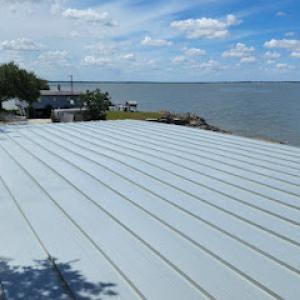
- Metal roofing (standing-seam or corrugated): Excellent wind resistance, low weight, fast install, and good reflects heat when finished in lighter colors.
- Clay or concrete tile: Strong heat resistance and a classic Southwestern look; heavier and requires structural assessment, but outstanding longevity.
- Composite/shake alternatives: Lighter and versatile, with good color retention and wind performance when properly installed.
- Flat or low-slope membranes: Useful for additions, carports, or modern veneers; ensure proper drainage and UV protection.
- Hip roofs: Favorable for high winds and storm events; distribute uplift forces more evenly.
- Gable roofs with reinforced bracing: Cheaper upfront but needs careful design to mitigate wind uplift in Gulf breezes.
- Low-slope or flat roofs: Common in modern builds or additions; require robust drainage, water-tight detailing, and quality membranes.
- Tile or metal over existing substrates: Can be retrofitted to improve wind resistance and reflectivity without a full rebuild.
Energy efficiency and architectural trends
- Cool roofing: Light colors and reflective coatings to reduce heat absorption and attic temps.
- Solar readiness: Many homes are chosen or retrofitted to accommodate solar panels, with roof decks and penetrations planned for easy installation.
- Ventilation upgrades: Attic ventilation, ridge vents, and soffit intakes to keep attic temps lower and protect shingles longer.
- Integrated shading: Eaves, awnings, or pergola-like overhangs paired with the roof to reduce direct sun on exterior walls and interiors.
Practical considerations for choosing a roof in Kingsville
- Climate resilience: Prioritize wind resistance, UV durability, and heat reflectivity due to Gulf Coast exposure.
- Structural load: Tile and some metal systems require a solid structural assessment; confirm trusses and rafters can handle the weight.
- Maintenance reality: Lighter colors show less heat but may require more frequent cleaning to keep them looking fresh; smooth surfaces can be easier to clean than textured.
- Color and curb appeal: Earth tones and light neutrals are popular for heat reduction, while accent colors can complement masonry and landscaping.
Step-by-step: choosing the right roof for your Kingsville home
1) Assess your roof's current slope, exposure, and any wind-borne debris risk from tropical systems.
2) Check your home's structural capacity for heavier materials (tile or some metal systems) with a licensed contractor.
3) Compare materials for heat reflectivity, lifespan, and maintenance needs relevant to Kingsville's climate.
4) Decide on a color and finish that balances energy savings with your home's aesthetic and HOA guidelines, if applicable.
5) Plan for ventilation upgrades if needed (attic vents, ridge vents, baffles) to extend roof life.
6) Hire a local, licensed roofer with verifiable references and a warranty that covers wind uplift and workmanship.
Maintenance and care tips for Kingsville roofs
- Inspect after major wind or hail events for raised shingles or dented panels.
- Clean gutters and downspouts regularly to prevent standing water and ice damming in cooler months.
- Verify attic ventilation annually to maintain efficiency and prevent heat buildup that can shorten shingle life.
- Recoat or refresh reflective finishes on cool roofs every 5–7 years, depending on product guidance and local weathering.
- Schedule routine professional inspections every 3–5 years to catch small issues before they become costly repairs.
Average Roofing Costs in Kingsville
Typical Cost Ranges by Material (installed, Kingsville)
- Asphalt shingles: roughly $4.50–$7.50 per sq ft installed, which translates to about $450–$750 per roofing square (100 sq ft). Quality upgrades or bigger jobs can push toward the upper end.
- Metal roofing: generally $7.50–$13.50 per sq ft installed ($750–$1,350 per square). Standing-seam metal and premium coatings rise toward the top end.
- Concrete (and clay) tile: typically $9.50–$18.50 per sq ft ($950–$1,850 per square). Concrete tile is more common in warm climates; clay adds premium weight and sometimes higher labor costs.
- Wood shingles/shakes: about $8–$12 per sq ft ($800–$1,200 per square). Less common in high-humidity Kingsville, but still a option on certain historic or stylistic homes.
- Slate: $15–$30 per sq ft ($1,500–$3,000 per square). Rare in Kingville for cost and weight reasons, but possible on custom builds.
Notes:
- These ranges assume full tear-off and replacement with standard underlayment. If you're venting or adding high-end underlayment, expect higher numbers.
- Local yard disposal fees, permit costs, and ladder/scaffolding requirements can add a few hundred dollars to the project.
How Roof Size, Pitch, and Complexity Drive the Total
- Roof area: cost scales with the amount of square footage being covered. Larger homes multiply the base material cost, but some suppliers offer volume discounts.
- Pitch (slope): steeper roofs require more time, extra safety measures, and sometimes special equipment, adding roughly 10–30% to the base material cost.
- Roof complexity: multiple dormers, skylights, chimneys, valleys, or a wraparound deck can add 5–20% or more due to extra flashing, venting, and labor.
- Tear-off vs. overlay: a full tear-off is common and adds removal and disposal fees; overlays are cheaper but less common and may not be eligible for certain materials or warranties.
Local Considerations in Kingsville
- Climate and sun: high heat accelerates wear on underlayment and shingles; premium underlayment and UV-resistant shingles may be worth the extra upfront cost.
- Wind and Gulf coast exposure: coastal winds and storm activity push for wind-rated shingles and robust flashing; upgrade to higher wind resistance where codes or engineers recommend it.
- Salt air and corrosion: metal roofs benefit from corrosion-resistant coatings; ensure fasteners and components are rated for coastal environments.
- Roof weight and structure: clay and concrete tiles demand a stronger underlying structure; some older Kingsville homes may need structural reinforcement before tile installation.
- Permits and inspections: local permit fees vary; budget a small percentage of the project for permits and any required inspections.
Add-Ons and Hidden Costs to Expect
- Tear-off and disposal: typically $100–$200 per square for removal, plus landfill or recycling fees depending on location.
- Roof deck repairs: if the plywood or sheathing is damaged, expect minor repairs ($200–$800 per square) or larger rehab.
- Flashing and ventilation upgrades: improved attic ventilation (soffit, ridge vents) can add $300–$1,000 or more.
- Chimneys, skylights, and vent piping: flashing around chimneys or skylights adds costs and time.
- Old termite or water damage: termite treatment or water damage remediation increases overall cost and project duration.
Quick Cost Estimation Steps (5 Steps)
1. Measure the roof area in squares (1 square = 100 sq ft) and note roof pitch.
2. Choose a material type and quality level you're comfortable with for Kingsville's climate.
3. Check local permit requirements and estimated permit fees.
4. Get 3–4 written quotes that include tear-off, disposal, underlayment, flashing, and ventilation.
5. Add a contingency of 5–15% for unforeseen repairs or upgrades, especially on older homes.
Permits & Local Regulations
Do I need a permit to reroof in Kingsville?
- In Kingsville, most roof replacement projects require a building permit from the City's Development Services/Building Department. This helps ensure the work meets safety and code standards.
- If your project is purely cosmetic (no removal of decking, no structural changes, and no significant ventilation or flashing adjustments), you might find exemptions, but the safe move is to check with the City first.
- For storm-damage repairs or insurer-ordered work, a permit is typically still needed to authorize the repair and ensure proper materials and installation.
What codes apply in Kingsville?
- Kingsville generally follows the International Residential Code (IRC) for single-family homes, with local amendments adopted by the City.
- The International Building Code (IBC) applies to larger or non-residential projects, while energy efficiency requirements (IECC) may be part of the review.
- Local amendments can affect details like wind resistance, roof ventilation, flashing, and underlayment. Always confirm the exact code set with the City of Kingsville before you start.
How to apply for a permit
- Gather these basics before you apply:
- Property address and owner information
- Clear description of the scope of work (re-roofing only, decking changes, ventilation updates, etc.)
- Contractor information (name, license/registration status, contact)
- Roofing product data (shingles, underlayment, underlayment type, nailing schedule)
- Any plan or sketch showing roof layout, vents, and flashing details
- If applicable, wind mitigation or insulation details
- Steps to obtain the permit:
1) Contact the Kingsville Development Services/Building Department to confirm permit needs for your address and scope.
2) Complete the permit application with accurate scope and contractor details.
3) Submit the required documents (drawings or product data as requested).
4) Pay the applicable permit and plan-review fees.
5) Schedule any required plan review or inspections.
6) Receive your permit or any approved amendments, then display it on site as required.
- Contractor considerations:
- Texas does not have a universal state license for roofing contractors, but your contractor should be insured and properly registered or licensed locally. Check their certificate of insurance and ensure they have workers' compensation coverage if applicable.
- If you're using a subcontractor, verify every tradesperson's qualifications and ensure the contractor is compliant with city requirements.
Inspections you should expect
- Most Kingsville roofing projects involve multiple inspections to verify code compliance:
- Initial/rough-in or underlayment inspection (if structural work or decking is touched)
- In-progress inspection for flashing, ventilation, and underlayment as required
- Final inspection after the roof is complete and all components are installed
- Prepare for access to the attic and roof line for inspectors to review nail patterns, underlayment, and ventilation details. Have manufacturer installation instructions on hand for review.
HOA and other local considerations
- If your home sits in a neighborhood with a homeowners association, you may need HOA approval in addition to the city permit. Some HOAs have rules about shingle color, materials, or roof line changes.
- Property setbacks, tree hazards, and drainage considerations can also impact permit review. Address any potential concerns with the City early to avoid delays.
Quick tips to keep permits smooth
- Apply early and clearly describe the scope to avoid delays.
- Provide complete product data and any wind-resistance details when requested.
- Schedule inspections promptly—some slots fill up quickly, especially during peak seasons.
- Keep copies of all permits, approvals, and inspection records in a handy folder on-site.
- Communicate with your contractor about inspection readiness and required access.
Common Roofing Problems in Kingsville & Solutions
Wind and hail damage from Kingsville's storms
- What to look for: missing or curled shingles, lifted edges, dented flashing, granules accumulating in gutters, and stains on ceilings beneath the attic.
- Immediate steps: if you see active leaks, cover the area with a tarp from the exterior (only if safe), and avoid walking on a damaged roof. Document damage with clear photos from ground level and a ladder-safe distance.
- Solutions: have a licensed roofer assess for shingle damage, flashing integrity, and underlayment. Repair or replace damaged shingles, reseal or replace flashing, and consider upgrading to impact-resistant shingles or wind-rated underlayment for Kingsville's wind-prone seasons. For insurance, document damage and work with a contractor to prepare a claim.
Heat, sun, and accelerated wear
- Signs: curling or cupping shingles, blistering, accelerated granule loss, and faster-than-usual aging of the roof surface due to intense Texas sun.
- Practical fixes: improve attic ventilation with soffit and ridge vents, add radiant barriers or better insulation, and consider lighter-colored or reflective shingles to reduce heat absorption.
- Long-term solution: when wear is evident, plan for a roof replacement with materials designed for heat resistance (e.g., better UV-rated shingles, metal, or concrete tiles) and ensure proper attic climate control to extend roof life.
Flashing and valley leaks
- Symptoms: water staining around chimneys, vents, or along roof valleys; rusted or loose flashing.
- What to do: a pro should re-flash with durable metal, seal joints with compatible sealants, and ensure proper flashing integration with shingle rows and vent boots.
- Preventive tip: schedule flashing inspection during routine roof checks, especially after major wind events or seasonal changes in Kingsville.
Gutter, downspout, and drainage problems
- Indicators: overflowing gutters, fascia rot, damp ceilings in the upper rooms, or pooling water near the foundation.
- fixes: clean and inspect gutters twice a year and after storms, ensure proper pitch to direct water away, install guards to reduce debris, and verify downspouts extend 3–4 feet from the foundation.
- Kingsville note: proper drainage helps battle algae growth and wind-driven debris buildup that can attack the roof edge.
Algae, moss, and staining
- Signs: dark streaks or greenish patches on asphalt shingles, especially in shaded or humid areas.
- Solutions: chemical roof cleaners or gentle scrubbing with a non-abrasive brush, and periodic application of zinc or copper strips at the ridge to slow regrowth.
- Preventive idea: trim overhanging limbs and improve airflow to reduce moisture retention on the roof surface.
Low-slope or flat roofs
- Symptoms: standing water, soft spots, or membrane blisters after heavy rains.
- Actions: ensure positive slope and proper drainage, install or repair tapered insulation to remove ponds, and inspect for membrane punctures or seam failures.
- Material note: choose a durable, UV-rated membrane and have workmanship inspected for edge detailing and perimeter flashings.
Attic ventilation and insulation issues
- Signs: abnormally hot attic, visible condensation on rafters, or musty attic odors.
- Remedies: add or balance vents (soffit and ridge), seal air leaks from the living space to the attic, and improve insulation to reduce heat transfer.
- Why it matters: proper ventilation lowers roof temperature, extends shingle life, and reduces energy costs in Kingsville's climate.
Pests and wood damage
- Red flags: soft, spongy decking, visible rot, or termite activity around eaves.
- Fixes: treat or replace damaged decking, eliminate moisture sources, and enlist pest control for termite management.
- Prevention: schedule regular roof and attic inspections to catch early deterioration before it spreads.
Maintenance & Repair Tips for Kingsville
Seasonal Inspection Schedule
In Kingsville's hot, humid climate with the occasional tropical storm, a proactive twice‑yearly check is wise, plus post‑storm inspections after any severe weather. Look for wear that snowballs into leaks if ignored.
- Shingles: curling, cupping, cracking, missing pieces, or granule loss.
- Flashing: around chimneys, vents, skylights—any gaps or rust.
- Attic: signs of moisture, staining, or mold; check insulation level.
- Fascia/Soffits: rot, peeling paint, or loose boards.
- Gutters: clogs, sagging sections, and loose fasteners.
Short, focused walks around the roof after strong winds or hail help catch trouble early.
Gutter and Drainage Maintenance
Keeping water moving away from the foundation protects the entire roof system and home.
- Clear debris from gutters and downspouts at least twice a year, and after storms.
- Ensure gutters are securely fastened and pitched toward downspouts (about 1/16 inch per foot).
- Downspouts should extend 4–6 feet away from the foundation; add extensions if needed.
- In coastal Kingsville, salt spray and eucalyptus pollen can speed debris buildup; consider a light rinse with a hose (not high pressure) to avoid dislodging joints.
Steps:
1) Set up a sturdy ladder on level ground; wear gloves.
2) Remove leaves and twigs by hand or a plastic scoop.
3) Rinse with a garden hose; check for leaks at seams.
4) Re-secure any loose sections and adjust pitch as needed.
Shingle & Sealant Care (Asphalt Shingles)
The TX sun accelerates wear. Keep an eye on surface granules and flashing around roof penetrations.
- Watch for accelerated granule loss, curling edges, or cracked shingles.
- Algae and moss can thrive in shaded, damp corners; treat with a zinc or copper strip installation if allowed, or a vinyl-algae cleaner per product instructions.
- For minor damage, you can temporarily seal loose tabs with roofing cement; but plan for a proper replacement if a full tab is exposed.
Steps:
1) Mark any damaged shingles with chalk or tape.
2) Lift the edge of the shingle gently; apply a line of roofing cement under the tab and re-nail with roofing nails if needed.
3) Replace severely damaged shingles with matching material; seal the edges.
Flashing & Vents
Flashing and vent seals are common leak points after heavy winds or heat cycles.
- Inspect flashing around chimneys, vents, and skylights for gaps, rust, or peeling sealant.
- Re-seal with high‑quality roof sealant or butyl tape; ensure a continuous seal where flashing meets the roof.
- Clean away dirt, then re-secure with corrosion‑resistant fasteners as needed.
Steps:
1) Remove old sealant with a putty knife.
2) Clean the mating surfaces.
3) Apply new sealant and press flashing firmly in place; cap with a bead of sealant to seal edges.
If you have metal panels, salt air and heat can stress fasteners and seam seals.
- Inspect seams for corrosion, loose screws, or lifted panels.
- Clean panels with a mild detergent and soft brush; avoid abrasive cleaners.
- Tighten screws to recommended torque; replace damaged washers or seals as needed.
- Re-seal seams with paintable roof sealant if you notice small gaps.
Steps:
1) Check every 12–18 inches along seams for looseness.
2) Tighten with a screwdriver or bit; don't overtighten.
3) Apply sealant to any questionable seams; repaint exposed areas as needed.
Tile Roofing Tips (Clay/Concrete)
Tile roofs tolerate Jimson heat but can crack under impact or from foot traffic.
- Inspect for cracked, loose, or displaced tiles; walking on tiles can cause more damage, so use temporary supports or walk on battens.
- Replace broken tiles promptly to protect underlayment.
- Ensure underlayment remains intact where tiles are missing.
Steps:
1) Identify damaged tiles; clear debris around the area.
2) Temporarily brace a replacement tile and secure with correct nails.
3) Replace the broken tile with a matching one; seal edges.
After‑Storm Checks
Strong winds or hail can create hidden damage.
- Look for lifted shingles, bruises on metal, or dented tiles.
- Check attic for new water stains after a storm; catch leaks early.
- If hailstones were large or there's pervasive leakage, call in a professional for a thorough inspection.
DIY vs Professional Repairs
Roof work is hazardous—prioritize safety.
- Do it yourself for small, non‑structural issues on a low, stable roof with proper fall protection and weather conditions.
- Call a pro for: widespread shingle loss, damaged flashing, substantial leaks, structural concerns, or if the roof is older (15–20+ years) and showing repeated issues.
- Always use proper PPE, avoid working in rain or high winds, and never scrape around delicate underlayment without experience.
When to Repair vs. Replace
Kingsville's climate means roofs here face intense heat, high humidity, coastal winds, and the threat of tropical storms. That combination wears on flashing, underlayment, and decking faster than you might expect. When deciding between repair and replacement, focus on age, extent of damage, and long-term protection, not just the latest leak.
Local climate realities in Kingsville
- Heat and UV accelerate shingle and underlayment aging.
- Humidity can lead to mold, rot, and interior condensation if decking is compromised.
- Coastal winds and occasional storms elevate wind uplift risks; fasteners and flashing bear extra stress.
- Roofs that handle TX weather well (good ventilation, sturdy underlayment, and durable materials) tend to last longer and require fewer repairs.
Quick diagnostic checks
- Leaks appear after rain or during humid days.
- Shingles are cracked, curled, or missing in several areas.
- Granules are washing into gutters or downspouts.
- You notice sagging sections, soft spots, or yeast-like odors in the attic (indicating rot).
- Attic decking shows stains or signs of water intrusion.
- Your energy bills spike without a clear cause (insulation/ventilation issues tied to a failing roof).
When to repair
- Damage is isolated: one or two shingles, minor flashing, or a small vent issue.
- The roof is relatively young (generally under 15–20 years for asphalt shingles; more for metal or tile) and structure is solid.
- Costs to patch are significantly lower than full replacement, and a patch will buy several more years without major decking work.
- There's no widespread rot or widespread water intrusion; decking remains solid and dry.
- You're waiting for a better weather window, or you're evaluating a material upgrade gradually rather than all at once.
When to replace
- Age and wear indicate the roof has reached or exceeded its expected lifespan (asphalt shingles ~20–25 years; metal can reach 40–70 years with proper maintenance; clay/concrete tile 50+ years).
- Widespread damage: numerous damaged shingles, persistent leaks after multiple repairs, or large areas of rot and sagging decking.
- Decking or underlayment has deteriorated: soft spots, cupping, or widespread rot require replacement to restore integrity.
- Frequent leaks or recurring patching: a sign the roof's structure is compromised or the system is mismatched to Kingsville's climate.
- Insulation and ventilation issues persist: replacing the roof with a properly vented, energy-efficient system improves comfort and reduces long-term costs.
- Wind uplift or code concerns: in some neighborhoods, older roofs may not meet current wind or seismic requirements; replacement with up-to-date, wind-rated materials offers better protection.
Material-specific cues (Kingsville-friendly guidance)
- Asphalt shingles: repair for isolated damage; replacement when most sections show wear or you're near the end of the life expectance.
- Metal roofs: repair may cover minor rust or leaks around fasteners; widespread rust, panel damage, or corrosion near the coast often calls for replacement with a corrosion-resistant option.
- Tile roofs: cracks or broken tiles can be patched, but extensive cracking, shifting, or tile-bearing cracks usually means replacement to restore waterproofing.
Cost considerations and ROI
- Small repairs: typically a few hundred dollars, depending on flashing, sealants, and accessibility.
- Partial replacement: can handle trouble spots without redoing the entire roof; cost varies by material and labor.
- Full replacement: higher upfront cost, but provides long-term protection, potential energy savings, and improved resale value.
- In Kingsville, factor in wind-rated installation, proper attic ventilation, and durable underlayment to maximize value and longevity.
Step-by-step decision process
1. Inspect the roof (or have a pro inspect) to gauge damage scope and decking condition.
2. Estimate remaining life: age + wear pattern + decking health.
3. Compare repair costs vs. replacement cost and determine risk of recurring leaks.
4. Choose a roofing system that matches Kingsville's climate (ventilation, underlayment, wind resistance) for best long-term performance.
When to Hire a Professional
- Water staining or active leaks inside after rain, especially in the attic or ceiling corners.
- Missing, curling, buckling, or highly granulated shingles that expose the underlying roof deck.
- Noticeable sagging sections, warped flashing, or rusted metal edges.
- Daylight visible through the roof from the attic or upper rooms, or substantial wind damage after a storm.
- Roofs with complex penetrations (vents, chimneys, skylights) or flat/low-slope areas where DIY work is risky.
Safety first: if you're unsure about the severity or you can't reach the roof safely, call a professional. In Kingsville, the heat, humidity, and elevated sun exposure make working on a roof dangerous for non-professionals.
After a severe storm or hail event
1) Document damage with clear photos from ground level and from the roof if safe.
2) Do not delay a professional assessment, and avoid DIY temporary fixes that could void warranties or cause more damage.
3) Ask a local Kingsville roofer to perform a thorough inspection, including attic spaces for hidden leaks and proper ventilation.
4) If wind-driven debris or hail is involved, insist the contractor checks for interior water intrusion and structural framing issues before any cosmetic replacements.
Routine maintenance that still benefits from a pro
- Annual or biannual inspections help extend life: check flashing around chimneys, hips, and vents; evaluate underlayment condition; assess attic ventilation and insulation; remove moss or algae that can degrade shingles over time.
- Gutter and downspout maintenance matters in Kingsville's humid climate to keep water away from fascia and decking and to prevent fascia rot.
Local Kingsville considerations
- Permits and city requirements: most roof replacements require a building permit in Kingsville. A reputable local contractor should pull the permit, provide the permit number, and pass final inspections.
- Wind and storm resilience: Kingsville roofs contend with Gulf breezes and occasional severe storms. Ask for shingles or metal systems rated for higher wind uplift (typical residential wind ratings of 110–130 mph, depending on product).
- Climate-adapted materials: consider algae resistance, UV resistance, and reflective “cool roof” options to reduce attic temperatures and UV wear in long Texas summers. If you have coastal exposure, discuss corrosion-resistant fasteners and materials designed for higher humidity and salt spray.
- Local expertise: a Kingsville contractor will understand soil- and tree-related debris, drainage patterns, and common neighborhood roof shapes, which helps with accurate wind-related seating, ventilation needs, and warranty requirements.
How to evaluate a Kingsville roofing contractor
- Licensing and insurance: verify they hold appropriate business licensing per Kingsville/Kleberg County rules and provide current general liability and workers' compensation certificates. Ask for their license number and verify with the local building department or state resources.
- Local references and portfolio: request at least three Kingsville-area references and look for completed projects with similar roof types and local climate conditions.
- Written, detailed bid: require a written estimate that clearly lists: material type and grade, underlayment, flashing, ventilation, fasteners, disposal, warranties (both manufacturer and workmanship), permit costs, crew size, and projected timeline.
- Warranties and manufacturer requirements: confirm who performs warranty work for the material and how workmanship warranties are handled. Some manufacturers require installers to be trained or certified; ensure your contractor meets those qualifications.
- Permitting and inspection: ensure the contractor will handle permits and coordinate final inspections; demand a lien waiver and a clear payment schedule that ties payments to milestones.
- Reputation and communication: read local reviews, check the Better Business Bureau, and talk with neighbors in Kingsville who've used them. Notice responsiveness, transparency about costs, and willingness to explain options in plain language.
What to expect from the process
- Initial inspection and damage assessment, followed by a detailed written proposal.
- Scheduling for tear-off (if needed), installation, and clean-up, with on-site foreman overseeing crew work.
- Adherence to local codes, proper venting and insulation considerations, and a final inspection to verify compliance and warranty validity.
- A clear punch list completed before final payment to ensure all work meets your expectations and Kingsville's climate demands.
Putting A Lid On It: Roof Maintenance, Repair, and Replacement in Kingsville
In Kingsville, your roof faces long, blistering summers, high humidity, and sudden coastal storms. The Gulf Coast breeze brings salt and debris that can accelerate wear, while heat soaks shingles and attic spaces alike. A well-maintained roof isn't just protection from rain—it's a homeowner's shield against rising energy costs, mold growth, and costly repairs sparked by small problems that escalate. Regular checks help you spot issues early and keep your roof performing under Kingsville's unique stresses.
A little upkeep goes a long way here. By treating your roof as a system—shingles, flashing, underlayment, vents, and attic ventilation—you're extending its life and maintaining a strong home foundation. Semi-annual inspections, prompt repairs after storms, and clean gutters are your first line of defense. When you keep the surface clean and the seals intact, heat doesn't trap moisture, and pests don't find easy entry. Small issues fixed early save bigger headaches and expense down the road.
What to watch for
- Curling, cupping, or missing shingles, especially after a hail event or strong winds.
- Granule loss in gutters or on the shingle surface.
- Damaged flashing around chimneys, vents, or skylights.
- Signs of moisture in the attic, such as damp insulation or dark stains on sheathing.
- Algae or moss growth in shaded spots—these can trap moisture and wear faster if left untreated.
Seasonal reminders and quick checks
- After storms: inspect for wind damage and reseal flashing if needed.
- Spring and fall: clean gutters, trim overhanging limbs, and check attic ventilation.
- Summer heat: ensure adequate attic insulation and venting to reduce heat buildup.
Know when to call a pro
- Widespread shingle damage, persistent leaks, or signs of structural rot.
- Complex flashing repairs, roof edge work, or signs of poor previous work.
- If your roof is approaching or beyond its expected lifespan, professional evaluation helps you plan next steps safely and cost-effectively.
We're glad you're looking after your Kingsville home. With careful upkeep, your roof can stay strong, protect your family, and keep looking good year after year. A trusted local roofer can tailor guidance to your roof type and climate, helping you choose solid options that fit your budget and style, while contributing to a tight-knit, well-kept community.