
Last updated: Apr 19, 2026
Spring hail and thunderstorms are a primary trigger for roof damage and replacement activity in Alamo. The combination of sharp hail strikes, driving rain, and sudden temperature shifts can create hairline fractures in shingles, lift metal panels, or loosen tiles. When a storm rolls through, the clock starts ticking on moisture intrusion risk, especially if the roof sustains punctures or edge damage. You need to treat any hail impact as a potential warning sign, not a cosmetic issue. After a storm, walk the edges of your roof with caution, note missing shingles, dented metal, or granule loss, and begin a documented record immediately for the insurer and the contractor.
Summer heat and strong winds in the Rio Grande Valley can slow tear-off and installation pacing and affect how roofing materials are handled on site. Asphalt shingles and composite products can blister or warp if exposed to high direct sun for too long, and metal crews may encounter heat-related fatigue that pushes crews to shorten daily work windows. Wind warnings can force crews to pause, protect exposed openings, and re-secure loose materials. Plan for a tighter schedule in the hottest months, with clear daily goals and contingency days for weather delays. Your project should emphasize shaded storage for materials, frequent hydration, and temporary weather barriers to prevent wind-driven debris from causing additional damage.
Monsoon-season rains raise the risk of moisture intrusion when roof sections are left open, so local scheduling favors shorter dry-weather work windows. If a tear-off coincides with sporadic afternoon storms, you may face repeated interruptions or partial re-tarping needs. Ensure weather-rated tarps are properly secured and that open bays, vents, and skylights are temporarily sealed when crews are not actively working. A proactive plan includes planning for a final inspection after any significant rain event and ready access to roof-to-ceiling interior checks for signs of leaks. The goal is to keep structural decking dry and protect attic spaces from rapid humidity swings that can warp boards or promote mold growth.
Storm response hinges on prompt documentation to support claims. Photograph every visible impact, note the date and time of storms, and create a simple timeline of damage progression. If your insurer issues an expedited assessment after a storm, align your schedule to their windows while balancing heat and rain forecasts. Communicate clearly with your contractor about preferred times to mobilize in the early morning or late afternoon when temperatures are cooler. Ask for a phased plan that prioritizes vulnerable areas-such as areas over living spaces, kitchens, and bathrooms-so you reduce exposure to moisture and maintain interior comfort while work proceeds.
On a hot, windy, storm-prone roof, safety cannot wait. Set up a secure access path, keep ladders stable, and ensure that temporary coverings are tightly fastened to withstand gusts. If shingles show significant uplift, or if you notice interior staining after a storm, escalate the situation now. Quick action minimizes secondary damage, reduces the length of exposure, and keeps you on a predictable path as you navigate the roofing replacement window. This approach is essential to weathering the next season's swings with less risk and smoother progress.

Bison Roofing
(956) 467-0084 www.bisonroofing.net
150 E Frontage Rd #9, Alamo, Texas
4.9 from 347 reviews
Bison Roofing, a family-owned business proudly operating in the Rio Grande Valley since 2004, consistently delivers craftsmanship of the highest standard in roofing installations and maintenance. Comprised of a team of certified experts committed to excellence, they specialize in repairs, replacements, and metal roofing, guaranteeing the highest level of customer satisfaction. Bison Roofing has earned recognition as one of the highest-rated contractors, setting the benchmark for integrity and exceptional service in McAllen, Texas, and the surrounding communities. The Rio Grande Valley's Best Roofing Company!

Above Quality Roofing
(956) 578-7427 www.abovequalityroofing.com
Serving
4.9 from 51 reviews
Above Quality Roofing has provided exceptional service in San Juan since 2009. Their team of skilled professionals specializes in comprehensive roofing solutions, including new installations, repairs, and maintenance. They also offer a variety of services to enhance and protect your home, from expert painting and gutter services to reliable waterproofing and water damage restoration. With a commitment to quality and a customer-focused approach, Above Quality Roofing ensures your project is handled with professionalism and care, providing a seamless and satisfying experience from start to finish.
Builders Edge
(956) 821-5669 www.buildersedgetx.com
Serving
5.0 from 14 reviews
Builders Edge is privately owned and operated right here in McAllen, so our focus and priority will always be our family and communities of the Rio Grande Valley. Builders Edge - "Roofing Done Right"

Frontline Home Solutions
(956) 261-5712 www.yourfrontline.com
Serving
4.7 from 433 reviews
At Frontline Home Solutions, we specialize in providing expert residential and commercial roofing services, roof repairs, and energy-efficient solutions across the Rio Grande Valley. Whether you're dealing with storm damage, age-related roof deterioration, or looking to upgrade your home, our experienced team is here to help. We also offer spray foam insulation to improve energy efficiency and comfort. With over 30 years of local expertise, we pride ourselves on delivering exceptional customer service, high-quality products, and flexible financing options. From roofing and storm damage assistance to spray foam insulation and home energy upgrades, Frontline is your trusted partner for all your home improvement needs.
Pro Valley Roofs
(956) 596-6321 www.provalleyroofs.com
Serving
5.0 from 56 reviews
At ProValleyRoofs, we are committed to providing top-tier roofing solutions to residents and businesses across the entire Valley region. With a focus on quality craftsmanship, exceptional customer service, and innovative roofing techniques, we stand as the premier choice for all your roofing needs. Our Services: From roof repairs to complete roof installations, our skilled team of roofing experts possesses the experience and expertise necessary to tackle projects of any scale. Whether you're dealing with leaks, damaged shingles, or simply seeking to enhance your property's curb appeal, we've got you covered.
TADCO Roofing & Waterproofing
(956) 961-4736 tadcoroofing.com
Serving
5.0 from 14 reviews
Commercial roofing, re-roofing, inspections and repairs.
Zondo Roofing
(956) 562-9770 www.zondoroofing.com
Serving
5.0 from 7 reviews
Zondo Roofing provides great roofing services for both residential and commercial in Texas and the lower RGV. Specializing in metal roofing, roof repair, and commercial roofing solutions. Their team of experts ensures quality craftsmanship for installations, repairs, and inspections, providing peace of mind to homeowners and business owners.
ClaimSmith
(956) 532-2812 claimsmithrgv.com
Serving
5.0 from 16 reviews
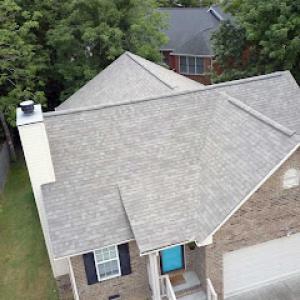
Protect your largest investment with our reliable roofing services. We are a locally owned and operated roofing company currently serving Weslaco, TX and surrounding communities. If you want to make your roof last as long as possible, it is vital that you never put off a roof repair. Small issues with roofing become big issues in a hurry. No matter how major or minor the repair you need, we are here to help. We offer residential roofing services, roof installation, and roof replacement.
Advance Construction
(956) 631-7778 www.advanceconstruction.co
Serving
5.0 from 7 reviews
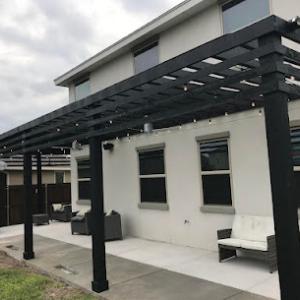
Advance Construction is a premier roofing and general contractor dedicated to serving the Pharr community with exceptional service. Our team of skilled professionals brings extensive expertise to every project, ensuring reliable and high-quality results. We pride ourselves on delivering outstanding craftsmanship and exceeding expectations on every job, from minor repairs to major renovations. Advance Construction is your trusted partner for all your construction and roofing needs, offering a steadfast commitment to quality and customer satisfaction.
SR Roofing Construction
(956) 558-2239 srroofingconstructionllc.com
Serving
4.7 from 21 reviews
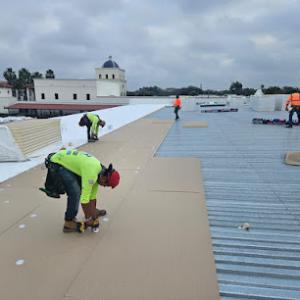
Welcome to Silvas Roofing and Construction, a family-owned business proudly serving the Rio Grande Valley. Specializing in commercial properties, we bring decades of expertise to every project, ensuring top-quality roofing and construction services. Our commitment to excellence and strong community roots make us your trusted partner in building and maintaining exceptional spaces. Choose Silvas Roofing and Construction for reliability, craftsmanship, and a personal touch in all your construction needs.
Top Notch Roof Pros
Serving
5.0 from 18 reviews
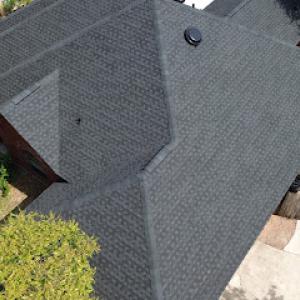
Top Notch Roof Pros – Roofing With Purpose Across the RGV Looking for a reliable roofing company in Mission, McAllen, Edinburg, Pharr, Weslaco, Harlingen, or nearby RGV cities? We help homeowners with: • Full Roof Replacements • Storm Damage Repairs • Seamless Gutter Installation & Replacement • Foam Insulation & Energy-Smart Attic Ventilation We work with trusted brands like Owens Corning and GAF to ensure long-lasting results. Need help with your insurance claim? We guide you step-by-step. ✅ $0 Down Financing (W.A.C.) ✅ Flexible Monthly Payments ✅ 10-Year Labor Warranty ✅ Clean, Faith-Led Work Crews Top Notch Standards — Built Into Every Roof. 📞 Call/Text: (956) 359‑7227
Redline Roofing
(956) 867-7775 redlineroofing.weebly.com
Serving
5.0 from 15 reviews
At Redline Roofing, we specialize in providing top-quality roofing services to homes and businesses in McAllen, Texas, and surrounding areas. With years of experience and a commitment to excellence, we deliver reliable roofing solutions tailored to your needs. Our services include roof installation, repairs, maintenance, and inspections, using premium materials and the latest techniques to ensure durability and long-lasting performance. Whether you need a new roof or emergency repairs, our professional team is here to protect your property and enhance its value. Choose Redline Roofing for unmatched quality, transparent pricing, and outstanding customer service. Contact us today for a free estimate!
Texas is a high hail- and wind-claim environment, and Alamo homeowners should expect more insurer scrutiny on roof losses. Storms in this area can scatter damage across multiple roof planes, and insurers know the local climate makes certain wear patterns look like storm damage. That means every claim gets a closer look, and the timeline from first hail hit to final settlement can stretch if details aren't solid from the start. Preparing for that reality helps you keep the process steady and avoid costly delays.
Carriers commonly require photo documentation, detailed loss descriptions, and an adjuster visit before approving any replacement scope. Start with a clear set of photos taken as soon as the storm passes, focusing on common trouble spots: shingle edges, granule loss, lifted tabs, cracked tiles, and signs of water intrusion in ceilings or attics. Include wide shots of the entire roof and close-ups of individual shingles or tiles. Date-stamped photos are a practical tool to establish when damage was observed, which is essential for distinguishing new impact from pre-existing wear. Store these images in a cloud folder with the storm date in the filename, so a later reviewer can quickly verify the sequence of events.
A detailed loss description should map where damage was found, how many sections are affected, and any interior signs of moisture. Note any accompanying storm indicators like hail size in the forecast, wind gusts, or rapid downpours that could drive debris into the roofline. If there are cosmetic issues that do not affect roof integrity, document them separately but clearly flag items that may drive scope changes later. The goal is to create a narrative that an adjuster can follow without needing a site visit to fill in gaps.
An adjuster visit is a typical next step, and the timing can hinge on weather windows and the insurer's scheduling. Be prepared to point to the most impacted areas first, using your photo log as a guide. Insurers may revisit the question of whether damage is new or pre-existing, which makes date-stamped photos and a prompt inspection especially important after a storm. If you received a hailstorm notification or a severe-weather alert, reference that to connect the dots between the weather event and observed damage.Clear, honest communication with the adjuster helps minimize back-and-forth and helps you advocate for a scope that reflects the roof's true condition.
Once the claim moves into the repair or replacement phase, you'll want a focused, defendable record. Maintain a log of conversations, dates of inspections, and any written communications with the insurer. If a contractor identifies additional damage during a temporary fix or tarp installation, document it and report promptly. Delays or ambiguity in documentation can invite insurer questions and potentially shrink the scope of work. In this climate, where spring-to-fall storms are a common rhythm, staying organized from day one reduces confusion when the calendar tightens and the heat builds again.
After a storm season, revisit photos and notes to confirm nothing was overlooked. If new damage appears after a later event, add it to the existing record with fresh photos and a date reference. Quick, organized documentation protects you from misinterpretation and helps ensure that the roof work you need aligns with actual conditions instead of contested assumptions. Keep your documentation accessible and ready for a quick submission if another storm rolls through.
Connect with contractors who help homeowners navigate the claims process from damage assessment to final approval.

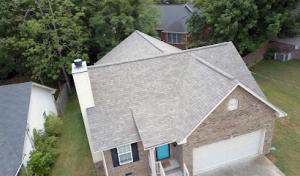
The dominant roof types in this area-Asphalt Shingles, Metal Roofing, Clay Tile, Concrete Tile, Wood Shingles or Shakes, and Synthetic/Composite Shingles-each respond differently to the brutal Sun and humidity cycle. Heat buildup, ventilation performance, and thermal movement matter more here than freeze-thaw concerns. When evaluating a re-roof or roof upgrade, start by pairing the climate reality with the mass of the material and how the system will move with heat through the day.
Asphalt shingles are common because they're familiar and easy to install around spring-to-fall storms. In this climate, ensure the ventilation is robust so attic temperatures stay in check and shingle temperatures don't accelerate wear. Look for architectural or laminated shingles that offer better infrared resistance and a broader warranty window for heat exposure. A properly vented attic helps keep roof temperatures closer to ambient, extending shingle life and reducing interior heat transfer during peak days.
Metal roofing handles intense sun differently than asphalt, with lower heat absorption for a given color choice and excellent wind performance. Lighter colors can reflect more solar radiation, reducing heat buildup in the attic. If a metal roof is installed over underlayment, ensure a breathable, well-seamed system that accommodates thermal movement. In this market, metal shines on long roof runs and when rapid rain events collide with heat, because it sheds water quickly and resists hail impact better than many shingles.
Clay tile remains a strong choice where the roof needs to last and resist sun exposure. Its high thermal mass can moderate daytime heat if the attic is ventilated, but tile systems are heavier and require careful underlayment and rafter planning for re-roofs. Tile excels under high sun with minimal color fade and stable performance during humidity-driven cycles. Expect longer lead times for installation and a need for professionals who can manage tile layout over irregular roof lines common in regional homes.
Concrete tile offers similar benefits to clay in heat tolerance but comes with extra weight and stiffness. It handles persistent sun well and can tolerate moisture without warping the way some organic materials do. As with clay, confirm underlayment and structural support can handle the load, especially on older houses or those with re-roofs where joist conditions vary. Concrete tile provides a proven balance of heat resistance and storm resilience when installed by experienced crews.
Wood shingle and shake systems bring a distinct look but respond to heat and humidity with greater expansion and contraction. They demand meticulous ventilation and careful sealing at hips, ridges, and valleys to prevent moisture intrusion. In the hot season, wood can cup or warp if attic temps spike, so ensure a high-quality underlayment and a control plan for seasonal humidity.
Synthetic or composite options provide a wide range of colors and performance blends, often combining better thermal resistance with respectable wind and hail performance. They can emulate the look of wood or tile while offering improved uniformity under heat. Evaluate ventilation and underlayment compatibility to ensure the system moves predictably with daily temperature swings. These materials can be a practical middle ground when roofing around heavy storm windows while maintaining a favorable heat profile.
In this climate, replacement costs should be framed per square using the range of 320 to 600 USD per square. Asphalt shingles remain the most common option in residential stock here, and price movement tracks storm activity. When hail or wind events hit, storm-driven demand spikes can tighten contractor availability and push pricing upward for a few weeks. Local crews often need extra time after hot days or rain gaps, which can shift production pace and overall cost slightly higher. Expect costs to shift toward the upper end if inspections flag ventilation or attic moisture corrections that require additional materials or labor.
Metal costs are typically 600 to 1100 USD per square. The material's faster install can help offset heat and rain delays, but metal jobs are sensitive to availability after major storms. After hail, metal projects may command a premium due to equipment needs and crew scheduling pressure. Heat can slow sheet formation and cutting, while rain windows delay fastening and seam sealing. If insulation, underlayment, or ventilation adjustments are needed, plan for incremental increases that show up in the final square-rate tally.
Clay tile usually runs 850 to 1500 USD per square. This option carries a distinct weight and wind-hail resistance profile, which is valued in spring-to-fall seasons. Storm-driven demand spikes can narrow contractor options, driving up bids during recovery phases. Heat makes handling and setting tile more labor-intensive, and occasional rain can force crews to pause, extending the project timeline and affecting total cost per square.
Concrete tile sits around 700 to 1200 USD per square. In Alamo, concrete tile blends well with existing patterns but requires careful installation discipline amid heat and humidity. After hail events, crews with proper seam and Flashing expertise are in high demand, nudging prices upward. If the inspection calls for ventilation fixes or roof deck repairs, the per-square price climbs to cover the extra labor and materials.
Wood shingles or shakes range from 550 to 1000 USD per square. This material is popular in older homes with natural texture, but it's sensitive to moisture and sun exposure in the Valley. Storm activity can tighten scheduling, and producers may raise rates temporarily to cover expedited orders. Heat and rain slowouts add to production time, so the final square price often sits near the upper limit when moisture concerns or rapid ventilation corrections are necessary.
Synthetic options run 420 to 900 USD per square. They provide flexible performance in hot, wet conditions and can shorten installation windows when weather cooperates. After storms, availability can tighten and drive up bids as crews coordinate material delivery and production slots. If inspections flag ventilation or attic issues, expect a modest rise in cost per square to cover the added labor and components needed for a proper seal and warranty compliance.
Get a clear picture of your project costs upfront - no commitment required.
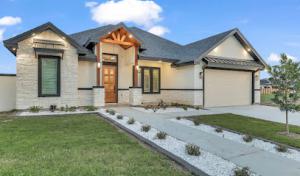

A full re-roof in Alamo typically requires a permit through the City of Alamo Building Department. The process is designed to keep storm repairs compliant with local wind-resistance and ventilation standards, which matter a lot in the Rio Grande Valley climate. Before any shingles start flying, verify with your contractor that a permit is pulled in your name or the project's primary address, and that the scope matches the permit application. Expect the office to ask for project details, including roofing material type, underlayment, attic ventilation plan, and a short summary of why the re-roof is needed. Keeping a clear trail of documents helps prevent delays once inspections begin.
Inspections occur during and after installation, with a final inspection needed to close the permit. In practice, that means an initial inspection will occur as the roof sheathing, underlayment, and starter courses go down, and another during the installation of final details such as drip edges, flashing, and vent stacks. Weather in spring and early summer can compress inspection windows, so coordinate closely with your contractor and the inspector to minimize weather-related postponements. A prompt response to any noted corrections speeds up the process and reduces the chance of re-scheduling during the hottest or rainiest windows.
Approval timing can vary with department workload and with any wind-resistance or ventilation checks required on the project. In this region, inspectors may pay special attention to perforations around chimneys, roof penetrations for vents, and the attic ventilation balance to prevent moisture buildup under the new materials. When planning, keep a realistic buffer for permit processing, reviews, and potential follow-up inspections. If a storm-related delay occurs, the city's workload can widen the inspection timeline, so communicate contingencies with both the contractor and the Building Department. Having a clear, approved sequence of inspection milestones helps; it keeps the project from stalling during the heat and occasional sudden rain events that characterize this area. Remember to retain copies of all inspection reports and any correction notices so future renovations can reference the established compliance path.
In Alamo, prolonged sun exposure can accelerate wear on exposed roofing components compared with cooler climates. Dark surfaces absorb heat and can warp fasteners or soften edge sealants. Asphalt shingles may lose granules faster, while sealant tabs can lift prematurely if attic air isn't vented well. You'll notice more curled edges after peak summer weeks and during sudden afternoon storms.
Humidity and seasonal rain intensify the consequences of weak flashing, underlayment problems, and poor attic ventilation in South Texas roofs. If moisture lingers in roof planes or in the attic, rust and fastener corrosion can sneak in around rake and chimney edges. Poorly vented attic heat can cook roof deck membranes, speeding deterioration and inviting mold growth in eave soffits. A quick check after heavy storms should include looking for damp ceilings or musty odors near the attic access.
Strong wind events in the area make edge details and uplift resistance especially important on replacement projects. Improperly secured drip edge, valley metal, or ridge cap can peel and billow, exposing underlayment to direct sun and rain. Edge fasteners should be long and corrosion-resistant, with sealant-free laps where possible. If a roof is replacing shingles after a hail season, verify the new edge details are engineered for typical gusts. Compatibility between accessories matters: gutter hangers, drip edge, and sealants must all align with the chosen roof system to resist fast-moving winds and heavy rains. Without that coordination, a weak detail becomes a costly failure in storms.
Although Alamo is heavily residential, the local contractor market shows meaningful availability for flat and low-slope roofing work. That means you can usually find a crew who understands the nuances of shallow pitches on typical Alamo homes and can move efficiently from material selection to installation. Expect crews to prioritize surfaces that drain quickly, since fast rain-response matters more here than in cooler climates. The best choices pair a proven low-slope system with surface details that resist monsoon moisture and heat.
Low-slope sections in Alamo need careful rain management because monsoon-season moisture can expose drainage and ponding weaknesses quickly. Before you commit to any system, map the roof's drainage plan with the contractor. Confirm that scuppers, edge termination, and drip edges are sized for heavy afternoon downpours and that the roof deck has a reliable slope toward primary outlets. In practice, that means verifying scupper alignment, ensuring internal drains are cleanable, and checking that turf, planters, or HVAC curbs won't obstruct flow. If a roof surface has even moderate ponding risk, pursue options that deliver robust flow paths and easy maintenance.
Roof coatings appear in the local market but are a narrower specialty than full replacement and storm repair services. If you're considering coatings for a low-slope section, treat them as a maintenance extension rather than a stand-alone replacement. Coatings can buy time on marginal decks or provide reflective properties to reduce heat gain, but they typically rely on a sound substrate and proper preparation. In practice, coatings work best when paired with a durable underlying system and a plan for re-coating cycles aligned to heat and rain exposure.
For steady performance, you'll see a range of flat- and low-slope options, including single-ply membranes and modified-bitumen builds, chosen for quick installation and reliable seam integrity. In hot, humid conditions, consider materials with proven heat resistance and UV stability, plus fast-drying install tactics to minimize weather-related delays. Ask your contractor to explain how each option handles expansion, contraction, and wind uplift-common concerns on low-slope roofs in this climate.
Coordination around storms and hot spells matters more here than in colder markets. A practical approach is scheduling the critical heat-avoidance work for early summer windows and reserving shoulder months for sealant cures and coating touch-ups. Confirm with the crew that roof penetrations for venting, curbs, and exhausts are flashed correctly and that temporary coverings protect interior spaces during rain events. In this market, clear, step-by-step communication with the contractor keeps low-slope projects on track and minimizes weather-driven surprises.
Find specialists in TPO, EPDM, and built-up flat roofing systems for residential and commercial properties.

XYZ Roofing & Restorations
(956) 230-2259 xyzroofingandrestorations.com
Serving
4.9 from 213 reviews
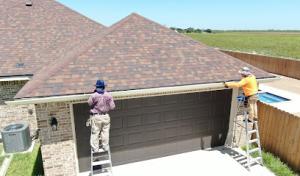
The Alamo-area market is notably quick-response and re-roof focused, reflecting how homeowners shop after storms rather than only for planned upgrades. When a contractor shows up, you'll notice they understand how heat, humidity, and sudden wind-driven rain affect tear-off schedules and membrane underlayers. Look for signs of practiced storm turnaround: crews that can stage a tear-off on one day, protect landscaping and outdoor living spaces, and have a plan for hot-season working hours to avoid scorch-outs on shingles. Ask how long they've been working in this climate and whether their roofers carry weather-aware start-and-stop tactics for a project of your size.
Cleanup is a common selling point among local contractors, which matters on occupied residential properties during tear-off and replacement. A reliable crew will seal off the work area, protect driveways and gutters, and haul debris in clearly labeled containers or trucks. In practice, you should expect daily trash containment and a final clean sweep that leaves no stray nails or bits in the yard or landscaping beds. If your yard hosts kids' play zones or pets, verify they plan daily wind-downs to minimize trip hazards and keep outdoor spaces usable between shifts.
Long-established and family-owned firms are present in the market, but homeowners should still verify who handles storm-related documentation and post-work follow-up. Look for the contractor's shown work history on similar homes (sloped tile, composite, or flat sections) and ask for references from recent storm-related jobs. A dependable roofer will provide clear, written timelines, confirm material choices in writing, and be willing to walk you through the work sequence room by room so schedule slips don't catch you off guard.
The local market emphasizes documentation that supports insurance and after-storm checks. In practice, confirm who will photograph project milestones, track material deliveries, and coordinate inspections or third-party reviews as the job progresses. A well-organized contractor will share a simple, real-time update plan and ensure you have access to a single point of contact for weather-related changes or urgent questions during the project window.