
Last updated: Apr 19, 2026
Your roof sits on the frontline during the June-to-November window when tropical storms and hurricanes roll in from the Gulf. That exposure isn't theoretical here-this city's wind profile routinely tests fasteners, flashing, and edge metal. You must plan for wind-driven roof failure modes, from kicked-up shingles to lifted flashing, even when a storm's eye passes far offshore. If your goal is not just to survive a storm but to come out with usable shelter afterward, you need up-front choices and maintenance routines that emphasize wind resistance and rapid post-storm checks.
Salt air from Corpus Christi Bay and the Gulf doesn't politely drift away after a weather event. It circulates around exposed fasteners, edge metal, flashing, and certain metal roofing components, accelerating corrosion and eventual failure. This means components that might last a decade inland can degrade faster here. When you inspect or upgrade, prioritize corrosion-resistant detailing: corrosion-resistant fasteners, appropriate corrosion protection for edge metals, and coatings or materials designed to weather salt exposure. Even if you favor a low-slope or flat-roof section, salty coastal air demands extra vigilance for any metal work.
The hot, humid coastal climate keeps roofs under moist, sunny pressure year-round. UV exposure ages materials and accelerates sealant drying out, which increases the risk of leaks after heavy rains or wind-driven sprays. Materials chosen for inland climates often underperform here unless they're specifically rated for coastal environments. You should look for products with UV stability and moisture tolerance that match Corpus Christi's demanding conditions. Think beyond initial appearance: calculate how a material behaves under long-term humidity, heat, and salt exposure across multiple hurricane seasons.
When evaluating or upgrading, start with the roof's critical joints. Inspect around penetrations, valleys, flashing, and edge metal for corrosion, looseness, or wear-these are the prime failure points during a storm. In metal roofing, verify that fasteners are corrosion-resistant and that sealants maintain adhesion in salt-rich air. For any roof with visible hardware, consider a corrosion-resistant coating or upgrade to components designed for coastal duty cycles. If a retrofit is on the table, choose materials and installation details that emphasize wind uplift resistance and salt tolerance, even if that means selecting a more robust option in the same roof class.
Treat every storm season as a reset point. Clear debris that can trap moisture, check attic vents for proper closure against wind-driven rain, and schedule a mid-season inspection after the worst weather events. Coastal roofs demand a proactive, repeatable maintenance rhythm to keep storms from becoming silent damage over time. In other words, stay on top of the vulnerable points now, so the next hurricane won't catch you off guard.
Asphalt shingles, metal roofing, clay tile, concrete tile, wood shingles or shakes, and synthetic or composite shingles are all active material choices in the Corpus Christi market. The Gulf Coast wind, salt-laden air, and a storm-driven replacement cycle mean you weigh wind uplift performance, corrosion resistance, and heat tolerance more than snow load. Your decision should reflect not just aesthetics but how the roof behaves under long days of sun, sudden gusts, and coastal salt exposure.
Asphalt shingles live comfortably with coastal winds when installed with proper underlayment and quality attachment. They are easy to repair after a hail or wind event and can be upgraded with high-wind-rated fasteners. In this market, the choice often comes down to shingle grade and sealant quality, because the wind-driven cycles can test even premium asphalt. Regular maintenance remains essential to curb edge curl, algae staining, and moisture intrusion around penetrations.
Metal roofing presents a strong option for wind uplift resistance and corrosion control. Standing-seam metal, in particular, boasts clean lines and a tight seam that resists uplift during tropical storms. Coatings matter: you want a corrosion-resistant finish that holds up to salt spray, with color-coordinated pigments that reflect heat. Proper fastening through solid sheathing and the use of sealant backers at seams minimizes leaks. A metal roof often pairs well with coastal metal flashing and carefully sealed skylights.
Clay tile and concrete tile bring long service life and robust wind performance when correctly installed. Clay tile is prized for its heat tolerance and coastal look, while concrete tile tends to be more forgiving on impact and weight. Both require a solid, reinforced roof deck and appropriate fasteners designed for high wind. Coastal homes benefit from clips or battens that allow for slight movement without cracking. Salt exposure can influence the glaze and color choices, so consult with a local pro about glaze durability in bay air.
Wood shingles or shakes offer a warm, natural texture but require more upkeep in a salty, humid climate. They are prone to rot, mold, and termite pressure if not properly maintained and treated, and local wind-driven debris can accelerate wear. If this option is used, choose rot-resistant species, apply preservative treatment, and plan for more frequent inspections near eaves and valleys where moisture concentrates.
Synthetic or composite shingles provide a versatile middle ground, offering improved hail resistance, UV stability, and consistency in coastal environments. They resist curling and dry-out better than natural materials, while many systems are designed to handle wind uplift with tight interlocks. Look for products with proven coastal performance and warranties that cover salt tolerance. A well-chosen composite roof can deliver the wind resilience and heat resistance that coastal homes expect, with lower maintenance burdens over time.
Tile and metal remain common upgrade discussions in this market because homeowners are balancing coastal durability against higher upfront cost and structural or fastening requirements. When selecting, prioritize system compatibility with your existing structure, a proven underlayment, and a coastal foam or sealant strategy that protects against salt exposure and wind-driven water intrusion. Your choice should align with the neighborhood aesthetic, the home's prep for storm season, and long-term resilience against Corpus Christi weather.
Corpus Christi is a higher wind and hail claim market, so roof damage documentation is often more detailed than in lower-claim areas. When a storm blows through the Gulf, insurers expect a clear, precise record of what failed and what didn't. A rushed or incomplete folder can slow or derail a claim, leaving you with gaps to explain later. This is not a pure "how bad is the damage" moment; it's about showing the chain of damage and how it affected the roof's ability to shed water and resist wind-driven impact.
Across coastal policies, insurers commonly ask for photos that tell the full story: wide shots of the roof and home, close-ups of shingle granule loss or lifted edges, and images of gutters, vents, and penetrations. A formal roof condition report often accompanies the claim, detailing roof age, material type, visible wear, and any prior repairs. Notes on underlayment condition and attic ventilation are frequent requirements, because these pieces influence how well the roof handles wind and moisture. In practice, that means you'll want to document not only the surface but what lives beneath it-the underlayment's condition, attic insulation, and ventilation pathways that affect moisture control and wind uplift performance.
Recent underwriting tightening affects older homes and some roof types in this market, making roof age, condition, and installation details central to coverage decisions. A damaged roof on a house that's showing its age or has a nonstandard installation can trigger additional scrutiny. That scrutiny isn't designed to punish; it's a risk-management step to ensure the repair or replacement chosen will actually hold up under the next hurricane or storm season. Having clear, verifiable facts about the roof's history-when it was installed, the materials used, and any previous repairs-speeds up the process and improves the chance of a solid, long-term resolution.
Begin with a current, timestamped photo set from ground level, then climb safe to capture the hips, ridges, and any damage from above. Use a standard sequence: overall roof view, edge and fascia, then each material area (shingles, tiles, or metal panels) for close-ups of damaged zones. Take attic photos that show vent placement, insulation depth, and any signs of moisture or staining around penetrations. If an inspection report is possible, commission a licensed professional to assess shingle alignment, fastener security, underlayment integrity, and ventilation performance, and ensure the findings are specific-include measurements, dates, and observed conditions. Keep a written log of all storm-related events, including wind direction, hail size estimates, and dates of any temporary repairs.
Avoid vague notes like "leak present" without context. Insurers want the circumstances that led to the leak, where it's located, and whether the roof's components were already degraded. Double-check that every penetration-vent pipes, chimneys, gas lines, and skylights-has both photos and a clear description of its condition. If there were prior repairs, document how they were done and whether the current damage is adjacent to or below those areas. This level of detail helps distinguish ordinary wear from storm-induced failure and supports a fair, timely claim decision.
Connect with contractors who help homeowners navigate the claims process from damage assessment to final approval.
Buffalo Roofing & Exteriors
(361) 291-4991 buffaloroofingandexteriors.com
3765 S Alameda St STE 428, Corpus Christi, Texas
5.0 from 122 reviews
Phillips Roofing
(361) 815-3866 phillipsroof.com
3333 S Padre Island Dr #103, Corpus Christi, Texas
5.0 from 119 reviews
Texas Coast Roofing
(361) 688-2183 texascoastroofing.com
5926 S Staples St C1-C, Corpus Christi, Texas
5.0 from 36 reviews

Buffalo Roofing & Exteriors
(361) 291-4991 buffaloroofingandexteriors.com
3765 S Alameda St STE 428, Corpus Christi, Texas
5.0 from 122 reviews
Strength, Reliability & Trust: At Buffalo Roofing & Repairs, we pride ourselves on being Corpus Christi’s trusted choice for quality roofing and exterior services. With a commitment to excellence, our team brings years of experience and a strong work ethic to every project, ensuring your home or business is protected from the elements. As a locally-owned and operated company, we understand the unique challenges that South Texas weather can present. Whether it’s storm damage, routine maintenance, or a complete roof replacement, we’re here to provide durable solutions that stand the test of time. Our skilled professionals use top-quality materials and the latest techniques to deliver results that not only meet but exceed your expectations.
Phillips Roofing
(361) 815-3866 phillipsroof.com
3333 S Padre Island Dr #103, Corpus Christi, Texas
5.0 from 119 reviews
Phillips Roofing has been dedicated to serving the Corpus Christi and Coastal Bend community with quality commercial and residential roofing services for over a decade. Our goal is to provide the best roofing service within our clients’ budgets and build efficiently as possible. Take the stress off your hands and call us today for your roofing needs!

Bayfront Roofing & Construction
(361) 800-5991 bayfrontroofing.com
4646 Corona Dr Suite 167 C, Corpus Christi, Texas
4.9 from 249 reviews
Since opening in 2017, Bayfront Roofing and Construction has become an industry-leading roofing company throughout Corpus Christi. When you need roof repairs or improvements, you want to work with the best, which is why you'll want to give Bayfront Roofing and Construction a call. Our roofers handle a wide variety of projects all designed to keep the weather on the outside of your home. Top rated by HomeAdvisor and with high ratings on Google Reviews, it's easy to see our dedication to customer service and quality. From patio covers and gutters to shingles and flat roofs, we do it all. Contact us today to get an estimate on any of our roofing services in Corpus Christi and the surrounding areas!
Protex Roofing
(361) 400-7663 protexroofingtx.com
3429 Samoa Dr, Corpus Christi, Texas
5.0 from 94 reviews
Protex Roofing is a licensed and insured Corpus Christi roofing contractor specializing in residential and commercial roof repairs, replacements, and maintenance. We are proud to serve Corpus Christi and the surrounding areas, including Gregory-Portland, Aransas Pass, Rockport, Alice, and Kingsville. At Protex we prioritize using top-quality materials and are a manufacturer-backed roofing contractor offering the best warranties in town!
Lighthouse Roofing & Exteriors
(361) 214-7447 www.lighthouseroofingcompany.com
10514 S Padre Island Dr Suite G14, Corpus Christi, Texas
5.0 from 45 reviews
Lighthouse Roofing was established in Corpus Christi in 2020 to serve our local community and customers in the neighboring city of Gregory Portland. But we didn’t stop there – we’ve expanded our service area to include Rock Port, Fulton, and other neighborhoods. If you need a solid roof at an affordable price, from a team of roofers with an established reputation, Lighthouse Roofing is at your service.
Texas Coast Roofing
(361) 688-2183 texascoastroofing.com
5926 S Staples St C1-C, Corpus Christi, Texas
5.0 from 36 reviews
TEXAS COAST ROOFING, located in Corpus Christi, Texas, specializes in providing customized roofing solutions with over two decades of construction experience on the Texas Coast. Our mission is to be the most reliable roofing company in the Corpus Christi and surrounding area. Our team is dedicated to delivering a premium customer experience, offering a range of roofing services, including repair and replacement for asphalt shingles, metal roofing, flat roofing, silicone coatings, and tile roofing. With an in-depth understanding of the extreme conditions of the Texas Coast, we ensure our roofing systems endure for years to come, giving our customers peace of mind.

TBTC Roofing & Construction
(361) 678-8166 tbtcroofing.com
3929 Morgan Ave, Corpus Christi, Texas
5.0 from 32 reviews
TBTC Roofing & Construction are your local residential and commercial roofing experts, providing high-quality materials and services across the Texas Coastal Bend for over 25 years. We pride ourselves in being a Latino-owned and family-run business, ranking in the top 10% of engineering firms in the US for technical performance and customer satisfaction rating. Our services include metal roofing installation, metal roofing repair, flashing, roofing maintenance and inspection as well as torch down roofing, aluminum rustic shingles, asphalt shingles, gutter and downspout installation, repair and cleaning. Need a free on-site estimate? Call us or click our website link to schedule an appointment and we'll travel to you!
Galvan Roofing & Construction
(361) 444-5606 galvanroofingtx.com
4938 Williams Dr, Corpus Christi, Texas
4.8 from 120 reviews
Looking for a trusted roofing contractor in Corpus Christi? Galvan Roofing and Construction is here to serve you! For over 45 years, we've provided dependable roofing services to both residential and commercial clients in Corpus Christi, TX. Whether you need a roof replacement, repair, or new installation, our family-owned business has the experience and skills to ensure your property is well-protected. We also offer siding installation and seamless gutter services to enhance your home’s exterior. Contact Galvan Roofing and Construction today to learn more about how we can meet your needs as a reliable roofing contractor in Corpus Christi!
A.T Pioneer Roofing
(361) 309-7070 www.atpioneerroofing.com
5233 I-37 B-13, Corpus Christi, Texas
5.0 from 21 reviews
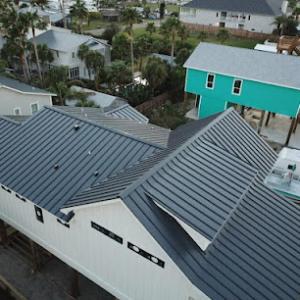
We are a local roofing company servicing the 361 coastal bend area. We Specialize on Standing seam metal roofing, and here also to provide for any other of your roofing needs. Honesty, integrity, accountability & most importantly, customer satisfaction; is the foundation of our company. Our work ethic is founded on the golden rule: "treat others as you want to be treated. We serve both residential and commercial business owners with their roofing needs. Call us today to schedule your free roof inspection.
Texas State Roofing Company
(361) 884-7663 www.texasstateroofing.com
901 S Staples St, Corpus Christi, Texas
4.6 from 131 reviews
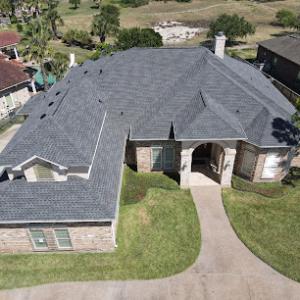
We are a full service Roofing Contractor servicing the Coastal Bend of Texas. We are a GAF Certified Master Elite contractor, Owens Corning Platinum Preferred Contractor, Polyglass Quantum Contractor, FORTIFIED Roof Certified Contractor, and licensed through the Roofing Contractors Association Texas. License #03-200. Awarded LOCAL’S LIST 2025 Roofing Company, “Best of the Best” Official Community Choice Awards Winner - Roofing Company - from 2019-2024. Servicing Commercial, Residential, Industrial, and Ranch Properties with asphalt shingles, tile, metal, modified bitumen, single ply, elastomeric coatings.
MCB General Contracting
4521 Ayers St suite #218, Corpus Christi, Texas
4.9 from 18 reviews
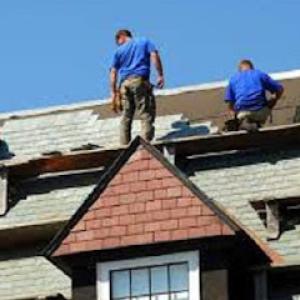
MCB General Contracting is locally owned and operated construction company currently serving the area of Corpus Christi, TX and surrounding areas. We are qualified to handle any residential roofing or remodeling projects. We have become a highly respected contractor in the construction industry and offer severaL services including home remodeling, roof repair and replacement, siding repair and installtion, and much more. Call today for a free estimate!
Lion Roofing Company
Corpus Christi, Texas
4.8 from 25 reviews
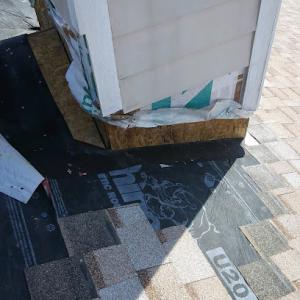
Insured roofing business locally owned and operated in Rockport Fulton registered with the city. Installs shingles, corrugated metal roofing, flat roofs and more
Reroof projects typically require a City of Corpus Christi building permit rather than being treated as a no-permit maintenance item. The city treats a re-roof as a significant construction activity, given wind, salt exposure, and the need to ensure the roof structure and underlayment meet current codes. Before tearing off shingles or removing large sections, verify that a permit is in place and that your plan reflects the full scope, including proposed underlayment, ventilation, and nailing patterns. Having a permit lined up before work starts reduces the risk of stop-work orders and makes insurance documentation simpler if questions arise later.
Permit issuance generally follows plan or scope review and licensed contractor verification by the city. Your contractor should submit a detailed scope of work, including the type of roofing material, underlayment, attic ventilation strategy, nailing schedule, and any structural considerations for high-wind resistance. The city may check that the contractor is licensed, bonded, and insured, and that the project aligns with local wind uplift requirements. If plans change in the field, updated drawings or notes may need re-submission to avoid delays.
City inspections occur during installation, with attention to underlayment, ventilation, nailing schedule, and final roof condition. Expect at least one inspection during the tear-off and installation phases, focusing on proper underlayment installation, ridge and soffit ventilation balance, and correct nail spacing for the chosen deck and material. A wind-rated fastener pattern is commonly scrutinized to ensure the roof can withstand seasonal gusts. The inspector may also verify that drip edge and flashing details meet code, especially around transitions to walls, chimneys, and vents.
A final inspection confirms the roof is weather-tight and meets structural and fire codes. The final review will check that all penetrations, vents, and skylights are sealed properly and that there are no active leaks. Keep a file of the permit, approved plans, and inspection records; these documents can be valuable for future insurance claims, wind mitigations, or if you sell the home.
Coordinate closely with a licensed contractor who can guide you through the permit timeline and any required plan revisions. Schedule the permit review early in the project and keep communication lines open with the building department to minimize delays from weather-related downtime or material substitutions. If plans are adjusted on-site, promptly submit updates to avoid inspection hold-ups and ensure the project remains compliant through completion.
In this coastal climate, local reroof pricing is notably affected by material choices that resist corrosion and stand up to salt-laden air. When you're near the water, consider corrosion-resistant accessories and upgraded fastening packages, especially around penetrations and edge details. The upfront premium on these upgrades can pay off in longer service life and fewer premature repairs after storms. Asphalt shingles remain common for cost-conscious homes, but metal roofing or concrete/clay tiles with sealed fasteners and corrosion-resistant coatings often perform better against salt spray and high wind. If you choose clay or concrete tiles, look for products with reinforced battens and stainless or rated zinc-coated hardware to minimize corrosion and wind lift.
Storm-driven demand after tropical weather tightens contractor schedules in Corpus Christi, and pricing pressure can spike quickly. If you can plan ahead, you'll see more options and steadier pricing outside the peak storm window. Scheduling in calmer weather helps you lock in crews before fall storms, which is when repair needs surge and local crews shift to full reroofs. Coastal homes often experience faster wear due to wind-driven debris and salt exposure, so a strategic window outside hurricane season can be a meaningful safeguard for both scheduling and budget stability.
Asphalt Shingles: 350-700 USD per square. Metal Roofing: 600-1200 USD per square. Clay Tile: 1100-1900 USD per square. Concrete Tile: 900-1500 USD per square. Wood Shingles/Shakes: 650-1200 USD per square. Synthetic/Composite Shingles: 400-900 USD per square. Near the water, expect the higher end of these ranges if corrosion-resistant accessories or enhanced fastening packages are specified. If a full upgrade to metal or concrete tiles is chosen, plan for a longer lead time and potential scheduling shifts during storm season.
Begin conversations now with local crews about corrosion-resistant packages and wind-rated underlayments. Request a written breakdown of fasteners, sealants, and drip edge materials chosen for coastal exposure. Confirm lead times and preferred installation slots in the fall to spring window, aiming to minimize wind-driven delays and labor gaps after tropical weather. Finally, factor in potential price changes tied to material availability post-storm season so your budget accounts for any springtime volatility.
Get a clear picture of your project costs upfront - no commitment required.
Protex Roofing
(361) 400-7663 protexroofingtx.com
3429 Samoa Dr, Corpus Christi, Texas
5.0 from 94 reviews
TBTC Roofing & Construction
(361) 678-8166 tbtcroofing.com
3929 Morgan Ave, Corpus Christi, Texas
5.0 from 32 reviews
MCB General Contracting
4521 Ayers St suite #218, Corpus Christi, Texas
4.9 from 18 reviews
In this market, asphalt roofs endure intense summer heat and relentless UV exposure, which accelerates aging and delamination. You may notice granule loss in the gutter or on driveways after storms, and daytime curling can begin long before a leak shows up. Repeated wind events can lift edges and loosen the exposure, inviting water intrusion at the欠 valleys and penetrations. When failure starts, you'll often see accelerated wear near exhaust vents, plumbing stacks, and skylights where heat and wind interact most. If you can't pinpoint the source after a storm, consider that weakened seals around the vent boots or flashing may allow moisture to creep in well before the visible field shows signs of trouble. Regular inspection after the peak storm season helps catch problems before you're dealing with interior damage.
In Corpus Christi, metal-related failures often involve corrosion at fasteners, flashings, and accessories before the main panels themselves fail. You'll experience fastener corrosion where salt air meets the roof line, and that can lead to slow leaks that mimic more dramatic damage. Flashings around chimneys and vents are common weak points if sealant has degraded or been compromised by wind-driven spray. The coastal salt environment makes proper coating, corrosion-resistant fasteners, and sound sealing essential. If you notice staining along seams or rivets, or a sudden uptick in wind-driven leaks after a storm, schedule a close look at the edge details and the underlayment beneath the panels.
Tile systems in coastal South Texas require close attention to attachment and underlayment because wind exposure can damage components even when the visible field tile looks intact. You might see cracked or loosened field tiles after a gusty event, while the underlayment or clips show hidden signs of wear. The fasteners for the battens and the condition of the underlayment under the roof deck are critical, since failure can render a seemingly solid surface vulnerable to wind-driven water. Regular checks of ridge caps and end-chants help prevent wind-driven water intrusion that isn't immediately obvious from the ground.
Extend the life of your existing roof with reflective or waterproof coatings that protect against UV and moisture.
Texas Coast Roofing
(361) 688-2183 texascoastroofing.com
5926 S Staples St C1-C, Corpus Christi, Texas
5.0 from 36 reviews
Texas State Roofing Company
(361) 884-7663 www.texasstateroofing.com
901 S Staples St, Corpus Christi, Texas
4.6 from 131 reviews
Texas Coastal Roofing & Construction
(361) 332-1263 www.texascoastalroofingandconstruction.com
730 Diamond Cut Dr Ste D, Corpus Christi, Texas
4.7 from 30 reviews
Corpus Christi's contractor market shows meaningful flat-roof activity, reflecting the city's mix of commercial buildings and residential low-slope additions, patios, and porch covers. When you start a project, expect a higher fraction of flat or near-flat sections than in inland Texas, and plan for crews who routinely handle both commercial membranes and residential coatings.
Low-slope sections require careful attention to drainage paths. Ensure that parapets, scuppers, and edge drains are clear and oriented to move water quickly toward approved outlets. For coatings, select products formulated for humid coastal drying and salt exposure, and confirm cure times align with your local winter rain patterns. Humid conditions can extend cure times, so schedule application windows with a dry, steady period in mind. In mixed projects, pair a durable base membrane with a topcoat designed for salt-laden air to resist accelerated aging from coastal aerosols.
Flashing details must outlive salt exposure and wind-driven rain. Pay extra attention at edges, transitions from low-slope to steeper sections, and around penetrations for vents, skylights, and HVAC outlets. Use corrosion-resistant metal and compatible sealants that perform in Gulf Coast humidity. Where add-ons meet the main roof, verify that curb flashings and joint seals have an integrated drain path to avoid ponding.
Brief winter rain events and humid coastal drying conditions can complicate repairs and cure times on low-slope roof systems. Plan repairs for extended dry spells, and coordinate temporary protection to keep moisture from seeping into newly conditioned seams. When possible, stagger large patches to avoid overloading a single flat area while curing. This approach helps maintain continuous drainage and minimizes disruption to the rest of the roof.
Find specialists in TPO, EPDM, and built-up flat roofing systems for residential and commercial properties.

Bayfront Roofing & Construction
(361) 800-5991 bayfrontroofing.com
4646 Corona Dr Suite 167 C, Corpus Christi, Texas
4.9 from 249 reviews
Texas Coast Roofing
(361) 688-2183 texascoastroofing.com
5926 S Staples St C1-C, Corpus Christi, Texas
5.0 from 36 reviews
Texas State Roofing Company
(361) 884-7663 www.texasstateroofing.com
901 S Staples St, Corpus Christi, Texas
4.6 from 131 reviews
The preferred replacement window in Corpus Christi runs from fall through spring, because it avoids the worst summer heat and much of peak hurricane disruption. During these cooler, drier months, crews can work at a steadier pace and installation details-especially on lighter-colored or reflective coverings-tend to seal more reliably. If a reroof is on your list, targeting September through April often yields a smoother process with fewer heat-related delays and weather interruptions.
June through November brings hurricane-season uncertainty that can delay tear-off, dry-in, inspections, and material deliveries. That window often requires contingency planning for weather holds, re-sequenced crews, and potential rescheduling of delivery dates. If a replacement must happen in this period, build in extra weeks for possible setbacks and coordinate with your contractor on a clear rain-day protocol and backup delivery plan for materials like shingles or metal panels.
Extreme summer heat in Corpus Christi affects crew productivity and installation conditions, especially on dark roofing surfaces. Heating of underlayment and adhesive exposures can slow progress and impact installation quality. Scheduling major work in the milder months minimizes thermal stress on workers and materials, reduces the risk of shingle curling or fastener issues, and generally leads to a more precise, durable finish.
Coordinate the project start with a clean calendar that avoids peak storm periods and allows for a post-tear-off dry-in. If timing aligns with insurance-driven decisions, request a clearly defined sequence from the contractor that includes debris removal, underlayment inspection, and a staged installation plan to reduce back-and-forth. Have a back-up plan for weather holds and confirm that crews are prepared for coastal conditions-salt air, wind exposure, and the possibility of rapid weather changes.
In Corpus Christi, storm damage pushes contractors to move fast, but speed must not trump accountability. After a wind-driven event, a roofer's first priority should be to secure your home and prevent further exposure to salt air and rain. Look for a crew that commits to a clear cleanup plan, including debris containment and waste removal, with a realistic timeline. A reliable team will document the job site before starting and return for any necessary follow-up work, not leave messes behind that invite rust, corrosion, or pests. If the crew offers a rain- soaked window of arrival, ask for a written promise and a contact person you can reach during the process.
The local market includes many reroof-focused and long-established companies, which matters in a city where post-storm demand can surge quickly. Favor firms with a track record of steady work in this market and a known network for dealing with common coastal issues-salt exposure, wind-driven lift, and rapid wear on fasteners. A seasoned team will have established crews, a reliable supply chain for commonly damaged assemblies, and a history of working respectfully with neighbors, neighborhoods, and neighborhood associations that often call for quick turnarounds after a storm.
Given the city's permit process and insurer documentation demands, homeowners benefit from contractors who can handle both municipal inspections and claim paperwork. Choose a roofer who can accompany you through inspector checklists, prepare the necessary documentation for claims, and coordinate with adjusters. Ask for a written scope of work aligned with typical storm-related damage, plus a roadmap that explains what documentation you'll receive at each milestone. A transparent firm will explain what is expected from you in terms of photos, receipts, and timelines, reducing confusion when the insurance file moves forward.