
Last updated: Apr 19, 2026
Edinburg sits in the Rio Grande Valley, where spring and early-summer thunderstorms bring hail risk before Atlantic hurricane season ramps up from June through October. That sequence means the roof faces a double hit: hail pressure from spring storms and high-wind rain during tropical systems later in the year. The heat and humidity accelerate aging of roofing materials, making soft spots, granule loss, and compromised flashing more likely after a season of extreme gusts. When a storm watch is issued, prepare for rapid escalation in both damage potential and service demand. Homes with flat or low-slope sections, cracked sealant around vent pipes, or aging asphalt shingles are especially vulnerable to wind-driven impacts that jump from cosmetic to structural quickly.
Wind-driven rain is a major local leak trigger because tropical systems affecting Deep South Texas can force water under vulnerable shingle edges, ridge details, and flashing even when total rainfall is not extreme. Severe gusts push rain under the tarps of common roof shapes and around dormers, valleys, and chimney flashing. In Edinburg, that means you should treat any wind event as a water intrusion risk, focusing inspection and protection on edges, seams, and transitions. Look for lifted shingle tabs, curling edges, or displaced underlayment near valley intersections and around roof-to-wall junctions. If a roof displays even minor irregularities after a storm, plan for a professional assessment promptly, because a small opening can become a full attic leak after a few days of wind-driven moisture.
Roofing demand can spike regionally after Valley-wide storm events, which affects inspection wait times, temporary dry-in availability, and replacement scheduling in Edinburg. If a hail event or strong thunderstorm sequence occurs, arrange for a same-day or next-day roof assessment from a local contractor who understands valley weather patterns. A timely evaluation helps determine whether shingles are merely dinged or actually compromised, whether flashing needs resealing, and whether the attic ventilation is adequate to manage moisture. Having a plan for temporary protection-roof tarps, roofer-supplied patching, and rapid debris removal-reduces interior damage while work is scheduled. It is prudent to secure load-bearing concerns in the event of a late-day wind shift, especially for homes with taller ridges or older, brittle flashing.
After a hail or hurricane-season event, walk the exterior with a flashlight at dusk to catch shingle scuffing, hail pockmarks, or displaced granules along eave lines. Inside, check ceilings and upper walls for moisture staining, paying special attention to rooms under attic penetrations and near vent stacks. If any signs of leakage appear, avoid delaying contact with a trusted local roofer who can provide a quick dry-in assessment and outline temporary mitigation steps. In Edinburg, the goal is to restrict water entry long enough to complete a precise inspection and implement a durable repair plan that accounts for the upcoming hot months and the next wind-driven rain event. Weather-resistant sealants and flashing replacements should be coordinated with the roofer's plan to ensure compatibility with the latest shingle technologies suited to dry, hot climates and strong winds.
Material selection should balance heat aging, wind resilience, and local hail history. In this climate, choosing roofing systems that resist granule loss, edge lift, and flashing failure under repetitive gusts is essential. Synthetic and composite options can offer favorable weight and impact resistance, but proper installation and venting remain critical to performance. For homes with existing tile or heavier systems, compatible underlayment and reinforced flashing details help maintain a robust barrier against wind-driven moisture during peak storm periods. A local roof professional can tailor a plan that aligns with the house's orientation, shading, and typical wind directions across the Rio Grande Valley, ensuring a resilient, long-lasting roof through the storm season.
The long hot season and that strong South Texas sun mean your roof endures higher heat and more intense UV exposure than many places. Granules loosen and wash away faster, surface drying accelerates, and color fades can happen in a single decade rather than two. When you walk the deck line after a storm, you may notice chalky fading on shingles or tiles that didn't look worn from the ground. This isn't just cosmetic; it signals faster aging of the protective surface, which can influence heat absorption, expansion, and the durability of flashing and sealants.
Humidity in combination with heat presses moisture into materials, which can shorten the life of underlayments, pipe boot flashings, and sealants even if the visible field roof still looks acceptable. In practical terms, you should expect to inspect the edges and penetrations more often after humid periods or heavy monsoon activity. Look for air gaps around vents, lifted or softened sealant beads, and any quick edge peeling after a rain. Those are early signs that the inner components are aging faster, even if the surface seems fine from ground level.
Replacement timing in this market is often steered toward drier periods because extreme summer heat can slow crews, affect material handling, and increase weather-related interruptions during tear-off. If a project is planned in late spring or early fall, you may benefit from cooler daytime temperatures that help adhesive and sealant work cure properly, while also avoiding the peak heat strain on crews and equipment. Planning around a stretch of dry, moderate weather reduces the likelihood of heat-related delays and helps the schedule stay on track.
Start with a ground-level visual check after storms-note any new granule loss, exposed substrate, or pale spots on the roof surface. When you can safely access the attic, inspect for any moisture staining, excessive condensation, or discoloration near vents and along the eaves. If a roof edge or flashing shows signs of lift or corrosion, treat it as a priority, since gaps here invite wind-driven water during the next storm and heat cycles can worsen that damage quickly.
Choose roofing products with color stability and UV resistance appropriate for the harsh sun. In practice, that means evaluating coatings and sealants for extended UV resistance and verifying that the fasteners and flashing materials are rated for high heat and humidity. Routine maintenance should emphasize resealing flashings, replacing degraded sealants around penetrations, and addressing any early granule shed before it accelerates under the next heat wave.
Asphalt shingles remain common in Edinburg because they fit local price expectations, but they are especially exposed here to UV aging, hail bruising, and wind-lift concerns during tropical weather. You should expect accelerated granule loss on south-facing slopes and more frequent inspections after hail events. When choosing asphalt, look for thicker, multi-tab or architectural profiles, with a tightly sealed edge and a warranty that covers impact resistance. In areas with intense sun, selecting shingles with better UV stability can slow aging, and you'll want a roof system that emphasizes secure nailing patterns and proper sealing around penetrations to help resist wind uplift during storm-season gusts.
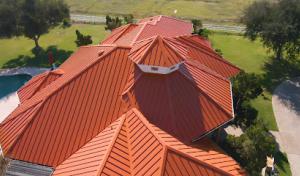
Metal roofing is a strong local fit in the Valley for heat and wind performance, which aligns with the relatively high number of Edinburg-area contractors actively marketing metal roof work. Metal often reflects sunlight, reducing attic heat and helping extend the life of underlayment in the heat and humidity. It also tends to shed hail with less surface damage than some other materials. When considering metal, pay attention to panel attachment methods, adequate underlayment for thermal movement, and a finish designed to resist corrosion in a humid, coastal-influenced climate. A well-installed metal roof can perform reliably through hurricane-season wind exposure, provided the fasteners and flashing are maintained and inspected after severe storms.
Clay and concrete tile appear on higher-end South Texas homes, but their weight and breakage risk during foot traffic or hail events make maintenance and underlayment condition especially important in this market. Tile roofs demand a sturdy supporting structure and an attentive maintenance plan for cracked or displaced tiles after hail or high winds. The extra weight calls for professional design considerations to ensure proper drainage and load distribution. If choosing tile, prioritize a robust underlayment system, a corrosion-resistant flashing choice, and periodic inspections of ridge caps and hips where wind-driven debris tends to accumulate.
In Edinburg, the best choice often comes down to a balance between initial performance, storm resilience, and ongoing maintenance practicality. For homes with lighter framing or where contractor accessibility is a consideration, asphalt can be a reliable baseline with upgrades to UV- and impact-resistant formulations. If the roof is on a structure built for heavier loads, and maintenance access is straightforward, metal offers a long-term, wind-conscious option. For upscale peaking silhouettes or distinct architectural lines, clay or concrete tile can elevate curb appeal, but with a plan for regular inspections, underlayment health, and careful care during hail-season periods. In all cases, ensure a thorough assessment of fasteners, flashing, and edge details to keep storm-season vulnerabilities to a minimum.
In this region, after a hail event or tropical system, emergency repairs and full replacements compete for labor and scheduling. Local pricing tends to spike as crews are stretched to meet storm-related needs, and insurance-related jobs move through the same pipelines. If a major hail event hits nearby, expect shorter lead times and higher on-site costs for expedited delivery, staging, and temporary dry-in measures. Planning a re-roof during the post-storm window means accepting both higher labor availability constraints and tighter material supply, which can push the overall project price above typical baselines.
Homes commonly use materials that withstand heat and wind exposure. Upgrading from basic shingles to metal or tile is a frequent consideration when storm durability and cooling performance are prioritized over aesthetics. In practice, that means metal roofing or concrete/clay tile often yields lower long-term maintenance and better performance in high-velocity wind, heat reflectivity, and hail resistance. The cost ladder reflects this: asphalt shingles remain the most economical starting point, while metal and concrete tile sit higher, with heat and wind resilience as a key driver of the decision.
Late fall and winter bring wetter conditions that slow material deliveries and job sequencing. In South Texas, rain and humidity can delay shipments, affect laydown efficiency, and extend dry-in timelines. That translates to more on-site downtime or staggered crews, which increases labor hours and can raise total project cost slightly. If timing is flexible, scheduling during drier windows can help reduce incidental costs from weather-related slowdowns.
Asphalt shingles remain the baseline, with a broad low to high range that reflects local travel, waste disposal, and general labor. Metal roofing, clay tile, concrete tile, and other advanced materials command higher upfront prices but offer longer service life in this climate. When budgeting, consider not just the per-square price but the long-term value: cooling efficiency, wind performance, and the potential need for upgraded underlayment or ventilation to maximize the chosen material's advantages. For planning, anticipate a spread that mirrors post-storm timing and material choice, rather than a single fixed figure.

McAllen Valley Roofing
(956) 672-7725 www.edinburg-roofing.com
1409 S 9th Ave Suite 406, Edinburg, Texas
5.0 from 64 reviews
McAllen Valley Roofing is Edinburg’s trusted expert in shingle, metal, tile, and flat roofing for both residential and commercial properties. We specialize in storm damage restoration, roof replacements, insurance claims, and leak repairs—backed by strong warranties and certified crews. Our team proudly serves Edinburg, Falfurrias, Brooks, Cameron, Willacy, Starbase, Hidalgo, Kenedy, Jim Wells, and Starr counties. Whether you need a cool roof system for your business or tile roofing for your home, we deliver quality workmanship and peace of mind. Call today for a free inspection from a roofer you can trust.
Texas Damage Consultants Roofing & Insurance Claims
(956) 358-4000 texasdamageconsultants.com
1409 S 9th Ave Suite 408, Edinburg, Texas
5.0 from 62 reviews
As a trusted Edinburg roofing company and damage consultants, we strive on protecting your interests by making a comprehensive assessment of your damages, and assisting you in getting you what you are entitled to from your insurance company. We are a roofing company that is certified with many shingle manufacturers. We are the best Edinburg Roofing c Texas Damage Consultants, LLC provides you with the peace of mind that comes with knowing that you have experts to support your claim. Our expert Edinburg roofers will conduct a complete evaluation of your roof, analyze the damage to it, and then document the full extent of your loss. We will compile not only photographic evidence, but also bring in outside experts to help support your claim.
Martinez Roofing & Restoration
(956) 292-9140 www.martinezroofingandrestoration.com
1410 Cottonwood Dr, Edinburg, Texas
5.0 from 40 reviews
With over 10+ years of experience in the roofing industry. Martinez Roofing & Restoration strives to bring the best quality service to the Rio Grande Valley. With our roofing knowledge, we guide you to choose the best roofing system for your home. We are proud to serve Edinburg, McAllen, Mission & Surrounding cities. Contact us today for a Free damage assessment report.

Marva Roofing
(956) 217-9989 marvaroofing.com
7207 E Curry Rd, Edinburg, Texas
4.8 from 172 reviews
Established in 2013, Marva Roofing has become a trusted name in the Rio Grande Valley. Specializing in residential and commercial roofing, this expert team also offers comprehensive siding and gutter services. They provide a full range of solutions, including asphalt shingle and metal roofing, as well as essential roof repair. Marva Roofing is dedicated to delivering quality craftsmanship and building lasting relationships, ensuring every home and business receives superior care and exceptional results.

Texas Prime Homes
(956) 250-4094 texasprimehomes.net
1721 Russet St, Edinburg, Texas
5.0 from 32 reviews
TPH is a family own business located in Mission/Edinburg area serving our customers from all the RGV. Our most requested service is helping customers to be back on pre-loss conditions after a storm loss. With many variables we have helped clients due to water backups, pipe burst/freeze, fire, hail and windstorm loss being one of the most cases. We offer complete professional detail inspection to customers to have any claimable damage item be included in the scope of repairs. We are experts in Xactimate/Symbility which is a software use by insurance to determine the price for labor & material on an industry standard price. We also offer appraisal services por anyone being denied on a legitimate claim. TPH also offers monthly payment lo plans
Revo Roofing
Edinburg, Texas
5.0 from 24 reviews
Our mission is to provide quality roof work at a reasonable price. Nuestra mision es proveer trabajo de techo de calidad a un precio razonable.
Top Notch Roof Pros
Edinburg, Texas
5.0 from 18 reviews
Top Notch Roof Pros – Roofing With Purpose Across the RGV Looking for a reliable roofing company in Mission, McAllen, Edinburg, Pharr, Weslaco, Harlingen, or nearby RGV cities? We help homeowners with: • Full Roof Replacements • Storm Damage Repairs • Seamless Gutter Installation & Replacement • Foam Insulation & Energy-Smart Attic Ventilation We work with trusted brands like Owens Corning and GAF to ensure long-lasting results. Need help with your insurance claim? We guide you step-by-step. ✅ $0 Down Financing (W.A.C.) ✅ Flexible Monthly Payments ✅ 10-Year Labor Warranty ✅ Clean, Faith-Led Work Crews Top Notch Standards — Built Into Every Roof. 📞 Call/Text: (956) 359‑7227
ClaimSmith
(956) 532-2812 claimsmithrgv.com
Edinburg, Texas
5.0 from 16 reviews
Protect your largest investment with our reliable roofing services. We are a locally owned and operated roofing company currently serving Weslaco, TX and surrounding communities. If you want to make your roof last as long as possible, it is vital that you never put off a roof repair. Small issues with roofing become big issues in a hurry. No matter how major or minor the repair you need, we are here to help. We offer residential roofing services, roof installation, and roof replacement.
TADCO Roofing & Waterproofing
(956) 961-4736 tadcoroofing.com
902 Owassa Rd, Edinburg, Texas
5.0 from 14 reviews
Commercial roofing, re-roofing, inspections and repairs.
SR Roofing Construction
(956) 558-2239 srroofingconstructionllc.com
4522 S Raul Longoria Rd Suite A, Edinburg, Texas
4.7 from 21 reviews
Welcome to Silvas Roofing and Construction, a family-owned business proudly serving the Rio Grande Valley. Specializing in commercial properties, we bring decades of expertise to every project, ensuring top-quality roofing and construction services. Our commitment to excellence and strong community roots make us your trusted partner in building and maintaining exceptional spaces. Choose Silvas Roofing and Construction for reliability, craftsmanship, and a personal touch in all your construction needs.
South Texas Roofing Pros
Edinburg, Texas
5.0 from 8 reviews
Our Mission is simple, provide the highest quality workmanship with the markets best products and superior customer satisfaction. A roofing company you can trust!
Skylight Roofing
(956) 513-1600 www.skylightroofing.co
2825 S Closner Blvd, Edinburg, Texas
3.5 from 21 reviews
Free Estimates & Inspections. Most Homeowners who have worked with us didn't know they had Damage. Call Us Today. Free Estimates & Inspections. Schedule An Appointment, You Might Be Covered. Get The Full Amount for the Repairs You Need.
In this city, full re-roof projects are typically handled through the City of Edinburg Building Department rather than being settled informally between homeowner and contractor. That means every major roof replacement should go through a formal permit process to ensure the work meets local code and storm-resilience standards that matter in this climate. The aim is to secure a permit that documents the scope, materials, and workmanship, and to provide a clear record for future resilience and resale.
In local practice, the roofing contractor typically files the permit and coordinates inspection timing with the city. Before any lift has started, confirm who is responsible for submitting the permit, paying the fees, and scheduling inspections. If you prefer to oversee this step, make that explicit in writing before work begins. Retain copies of the permit approval, any amendments, and the inspection reports. If the contractor plans to file, ask for the permit number and the expected inspection window so you can plan around weather and wind-season constraints.
City inspection attention commonly includes code compliance, roof venting, and wind-mitigation-related installation details when applicable, with checks during and after installation. Expect a rough-in or framing check if the structure is being altered, and a final inspection once the roof is in place. In a hurricane-season environment, inspectors often focus on secure fastenings, proper underlayment installation, and venting adequacy to minimize heat buildup and moisture pockets. If spray-foam or other insulation methods are used, provisions for ventilation and moisture management will be reviewed. The final inspection verifies that flashing details, ridge lines, hips, and rake edges are sealed and tied into the existing roof structure without gaps that could trap heat or wind-driven debris.
Coordinate with the contractor to lock in a realistic inspection schedule that aligns with weather windows, since Edinburg's spring hail and late-summer heat can affect roof work duration. Ask for advance notice of each inspection so you can be present or send a trusted representative. During the process, verify that venting calculations meet local code requirements and that any wind-mitigation features-such as reinforced fasteners, proper nailing patterns, and secure attach points-are installed per the plan and clearly documented. Keep all wind-mmitigation documentation and product approvals ready for the inspector, as these details frequently influence permit compliance and insurance considerations after a storm season. If the contractor encounters any citation or needed adjustment, address it promptly to avoid delays that could expose the home to weather-related risks. By staying engaged with the permit path and inspection milestones, you help ensure the roof replacement not only passes code today but also remains vigilant against Edinburg's unique climate demands.
Texas insurers have tightened underwriting and raised premiums in weather-exposed markets, and Edinburg homeowners are affected by hail and wind claim history common across the region. When a storm hits, the memory of past losses lingers in policy language and renewal discussions, so decisions can feel more cautious and less predictable. That means preparation and documentation become your first line of defense when a claim is filed.
For storm-related roof work in Edinburg, insurers may request before-and-after photos, appraisal timelines, and wind-mitigation details, so documentation should begin immediately after a damaging event. Photograph the entire roof from ground level and from multiple angles, focusing on hail impact, lifted shingles, flashing, and attic moisture indicators. Keep copies of any weather reports tied to the event and note dates of the storm, contractor visits, and all communication with the insurer. If an adjuster visits, jot down timelines and who was present, and request all appraisal milestones in writing.
Because many local contractors actively market insurance-claim help, homeowners in Edinburg should separate legitimate documentation assistance from any promise that a roof will automatically be replaced. A clear, written scope of work and a comparison of pre- and post-event conditions protect you from misunderstandings. Ask for referrals and verify licenses and references, but remain vigilant about guarantees that a full replacement will occur without independent corroboration. In storm seasons, transparency between you, your insurer, and a trusted contractor is the practical path to a service that actually matches the damage shown in your records.
Connect with contractors who help homeowners navigate the claims process from damage assessment to final approval.

McAllen Valley Roofing
(956) 672-7725 www.edinburg-roofing.com
1409 S 9th Ave Suite 406, Edinburg, Texas
5.0 from 64 reviews
Texas Damage Consultants Roofing & Insurance Claims
(956) 358-4000 texasdamageconsultants.com
1409 S 9th Ave Suite 408, Edinburg, Texas
5.0 from 62 reviews
Martinez Roofing & Restoration
(956) 292-9140 www.martinezroofingandrestoration.com
1410 Cottonwood Dr, Edinburg, Texas
5.0 from 40 reviews
Edinburg's contractor market shows meaningful low-slope and commercial activity, which matters because mixed-use buildings and some residential additions in the city use roof systems very different from steep-slope shingle homes. When planning, expect a mix of flat, low-slope membranes and metal or concrete tile on newer additions, with challenges that don't mirror single-family homes. Your first step is to verify that the roofing contractor has recent experience with the exact system you're considering, whether that's a modified bitumen, TPO, or appropriate metal detailing for parapets and edge conditions. Insist on references from projects similar in scale and exposure, and ask for a system warranty that covers both the membrane and the penetrations common to commercial-style roof penetrations, sleeves, and flashings.
On low-slope roofs in the Valley, ponding risk and seam or penetration leaks become more problematic when heavy rain bands stall over the area during tropical weather. Check the slope adequacy and confirm that the subtle changes in grade around roof penetrations are designed to avoid water pooling. During hurricane-season wind events, edge details and parapet flashings can be the first points of failure if not properly sealed and reinforced. Heat exposure in Edinburg can be especially punishing on low-slope membranes and coatings, making maintenance intervals and drainage performance critical. Plan inspections after major storms and after the hottest months, focusing on seam integrity, edge metal, and the condition of any reflective coatings or ballast arrangements.
Set a predictable maintenance rhythm that aligns with the heat-driven aging of membranes. Create a quarterly check that prioritizes looking for ponding depth, shifting drain paths, and the condition of terminations around edges, penetrations, and curbs. In summer, pay attention to membrane blisters or fastener loosening near vents and skylights, which can worsen quickly under direct sun and wind-driven debris. For drains and scuppers, ensure they remain unobstructed and that any backflow preventative devices function correctly after heavy rains. When leaks appear, isolate the affected zones by re-sealing likely junctions before a larger repair, and coordinate with a contractor who understands mixed-use roof assemblies to avoid mismatched materials and coatings.
Find specialists in TPO, EPDM, and built-up flat roofing systems for residential and commercial properties.
McAllen Valley Roofing
(956) 672-7725 www.edinburg-roofing.com
1409 S 9th Ave Suite 406, Edinburg, Texas
5.0 from 64 reviews
XYZ Roofing & Restorations
(956) 230-2259 xyzroofingandrestorations.com
Serving
4.9 from 213 reviews
In this market, storm aftermath brings a flurry of repair offers almost immediately after hail or high winds. Homes with tile fragments, torn shingles, and wind-blown debris are common sights, and urgency can push homeowners to move fast. The risk is rushing through a bid, accepting subpar workmanship, or signing without a solid plan for materials, timelines, and guarantees. You'll benefit from letting the dust settle just enough to compare a few reputable options, even if a crew is hot on your doorstep.
Cleanup is a standard expectation after a storm, and proper removal of debris matters just as much as the new roof itself. Tile fragments can linger in gutters and landscaping, while wind might scatter shingle tear-off material across the yard and neighboring properties. Ask contractors to present a clear cleanup plan: how debris will be contained, where waste will be disposed, and how any damaged drip edges or flashing will be handled. A thorough cleanup reduces post-project damage to you and your neighbors and helps prevent future leaks creeping in through overlooked gaps.
The local contractor pool ranges from affordable, family-run operators to longer-established firms. That mix means price and responsiveness will vary, as will claim-handling experience. When hiring, weigh how quickly a crew can start against how they handle punch lists, documentation, and warranty questions. Seek recent storm-repair examples, request references, and verify that the team will stay on-site for a sensible transition from teardown to installation. A thoughtful selection balances prompt response with a track record of durable, weather-ready work.
After a storm, contract negotiations can feel urgent. Take a breath to clarify scope, confirm material choices, and outline a realistic timeline. Insist on written warranties that cover both labor and materials, and ensure the agreement details cleanup expectations, any teardown specifics, and what happens if a subsequent storm reveals unseen damage. A careful, documented approach protects you when the Valley's next windstorm rolls through.