Last updated: Apr 19, 2026
You are dealing with a roof that endures Rio Grande Valley heat, hail-prone storms, and hurricane-season wind exposure. Hail can puncture shingles, knock granules loose, and expose the underlayment, while heavy rain after a hail event finds any gaps and weaknesses. Visible shingle loss may be obvious in spots, but water intrusion can lurk behind soffits, in attic corners, or along roof-to-wall transitions. In this climate, the risk isn't just what falls from the sky; it's how quickly the sun and heat degrade the compromised areas, making minor damage grow into larger leaks if left unchecked.
Donna homeowners face a mix of hail events, heavy rain, and hurricane-season wind exposure that can create both visible shingle loss and harder-to-document water intrusion. When a storm hits, prepare for a surge in claim activity and adjuster scheduling delays. Documentation matters more than ever: dated photos capturing the exact condition just before and after the event, along with a clear record of any prior repairs or weak spots, buys time and clarifies the timeline for replacements. Have a simple archive ready: date-stamped photos of damaged areas, a short log of rainfall dates, and notes on any interior moisture or staining you notice in the days following a storm. This isn't theoretical-patients in the attic and moisture in wall cavities tend to reveal themselves only after weeks of heat and humidity return.
Replacement timing is often driven by weather windows because spring and late-summer storms can interrupt tear-off schedules and leave homes exposed if projects are not tightly planned. In hot months, asphalt shingles may fail faster under direct sun, while tile options require careful sequencing to avoid long exposure periods where the roof deck is open. The repeated cycle of rain and wind means gaps between storms are precious: the tighter the window, the less chance of a subsequent hail event re-damaging newly exposed decking. Coordinate with crews to establish a start-and-finish target for tear-off and installation, and align this with reliable, predictable days rather than chasing a shifting forecast. A well-structured schedule reduces rework, limits interior moisture penetration, and helps you maintain a protective barrier through the hottest stretches.
First, start a storm-damage snapshot log immediately after a severe event, capturing the most vulnerable elevations and edges-the valleys, flashing, and skylight interfaces. Second, identify a trusted local roofer who has experience handling hail and wind damage in hot-weather conditions and who can provide a realistic, short-term plan for tarp protection if weather gaps appear between teardown and replacement. Third, secure a plan for rapid debris removal and interior drying if moisture is detected, because heat accelerates mold risk once water intrusion occurs. Finally, if you suspect hidden damage behind failed shingles, don't delay: arrange a targeted inspection focusing on underlayment integrity and visible fasteners, then press for a measured, weather-aligned replacement sequence that minimizes exposure time on the roof deck. Acting quickly protects the home's structure and helps keep the project on a predictable path through Donna's demanding storm cycles.
In a hot, sunny climate like Donna's, asphalt shingles age faster. The relentless sun accelerates granule loss and brittleness, so you'll notice mid-life cycles come sooner than in milder markets. If asphalt is chosen for initial cost advantages, look for high-early-age resistance warranties and consider reflective, cool-roof granules to slow heat absorption. Regular inspections after hail seasons help catch granule loss, exposed felt, or unusable lifting before leaks develop. This option remains common because it's familiar to many local crews, but its performance hinges on heat management through attic ventilation and underlayment quality.
Clay tile stands out when longer service life is a goal. Lower Rio Grande Valley heat tolerates clay well, and this material tends to resist thermal cycling better than some other options. If the roof deck is solid and the structure can handle the weight, clay tile delivers a stable, cool roof deck and a distinctive look that suits many Donna neighborhoods. Expect higher upfront labor and material costs, but the tiles' resilience to sun exposure makes them a solid long-term choice in this market. Maintenance generally centers on addressing broken or displaced tiles after hail storms and ensuring proper flashing around chimneys and vents.
Concrete tile shares many benefits with clay, with the added advantage of slightly more flexibility in weight and cost. It tolerates heat while offering a broad palette of styles and profiles. In this market, concrete tiles are often selected for durability through hail seasons and windy conditions. The key is professional installation to guarantee correct nail patterns and spacing for wind uplift resistance. Expect occasional repairs for chipped or cracked tiles after hail, and plan for periodic cleaning to remove debris that can trap heat and promote staining.
Metal roofing is a strong local contender because it is common in this market and appeals to owners looking for durability during hail and wind seasons. Metal panels shed heat effectively when finished with a reflective coating, helping to mitigate heat transfer to the attic. Seam integrity, proper fastener sealing, and accurate attic ventilation remain critical. Metal roofs handle hail better than most shingle options, though denting can occur on softer metals and in severe hail events. If choosing metal, work with a contractor who emphasizes insulation backup, radiant barrier strategies, and corrosion-resistant finishes suitable for hot, coastal-adjacent conditions.
Synthetic or composite shingles combine some ease of installation with improved impact resistance and lighter weight than tile. In Donna's heat, these products can resist heat-induced shrinkage and offer a practical compromise between asphalt and tile. Look for products with heat-reflective properties and warranties that cover weathering and impact. Regular inspections after hail years help catch any delamination or surface wear that could compromise the roof's performance in heat and storm cycles.
When evaluating options, consider the heat sensitivity of asphalt versus the heat tolerance of tile or metal. Donna's heat accelerates aging for traditional shingles, so material selection should balance initial cost with long-term resilience, impact resistance, and wind performance. For most homeowners, a roof that reduces attic heat gain, provides robust hail resistance, and offers durable wind uplift protection will perform best over time. Pay attention to substrate condition, ventilation, and flashing details, as those elements influence how well any chosen system handles Donna's extreme sun and storm cycles.
In this market, you measure cost per square (100 square feet) by material, using the ranges provided. Asphalt shingles run from 350 to 650 USD per square. Metal roofing sits between 550 and 1200 USD per square. Clay tile ranges from 700 to 1800 USD per square, concrete tile from 600 to 1100 USD per square, wood shingles or shakes from 450 to 900 USD per square, and synthetic or composite shingles from 500 to 900 USD per square. Local pricing should be framed around these per-square ranges, with asphalt shingles at 350 to 650, metal at 550 to 1200, clay tile at 700 to 1800, concrete tile at 600 to 1100, wood at 450 to 900, and synthetic/composite at 500 to 900. In Donna, storm-driven demand surges can push scheduling and pricing pressure higher after hail or wind events, especially when many homes need re-roofing at once. Costs can also shift based on whether the project involves heavier tile systems, wind-related documentation, or energy-code-related scope reviewed through the local permit process.
Clay and concrete tile options carry the heaviest upfront price tags, but they also bring longevity and strong resistance to heat and hail impact in the long run. Clay tile typically lands toward the upper end of the range, while concrete tile offers a more budget-friendly middle ground with solid durability. Metal roofs can vary widely in cost, but the upper end captures premium panels and fasteners designed for high-wind zones common to this area. Asphalt shingles remain the most common option for speed of install and cost efficiency, though heat and hail cycles can shorten their life if UV exposure is extreme. Wood shingles and synthetic/shingle alternatives sit between the extremes, with synthetics often providing better hail resistance and lighter weight, potentially reducing supporting structure concerns. Each choice carries implications for the wind resilience and energy performance of the home, as well as the perceived value in a storm-season housing market.
After a major hail or wind event, expect scheduling pressure to tighten quickly. Many homeowners seek replacements in the same neighborhood, which can push crews to cluster jobs and raise labor-related costs. In Donna, those spikes are amplified by heat-driven delays and longer installation windows when crews must manage extreme temperatures. If your project involves heavier tile systems or wind-related documentation, costs can rise further, especially when additional concrete or tile underlayment work is needed, or when specialized fasteners and protective barrier systems are required to meet wind-rated standards. Plan for a shorter time window between damage assessment and project kickoff, but be prepared for a temporary premium during peak storm seasons.
When you're evaluating bids, ask for a material breakdown that aligns with the per-square ranges cited above and clarifies any premium for wind-rated fasteners or energy-code considerations. If hail impact is a factor, request evidence of impact-resistant testing or manufacturer warranties that reflect Donna's heat and storm exposure. For heavier tile systems, confirm the estimated weight-related adaptations to rafters or supports and whether extra insulation or radiant barrier work is included. Finally, compare timelines and storm-season scheduling with anticipated price volatility, and factor-in the possibility of price adjustments as storm recovery accelerates in the neighborhood.
Builders Edge
(956) 821-5669 www.buildersedgetx.com
Donna, TX
5.0 from 14 reviews
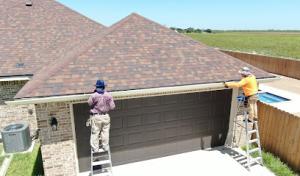
Builders Edge is privately owned and operated right here in McAllen, so our focus and priority will always be our family and communities of the Rio Grande Valley. Builders Edge - "Roofing Done Right"
Skyline Quality Roofing
(956) 478-2162 toniasyfrett0.wixsite.com
1008 Canton Rd, Donna, Texas
5.0 from 5 reviews
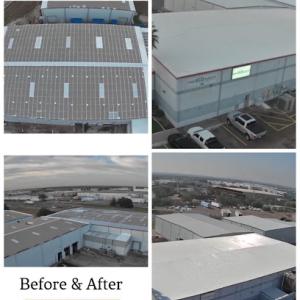
Commercial Roofing- Shingles- Roof Repairs- Roof Washing and maintenance
Cordova Roofing company
7406 Armando Ave, Donna, Texas
5.0 from 3 reviews
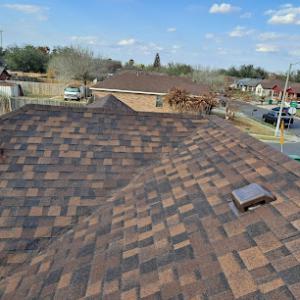
Instalamos TPO Roofing, Duro Last roof, Shingler y metal. Contactanos por numero de telefono, email, o visite nuestra pagina web para estimar un precio por nuestros servicios.

Bison Roofing
(956) 467-0084 www.bisonroofing.net
Serving
4.9 from 347 reviews
Bison Roofing, a family-owned business proudly operating in the Rio Grande Valley since 2004, consistently delivers craftsmanship of the highest standard in roofing installations and maintenance. Comprised of a team of certified experts committed to excellence, they specialize in repairs, replacements, and metal roofing, guaranteeing the highest level of customer satisfaction. Bison Roofing has earned recognition as one of the highest-rated contractors, setting the benchmark for integrity and exceptional service in McAllen, Texas, and the surrounding communities. The Rio Grande Valley's Best Roofing Company!
Above Quality Roofing
(956) 578-7427 www.abovequalityroofing.com
Serving
4.9 from 51 reviews
Above Quality Roofing has provided exceptional service in San Juan since 2009. Their team of skilled professionals specializes in comprehensive roofing solutions, including new installations, repairs, and maintenance. They also offer a variety of services to enhance and protect your home, from expert painting and gutter services to reliable waterproofing and water damage restoration. With a commitment to quality and a customer-focused approach, Above Quality Roofing ensures your project is handled with professionalism and care, providing a seamless and satisfying experience from start to finish.

Frontline Home Solutions
(956) 261-5712 www.yourfrontline.com
Serving
4.7 from 433 reviews
At Frontline Home Solutions, we specialize in providing expert residential and commercial roofing services, roof repairs, and energy-efficient solutions across the Rio Grande Valley. Whether you're dealing with storm damage, age-related roof deterioration, or looking to upgrade your home, our experienced team is here to help. We also offer spray foam insulation to improve energy efficiency and comfort. With over 30 years of local expertise, we pride ourselves on delivering exceptional customer service, high-quality products, and flexible financing options. From roofing and storm damage assistance to spray foam insulation and home energy upgrades, Frontline is your trusted partner for all your home improvement needs.

Marva Roofing
(956) 217-9989 marvaroofing.com
Serving
4.8 from 172 reviews
Established in 2013, Marva Roofing has become a trusted name in the Rio Grande Valley. Specializing in residential and commercial roofing, this expert team also offers comprehensive siding and gutter services. They provide a full range of solutions, including asphalt shingle and metal roofing, as well as essential roof repair. Marva Roofing is dedicated to delivering quality craftsmanship and building lasting relationships, ensuring every home and business receives superior care and exceptional results.
Pro Valley Roofs
(956) 596-6321 www.provalleyroofs.com
Serving
5.0 from 56 reviews
At ProValleyRoofs, we are committed to providing top-tier roofing solutions to residents and businesses across the entire Valley region. With a focus on quality craftsmanship, exceptional customer service, and innovative roofing techniques, we stand as the premier choice for all your roofing needs. Our Services: From roof repairs to complete roof installations, our skilled team of roofing experts possesses the experience and expertise necessary to tackle projects of any scale. Whether you're dealing with leaks, damaged shingles, or simply seeking to enhance your property's curb appeal, we've got you covered.
ClaimSmith
(956) 532-2812 claimsmithrgv.com
Serving
5.0 from 16 reviews
Protect your largest investment with our reliable roofing services. We are a locally owned and operated roofing company currently serving Weslaco, TX and surrounding communities. If you want to make your roof last as long as possible, it is vital that you never put off a roof repair. Small issues with roofing become big issues in a hurry. No matter how major or minor the repair you need, we are here to help. We offer residential roofing services, roof installation, and roof replacement.

TADCO Roofing & Waterproofing
(956) 961-4736 tadcoroofing.com
Serving
5.0 from 14 reviews
Commercial roofing, re-roofing, inspections and repairs.

McAllen Valley Roofing
(956) 672-7725 www.edinburg-roofing.com
Serving
5.0 from 64 reviews
McAllen Valley Roofing is Edinburg’s trusted expert in shingle, metal, tile, and flat roofing for both residential and commercial properties. We specialize in storm damage restoration, roof replacements, insurance claims, and leak repairs—backed by strong warranties and certified crews. Our team proudly serves Edinburg, Falfurrias, Brooks, Cameron, Willacy, Starbase, Hidalgo, Kenedy, Jim Wells, and Starr counties. Whether you need a cool roof system for your business or tile roofing for your home, we deliver quality workmanship and peace of mind. Call today for a free inspection from a roofer you can trust.
Texas Damage Consultants Roofing & Insurance Claims
(956) 358-4000 texasdamageconsultants.com
Serving
5.0 from 62 reviews
As a trusted Edinburg roofing company and damage consultants, we strive on protecting your interests by making a comprehensive assessment of your damages, and assisting you in getting you what you are entitled to from your insurance company. We are a roofing company that is certified with many shingle manufacturers. We are the best Edinburg Roofing c Texas Damage Consultants, LLC provides you with the peace of mind that comes with knowing that you have experts to support your claim. Our expert Edinburg roofers will conduct a complete evaluation of your roof, analyze the damage to it, and then document the full extent of your loss. We will compile not only photographic evidence, but also bring in outside experts to help support your claim.
When planning a full roof replacement, expect the permit process to be handled through the City of Donna Building Department rather than treated as informal maintenance. The city's approach reflects the local climate, the variety of housing stock, and the emphasis on safe, long-lasting work. A permit package typically includes drawings or specifications, material types, and a project timeline. Working with a local contractor who understands the Donna-area nuances helps keep the submission smooth and minimizes delays caused by incomplete documentation. If the project involves any structural changes or underlayment upgrades, be prepared for additional checks as part of the permit review.
Donna's inspection flow commonly includes rough-in and final inspections, which affects how contractors stage tear-off, dry-in, and completion. Rough-in inspections look for proper sheathing, nailing patterns, and ventilation considerations before the new roof is sealed up. The final inspection confirms that all components meet the required standards and that the roof installation aligns with wind resistance and energy code expectations. Because inspections are sequenced, communication with the contractor is key: ensure that tear-off is organized to avoid re-entering the attic or living spaces more than necessary, and confirm that the dry-in phase is weather-tight so the home remains protected during hot, gusty days. The timing of inspections can influence the project's weather window, so plan around predicted heat spikes and storm potential.
Depending on project scope, homeowners may encounter requests tied to wind mitigation documentation or energy code compliance during the city review process. Wind-related documentation can include details about fastener schedules, roof deck attachments, and shingle or tile wind ratings, which matter in a hail-prone, hot climate. Energy code considerations may prompt verification of radiant barrier installation or attic insulation levels for the finished assembly. It helps to have a knowledgeable contractor who anticipates these requests and prepares the necessary paperwork upfront, reducing the risk of hold-ups during the review. Clear communication with the building department, your contractor, and any inspectors is the best path to keep the project moving smoothly through Donna's permit and inspection workflow.
Donna sits in a high-claim regional environment where hail and wind losses are common enough to influence both underwriting scrutiny and post-storm documentation expectations. When a severe storm rolls through, your roof becomes the focal point of attention for adjusters who are juggling dozens of damaged homes in a short window. You may notice that the pace of conversations with your insurer slows as they sort through a backlog of claims, photos, and contractor notes. The result can feel frustrating, but it's a reality that shapes how quickly a resolution can move.
Insurers in this market may closely review roof age, prior repairs, and pre-loss condition photos after severe weather before approving full replacement. If your roof shows its age, or if previous repairs look patchy, a full replacement can face extra scrutiny or a higher likelihood of partial approval. Having clear, dated photos from before the storm helps, but be prepared for questions about the roof's history. Documentation isn't just a one-time step; it becomes a conversation that can stretch out if details are lacking or if the adjuster needs more clarity on the roof's current condition.
Homeowners in Donna should expect that major storm periods can bring longer adjuster timelines and possible premium changes even when damage is legitimate. The heat intensifies the stress on claim offices and field adjusters, especially after hail events that leave many roofs with subtle signs of damage. You may be asked to provide contractor quotes, scope breakdowns, and timeline estimates. Keeping all records organized-photos, repair notes, and communication logs-helps you respond promptly without leaving gaps that slow the process.
Start with a concise roof history: when the last major repair occurred, what materials were used, and any known weak points. After a storm, document visible damage methodically and preserve all correspondence with the insurer. If you face delays, reach out through your insurer's preferred channel, and keep your contractor aligned with what the adjuster has approved so choices stay consistent. In this market, clarity and preparedness are your best allies against slow progress and shifting timelines.
In Donna, the summer heat and humidity can stress crews and affect how materials are staged and moved. You need a plan that protects shingles and decking from sun exposure during the hottest parts of the day. Start times should target early mornings, with a clear, shaded staging area for bundles and tools. On reroofs, keep a bonded dry-in crew ready to work when the sun shifts, so you avoid heat-related delays that bend or warp under hot tar paper and underlayment.
Donna's heat makes proper staging essential. Create a dedicated on-site dry-out zone that keeps moisture out of the attic and away from freshly installed underlayment. If possible, queue materials in a shaded area and bring only what's needed for the day. A same-day dry-in becomes more practical when crews can cut in vents and chimneys in cooler morning hours and seal the roof before the peak afternoon humidity hits. Weather-protecting tarps should be ready to shield decks during brief breaks for storm readiness.
Spring and late-summer showers arrive quickly, so ask how crews protect exposed decking when storms build fast. Establish a policy for moving supplies to a safe, covered space during sudden downpours and for quickly securing open edges if a gust fronts through. In practice, that means short daily goals, rapid covering of exposed areas, and back-to-back shifts that minimize exposure time to wet conditions.
Because hurricane season runs from June through November, projects in this market require tighter sequencing to avoid mid-project stoppages during active weather periods. Coordinate critical steps-deck prep, underlayment, and initial shingle or tile installation-in compact windows, with contingency rain plans and clear handoffs between crews so a single storm doesn't stall progress for days. In Donna, that disciplined cadence helps keep projects moving when the skies roil.
Although pitched residential roofs dominate locally, a meaningful niche exists for flat and low-slope jobs tied to commercial buildings and some residential additions. You'll notice that many nearby contractors juggle both categories, especially on mixed-use properties or older commercial conversions. When you're evaluating a low-slope project, look for a crew with recent experience on similar assemblies, because the details-drainage, seam integrity, and substrate condition-drive performance in the Rio Grande Valley heat.
Roof coating appears as a smaller but active specialty in this market, suggesting some owners are considering restoration paths instead of immediate full replacement on suitable low-slope assemblies. A quality elastomeric or silicone coating can extend life on properly prepared decks, but not all low-slope roofs tolerate coatings. Pay attention to substrate cleanliness, prior penetrations, and the coating's UV stability. In hot weather, reflective coatings can reduce surface heat gain and curb expansion-related issues around seams and fasteners.
You'll want a clear assessment of the current deck condition, membrane type, and the specific climate stresses-heat, hail, and wind cycles-that drive degradation in Donna. For coatings, expect a comprehensive prep plan: cleaning, sealing cracks, and addressing ridges and penetrations. For any low-slope option, insist on a written warranty that covers both the membrane and workmanship, and confirm the coating system aligns with the substrate, slope, and anticipated roof life in this market.
This section matters in Donna because the local contractor base is not purely shingle-focused; many firms also handle re-roofing across mixed residential and commercial property types. When selecting a team, prioritize those who can document successful low-slope projects nearby, provide a realistic maintenance plan, and offer guidance on whether a restoration path or a full re-roof best suits your long-term needs in hot-weather conditions.
Find specialists in TPO, EPDM, and built-up flat roofing systems for residential and commercial properties.

XYZ Roofing & Restorations
(956) 230-2259 xyzroofingandrestorations.com
Serving
4.9 from 213 reviews