Last updated: Apr 19, 2026
Harlingen sits in the Lower Rio Grande Valley, where June through October brings the city's highest wind-driven rain and tropical storm exposure. The roof you rely on year-round is continuously tested by heat, humidity, and the Gulf's storm tracks. In this window, shingles, underlayment, and fasteners see the most stress, and a single well-timed event can drive major damage. The risk is not hypothetical: a fast-moving gust can peel material, lift panels, or drive water into vulnerable seam areas. This section focuses on how to recognize, prepare for, and respond to those threats with your roof in mind.
Roof work in this market shifts with the calendar. Active storm tracks can delay tear-offs, dry-in, and final inspections, and even a short hurricane warning can halt progress for essential safety checks. If you plan a reroof during the peak season, expect backup timelines and tighter labor windows. Preplanning matters: book crews early, lock in weather windows, and build a contingency into milestones. When a storm warning hits, immediate post-storm action becomes the priority for protecting the interior and documenting the roof's condition for insurers and your contractor.
Coastal Texas insurers place strong weight on wind and hail evidence, particularly after a storm. You will need pre-storm roof photos that show the roof's condition before any damage, plus thorough post-storm documentation if damage occurs. This is not optional paperwork-it's a practical, required record for filing and validating wind-related claims. Take clear, dated photos from multiple angles: the entire roof plane, hips and ridges, flashings around vents, and any existing damage like lifted shingles or lifted sealant. Use a wide timestamped shot from the street and indoor shots of attic spaces or ceilings that reveal signs of water intrusion. If you have a drone, use it to capture roof edges and eaves that are hard to reach from ground level. Keep these files organized by date and weather event. Share them with your contractor and your insurer promptly after a storm, along with notes on any observed movement, leaks, or wind-driven debris.
Create a simple pre-storm folder on your phone or computer with recent roof photos, a digital inventory of roof components (shingles, flashing, vents, and gutters), and a contact list for trusted local roofers who understand Harlingen's wind and moisture dynamics. After a storm, do not delay documenting new damage; a rapid photo log helps avoid disputes about what existed before the event. If shingles show edge lift, granule loss, or exposed underlayment, flag those areas for priority attention. In preparation for eventual reroofing, discuss wind-resistance upgrades with your contractor-seam tape, upgraded underlayment, and fastener patterns that perform under higher wind speeds common to this coastally influenced climate. If you notice recurring leaks after storms, treat those zones as high-priority repairs to minimize interior damage while pursuing a larger, wind-resilient solution.
XYZ Roofing & Restorations Harlingen
(956) 230-2259 xyzrestorations.com
1322 E Tyler Ave, Harlingen, Texas
5.0 from 162 reviews
XYZ Roofing and Restorations is a locally trusted roofing company in Harlingen, TX, providing same-day roof repair, roof replacement, and 24/7 emergency roofing. We’re hail & storm-damage specialists offering free roof inspections, photo reports, and insurance-claim assistance. Owens Corning Platinum Preferred; licensed & insured crews installing shingle, metal, and flat/TPO systems for homes and businesses. Financing available. Serving Harlingen, San Benito, Los Fresnos, Weslaco, Brownsville and nearby RGV communities.
Texas Roofing & Construction
Harlingen, TX
5.0 from 73 reviews
Elite Roofing & Construction is Texas's leading Roofing & Home repair company. Call us today for a FREE Roofing inspection.
Castillo Roofing
(956) 264-2477 www.castillotx.com
3201 S Expressway 83 Suite D, Harlingen, Texas
4.9 from 163 reviews
Castillo Roofing provides quality roofing services for the Rio Grande Valley. Our experienced team will guide you through the process of choosing the right roof system. We provide in house insurance claims support and same day 0% Financing Approval on new roofs. Proudly serving Harlingen, McAllen, South Padre Island, and Brownsville. Contact us today for a free inspection report!
RCJ Roofing & Construction
(956) 535-0117 rcjroofingcontractors.com
29197 Abel Q Ave, Harlingen, Texas
5.0 from 36 reviews
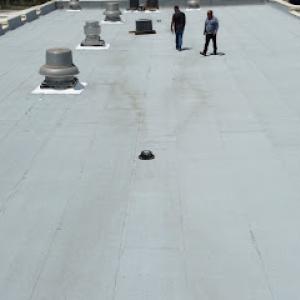
RCJ Roofing & Construction is a commerial roofing contractor serving the Rio Grande Valley, including Mcallen, Harlingen, Brownsville, Weslaco, Mission & Edinburg. We specialize in commercial roof replacements and commercial roof repairs, featuring commercial flat roof systems such as TPO, Modified bitumen, silicone roof coatings, standing seam metal roofs. We work with commercial property managers, school districts, churches, industrial facilities, warehouses & retail centers. In addition to roofing, we provide select commercial remodeling & renovations services for existing facilities, delivering professional project management, safety compliance, and reliable scheduling to finish your project on time and on budget.
Honest Abe Roofing Rio Grande Valley
(956) 253-4271 honestaberoofing.com
5001 Logans Run Cir suite a, Harlingen, Texas
4.8 from 95 reviews
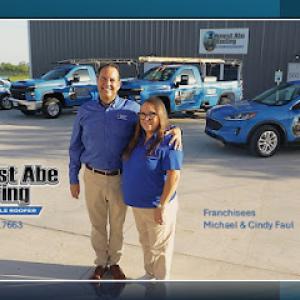
Honest Abe Roofing has been installing, repairing, and maintaining residential roofs since 2007. It is our goal to bring a customer service focus to the roofing industry. We are aware that we are providing a very important and necessary service to many homes, so we work incredibly hard to provide the best possible roofing at the most competitive pricing. All of our customers are very important to us, and we want to give them a perfect roof to protect their home and keep them comfortable. Each of our professionals is fully certified and has passed extensive background checks and drug tests, so you can rest easy knowing you have a completely reliable team of experts working on your home.
Monarch Roofing & Construction LLC. Veteran owned & operated.
(956) 403-9722 www.monarchroofingconstruction.com
Harlingen, TX
5.0 from 23 reviews
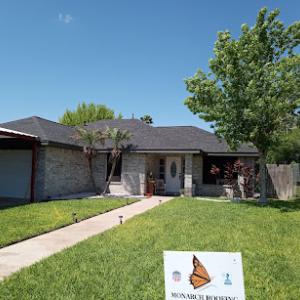
Monarch Roofing specializes in roofing. From residential to commercial and everything in between. We are a local veteran own and operated business.
F1 Roofing & Remodeling Zero Down Payment
315 E Jackson Ave #5, Harlingen, Texas
4.8 from 72 reviews
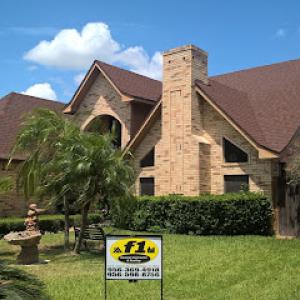
Roofing & Remodeling Financing. (956) 369-4918 Google Guaranteed . Zero Down Payment A+ Better Business Bureau Company.(956) 369-4918
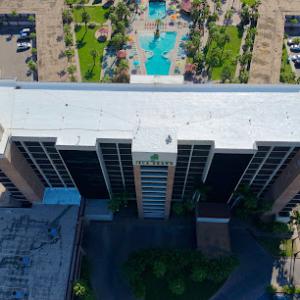
Texas Platinum Roofing & Restoration
(956) 564-9006 txplatinumroofingrestoration.com
1322 E Harrison Ave, Harlingen, Texas
4.2 from 33 reviews
At Texas Platinum Roofing & Restoration, we are a family-owned business that takes pride in giving the best service and dedication to complete customer satisfaction, we don't stop short when your expectations are on the line. We are licensed, bonded, certified and Owens Corning Preferred Contractor and roofing company serving all of the Rio Grande Valley. We can complete any roof service for your residential or commercial property. Including leaks, roof repair and, roof replacement. We also offer insurance claim assistance. Texas Platinum Roofing & Restoration also specializes in exterior services like siding, windows, and gutters. We excel at making sure your home looks the way you want it, and more!
Rio Roofing
(956) 423-3359 rioroofinginc.com
22452 US-77, Harlingen, Texas
4.5 from 8 reviews
If you’re looking for a roofing company with decades of experience and commitment to professionalism, we’re glad you’ve found Rio Roofing, Inc. Whether you need SBS and Modified Bitumen Roofing, TPO/PVC Membrane Roofing, Standing Seam Metal Roofing & Wall Panel, or Metal Fabrication, you can trust Rio Roofing, Inc. to deliver the highest quality from beginning to end.
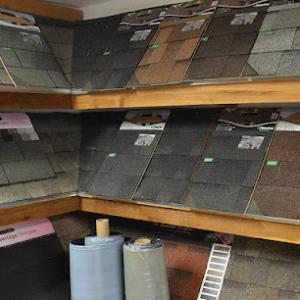
Cerda Roofing & Remodeling
(956) 423-1367 www.cerdaroofing.com
802 S Commerce St, Harlingen, Texas
3.4 from 15 reviews
At Cerda Roofing & Remodeling we have an affordable solution for all of your roofing needs. Cerda Roofing & Remodeling has been serving the Rio Grande Valley Since 1975, and is the Valley’s preferred contractor.
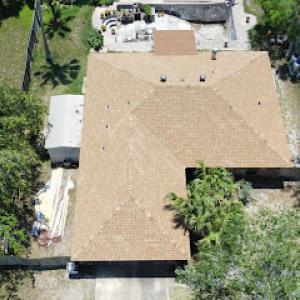
Reyna Roofing & Contracting
(956) 525-3088 www.reynaroofingandcontracting.com
Harlingen, Texas
5.0 from 1 review
Reyna Roofing & Contracting tackles a wide range of residential and commercial projects, from roof repair and replacement to electrical, HVAC, and remodeling services. Their expertise ensures a comprehensive approach to your property's needs.

Ego Claims & Construction
(956) 465-0386 www.egoclaimsconstruction.com
6710 W Expy 83, Harlingen, Texas
5.0 from 1 review
Our company model is “Helping one family @ a time”. If it’s assisting our clients with their insurance claim. To restoring our clients homes to pre storm condition. Or if it’s acquiring clients a low APR interest rate & eliminating their electric bill that will pay for their self sufficient, GAF nailable solar roof, solar heated pool, generac generator, custom home on the lot of their choice in 20 yrs. Saving our clients 10k a yr on intrest w/ a 4.6% fixed APR & 6k a yr ($500 a month) from eliminating their electric bill. In 20 yrs EGO CLAIMS & CONSTRUCTION will save our clients $320k!! The EGO CUSTOM HOME literally pays for itself. Ask about our Frontline Heros Program that pays the first 6 months of our FRONTLINE HERO’S MORTGAGE. FHA
Harlingen's hot, humid climate makes the drier, cooler months the preferred window for full roof replacement. If you plan ahead, you can align the project with the calmer part of hurricane season and minimize exposure to peak heat. In practical terms, schedule reroof work for late fall or early winter, when daytime temperatures are cooler and your crew can work more steadily without the risk of heat-related slowdowns. This timing also reduces the chances of heat-related damage to exposed decking and underlayment, which helps avoid delays caused by material distortion or worker fatigue.
Extreme summer heat in the Rio Grande Valley affects shingle handling, crew productivity, and how long exposed decking can safely remain open during a reroof. Plan for shorter daily shifts if you must roof in late spring or midsummer, and stack tasks so that the most heat-sensitive steps-like installing underlayment and drip edge-are completed during the cooler parts of the day. Use shade canopies, cooling breaks, and frequent hydration to keep crew momentum steady without compromising safety or material performance. If the project drags into hot mid-afternoon hours, consider pausing for a cool-down and resuming after the sun lowers its intensity.
Frequent Gulf Coast thunderstorms and humidity in Harlingen make moisture control during underlayment installation more important than in drier inland Texas markets. Start with a thorough roof deck inspection to identify any soft or warped boards, signs of previous moisture intrusion, or hidden damage. Replace any compromised decking before laying underlayment. Use a high-quality, breathable underlayment and ensure all seams are properly sealed, especially around penetrations and along eaves. Tape or seal joints where moisture intrusion is most likely, and verify that roof-to-wall transitions are flashed with attention to preventing capillary moisture flow. In this climate, lag screws or fasteners should be driven to secure the underlayment without overdriving, which can warp the decking and create future gaps.
The lead topic centers on hurricane-season resilience and insurance documentation. In practice, choose materials and fasteners rated for high wind zones common to the Gulf Coast. For asphalt or synthetic shingles, specify a wind rating that exceeds local wind-event expectations, and verify that all ridge and hip details are mechanically fastened. For tile or metal, ensure fastener patterns account for uplifting forces and that openings around chimneys, vents, and skylights are properly flashed. Document fastener type, pattern, and warranty coverage for insurance records, keeping a clear log of material brands, batch numbers, and supplier details. When possible, coordinate the reroof with a professional who can provide a detailed wind-resistance report that aligns with the insurer's documentation expectations. This creates a smoother post-storm claim path if wind damage occurs later in the season.
Asphalt shingles are common in Harlingen, but the city's heat, humidity, and storm exposure can shorten service life compared with milder inland climates. When choosing asphalt in this area, prioritize reinforced warranties and impact-resistant options that can better stand up to gusts and blowing debris. Keep in mind that high heat accelerates aging: look for shingles with good UV resistance and a reflective or laminated profile that reduces heat buildup on the attic side. A well-sealed, properly vented roof system helps prevent blistering and premature granule loss, while high-quality underlayment beneath the shingles adds a crucial layer of protection against driving rain from tropical systems. For asphalt, you'll want to verify nail patterns and ensure fasteners penetrate solid decking; improper nailing is a frequent point of failure after a heavy storm.
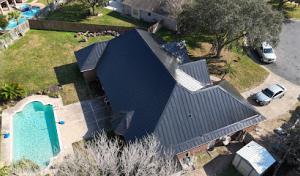
Metal roofing is especially relevant in the contractor market where wind resistance is prioritized. In this region, metal panels with standing-seam or concealed-fastener designs can offer excellent wind uplift resistance and lower maintenance when compared with some tile options. Look for systems rated for higher wind speeds and confirm that the fasteners are corrosion-resistant and have proper sealants at seams and penetrations. A continuous underlayment under metal reduces the chance of moisture intrusion during heavy rain, and careful edge detailing helps prevent wind-driven water from sneaking under the eaves. If a metal roof is chosen, consider color and finish with heat-reflective coatings to mitigate attic heat transfer and extend the life of interior components. Routine clearance around vents and debris is easier with metal, but gutters and downspouts must be kept free of leaves and sand that accumulate during storm season.
Clay and concrete tile appear in South Texas architecture, but in Harlingen they require attention to fastening, underlayment durability, and structural load before replacement. Tiles are aesthetically pleasing and durable when properly installed, yet they are heavy and can crack from impacts or improper fastening in high winds. Ensure the roof structure is assessed for the extra load of tile and that fasteners are corrosion-resistant and installed per manufacturer guidelines for coastal exposure. Underlayment should be a high-quality, water-tight membrane designed to withstand heat and humidity, coupled with sealant components at roof penetrations. Tile roofs benefit from periodic screw-fastener checks and routine inspection after storms to spot any loose or cracked tiles before water intrusion advances.
In this climate, matching the materials to the local conditions matters as much as the initial installation. Pay attention to ventilation, insulation, and attic airflow, since heat and humidity magnify roof deck stresses. Inspections after hurricane-season events should focus on fasteners, underlayment integrity, flashing at dormers and chimneys, and any signs of uplift or moisture intrusion. For all material types, a thorough, proactive approach to maintenance-especially around coastal branches of storms-helps preserve performance and extend the roof's life in this challenging environment.
The local market for roofing materials follows clear ranges you'll see quoted by contractors across the Lower Rio Grande Valley. Asphalt Shingles run roughly from 320 to 690 USD per square, metal from 520 to 1100 USD per square, clay tile from 900 to 1700 USD per square, concrete tile from 800 to 1400 USD per square, wood shingles or shakes from 600 to 1000 USD per square, and synthetic or composite shingles from 550 to 950 USD per square. These figures reflect Harlingen's climate, year-round heat, high humidity, and the mix of homes that demand different aesthetic and performance profiles. When you get bids, expect the higher end if you're choosing a wind-rated system or a tile option, and the lower end if the project stays with standard underlayment and basic wind resilience.
Reroof pricing can rise after tropical storms when regional demand surges across the Lower Rio Grande Valley and contractor schedules tighten. In practice, that means if you're planning a late-season project or responding to a storm's impact, you may see tighter crews and higher mobilization costs. If timing is flexible, you'll often secure better scheduling and a steadier price by choosing a shoulder period between the peak storm season and the spring surge. For Harlingen homes, where heat and humidity stress underlayment and roof decks, securing a crew with proven wind-resistance experience helps prevent delays and rework once the storm season hits.
Costs in this market are shaped by wind-rated upgrade choices, underlayment quality for humid conditions, and whether the project needs documentation that satisfies insurer wind-mitigation expectations. A wind-rated roof upgrade, especially for metal and tile, can push the price toward the higher end of the ranges. High-quality underlayment designed for humidity helps prevent leaks and rot, which matters in this climate. If your insurer requires specific wind-m mitigation documentation, you'll want to factor in the time and cost to obtain the necessary tests or documentation as part of the project scope.
When choosing material, weigh not only the up-front price but the long-term performance in humidity, heat, and wind. Clay and concrete tiles offer excellent durability but come with heavier decking needs and longer installation times. Metal roofs deliver robust wind resistance and faster installation but can cost more upfront and may require additional insulation considerations. Asphalt remains a common, cost-conscious choice with decent wind performance when installed with a proper nailing pattern and good underlayment. For homes with insurance-driven documentation needs, plan a scope that includes wind-mitigation features and a clear plan for the required paperwork.
Don't let upfront costs delay a critical repair - these contractors offer payment plans to fit your budget.
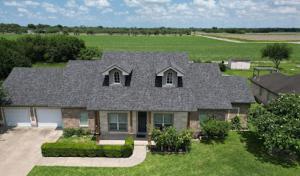
XYZ Roofing & Restorations Harlingen
(956) 230-2259 xyzrestorations.com
1322 E Tyler Ave, Harlingen, Texas
5.0 from 162 reviews
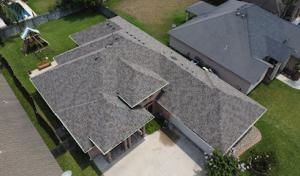
Castillo Roofing
(956) 264-2477 www.castillotx.com
3201 S Expressway 83 Suite D, Harlingen, Texas
4.9 from 163 reviews
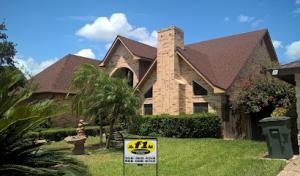
F1 Roofing & Remodeling Zero Down Payment
315 E Jackson Ave #5, Harlingen, Texas
4.8 from 72 reviews
Full reroofs in Harlingen generally require a permit through the City of Harlingen Building Department. This means that any change to the roof covering on a home, including full replacement, triggers an official review process to ensure the work meets local codes and safety standards. Even if the project seems straightforward, obtaining a permit helps protect the homeowner from future insurance and code-compliance issues. The permitting steps are designed to align with the Gulf Coast climate realities, especially where hurricane-season wind and rain can stress roof assemblies.
Standard single-family reroofs in Harlingen usually have limited plan review, but the city still requires permit issuance and inspection sign-off. The plan review, when applicable, focuses on the chosen roofing system's compatibility with existing structure, underlayment, ventilation, and attic access. You'll typically submit a simple scope of work, material choices, and any flashing or vent upgrades. If the project is straightforward, the plan review won't entail lengthy scrutiny, but the permit must be active and approved before work begins.
Harlingen reroof inspections typically include a rough stage focused on underlayment and venting, followed by a final inspection after completion. The rough inspection checks that the new underlayment is correctly installed, that roof sheathing is sound, and that eave and ridge ventilation are correctly planned and installed to manage heat and humidity. This early checkpoint is especially important in the Lower Rio Grande Valley, where moisture control helps prevent long-term interior issues. The final inspection confirms that the roofing system, flashing, and gutters are properly installed and that all penetrations are sealed against wind-driven rain.
Prepare copies of contractor licenses, proof of insurance, and the project address with the scope of work. Have product specifications on hand, including underlayment type, venting plan, and fastening methods. The city requires inspections to be scheduled and passed, so you'll want to plan around the rough-in and final inspection windows. Expect the inspector to verify code compliance for wind resistance, roof geometry, and proper attachment to the existing framing, as these items are critical for both safety and insurance documentation.
Coordinate with the roofing crew to align delivery of materials with the inspection schedule, and ensure that access to the attic and roof is clear on inspection days. Missing an inspection window can delay the project, so mark the rough-in and final dates in a calendar and communicate any weather-related delays to the Building Department promptly. A careful handshake between contractor, inspector, and homeowner helps keep the permit process smooth, especially during hurricane season when timely documentation matters for insurance and future claims.
This coastal Texas insurance environment carries elevated wind and hail claim activity, and roofing decisions should be made with that realistic pressure in mind. When a storm rolls in off the Gulf, the way a roof is documented-what is installed, when, and how it was inspected-can influence underwriting decisions years later. A reroof that looks careless on paper may complicate a claim long after the shingles have cooled.
Some reroofs trigger wind mitigation documentation that matters for insurance compliance and underwriting. If a project touches on attic structure, roof deck, or fastener patterns, expect a closer look from adjusters and carriers. Missing or incomplete mitigation details can stall claim handling or reduce coverage clarity after a wind event, even if the roof is performing well.
Homeowners benefit from keeping permit records, inspection approvals, dated photos, and product information because insurers in storm-affected markets may scrutinize reroof files more closely. A well-organized file demonstrates diligence and provides a clear trail from purchase to installation. When a claim arises after a hurricane or severe thunderstorm, those documents help verify details and speed the process.
Create a simple, consistent photo log from prep through completion, with noted dates and key materials. Save any product spec sheets and manufacturer installation guides in a dedicated folder. If an inspector signs off, request a copy of the report and keep it alongside the project records. In the big picture, solid documentation reduces ambiguity and supports a steadier claim path when a storm test comes.
Connect with contractors who help homeowners navigate the claims process from damage assessment to final approval.
XYZ Roofing & Restorations Harlingen
(956) 230-2259 xyzrestorations.com
1322 E Tyler Ave, Harlingen, Texas
5.0 from 162 reviews
Castillo Roofing
(956) 264-2477 www.castillotx.com
3201 S Expressway 83 Suite D, Harlingen, Texas
4.9 from 163 reviews
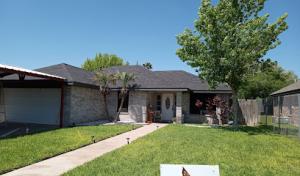
Monarch Roofing & Construction LLC. Veteran owned & operated.
(956) 403-9722 www.monarchroofingconstruction.com
Harlingen, TX
5.0 from 23 reviews
In Harlingen, repeated wind-driven rain can expose weaknesses at ridges, valleys, flashing transitions, and roof penetrations even when the main field looks intact from the ground. The heat and wind patterns can push moisture under seams you can't see from the yard, so failures often show up as slow leaks around vent pipes, skylights, and where two planes meet. If a storm rattles loose shingles or shifts a metal seam, that damage can spread quickly in a way that feels minor at first but becomes a bigger patching job later. The practical consequence is that small gaps become pockets for water intrusion during the next gust, so addressing real deterioration early saves bigger headaches down the line.
High humidity in the Lower Rio Grande Valley increases the importance of attic ventilation and dry-in details because trapped moisture can worsen decking and underlayment problems. Poor attic airflow creates condensation that rots decking and softens sheathing, especially after hot afternoons when cool nights drop moisture out of the air. Before reroofing or patching, verify soffit and eave vents, ridge vents, and proper baffle setup. If attic moisture indicators are present-stains, musty smells, or warped boards-tackle those issues alongside the roof to prevent premature failure of the new materials.
After storms, homeowners often need fast leak control before a full scope is approved, which is why emergency response is a visible part of the local roofing market. You may see urgent tarps, temporary sealing, or quick-fix vent boot replacements as crews prioritize stopping active leaks. Those rapid repairs are essential stopgaps, but they should align with a solid assessment of underlying causes-otherwise temporary fixes can mask deeper failures at flashing, transitions, or damaged decking that resurface after the next storm.
When you can't wait, these contractors offer fast response times to stop leaks and prevent further damage.
XYZ Roofing & Restorations Harlingen
(956) 230-2259 xyzrestorations.com
1322 E Tyler Ave, Harlingen, Texas
5.0 from 162 reviews
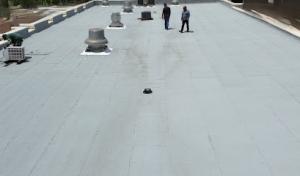
In Harlingen, the mix of residential and commercial roofs means low-slope systems are common, and drainage control matters during heavy Gulf Coast rain events. When choosing materials, focus on surfaces that shed water efficiently and resist surface ponding long enough to start drying out between downpours. The Gulf humidity and heat intensify surface aging, so a low-slope design that prioritizes slope, nailing patterns, and seam integrity pays off over time.
Roof coatings have an active niche in this market, reflecting homeowner and building-owner interest in extending service life under intense South Texas sun. A coating with flexible membrane properties can adapt to temperature swings and joint movement, while providing reflective benefits to reduce heat gain. For the underlying substrate, consider systems that maintain watertight integrity even if a storm pushes wind-driven rain across the roof. In humid conditions, choose products with proven cure profiles that tolerate daily dew and afternoon thunderstorms without softening or blistering.
On low-slope roofs, moisture management is especially important because humidity and thunderstorms can complicate surface prep and cure conditions. Prior to any coating or membrane install, ensure the deck is dry, clean, and free of efflorescence, algae, and loose granules. Use a dehumidified dry-out window if the weather turns humid during the installation. Seal all penetrations thoroughly and verify slope continuity across transitions to parapets and edge details. Pay attention to edge metal and terminations, as improper flashing can become a common moisture path in these climates.
Select a system that incorporates reinforced seams and a clearly defined curbing strategy at penetrations to guard against wind-driven water. When possible, install a venting or breathable underlayment layer to manage interior humidity buildup during cure. Schedule installations for drier days when possible, and coordinate with an installer who understands how Gulf storms can destabilize surface prep. Proper conditioning and cure are essential to long-term performance on a Harlingen roof.
Find specialists in TPO, EPDM, and built-up flat roofing systems for residential and commercial properties.
XYZ Roofing & Restorations Harlingen
(956) 230-2259 xyzrestorations.com
1322 E Tyler Ave, Harlingen, Texas
5.0 from 162 reviews
RCJ Roofing & Construction
(956) 535-0117 rcjroofingcontractors.com
29197 Abel Q Ave, Harlingen, Texas
5.0 from 36 reviews