
Last updated: Apr 19, 2026
In the Rio Grande Valley, spring hail and strong wind events are the trigger points for roof inspections, spot repairs, and full replacements. A small dented shingle or loosened flashing can become a headline problem after a sudden thunderstorm or a tropical system passes through. Late summer into early fall brings tropical-system rain and wind exposure that can turn minor flashing or shingle failures into interior leak events quickly. If you notice granule loss, popped nails, lifted edges, or water marks on ceilings after a storm, treat it as an urgent call to action rather than a cosmetic issue.
After a hail or wind event, you should perform a targeted check of the roof and the most vulnerable interior spaces. Climb only if it's safe and you have a sturdy ladder; otherwise, call a professional. Look for lifted or torn shingles, bare patches, cracked seals around vents, and any signs of moisture in the attic, especially near vents and chimneys. If rain is forecast again or you've just had a downpour, arrange temporary tarping or quick field repairs to stop additional water intrusion. Document these findings with clear notes and time-stamped photos from multiple angles, including shots of any hail marks and leaning or displaced flashing.
Local claim activity is driven by Valley hail and wind losses, and carriers commonly expect photo documentation, a detailed scope, and contractor estimates before agreeing on repair versus replacement. Build your package with photos showing the roof surface, flashing, and interior water intrusion, plus a simple annotated diagram of problem areas and the date of the storm that caused them. A detailed scope should describe exactly what is damaged (shingles, underlayment, ventilation, fascia, decking) and what a repair or replacement would entail. Obtain two independent contractor estimates that outline material types, storm-related considerations, and the sequence of work, so the insurer can compare apples to apples.
Engage a local roofer who understands the typical housing stock in the area and the impact of Rio Grande Valley heat on materials. Share your storm timeline, photos, and notes with the insurer promptly. Ask for a digital inspection report that aligns with your photos, including a neutral assessment of whether components should be repaired or replaced. If an insurer questions the scope, provide the contractor's written explanation of how wind or hail damage affects the roofing layers beyond the visible surface. Expect questions about shingle type, underlayment, and flashing materials that are appropriate for the climate and the exposure you have endured.
In the weeks following a storm, track any new signs of water intrusion, discoloration, or musty smells that suggest hidden damage. Proactively scheduling a full roof assessment-especially before the next storm window-helps prevent interior leaks during the peak rain season. Choose materials with high impact resistance and favorable performance in heat and humidity, and ensure the warranty path is clear for hail and wind exposure. A proactive, well-documented claim package reduces back-and-forth with carriers and supports a faster, more accurate decision on repair versus replacement.
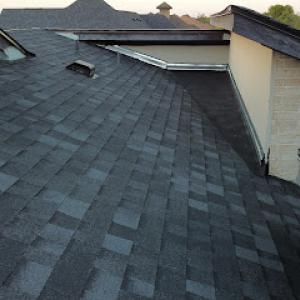
Pro Valley Roofs
(956) 596-6321 www.provalleyroofs.com
504 W Villa St, Pharr, Texas
5.0 from 56 reviews
At ProValleyRoofs, we are committed to providing top-tier roofing solutions to residents and businesses across the entire Valley region. With a focus on quality craftsmanship, exceptional customer service, and innovative roofing techniques, we stand as the premier choice for all your roofing needs. Our Services: From roof repairs to complete roof installations, our skilled team of roofing experts possesses the experience and expertise necessary to tackle projects of any scale. Whether you're dealing with leaks, damaged shingles, or simply seeking to enhance your property's curb appeal, we've got you covered.

Frontline Home Solutions
(956) 261-5712 www.yourfrontline.com
205 I-2, Pharr, Texas
4.7 from 433 reviews
At Frontline Home Solutions, we specialize in providing expert residential and commercial roofing services, roof repairs, and energy-efficient solutions across the Rio Grande Valley. Whether you're dealing with storm damage, age-related roof deterioration, or looking to upgrade your home, our experienced team is here to help. We also offer spray foam insulation to improve energy efficiency and comfort. With over 30 years of local expertise, we pride ourselves on delivering exceptional customer service, high-quality products, and flexible financing options. From roofing and storm damage assistance to spray foam insulation and home energy upgrades, Frontline is your trusted partner for all your home improvement needs.
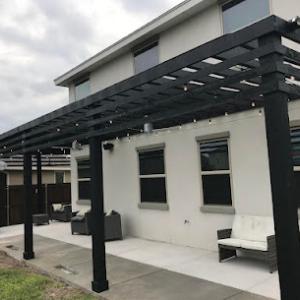
Advance Construction
(956) 631-7778 www.advanceconstruction.co
301 N Cage Blvd, Pharr, Texas
5.0 from 7 reviews
Advance Construction is a premier roofing and general contractor dedicated to serving the Pharr community with exceptional service. Our team of skilled professionals brings extensive expertise to every project, ensuring reliable and high-quality results. We pride ourselves on delivering outstanding craftsmanship and exceeding expectations on every job, from minor repairs to major renovations. Advance Construction is your trusted partner for all your construction and roofing needs, offering a steadfast commitment to quality and customer satisfaction.
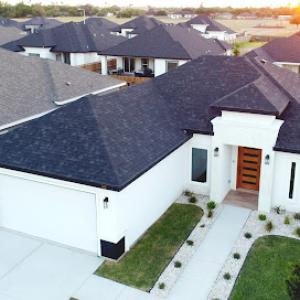
Zondo Roofing
(956) 562-9770 www.zondoroofing.com
121 E Park Ave Suite B, Pharr, Texas
5.0 from 7 reviews
Zondo Roofing provides great roofing services for both residential and commercial in Texas and the lower RGV. Specializing in metal roofing, roof repair, and commercial roofing solutions. Their team of experts ensures quality craftsmanship for installations, repairs, and inspections, providing peace of mind to homeowners and business owners.
Above Quality Roofing
(956) 578-7427 www.abovequalityroofing.com
Serving
4.9 from 51 reviews
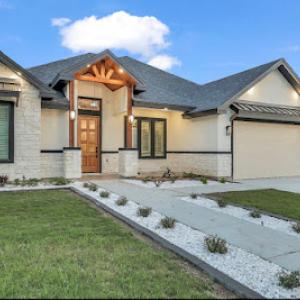
Above Quality Roofing has provided exceptional service in San Juan since 2009. Their team of skilled professionals specializes in comprehensive roofing solutions, including new installations, repairs, and maintenance. They also offer a variety of services to enhance and protect your home, from expert painting and gutter services to reliable waterproofing and water damage restoration. With a commitment to quality and a customer-focused approach, Above Quality Roofing ensures your project is handled with professionalism and care, providing a seamless and satisfying experience from start to finish.
Redline Roofing
(956) 867-7775 redlineroofing.weebly.com
Serving
5.0 from 15 reviews
At Redline Roofing, we specialize in providing top-quality roofing services to homes and businesses in McAllen, Texas, and surrounding areas. With years of experience and a commitment to excellence, we deliver reliable roofing solutions tailored to your needs. Our services include roof installation, repairs, maintenance, and inspections, using premium materials and the latest techniques to ensure durability and long-lasting performance. Whether you need a new roof or emergency repairs, our professional team is here to protect your property and enhance its value. Choose Redline Roofing for unmatched quality, transparent pricing, and outstanding customer service. Contact us today for a free estimate!

Almaraz Roofing
(956) 687-7663 almarazroofing.com
Serving
5.0 from 99 reviews
Almaraz Roofing is a family-owned and operated roofing company proudly serving the Rio Grande Valley. As a lifelong resident of the Valley, I understand the unique challenges our climate presents to homeowners. That's why I'm committed to providing high-quality roofing solutions that can withstand the test of time. We want to see you at HEB and talk chisme not stress about your roof.
Skyview Commercial Roofing
(956) 800-1623 www.skyviewroofingmcallen.com
Serving
4.8 from 16 reviews
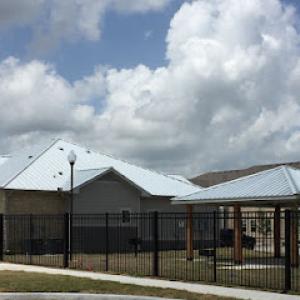
Skyview Commercial Roofing is a leading commercial roofing company based in McAllen, Texas, specializing in high-quality roofing solutions tailored to the unique climate challenges of the Rio Grande Valley. With years of experience, they offer a range of services including roof installations, repairs, and replacements using top-grade materials like TPO, PVC, and EPDM. Their commitment to excellence and customer satisfaction ensures durable, reliable roofing that protects your investments for years to come. For more details, visit their website.

Rilemar Roofing
(956) 420-0213 mcallen-roofing-service.us
Serving
5.0 from 13 reviews
Rilemar Roofing is a trusted McAllen roofing company, specializing in high-quality roof repairs, replacements, and installations. Our experienced team delivers durable roofing solutions for homes and businesses, ensuring long-lasting protection. We are committed to top-notch craftsmanship, reliability, and customer satisfaction. Whether you need a minor repair or a complete roof upgrade, trust Rilemar Roofing, your dependable McAllen roofing company. Contact us today!
Legacy Construction & Roofing
(956) 758-9048 www.legacyco.net
Serving
4.9 from 52 reviews
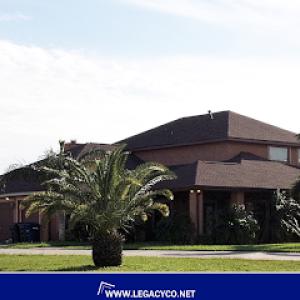
With A+Rating with the BBB Legacy Construction & Roofing has been committed to quality and customer service. Legacy Construction & Roofing is the premier general construction company specializing in property restoration and repair for storm-related damage. With over 5 years of experience working with residential and commercial property owners, we are honored to be the company of choice in servicing the regions of South Texas.

Bison Roofing
(956) 467-0084 www.bisonroofing.net
Serving
4.9 from 347 reviews
Bison Roofing, a family-owned business proudly operating in the Rio Grande Valley since 2004, consistently delivers craftsmanship of the highest standard in roofing installations and maintenance. Comprised of a team of certified experts committed to excellence, they specialize in repairs, replacements, and metal roofing, guaranteeing the highest level of customer satisfaction. Bison Roofing has earned recognition as one of the highest-rated contractors, setting the benchmark for integrity and exceptional service in McAllen, Texas, and the surrounding communities. The Rio Grande Valley's Best Roofing Company!

Bison Roofing - McAllen Roofing Company
(956) 320-7663 bisonroofing.net
Serving
5.0 from 13 reviews
Serving McAllen and the Rio Grande Valley since 2004, Bison Roofing is a locally owned and operated leader in residential and commercial roofing. As an Owens Corning Platinum Preferred Contractor, we bring over 20 years of hands-on experience to every project—from minor leak repairs and professional roof washing to full-scale replacements. We pride ourselves on transparent pricing, top-tier materials, and a commitment to protecting your home or business against the unique South Texas climate.
The dominant local material mix includes asphalt shingles, metal roofing, clay tile, concrete tile, wood shingles or shakes, and synthetic or composite shingles. Each brings different strengths and weaknesses when a Rio Grande Valley summer hits hard and hail season arrives. You can tailor choices to the stack of durability you expect from the attic to the roof edge. For instance, asphalt shingles are common and cost-efficient, but their heat aging is worth watching in the attic-look for signs of blistering or curling near vents or skylights. Metal roofs shed heat well and can resist impact if installed with proper clips and sealants, yet they may dent with harder hail strikes if the surface is smooth and shallow. Clay and concrete tiles handle heat and fire risk well, but integral to their performance are an accurate underlayment and a flashed system that holds up against displacement after hail. Wood shingles or shakes offer a traditional look but can age quickly in extreme heat and require more maintenance to resist weathering and hail-induced cracks. Synthetic or composite shingles aim to blend durability with lighter weight and better impact resistance, yet their performance hinges on the specific blend and the quality of installation.
Extreme summer heat accelerates aging of shingles and underlayment, making heat tolerance and attic ventilation especially important in material selection. A well-ventilated attic helps keep the deck cooler, slowing the breakdown of underlayment and preventing roof resin from softening sealing overlaps. If venting is inadequate, even a sturdy heavy tile system or metal roof can peel or loosen in the heat cycle. For asphalt or synthetics, look for shingles rated for higher heat exposure and a roof deck with generous ventilation channels. Tile systems benefit from vented ridges and gable-end louvers that promote cross-ventilation. In practical terms, if you're replacing or upgrading, prioritize a roof with an integrated underlayment rated for heat and a venting plan that covers soffits, ridge, and any attic dead zones.
Periodic hail in the Valley creates different failure patterns by material, with brittle or aging surfaces showing impact damage sooner and tile systems needing close checks for cracked units and displaced flashings. After a hail event, perform a careful walk-around: look for loose or displaced flashing around chimneys, vents, and roof edges; inspect for cracked or spalled tiles and lifted shingles; note any new granule loss in asphalt shingles. For metal roofs, check for denting in exposed panels and ensure fasteners remain tight and sealant lines intact. Tile roofs demand close inspection of individual units for cracks and any movement of the underlying battens. If you find anything suspicious, call a local contractor who understands how a heat-softened roof may exaggerate certain failure modes. It's also wise to photograph and document condition after hail and before filing any insurance claim, aligning with the typical insurance-ready approach common in this market.
Replacement timing can swing quickly after a hail event or a strong gust that tears shingles loose. In Pharr, storm-driven demand spikes after hail and wind events can tighten scheduling and push replacement timing later, especially when many homeowners are filing claims at once. When you're planning, lock in a realistic window and talk to your crew about what they can accommodate in the first open slots after the storm window.
Typical local pricing is commonly discussed per square, and you'll see asphalt shingles priced roughly 300 to 600 USD per square, metal roofing from 600 to 1200 USD per square, clay tile 900 to 1700 USD per square, concrete tile 800 to 1500 USD per square, wood shingles or shakes 500 to 1000 USD per square, and synthetic or composite shingles 400 to 800 USD per square. Those ranges reflect the Rio Grande Valley climate pressures: heat, hail, and sudden downpours that stress different systems in distinct ways. Asphalt remains the most budget-friendly starting point, but roof types with heavier tiles or metal panels require more meticulous detailing and faster on-site coordination.
Assessing your roof type early helps avoid sticker shock when insurers request documentation or adjusters assess damage. Costs can swing by roof type because tile and metal systems often require more specialized labor and detailing, while low-slope sections on additions or porches may add separate membrane or flashing work. If your home has standing seam metal or curved clay tiles, expect a tighter calendar and potentially higher labor coordination, especially if debris removal or temporary tarping is needed while you line up replacement materials.
To time the project effectively, plan for a buffer if you've recently filed a claim. Insurance-backed schedules can pull crews in multiple directions, so you'll want to align your payment milestones with material lead times. Concrete or clay tile often involves heavier handling and stricter fall protection, so permitting a longer lead time for material sourcing, especially during peak storm season, helps keep the project on track. If you're replacing a rhythmically worn roof with synthetic or composite shingles, you may shave a few weeks off install time but still face scheduling pressure during hail waves. Consider securing a firm start date with a vetted local contractor and a clear sequence for tear-off, underlayment, and flashing, so you don't lose days to weather or backlog.
Get a clear picture of your project costs upfront - no commitment required.
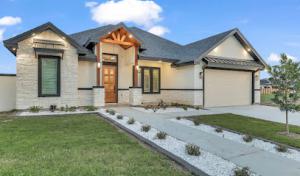

A full re-roof in Pharr typically requires a building permit, and the permit is commonly filed by the roofing contractor with the local building department. Before any shingle or tile is removed, check that the contractor has begun the permit process and that your address is correctly listed. The process is not a one-and-done step; it creates a paper trail that your insurer may request after a hail event or heavy rain. Keep a copy of the permit number and the contractor's license on site, and expect the building department to request updates if the project scope shifts.
Inspections are generally scheduled during and after installation to verify underlayment, flashing, nailing patterns, and venting compliance rather than only checking the finished roof from the ground. The inspector will look at how the underlayment is secured, how step and continuous flashing integrate with walls and penetrations, and whether fasteners meet the manufacturer and code requirements for your roof type. Venting is checked to prevent moisture buildup, which is critical in the Valley's heat and humidity. Expect at least one inspection in the early dry-in phase and another after the roof is fully installed but before the final sit-down review. If you have a tile roof, inspectors will pay special attention to the alignment of battens, sealant work around penetrations, and the integrity of the drip edge.
Local inspection quirks can include wind-resistance checks for some roof types and weather-related inspection timing issues when rain interrupts dry-in or final review windows. In practice, that means inspectors may require proof of careful weather sealing before the roof is allowed to proceed to the next stage. If a rainfront slides in, expect a brief pause or a rescheduling window, especially during the storm season when hail history is most relevant. Plan with your contractor for potential delays and keep an updated contact with the building department so you know when your dry-in or final inspection is likely to occur.
Coordinate the timeline with the roofing crew so that the underlayment and flashing are in place ahead of each inspection. Have access to the permit packet, product data, and a current set of vent and flashing specs in case the inspector has questions about specific details. Ensure that all penetrations-vent pipes, chimney, skylights-are properly flashed and sealed before the final inspection. Keeping a tidy, accessible job site helps inspectors complete reviews smoothly and reduces the risk of re-inspection fees or delays.
Pharr's hot, humid summers create sustained thermal stress that can shorten the service life of shingles and speed underlayment deterioration. Asphalt shingles in particular bend, curl, and become brittle after years of cycles between scorching afternoons and cooler nights. Metal can expand and contract enough to loosen fasteners if fastener patterns aren't kept up, while clay and concrete tiles face extra tare from heat-driven expansion and contraction. In practical terms, you may see premature granule loss, surface depressions, or micro-cracks that quietly undermine wind resistance and leak protection longer-term. The takeaway is to spot small signs early-soft spots, ochron-like granules in gutters, or shiny metal edges-and treat them as warning flags rather than cosmetic quirks.
Heavy rainfall in the Valley means roofs that look serviceable in dry weather may still fail at penetrations, valleys, and wall transitions once prolonged rain arrives. Look for water staining near penetrations, around vent collars, and at the flashing where walls meet the roof deck. Valleys can shed water efficiently when new, but aging underlayment and compromised counter-flashing will drip once humidity climbs. In the monsoon window, high humidity paired with hail impact can reveal weaknesses that a quick visual after a sunny day might miss. If there are soft sounds, damp patches inside the attic, or staining along interior walls, treat those as indicators that the external integrity is already compromised.
Replacement timing is often driven not just by age but by whether a roof can make it through another summer heat cycle and the next hail or tropical rain season. In Pharr, a roof that has endured multiple punishing summers may reach a tipping point where the risk of sudden leakage, exposed underlayment, or compromised vents increases sharply after a single severe storm. Planning around the near-term weather calendar matters: the decision to replace or retrofit hinges on whether the structure can withstand another round of heat stress plus seasonal storms. If observations point to curling, missing granules, flashing corrosion, or persistent moisture issues, the time horizon narrows quickly.
Begin with a focused walk of the roof after the heaviest rains. Check around penetrations, along valleys, and at transitions to walls for any signs of moisture intrusion or soft decking. Inspect underlayment edges for fraying or bubbling, and test the attic for uneven temperatures that may signal insulation or ventilation gaps contributing to thermal stress. Prioritize components that handle both heat and water-flashing, ridge caps, and edge metal-as maintenance focal points. If you're unsure about the roof's ability to survive another hot season, a candid assessment from a local roofer who understands the Valley's hail patterns and humidity quirks can prevent a surprise failure when storms arrive.
Roofing in the Rio Grande Valley brings frequent hail and wind events that generate more roof-loss disputes and inspections. In this environment, a well-documented claim helps prevent back-and-forth and speeds a fair assessment. Adjusters in this market scrutinize whether the damage supports a full replacement or a localized repair, so organized photo sets and a clear scope matter.
Start with a broad exterior shot of the entire roof and property from multiple angles after the storm. Then capture close-ups of each area that shows signs of impact, wear, or weathering: hail hits on shingles, wind-blown edges, and any exposed underlayment. Include interior photos only if water intrusion is evident. Attach notes with dates, weather conditions, and any prior damage-consistency helps avoid questions later. Use labeled photos or a simple spreadsheet to map each issue to a roof section and to the corresponding area on the diagram.
In this market, a file that ties every photo to a specific line item in a scope tends to move faster through review. Provide a separate scope for repairs and for potential replacement, even if your contractor leans one way. If possible, include a roof deck or flashing assessment from a qualified professional. The goal is to show a logical, evidence-based case for your insurer, not guesswork.
Coverage availability has not seen a broad sustained regional pullback, but options and terms can vary by carrier and policy. Document how damage aligns with policy language, and be ready to compare repair versus replacement decisions based on your specific terms. A well-structured file helps you work through these choices with clarity.
As soon as practical, initiate the claim, request an adjuster appointment, and share your organized file. Have your contractor provide a detailed, itemized report tied to the photos. Keep all correspondence, receipts, and any supplemental documentation in one place so every step of the process can be traced if questions arise.