
Last updated: Apr 19, 2026
Weslaco sits in the Lower Rio Grande Valley, where long hot seasons and strong sun accelerate shingle aging and surface breakdown faster than in cooler Texas markets. The relentless UV sun wears at asphalt, seals, and color coatings, while heat cycling makes everything more brittle or soft where there's already small imperfections. In this climate, attic ventilation becomes a critical line of defense: poor airflow compounds heat buildup, drying out underlayment and edge sealants, which hastens granule loss and edge curl. If the roof deck swells with moisture from a rain event, that expansion can ripple outward, widening existing microcracks and inviting accelerated aging between full replacements. The takeaway is simple: treat every visible granule loss, lifted edge, or curling shingle as a warning sign rather than a cosmetic issue.
Periodic tropical systems and Gulf-fed thunderstorms bring wind-driven rain that can exploit lifted edges, ridge details, and flashing weaknesses even when roofs do not show obvious puncture damage. In the heat-saturated air of this valley, fast-moving downpours slam against weak points with fierce pressure changes. Those points often sit at transitions-where a former repair was made, where a vent boot meets the deck, or where a valley meets a ridge line. When wind swirls through, water can follow microchannels created by aging sealant or misaligned shingles, landing on interior ceilings long after the storm has passed. Vigilance after each storm matters, because the appearance of a dry, safe roof can hide hidden leaks that creep along rafters and drywall connections.
Late-summer storm periods can create sudden surges in repair demand, making temporary dry-in and rapid leak response especially important for Weslaco homeowners. When a storm hits, even a small, quickly addressed leak can prevent extensive interior damage, warped ceilings, or mold growth in attic spaces. Quick tarp or temporary seal solutions can buy critical time while a professional performs a thorough assessment for flashing, underlayment integrity, and deck moisture. The storm cadence here means that a watchful eye post-event is essential: a single swollen edge or a loose flashing tab can become a pocket of ongoing water intrusion if left unattended through the following days.
Target your inspections toward edges, penetrations, and transitions: edge shingles that have lifted or curled, missing granules in exposed patches, ridge cap seals that show hairline gaps, and flashing around chimneys, vent pipes, and skylights. Look for any damp spots in the attic after a heavy rain and track if the leak appears near a specific roof feature rather than throughout. If any area shows dampness or staining, treat it as a priority. In hot weather, avoid delaying a response-heat can accelerate the spread of water damage through the roof deck, attic insulation, and ceiling assemblies. When a storm hits, a temporary dry-in approach can be the difference between a minor repair and a major interior problem.
Schedule quick, recurring checks before and after the peak heat and storm seasons. Clean gutters so water can shed cleanly and not pool at eave lines, where edge seals are most stressed. Keep tree branches trimmed away from the roof to reduce wind-driven debris that can lift shingles or puncture flashing during a storm. Consider upgrading to flashing solutions and sealants that resist heat aging and wind-driven rain, especially at vent stacks, transitions, and chimney penetrations. If a seasonal pattern shows repeated edge lifting or flashing failure around a ridge, plan preventive resealing or component replacement before the next storm surge.
In this climate, proactive maintenance and rapid post-storm response aren't luxuries-they're prerequisites for preserving roof integrity. Every homeowner should have a simple post-storm inspection routine and a pre-storm readiness checklist, focused on the edges, penetrations, and flashing details that the heat and wind relentlessly target. When in doubt, trust a local roofer who understands the valley's unique blend of scorching sun, humidity, and storm-driven wind.
In the hot Lower Rio Grande Valley, solar exposure and heat drive how a roof ages. Reflective performance, thermal movement, and UV resistance matter more than in milder climates. The dominant local material mix includes asphalt shingles, metal roofing, clay tile, concrete tile, wood shingles or shakes, and synthetic or composite shingles. Choose a roof that stands up to heat, wind, and the occasional heavy rain without buckling or prematurely aging.
Asphalt remains a practical, familiar choice. In this climate, look for a fiberglass or asphalt shingle with high granule adhesion and a reflective, cool-coated option. A reflective shingle helps reduce attic temperatures and slows UV-driven brittleness. Pay attention to sealing strips and edge-to-edge installation to resist wind-driven rain. A well-vented attic and properly installed underlayment under asphalt can extend life during the inevitable heat waves and storm seasons.
Metal is a strong fit for South Texas-style architecture and can shine in heat resistance and longevity. Choose a standing-seam or through-fastened panel with a high-reflectivity coating and a color that minimizes heat absorption. Metal handles wind well when fasteners and flashing are inspected for corrosion and leaks after storms. Consider expansion gaps and proper alignment to accommodate thermal movement, a key factor in this region's temperature swings.
Clay tile brings the classic look and robust durability, but it demands attention to structure and underlayment. The weight is substantial, so ensure the structural deck is rated for tile loads and that the underlayment is rated for wind-driven rain. Tile's UV resistance is excellent, but individual tiles can crack under hail or heavy impacts. Ensure there's a plan for maintaining grout-filled joints and replacing broken pieces without compromising the underlayment.
Concrete tile shares many of clay tile's benefits with added density. It tends to resist heat well and can provide longer service life in sun-heavy environments. The heavier weight amplifies the importance of a solid structural retrofit if the existing deck isn't prepared for it. Similar to clay, inspect underlayment quality and flashing as a maintenance focal point because those areas often reveal wear first.
Wood fades faster under intense sun and humidity, and water intrusion accelerates deterioration. If selecting wood, consider dense, kiln-dried varieties with treated fasteners and moisture barriers. Expect more frequent maintenance and potential for rot in shaded or poorly vented zones; plan for routine inspection, especially after storms when nails or fasteners can loosen.
Synthetic options blend UV resistance with lighter weight and decent reflectivity. They can be tailored for heat tolerance and wind performance. Look for products with proven performance in hot, humid climates and a warranty that covers color fading and hail impact.
When evaluating options, prioritize reflectivity, wind resilience, and the ability to handle thermal movement without cracking. For heavier tile systems, ensure the underlayment and structure are up to the task, and plan for thorough inspection after storm events to catch hidden damage before it accelerates aging.
Alvarez Roofing
4418 N International Blvd, Weslaco, Texas
3.7 from 3 reviews
With over 34 years of experience, we perform all aspects of roofing installation by using the proper roofing tools and knowledge of roofing systems while ensuring our clients satisfaction. Our professional and qualified employees are able to work in extreme and demanding situations and guarantee a successful roofing repair.
Builders Edge
(956) 821-5669 www.buildersedgetx.com
Serving
5.0 from 14 reviews
Builders Edge is privately owned and operated right here in McAllen, so our focus and priority will always be our family and communities of the Rio Grande Valley. Builders Edge - "Roofing Done Right"

Bison Roofing
(956) 467-0084 www.bisonroofing.net
Serving
4.9 from 347 reviews
Bison Roofing, a family-owned business proudly operating in the Rio Grande Valley since 2004, consistently delivers craftsmanship of the highest standard in roofing installations and maintenance. Comprised of a team of certified experts committed to excellence, they specialize in repairs, replacements, and metal roofing, guaranteeing the highest level of customer satisfaction. Bison Roofing has earned recognition as one of the highest-rated contractors, setting the benchmark for integrity and exceptional service in McAllen, Texas, and the surrounding communities. The Rio Grande Valley's Best Roofing Company!
Scorpion Roofing & Construction
Weslaco, Texas
3.0 from 2 reviews
We pride ourselves in doing projects honestly and ethically, the company has flourished, offering a wide range of services including roofing, insulation, HVAC, remodels, pergolas, metal buildings and pools. We have a commitment to quality and customer satisfaction which has made Scorpion Roofing & Construction a trusted name in home improvement.

Texas Contractors
Serving
5.0 from 12 reviews
Texas Contractors, Inc. is a veteran-owned roofing and fence contractor serving Harlingen, McAllen, and the Rio Grande Valley. Deal directly with the owner—from the first estimate to the final inspection—for honest service and expert results. We specialize in residential roof replacement and custom privacy fencing built to withstand South Texas heat and wind. As a local owner-operator, I take personal responsibility for every project, ensuring quality workmanship without the middleman. We offer flexible home improvement financing through HFS Financial to fit your budget. We also accept PayPal and all major credit cards. Call today for a free, no-obligation estimate from a local pro you can trust.
RGV Property Solutions
(956) 667-9142 www.rgvpropertysolutions.com
Serving
5.0 from 32 reviews
RGV Landscaping & Lawn Care Management stands tall as a pillar of excellence in the realm of landscaping and lawn care services for homes and businesses alike. From Brownsville to McAllen-Edinburg-Mission, we cater to the diverse landscapes of South Texas. Founded in 2021, we have steadily grown our repertoire of services to encompass general contracting, concrete and lighting installations, meticulous pressure washing, commercial cleaning, and the expertise to design and execute sprinkler systems that enhance your outdoor oasis.

Above Quality Roofing
(956) 578-7427 www.abovequalityroofing.com
Serving
4.9 from 51 reviews
Above Quality Roofing has provided exceptional service in San Juan since 2009. Their team of skilled professionals specializes in comprehensive roofing solutions, including new installations, repairs, and maintenance. They also offer a variety of services to enhance and protect your home, from expert painting and gutter services to reliable waterproofing and water damage restoration. With a commitment to quality and a customer-focused approach, Above Quality Roofing ensures your project is handled with professionalism and care, providing a seamless and satisfying experience from start to finish.

Marva Roofing
(956) 217-9989 marvaroofing.com
Serving
4.8 from 172 reviews
Established in 2013, Marva Roofing has become a trusted name in the Rio Grande Valley. Specializing in residential and commercial roofing, this expert team also offers comprehensive siding and gutter services. They provide a full range of solutions, including asphalt shingle and metal roofing, as well as essential roof repair. Marva Roofing is dedicated to delivering quality craftsmanship and building lasting relationships, ensuring every home and business receives superior care and exceptional results.
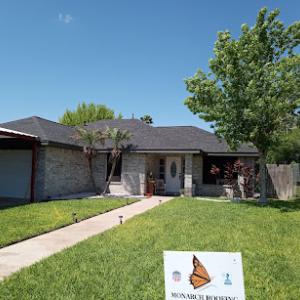
Monarch Roofing & Construction LLC. Veteran owned & operated.
(956) 403-9722 www.monarchroofingconstruction.com
Serving
5.0 from 23 reviews
Monarch Roofing specializes in roofing. From residential to commercial and everything in between. We are a local veteran own and operated business.

Frontline Home Solutions
(956) 261-5712 www.yourfrontline.com
Serving
4.7 from 433 reviews
At Frontline Home Solutions, we specialize in providing expert residential and commercial roofing services, roof repairs, and energy-efficient solutions across the Rio Grande Valley. Whether you're dealing with storm damage, age-related roof deterioration, or looking to upgrade your home, our experienced team is here to help. We also offer spray foam insulation to improve energy efficiency and comfort. With over 30 years of local expertise, we pride ourselves on delivering exceptional customer service, high-quality products, and flexible financing options. From roofing and storm damage assistance to spray foam insulation and home energy upgrades, Frontline is your trusted partner for all your home improvement needs.
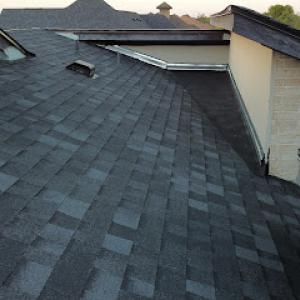
Pro Valley Roofs
(956) 596-6321 www.provalleyroofs.com
Serving
5.0 from 56 reviews
At ProValleyRoofs, we are committed to providing top-tier roofing solutions to residents and businesses across the entire Valley region. With a focus on quality craftsmanship, exceptional customer service, and innovative roofing techniques, we stand as the premier choice for all your roofing needs. Our Services: From roof repairs to complete roof installations, our skilled team of roofing experts possesses the experience and expertise necessary to tackle projects of any scale. Whether you're dealing with leaks, damaged shingles, or simply seeking to enhance your property's curb appeal, we've got you covered.
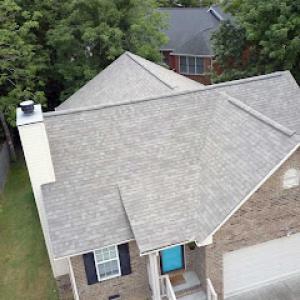
ClaimSmith
(956) 532-2812 claimsmithrgv.com
Serving
5.0 from 16 reviews
Protect your largest investment with our reliable roofing services. We are a locally owned and operated roofing company currently serving Weslaco, TX and surrounding communities. If you want to make your roof last as long as possible, it is vital that you never put off a roof repair. Small issues with roofing become big issues in a hurry. No matter how major or minor the repair you need, we are here to help. We offer residential roofing services, roof installation, and roof replacement.
Fall and winter are commonly preferred for reroofing because conditions are cooler and drier than peak summer. Scheduling the project for these seasons gives you steadier tear-off days and a more predictable dry-in window. In this climate, the work tends to slow when afternoons heat up and humidity climbs, so targeting a mid-October to early December start can keep crews on a steady pace without repeated heat-related delays. If summer work is unavoidable, plan for extended dry spells between storm events to protect exposed underlayment and freshly laid materials.
Summer scheduling can be disrupted by extreme heat, afternoon thunderstorms, and late-season tropical rainfall patterns that complicate tear-off and dry-in timing. When temperatures push past the mid-90s, shingles and underlayment can age quickly as they're installed, so coordination with your crew to limit heat exposure and shade the job site helps maintain quality. If a tear-off starts during a marginal dry period, protect the roof deck with a moisture barrier and plan for rapid shingle installation during cooler morning hours to reduce wind lift and adhesion issues.
Occasional winter cold fronts in Deep South Texas can affect adhesive performance, so installation timing and material handling still matter even though winters are generally mild. Check forecasts for cold snaps and brisk mornings, and discuss with the contractor how to keep adhesive temps in a stable range. Have a contingency plan for early-season rain or front passages that bring gusty winds; a short, focused sequencing of deck work followed by a quick dry-in can prevent exposed seams from staining or swelling.
Wind-driven rain after a storm often leaves debris that can trap moisture under layers. Plan for a thorough debris removal and deck cleaning before laying new underlayment. In hot months, carry shorter bundles at a time and store them on the north-facing side of the house or a shaded area to slow material heat buildup. If using clay or concrete tiles, verify that battens and fasteners are prepped to resist wind uplift, and ensure matching fastener patterns for wind zones commonly encountered here.
Storm-driven aging can raise questions from insurers about prior damage and replacement timing. Document prior repairs and the new build plan, keep copies of the material specs, and confirm that the chosen system addresses heat aging and wind exposure. Your contractor should stage milestones so you receive progress photos and confirm that each phase-tear-off, underlayment, and final roof covering-meets the expected performance under local conditions.
Get a clear picture of your project costs upfront - no commitment required.

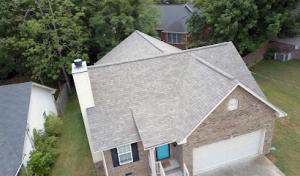
In this market, the provided local cost ranges per square are as follows: asphalt shingles from $350 to $750, metal from $700 to $1200, clay tile from $900 to $1500, concrete tile from $900 to $1600, wood shingles or shakes from $600 to $1100, and synthetic or composite shingles from $450 to $900. These figures reflect the typical sizing and installation norms for the area, where roofs are often exposed to harsh sun and high humidity for extended periods. When budgeting, use these ranges as a starting point, but be prepared for short-term spikes after storms that drive demand.
Tropical storm activity can quickly shift pricing and scheduling. After a big event, reroof demand spikes across the Valley and crews are pulled toward urgent leak repairs and insurance work. That means materials may be readily available, but labor can tighten up and lead times extend. If you're facing a storm-related roof project, expect prices to trend upward briefly due to urgent demand, weather-driven scheduling constraints, and the need for expedited inspections and leak mitigation.
Material selection influences labor intensity here more than in milder climates. Tile systems-especially clay and concrete-bring added weight and require careful sheathing assessment and layout to avoid wind uplift issues common after storms. Metal roofing introduces precise flashing details and heat-sensitive fastening practices to prevent panel distortion in extreme heat. Shingle reroofs, while more straightforward, still contend with rapid UV aging and moisture exposure that can complicate attic ventilation and underlayment compatibility. You'll notice the cost difference not just in the material price per square, but in the labor minutes, the required fasteners, and the risk management around wind zones.
Begin by securing three local bids that include a clear breakdown of material, roof deck prep, and underlayment choices. Insist on a phased plan if a storm event has created backlogs, so critical leaks are addressed promptly while planning a full replacement. For high-heat climates, factor in additional ventilation considerations and potential reflective underlayment options that may affect long-term energy costs. If tile or metal is on the table, request a wind uplift assessment and a detailed edge detailing plan to minimize wind-driven failures after the next storm.
Don't let upfront costs delay a critical repair - these contractors offer payment plans to fit your budget.


Full reroofs in Weslaco typically require a permit from the City of Weslaco Building Department. This isn't just a formality; the permit ties the project to the local code framework that governs wind resistance, underlayment, venting, and flashing details crucial for storms and heat. Before any shingle, tile, or metal layer is removed, you should have a clear plan tied to the permit. The process helps ensure the work can withstand the seasonally intense sun, humidity, and wind-driven rain common to this climate.
Permit review is generally for code compliance and may include inspections during underlayment or installation stages and again at final completion. In practice, that means an early visit to verify that the roof deck is sound, that underlayment is the right type for the anticipated weather, and that fasteners and nailing patterns align with current standards. Expect at least one mid-project check to confirm ventilation and waterproofing details meet local requirements, and a final inspection to certify a sealed, weather-tight roof. Scheduling these inspections in advance helps keep the project on track and reduces the chance of rework after storms.
The city may require evidence of contractor license and proof of material purchases. Be prepared to present the contractor's credentials and licenses, along with documentation showing that the chosen materials meet Weslaco's climate needs-UV aging resistance, wind uplift ratings, and appropriate compatibility with underlayment. Keeping organized records of invoices and material receipts can smooth the permit review process and help address any questions from the Building Department quickly.
Coordinate with the roofer to align the permit timeline with supply chains and weather windows, especially during the hot season when storms can arrive with little notice. The permit process can reveal required project milestones, such as staged inspections tied to the progress of underlayment, flashing, and venting installations. Having a clear, documented plan reduces delays and ensures that a reroof proceeds with compliance, quality, and resilience in mind.
In this region, insurers pay close attention to roof age and prior wind or hail events when underwriting and evaluating claims. A roof that has aged past its expected life or shows multiple past storms can trigger tighter review, higher deductibles, or reduced replacement scope. The days after a severe South Texas storm are when adjusters comb through every shingle, every seam, and every sign of moisture intrusion. You should expect a more scrutinizing process than you might anticipate in milder climates.
After severe South Texas storms, claim activity can spike and adjusters may ask for documentation, photos, and contractor estimates before approving scope. Gather recent roof condition photos, warranty papers, and a brief maintenance log while the memory of damage is fresh. Digital shots of attic signs, leaks, and damaged edges help tell a clear story. A prompt response keeps the file moving and reduces the chance of dispute.
Some carriers may tighten coverage on older roofs or limit how newer substitute materials are handled, which makes pre-loss records and prompt post-storm documentation especially important in Weslaco. If a prior claim exists, the adjuster will want to see how the current damage differs from earlier events. Clear contractor estimates that distinguish material, labor, and installation details support a fair evaluation.
In practice, keep a dated file of every storm-related change, from missing granules to lifted flashing. Schedule a roof check after each round of winds or hail, and secure written notes from a trusted local contractor. Insurance-friendly documentation accelerates the process and helps protect your roof's long-term value.
Connect with contractors who help homeowners navigate the claims process from damage assessment to final approval.
Monarch Roofing & Construction LLC. Veteran owned & operated.
(956) 403-9722 www.monarchroofingconstruction.com
Serving
5.0 from 23 reviews
In Weslaco's hot, sun-soaked climate, asphalt roofs commonly show accelerated granule loss, curling, and brittleness from prolonged UV and heat exposure. Those faded granules not only dull the look of the home but also speed up the underlying asphalt's breakdown, shortening the roof's life. Pay attention to corners, edges, and established wear patterns near vents and skylights. When granules shed, the surrounding shingles become more prone to cracking in sudden afternoon storms, and curling can create small gaps that invite water intrusion during heavy rain. Regular inspection after peak heat periods helps catch trouble before it escalates.
Wind-driven rain during Valley thunderstorms often reveals weaknesses first at flashing transitions, penetrations, ridges, and roof-to-wall intersections rather than across open field areas alone. Look for loose or lifted flashing around chimneys, vent pipes, and skylights, as well as any gaps where roof meets fascia or siding. Ridges can delaminate or lift under sustained gusts, allowing water to seep underneath. In practice, a quick check after a storm should focus on these high-risk joints; a small seal or flashing repair today can prevent a much larger leak tomorrow.
On tile roofs common in South Texas, the visible tile may outlast the waterproofing layer below, making underlayment deterioration a key local maintenance issue. When underlayment starts to fail, even intact tiles won't keep moisture out if the barrier beneath is compromised. Inspect for foreign moisture signs inside attic spaces after storms, and note any areas where tiles appear loose or displaced. Prompt attention to broken tiles and worn underlayment can prevent hidden leaks from turning into widespread interior damage.
Extend the life of your existing roof with reflective or waterproof coatings that protect against UV and moisture.
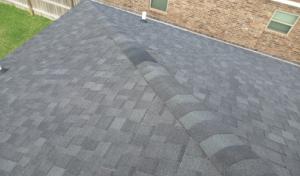
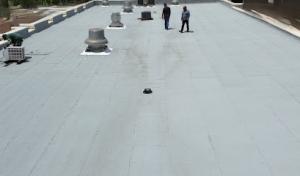
Local hiring patterns show strong demand for quick response, re-roofing experience, residential and commercial capability, and cleanup included after the job. In a climate with hot days, humid nights, and sudden wind-driven rain, a contractor's ability to show up fast and tidy up thoroughly is as critical as the material quality. Look for teams that run on fuel and time, not on excuses.
Because the city may ask for contractor license evidence and proof tied to materials on permitted reroofs, homeowners in Weslaco should verify paperwork readiness before work starts. Ask for a current license, a valid business address, and a written list of material brands with model numbers. Have them share contact details for suppliers in case any question about material compatibility comes up during installation.
After storm periods in the Valley, homeowners should favor contractors who can document damage clearly and manage both emergency dry-in and full replacement sequencing. A practical roofer will produce a simple damage report with photos, a proposed dry-in plan that protects interior spaces, and a step-by-step schedule for completing the full replacement. Clarity here prevents miscommunications later on.
You want crews that can demonstrate steady local employment history and a habit of cleaning up daily. In Weslaco, cleanups aren't cosmetic; they prevent punctured gutters, cluttered yards, and nuisance debris that attracts pests during hot seasons. Ask for post-job cleanup specifics and a written checklist your neighborly contractor will follow.