
Last updated: Apr 19, 2026
Spring hailstorms and gusty winds set a tight rhythm for homes in this area. You will often find that replacement decisions hinge less on roof age and more on the timing of the insurance process. When hail is reported by the weather service or neighbors, assume your roof is under investigation the moment you notice pockmarks, granule loss, or dented gutters. The cycle moves quickly: storms hit, a claim is opened, an adjuster shows up, and your contractor input becomes part of the evidence chain. The risk here is clear-waiting too long can let UV exposure and summer heat compound existing damage and turn a solid claim into a more complicated repair or replacement later on.
Adjusters in this market expect photo documentation and a documented before-and-after narrative. Before you call in an estimate, snap wide-angle photos of every roof plane, flashing, and vent boot, plus close-ups of broken shingles, cracked tiles, and any lifted edges. Keep dated records for pre-loss and post-loss conditions, ideally with independent timestamps or weather logs. If wind or hail damage is visible from the ground, use a ladder safely to capture higher views; if not, a drone shot can be invaluable. Have a trusted contractor or engineer available to corroborate wind or hail impact and to translate those findings into repair language that an adjuster can quickly assess. Your goal is to present a cohesive, image-backed story that links damage to recent storms rather than to age alone.
Because this region endures extreme sun after storm season, any damage shows up fast in terms of deterioration once rain resumes. Dented metal, loose shingles, and cracked tile can deteriorate within weeks when UV exposure and moisture exploit loosened seams and flashing. This means the window to settle a claim on a hail- or wind-damaged roof can feel urgent. Do not rely on memory or rough estimates. Schedule a pre-loss inspection, secure a professional assessment, and align your documentation package before any adjuster notes turn into a drawn-out back-and-forth.
When you file, request a dedicated claims specialist who understands hail and wind in our climate. Share the photo log, the pre-loss/ post-loss condition records, and the engineer or contractor input promptly. If the adjuster disputes certain wind damage claims, present the professional assessment clearly, referencing specific shingle lifts, flashing corrosion, or tile cracks. A cooperative stance speeds things up; a stubborn dispute drags the process through multiple visits. If you must wait for a replacement, know the process may be driven by the insurer's inspection schedule and the availability of material and crew. Stay proactive: confirm appointment times, ask for written repair scope, and keep a running file of all communications and updates.
Until replacement begins, maintain the roof's integrity with targeted sealing of vulnerable flashing and any visibly cracked tile. Limit foot traffic on exposed areas during high heat, and ensure gutters are clear to prevent backlog that could mask water intrusion. In Mission, the rush of heat after a storm can accelerate hidden damage, so every action you take should preserve the roof's condition and support a strong, well-documented claim outcome.
Find local contractors experienced in assessing and restoring roofs after hail, wind, and severe weather events.
XYZ Roofing & Restorations
(956) 230-2259 xyzroofingandrestorations.com
Serving
4.9 from 213 reviews
Charisma Remodeling Services
(956) 581-2421 www.charismaremodelingllc.com
5504 La Homa Rd, Mission, Texas
5.0 from 7 reviews
Charisma Remodeling Services, LLC, not only specializes in all sorts of remodeling, we are experts in many different kinds of home improvement. We’ve been at it since 1986, serving Mission, TX and the surrounding areas, so we have vast experience to do whatever home improvement job you need done! There’s nothing too big or small for us!
Charles Roofing
2608 Silverado Cir N, Mission, Texas
5.0 from 1 review
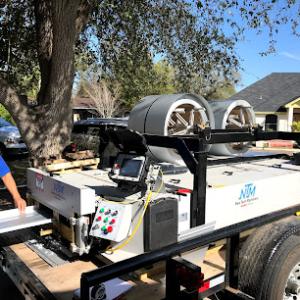
Metal Roofing Panels Residential and Light Commercial Guarantee Professional Work For free estimates call: (956) 598-2501
XYZ Roofing & Restorations
(956) 230-2259 xyzroofingandrestorations.com
Serving
4.9 from 213 reviews
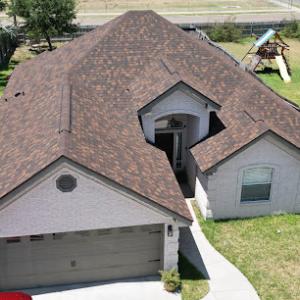
XYZ Roofing and Restorations is a top-rated roofing company in McAllen, TX, delivering same-day roof repair, roof replacement, and emergency roofing across the RGV. Hail & storm-damage specialists with free roof inspections, photo reports, and insurance-claim help. Owens Corning Platinum Preferred installer; licensed & insured local crews; shingle, metal, and flat/TPO systems for homes and businesses. Financing available. Serving McAllen, Edinburg, Mission, Pharr, Weslaco, Harlingen, Brownsville & nearby.
Castro Roofing
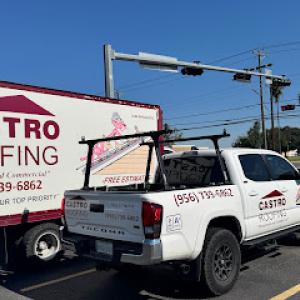
(956) 739-6862 castroroofs.com
Serving
5.0 from 43 reviews
" YOUR ROOF IS OUR TOP PRIORITY "
Re-Roof Construction
(956) 506-1414 rgvreroofing.com
Serving
4.7 from 31 reviews
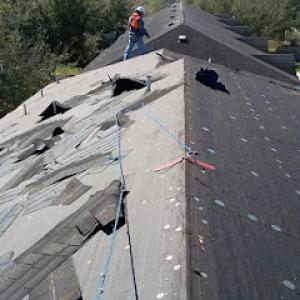
The family-owned roofing contractor McAllen trusts. Your roof would be happier with real experience. With 24 years in the roofing business and 11 years serving McAllen, Edinburg, Mission, Pharr, and the entire RGV, you'd have a hard time finding a better roofing contractor to make your roof problems disappear. No salespeople. No gimmicks. Just expert roofers who get it right the first time. We specialize in residential roofing, emergency roof repairs, storm damage, hail damage, and insurance claims that other contractors give up on. Serving neighborhoods from downtown McAllen to La Plaza Mall, from Fireman's Park to the McAllen Convention Center. When other roofing companies drop the ball, we pick it up.
McAllen Valley Roofing
(956) 673-0780 www.mcallenvalleyroofing.com
Serving
4.5 from 242 reviews
McAllen Valley Roofing is an award winning full-service Texas roofing company, offering residential and commercial roofing services. Our core business values are designed to provide you with an exceptional experience by delivering quality workmanship on every job. Our goal has always been to to provide all of our customers with the most cost-effective roof repair and to provide you with a quality roofing solution that will provide lasting satisfaction for many years. We service the entire state of Texas including Rio Grande Valley, Alamo, Alton, Brownsville, Del Rio, Edinburg, Harlingen, Hidalgo, Laredo, McAllen, Mission, Pharr, Rio Hondo, San Juan, and more… For a free roofing estimate, call 956-279-8292 or visit our website.

Almaraz Roofing
(956) 687-7663 almarazroofing.com
Serving
5.0 from 99 reviews
Almaraz Roofing is a family-owned and operated roofing company proudly serving the Rio Grande Valley. As a lifelong resident of the Valley, I understand the unique challenges our climate presents to homeowners. That's why I'm committed to providing high-quality roofing solutions that can withstand the test of time. We want to see you at HEB and talk chisme not stress about your roof.
Legacy Construction & Roofing
(956) 758-9048 www.legacyco.net
Serving
4.9 from 52 reviews
With A+Rating with the BBB Legacy Construction & Roofing has been committed to quality and customer service. Legacy Construction & Roofing is the premier general construction company specializing in property restoration and repair for storm-related damage. With over 5 years of experience working with residential and commercial property owners, we are honored to be the company of choice in servicing the regions of South Texas.

Bison Roofing - McAllen Roofing Company
(956) 320-7663 bisonroofing.net
Serving
5.0 from 13 reviews
Serving McAllen and the Rio Grande Valley since 2004, Bison Roofing is a locally owned and operated leader in residential and commercial roofing. As an Owens Corning Platinum Preferred Contractor, we bring over 20 years of hands-on experience to every project—from minor leak repairs and professional roof washing to full-scale replacements. We pride ourselves on transparent pricing, top-tier materials, and a commitment to protecting your home or business against the unique South Texas climate.

Texas Prime Homes
(956) 250-4094 texasprimehomes.net
Serving
5.0 from 32 reviews
TPH is a family own business located in Mission/Edinburg area serving our customers from all the RGV. Our most requested service is helping customers to be back on pre-loss conditions after a storm loss. With many variables we have helped clients due to water backups, pipe burst/freeze, fire, hail and windstorm loss being one of the most cases. We offer complete professional detail inspection to customers to have any claimable damage item be included in the scope of repairs. We are experts in Xactimate/Symbility which is a software use by insurance to determine the price for labor & material on an industry standard price. We also offer appraisal services por anyone being denied on a legitimate claim. TPH also offers monthly payment lo plans

McAllen Roofing
(956) 622-5948 mcallenroofing.com
Serving
5.0 from 7 reviews
McAllen Roofing is the most trusted large-scale roofer in Texas, specializing in the restoration and repair of commercial, industrial, government, and institutional roofs. From high rises to warehouses, we cover it all. With over 30 years of combined experience, our crew can repair all types of roofing systems and materials including asphalt shingles TPO, PVC, EPDM, flat roofs, metal, slate, and more. We value our clients and believe in professionalism with integrity. We get the job done right the first time. Serving Abilene, Austin, Brownsville, Corpus Christi, Dallas, El Paso, Ft. Worth, Houston, Laredo, McAllen, Midland, Odessa, San Antonio, South Padre Island, and more. Call now or visit our website for a free estimate.
Castillo Roofing
Serving
4.9 from 13 reviews
Looking for excellent customer service and award winning roof installation? Castillo Roofing offers roof replacements, roof repairs, and custom metal buildings. Contact us today to learn more about our financing options. Visit us at one of our two valley locations. We are your preferred RGV roofing contractor.
In this climate, the hot summers and intense UV exposure act like a constant sunlamp on roofing systems. Asphalt shingles, in particular, dry out and shed granules faster than in milder climates. The result is a roof that loses its reflective coating, curls at the edges, and shows accelerated aging even when no single storm has caused a dramatic failure. Metal, clay tile, and concrete tile respond differently but still feel the heat: metals can expand and contract, while tiles become more brittle with sun exposure and differential heating. Mission homes often see older roofs weaken not from a dramatic blow, but from a steady wear pattern that shortens a roof's effective life.
The region's typical cycle starts with blistering heat and relentless sun, then a hail-prone spring, followed by sudden storms. This sequence creates cumulative damage: granule loss on shingles exposes the asphalt beneath, flashing and fasteners endure thermal expansion and contraction, and sealants in valleys and joints deteriorate. Hot days plus rapid cooling at night encourage micro-movement around fasteners, which can loosen connections over time. The result is not a single obvious failure, but a progressive tightening of the roof's weakest points as seasons change.
Given the heat-driven wear pattern, material selection matters. Asphalt shingles remain common, but their lifespan will track with sun exposure and attic ventilation performance. Metal roofing can resist hail better in some cases and handles heat well if installed with proper clearances and underlayment, yet it can creak and expand with daily temperature swings. Clay and concrete tiles offer strong hail resistance and longevity, but their weight and installation details must be matched to the home structure and roof deck. Wood shingles and syntheticSlate bring their own benefits and vulnerabilities under this climate: wood weathers quickly under UV and needs robust sealing, while synthetic options can resist hail but vary in colorfastness and thermal expansion. The right choice balances local heat exposure, hail risk, and how the roof will be vented and flashed to handle Mission's sun-driven stresses.
Maintenance should focus on preserving underlayment integrity, flashing performance, and attic ventilation. Inspect after hail events and before the peak heat of summer to catch compromised flashing and seals early. Look for loose or missing granules and check for uneven shingle cupping or curling that signals heat stress. Valleys and transitions around chimneys, vents, and skylights deserve extra attention because those areas concentrate thermal movement and water flow. Attic ventilation is not a luxury here; it directly affects roof longevity by moderating how quickly heat builds up under the roof deck. A well-ventilated attic reduces the rate of thermal expansion and contraction, helping fasteners and seals endure year after year.
Because heat accelerates aging, scheduling a replacement during the milder fall and winter windows offers practical advantages. Cooler days reduce installation stress on both crew and materials, and the work pace benefits from more predictable weather. Even during these shoulder seasons, occasional cold snaps and rain can slow progress, so plan timing with a cushion for weather interruptions. Keep in mind that cumulative heat-related wear means the window for a truly proactive replacement is not a single storm event but a careful assessment of shingle condition, flashing integrity, and attic ventilation performance, weighed against the likelihood of upcoming hail and rain.
Asphalt shingles remain a common choice for Mission homes because they balance cost, install speed, and straightforward maintenance. In a climate defined by Rio Grande Valley heat and sudden hail events, you'll want a composition with a robust granule surface and a wind-resistant seal. Look for a shingle with a high reflectivity option and an aggressive nailing pattern to withstand wind-driven rain and sun-induced expansion. The critical underlayment and flashing work matters as much as the shingle color; in the heat, underlayment that resists tearing and flashing that seals around chimneys, vent stacks, and transitions keeps leaks from becoming surprises after a heavy storm. Pay attention to attic ventilation and ridge venting because hot, stagnant attic air accelerates shingle deterioration and can shorten a roof's perceived life.
Metal roofs are a strong match for homes in this area due to their excellent heat reflectivity, durability against hail, and fast installation. In practice, the performance hinges on several details: concealed fasteners versus exposed screws, the quality of the sealant at seams, and the underlayment chosen beneath the metal to manage moisture and radiant heat. Pro installers pay close attention to edge detailing and proper attic ventilation to prevent heat buildup that can warp panels or degrade fasteners over time. Because rainstorms can be intense, water-shedding geometry matters-think generous panel overlap, well-sealed seams, and thorough attic access to avoid moisture infiltration in hidden nooks. A metal roof can maintain a clean, modern profile while delivering substantial life cycles, especially when paired with a high-quality drip edge and wind-rated panels in hail-prone pockets.
Clay tile and concrete tile capture the heavier architectural look common in South Texas while delivering solid storm durability and heat resistance. Tile systems excel when the installation uses a solid underlayment system that handles rapid rainfall and sun exposure alike. Water shedding is central: interlocking profiles, correct slope, and well-sealed eaves help keep moisture from migrating under tiles during heavy afternoon downpours. Tile fasteners and remedial flashing must accommodate thermal expansion, since high daytime temperatures and sudden showers stress fasteners. Concrete tile tends to be a bit more forgiving under foot traffic during maintenance, while clay tile offers a characteristic texture and shade that keeps attic temperatures cooler when underlayment and ventilation are robust. Maintenance emphasis should be on cracked or slipped tiles and ensuring the underlayment remains intact in the most sun-exposed zones.
Wood shingles or shakes bring a traditional texture that complements many Mission homes, but they demand careful detailing to survive heat and hail. The wood's vulnerability to rapid drying, splitting, and moisture intrusion makes the choice more nuanced: select treated, decay-resistant species and ensure a ventilation-friendly attic to minimize rapid moisture swings. Water-shedding performance hinges on tight installation patterns and proper nailing that resists uplift in windy spring storms. In heat-heavy days, avoid excessive stacking of shingles where trapped heat can accelerate warp, and couple wood with a high-quality underlayment designed for wood fibers and a robust flashing system around roof penetrations. Regular inspections for granule loss and surface wear help catch early issues before they escalate in the relentless sun.
Synthetic slate offers a heavier, more architectural presence while remaining lighter on the structure than real slate. It shares the heat resistance and storm durability advantages of slate-like materials, yet it benefits from modern manufacturing that improves impact resistance and fade stability. When choosing synthetic slate, prioritize a product with proven hail resistance, a solid fastener system, and a comprehensive underlayment plan. Water-shedding behavior and flashing details still drive performance in heavy rain, so ensure the edge details, valleys, and transitions are designed for rapid drainage and long-term seal integrity. This option suits homeowners chasing a durable, high-end aesthetic without the weight of natural slate, while keeping maintenance practical under Mission's sun and storms.
In this area, Mission cost swings are shaped by material choice, storm-driven demand spikes after hail events, and the added labor needed to meet local inspection expectations for underlayment, flashing, and ventilation. After a hailstorm, contractors field tighter schedules and upcharge for quicker turnaround, especially if gutters, skylights, or satellite patches were damaged. Expect material pricing to move with demand, and remember that selecting higher-end finishes often compounds both material and installed cost as crews allocate more time to detail work that protects against sun and rain in an extreme climate.
Asphalt shingles stay the most common entry point for many homes, with typical costs ranging from approximately 350 to 700 USD per square for a full replacement. Metal roofing broadens the price spectrum, generally 600 to 1100 USD per square, but can offer longer life and better hail resistance in hail-prone springs. Clay and concrete tile bring distinct tradeoffs in weight, installation complexity, and attic ventilation demands, with clay tile commonly between 900 and 1500 USD per square and concrete tile between 700 and 1200 USD per square. Wood shingles or shakes sit around 600 to 1100 USD per square, while synthetic slate provides a middle ground around 700 to 1200 USD per square. In Mission, choosing a heavier or more ornate system often translates into higher labor costs due to the need for more robust roof framing checks, drainage assessment, and careful underlayment layering to handle intense sun and sudden downpours.
Homes with tile systems, complex rooflines, or heat-damaged decking can see costs rise because tear-off, disposal, and substrate repairs are more involved than straightforward shingle re-roofs. Hail events load the front desks at local shops, and crews may need to bring specialty equipment to reseat tiles, replace damaged decking, or rework flashing where wind-driven rain finds vulnerable seams. Attic ventilation performance takes on new importance when the roof is torn off and exposed to Rio Grande Valley heat; inadequate venting can trap heat and moisture, driving up labor time and the risk of future issues.
Scheduling during calmer periods outside major storm response windows can help homeowners avoid the labor and availability pressure that often follows regional hail and wind events. If timing is flexible, you can often secure better crews, more straightforward inspections of underlayment and flashing, and a cleaner tear-off process. Planning ahead also gives you the chance to pre-screen roofers for experience with Mission's hot, sunny days and sudden rain showers, ensuring the selected crew can sustain quality through the project's peak heat.
Get a clear picture of your project costs upfront - no commitment required.


A full roof replacement in Mission is treated as a formal project, not informal maintenance. Before a single shingle is moved, the work must go through the Building Department for a permit. Your contractor should help you file the plan, and you should expect a round of questions about the roof's underlayment, flashing details, and ventilation strategy. Skipping or rushing this step invites delays or rework when a city inspector flags something during review.
The process includes plan review and staged inspections that align with the job's progression. After the permit is issued, the city will expect you to maintain records of the material types, ventilation calculations, and flashing transitions. Inspections are not a one-and-done checkpoint; they occur at defined milestones. At each stage, an inspector will verify compliance before the project can move toward closeout. Those milestones typically center on material installation details, underlayment integrity, and how flashing ties into existing walls and Chimneys.
During the underlayment check, expect the inspector to confirm the product is suitable for the valley conditions here, with correct nailing patterns and overlaps. Flashing inspection focuses on how metal pieces protect joints around chimneys, dormers, vents, and transitions to walls. Ventilation scrutiny examines attic intake and exhaust adequacy, ensuring attic temperatures don't skyrocket under the sun and rain. If your attic lacks proper venting, you risk moisture buildup, mold, and shortened shingle life-an issue homeowners often regret after a hot summer.
A final inspection is required to close the permit. Do not treat the project as complete once the last shingle is installed. You should confirm with your contractor that the final inspection is scheduled and that any corrective work identified by inspectors is addressed promptly. In Mission, missing a required final check can stall the entire project, leave the permit in limbo, and cost you extra time and risk during potential hail-season windows. Stay proactive and coordinate closely with the contractor to ensure every mandated inspection is completed on time.
Mission's monsoon-season rain pattern raises the risk of interior water intrusion if tear-off and dry-in are not tightly sequenced during replacement. When roofs are opened, a single late afternoon shower can flood an exposed attic or ceiling if underlayment isn't fully protected and the new layer hasn't yet been secured. The clock is real: a rushed tear-off that leaves gaps invites moisture to chase through the attic vents, into rafters, and down walls. Plan around forecasted downpours and build your replacement schedule to keep the most vulnerable steps-tear-off, underlayment, and new decking-under a tight, covered sequence.
Because sudden rain can interrupt active projects in Mission, temporary waterproofing and same-day dry-in planning are especially important when underlayment is exposed. Have a plan to deploy watertight tarps over the open roof deck the moment rain threatens, and designate a crew member to monitor local radar for fast responses. A properly staged dry-in, with fast-setting sealant and secure flashing, can prevent water migration through attic penetrations during a sudden shower. If the forecast calls for heavy rain, consider canceling nonessential activities that expose underlayment and delaying any noncritical penetrations until the roof is fully ready for the final seal.
Quick-response contractors are common in this market, reflecting how often Mission homeowners need urgent tarping or leak control after wind-driven rain and hail. Establish a ready-to-activate tarp setup with durable fasteners and edging that won't tear under wind. On an active project, maintain a dedicated tarp crew and a standby supply kit so a sudden shower triggers immediate coverage rather than waiting for a crew to mobilize. Communicate a clear line of contact for rapid coordination when weather shifts.
During a storm, keep attic access closed and monitor interior walls for early dampness. If leaks appear, isolate the affected area with temporary barriers and direct ceiling drips toward a safe, discrete collection point. After rain passes, inspect flashing seams, underlayment edges, and vent boot details for wind-driven damage, then address any quick fixes before resuming full installation.
When you can't wait, these contractors offer fast response times to stop leaks and prevent further damage.
XYZ Roofing & Restorations
(956) 230-2259 xyzroofingandrestorations.com
Serving
4.9 from 213 reviews

Although Mission is primarily a pitched residential re-roof market, some homes and many mixed-use or commercial-style structures in the area rely on low-slope sections that are more vulnerable to ponding and membrane stress under intense heat. In the summer, UV exposure accelerates wear on surface membranes, while the heat can soften underlayment and push edge details toward deformation. Heavy spring storms bring sudden downpours that expose weak seams and penetrations in these areas. The combination of heat, sun, and rain makes a focused eye on low-slope performance essential.
In Mission's climate, roof coatings and restoration can be relevant for select low-slope assemblies where full replacement is not yet necessary but UV exposure has accelerated surface wear. Start with a professional assessment of membrane integrity, including flashings, perimeter drip edge, and penetrations. A reflective, elastomeric coating can buy time on a low-slope roof that is otherwise stable, provided the substrate is clean and sound. Schedule coating work in the cooler hours of the day to limit cure stress from heat. Document any blisters, ridges, or cap sheet damage, and monitor after heavy rain events for fast changes in condition.
Heavy rain events in the Valley make drainage performance on low-slope roofs especially important because even short-duration storms can expose weak seams, penetrations, and edge details. Check crown lines and ensure shoulders and crickets are not obstructed. Clear gutters and scuppers before the rainy season to prevent backflow. If ponding persists after a storm, evaluate surface texture and membrane integrity with a licensed contractor. Addressing flow paths now reduces the risk of accelerated degradation during the next heat cycle.
Membrane seams and penetrations are the most common failure points on low-slope areas. In heat, fasteners and sealants can flex and crack, allowing moisture migration. Inspect the perimeter and any transitions to pitched sections for uplift risk during wind-driven storms. Edge detailing should be robust, with reinforced flashings and compatible sealants. Regular checks after heavy rain and before peak heat help catch issues before they propagate.
Create a simple routine: visually inspect after major rain events, before the peak summer heat, and after any hail exposure. Keep a log of any changes in surface texture, seam condition, or edge integrity. If coatings are used, track UV exposure time and recoat intervals to maximize performance without overburdening the assembly.
Find specialists in TPO, EPDM, and built-up flat roofing systems for residential and commercial properties.
XYZ Roofing & Restorations
(956) 230-2259 xyzroofingandrestorations.com
Serving
4.9 from 213 reviews


In Mission's high-claim weather environment, warranty paperwork, permit closeout records, and dated job photos are more than administrative details because they can support later storm claims and resale questions. A solid paper trail helps verify that the roof was installed with the right underlayment, flashing, and attic ventilation to handle the heat and sudden rain typical of spring storms. Without it, a future claim or an appraisal after a derecho or hail event can stall or be questioned, leaving you with questions rather than solutions.
You should keep clear records that show the roof system installed, the ventilation and flashing work completed, and final inspection approval from the city. This means retaining construction photos taken from multiple angles across the project, notes on vent placement and type, and a copy of the final inspection sticker or letter. Make sure the photos are dated and labeled with the address and the contractor's name. If possible, preserve the original warranty documents tied to the exact materials used, along with the model numbers and installation dates. In this market, relying on memory or scattered emails is risky when a hailstorm proves costly.
Create a dedicated roof file, whether digital or physical, that sits with property records. A simple folder system works: one section for photos, one for underlayment and flashing specifics, one for ventilation details, and one for inspection confirmations. Back up digital copies to a cloud drive so that loss from a storm or roof leak won't erase essential information. If a contractor can provide a concise one-page summary of installed components and dates, keep that with the full records as a quick reference during a claim or sale.
Because insurers in this market may ask about mitigation features and prior repairs, organized documentation is especially valuable after hail or wind events. Photos showing proper flashing integration and attic ventilation performance can strengthen a claim that the home's roof was prepared for severe weather. Clear evidence also smooths resale questions, reducing delays and disputes when a potential buyer reviews the roof's history.