
Last updated: Apr 19, 2026
McAllen sits in the Lower Rio Grande Valley, where Gulf hurricane season from roughly June through November raises the risk of wind-driven rain and sudden demand spikes for roof repairs. Summer storms in the area commonly combine heavy rainfall with high winds, so leak exposure during an active tear-off is a bigger scheduling concern than winter moisture. Because the climate is hot and sunny for much of the year, roofs may already be heat-aged before a storm event exposes weak flashing, ridge details, or underlayment. This combination means a storm-ready roof is not just about extra shingles, but about a system that can withstand rapid wind pressure, accommodate fast-than-normal repairs, and keep living spaces dry when rain arrives with little warning.
In advance of the season, inspect the roof with an eye for heat-induced wear that can mask vulnerability. Check flashing at hips and valleys for bending or loose nails, and look along the ridge for brittle cap shingles that crack under strain. Pay special attention to underlayment: heat-age can hide tears that vented winds will soon reveal, especially around exhaust vents and skylights. Develop a plan for immediate access to ladders, tarps, and basic sealants so a homeowner or neighbor can respond within hours to a sudden leak. If a contractor is not available for an inspection within 24 hours of heavy rain, create a temporary dry-out protocol-cover small leaks with no-penetration sealants and monitor for expansion during the next storm window. In this climate, the fastest leak control is the most thorough perimeter seal around vents, flashing, and edge metal.
A tear-off in peak summer can stretch resources thin, with crews juggling multiple urgent calls after a single storm event. Leaks tend to become more noticeable as shingles are removed and the roof deck becomes exposed, so plan around forecasted wind speeds and rain bands. If a permit of any kind is not required here, the scheduling still demands clear prioritization: areas with active leaks must be stabilized before re-covering with new material. Core roofing elements-ridge lines, flashing details, and edge protection-require decisive attention during replacement, because heat-aging can compromise their resiliency even when new shingles are laid. Coordinate with neighbors on access routes and debris containment to minimize wind-driven debris that can trigger additional damage during a storm window.
Storm-season readiness hinges on documenting the roof's condition before and after each event. Take timestamped photos of the entire roof, focusing on flashing joints, ridge lines, and underlayment exposed during any prior work. Keep a running log of weather incidents that cause leaks or roof disturbance, noting wind speeds if available and the dates of any temporary repairs. After a storm, photograph any new damage from multiple angles and preserve all materials, including torn shingles and remaining flashing pieces, for reference. When communicating with an insurer, present the pre-storm condition photos alongside post-storm evidence of new leaks or structural concerns, plus a clear timeline of repairs begun or completed. In practice, this documentation can speed claim decisions and support requests for temporary stabilization while permanent repairs are scheduled.
When wind-driven rain starts, prioritize securing the most vulnerable sections first: exposed valleys, penetrations, and edge metal. If leaks appear, place waterproof barriers on the ceiling and cover the affected area with a tarp secured firmly to maintain tension against wind gusts. Remember that heat-aged flashing often fails first under pressure, so re-sealing or temporarily stabilizing flashing joints can prevent broader water intrusion. After the weather eases, conduct a rapid but thorough walk-around to identify any sudden shifts in shingles, flashing lift, or ridge detachment. This is the moment to engage a trusted local roofer for a full assessment and expedited repairs to restore resilience before the next round of storms.

Almaraz Roofing
(956) 687-7663 almarazroofing.com
Serving
5.0 from 99 reviews
Almaraz Roofing is a family-owned and operated roofing company proudly serving the Rio Grande Valley. As a lifelong resident of the Valley, I understand the unique challenges our climate presents to homeowners. That's why I'm committed to providing high-quality roofing solutions that can withstand the test of time. We want to see you at HEB and talk chisme not stress about your roof.
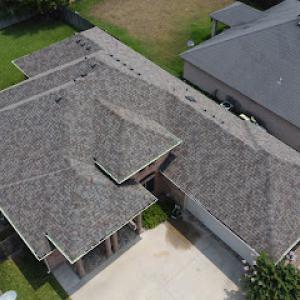
Castillo Roofing
Serving
4.9 from 13 reviews
Looking for excellent customer service and award winning roof installation? Castillo Roofing offers roof replacements, roof repairs, and custom metal buildings. Contact us today to learn more about our financing options. Visit us at one of our two valley locations. We are your preferred RGV roofing contractor.

Bison Roofing - McAllen Roofing Company
(956) 320-7663 bisonroofing.net
Serving
5.0 from 13 reviews
Serving McAllen and the Rio Grande Valley since 2004, Bison Roofing is a locally owned and operated leader in residential and commercial roofing. As an Owens Corning Platinum Preferred Contractor, we bring over 20 years of hands-on experience to every project—from minor leak repairs and professional roof washing to full-scale replacements. We pride ourselves on transparent pricing, top-tier materials, and a commitment to protecting your home or business against the unique South Texas climate.

Rilemar Roofing
(956) 420-0213 mcallen-roofing-service.us
Serving
5.0 from 13 reviews
Rilemar Roofing is a trusted McAllen roofing company, specializing in high-quality roof repairs, replacements, and installations. Our experienced team delivers durable roofing solutions for homes and businesses, ensuring long-lasting protection. We are committed to top-notch craftsmanship, reliability, and customer satisfaction. Whether you need a minor repair or a complete roof upgrade, trust Rilemar Roofing, your dependable McAllen roofing company. Contact us today!
McAllen Valley Roofing
(956) 673-0780 www.mcallenvalleyroofing.com
Serving
4.5 from 242 reviews
McAllen Valley Roofing is an award winning full-service Texas roofing company, offering residential and commercial roofing services. Our core business values are designed to provide you with an exceptional experience by delivering quality workmanship on every job. Our goal has always been to to provide all of our customers with the most cost-effective roof repair and to provide you with a quality roofing solution that will provide lasting satisfaction for many years. We service the entire state of Texas including Rio Grande Valley, Alamo, Alton, Brownsville, Del Rio, Edinburg, Harlingen, Hidalgo, Laredo, McAllen, Mission, Pharr, Rio Hondo, San Juan, and more… For a free roofing estimate, call 956-279-8292 or visit our website.
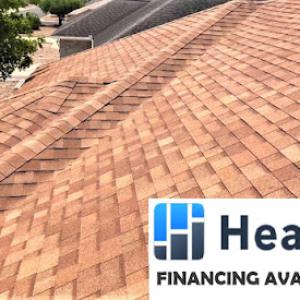
True Roofing & Construction
(956) 884-1688 www.trueroofing.net
Serving
5.0 from 6 reviews
Your trusted partners for RGV's premier roofing & construction services. True Roofing & Construction is your local, family-owned company, dedicated to transforming homes and businesses across the Rio Grande Valley. With years of experience and a commitment to excellence, we are your go-to experts for all things roofing and construction. Roof Repair & Installation Residential & Commercial Roofing Storm Damage Restoration General Contracting Exterior Renovations Siding, Gutters & More
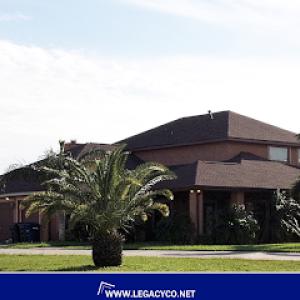
Legacy Construction & Roofing
(956) 758-9048 www.legacyco.net
Serving
4.9 from 52 reviews
With A+Rating with the BBB Legacy Construction & Roofing has been committed to quality and customer service. Legacy Construction & Roofing is the premier general construction company specializing in property restoration and repair for storm-related damage. With over 5 years of experience working with residential and commercial property owners, we are honored to be the company of choice in servicing the regions of South Texas.
Wolf on Roofs Construction
Serving
5.0 from 2 reviews
Reach out for any of your roofing needs, remodeling, new projects, commercial or residential, pools, gazebo, outdoor kitchens, barndominiums, and more. We service from residential to commercial buildings. Here at Wolf on Roofs Construction we have you covered.
Redline Roofing
(956) 867-7775 redlineroofing.weebly.com
Serving
5.0 from 15 reviews
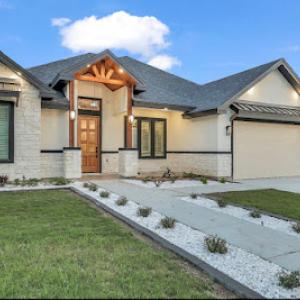
At Redline Roofing, we specialize in providing top-quality roofing services to homes and businesses in McAllen, Texas, and surrounding areas. With years of experience and a commitment to excellence, we deliver reliable roofing solutions tailored to your needs. Our services include roof installation, repairs, maintenance, and inspections, using premium materials and the latest techniques to ensure durability and long-lasting performance. Whether you need a new roof or emergency repairs, our professional team is here to protect your property and enhance its value. Choose Redline Roofing for unmatched quality, transparent pricing, and outstanding customer service. Contact us today for a free estimate!

McAllen Roofing
(956) 622-5948 mcallenroofing.com
Serving
5.0 from 7 reviews
McAllen Roofing is the most trusted large-scale roofer in Texas, specializing in the restoration and repair of commercial, industrial, government, and institutional roofs. From high rises to warehouses, we cover it all. With over 30 years of combined experience, our crew can repair all types of roofing systems and materials including asphalt shingles TPO, PVC, EPDM, flat roofs, metal, slate, and more. We value our clients and believe in professionalism with integrity. We get the job done right the first time. Serving Abilene, Austin, Brownsville, Corpus Christi, Dallas, El Paso, Ft. Worth, Houston, Laredo, McAllen, Midland, Odessa, San Antonio, South Padre Island, and more. Call now or visit our website for a free estimate.
Skyview Commercial Roofing
(956) 800-1623 www.skyviewroofingmcallen.com
Serving
4.8 from 16 reviews
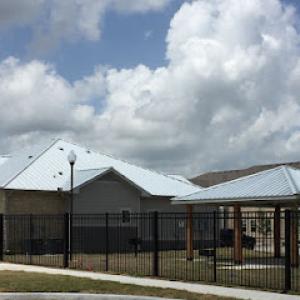
Skyview Commercial Roofing is a leading commercial roofing company based in McAllen, Texas, specializing in high-quality roofing solutions tailored to the unique climate challenges of the Rio Grande Valley. With years of experience, they offer a range of services including roof installations, repairs, and replacements using top-grade materials like TPO, PVC, and EPDM. Their commitment to excellence and customer satisfaction ensures durable, reliable roofing that protects your investments for years to come. For more details, visit their website.
Re-Roof Construction
(956) 506-1414 rgvreroofing.com
Serving
4.7 from 31 reviews
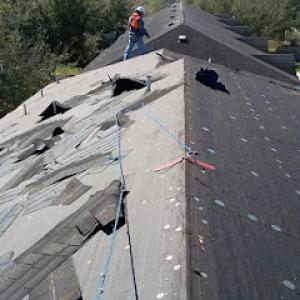
The family-owned roofing contractor McAllen trusts. Your roof would be happier with real experience. With 24 years in the roofing business and 11 years serving McAllen, Edinburg, Mission, Pharr, and the entire RGV, you'd have a hard time finding a better roofing contractor to make your roof problems disappear. No salespeople. No gimmicks. Just expert roofers who get it right the first time. We specialize in residential roofing, emergency roof repairs, storm damage, hail damage, and insurance claims that other contractors give up on. Serving neighborhoods from downtown McAllen to La Plaza Mall, from Fireman's Park to the McAllen Convention Center. When other roofing companies drop the ball, we pick it up.
When a hail or wind event hits the area, capture quality, date-stamped photos of the entire roof from multiple angles as soon as safely possible. Texas insurers commonly scrutinize roof age, prior damage, and maintenance records after hail or wind events, which matters in McAllen because storm-related claims can affect premiums and policy terms. Start with wide shots of the roof and gutters, then zoom in on any dents, broken shingles, granule loss, lifted edges, and flashing around chimneys or vents. If a satellite dish, antenna, or vent boot shows damage, photograph those parts too. Keep the metadata from the camera or phone intact if possible, and store copies in a cloud folder labeled with the storm date and street address.
Insurance evaluators will want to see how the roof has been cared for before the storm. Gather receipts for last roof maintenance, recent shingle replacements, and any previous repairs, even small ones. Homeowners in McAllen should expect adjusters to request date-stamped photos, receipts, and prior repair history when evaluating roof damage after severe weather. If a roofer or contractor performed work, have the work orders and warranties ready, noting what was replaced and when. This helps demonstrate that the roof has been properly maintained and reduces disputes about the roof's age or preexisting condition.
Ventilation and attic moisture are common after storms in this climate, so check for interior signs of leaks behind ceilings and along interior walls. Do not climb onto a wet or slick roof; use a sturdy ladder, fall protection, and a partner to watch for loose shingles or debris. If you can see visible damage from the ground-shingle curling, lifted edges, or granules in the gutters-document it, but avoid exposing yourself to risk. Temporary tarps can be used to contain leaks, but only after assessing structural safety. In this market, the timing of an inspection matters: claim timelines can be influenced by regional storm volume, so immediate documentation helps preserve evidence before temporary repairs or cleanup alter the scene.
When the adjuster arrives, be prepared with a chronological narrative of what happened during the storm and what areas were affected. Offer access to the roof and the attic if needed, and present your photo log and repair receipts in an organized folder. Local adjusters are accustomed to the heat-driven wear and wind-driven rain patterns that shape damage; they will look closely at flashing around vents, chimney details, and intersections where leaks often begin. A trusted local roofer can accompany you to the inspection to help articulate observed deficiencies caused by the storm, not preexisting issues. Keep conversations factual and focused on observable damage, avoiding speculative statements about cause or cost.
Storms in this part of the state can produce back-to-back events, so ongoing documentation matters. Maintain a running log of weather reports, any further hail or wind events, and subsequent repair notes. If a temporary repair is made, document the date, the contractor, materials used, and the expected duration of the fix. This keeps the record straight should the claim span multiple visits or be revisited during settlement discussions.
After the adjuster completes their visit, request a written summary of findings and the estimated payout scope. Review the repair plan for alignment with your documentation and the observed damage. If there is any dispute about coverage or scope, escalate through the insurer's dispute process with your compiled evidence packet. In McAllen, preserving a clear, dated trail of both exterior and interior consequences of the storm supports a smoother resolution and helps ensure the policy terms reflect the actual condition of the roof after the event.
Connect with contractors who help homeowners navigate the claims process from damage assessment to final approval.
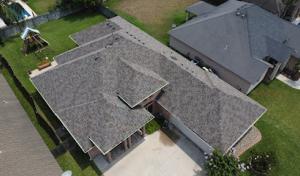

McAllen's prolonged heat and intense sun punch through roof coverings in a hurry, especially darker systems that soak up solar load. That accelerated aging shows up as faster fading, higher surface temperatures, and more rapid granule loss on asphalt or composite shingles. For metal roofs, heat can accelerate expansion and contraction cycles, potentially stressing fasteners and seams over time. When choosing or inspecting a roof, prioritize materials with higher solar reflectance and heat resistance, and look for color strategies that reduce heat buildup. If a roof sits under unshaded, afternoon sun, consider reflective coatings or lighter profiles within the material class to help keep the surface cooler and extend life between repairs.
High humidity in the Valley makes attic ventilation a local inspection concern during re-roofing, not just a comfort issue. Trapped moisture paired with heat creates conditions that foster mold, wood rot, and faster deterioration of underlayment and sheathing. A well-vented attic helps maintain balanced temperatures, minimizes condensation risk, and preserves the roof deck. Pay close attention to the attic's intake and exhaust path during removal and replacement: ensure soffit vents are unobstructed, eave openings remain clear, and ridge or turbine vents provide adequate exhaust. If the attic space feels damp or smells musty after a rain, investigate potential vent blockages, improper baffles, or insufficient airflow that could compromise the new roof's life.
The city's typical re-roofing scenarios benefit from deliberate venting planning. Before installing a new roof, confirm a continuous vent path from the eaves to the ridge, with properly spaced intakes and exhausts to avoid short-circuiting airflow. Use baffles above the insulation along all rafter bays to keep ventilation channels open and prevent insulation from blocking airflow. In tight attic spaces, consider adding high-capacity vents or a balanced system that includes both soffit and ridge components. Ensure there are no gaps around vent penetrations, chimney flashings, or skyline edges where moist air could accumulate and seep into the attic or roof deck.
Storm-season resilience hinges on keeping attic moisture under control and ensuring venting remains functional after wind-driven rain events. After a major storm, inspect roof penetrations, flashing, and vents for damage or blockage. Debris in soffits or vents can defeat ventilation goals and invite moisture-related issues. In long stretches of heat, plan mid-season checks or preventive re-venting adjustments if the roof was installed with insufficient intake or exhaust capacity. Regular, proactive inspections focused on venting health-rather than only visible surface condition-help sustain roof performance through the Valley's humidity and hurricane-season dynamics.
Asphalt shingles, metal roofing, clay tile, concrete tile, wood shingles or shakes, and synthetic or composite shingles are all active material choices in McAllen's market. Each option has its own balance of weight, heat reflectivity, and wind resistance. Asphalt is familiar and quick to install, while metal provides durable wind performance and better glare control. Clay and concrete tiles handle the sun well and stay cooler when properly vented, but heavier systems require a solid structural check. Wood shingles or shakes bring a classic look but may demand more upkeep in humidity and have different fire ratings. Synthetic or composite shingles offer a modern compromise, often lighter than tile and designed to mimic other materials without the same weight burden. The key is to match the roof's profile to the home's structure and the local climate realities.
Tile and metal have meaningful local contractor presence in McAllen, reflecting homeowner interest in longer-life systems that handle intense sun better than basic budget roofs. If you lean toward tile, concrete or clay options tend to endure the gusty, rain-driven storms with fewer warm-season failures when installed with proper underlayment and ventilation. Metal roofing, when correctly installed, responds well to heat and humidity and can simplify maintenance around fast-acting storm leaks. In either case, choose installers who understand southern exposure, attic ventilation strategies, and the seasonal wind patterns that drive rain through roof penetrations.
Homes often need material choices balanced against heat exposure, humidity, storm resistance, and the structural demands of heavier tile systems. If a heavier tile system is considered, ensure the roof deck and joists are rated for the load and that the fasteners and flashing are designed for wind-driven rain events. Ventilation plays a central role: ample soffit intake paired with a vented ridge keeps attic temperatures in check and reduces heat-related decking stress. For insurance documentation, collect before-and-after photos, high-quality installation records, and a clear description of material class, warranty terms, and warranty transferability to support storm-season claims.
Typical McAllen material pricing runs about $350 to $750 per square for asphalt shingles, $600 to $1200 for metal, $1000 to $2200 for clay tile, $900 to $1900 for concrete tile, $700 to $1200 for wood shingles or shakes, and $500 to $1000 for synthetic or composite shingles. Those bands reflect the heat, humidity, and the need for durable finishes that resist wind-driven rain. When you're budgeting, assume the upper end for the tile options if your roof is larger than a standard ranch or if you're upgrading to a heavier tile system that requires a stronger deck or framing.
In storm season, labor availability can tighten quickly after a widespread wind or hail event. Projects that would normally start in early fall or late spring can get pushed back by weeks, especially if crews are coordinating multiple repairs across neighborhoods hit at once. That means you may pay more for expedited timelines or end up waiting longer than you expect. If your roof has visible hail damage or accelerated wear from last summer's heat, document everything and contact a few locally trusted roof pros early to lock a window before demand spikes.
Costs can shift based on whether the home uses heavier tile systems, whether ventilation upgrades are needed for inspection approval, and whether work must be scheduled around extreme summer heat or active rain risk. Heavier tile systems may require a structural check or reinforcement, which adds labor and materials beyond the roof itself. Ventilation upgrades-like additional soffit vents or an updated ridge vent-can be essential for long-term performance in the humidity-heavy climate, and those updates show up as line items on a detailed quote. If a crew must work in the peak heat or around frequent rain risk, you'll notice adjustments in daily labor rates and staged progress, rather than a flat, one-shot price. Keep an itemized comparison to see how much each factor adds and where it's worth investing for resilience.
Don't let upfront costs delay a critical repair - these contractors offer payment plans to fit your budget.

XYZ Roofing & Restorations
(956) 230-2259 xyzroofingandrestorations.com
Serving
4.9 from 213 reviews
A full re-roof in this area commonly requires a permit issued through the city's Building Department. Before any new shingles go on, your contractor should pull the permit, and you should expect some lead time to align with the department's review. In practice, storms and high crew demand can push scheduling into tight windows, so set expectations early for inspection dates and permit approvals. Missing a scheduled inspection can stall final clearance and complicate the project timeline, especially when weather windows are narrow.
Inspections come into play both during installation and after the roof is laid. The city checks that underlayment, flashing, and venting are correctly installed before final approval. In McAllen, where heat and humidity push attic air to extremes, proper ventilation isn't optional-it's a performance issue that affects comfort and long-term durability. Your final clearance will also include a quick review of attic ventilation and code compliance, ensuring soffit and ridge ventilation are functioning and that retrofits meet current standards. Expect the inspector to verify that those details align with the local code, not just your contractor's claims.
Storm season elevates the risk of wind-driven rain and makes timely inspections even more critical. Plan ahead for possible scheduling constraints by coordinating with the contractor and keeping contingency dates in mind. If a storm does hit, arrange for a prompt post-storm inspection to confirm there are no hidden gaps or uplift concerns and to document any necessary repairs tied to the permit. Keeping a clear record of all permit-related documents, inspection notices, and the final clearance can smooth any later review by insurers or city authorities, should questions arise about the reroof work.
Flat and low-slope roofing has an active niche in the local contractor market, especially for homes with modern or commercial-style rooflines. In the heavy-rain summer pattern, these systems are more prone to drainage-related leak complaints during storm bursts than steep-slope roofs. Pay attention to standing water after a storm, and note any water marks near interior ceilings or walls that align with roof drains or scuppers. When a rapid downpour hits, the first line of defense is clear pathways for water to reach the drainage; clogged or undersized outlets quickly become the weak link.
A practical approach is to schedule quick rooftop walk-throughs after every heavy rain event, with focus on membrane seams, flashing at parapets, and edge details. Look for sudden blistering, surface wear, or transitions where wind-driven rain could force water under the membrane. On parapets, verify sealant integrity and flashing continuity. In McAllen, where heat can age coatings quickly, inspect color changes that hint at surface wear or micro-cracking that can open during a thunderstorm.
Roof coatings appear in the local market but as a smaller specialty, suggesting restoration is relevant here without being the dominant residential solution. If you opt for a coating, choose a product compatible with the existing membrane and verify that it supports drainage efficiency and UV resistance. Treat coatings as a maintenance layer, not a sole fix for persistent leaks.
Keep drains and scuppers clear and ensure scuppers are bonded to conduct water away from the edge. Remove debris from the roof surface and check the termination details at edges and penetrations. Use temporary patches only for immediate rain protection while planning a professional repair, and document every area of concern with photos.
When a storm is on the way, have a reliable tarping plan ready for rapid deployment over any known vulnerable sections. After a major rain event, prioritize quick leak control and moisture mitigation inside, then coordinate with a contractor to address flashing, seams, and drain capacities. If a leak is suspected, capture timing, location, and rainfall rate for insurance documentation, and communicate the information clearly to a roofing professional.
Find specialists in TPO, EPDM, and built-up flat roofing systems for residential and commercial properties.
XYZ Roofing & Restorations
(956) 230-2259 xyzroofingandrestorations.com
Serving
4.9 from 213 reviews


In this market, quick response after a storm is one of the clearest signals of a contractor you can rely on. Homeowners here often need rapid leak control before water damage spreads, so prioritize crews that promise on-site assessments within hours and on-site tarping or temporary fixes the same day. If a contractor's first contact is bundled with a clear timeline and a moves-now attitude, that's a strong pointer you're dealing with a team that understands the Rio Grande Valley's weather patterns.
When you call, ask not just for an estimated start date, but for a practical window of arrival after contact. Request a written commitment to a one- to two-visit plan: a quick leak-control visit, then a full roof repair or replacement within a defined timeframe. Check if the crew assigns a dedicated project lead during the storm season, and whether they use a first-fit approach-address the most vulnerable areas first and escalate as needed. In this market, residential re-roofing dominates, so you'll often compare crews on how they handle cleanup and material staging as much as on price.
Long-established and family-owned firms stand out for predictable warranty follow-up after a storm-heavy season. Look for a company with a visible local footprint and a stable crew roster, not frequent turnover. Ask about how they handle post-install inspections and warranty repairs, especially after major wind-driven rain events. A locally rooted firm with a steady team is likelier to honor follow-ups and prevent delays that hinge on outside specialists.
Request recent project references from nearby neighborhoods with similar homes and weather exposure. Verify that the crew can mobilize quickly after a storm, and confirm cleanup practices are built into the plan so debris and nails don't linger. For storm resilience, prioritize firms that demonstrate organized staging, clear communication, and documented post-storm support processes. In this market, speed paired with solid workmanship and dependable warranty service is the strongest combination.