
Last updated: Apr 19, 2026
San Angelo sits in West Texas hail country, and spring storm activity is the most important trigger for inspections, repairs, and full replacements. When the sky turns green and the wind starts howling, the clock begins ticking on roof damage. Hail-driven denting, loosened flashing, and compromised ridge components often hide under a dry, sun-scorched surface until the next round of storms exposes them. In practical terms, that means a sharp alert after every hail event is essential: if you hear hail, see pocked shingles, or notice granules in gutters, treat it as the first signal to inspect.
Local roofing demand can spike immediately after hail and wind events, which affects scheduling, temporary protection needs, and how quickly homeowners need documentation. If a storm rolls through and your roof has visible impact or leaks, do not wait for a convenient calendar date to call for an assessment. Scheduling can fill fast, and a prompt on-site check helps catch issues before they radiate into interior damage or attic mold. Homeowners should anticipate rapid demand for temporary tarping or boards to keep rain out while awaiting diagnosis, especially when a dry spell doesn't actually heal structural vulnerabilities.
The city's hot, dry pattern means roofs may look serviceable until a hail season exposes brittle shingles, loosened ridge components, or flashing weaknesses. A roof that survived winter may still fail spectacularly when spring storms arrive. Cracking shingles, cupped edges, or tabs that no longer lie flat can hide under a sun-baked surface. Ridge cap wear and flashing around vents or chimneys can loosen in the heat and open a path for water intrusion during a wind-driven downpour. A quick telltale: shingles that feel flexible or soft in the heat may be more vulnerable than their appearance suggests, especially when paired with prior storm impact.
In practice, a focused post-storm inspection should happen within 24 to 72 hours after a hail or strong wind event, weather permitting. Look for dented or nicked shingles, shingle edges that have lifted, granule loss along gutters, and any new staining near attic penetrations. If attic signs emerge-dark spots, musty odors, or damp insulation-turbulent weather likely found a path in. For homeowners, a documented visual check today helps crews verify what's needed tomorrow, and it creates a solid claim trail if insurance involvement is part of the process.
When a storm blows through, you will want clear, dated photos of the roof both before and after any event, plus notes on any interior signs of water intrusion. Keep a simple log of each storm's date, intensity, and resulting observations from ground-level and attic vantage points. This local cycle-storm, inspection, protection, repair or replacement-moves quickly, and having crisp evidence streamlines scheduling, subcontractor access, and the subsequent steps to restore a durable, weather-ready roof.
Insurance activity climbs after hail and high-wind events, and San Angelo homeowners should expect adjusters to zoom in on the storm dates, photo evidence, and the exact scope described for roof damage. Local policies in this market can carry adjusted deductibles or tighter terms on roof losses, especially when multiple claims roll in from the same neighborhood after a severe spring outbreak. From the first phone call to the final claim note, maintain a careful, factual record of what happened and when. If an adjuster asks for specific timing, be precise about when the hail bands or gusts were most intense and how long the leaks persisted. Haste can backfire if the evidence doesn't align with the claim narrative.
In this climate, before-and-after photos, contractor affidavits, and prompt documentation matter. Take clear images of the entire roof line, attic spaces, and visible interior staining, making sure to date every shot. Have a trusted, independent contractor complete a written assessment that details observed damage and recommended repairs. An affidavit from the contractor describing the workmanship and scope can help prevent later disputes about what was included in the claim. Store copies of every correspondence, estimate, and receipt, and organize them by date so you can present a coherent story if the claim is questioned. If a lien or assignment is required to expedite repairs, handle those steps with care and keep copies for your records.
Because claim volume tends to surge after regional storms, documenting elevations, soft metal impacts, and interior leaks before emergency repairs can alter the evidence. If temporary fixes are needed, capture photos of those temporary measures and note the date, the weather conditions at the time, and why the temporary solution was necessary. Avoid making permanent changes before the adjuster has a clear view of the initial condition. When possible, schedule a professional assessment prior to any large-scale repairs so the documentation reflects the original state of the roof rather than what happened after quick fixes. If interior leaks are present, document the progression with dated photos and note the rooms affected, the ceiling stains, and any affected electrical or insulation components.
Clear communication matters in this market. When filing, provide concise, factual descriptions that match the photos and the contractor report. If the insurer questions the scope, avoid speculation and refer back to the written assessment and dated imagery. In case of a disagreement about hail-prone policy terms, request a formal review and keep all timelines visible. Staying organized reduces the chance that a claim drifts into misalignment about what was damaged, what remains, and what was repaired. In the wake of a storm, this careful approach can help you navigate the aftermath without losing essential details to the shuffle of sudden, large claim volumes.
Connect with contractors who help homeowners navigate the claims process from damage assessment to final approval.
Hartman Roofing
(325) 653-2888 www.hartmanroofing.com
96 W 4th St, San Angelo, Texas
4.9 from 312 reviews
Angelo Roofing & Siding
(325) 213-3330 angeloroofingandsiding.com
513 Powell St, San Angelo, Texas
4.6 from 42 reviews
Hartman Roofing
(325) 653-2888 www.hartmanroofing.com
96 W 4th St, San Angelo, Texas
4.9 from 312 reviews
Make Hartman Roofing your first choice for metal roofing, commercial roofing, standing seam roofing, and much more. Our team takes pride in offering a variety of roofing services to meet the needs of our residential and commercial customers. We work on the following types of roofing projects: composition shingles, metal roofs, impact-resistant shingles, stone-coated steel roofs, and cedar shake roofs. We offer free estimates, superior customer service, and quality craftsmanship.
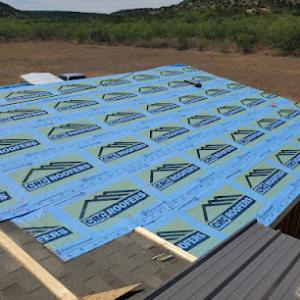
CRC Roofers
8531 Spillway Rd, San Angelo, Texas
4.9 from 56 reviews
San Angelo, Texas based residential and commercial roofing contractor with a quick response time. Installation, roofing repairs, emergency damage response and more. Hundreds of satisfied customers throughout all of West Texas with a highly respected reputation and 30+ years construction experience.
Angelo Roofing & Siding
(325) 213-3330 angeloroofingandsiding.com
513 Powell St, San Angelo, Texas
4.6 from 42 reviews
Angelo Roofing & Siding proudly and expertly installs roofing and/or siding San Angelo and surrounding areas. We've got the ratings, reviews, and years in business to prove it.

Kent Elliott Roofing
(325) 655-2800 www.kentelliottroofing.com
128 W Washington Dr, San Angelo, Texas
4.3 from 76 reviews
Since 1966, Kent Elliott Roofing has been the trusted name in quality roofing. Serving both residential and commercial clients, we bring decades of experience to every project. From comprehensive roofing solutions to free, detailed inspections, let us protect your investment with reliable service. Find us at the same, convenient location on West Washington Drive since 1968!
Harrison Roofing
(325) 653-6786 www.harrisonroofingco.com
1317 Hill St, San Angelo, Texas
4.8 from 14 reviews
We offer professional roofing installation for commercial and industrial, residential, and municipal buildings. We have been proudly serving San Angelo & West Texas since 1928.

Gutierrez Roofing Contractor of San Angelo
San Angelo, Texas
4.5 from 16 reviews
Gutierrez Roofing Contractor of San Angelo provides roofing and remodeling services, construction service, concrete service, lawn care, drywall and painting service in San Angelo, TX. Call us now! #Roofing Service #Residential Remodeling #Home Roofing Service #Home Remodeling

C C Roofing
(325) 944-0340 www.sanangeloroof.com
1144 Glenna St, San Angelo, Texas
4.1 from 51 reviews
C.C. Roofing & Construction has been San Angelo’s full-service roofing and construction company since 1981. C.C. Roofing & Construction offers a wide range of services to home and business owners in San Angelo and the Concho Valley. Our experienced, knowledgeable and trained experts offer residential, commercial and industrial roofing and construction services.
Black Tie Roofing & Construction
(325) 374-2540 www.blacktieroofs.com
2016 Douglas Dr, San Angelo, Texas
5.0 from 5 reviews
Black Tie Roofing and Construction is here to meet all your needs. We have 24 years experience in the industry. We will assist you in handling the insurance claims process, meet with your adjuster, provide a quality report for scope of work to be completed, do a quality install and cleanup, and warranty everything we do. Our owners are Kyler Ellison and Curry Austin. Please visit the Meet The Crew section to learn more about them.
C&D Roofing & Reconstruction
San Angelo, Texas
4.4 from 7 reviews
You need a roofing and construction company you can trust when it comes time to upgrade your home. P&P Roofing and Construction can handle your project Our attention to detail and penchant for hard work makes us stand out from other contractors in San Angelo, TX and surrounding areas. Whether you need residential or commercial services, we're here for you.
Candela Roofing
430 Upton St, San Angelo, Texas
4.0 from 14 reviews
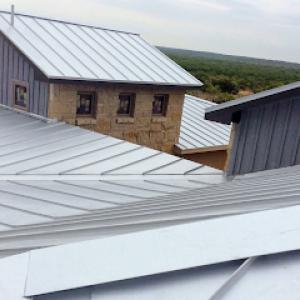
Servicing The Greater Concho Valley and surrounding areas, as far as Dallas, Texas and as close as Christoval, Texas, we are locally owned and operated, specializing in standing seam mental roofing systems for both residential and commercial properties. Other roofing systems we offer include modified bitermans, composition shingle, spanish style, stone coated metal, and more. Additional services range from free estimates to letter of assis, gutters and roofing repairs for all roofing systems. 20 years in the roofing industry Candela Roofing has been providing the solution to all your roofing needs, no job to big or small. For more information our experts are happy to assist

Toro Exteriors
(325) 284-8237 toroexteriors.com
12 E Twohig Ave Suite 200-S114, San Angelo, Texas
5.0 from 3 reviews
We offer a full suite of exterior services such as roofing, exterior painting, siding, patios, gazebos, concrete and more!
B. Ramirez Roofer
(325) 277-8944 www.facebook.com
2714 FM2105, San Angelo, Texas
5.0 from 2 reviews
We are a small business serving San Angelo Texas and the surrounding area for more than 25yrs. We specialize in all types of asphalt roofs, metal, wood shakes/shingles, and all tile roofs including slate roofs. Give us a call for a free estimate!!!
San Angelo's long hot summers accelerate asphalt aging, making heat resistance and attic ventilation more consequential here than in cooler Texas markets. When the sun beats down for days on end, shingles wear faster, granules can loosen, and cycles of heat and cool down can cause small gaps to open in the roof deck. In practical terms, this means choosing a roof with built-in heat resilience and planning for attic ventilation that moves hot air efficiently out of the attic space. A well-ventilated attic helps keep the underside of the shingles cooler, which slows age and reduces the risk of premature cracking or curling. Look for usage of reflective or lighter-tone shingle options where possible, and pair any high-heat choice with a balanced ventilation strategy.
Metal roofing is especially relevant in this market because it handles intense sun exposure well and is one of the dominant materials actually installed locally. If you're weighing metal, focus on panels designed for high solar reflectance and sealed seams that resist wind-driven rain. Metal's lighter mass means less thermal mass to transfer heat into the attic, which can translate to lower cooling loads in summer. It also stands up better to hail than many traditional options, though it's not maintenance-free-check for proper attachment, secure fasteners, and an underlayment that tolerates wind-driven impact. In hail season, a metal roof with a solid protective coating and reinforced edges can deliver a practical balance of longevity and performance.
Tile options fit parts of the local housing stock but require attention to underlayment durability and impact vulnerability when hail seasons are active. Clay and concrete tiles bring a durability story in dry heat and can offer decent longevity if installed with a robust underlayment and proper flashing detail. However, they are heavy and may demand a reinforced structure, plus careful selection of impact-resistant underlayment and fasteners. When hail is a real concern, choose tiles with improved impact resistance and consult the installer about spacing, edge protection, and the possibility of using broader battens to reduce stress on the tile. Consider the weight and the solar heat gain; in some homes, a hybrid approach with a durable underlayment paired to a carefully selected tile profile yields the best balance.
Synthetic or composite shingles often provide good heat tolerance and wind resistance with a lighter carbon footprint than some traditional materials. They can offer enhanced impact resistance compared with standard asphalt while keeping installation more straightforward than tile. In this climate, prioritize products with high reflectivity, UV stability, and proven performance in hot, sun-drenched environments. The right synthetic option pairs well with robust attic ventilation and a properly sealed underlayment to mitigate heat-related wear over time.
Regardless of material, prioritize attic ventilation as part of the plan. A well-ventilated roof is not optional here-it's a performance feature that protects insulation, reduces cooling demand, and extends roof life. Ensure intake and exhaust vents are unobstructed, and consider powered exhaust in attic zones that struggle to vent naturally. Regular inspections after spring hail and wind events should focus on flashing integrity, sealant conditions, and any signs of accelerated wear at heat-stressed joints. A durable underlayment and thoughtful edge detailing help ensure long-term resilience when the next sun-scorching season hits.
In this area, the price landscape is driven by the dominant mix of asphalt, metal, tile, wood shake, and synthetic products actually used rather than by membrane-heavy urban flat-roof pricing. That means your project cost is less about "the roof type everywhere" and more about what homeowners here commonly choose for replacement after hail and wind events. Asphalt shingles sit at the lower end of the cost spectrum, while metal, clay or concrete tile, and wood shakes push the price higher. Synthetic shingles typically sit between asphalt and the higher-end tile options. When you're evaluating bids, focus on the material you select and how it aligns with local weather patterns, not a generic national price.
Spring hail season pushes demand, and that surge can tighten labor availability for full re-roofs and insurance-funded work. You may see longer lead times for crews and materials right after a severe hail event, especially on reroofs that require deck repairs or extensive flashing work. The timing of your project can swing several weeks depending on the severity of the hail season, the scope of damage found during tear-off, and how quickly insurance settlements move. Build a realistic window into your planning, knowing that the time from damage assessment to completed replacement may stretch when storms are active.
Costs can move with permit valuation, decking repairs found during tear-off, and ventilation or flashing corrections required at inspection. If the teardown exposes damaged or warped decking, expect a bump in the square footage price to cover replacement of boards and nailers. Ventilation and attic insulation adjustments, plus upgraded flashing around chimneys, vents, and skylights, commonly appear as line items that alter the final total. When you receive bids, ask for line-item detail on decking repairs, ventilation improvements, and flashing work so you can compare apples to apples.
When budgeting, start with a preferred material and then quantify potential decking repairs, ventilation upgrades, and flashing corrections. Obtain bids that itemize these elements and request two or three alternative packages to compare overall value. If hail season is imminent, schedule a preliminary inspection and note any immediate concerns such as exposed decking or compromised insulation, so the final estimate reflects realistic scope and timing.
Get a clear picture of your project costs upfront - no commitment required.
Hartman Roofing
(325) 653-2888 www.hartmanroofing.com
96 W 4th St, San Angelo, Texas
4.9 from 312 reviews
Angelo Roofing & Siding
(325) 213-3330 angeloroofingandsiding.com
513 Powell St, San Angelo, Texas
4.6 from 42 reviews
A full roof replacement in this area typically requires a permit issued by the City rather than being handled informally between contractor and homeowner. The permit process begins with an application that outlines the scope of work, including tear-off, decking replacement if needed, and new material specifications. Knowing this early helps prevent delays when spring hail damage prompts rapid repairs. If the project includes size changes, venting upgrades, or structural work, the city will review the plans more closely, and the timeline can lengthen accordingly. In practice, it is common for a replacement once the old roof is removed to trigger a fresh inspection framework rather than rely on an informal nod from a contractor.
City inspections are commonly performed at the rough or underlayment stage and again at final. During the rough/underlayment check, inspectors pay particular attention to the condition of decking, the presence of any soft spots or rot, and the adequacy of ventilation to manage heat and moisture buildup that can occur after hail damage. Proper access to attic spaces and clear vents help ensure long-term performance under San Angelo's intense sun. At the final inspection, flashing details around chimneys, extensions, and wall intersections come under scrutiny. The goal is to confirm a watertight install that will resist strong spring winds and the season's typical hail exposure. If there are any deviations from approved plans-such as changing underlayment type or altering the ridge vent configuration-the inspector may require corrective work before final approval.
Permit processing and fees vary with project value, so scope changes after tear-off can affect both paperwork and inspection timing. If hail damage reveals additional decking that needs replacement or if material choices shift after initial approval, it's essential to communicate these changes promptly to the permit office and the contractor. Delays often stem from updating plans, reissuing permit documents, or rescheduling inspections. Keeping a clear record of all changes, including new shingles or metal profiles and any ventilation upgrades, helps align weather-sensitive timelines with the inspection calendar. Since spring wind events in this area can accelerate replacement decisions, coordinating with the contractor to minimize gaps between roof removal, underlayment installation, and final decking stabilization reduces the risk of weather-related setbacks and keeps permit milestones on track.
Milder spring and fall conditions are generally the best installation windows in San Angelo, while extreme summer heat can complicate crew productivity and material handling. Plan for a schedule that avoids peak heat of the afternoon and accounts for days when temperatures push past the comfort threshold for crews and sealants. Coastal humidity and heavy snows aren't the governing factors here, so align start dates with mid-month forecasts that promise moderate temps rather than just calendar dates.
Winter freezes in this part of Texas can create contraction and expansion stress and expose underlayment moisture issues even without prolonged northern-style snow loads. If a roof is delayed into late fall or early winter, check for signs of prior moisture intrusion and ensure the roof deck is dry before installation resumes. Spring hail events can drive sudden scheduling changes; have a contingency plan for moving crews around to protect freshly exposed underlayment and to keep tarping or temporary protection on hand.
Fall winds can interfere with tear-off, dry-in, and site cleanup, so timing matters even outside peak hail season. When high winds are forecast, secure scaffolding, PPE, and loose materials ahead of time, and coordinate with the crew to stage work in wind-friendly windows or days with calmer gusts. Debris and dust from tearing off old roofing can complicate cleanup in windy fall days, so plan extra time for containment and haul-off between cycles of removal and installation.
Block out two to four consecutive days for the core installation window when temperatures are mild, humidity is manageable, and wind is typically lower. Build a flexible buffer into the plan for unexpected hail alerts or sudden heat spikes, which are common in late spring and early summer. Coordinate with your installer to target dry-in completion before the onset of the hottest stretch, then complete final sealing and cleanup during temperate evenings or a cooler morning.
In San Angelo, common failure patterns center on hail bruising, wind-lifted shingles, flashing displacement, and heat-aged asphalt rather than ice damming or salt-air corrosion. After a heavy hail event, you may notice granule loss, soft-looking or dented shingles, or lifted edges along eaves and ridges. Wind can peel shingles loose in patches, especially on roofs with marginal fastener alignment or worn seals around vents and chimneys. If you see lifted tabs or curled edges, treat it as a warning-underlying damage may progress quickly in the heat.
Underlayment and ventilation problems often become visible only after the city's rough inspection stage or after a storm opens pathways for leaks. Poor attic venting traps heat and accelerates shingle aging, while compromised flashing around roofs intersections invites slow leaks that spread behind fascia or into soffits. Pay attention to stained ceilings after a stiff breeze or storm, and listen for the telltale hiss of wind getting under stray edges during gusts. A leak trace often starts with a tiny drip or musty attic smell days after a dry spell ends.
Tile and shake roofs in this market need close inspection for impact damage, displaced pieces, and hidden underlayment wear after severe weather. A single compromised tile can cascade into water intrusion if the underlayment has begun to fail. Look for cracked, chipped, or displaced pieces, plus any foam or felt showing through around fasteners. Even if a roof looks "fine" from the ground, wind-driven impacts can compromise interlacing and strap connections, creating fragile zones that fail during next storm.
Find contractors experienced in skylight installation, flashing, and leak repairs to bring natural light into your home.

C C Roofing
(325) 944-0340 www.sanangeloroof.com
1144 Glenna St, San Angelo, Texas
4.1 from 51 reviews