
Last updated: Apr 19, 2026
Spring hail and heavy rain are a primary roofing risk in Abilene and often create sudden surges in repair demand and scheduling delays. The West Texas sky can shift from a clear afternoon to a dime-sized hail storm in minutes, hammering shingles, flashing, and gutters in ways that aren't obvious at first glance. When storms roll through, you'll notice a spike in post-storm visits from neighbors and contractors alike, all racing to assess damage before moisture penetrates into the attic or ceiling. The heat and UV ramp up quickly after the hail, which can complicate inspections and early-stage repairs if you're not ready to act. Quick triage-identifying missing granules, dented metal, and lifted or cracked shingle edges-helps you separate cosmetic scuffs from structural risk that requires immediate attention.
West Texas roof claims in this market commonly require photo documentation, contractor estimates, and on-site adjuster review after hail or wind events. Start gathering proof the moment you can: take wide shots of the affected roof, close-ups of damaged shingles, and any interior signs of leaks. If you don't have a good photo record, you'll be playing catch-up during a busy time when adjusters are flooded with calls. When you file, your insurer will want a full set of estimates from a licensed contractor, plus a detailed report describing how the damage was caused and what it will take to restore. Insurers in this market often rely on on-site adjuster reviews, so your project can hinge on coordinating an inspection window that aligns with the adjuster's schedule. Be prepared to facilitate access to the attic and roof line, and keep a log of any temporary repairs you perform to mitigate further damage.
Reroof timing in Abilene is often best in spring or fall because peak summer heat and active storm periods can complicate installation quality and scheduling. High temps shorten shingle life during installation and can push contractors toward rushed workmanship to beat the heat, increasing the risk of warranty issues down the line. Spring and fall not only provide milder working conditions but also align better with the insurance claims process, letting you secure necessary approvals before the next round of storms. If you've just endured a hail event, use the interim days to lock in a trusted local contractor, collect a comprehensive estimate, and ensure material selections are weather-tolerant to withstand West Texas sun and wind. Delays in scheduling can stack quickly as crews move from one storm-damaged home to the next, so early commitment matters.
Documentation isn't a courtesy-it's the backbone of a smooth claim and timely repair. In practice, you'll want a clear, organized folder: before-and-after photos, a written damage description, contractor estimates, the adjuster's appointment window, and any correspondence with the insurer. Scheduling is a two-step dance: secure the claim-approved scope and then lock in a start date with a licensed roofer who can handle the weather windows. Expect weather hold days; plan a weather contingency in your timeline and keep communication lines open with your contractor and the insurer. If a parameter shifts-like a rescheduled adjuster visit, a change in material availability, or a sudden rain delay-proactively adjust your plan to avoid a cascade of stalled work. In practice, you'll gain momentum by syncing the claim approval with a ready-to-start crew poised to maximize the spring or fall window.
Equip yourself with a two-week sprint plan: take initial photos within 24 hours, file a preliminary claim, and request an on-site adjuster appointment within the typical storm cycle. Cultivate a small roster of reputable local roofers who understand the West Texas climate and the realities of rapid scheduling changes. Confirm your chosen contractor can provide a detailed, itemized estimate tied to a documented scope that aligns with insurer expectations. Maintain a running log of all inspections, communications, and temporary measures you deploy to prevent water intrusion. The clock moves quickly after a hail event-act decisively, document thoroughly, and align your repair timeline with the spring or fall windows to protect the home and your investment.
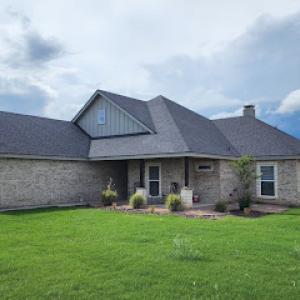
Thornton's Roofing Company
(325) 513-7663 www.thorntonsroofingcompany.com
1102 Petroleum Dr, Abilene, Texas
5.0 from 195 reviews
Thornton's Roofing Company has experience in all kinds of roofing work. From composite shingles to metal, we can provide a wide range of roofing products for your roofing construction needs. We offer a complete storm damage restoration package providing high-quality roofing renovations as well as tree removal, stump grinding, land clearing, and hedge trimming. Call us today.
Peak Roofing
(325) 208-1457 roofsbypeak.com
8050 Buffalo Gap Rd, Abilene, Texas
5.0 from 70 reviews
Peak Roofing is locally-owned and operated in Abilene. We serve home and business owners in Abilene, San Angelo, Lubbock, Midland and Odessa with reliable, long-lasting roofing and exterior solutions to keep their homes and businesses in peak condition year round. Plus we offer FREE estimates and insurance claim assistance to ensure a seamless experience for you! Our owner has over 25 years of experience in the roofing, construction, and insurance claims industries. This uniquely positions us to create an experience for you that is open, transparent, and rooted in integrity, all while maintaining the highest level of craftsmanship. Reach out today!
Hartman Roofing
(325) 692-5003 www.hartmanroofing.com
1565 Dunnam Dr, Abilene, Texas
4.9 from 152 reviews
Make Hartman Roofing your first choice for metal roofing, commercial roofing, standing seam roofing, and much more. Our team takes pride in offering a variety of roofing services to meet the needs of our residential and commercial customers. We work on the following types of roofing projects: composition shingles, metal roofs, impact-resistant shingles, stone-coated steel roofs, and cedar shake roofs. We offer free estimates, superior customer service, and quality craftsmanship.
Barr Residential Roofing Services
(325) 701-9529 www.trustbarr.com
2250 Oak St, Abilene, Texas
4.9 from 192 reviews
Barr Residential Roofing Services has been providing the best roofing installation, roof maintenance and roof inspection services in Abilene for years. We offer everything from fixing hail and wind damaged roofs to full roof replacements. We value this community and we value you, our customer. We are fully insured, accredited, certified, and are A+ rated by the Better Business Bureau.
Fat Matt Roofing
(325) 704-5139 www.fatmattroofing.com
3425 S 14th St Suite 100, Abilene, Texas
4.8 from 225 reviews
Fat Matt Roofing: Trusted. Local. No leaks, all peaks! When it comes to roofing, we've got you covered. Literally. We're the masters of keeping your home cozy and dry. Rain or shine, we're here to ensure your roof is as solid as a rock. Our expert team will swiftly assess the damage, giving it a thorough inspection that even Sherlock Holmes would envy. Then we’ll fix the damage and pesky leaks with lightning speed. No need to worry about shoddy workmanship or delays – we're local, and we take pride in our reputation. So when disaster strikes, trust Fat Matt Roofing to turn chaos into calm. Thank you for Choosing Fat Matt Roofing for a roof that's so good, you'll leave a glowing review. Go ahead call your trusted local roofing superheroes
Ja-Mar Roofing & Sheet Metal - Abilene
(325) 672-0204 www.jamarroofing.com
642 Pecan St, Abilene, Texas
5.0 from 33 reviews
Ja-Mar Roofing & Sheet Metal proudly serves Temple, Texas, with trusted residential and commercial roofing backed by over 50 years of experience. From roof repairs and replacements to metal roofing and storm restoration, our certified team delivers quality, honesty, and lasting protection built for Texas weather. We offer free roof inspections, expert guidance, and reliable craftsmanship to keep your home or business secure year-round. Roofing done right—Built Ja-Mar Strong!
Patriot Roofing
(325) 213-1923 texasroofcontractor.com
3274 S 27th St suite 121, Abilene, Texas
5.0 from 24 reviews
A highly rated full-service fully insured and bonded roofing company offering, Free Inspections, Financing Drone Inspections, Damage Assessments. All residential and commercial types of roof installations, repairs, Replacements, storm restoration, and more! I started roofing as an 18-year-old. After I served in the US Military, In 1995 I started my first roofing company with a focus on craftsmanship and commitment to excellence. Texas Patriot Roofing now provides comprehensive solutions to all your roofing needs, including warranties! Bryan has the expertise to deliver tailored, long-lasting quality! We are available now, open 24 hours a day. CALL NOW 325-213-1923 Email: Patriotroofingsjt@yahoo.com
Bunton Roofing Company
(325) 274-7050 www.buntonroofing.com
4825 Hill St, Abilene, Texas
5.0 from 22 reviews
Bunton Roofing Company is a trusted local roofer serving Abilene and the Big Country with quality, fairness, and service you can count on. We specialize in roof inspections, repairs, replacements, new installations, and preventative maintenance for residential and commercial properties. Our experienced team works with shingle, metal, and flat roofing systems and can assist with insurance claims and financing options. Family-owned and operated, Bunton Roofing takes pride in protecting West Texas homes and businesses with honest work and dependable results.
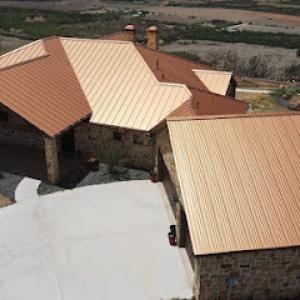
Chad Dodson Roofing Abilene
(325) 428-6222 chaddodsonroofing.com
327 Meadow Ln, Abilene, Texas
4.8 from 24 reviews
Chad Dodson Roofing Abilene is a trusted roofing contractor in Abilene, TX & serving The Big Country. Offering a comprehensive range of services, including roof inspection, replacement, repair, & installation for both residential & commercial properties, our team is experienced in working with various roofing materials such as metal, TPO, and modified bitumen, ensuring durable, energy-efficient roofing solutions tailored to your needs. When dealing with storm damage, Chad Dodson is an insurance restoration specialist & can help you to maximize your insurance claim to fully restore your home or business. Fully licensed, bonded, and insured, we are A+ rated with the BBB. As a family run business, you can expect personal service & expert work.
✅Clear Choice Roofing of West Texas
(325) 267-8555 clearchoiceroofingwtx.com
1709 S Willis St, Abilene, Texas
5.0 from 11 reviews
At Clear Choice Roofing of West Texas, we offer top-tier roofing solutions to protect your home and business. Our expert team specializes in metal roofing in Abilene TX that combines durability and style. We provide silicone roof coating in Abilene TX for enhanced protection against the elements. Trust us for reliable siding & gutters in Abilene TX installation to maintain your property’s integrity. From roof damage repair in Abilene TX to comprehensive roof inspection, we ensure your roof is in optimal condition. Need a new roof? Our roof installation services guarantee a long-lasting, high-quality solution for your property. Choose us for all your roofing needs. Get Your Free Roofing Estimate with Clear Choice Roofing of West Texas!
Nick's Roofing
(325) 500-8820 nicksroofing.net
3274 S 27th St, Abilene, Texas
5.0 from 11 reviews
A Professional Roofing Service, Providing Elite Level Roofing Services Through The Lone Star State Of Texas For 7+ Years. Insurance Claims Specialists, Free Roof Inspections & Free Consultations. Residential & Commercial. Call Us Today !
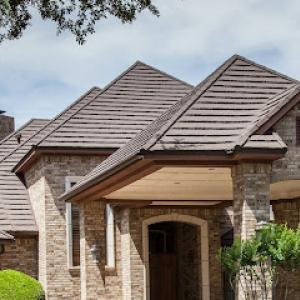
Sitton Roofing
517 N 4th St, Abilene, Texas
4.6 from 12 reviews
Sitton Roofing (also known as Gary Sitton Roofing) has been serving the Abilene, TX area since 1974 as a trusted roofing contractor, providing roofing services for both commercial and residential properties. Whether you choose composition or wood shingles or opt for modern metal roofing materials, Gary Sitton and the team at Sitton Roofing will ensure a professional installation. We also perform roof inspections and repairs. If you have a flat roof, we specialize in building up roofs to prevent common issues. Proper construction extends its lifespan and enhances protection. We offer a variety of roofing styles, including metal, traditional shingles, and Spanish tile.
The West Texas sun is unforgiving, and the surface temperatures on a roof can push well past what's comfortable for any shingle. In a typical Abilene summer, heat and UV exposure accelerate aging, so material choices should emphasize heat resistance and color stability. Hail storms add another layer of consideration, since impact resistance isn't just about first-year performance but how well the roof recovers after a storm and how visible damage appears after a quick inspection. Material selection should balance heat endurance with practical maintenance.
Most homes here rely on asphalt shingles and metal roofing, with tile and wood shakes present but less common. Asphalt shingles offer a familiar, cost-conscious option with decent color stability when you pick a sun-reflective granule mix and a warranty geared for heat. Metal roofing stands out for longevity and reflective potential, which helps reduce heat buildup in attic spaces. Tile, wood shakes, and synthetic options can fit certain styles or preferences, but their performance varies with shade, slope, and hail history. Your choice hinges on whether you prioritize initial simplicity or long-term resilience.
Hailstorms in this area create a tradeoff: some materials hide cosmetic hail damage better than others, while others show impact more clearly but offer higher impact resistance. Metal roofing tends to resist denting and can shed granule loss, yet it may show more visible hail marks depending on profile. Asphalt shingles can crack under severe hail but can be sealed with proper installation and underlayment. Clay or concrete tile provides excellent life in hot, dry climates but can fracture under hail and is heavier to retrofit. Weigh how much visibility you're willing to tolerate versus how quickly you can repair after a storm.
Abilene homes often present straightforward slopes and simple footprints where asphalt shingles shine because of broad color options and proven performance under sun. Metal roofing pairs well with modern or ranch-style homes and gives a clean, high-reflectivity look that reduces attic heat load, especially when paired with ventilation and light-colored coatings. If a roof has a steeper pitch or is a heritage-style structure, clay or concrete tile can deliver a distinctive curb appeal while still offering heat resistance, though the weight and complexity of installation must be considered. Wood shakes bring a rustic texture, but their vulnerability to UV drying and potential rapid aging under heat makes them a less common choice for new builds.
Start with a high-reflectance, heat-tolerant asphalt shingle or a metal panel system with a reflective finish and a color that stays cooler on the surface. Evaluate the roof's slope, decking condition, and attic ventilation-proper ventilation compounds heat resistance and can extend any material's life. For hail-prone zones, choose profiles or products with proven impact resistance ratings and consider class 4 hail impact guidance where available. If curb appeal or a specific architectural look is a priority, tile or synthetic options can be viable, but require professional assessment for weight, underlayment, and retrofit compatibility. Finally, team up with a local contractor who understands how sun exposure and storm history shape wear patterns and warranty considerations.
Hydraulic and labor demand spike when hail events ripple through a West Texas storm season. In Abilene, reroof pricing can tilt upward quickly as crews, tear-off teams, and material delivery tighten during regional demand surges. Asphalt shingles remain the most common choice and the most price-stable option, with local cost ranges running about $350 to $650 per square. If metal roofing is on the table, expect $800 to $1,500 per square, with higher-end metal systems often chosen for hail resistance and longer service life in bursts of severe weather.
Clay tile and concrete tile bring distinct value but also bigger price swings in storm-driven markets. Clay tile typically lands in the $900 to $2,100 per square band, while concrete tile sits around $800 to $1,700 per square. Wood shingles or shakes, and synthetic/composite shingles, track between $600 and $1,100 per square in typical Abilene conditions. The right choice hinges on both hail resistance and heat tolerance, as high summer temperatures can influence product longevity and warranty interpretation over time.
When hail season hits, the cost picture changes not just for materials but for the entire reroof process. Storm-driven demand can compress contractor crews into tighter schedules, which may push per-square labor rates higher and shorten installation windows. Expect longer lead times for tear-off crews, dumpsters, and delivery of bulk roofing materials. If your roof is in a position where a full tear-off is necessary, plan for a more condensed timeline and a higher likelihood of scheduling adjustments due to weather or supply chain shifts. In practical terms, that can mean you're paying a premium for the speed and certainty of getting the job done before the next heat spike or another storm passes.
Heat is a practical constraint on site in Abilene. Summer heat can limit daily work hours, which affects how many squares can be installed in a typical day and who can be on-site without risking worker fatigue. Scheduling is the key here: a well-communicated plan that anticipates cooler morning start times or late-afternoon windows can help keep crews efficient and reduce the total calendar days needed for the reroof. This, in turn, can influence overall costs because extended projects may incur additional mobilization charges or interim protection needs.
To build a budget, start with the material-cost range you expect and then layer in anticipated storm-season labor premiums, potential tear-off complexity, and the likely need for rapid delivery of bulk materials. Keep a close eye on warranties for hail resistance and UV exposure, and document pre- and post-storm conditions to support insurance discussions and, if needed, adjustment of schedule to accommodate Abilene's summer heat and the seasonal surge in demand.
Don't let upfront costs delay a critical repair - these contractors offer payment plans to fit your budget.
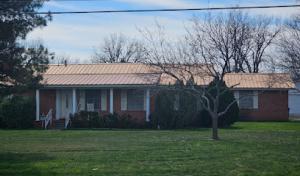
Patriot Roofing
(325) 213-1923 texasroofcontractor.com
3274 S 27th St suite 121, Abilene, Texas
5.0 from 24 reviews
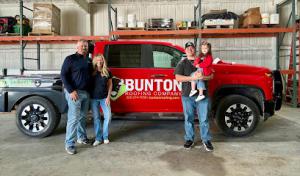
Bunton Roofing Company
(325) 274-7050 www.buntonroofing.com
4825 Hill St, Abilene, Texas
5.0 from 22 reviews
A full reroof in Abilene typically requires a permit issued by the City of Abilene Development Services. Before any shingles come off or a hammer rings, a basic roof plan is reviewed by city staff. This isn't a blanket, over-the-counter replacement approval; the plan is checked for framing integrity, ventilation adequacy, and how the new materials will perform under West Texas conditions, including hail exposure and intense summer heat. Be prepared to provide details on underlayment type, vent layout, and roof edge flashing. Getting the plan right up front helps prevent delays once work begins.
Inspections occur during and after installation to verify that underlayment, flashing, and venting meet code requirements. The city looks closely at how the ice and water shield is integrated, the adequacy of step and counter-flashing around chimneys and wall penetrations, and proper venting to avoid heat buildup that can shorten a roof's life in Abilene's climate. If the inspector notes any detail that does not meet code, revisions may be required. This can include changes to the underlayment overlap at eaves or adjustments to flashing around delicate penetrations to resist hail impact and wind uplift.
Coordinate with the contractor to schedule the initial plan review promptly after a loss or assessment. After work begins, ensure that access to the attic space is available for inspectors and that any observed ventilation issues are addressed early. Since Abilene experiences frequent hail events, emphasize the installation of a roof system that complements insurance-reported damage documentation. Keep copies of all documents, including the permit number and inspection stickers, as they support accurate storm documentation for insurance and future maintenance.
Revisions may be required if the installed details diverge from the approved plan or current code interpretations. This means that even experienced crews should expect a potential round of follow-up work to bring flashing, venting, or underlayment into full compliance. Understanding that the permit-and-inspection process is designed to ensure a durable, weather-ready roof helps homeowners plan for a thorough, compliant reroof that stands up to Abilene's hail risk and summer heat.
Summer in this part of West Texas tests materials and crews alike. When the sun blazes, shingles and underlayment expand more than you expect, and exposed roofs heat up quickly. That means installation windows become shorter and more unpredictable for crews working above your living space. If a roof pitch faces south or west, plan for early-morning starts and late-afternoon wraps, with clear visibility and hydration top of mind. On hot days, adhesive cures can slump, fasteners can back out if straps or harnesses overheat, and rooftop work becomes harder to monitor from ground level. You'll want to confirm with the contractor how they handle heat-related behavior-shade, misting, and temporary measures to keep materials within safe temperatures can save mistakes that later lead to leaks or misaligned flashing. Realistic scheduling matters: aim at days with moderate heat, and be prepared for brief pauses if temperatures spike or glare makes safety inspections difficult. A well-timed window reduces the chance of heat-induced defects and keeps the project progressing without compromising roof integrity.
Fall here brings stronger winds that complicate shingle handling, underlayment placement, and staging on a reroof. Wind can lift loose edges during material delivery, complicate tear-off debris management, and interfere with the precise alignment of starter strips and flashing. If your project spans the seasonal shift, expect crews to adjust staging areas, secure tarps or debris nets, and question wind direction before nailing. In practice, that means scheduling around steady mornings and avoiding the windiest afternoons when trip hazards and blow-off risks rise. Communication with the crew about wind-aware sequencing-when to lay down underlayment, where to position ladders, and how to anchor vents-can prevent missteps that echo into long-term performance. If you notice unusual fluttering or torn underlayment during fall, don't assume it's a minor setback; it can signal timing misalignments that warrant revisiting the plan before the next module is sealed.
Winter brings cold snaps and occasional ice events that can affect how underlayment behaves and how ventilation details are addressed during replacement work. Cold material becomes stiffer, flashing malleability changes, and the risk of ice buildup near eaves increases. Ventilation becomes more critical because improper venting can trap moisture that later condenses under the roof deck as warm indoor air escapes through attic pathways. If a project crosses winter, expect adjustments in adhesive and sealant performance, and ensure that temporary heating or drying strategies do not compromise shingle integrity. Winter installation demands diligent sequencing: keep an eye on panel alignment, confirm that ventilation openings remain clear, and postpone high-risk steps if freezing temperatures threaten sealant effectiveness. In this climate, a thoughtful plan that prioritizes secure staging, material acclimation, and reliable ventilation details saves you from costly callbacks when the first thaw arrives.
Abilene sits in a high-claim West Texas environment where hail and wind losses frequently drive roof-related insurance activity. The pattern of severe storms in the summer and the persistent UV exposure mean roofs take a beating well before a full reroof is considered. When a hail event hits, the first impact is often on the shingles' surface, but the lasting effects can show up as accelerated granule loss, edge damage, or hidden saturations that only show up after weeks of dry-out cycles. The consequence is that a simple curb-appeal repair can quickly morph into a broader claim with real insurance implications.
Some carriers have tightened issuance in parts of this region, making clearer damage documentation and appraisal processes more important for homeowners. In practice, that means photos need to be dated, the storm's timing noted, and the exact areas of concern mapped. Interior signs of moisture-staining, warped ceilings, and attic condensation-are not decorative; they are part of the claim narrative. The clearer the initial documentation, the smoother the appraisal process can be when adjusters arrive after a storm.
Because adjusters may request on-site evaluations after storms in this market, homeowners benefit from dated photos, interior leak records, and contractor scope documentation. It is common for an insurer to send a field adjuster who may challenge discrepancies between what you've observed and what the damage inspector notes. A precise, objective report helps protect the homeowner from missing necessary repairs and from premature conclusions about the roof's remaining life.
Keep a running storm diary: dates, locations of hail hits on the roof, and any visible changes inside the home. Preserve receipts and contractor scopes that detail shingle types, flashing concerns, and attic ventilation. Coordinate with a local roofer who understands wind uplift and UV degradation patterns typical to this area, so your documentation aligns with what a western Texas adjuster expects to see. This approach reduces surprises when claims move from wind and hail to repair versus replacement decisions.
In this market, prolonged summer sun and intense UV exposure accelerate aging on asphalt-based roof systems more quickly than in milder climates. Shingles can chalk, curl at the edges, and lose granules sooner, leaving the underlying mat vulnerable to weather. The practical takeaway is to look for sustained granule loss, rounded or cupped edges, and early granule shedding after the first hot season. If you see dark streaks or dark patches on the roof surface, those are signs the protective layer is thinning. Regular resealing or timely replacement with a UV-tolerant option helps maintain performance in the long run.
Storms in this area bring hail and high winds that relentlessly test roof edges, vents, and flashing. Repeated impacts can dent or crack metal flashings and cause fastener loosening, which creates micro-leaks. Exposed roof accessories-vent stacks, exhaust collars, skylights-are common recurring weak points after a storm. The practical check after a hail event is to inspect flashing seams for gaps, lifted shingles at flange joints, and loose or missing fasteners. If flashing shows any seam separation or corrosion, plan a targeted fix rather than a full overlay.
An effective reroof job in this climate centers on underlayment quality, proper flashing integration, and venting efficiency. In Abilene, you want underlayment installed with a continuous layer, not sporadic patches, to guard against rapid heat buildup and wind-driven rain. Flashing should be sealed at all joints and turned up behind shingles where possible to prevent wind-driven leaks. Venting must match attic needs to temper heat buildup that accelerates deck and shingle deterioration. After storms, verify that attic vents operate freely and that soffits aren't blocked by debris. When these elements are solid, a roof holds up better to the next round of West Texas weather.
Find contractors experienced in skylight installation, flashing, and leak repairs to bring natural light into your home.
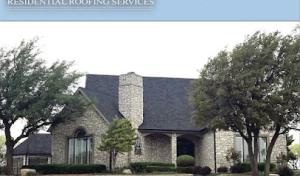
Barr Residential Roofing Services
(325) 701-9529 www.trustbarr.com
2250 Oak St, Abilene, Texas
4.9 from 192 reviews
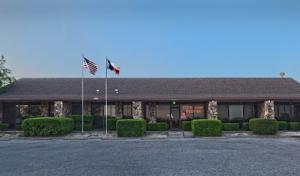
Clear Fork Roofing Company
(325) 672-5609 www.clearforkroofingcompany.com
3080 E US HWY 80, Abilene, TX
4.4 from 7 reviews
After a storm, hail patterns in this West Texas climate can leave random dimples and punctures that aren't obvious from the ground. Plan a rapid, thorough inspection focusing on shingle edges, gutters, vents, skylights, and the transition to the chimney or chimney cap. Abilene's contractor market shows strong demand for quick response and reroofing work, which means you should expect some crews to shift from residential to commercial projects quickly. Treat a guess based on a single photo as a starting point only; demand for fast service can tempt hasty decisions. If you notice granule loss, lifted shingles, or granules in gutters, proceed with a contractor who can document damage with photos and a written assessment.
Commercial and residential roofing are both heavily represented in this market, so confirm that a contractor's core experience matches your roof type and scope. If the home has a hip roof, clay or concrete tiles, or a metal system, verify a track record with those materials and with tear-off work if needed. Ask for a portfolio of local jobs and references from neighbors who had similar hail work completed within the past year. The right roofer will present a plan tailored to your roof's shade, pitch, and roof deck condition, not a one-size-fits-all recommendation.
Cleanup is a meaningful local hiring signal in Abilene, suggesting homeowners should pay close attention to post-job debris control after tear-offs and storm repairs. During the bid process, insist on a staged cleanup plan, containment of debris, and a trash-dump sequence that minimizes street debris and protects yards. Confirm trash disposal routines and whether debris bags, tarps, and wind-tight controls will be used on each day of the job. The strongest sign of a solid local crew is consistent, thorough debris removal at the end of each workday and a tidy, walkable work site at project close.