
Last updated: Apr 19, 2026
In this inland stretch of the South Texas Coastal Bend weather corridor, the most disruptive roofing triggers arrive with the spring storms. Hailpocalypse and thunderstorm bursts are not rare guests; they are expected events that shape every roof's vulnerability. The combination of rapid wind gusts, hailstones, and driving rain can compromise shingles, flashing, and underlayment in a single afternoon. The risk isn't about cold weather or ice; it's about those spring weather swings that slam roofs with sudden impact and moisture. Homes here are built to withstand heat and sun, but that same heat accelerates aging of sealants and adhesive layers. That mismatch-softening materials when it's hottest and then rain-driven stresses during a storm-creates vulnerable points that can escalate into leaks within days if left unchecked.
The calendar in this area is shaped by storm interruptions in spring and by extreme summer heat that slows tear-off and installation pace. After a hail event or heavy wind, rapid assessment becomes essential, because a delayed return to work means a small footprint of damage can turn into a larger problem as rains resume or heat expands and stresses damaged bonds. When crews finally return to the job, blistering heat can hinder sealant cures and roof deck prep, extending timelines and inviting misalignment. A homeowner with a plan can reduce the window of exposure by scheduling an assessment promptly after a storm and by coordinating an orderly teardown and replacement sequence before peak heat hits. If a storm interrupts work, expect a ripple effect: delays compound on the calendar, and temporary protective measures may be needed longer than in milder regions. This is the season when proactive triage matters as much as the job itself.
After a hail or wind event, inspect for obvious signs first: dented shingles, lifted edges, cracked granules, and obvious punctures that expose underlayment. Look at flashing around chimneys, vent pipes, and roof-to-wall transitions; wind-driven rain can exploit marginal seams and cause localized leaks that aren't immediately evident from ground level. Inside the attic, check for dark spots or damp insulation, which signal moisture intrusion. Remember that Victoria's inland position shifts the failure pattern toward hail-driven damage and wind-driven rain rather than salt spray. If a storm creates a pattern of dampness near vents or skylights, treat it as a high-priority warning sign rather than a cosmetic issue. Timely documentation, including photos from multiple angles and note-taking on dates, accelerates honest evaluations by local roofing teams who know the seasonal quirks.
Begin with a same-day exterior check around the roof perimeter after a storm-look for lifted shingles, loose flashing, and granule loss in the gutters. If damage is suspected, contact a local roofer who can perform a rapid, no-pressure inspection that respects Victoria's spring-to-fall pace. Schedule promptly to avoid letting small breaches fester into interior moisture problems during the lingering heat. When a contractor arrives, expect a methodical plan: a careful indoor-to-outdoor assessment, a prioritized list of repairs, and a realistic timetable that accounts for high daytime temperatures. In this climate, attacking damage quickly and with a clear, sequential plan is the best defense against leaks and accelerated material wear as the season advances.
In this inland Coastal Bend corridor, hail and wind events repeatedly drive roof inspections, adjuster visits, and claim documentation needs. The pattern is well known: a spring thunderstorm cluster can trigger a cascade of claims in Victoria and nearby Crossroads communities, with many roofs exposed to similar damage. That makes timing and documentation more critical than in calmer years.
You should start with a baseline: gather date-stamped photos that show the roof before and after a storm. For each photo, note the exact location on the roof, using elevation-by-elevation damage records when possible. Take wide shots to capture the overall roof line and close-ups of granule loss, dented metal, curled shingles, or cracked tiles. A dated log that pairs weather events (date, hail size if known, wind gusts) with observed damage helps insurers and adjusters understand the sequence of events and separates storm-related harm from age-related wear.
In practice, prepare a simple damage map for your records. Mark areas where hail stacks have left visible dimples, where shingles have blown loose, and where flashing or vents show impacts. If you have attic access, document any interior signs of moisture or roof decking compression near the affected zones. Keep copies of all correspondence with the insurer, including initial claims intake, adjuster assignments, and any rescheduling notices.
Because Victoria is a higher-claim environment, plan for potential multiple contact points between you and the insurer. Upon noticing a storm-related change, file the claim promptly and request a comprehensive inspection rather than a quick, surface-level assessment. Insurers commonly scrutinize whether damage is storm-related or age-related, so your evidence should clearly link the damage to a specific hailstorm or wind event, with photographic timestamps and the damage map as supporting material.
Coordinate with your contractor to schedule inspections in the window between the storm aftermath and peak demand periods. If possible, align your contractor's timeline with the insurer's preferred sequencing to prevent long delays in evaluating, approving, and scheduling replacement work.
Claim timing matters locally because contractor demand can spike after regional storms affecting Victoria and Crossroads communities. That surge can delay inspections and replacement scheduling. Proactively establish contact with a preferred local roofing professional who understands the typical insurer expectations in this market. When the insurer assigns an adjuster, share your damage map and photo log immediately, emphasizing the storm-related indicators and the elevation notes. If an insurer requests a secondary opinion, be prepared to arrange a quick re-inspection by your roofing pro to reinforce the storm-damage case.
Keep a running file that ties every storm event to observed damage and to any changes made under the claim. After work begins, document materials delivered, product choices, and installation progress with dated photos. In this market, consistent, well-organized documentation often reduces back-and-forth, helping you move from inspection to replacement more smoothly.
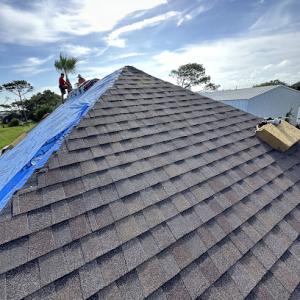
GFR Roofing
106 Londonderry Dr, Victoria, Texas
5.0 from 29 reviews
We are a local, family owned, insured, reliable and knowledgable roofing company, here to proudly serve the Gulf Coast and Central Texas regions on steep (Asphalt shingles, metal, composite, concrete and clay tile) and low sloped/flat roofing systems. Customer satisfaction and transparency is our number one goal and we treat every project with care as if it were our own property. Give us a call today to schedule your free consultation!
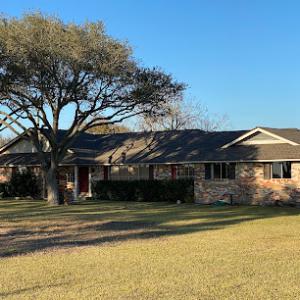
ARP Roofing & Remodeling
5606 N Navarro St #200, Victoria, Texas
4.7 from 38 reviews
With over 30 years of experience, ARP Roofing is the best roofing company in the Victoria area. We specialize in roof installation, repair, reroofing, replacement maintenance, inspection, and insurance claim needs. Our mission is to construct reliable roofing systems that protect & build trust through affordable, dependable & professional roofing services. Our services include storm damage repair & re-roofing. Our commercial roofing contractors are experts in flat, TPO & metal roofing, and roof coating services. Our residential contractors are certified in solar roofing installation, shingle roofing services, and all other roof installation & repair. Serving Victoria TX & nearby areas! Contact us today for a free roof inspection!
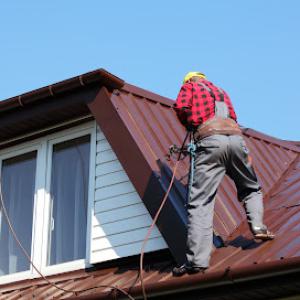
Top View Roofing
(361) 792-3360 www.topviewroofing.com
8806 N Navarro St ste 600-292, Victoria, Texas
3.4 from 5 reviews
Want to learn more about us? Top View Roofing is the name to remember. Call us at Oklahoma (405) 543-2920 and Texas (214) 304-7282 today! Expert roofing services When you’re having the roof of your home or business repaired or replaced, it’s important to choose a contractor with a high level of expertise. We’re proud of the reputation we’ve earned over the years, and we’re happy to be of service to you as well.
Aspen Contracting
(361) 208-0205 www.roofsbyaspen.com
1501 E Red River St suite e-1, Victoria, Texas
3.0 from 1 review
Aspen is a nationally recognized exterior contractor, trusted to restore residential and commercial roofs, siding and gutters. We are committed to our mission to do the right thing, through higher standards and integrity. We carry out this mission each day by providing high quality service and following through on our commitments. We hold this dedication for our customers, insurance companies and strategic partners in manufacturing, distribution and technology. With this formula, Aspen has grown into one of the largest roofing contractors in the United States.
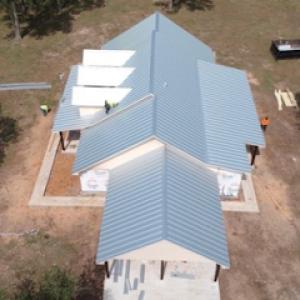
AP Roofing & Sheet Metal
2214 Tibiletti Dr, Victoria, Texas
We have more than 20 years of experience
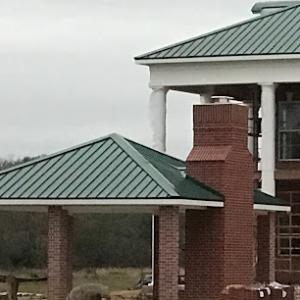
All Seasons Roofing & Metal
(361) 550-2850 www.allseasonsroofingtx.com
512 Antietam Dr, Victoria, Texas
With over 20 years of Roofing experience and 7 years in business we specialize in composition and metal roofs. We service the Crossroads area and beyond. We also handle repairs along with any general construction needs. Feel free to give us call for a free estimate today!
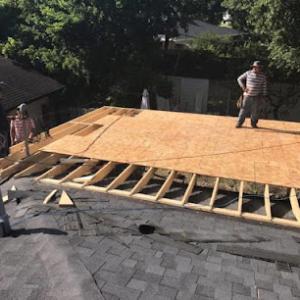
Rooftex
606 Profit St #1, Victoria, Texas
Rooftex is Victoria's top rated roofing contractor. We offer the highest quality shingle roofs for residential properties in Victoria and surrounding areas. We use the most up to date technology and materials for all of our roof replacements, and with no extra cost to you! If your roof is leaking or damaged we'll have one of our qualified roof techs inspect your roof and provide you with a plan for repair or replacement, all 100% free! Give us a call now to get your roof inspected for free.
Asphalt shingles fit the housing stock and price expectations in this area, making them a common sight on the street. In spring and early summer, heat aging shows up as faster granule loss and more rapid wear at the edges, so you'll want shingles with a good warranty and reflective granules to slow heat buildup. Hail bruising is a recurring local concern, especially after a late-season storm, so choose thicker granules and a higher wind-resistance rating when possible. In practice, a quality 3-tab or architectural shingle with a stout underlayment and wide sealant tabs tends to hold up better under Victoria's spring-to-fall hail pattern. Expect the need for more attentive inspection after severe storms to catch bruising that isn't immediately visible.
Metal roofing sheds heavy rain efficiently and handles the heat well, which is a big plus for Victoria's long, hot summers. If you're considering metal, focus on fastener layout, panel movement, and proper flashing for local wind-driven storms. Local installs benefit from concealed fasteners or color-matched exposed fasteners with quality sealing washers. Pay attention to panel seams and ridge caps-these are the first spots where wind-driven rain can penetrate if the details aren't right or if the system isn't properly integrated with the gutters and soffits. Expect some storm-noise during heavy rain, which can be noticeable in metal roofs, but well-sealed underlayment and solid attic ventilation help reduce it.
Clay and concrete tile appear on higher-end homes in the region, and they bring a distinctive profile and good heat resistance when paired with proper ventilation. However, hail breakage is a real concern, so tile selection matters-impact-resistant variants and thicker profiles can help, but you'll still want to be mindful of shattered or chipped tiles after a big hail event. Installers need specific experience with tile underlayment, proper battening, and flashing at valleys, chimneys, and roof-to-wall transitions to perform well in storm-prone conditions. Tile roofs in this area benefit from careful wind-rated fasteners and attention to ceiling and attic space to manage heat transfer and moisture moves during the spring monsoon cycles.
Regardless of material, ongoing inspection after hail and thunderstorms is essential. Most Victoria homes do well with proactive checks in the weeks following a storm, looking for bruising, edge lifting, loose fasteners, and flashings that have shifted. When choosing any roof type, pair it with a sturdy underlayment and appropriate attic ventilation to balance heat management with weather resilience. A well-coordinated installation that accounts for local wind speeds, storm patterns, and heat load pays dividends when storms arrive and the temperature climbs.
Typical Victoria pricing ranges are about $350-$650 per square for asphalt shingles. This remains the most common choice for straightforward re-roofs on standard sloped residential construction. If your roof has unusual features-extra hips, valleys, or transitions-the per-square cost can creep toward the higher end as more labor time is required. In spring, hail storms and thunderstorm activity can tighten local labor availability, which may nudge bids upward temporarily.
Metal roofs in this market generally run $700-$1100 per square. Metal systems hold value for homes with hot summers and high humidity, because they shed heat and resist wind uplift well. If the roof is a simple gable with clean lines, costs stay toward the lower end; more complex rooflines or the need for standing seam can push toward the upper end. Storm-driven demand can push prices higher during peak replacement periods, and lead times for specialty installers can lengthen.
Clay tile comes in around $1100-$1800 per square. Tile adds weight and requires basic structural consideration, so homes with existing vaulted ceilings or heavier decks can see added costs for rafter or truss assessment. Tile aesthetics respond well to Victoria's sun and humidity, but installation plus underlayment and fasteners contribute to the higher end of the range. If you're replacing an older tile with a heavier system, plan for potential structural adjustments.
Concrete tile is typically $900-$1600 per square. It shares some characteristics with clay tile-weight and labor intensity-but can offer a longer lifespan in hot, humid conditions. Expect higher costs if a roof deck or parapets require extra bracing, or if roof penetrations (vents, chimneys) demand custom flashing details. Storm season demand can compress availability, affecting scheduling and pricing early in the season.
Synthetic or composite shingles run about $400-$850 per square. This option can be appealing when you want a balance of cost, durability, and wind resistance. It's a practical fit for standard sloped homes, with cost advantages over real tile or metal in many Victoria neighborhoods. Volume demand after hail events can influence material availability and lead to modest price shifts.
Copper typically sits in the $1800-$4200 per square range. It's chosen for longevity and distinctive look, but installation requires highly specialized labor and careful structural assessment. If your home already has compatible detailing, copper can be a refined long-term investment. Expect tighter labor markets after major hail or wind events to affect scheduling more than typical years.
Overall guidance
Costs in Victoria can shift based on whether the project is a straightforward re-roof or a heavier system like tile or copper that requires more labor and structural consideration. Storm-driven demand can raise replacement costs when hail or wind events hit the city and surrounding service area at the same time, tightening labor availability. Plan for a buffer in both budget and scheduling if your project aligns with peak storm season. Consider prioritizing a plan that fits your home's existing structure while allowing for prudent upgrades in underlayments and fasteners to improve resilience against the next storm season.
When you're replacing a roof in this area, a building permit is typically required for a full roof replacement. This is not the same as casual maintenance or spot repairs, and it helps ensure that the work meets local safety and wind-resilience standards. The permit process also provides a clear record for future property transactions and insurers. If you're considering a re-roof, prepare to engage with the city early so you understand the steps and the timeline, especially during the spring thunderstorm season when rapid, weather-driven projects can collide with permit review times.
The city's permit workflow centers on submitting project details to the building department, which usually includes your chosen roofing type, scope of work, calculations if required, and the anticipated start and finish dates. After submission, permit fees are paid and the project is assigned to an inspector who will monitor compliance with code requirements and local standards. In Victoria, this process helps address the area's climate realities-hot summers, high humidity, and storm risks-by making sure venting, underlayment, and flashing are specified to resist wind uplift and water intrusion. Planning ahead around peak storm windows can help avoid delays.
During installation, inspections typically verify core installation components that influence long-term performance in Victoria's climate. Expect the inspector to check that the underlayment is properly installed and overlaps correctly to shed spring rains, that flashing around chimneys, vents, and at roof-to-wall transitions is integrated and secure, and that venting provisions meet the requirements for attic moisture control. The goal is to confirm that the roof system will withstand Gulf-fed humidity and the pressure of severe spring storms. If any deficiencies are found, corrections must be completed before proceeding.
After installation, a final inspection is conducted to confirm that all aspects of the project are complete and compliant with building codes. A successful final sign-off means the city acknowledges the roof as safe and properly integrated with the home's structure and ventilation. In the months following completion, keep documentation from the permit and final inspection handy, as some insurers and future buyers may request proof of compliance. If you encounter weather-driven delays, coordinate with the roofing contractor and the building department to adjust inspection scheduling while maintaining compliance with the permit terms.
Spring and fall are the most favorable replacement windows in Victoria because they avoid the worst summer heat while still allowing steady installation progress. The long, hot summers push crews to push through early spring or late fall, but spring and fall typically offer a more predictable pace. If a project starts in spring, you'll generally see consistent daylight work days, with fewer heat-related slowdowns.
Spring scheduling in Victoria carries a tradeoff: it is a prime repair season after hail and thunderstorms, but active storm patterns can also interrupt open-roof work. After a hail event, crews are in high demand and material stock sometimes moves quickly, which can affect timelines. On the other hand, milder temperatures make shingle and underlayment installation easier on crews and adhesives cure more reliably. When spring storms roll through, expect short pauses to protect wet structures and ensure flashing is properly resealed before the next round of weather.
Fall is often preferred locally for milder conditions, though brief rain events can still pause projects and extend completion timelines. The cooling temperatures help roofers work efficiently, and days are often longer into the early autumn weeks. If a fall project meets an unexpected shower, crews will pause briefly to protect newly installed layers and resume promptly when the deck is dry. Planning during the shoulder of the season helps balance daytime work with enough drying time for underlayment and sealants.
Coordinate with the contractor to aim for mid-season windows to minimize hot-day wear on materials and crew fatigue. Have a clear contingency plan for storm days, including safe indoor staging of materials and protected access to the roof area. Consider avoiding the peak weeks immediately after a major hail event, when demand spikes and schedules tighten, if flexibility is possible. In either season, confirm weather-windows with the crew and maintain open lines of communication for rescheduling quickly when fronts move through.
In Victoria, repeated heat exposure can accelerate shingle aging, making brittleness and granule loss more noticeable than freeze-thaw damage patterns common in colder climates. Asphalt and synthetic shingles can surface small cracks after long, hot summers, and granules may shed faster than expected. This wears the roof's ability to shed water and defend against UV rays. The consequence is premature aging that shows up as missing granules, discoloration, and increased surface porosity, inviting moisture to linger where it shouldn't. Regular inspections after peak heat periods help catch softened edges or hairline cracks before leaks take hold.
Wind-driven rain during thunderstorms makes flashing and penetration details especially important on Victoria roofs, particularly around vents, valleys, and wall transitions. Heat expands metal components, then sudden gusts can lift edge metal or shift sealant. If flashing around vents or at transitions shows gaps, moisture can bypass shingles and travel along fasteners into attic spaces. Look for loose or displaced step flashing, damaged storm collars, and compromised sealants. After storms, a quick check of these areas can prevent hidden rot and attic staining that isn't obvious from ground level.
Tile and metal systems in Victoria require attention to attachment and accessory details because severe weather can expose weaknesses that may not show up during ordinary dry periods. Metal roofs are prone to panel seam leaks if fasteners work loose or sealants dry out, while tiles can crack or spall when hail corners are hit or when improper laps exist. In particular, verify rack and fastener connections, uplift resistance, and the condition of ridge caps and penetrations. Regular maintenance, including resealing and re-fastening where needed, reduces the risk of sudden failures during the next storm season.