Last updated: Apr 19, 2026
You're on the I-35 corridor where spring hail and fast-moving storms are a fact of life. The Central Texas hail-and-thunderstorm belt means roofs in this area regularly face hail spikes, wind-driven damage, and the rush to file insurance claims as soon as the weather settles. This isn't a distant risk - it's the routine rhythm that shapes how and when you should respond to roof issues. Be prepared to act quickly after a storm, but also plan ahead to minimize disruption and maximize a solid, long-lasting repair or replacement.
Schertz sits in a zone where spring damage activity climbs fast, and that reality triggers more frequent claim activity than many neighboring communities. The damage isn't always obvious, especially after a storm passes, and many homeowners discover leaks only after a few days of rain. The hot-summer pattern in this area pushes you to think about roof work as a seasonal decision: late winter and fall offer more favorable conditions for replacements and tear-offs, while peak summer and active spring periods bring higher risk of weather delays and scheduling bottlenecks. If a storm clears and you notice dark staining, that's a strong signal to inspect-but don't venture onto a slick roof yourself; hail damage can be hidden under shingles or in attic spaces.
When hail hits, timing matters. You'll want to secure a reliable contractor who can perform a thorough inspection, document hail scars, and assess for hidden damage like structural boaters or compromised underlayment. Heavy spring rains can expose active leaks, which means you need a plan that bridges assessment, temporary mitigation, and a proper tear-off and dry-in window. In practice, that means scheduling a storm-damage inspection within days of the storm event and coordinating with your insurer on a documented path forward. Expect a brief window after the initial claim to execute a tear-off and dry-in before the next round of weather, especially if you're near a period of unsettled forecasts or late-season fronts.
Documentation is your best ally. Photograph hail impact on the roof from multiple angles, focusing on damaged shingles, dented gutters, dented metal flashing, and any landscaping or driveway debris that proves the storm's intensity. Keep records of dates, weather reports, and any temporary mitigation you install-like tarps or sandbags to divert water during a storm-free gap. When you file, align the claim with the most recent storm window and clearly note any water intrusion or attic signs of moisture. If the weather turns unsettled during the claim period, you'll want a contingency plan with your contractor to ensure the tear-off can be executed promptly once a dry window opens. In practice, this means staying proactive with appointments, confirming inspection findings, and maintaining open lines with your insurer so that the project stays on track even when spring rains arrive late or roll in unexpectedly. By keeping the process tight and timely, you reduce the risk of prolonged exposure and ensure the new roof-whether it's an immediate repair or a full replacement-begins when weather allows and lives up to its expected performance.
In this area, the daily grind of prolonged UV exposure and attic heat can shorten shingle life and accelerate fading on exposed materials. Asphalt shingles and metal roofing are especially relevant for both durability and balance of cost, maintenance, and performance. Tile options also matter because nearby South-Central Texas housing styles often include higher-end tile roofs. When choosing, look for profiles and underlayment systems that tolerate high attic temperatures without warping or premature sealant degradation. The right combination protects against heat soak in attic spaces and keeps exterior surfaces from baking year after year.
Spring hail risk changes material decisions locally, pushing homeowners to compare impact resistance, repairability, and insurer acceptance rather than relying on appearance alone. Asphalt shingles with high impact resistance ratings (often labeled as impact-resistant or IR shingles) can absorb or shed hail better than standard varieties. Metal roofs tend to resist denting and can be repaired quickly if a dent becomes an issue, but some panels may require replacement if hail damage is severe or if fasteners are loosened. Tile systems generally resist impact well, though severe hail can crack or chip edges and create a need for more targeted repair work. Consider how each option will perform when hail hits, how easily panels or shingles can be replaced, and how the repair process affects attic insulation and ventilation.
Schertz summers bring more than heat; they bring air infiltration and insulation challenges. For asphalt shingle systems, choose a product with thicker granules and higher wind rating to resist blow-off and UV degradation. For metal, look for coatings designed to reflect sunlight and reduce thermal expansion stress on flashing and joints. Tile roofs should emphasize proper underlayment and attic ventilation to prevent heat buildup that can accelerate material aging and flashing wear. In all cases, insist on a roof deck inspection during replacement to verify that sheathing has not warped from heat or moisture, and ensure the new system includes improved sealant details around dormers, valleys, and joints that face the sun most directly.
In this market, a well-chosen roof isn't only about the immediate look; it's about predictable performance through storm season and hot months. Plan for a workmanship warranty that covers hail-related repairs and ensure the installer uses corrosion-resistant fasteners and sealants appropriate for Texas summers. Ask for attic heat mitigation measures-ridge vents, properly sealed soffits, and a balanced ventilation strategy-so the roof system isn't fighting itself year after year. Finally, select a roof that aligns with typical South-Central Texas housing aesthetics, so repairs and potential replacements blend with neighboring homes while maintaining expected curb appeal.
After a hail event in this corridor, storm-driven demand spikes can quickly tighten labor availability and push pricing higher, especially when multiple neighborhoods are reroofing at once. In Schertz, a large hail year often means several reputable crews are tied up for weeks, not days, and some materials may ship with longer lead times. Expect a tighter window to book work in the weeks following a major storm, and be prepared for variability in arrival times and crew rotations as crews triage projects across neighboring blocks.
Pricing reflects the type of roof and the complexity of the install. Homeowners with standard suburban asphalt roofing will generally see lower labor and material costs than homes with heavier tile systems, which require more labor-intensive installation and sometimes structural considerations. The cost ranges shown reflect typical local conditions and the extra effort needed for tile and premium underlayment in the Texas climate. Asphalt shingles are commonly the most cost-effective option, while clay or concrete tile carries a higher installed price due to weight and specialty fasteners. Synthetic or composite shingles offer a middle ground with decent impact resistance and lighter handling than tile.
Concrete and clay tile bring additional structural considerations. In areas with heavier roofing, crews may need to assess attic framing, rafter spacing, and deck integrity to support the load. If a home previously built with standard asphalt is retrofitted with heavier material, expect the overall project to require more time, potentially more debris containment, and possibly a brief staged replacement if structural checks reveal needs. This is not unusual in neighborhoods where older homes sit alongside newer builds; the mix can subtly influence scheduling and unit costs on a per-square basis.
When budgeting, consider the typical cost per square for the material type you choose and the square footage of the roof. Asphalt shingles will generally be the most affordable option on a per-square basis, while metal, concrete tile, and clay tile sit toward the higher end. Wood shingles and synthetic options fall somewhere in between, with synthetic offering a solid balance of durability and weight. In Schertz, price signals also rise with demand spikes after hail; plan for a buffer in your timeline and budget to cover possible temporary price escalations if a storm event clusters multiple reroofs within a short window.
Practical timing advice centers on aligning replacement work with calmer periods after the spring storm peaks, allowing crews to complete inspections, material deliveries, and installations without excessive overlap with neighboring projects. If scheduling flexibility exists, aim to lock in a contractor early in the lull between major hail events and allow for staged inspections and progress checks to avoid weather-driven delays.
Magnolia Roofing & Restoration
(210) 598-9379 www.magnoliarestorationtx.com
17305 I-35 N Suite 115, Schertz, Texas
5.0 from 197 reviews
Magnolia Roofing and Restoration is a premier roofing and restoration company provides expert residential and commercial roofing services across San Antonio, Austin, and surrounding areas, with a strong focus on New Braunfels and Hill Country Communities. We specialize in roof installations, repairs, and storm damage restoration, using top-quality materials for lasting protection. We also assist with insurance claims, ensuring a smooth process from start to finish. Our team is dedicated to excellence, integrity, and customer satisfaction. From homeowners to property managers and business owners, we provide tailored solutions to protect and enhance your investment. Contact us today for a free evaluation and experience the MagPro difference!
Walton Roofing
(210) 585-2537 waltonroofingtx.com
17321 Bell N Dr, Schertz, Texas
4.9 from 85 reviews
Walton Roofing is a family-owned and operated roofing company building Texas Tough Roofs since 1961. We are serving San Antonio and nearby areas with offerings related to the lifetime warranty. Your trusted San Antonio roofing contractor has decades of expertise on full roof replacements or repairs. We also have highly knowledgeable roofing experts out to perform a complimentary roof inspection and they will let you know the options moving forward. With years of trustworthy roofing, better call Walton Roofing for a free estimate!
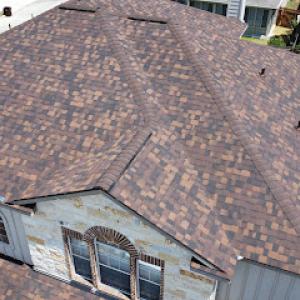
SoTex Roofing & Exteriors
(210) 858-8880 www.sotexexteriors.com
17305 I-35 N Suite 105, Schertz, Texas
5.0 from 49 reviews
For impeccable quality and first-class customer service, SoTex Roofing should be your first choice in roofing contractors for your home or business. Located in Cibolo/ Schertz, we have earned our reputation for providing a seamless roofing experience, from repair and replacement to assisting with wind or hail damage insurance claims. Known as San Antonio's Premier Local Roofing Professionals, SoTex Roofing goes above and beyond to ensure excellence in every job, making them the one-stop-shop for all your residential, commercial, and property management roofing needs.
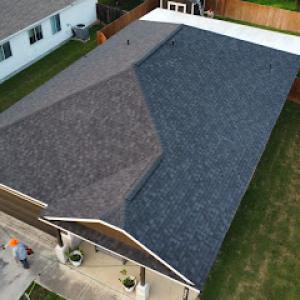
CTR Discount Roofing
(210) 998-1550 ctrdiscountroofing.com
17305 I-35 N #132, Schertz, Texas
5.0 from 64 reviews
TRUST A DEPENDABLE TEAM FOR ROOFING WORK Count on our roofing contractor in Schertz, TX *second location just opened in round rock, Texas! Your roof is an essential part of your home that protects your entire property. Whenever you notice damage on your roof, you'll want a professional to address it. CTR Discount Roofing is a professional roofing company in Schertz, TX, serving all of San Antonio, We'll manage your project from start to finish and leave behind a sturdy roof. Schedule your roofing services by emailing us today.
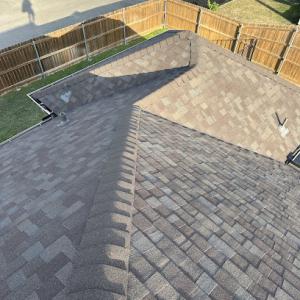
Vega Roofing Solutions
(830) 515-2098 www.roofingwithvega.com
Schertz, Texas
4.9 from 70 reviews
Vega Roofing offers a comprehensive range of roofing services, catering to both residential and commercial needs. From repairs and replacements to installations and maintenance programs, we’re equipped to handle any roofing project, big or small. We specialize in shingle roofing systems, known for their longevity and durability, making them a great option for the Texas climate.
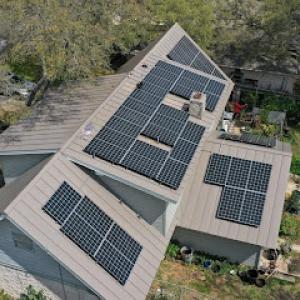
D&D Contracting
(210) 907-6100 ddtxcontracting.com
3766 Lazy Diamond, Schertz, Texas
4.9 from 50 reviews
Family owned roofing company, with a focus on high quality workmanship and top notch customer service. This roofing company services residential and commercial; metal, tile, and shingle roofs. We also work with insurance carriers, insurance claims, brokers, property managers, and real estate agents and their clients.
Casa Roofing Company
(210) 290-8012 casaroofingsa.com
17323 Bell N Dr, Schertz, Texas
4.7 from 24 reviews
Call the #1 Roofing Company in San Antonio today! Dedicated to delivering exceptional quality and customer service, our San Antonio roofing contractors are proud to provide superior roofing services throughout Greater San Antonio since 2017. Our local roofing company is built on expertly trained roofers who undertake every roofing project with the utmost precision and professionalism. From free roof inspections to expert roof repairs and affordable roof replacements, we guarantee 100% satisfaction, aiming to make our customers' roofing needs as seamless and stress-free as possible - Call now for Quality Roofing Services you can count on!

Ram Rock Roofing
4485 Winged Elm, Schertz, Texas
4.3 from 6 reviews
We've been delivering top-notch roofing services and personalized customer care to residents of the Schertz and San Antonio, TX areas for years. Schedule an appointment with Ram Rock Roofing by calling us as soon as possible. We offer discounts to all military personnel.
Monumental Roofing Services
(830) 837-4417 awesomeroofer.com
Serving
5.0 from 13 reviews
Looking for a reliable roofing contractor in Cibolo? Monumental Roofing Services is your top choice! As the local roofing company, we specialize in all types of roof replacements and repairs, ensuring your home stays protected from leaks and storm damage. Whether you’ve noticed a leak or suspect hail damage, our skilled team is here to help. Trust us to provide fast, dependable service tailored to your needs. Don’t wait—reach out to Monumental Roofing Services today for care and a roof you can rely on!
Live Oak Roofing - San Antonio Roofing Company
(210) 460-8896 www.liveoakroofs.com
Serving
5.0 from 74 reviews
Locally owned roofing company serving San Antonio and surrounding areas with expert roof repair, roof replacement, storm damage repair, and hail damage inspections. We specialize in asphalt shingle roofs, metal roofing, leak detection, and insurance claim assistance. Our team understands South Texas weather and provides honest inspections, detailed estimates, and high-quality workmanship built to last. With years of hands-on roofing experience, we deliver fast response times, clear communication, and dependable results homeowners can trust. Free roof inspections in San Antonio.
StoneHouse Roofers
(210) 972-8398 stonehouseroofers.com
Serving
5.0 from 69 reviews
Replacing or repairing a roof can be one of the biggest, most stressful decisions a homeowner has to make. - We get it! As a homeowner dealing with a leaky damaged roof, the last thing you need is a contractor that you can't trust. When it comes to something as critical as your roof, you deserve to go with a contractor that has clear communication, follow-throughs, cleanliness & good quality of work. At StoneHouse Roofers, we know roofs and we know how to take care of our customers. At the end of the day, our goal is to give our customers better value for their money & make sure that they are happy with the customer experience. We really stand behind that.
Tomlin Roofing Professionals
(210) 267-9400 www.tomlinroofing.com
Serving
5.0 from 114 reviews
Tomlin Roofing Professionals is a 3rd generation roofing company with experience in commercial, residential, and metal roofing. Serving all of Central and South Texas with over 22 years of experience.
When planning a full roof replacement, you typically need a building permit issued by the City of Schertz Building Department. The process is designed to ensure the new roof meets local codes, weather-specific requirements, and neighborhood standards that matter to homes along the I-35 corridor. Before you start, confirm whether your project will trigger a plan review or if a straightforward permit can be issued based on the scope. That early check helps you avoid delays once work begins. Remember that a permit is not just a formality; it signals to inspectors and neighbors that the project is proceeding with proper oversight.
Schertz commonly requires inspections during and after installation, with final review often occurring after completion. The typical rhythm starts with an inspection once the roof deck and underlayment are in place, then another during the installation of the roofing material, and a final inspection after everything is installed and weatherproofed. If your contractor runs into a noncompliance item mid-project, schedule adjustments should be made promptly to keep the timeline moving and avoid rework. If a temporary weather delay arises, coordinate with the Building Department so the inspection schedule remains as accurate as possible. Inspections are not only about code compliance-they are also about quality assurance for a long-lasting, weather-ready roof that can withstand spring hail and summer heat.
Homeowners should expect permit processing in roughly 1-2 weeks depending on workload and whether plan review is needed. In times of high activity-such as after a severe hail event that increases local replacement requests-the clock can stretch a bit, so planning ahead matters. When submitting, ensure all drawings, material specifications, and project scope are complete to minimize back-and-forth. If a plan review is required, understand that reviewers will look at roof venting, attic insulation compatibility, and fire-rated underlayment compatibility with any local amendments. Communication with the Building Department during this window helps keep approvals moving and reduces the risk of weather-related delays once the project kicks off.
Gather the project details early: contractor name, contact information, shingles or metal type, underlayment, and attic venting plan. Have access to a complete site plan or roof layout if needed by the plans examiner. When your permit is issued, post it in a visible area on the job site and provide a copy to your contractor to ensure everyone stays aligned with required inspection windows. If an inspection is missed or fails, ask for clear guidance on the corrective steps and reschedule promptly to avoid stacking delays. By coordinating closely with the Building Department and your contractor, the permit and inspection phase becomes a predictable part of the renovation, not a surprises-filled hurdle.
Texas insurers heavily scrutinize hail and wind claims, and in this corridor between San Antonio and New Braunfels, Schertz homeowners should expect requests for photos, condition evidence, and detailed replacement scopes. When a claim lands, adjusters will look for a clear line between recent storm impact and the roof's ongoing wear. The sudden-event narrative must be supported by dated visuals and robust notes about what changed after the hail season. In practice, the first few weeks of a claim set the tone for what comes next, so precise documentation matters from day one.
Older roofs in this area carry a history of sun exposure, age-related granule loss, and storm bounce that leaves telltale wear patterns. Because hail claims are common here, insurers will parse pre-existing conditions from new damage with extra scrutiny. A shingle edge curl or loose granules may look like damage, but without clear timing and a storm trigger, it can invite questions. Homeowners should gather a consistent record of roof health over prior years, including any previous repairs, to help demonstrate when deterioration occurred versus when a specific hail event caused the need for replacement.
Wind mitigation details matter locally because adjusters may ask for proof tying replacement needs to a specific storm event. Gather structural notes, attic ventilation details, and any wind-rated components that can strengthen the claim narrative. Photos should capture overall roof condition, sealant wear, flashing integrity, and any exterior impacts observed after the last significant gusts. The aim is to build a coherent timeline: pre-storm condition, storm week observations, and post-storm changes that justify a full replacement rather than piecemeal repairs. In Schertz, where fast re-roof demand follows spring hail and summer heat, that clarity can prevent delays and reduce back-and-forth with insurers.
Connect with contractors who help homeowners navigate the claims process from damage assessment to final approval.
Magnolia Roofing & Restoration
(210) 598-9379 www.magnoliarestorationtx.com
17305 I-35 N Suite 115, Schertz, Texas
5.0 from 197 reviews
Walton Roofing
(210) 585-2537 waltonroofingtx.com
17321 Bell N Dr, Schertz, Texas
4.9 from 85 reviews
SoTex Roofing & Exteriors
(210) 858-8880 www.sotexexteriors.com
17305 I-35 N Suite 105, Schertz, Texas
5.0 from 49 reviews
In Schertz, the long hot season can affect adhesive-based roofing products and make midday installation conditions more difficult than in cooler Texas markets. That heat pressure changes every critical step-from the readiness of shingles to the performance of underlayment and sealants. Work plans should recognize that the strongest sun and higher humidity midday can slow curing times and extend the daily window needed to complete a section without compromising performance.
Late winter and fall are often preferred locally because they avoid both the worst summer heat and the peak spring hail period. Scheduling major roof work in those shoulder seasons helps crews maintain consistent quality and keeps life disruption on the home lower. If a spring project is unavoidable, aim for early morning starts and finish by early afternoon to dodge the hottest hours and the heaviest stress on materials and crews.
Occasional winter fronts in Schertz can slow some installation steps, but roofing work generally continues year-round. When fronts move through, check for wind, sudden rain, or cooler nights that can affect adhesive cures and tarp management. On warmer days, plan for extended breaks, shade coverage, and continuous moisture management to protect plywood and roof deck from rapid temperature swings.
Communicate with the crew about heat-sensitive tasks, such as applying adhesive or sealant, and align those tasks with mid-morning or late-afternoon cool periods. Keep a simple plan for material staging to minimize sun exposure of vulnerable components. A steady, measured pace beats rushing through heat and risk of rework, especially during peak summer weeks. In Schertz, steady progress through fall to winter can yield calmer installation days and dependable results.
In a neighborhood where spring hail is a routine omen, the first signs aren't always a soaked ceiling. Bruised shingles, granule loss, and damaged ridge or hip caps tend to show up before interior leaks. When hail pushes into the attic peak, you may notice a patchy shine on the surface or granules tracking in gutters. The consequence is cumulative: a roof that looks fine from the ground may be structurally compromised enough to allow moisture intrusion after a heavy storm. Regularly inspect hail-hit areas after each storm, focusing on misshaped shingles and dark, granule-dusted valleys.
The heat cycling that this part of Texas endures wears shingles down faster than you expect. Shingle edges can curl, sealants around flashings can lose pliability, and vent penetrations can start to leak where the fasteners have weathered. If gutters run full of dark, sandy granules, that's another cue the surface is aging from UV exposure. A proactive stance means checking flashing seals and vent collars every season, especially after a long, hot stretch or a cold snap that taxes the sealants. Early repair of minor gaps often prevents bigger, messier failures.
Autumn winds carry more than just leaves; they scrabble debris into valleys and around roof penetrations. Clogged valleys and buildup impede proper drainage, setting the stage for ice damming or standing water during the next heavy rain. Keep drainage paths clear, especially near the chimney, vent stacks, and along the ridge line. After storms, inspect for loose or displaced components and address debris that could trap moisture before the winter season tightens its grip.
Find contractors experienced in skylight installation, flashing, and leak repairs to bring natural light into your home.