
Last updated: Apr 19, 2026
When spring hail storms and fall severe weather hit, you are looking at more than cosmetic dents. In Seguin, shingles, metal panels, and tile systems can each suffer hidden damage that undermines a roof's resilience. Widespread granule loss on asphalt shingles weakens surface protection and accelerates wear from heat and sun. Metal panels can buckle or loosen, creating hidden leaks that only show after a few storms. Tile systems-whether clay or concrete-can crack or loosen in a brutal gust, sparking slow leaks and accelerated underlayment wear. The message is urgent: storms may create damage that isn't obvious at first glance, so inspect thoroughly and act quickly to prevent further deterioration.
The insurance environment in this region moves fast when hail and wind are involved. Photo documentation is not decorative; it is the most effective evidence you'll have when filing a claim and when negotiating with an adjuster who has seen dozens of damaged roofs in a single week. Start with a wide shot that captures the overall roof condition after a storm, then close-ups of impacted shingles, dented metal, cracked tiles, and any granule wash-down in gutters. Keep a dated log of storm dates, wind speeds if available, and notes of any leaks you've observed inside the house. When you meet the adjuster, walk them through the roof system from fascia to ridge, pointing out hail impacts, missing granules, and any fastener or flashing concerns. In Seguin, adjusters often want to see storm-related patterns-consistent denting along the eave line, for example-and they might request additional documentation. Prepare to provide access for the adjuster and to answer questions about prior repairs that could affect the claim. Quick and precise communication helps prevent delays that push replacement decisions into hotter months or into repeat storm cycles.
Hail can cause impact damage that isn't immediately visible, especially on asphalt shingles with laminated layers, or on metal panels where micro-cracks propagate. Look for non-uniform wear patterns, wind-swept damage on the windward side of the house, and fastener corrosion around edges and penetrations. Tile systems pose their own red flags: hairline cracks that extend across the surface, loose pantile or flat-tile edges, and popped fasteners near ridges. If multiple roof sections show different degrees of distress, it suggests a roof-wide exposure event rather than isolated issues. In Seguin's climate, these signs often appear after the first hail event, but the full scope may reveal itself after several storms within the same season. When damage is confirmed, the decision to replace isn't merely about patching a few shingles; it's about restoring a continuous barrier against the hot Texas summer and future wind exposures.
Replacement timing in Seguin is guided toward spring or fall because summer heat can complicate installation conditions and accelerate exposure on opened roof systems. Windows of milder weather allow crews to install under stable temperatures, which reduces the risk of adhesive failure, sealant curing issues, and premature material aging. If a claim confirms widespread damage, plan for a replacement window that aligns with favorable weather, minimizes roof exposure to peak heat, and accommodates permit-driven scheduling pressures. In the balance of risk, delaying too long into summer can magnify potential interior damage and complicate ventilation during installation. Coordinate with your contractor to map a realistic schedule that respects both weather realities and the urgency of weatherproofing your home before the next storm season.
Seek local contractors who understand Seguin's storm history and share a track record of prompt, transparent communication with homeowners and insurers. Ask for a detailed scope of work that distinguishes what will be replaced, what materials will be used, and how venting, flashing, and underlayment will be handled. A reliable team will propose a plan that preserves the home's drainage and shingles' aging profile while delivering a roof that stands up to the next hail event and the next gust. In Seguin, choosing a contractor who can demonstrate experience with asphalt, metal, and tile systems-plus the adaptability to work within seasonal windows-can mean the difference between a rushed, mismatched repair and a durable, code-compliant, storm-ready roof.
Monumental Roofing Services
(830) 341-1539 awesomeroofer.com
204 S Austin St suite 4, Seguin, Texas
4.9 from 239 reviews
Welcome to Monumental Roofing Services, your premier roofing contractor in Seguin, TX. We also provide our roofing services in other neighboring areas to Seguin. We take pride in providing top-notch roofing services, specializing in expert roof repairs and replacements. With years of industry experience, our dedicated team is committed to delivering exceptional craftsmanship and customer satisfaction. As a locally-owned business, we understand the unique roofing needs of Seguin and New Braunfels as a community and strive to exceed expectations with every project. Trust Monumental Roofing Services Seguin for all your roofing needs, and experience the difference of working with a reliable, professional, and skilled team.

HS Roofing
(830) 327-0291 seguinroofingtx.com
Seguin, Texas
5.0 from 2 reviews
HS Roofing delivers high-quality roofing services with premium materials installed by skilled professionals. Whether you need a roof replacement, roof repair, roof inspection, or any other related services, you can rely on us to get the job done right.

Varni Roofing
(830) 609-3605 www.varniroofing.com
Serving
4.6 from 58 reviews
Established since 1999, Varni Roofing has solidified its reputation as a trusted and highly skilled roofing contractor in New Braunfels, Texas. With a commitment to excellence, they provide comprehensive roofing solutions for residential and commercial properties, specializing in installation, repair, and maintenance of various roofing systems. From intricate designs to everyday maintenance, Varni Roofing is dedicated to delivering flawless results, ensuring the protection and longevity of your property.
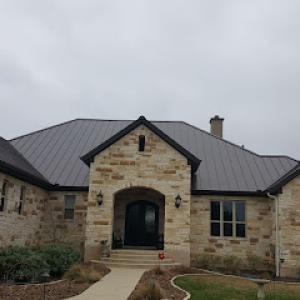
Prestige Metal Roofing Systems
(830) 257-6692 prestigemetalroofingsystemstx.hibuwebsites.com
Serving
4.9 from 68 reviews
Prestige Metal Roofing Systems, your trusted roofing contractor in New Braunfels, TX, offers top-quality metal roofing and shingle roof replacements. With 15 years of experience, our locally owned company provides exceptional residential roofing services, including custom installations, full roof replacements, and insurance claim assistance. Our energy-efficient metal roofs come in 30 colors, withstand the elements, and reduce energy costs by up to 40%. Free inspections, competitive pricing, financing options, and guaranteed workmanship. Trust Prestige Metal Roofing Systems for reliable, on-time service and a lasting roof. Contact us for a custom quote today!
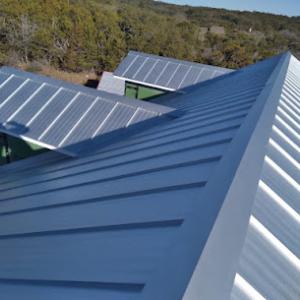
Roof Improvement & Services
(830) 358-9670 roofimprovementandservices.com
Serving
5.0 from 55 reviews
Roof Improvement & Services is your trusted roofing company in New Braunfels, Texas, proudly serving residential and commercial clients across the area. From small roof repairs to full roof replacements, our experienced team delivers quality craftsmanship, reliable service, and affordable pricing. We specialize in roof inspections, leak repairs, and new roof installations built to withstand Texas weather. With our commitment to excellence and customer satisfaction, you can count on us for all your roofing needs in New Braunfels, TX, and nearby communities.
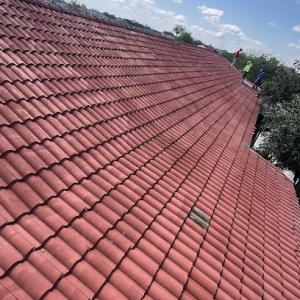
Roofer Chicks
(830) 254-5104 www.rooferchicks.com
Serving
4.9 from 521 reviews
Trust Roofer Chicks® for expert roofing, siding, and gutter services in New Braunfels and beyond. With over 20 years of local experience, we understand exactly what Texas homes need to stay protected and beautiful. As a Malarkey Premium Pro Contractor, and a GAF Master Elite Contractor, we represent the top 2% of roofers nationwide, ensuring your home is handled by highly trained experts. Our commitment to quality is backed by superior warranties and premium materials designed to last for decades. Whether you need a full roof replacement or updated gutters, our team delivers professional craftsmanship and honest service. Experience the peace of mind that comes with a local, trusted partner dedicated to your home’s longevity.

Horizon Roofing Specialists
(830) 515-3434 horizonroofingspecialists.com
Serving
5.0 from 44 reviews
Horizon Roofing Specialists is a trusted, family-owned roofing contractor based in New Braunfels and serving businesses across Central Texas. We specialize in commercial roof repair, replacement, and restoration, delivering durable, high-performance roofing systems backed by certified expertise. We also provide reliable residential roofing services, including storm damage repair and full roof replacements. Count on our experienced team for prompt service, professional workmanship, and long-lasting protection for your property.

Klaus Roofing Systems of Texas Hill Country
(830) 302-3460 www.krsoftxhillcountry.com
Serving
5.0 from 58 reviews
Authorized Klaus Roofing Systems dealer in New Braunfels—bringing founder Klaus Larsen's 20+ years of roofing expertise to local homeowners. We combine dedicated Texas Hill Country ownership with the proven 'Klaus Way' system for leak repairs, insurance-compliant replacements, and durable protection in New Braunfels, Canyon Lake, Garden Ridge, Vintage Oaks, River Chase, and Spring Branch. Our professionally-trained team delivers: • Photo-documented inspections for smooth insurance claims • $1-per-nail magnetic sweeps to protect your property • Hail-resistant roofing and precision metal options • 50-year workmanship warranties Proven methods. Local trust. Free estimates—call today.
Ridgepoint Roofing
(830) 542-5504 www.ridgepointcontractors.com
Serving
5.0 from 33 reviews
Ridgepoint Roofing is a New Braunfels, TX roofing company specializing in professional roof replacements for residential and multi-family properties. Serving the local community for over a decade, the team handles complex replacement projects for townhomes, apartments, and commercial buildings, with experience in systems such as TPO and modified bitumen roofing. In the New Braunfels area, roofs often face damage from intense heat, hailstorms, and sudden Texas weather shifts, making proper replacement critical for long-term performance. Ridgepoint Roofing brings proven experience, industry knowledge, and a detail-driven approach.

Klein Roofing
(210) 926-7663 www.kleinroofing.com
Serving
4.9 from 127 reviews
"Composed with a team of motivated experts, we feel strongly about going above and beyond your roofing expectations. We help meet these expectations by setting high standards for ourselves such as, professionalism, high quality craftsmanship, integrity, scheduling, and high educational standards in the roofing industry."
Boomerang Building & Repairs
(830) 250-7663 www.boomerangbuilding.com
Serving
5.0 from 57 reviews
Boomerang Building & Repairs is your top choice for affordable roofing services in New Braunfels, Seguin, San Antonio, Canyon Lake, and San Marcos. With over 20 years of experience, we specialize in asphalt shingle roofing and offer comprehensive solutions for leaky roof repair. Beyond roofing, our expertise extends to full exterior repairs & remodeling, complete tear-out bathroom and kitchen renovation, painting services, and flooring services. As trusted roofing and flooring experts, we excel in roof installation and provide prompt emergency roof leak repair when you need it most. Choose certified, licensed & fully insured contractors for all your home improvement and residential roofing needs in and around San Antonio.
Dynamite Roofing & Construction
(210) 500-8760 dynamiteroof.com
Serving
5.0 from 49 reviews
When you need a reliable and responsive roofing company who provides excellent quality service, call Dynamite Roofing & Construction! We install roofs in new construction to protect the structure for years to come. When disaster strikes and your roof needs repair, we make professional repairs to last. And when insurance coverage is involved, we work to make it a painless process to get your roof fixed. Our experienced and expertly qualified workforce allows Dynamite Roofing and Construction to professionally install roofs for new construction as well as new roofs for existing structures. Using only quality materials by reputable manufacturers, we can install just the right type of roof to match the architecture of your home or business.
In Seguin, the dominant roofing materials are asphalt shingles, metal roofing, clay tile, concrete tile, synthetic/composite shingles, and slate. The hot summers and strong UV exposure here accelerate aging of roofing materials and underlayment, a major factor when comparing asphalt against longer-life systems like metal or tile. The choice isn't only about initial look; it's about how the roof will hold up to long, sun-drenched days and sudden storms. When you assess a reroof, start by mapping how your current roof performs under summer heat, then compare how different materials weather the same sun and wind pattern over 15 to 30 years.
Asphalt shingles are common for a reason: you get quick coverage and a broad range of styles. But in Seguin, heat and UV exposure can speed laminate loss and granule shedding, making color fade and lifespan shorter than in cooler climates. If you're weighing asphalt, plan for more frequent inspection of edges, flashing, and valleys, since heat stress often reveals weak points first. Metal roofing stands out for its reflective properties and potential longevity; however, it can be noisier during heavy rain and hail, and some profiles rely on precise installation to prevent panel gaps and panel-to-wood deck movement. Clay and concrete tiles bring a classic look and substantial durability, but their weight means structural assessment is essential before installation, especially if the existing deck isn't built for tile. Synthetic/composite shingles sit between asphalt and more premium options, offering improved impact resistance and UV stability without the heft of tile. Slate is the long-haul option in this mix, delivering superior wind and impact performance, but installation requires a skillful, well-supported substrate and often higher upfront labor. In Seguin, the choice often comes down to balancing heat-induced aging with the required maintenance and the home's structural readiness for heavier or more specialized systems.
Periodic hail in the Seguin area affects material choice because impact resistance, repairability, and insurer response can matter as much as initial appearance. When hail tests a roof, surfaces with higher impact resistance perform better over the short term, reducing immediate damage to underlayment and interior spaces. Metal roofs generally shrug off hail better than asphalt, though denting on softer metals or thinner profiles can occur and may trigger cosmetic concerns with certain insurers. Tiles-clay and concrete-tend to resist impact well, but breakage risk exists if hail comes in a heavy, concentrated strike. Synthetic shingles can offer good impact resistance with lighter weight than tile, while slate's natural strength resists hail well but risks fracture if hit with a sharp, hard strike. Before deciding, review a recent hail history for your neighborhood and talk with a local roofer about typical post-storm repair paths for each material.
Given Seguin's climate, prioritize roofing systems with robust underlayment and proven UV protection. For asphalt, upgrade to a higher-quality self-sealing or reinforced underlayment and ensure proper ventilation to mitigate heat buildup beneath the deck. If choosing metal, select a profile designed for impact resistance and verify fastener patterns that minimize panel movement during wind events. Tile options demand a structural assessment; verify that the roof deck, trusses, and fastening methods are rated for the chosen tile's weight and wind load. For all options, insist on a well-sealed perimeter-valleys, ridges, and eaves-since heat and hail both exploit weaknesses in flashing. Plan for a mid-life inspection to catch UV-deleration or micro-fractures early, keeping you ahead of larger repairs after the next storm season.
In Seguin, you'll see a clear spread by material that matches the local heat, hail, and wind cycles. Asphalt shingles run about $320 to $520 per square, a range that covers standard 3-tab or architectural styles found on most mid-range homes. If you're considering metal, expect $700 to $1100 per square, which tends to fare better under repeated hail impacts and high heat. Clay tile sits in the $900 to $1500 per square band, while concrete tile runs about $800 to $1400 per square. Synthetic or composite shingles are a practical middle ground at roughly $550 to $900 per square, and slate, when you see it, ranges from $1100 to $2400 per square. These figures reflect the local market where labor, disposal, and supply timing can push costs upward after major storms.
Storm-driven demand surges in this area can push both scheduling and pricing after hail events, especially for full reroofs and emergency dry-in work. When a storm passes through, crews often shift from a standard replacement pace to a tighter, weather-dependent window to avoid additional interior water damage. That means you may face quicker decision timelines, tighter bid windows, and less opportunity to compare multiple crews. If you're weighing options, consider not only the sticker price but also the contractor's ability to secure materials promptly and to stage a dry-in quickly so your home stays protected during the peak of replacement work. In peak season, you'll notice material supply volatility that can nudge costs modestly higher or lower, depending on what inventory is on hand.
Costs in Seguin can also shift based on whether damaged decking or sheathing is discovered during tear-off, which matters because inspections typically occur after roof removal and again after underlayment and sheathing installation. If the deck or rafters show water damage or rot, you'll see adjustments for structural repair or additional plywood, furring, or replacement sheets. Those adjustments may be unavoidable after a hail event that compromised multiple layers or stressed fasteners. When you're comparing bids, ask contractors to outline how they price potential decking repairs, how they document findings, and how that affects the overall timeline and warranty. Knowing this helps you plan for the most accurate replacement cost without surprises after the lift is complete.
Don't let upfront costs delay a critical repair - these contractors offer payment plans to fit your budget.
Prestige Metal Roofing Systems
(830) 257-6692 prestigemetalroofingsystemstx.hibuwebsites.com
Serving
4.9 from 68 reviews


After a severe hail or wind event, a roof replacement in Seguin often becomes more than an upgrade-it's a city-regulated project. A full roof replacement in Seguin typically requires a permit through the City of Seguin Building and Inspections. That permit helps ensure the replacement meets local wind and fire codes, and that the work follows the neighborhood's construction standards. For homeowners and crews alike, the process is tied to the construction project rather than treated as an informal contractor-only step, so the permit stays linked to the work as it progresses.
In this market, the project owner or the contractor applies for the permit, and the permit travels with the project from the framing stage through to completion. Expect a clear record of the scope, the materials, and the preferred schedules when you file. Having that paper trail is especially important in storm-prone seasons when crews may shift plans or timelines.
Seguin roof inspections usually occur after roof removal, once underlayment and sheathing are installed, and at final inspection before permit closure. The first check confirms the roof deck is solid, dry, and ready for the underlayment system you choose. The middle inspection is your quality gate-inspectors verify underlayment, trusses, and ventilation meet code requirements and that any retrofits for wind resistance are in place. The final inspection is the closing step, ensuring that the entire system is completed to satisfaction and that the site is cleaned up to city standards. If the inspector finds issues, you get a defined window to correct them before the permit can be closed.
Start by coordinating with your roofer on who will file the permit and who will accompany inspectors. Schedule inspections promptly to avoid delays that can push a project into peak sun or storm seasons. Keep the city's contact information handy and maintain copies of any approvals, amendments, and change orders. During and after a major storm, remind contractors that the permit is not a mere formality; it anchors the project's accountability and helps protect you from miscommunications about scope and responsibilities. In Seguin, weather windows matter. Spring rainstorms can delay roofing work, while fall calm days align with permit review cycles. Have a project binder ready with inspection notices, permit numbers, and any nuisance abatements from neighboring properties. Keep digital copies accessible to you and contractor.
Hail and wind are the most common roof claim drivers around you, so insurance considerations often steer both material choice and the timing of a replacement after storms. When a pronounced hail event ripples through a neighborhood, roofs that look fine from the street can hide impact that shows up later as leaks or granule loss. In practice, that means your decision to repair or replace isn't just about the surface look-it matters how the insurer interprets the damage and what your insurer will cover for upgrades, shingles, and underlayment. In hot, sunny months, the effect of sun and heat on any compromised spots can accelerate failing components, which can push a claim from cosmetic to structural over a storm season.
Homeowners in this region are dealing with fluctuating premiums and changing coverage availability in some years, which can affect whether they pursue repair versus full replacement. A season with widespread hail can tighten availability on certain materials or add restrictions on coverage for older roofs. You'll notice this most when you've recently filed a claim and a switch in policy terms pops up at renewal time. If your roof has sustained multiple hits or if the age of the shingles is pushing it toward the end of its life, the choice between patching and reroofing is often weighed against the likelihood of future damage and the insurer's willingness to cover partial repairs versus a full replacement.
Because this market operates around storm claims, you need date-stamped photos, notes on when you first noticed leaks or moisture intrusion, and prompt adjuster communication after severe weather. Start with a clear record: take high-resolution images of any exterior hail dents, wind-damaged edges, and interior signs of water intrusion. Keep a running log of when leaks appeared and how they progressed, and share that log with your adjuster as soon as you file. When the adjuster arrives, present your documentation calmly and organized, including a concise timeline tied to the storm date. If you wait, small issues can evolve into larger problems that complicate your claim or reduce the usable options for replacement. Quick, precise communication helps ensure the repairs you end up with are aligned with both the damage and your long-term roof performance.
With Seguin's storm-prone climate, weather windows influence decisions more than you might expect. A spring or fall reroofing season is common after storms, but the timing should balance the need to guard against further weather exposure with the insurer's process and eligibility for coverage-based upgrades. If a claim is approved, maintain steady contact with the adjuster, and coordinate all material selections with your roofer so the documentation matches what's installed. In the end, the outcome hinges on timely, precise documentation and clear communication that puts you in the strongest position once the claim proceeds to replacement or repair.
Connect with contractors who help homeowners navigate the claims process from damage assessment to final approval.
Monumental Roofing Services
(830) 341-1539 awesomeroofer.com
204 S Austin St suite 4, Seguin, Texas
4.9 from 239 reviews
Prestige Metal Roofing Systems
(830) 257-6692 prestigemetalroofingsystemstx.hibuwebsites.com
Serving
4.9 from 68 reviews
After a hail and wind event, your roof can deteriorate fast. Fall wind events and sporadic severe weather can leave exposed areas vulnerable to moisture intrusion if protected quickly. A rapid tarping and leak-control response prevents interior water intrusion and stops small breaches from turning into major repairs. Act within hours, not days, to shield ceilings, walls, and belongings from progressive damage.
Document the damage with photos from multiple angles as soon as it's safe. Focus on flashing, ridge caps, hips, and any lifted shingles or asphalt granules washed into gutters. Temporary dry-in should prioritize the most vulnerable zones first-valleys, vents, skylights, and around chimneys. Keep a dry-in window open for clear weather gaps if an immediate permanent fix isn't possible, and preserve evidence for the follow-up assessment.
Emergency response matters locally because inspections and permit sequencing for full replacement do not eliminate the need for immediate temporary dry-in after storm damage. Water intrusion accelerates deterioration under high daytime heat and afternoon gusts common in these months. A fast tarping crew reduces interior staining and mold risk while you coordinate the next steps with a trusted, local contractor.
In Seguin, the market signals rapid tarping and leak control after hail and wind events. Seek a contractor known for 24/7 responsiveness, proven on residential rooftops, and able to deploy identical-day temporary protection. Confirm they will document the dry-in and communicate a clear plan for a durable repair once conditions stabilize.
When you can't wait, these contractors offer fast response times to stop leaks and prevent further damage.

Magnolia Roofing & Restoration
(210) 598-9379 www.magnoliarestorationtx.com
Serving
5.0 from 197 reviews
While pitched residential reroofing dominates the market, some local contractors actively handle flat or low-slope roof work, indicating a meaningful niche for additions, porches, and mixed rooflines. If you're adding a sunroom or a covered patio with a low-slope section, expect a tighter fit with existing materials and flashing transitions. Seek a contractor who has recent experience with transitions from steep to low-slope areas, and confirm they can tie in drainage without creating slow-moving water spots.
Heat exposure in this area makes low-slope waterproofing details and flashing transitions especially important where drainage is slower than on steep-slope roofs. In practice, inspect where membranes lap or terminate near parapets, skylight decks, or eave edges. Look for edge sealant endurance, properly embedded fasteners, and backer rods at joints. For repairs, plan with attention to the drainage path: ensure countersinking, gravel stops, and terminations won't trap debris and lead to ponding. When replacing sections, match the thermal expansion properties of materials to reduce shear stress in the hot months.
A smaller but active local specialty presence also exists for skylight-related roof repairs, which matters because penetrations are common leak points after storm activity. Inspect skylight curb integrity, flashing around the base, and sealants that may have degraded after hail impacts or wind-driven rain. If a skylight shows condensation, small leaks, or frost at the curb, address the flashing and sealing first before replacing the glass. For additions, plan the skylight layout to minimize multiple penetrations close together, reducing potential leak paths.
After hail or high-wind events, document all damaged areas with dated photos, noting any softened flashing, displaced fasteners, and ponding zones. Keep a written log of when issues appeared and how they progressed with subsequent storms. In mixed roofline homes, a phased repair plan can help manage the workload and maintain drainage during the process. When deciding on replacement versus repair, prioritize those sections with persistent leaks or compromised substrate, not just cosmetic damage to valley or edge details.
Find specialists in TPO, EPDM, and built-up flat roofing systems for residential and commercial properties.

Horizon Roofing Specialists
(830) 515-3434 horizonroofingspecialists.com
Serving
5.0 from 44 reviews
In Seguin, warranty messaging is present but less prevalent than storm-response messaging, so workmanship quality and documentation should be weighed alongside any manufacturer-backed promise. A solid warranty can help, but a storm-prone climate means hail and high winds test both materials and the crew. You should expect clear documentation that ties covered issues to specific conditions observed during post-storm inspections, and you should avoid assuming that a strong brand warranty alone guarantees long-term performance on a hot, reflective roof.
Because local inspections include stages after tear-off and after underlayment and sheathing work, installation quality in hidden layers is especially important in Seguin reroofs. Ask the contractor to walk you through how venting, underlayment seams, and fastener patterns are addressed at every stage. Pay attention to drip-edge and kick-out flashing where walls meet the roofline, since these details influence both wind resistance and water infiltration. If a problem is found in the concealed layers, it often shows up later as peeling shingles or hidden moisture damage, not right away.
Cleanup is a major homeowner priority in the Seguin market, suggesting that post-job site condition is part of how local residents judge contractor quality. Look for a written promise about debris removal, nail retrieval, and recycle or disposal practices. A responsible crew should leave the property cleaner than they found it, with no stray fasteners in driveways or landscaping. If the job notes or photos show the interior attic or garage were disturbed during work, request a concrete plan for remediation and a timeline for follow-up if any surprises surface after installation.