
Last updated: Apr 19, 2026
Spring hailstorms and heavy rains drive fast-tracked inspections and replacement decisions in this market. When a storm hits, the clock starts ticking on the need to document, assess, and move toward a resolution. The risk in this town isn't only the hail itself; it's how heat and sun exposure over the years can mask or accelerate damage. A rapid response-within days after a storm-helps keep the claim on track and reduces the chance of secondary problems like water intrusion or accelerated deterioration from sun and wind. In this window, exposure to the Hill Country sun is as real as the hail, and that combination amplifies the urgency of getting a professional roof-to-deck assessment done quickly and accurately.
Texas insurers in this market commonly expect detailed photo documentation of storm-related damage, roof age, and weather timing before approving roof claims. You should capture everything: close-ups of hail impact patterns on shingles, granule loss along eave edges, dented flashing, and worn seals around roof penetrations. Take wide shots of the entire roof line to show overall condition, then zoom into areas where water intrusion is visible or suspected. Include clear pictures of vent stacks, skylights, and valleys, plus the surrounding yard to show the storm's reach and the weather window when the damage occurred. Document the date of the storm and any subsequent rainfall or wind events that could compound the damage. If a prior claim or repair exists, note that history and how the current damage differs from past issues. A dated video walk-through while describing what you're seeing adds credibility and helps the adjuster visualize the scope. On the timing side, insist on a prompt inspection after a storm-insurers often respond best to a claim when the damage is fresh and easy to verify with contemporaneous photos.
Because this area sits in a high-UV, high-heat corridor, older asphalt roofs may show both storm damage and heat aging at the same time, complicating claim discussions. The glare of relentless sun can bake shingles, causing curling, blistering, or brittleness that resembles storm distress. When this happens, the claim reviewer might initially question the damage's source or extent. Prepare to demonstrate, with photos and notes, where hail caused definite damage-like indentations, punctures, or granule loss-and where heat aging is contributing to general wear or accelerated deterioration of the roofing system. A local contractor's report that distinguishes hail impact from thermal aging can be invaluable in the negotiation with the insurer. In short, separate the two contributors in the documentation: sharp, localized hail marks versus broad, heat-related wear, and keep both clearly attributed to support a full, timely replacement if warranted. The combination of spring storms and high sun makes swift, precise documentation not optional-it's the decisive factor that keeps the claim moving and helps ensure the roof gets addressed before hidden damage grows.
You want windows that hold up under hot Texas summers, keep the interior cool, and survive the occasional hail a few miles up I-35 can toss your way. In Hill Country conditions, the right choice means considering UV exposure, energy efficiency, and how installers handle storm timing. Windows that perform well here are designed to resist heat gain, keep conditioned air inside, and stand up to the sun without losing color or seal.
Fall and spring are the practical windows for replacement projects locally because the milder temperatures make installations easier on crews and the finished product tolerates weather without the risk of extreme heat or sudden cold. In the heat of summer, adhesives and sealants cure differently, and expanding and contracting materials can stress frames. If you must schedule in peak heat, plan for early start times and midday breaks, and confirm with the contractor that their window choice includes heat-tolerant sealants and shims. In New Braunfels, the fall shoulder season often aligns with drier weeks between storm fronts, helping crews keep a steady pace.
Look for high-performance, UV-stable finishes that resist fading after long summers. Medium to dark exterior colors are common in the region, so you want coatings that stop heat from transferring into the glass. Double- and triple-pane designs with low-emissivity coatings and inert gas fills help reduce cooling loads. For framing materials, vinyl and fiberglass tend to perform well in heat and resist warping, while aluminum-clad options offer durability for humid, sun-exposed walls. Pay attention to the exterior drainage and flashing around the window opening-Hill Country properties often have slight slopes that can channel moisture toward the sill if not properly flashed.
Wet-season rain delays are a real scheduling factor in New Braunfels, especially when a storm surge creates a backlog of tear-offs and emergency repairs. If a storm front is forecast, have a contingency plan with the installer for wrap-around weatherproofing and temporary protection of exposed openings. In regions with quick-moving afternoon storms, consider arranging delivery of material outside of forecasted rain windows to minimize weather-induced delays. Factor in the consequences of a rushed installation: ensure the crew takes time to seal and insulate properly to prevent heat leaks and moisture ingress.
Verify that the crew is prepared to handle heat during the installation so the sealants cure correctly and the frame sits squarely without twisting. Confirm that the interior trim is protected from paint and finish damage during removal and reinstallation. Ask about the long-term performance of the glazing choice under high UV exposure, including warranty terms for seal failures and condensation resistance. Finally, insist on a thorough inspection of the flashing and shims after set, because proper integration with the house envelope matters as much as the window itself in this climate.
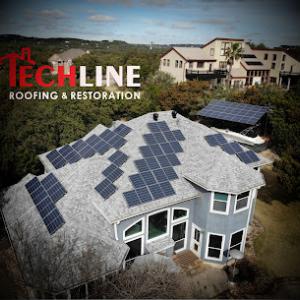
Techline Roofing & Restoration
(830) 330-1800 www.techlinerfg.com
1535 FM2673, New Braunfels, Texas
5.0 from 118 reviews
Techline Roofing & Restoration is a full-service residential and commercial roofing contractor specializing in high-quality roofing systems, solar services, and project management. Our certified team delivers expert installations, repairs, and maintenance solutions tailored to meet the needs of commercial and institutional clients. Techline is HUB, ESBE, SBE, and WBE certified, and committed to integrity, quality, and client satisfaction. From initial assessment to final inspection, we ensure a seamless, stress-free process every step of the way.
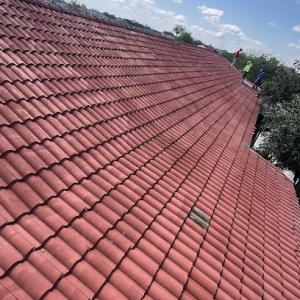
Roofer Chicks
(830) 254-5104 www.rooferchicks.com
808 W County Line Rd, New Braunfels, Texas
4.9 from 521 reviews
Trust Roofer Chicks® for expert roofing, siding, and gutter services in New Braunfels and beyond. With over 20 years of local experience, we understand exactly what Texas homes need to stay protected and beautiful. As a Malarkey Premium Pro Contractor, and a GAF Master Elite Contractor, we represent the top 2% of roofers nationwide, ensuring your home is handled by highly trained experts. Our commitment to quality is backed by superior warranties and premium materials designed to last for decades. Whether you need a full roof replacement or updated gutters, our team delivers professional craftsmanship and honest service. Experience the peace of mind that comes with a local, trusted partner dedicated to your home’s longevity.
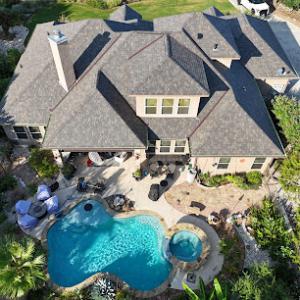
Klaus Roofing Systems of Texas Hill Country
(830) 302-3460 www.krsoftxhillcountry.com
1965 Post Rd Suite 208, New Braunfels, Texas
5.0 from 58 reviews
Authorized Klaus Roofing Systems dealer in New Braunfels—bringing founder Klaus Larsen's 20+ years of roofing expertise to local homeowners. We combine dedicated Texas Hill Country ownership with the proven 'Klaus Way' system for leak repairs, insurance-compliant replacements, and durable protection in New Braunfels, Canyon Lake, Garden Ridge, Vintage Oaks, River Chase, and Spring Branch. Our professionally-trained team delivers: • Photo-documented inspections for smooth insurance claims • $1-per-nail magnetic sweeps to protect your property • Hail-resistant roofing and precision metal options • 50-year workmanship warranties Proven methods. Local trust. Free estimates—call today.
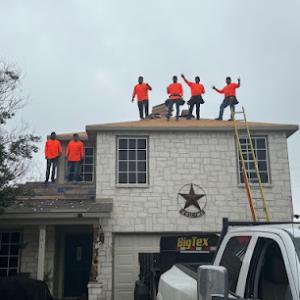
Boomerang Building & Repairs
(830) 250-7663 www.boomerangbuilding.com
New Braunfels, Texas
5.0 from 57 reviews
Boomerang Building & Repairs is your top choice for affordable roofing services in New Braunfels, Seguin, San Antonio, Canyon Lake, and San Marcos. With over 20 years of experience, we specialize in asphalt shingle roofing and offer comprehensive solutions for leaky roof repair. Beyond roofing, our expertise extends to full exterior repairs & remodeling, complete tear-out bathroom and kitchen renovation, painting services, and flooring services. As trusted roofing and flooring experts, we excel in roof installation and provide prompt emergency roof leak repair when you need it most. Choose certified, licensed & fully insured contractors for all your home improvement and residential roofing needs in and around San Antonio.
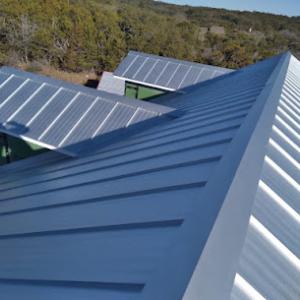
Roof Improvement & Services
(830) 358-9670 roofimprovementandservices.com
238 Landing Ln, New Braunfels, Texas
5.0 from 55 reviews
Roof Improvement & Services is your trusted roofing company in New Braunfels, Texas, proudly serving residential and commercial clients across the area. From small roof repairs to full roof replacements, our experienced team delivers quality craftsmanship, reliable service, and affordable pricing. We specialize in roof inspections, leak repairs, and new roof installations built to withstand Texas weather. With our commitment to excellence and customer satisfaction, you can count on us for all your roofing needs in New Braunfels, TX, and nearby communities.
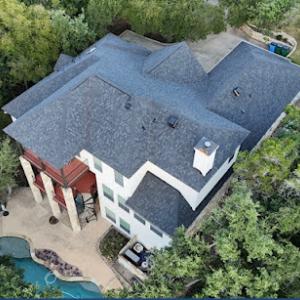
Dynamite Roofing & Construction
(210) 500-8760 dynamiteroof.com
1067 FM306 Unit 102, New Braunfels, Texas
5.0 from 49 reviews
When you need a reliable and responsive roofing company who provides excellent quality service, call Dynamite Roofing & Construction! We install roofs in new construction to protect the structure for years to come. When disaster strikes and your roof needs repair, we make professional repairs to last. And when insurance coverage is involved, we work to make it a painless process to get your roof fixed. Our experienced and expertly qualified workforce allows Dynamite Roofing and Construction to professionally install roofs for new construction as well as new roofs for existing structures. Using only quality materials by reputable manufacturers, we can install just the right type of roof to match the architecture of your home or business.

Horizon Roofing Specialists
(830) 515-3434 horizonroofingspecialists.com
242 S Business IH 35 Suite E, New Braunfels, Texas
5.0 from 44 reviews
Horizon Roofing Specialists is a trusted, family-owned roofing contractor based in New Braunfels and serving businesses across Central Texas. We specialize in commercial roof repair, replacement, and restoration, delivering durable, high-performance roofing systems backed by certified expertise. We also provide reliable residential roofing services, including storm damage repair and full roof replacements. Count on our experienced team for prompt service, professional workmanship, and long-lasting protection for your property.
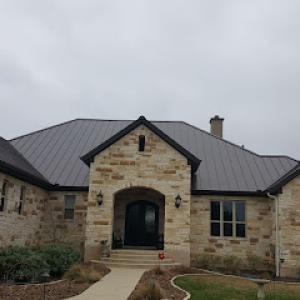
Prestige Metal Roofing Systems
(830) 257-6692 prestigemetalroofingsystemstx.hibuwebsites.com
170 E Zipp Rd, New Braunfels, Texas
4.9 from 68 reviews
Prestige Metal Roofing Systems, your trusted roofing contractor in New Braunfels, TX, offers top-quality metal roofing and shingle roof replacements. With 15 years of experience, our locally owned company provides exceptional residential roofing services, including custom installations, full roof replacements, and insurance claim assistance. Our energy-efficient metal roofs come in 30 colors, withstand the elements, and reduce energy costs by up to 40%. Free inspections, competitive pricing, financing options, and guaranteed workmanship. Trust Prestige Metal Roofing Systems for reliable, on-time service and a lasting roof. Contact us for a custom quote today!
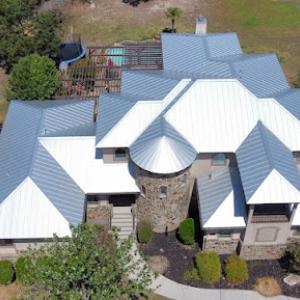
Ridgepoint Roofing
(830) 542-5504 www.ridgepointcontractors.com
1430 Unicorn Ave Suite 101, New Braunfels, Texas
5.0 from 33 reviews
Ridgepoint Roofing is a New Braunfels, TX roofing company specializing in professional roof replacements for residential and multi-family properties. Serving the local community for over a decade, the team handles complex replacement projects for townhomes, apartments, and commercial buildings, with experience in systems such as TPO and modified bitumen roofing. In the New Braunfels area, roofs often face damage from intense heat, hailstorms, and sudden Texas weather shifts, making proper replacement critical for long-term performance. Ridgepoint Roofing brings proven experience, industry knowledge, and a detail-driven approach.
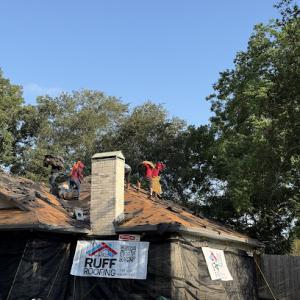
Ruff Roofing Austin-San Antonio
(512) 221-1858 ruff-roofing.com
1067 FM306 Suite 104, New Braunfels, Texas
5.0 from 31 reviews
Ruff Roofing is a premier roofing contractor proudly serving the Texas Market. Known for our exceptional attention to detail and unwavering dedication to quality. Our team of experienced professionals delivers top-notch services, ensuring that your roof is both aesthetically pleasing and structurally sound for years to come.
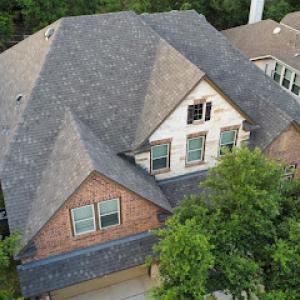
Roof Repair & Leak Experts
(830) 221-7910 roofrepairandleakexperts.com
1326 Hilltop Ridge, New Braunfels, Texas
4.7 from 230 reviews
Roof Repair and Leak Experts, located at 1326 Hilltop Ridge, New Braunfels, TX, is your go-to roofing contractor with over 65 years of combined experience, specializing in roof repairs, roof leak repair, reroof, and roof replacement. As a family-owned business rooted in quality workmanship and exceptional customer service, we serve New Braunfels, San Antonio, Austin, and beyond. Our services range from shingle to metal roof systems, comprehensive gutter solutions, insulation, and permanent lighting installations. Trust our skilled professionals for your roofing needs and enjoy peace of mind with our extended warranty packages. Contact us for 24-hour emergency services or to schedule a free onsite estimate.

Remedy Roofing
(888) 424-5776 www.remedyroofing.com
645 Floral Ave, New Braunfels, Texas
4.8 from 70 reviews
Award-winning, GAF MasterElite roofing company. We're a local, trusted roofing contractor. Ask us for a free inspection and a free quote!
Asphalt shingles are a familiar sight on many homes in this area, and they perform well for value and ease of repair. In this climate, UV-driven granule loss is a real concern, especially after long, hot summers that bake exposed portions of the roof. You'll want to pay close attention to granule coating integrity, odorless but telling signs of aging, and to roofing products with reflective or IR-blocking granules if you're replacing after a hail event. When evaluating a replacement, consider a shingle line with good high-heat resistance and a strong warranty on granule adhesion, because the sun and heat can accelerate wear differently than in milder markets. An important practical step is to inspect the deck condition before re-roofing-sun exposure can dry out plywood and sheathing, making ventilation and underlayment choices more critical to long-term performance. In this market, a thorough inspection of flashing at valleys, chimneys, and transitions helps prevent premature leaks, since heat and wind-driven debris can exploit small gaps. If a storm damages a shingle roof, the ability to match color and granule characteristics after a hail event becomes more complicated, so documenting the pre-storm condition and selecting a compatible shingle line saves potential headaches down the line.
Metal is a strong local fit because it handles heat very well and sheds hail with less risk of immediate cracking than some other materials. In this market, metal options range from lightweight panels to standing-seam systems, and both are widely offered. The heat resistance translates into more stable attic temperatures and less interior heat gain if vented correctly, which can help curb energy use during the steep mid-year heat. One practical note for homeowners facing a storm event is scheduling variability: because metal roofs are in high demand after hail and wind storms, you may see longer lead times and pricing shifts as crews and materials shift to storm-damaged neighborhoods. A well-installed metal roof also benefits from careful sealant and flashing details where panels meet walls and at penetrations, since heat can stress sealants over time. If you're upgrading from another roofing type, ensure the deck is solidly supported and inspected for any corrosion or fastener wear, and confirm that the underlayment chosen complements the metal's thermal expansion and contraction cycle. Overall, metal roofs in this climate offer durability and a cooler attic.
Clay and concrete tile align with the Central Texas architectural vibe around town, with a broad variety of silhouettes that complement stone and stucco finishes. However, these tiles are heavy; proper roof framing and deck condition matter a lot, especially if the prior deck shows signs of moisture or insect damage. Tile roofs demand careful attention to flashing around penetrations and at transitions to walls or chimneys, since tile edges can fracture under stress or improper bedding. Replacement work should include a precise assessment of the deck's condition and any need for reinforcement before laying new tile. In areas with hail risk, choosing impact-rated or stronger tile assemblies and ensuring correct tile fasteners and installation patterns can reduce the chance of cracked tiles during future storms. A key practical detail is to ensure the underlayment and counter-flashing are matched to the tile system to prevent water intrusion through the roof-to-wall interface, which can be a symptom of heat-driven expansion and contraction in this climate. For a new installation, plan for ventilation and airflow beneath the tile to manage heat and humidity, preserving roof longevity and interior comfort.
A full roof replacement in New Braunfels typically requires a permit issued by the city rather than being handled informally. Before any shingles come off or decking is touched, you'll want to confirm the permit is in place and that the contractor has a copy readily available on site. The city's process hinges on inspecting milestones, so having the permit secured up front helps keep the project moving rather than stalling at critical junctures.
Once tear-off begins, a city inspection is commonly scheduled to verify the condition of the roof deck and the underlying structure. The inspector will look for the integrity of the deck, any signs of sagging, rot, or moisture that could affect replacement work. This step also validates that the old underlayment has been removed properly and that the roof is ready for new underlayment and flashing. Clear access to the attic space and deck edges helps expedite this stage.
After installation, another inspection focuses on the finished roof system. The city checks ventilation to ensure proper attic airflow, which impacts long-term performance in the Hill Country heat and high-UV exposure. Nailing patterns must meet code requirements for wind zones, especially along the I-35 corridor where hail and wind loads can push projects. Flashing around chimneys, vents, skylights, and transitions should be integrated and secured to resist leaks. The overall condition of roof seams, hips, and ridge caps is reviewed as well.
Because the city evaluates work at milestone stages, scheduling logistics hinge on inspection timing as much as crew availability. Plan for a potential pause between tear-off completion and the start of installation to accommodate the pre-inspection review and any required corrective work. Coordinate closely with your contractor to align milestones with anticipated inspection windows. If weather or material delays arise, those delays can cascade into the inspection timeline, so built-in buffers are wise.
Maintain clear, organized records for the inspector: permit numbers, contractor licenses, and a concise summary of the roof's current condition before work begins. Document deck condition, flashing details, and ventilation plans as part of the project file. On inspection days, have access routes clear and ensure contractors are prepared to address any questions from the inspector promptly. Keeping a steady line of communication with both the city and your roofing team helps ensure the permit remains active and the project progresses without unnecessary holds.
After hail events along the I-35 corridor, you'll see a quick uptick in emergency repairs and full replacements. Local pricing shifts when storm-driven demand consumes the same crews, trucks, and material supply chains. In practical terms, that means you may notice higher per-square prices for several weeks to months after a severe hail event, not just for material costs but for labor scheduling and expedited delivery of underlayment, flashing, and accessories. If your roof is on the edge of replacement, expect a tighter window for project setup and a premium for rush scheduling in the immediate aftermath of a storm. Planning ahead, coordinating with your insurer, and securing a qualified contractor before the peak storm season can help keep costs steadier.
Tile and metal are common enough in this market to be realistic choices, but they bring higher material handling, stronger accessory packages, and more specialized labor. Clay tile and concrete tile, while durable in high-UV conditions, require careful roof deck prep and precise flashing details to resist wind uplift and long-term water intrusion. Expect higher installation complexity and waste management costs with tile roofs. Metal roofs provide excellent hail resistance and wind performance, but the system's fasteners, underlayment, and panel trim add to labor time and accessory costs. Asphalt remains the most economical default, yet even it can rise quickly in post-storm windows when quick replacements are prioritized. Compare all-quotes not just on the per-square material price, but on the full installed package-underlayment, ventilation, flashing, ridge caps, and an accurate waste disposal plan.
Permits and required inspections add process steps that homeowners should factor into total project cost and timeline. In practice, expect documented work orders, decking checks, and flashing verification as part of the contractor's closeout. The extended sequence can influence your total price by adding inspection coordination, potential decking repairs, and vibration-free staging during installation. When you're budgeting, treat these elements as integral to the job, not afterthoughts. If you anticipate multiple weather cycles or back-to-back storm days, discuss contingencies with your contractor to prevent schedule creep and unexpected material surcharges.
New Braunfels sits in a Texas insurance environment with frequent hail and wind claims, so carriers often scrutinize whether damage is sudden storm loss or long-term wear. This means the line between a legitimate hail hit and aging roof can become a negotiating battleground. Expect careful evaluation of evidence and timelines.
Homeowners here should keep records of roof age, prior repairs, inspection photos, and the date of the storm event because claim handling often turns on documentation quality. A clear, dated trail helps prevent disputes about when damage started and whether prior conditions influenced the loss. Store copies of everything in a durable, weatherproof location.
Deductibles, roof schedules, and adjuster involvement can vary widely by carrier in this part of Texas, making policy review a roofing decision rather than just an insurance task. The adjuster's recommendations about replacement versus repair hinge on your paperwork and the integrity of the observed damage. Your records can steer that conversation toward a fair outcome.
When hail and wind collide with a hot Hill Country season, many homes arrive at a crossroads where cost, performance, and longevity pull in different directions. A well-documented history supports a replacement that meets today's standards, rather than a patchwork fix that leaves you exposed to future weather events.
Immediately document fresh damage with dated photos, note the storm's exact time and extent, and log any temporary repairs. Contact your insurer with a concise summary of events and a request for guidance on next steps. Clear, timely communication reduces surprises when an adjuster visits your roof.
Connect with contractors who help homeowners navigate the claims process from damage assessment to final approval.
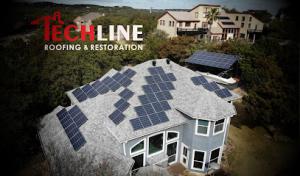
Techline Roofing & Restoration
(830) 330-1800 www.techlinerfg.com
1535 FM2673, New Braunfels, Texas
5.0 from 118 reviews

Roofer Chicks
(830) 254-5104 www.rooferchicks.com
808 W County Line Rd, New Braunfels, Texas
4.9 from 521 reviews
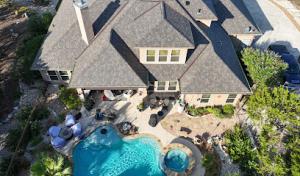
Klaus Roofing Systems of Texas Hill Country
(830) 302-3460 www.krsoftxhillcountry.com
1965 Post Rd Suite 208, New Braunfels, Texas
5.0 from 58 reviews
In this climate, asphalt roofs often show surface aging well before the expected lifespan in milder regions. Prolonged sun exposure can soften and dull shingle surfaces, leading to accelerated granule loss, reduced solar reflectivity, and quicker thermal cycling. That wear hides underlying issues and can make minor problems look larger over time. If you notice your shingles curling at the edges or dark, shiny patches forming, treat it as a warning that the roof's protective layer is thinning and needs closer inspection.
Cold snaps and rapid temperature shifts in winter stress underlayment and flashing details even though the area is known for heat. Repeated contraction and expansion can loosen or rupture flashing seals, degrade underlayment bonds, and loosen nails. In particular, joints around valleys, chimneys, and vent penetrations are prone to incremental movement that compounds over seasons. You may not see evidence from the ground, but small gaps can become leak paths after a storm or heavy wind-driven rain.
Post-storm leaks often trace back to flashing, penetrations, and impact-damaged sections that may not be obvious from the ground after a hail event. Hail can nick or dent metal flashing, crack sealant beds, and push fasteners slightly out of place. Surfaces that look intact from eye level can harbor micro-cracks or loosened joints that allow moisture ingress after a wind or hail event. A careful inspection after a storm-focusing on transitions, flashings, and any suspected impact zones-is essential.
You can spot early trouble by checking for loose granules in gutters, lifted shingles at corners or edges, and staining on interior ceilings near exterior walls. If you notice those signs, arrange a targeted inspection of the most exposed roof planes and flashings. Consider documenting any hail impacts with photos and notes, since detailed records support timely repairs and accurate damage assessments. In this climate, proactive checks save more than you might expect when storms roll through.
Find contractors experienced in skylight installation, flashing, and leak repairs to bring natural light into your home.
Prestige Metal Roofing Systems
(830) 257-6692 prestigemetalroofingsystemstx.hibuwebsites.com
170 E Zipp Rd, New Braunfels, Texas
4.9 from 68 reviews


While steep-slope residential roofs dominate in this area, there is meaningful demand for flat and low-slope sections on additions, porches, and mixed-use properties. In practice, you'll encounter homes with a small flat deck over a sunroom, a low-slope patio cover, or a garage-to-living-space addition that ties into the main roof. Plan for these areas early in the project so the roof system can read as a cohesive whole rather than a piecemeal patch.
Heavy spring rain events make drainage performance on low-slope sections a practical concern even when the main roof is pitched. Ensure primary and secondary drainage paths are clear and that low-slope areas have sufficient slope, proper crickets or saddles for transitions, and reliable downspout connections. A well-designed transitional area between the low-slope portion and the higher-slope roof helps prevent water from ponding or backing up into the structure.
When replacing only part of a roof system, transitions between low-slope membranes and adjacent shingle, metal, or tile areas require careful detailing. Use compatible flashing, sealant, and edge finishes that accommodate movement and temperature shifts typical of Hill Country summers. Pay attention to fastener patterns and substrate compatibility to avoid mismatches that can lead to leaks around skylights, edge rails, or walkable low-slope sections.
Document each transition zone with photos from multiple angles and elevations. Have the inspector review how the low-slope areas tie into the existing roof and how penetrations, vents, and flashings are integrated. In existing homes, verify deck condition under any added low-slope sections, and confirm there is no hidden rot that could compromise the new system's performance in this heat-heavy climate.
Find specialists in TPO, EPDM, and built-up flat roofing systems for residential and commercial properties.

Horizon Roofing Specialists
(830) 515-3434 horizonroofingspecialists.com
242 S Business IH 35 Suite E, New Braunfels, Texas
5.0 from 44 reviews
Ridgepoint Roofing
(830) 542-5504 www.ridgepointcontractors.com
1430 Unicorn Ave Suite 101, New Braunfels, Texas
5.0 from 33 reviews

Volkert Roofing
(830) 214-0593 www.volkertroofing.com
8159 Old Bastrop Rd, New Braunfels, Texas
5.0 from 14 reviews
After a big storm, the nearby roofs are often targets for quick fixes and flashy offers. In this market, homeowners frequently judge contractors by response speed, inspection availability, and whether cleanup is included. A fast arrival can be comforting, but speed should not trump accuracy. Ensure the inspector actually climbs the roof, checks decking, and notes ventilation and flashing condition. If the contractor can't spare time for a thorough initial assessment, that urgency may mask bigger problems later.
The local market includes many re-roofing-focused outfits that promise easy settlements. However, insurance paperwork and the scheduling of city inspections are critical responsibilities in a full tear-off. Verify who will document hail or wind damage in writing, who files the claim updates, and who coordinates the official inspection with the city. If a contractor avoids the paperwork conversation or shifts it to the homeowner, that is a red flag. A reliable firm walks you through every form and deadline, not just the quick fix.
Site protection is not cosmetic-it's essential in Hill Country heat and high wind days. Ask who is responsible for tarping exposed decking, removing nails safely, and cleaning up after each stage. A responsible crew uses tie-downs during windy days, disposes of storm debris promptly, and leaves the yard as-is or better than before. In New Braunfels, where storms can linger, this ongoing vigilance matters more than a single daytime appearance.
Long-established and family-owned firms are a visible part of the market, which matters when avoiding short-term storm-chasing operators. Those seasoned teams tend to have deeper local weather experience, use more durable ventilation and flashing practices, and provide continuity through the project from tear-off to final inspection. Look for a contractor with a consistent local footprint, testimonials from neighbors, and a willingness to stand behind a complete, properly documented replacement rather than a quick patch.