
Last updated: Apr 19, 2026
Long Beach roofs are exposed to salty maritime air from the Pacific, which can accelerate corrosion on metal flashings, fasteners, vents, and edge components. That corrosion isn't a slow, cosmetic issue-it's a precursor to leaks, blown-off flashing, and accelerated wear on edge metals. The salt air also fuels mineral buildup and faster degradation of sealants and coatings. In practical terms, a roof that seems fine in late summer can suddenly show signs of trouble after a few heavy Santa Ana winds or a winter rain burst if flashings and penetrations were only superficially addressed. This city's housing stock, often with older flashing assemblies and mixed materials, becomes a hotspot for creeping moisture problems if vigilance lapses.
The city's weather pattern is usually dry for long stretches, so small flashing or penetration defects often go unnoticed until irregular winter rain arrives. A thin crack around a vent boot or a worn edge seal may look innocuous in August, but a winter storm highlights it as a drip or stain. The salty air doesn't disappear with the dry spell-it continues to attack vulnerable joints and fasteners. That means a quick mid-year inspection focusing on flashing seams, chimney and vent collars, drip edge, and valley corners can catch issues before the rains begin. When storms return, even minor flaws can escalate into multiple leaks if not addressed promptly.
Homes closer to the coast and harbor-facing areas can see faster deterioration of exposed metal roof accessories than inland parts of the city. If the ridge vent, metal drip edge, or cap flashing around roof penetrations shows pitting, flaking, or looseness, it's not just cosmetic wear-it's compromised protection against moisture intrusion. In these zones, attention to edge components and fastener integrity is essential, because salt-accelerated corrosion can undermine fasteners and create misalignment that lets water seep under shingles or tiles.
Inspect exposed metal components-flashings, fasteners, vent assemblies, and edge metal-before the next rain season. Tighten, reseal, or replace any corroded or loose pieces, and reflash problematic joints with corrosion-resistant materials designed for coastal environments. Pay special attention to areas where different materials meet, such as where metal flashings contact concrete or clay tiles, as dissimilar metals can accelerate galvanic corrosion. If a roof shows persistent staining, soft-spots in the decking, or recurring leaks after rain, schedule a targeted inspection of the flashing system, penetrations, and underlayment. In the coastal climate, proactive care isn't optional-it's the best defense against a winter leak season that can surprise homeowners with sudden, costly damage.
Fall Santa Ana wind events can create sudden uplift and debris exposure even though the area is known for a mild coastal climate. In Long Beach, the first signs of trouble often appear at roof ridges and edges, where wind pressure concentrates and loose fastenings fail. Older shingle tabs and even metal edge details can peel back without dramatic whole-roof failure, so don't wait for a visible blow-off to take action. When a storm passes, a quick look from the ground won't cut it; a careful inspection of exposed fasteners, ridge caps, and flashing seams is essential to catch borderline failures before water finds its way inside.
Wind-driven damage in this area tends to reveal itself at the most vulnerable interfaces: ridge lines, perimeter edges, individual tiles, and the tabs on aging shingles. A roof can look intact from a distance, yet lift can be imminent where flashing tapes have deteriorated, or where sealant has dried out along hips and valleys. Because moisture from coastal fog and occasional downpours travels with the wind, the early alert signs are often a combination: missing granules at ridges paired with damp streaks near penetrations around vents, chimneys, and attic access points. After a storm, document not just holes or missing pieces but also subtle water-entry points around flashing details and around any stacking joints on tile roofs.
When the sky clears, walk the roof with a flashlight and a camera, focusing on ridges, edges, and flashing corners. Photograph any missing materials and every potential water-entry path around flashing, scuppers, and vent collars. Inside, check ceilings and upper walls for brown staining, soft spots, or warped panels near penetrations. Keep a dated log of what evidence is found, including the exact location of any uplifted or loose components. If ladders are unsafe or attic access is required, prioritize a professional inspection to prevent personal risk and ensure no hidden damage gets overlooked.
Tighten and reseal vulnerable flashing along hips and valleys, paying special attention to transitions between tiles and metal edge details. Inspect tile roofs for cracked or misaligned pieces at the ridges and replace damaged tiles promptly to prevent wind-driven uplift. For asphalt or composite shingles, check tab edges and micro-cracking that can turn into gutters of water entry after a windy spell. Consider reinforcing ridge caps with approved fasteners, and replace oxidized or missing sealants around vent flashings and chimney leads. A proactive approach now minimizes the chance of winter leaks and gives peace of mind when the Santa Ana winds return.
Find local contractors experienced in assessing and restoring roofs after hail, wind, and severe weather events.
Cal Roofing Expert
(323) 559-9748 calroofingexpertinc.com
Long Beach, California
5.0 from 18 reviews
AHR Company
5951 Cherry Ave, Long Beach, California
5.0 from 49 reviews
We provide commercial and residential roofing services in LA County, Orange County, and the surrounding areas. Call today for your free estimate.
BYLTup
20960 S Brant Ave, Long Beach, California
4.9 from 121 reviews
We build high quality roofing and solar systems for residential and commercial applications with a niche commercial tenant improvement division. Serving all of Long Beach and the surrounding areas of Los Angeles and Orange Counties, our crews are certified and trained at the highest levels in the most advanced roofing and building materials. Our expert team of technicians have been recognized by the industries leading manufacturers for their quality and service, allowing us to offer our customers unparalleled warranties on new solar roofing systems.
Specialist Roofing & Repair
(562) 207-5139 www.roofrepairspecialist.com
1 World Trade Center 8th Floor, Long Beach, California
4.8 from 90 reviews
Specialist Roofing & Repair in Long Beach is your trusted choice for residential and commercial roofing services. Backed by over 10 years of experience, we specialize in roof repairs, replacements, and new installations using premium materials from Owens Corning, GAF, Polyglass, and CertainTeed. As an Owens Corning Platinum Preferred Contractor, we deliver long-lasting, weather-resistant solutions with transparency and integrity. Our licensed, BBB-accredited team proudly serves the Long Beach area with free inspections, honest assessments, and fast emergency response. Protect your home or business with expert roofing you can count on—call today for a free estimate! C39 License #1007386
Reliable Roofing
(562) 606-5997 reliableroofinglongbeach.com
2130 E 4th St, Long Beach, California
5.0 from 26 reviews
Store featuring high-end vintage furniture & design accessories from the mid-20th century.

Swell Roofing
(562) 751-2090 swellroofing.com
6801 E 11th St, Long Beach, California
5.0 from 23 reviews
Swell Roofing, located at 6801 E 11th Street, is your top choice for expert roofing solutions. As a leading roofing contractor, we specialize in roof repair, roof replacement, and comprehensive roof inspection services. Our skilled team is dedicated to providing exceptional craftsmanship and swift emergency roof repair for your peace of mind. As your trusted local roofer, we pride ourselves on serving our community with reliable and affordable services. When searching for "roofer near me" or reputable "roofing companies," Swell Roofing is committed to ranking at the top of Google Maps, delivering quality results, and ensuring complete customer satisfaction.
Cal Roofing Expert
(323) 559-9748 calroofingexpertinc.com
Long Beach, California
5.0 from 18 reviews
CAL ROOFING EXPERT INC it's a roofing contractor serving Los Angeles and surrounding areas. High quality materials,work with all city requirements, jobs warranty
Capitol Roofing Company
(213) 878-0282 www.capitolroofingcompany.com
Long Beach, California
4.9 from 25 reviews
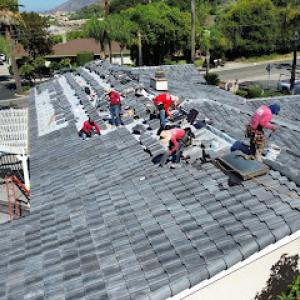
Family-owned, minority-owned roofing business servicing Los Angeles County and surrounding areas. We specialize in roof installations, roof repairs, and roof services in Commerce, CA, and nearby cities, including Montebello, Bell Gardens, Maywood, Huntington Park, Downey, Pico Rivera, South Gate, Vernon, Bell, and Cudahy. Our services also include roof inspections, gutter installation, roof waterproofing, leak detection, and maintenance to ensure your property stays protected. With expertise in residential and commercial roofing, we are committed to quality craftsmanship and excellent customer service. Trust our experienced team for all your roofing needs.
Bonded Roofing
(562) 534-4398 bondedroofingsocal.com
Long Beach, California
4.4 from 46 reviews
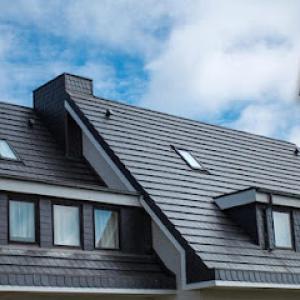
Bonded Roofing provides commercial and residential roofing including maintenance, repairs, and more to all of Southern California.
California Coast Construction
(562) 850-1722 californiacoast.construction
Serving
5.0 from 23 reviews
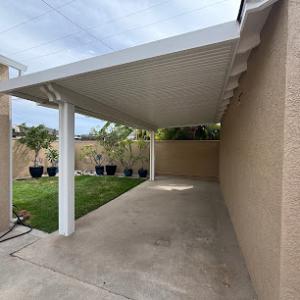
California Coast Construction is a trusted roofing company proudly serving Long Beach, CA, with reliable residential and commercial roofing services. Known for quality craftsmanship and attention to detail, the team provides expert roof installations, maintenance, and repairs designed to protect homes and businesses year-round. As a dependable roofing contractor in Long Beach, we specialize in durable materials, energy-efficient solutions, and professional service that clients can count on. California Coast Construction is dedicated to customer satisfaction, offering honest communication, fair pricing, and dependable results. Homeowners and businesses in Long Beach, CA choose us for roofing solutions that deliver long-lasting protection.
Advanced Roofing Systems
(855) 218-2694 www.advancedroofingsystems.com
Serving
4.7 from 43 reviews
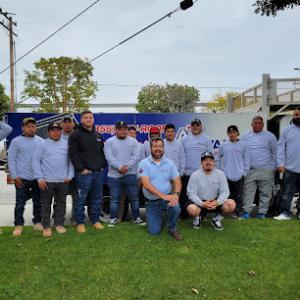
Advanced Roofing Systems provides roof inspections, installations, repairs, maintenance, waterproofing, and more in Los Angeles and Orange counties.
Canovas Roofing
(310) 935-2504 www.canovasroofing.com
Serving
5.0 from 37 reviews
We are a family business specialized in the installation of all types of roofs and we build porch pergolas in addition to offering a wide variety of services to the needs of your roof and project, we strive to offer the highest quality of service to offer solutions for each customer with their needs as a priority.
Repair Roof Now
Serving
4.7 from 75 reviews
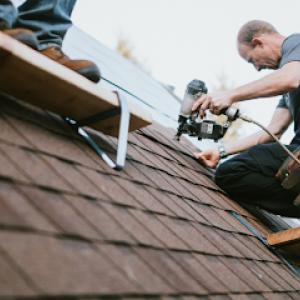
Repair Roof Now is your go-to destination for prompt and reliable roof repair services. We understand that a damaged roof can lead to various issues and compromise the safety of your property. Our team of experienced roofers is skilled in identifying and resolving a wide range of roofing problems. With our quick response and quality workmanship, Repair Roof Now delivers efficient solutions to restore the functionality and durability of your roof. Trust us for professional and dependable roof repair services.
Long Beach's housing stock leans heavily on Spanish and Mediterranean styles, where clay and concrete tile are common. In these homes, underlayment condition matters more than tile appearance alone. Salt-laden coastal air accelerates underlayment wear, and Santa Ana winds can lift edges if underlayment is marginal. When inspecting tile roofs, focus first on the underlayment's dryness, intact seams, and any signs of saturation at hips, ridges, or transition to flat sections. Worn underlayment can undermine the whole tile assembly, letting moisture reach sheathing and rafter tails even if tiles look intact.
Older tile systems often show corrosion or gaps at flashings, especially where tiles meet roof penetrations, chimneys, and parapets. Valleys nurture the worst moisture buildup if metal edges have corroded or if shifting deck boards have created micro-leaks. In a coastal climate, rusty metal, loose fasteners, and degraded sealant in these zones can leak before cracked or slipped field tiles become obvious. Prioritize shop-voured replacement of corroded flashings and resealing around penetrations, rather than chasing cosmetic tile repairs alone. The goal is a continuous watertight assembly beneath the tiles, not a quick tile fix.
A meaningful share of multifamily, mixed-use, and coastal-era buildings in the area features flat or low-slope roofs, which changes drainage and waterproofing priorities. On these surfaces, ensure proper edge drains, scupper integrity, and membrane condition, since standing water or slow drainage can accelerate deck deterioration. If a low-slope roof shows ponding near parapets or transitions, address the membrane integrity first and foremost, then review flashing at transitions to tile-adjacent roof sections. Drainage plan and perimeter detailing should be robust enough to handle seasonal rain bursts without relying on tile features for waterproofing.
On older Long Beach tile roofs, slipped or broken field tiles are less urgent than aged underlayment, deteriorated valleys, and corroded flashings beneath the tile assembly. Conduct a careful walk-around inspection after heavy rains or high-wind events, looking for soft decking, damp spots, or rust at metal components. Replace broken field tiles only after confirming the underlayment and flashings are sound, to prevent repeating moisture intrusion. When climbing a tile roof, avoid stepping on weaker tiles; use roof attainable pathways or professional help for delicate sections, especially around valleys and penetrations.
Plan a seasonal check that prioritizes underlayment condition, flashing integrity, and drainage performance. Document any loose tiles, damaged sealants, rust, or unusual staining near valleys and penetrations. If a retrofit is needed, consider modern underlayment systems designed for coastal conditions and ensure flashings are upgraded to compatible materials that resist salt corrosion and wind uplift. This targeted approach helps protect both tile aesthetics and the structural health of a Long Beach roof through the winter leak season.
Find contractors who specialize in clay and concrete tile roofs, known for their durability and curb appeal.
Cal Roofing Expert
(323) 559-9748 calroofingexpertinc.com
Long Beach, California
5.0 from 18 reviews
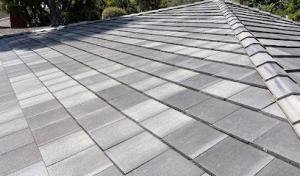
Asphalt shingles remain a dominant choice in Long Beach, but coastal exposure makes correct ventilation, flashing, and sealant performance especially important during hot summers and winter rain. In homes facing salty air and marine winds, ensure the attic is properly vented to reduce heat buildup that accelerates shingle aging. Use corrosion-resistant metal flashing at valleys, vent penetrations, and chimney bases, and select sealants that resist salt spray and UV degradation.
Metal roofing in Long Beach needs careful attention to corrosion resistance because salty air can shorten the life of vulnerable metal components if specifications are not coastal-appropriate. Choose coatings designed for coastal environments, and verify that fasteners and panels are rated for high-wumidity, salt-laden atmospheres. Pay special attention to seam integrity and proper sealing at roof-to-wall transitions. A smooth roof surface reduces salt deposition and makes maintenance easier after winter storms.
Clay and concrete tile fit much of Long Beach's existing architecture, but their weight and assembly details make installer experience and structural compatibility more consequential than on lighter systems. Have a structural assessment confirm that framing and rafters can bear the load, especially for retrofits. Consider enhanced underlayment and direct-through-fastening methods that align with coastal wind codes. Proper lapping, sealant application, and wind-rated clips are essential to prevent tile uplift during Santa Ana events.
Coastal moisture and salt-driven deterioration can sneak up between major re-roof cycles. Regardless of material choice, establish a proactive maintenance rhythm that targets flashing, joints, and penetrations first before seasonal storms. Inspect for loose or damaged components after heavy rain, high-wind days, or seasonal fog, and address metal corrosion spots, compromised sealants, and underlayment wear promptly. A durable approach here saves more extensive repair later on and keeps your roof performing through winter rain bursts.
The most popular roofing material in the US. Find pros who install, repair, and replace asphalt shingles.
Specialist Roofing & Repair
(562) 207-5139 www.roofrepairspecialist.com
1 World Trade Center 8th Floor, Long Beach, California
4.8 from 90 reviews
Replacement in this coastal city is shaped by a mix of older homes, tile-heavy architecture, and low-slope multifamily buildings. That combination often means more tear-off, extra detail work, and larger staging areas than a typical single-family home project. Coastal corrosion can push the scope beyond replacing field roofing: flashings, vents, fasteners, and other metal accessories may need upgrades to withstand Pacific air and salt exposure. Project timing matters too; winter rain bursts, fall wind events, and summer heat can all disrupt labor and drive up temporary dry-in costs.
Salt air accelerates corrosion on metal components, so it's common to upgrade flashing screws, metal drip edge, vent collars, and kickout flashings even when the main roof cover looks Sound. If a roof is tile-heavy, expect more careful tear-off sequencing to prevent breakage of tile or moisture intrusion during removal. Low-slope multifamily buildings add complexity with larger deck staging, increased safety measures, and potential extra daylight hours needed for weather windows. These factors translate into higher labor hours and, occasionally, higher material waste handling costs.
The price ranges reflect real-world Long Beach jobs where coastal conditions influence install detail. Asphalt shingles typically run from about 420 to 750 USD per square, while metal roofing can span 850 to 1400 USD per square due to flashing upgrades and the need for corrosion-resistant fasteners. Clay and concrete tiles, which are common in layered, tile-heavy homes, generally fall between 1100 and 1700 USD per square. Wood shingles or shakes run roughly 800 to 1250 USD per square, and synthetic or composite shingles sit around 650 to 1100 USD per square. In practice, a tile-heavy, wind-prone home with a low-slope section will exceed the basic field replacement price, once you add upgraded flashings and a secure, dry-in strategy.
Winter rain interruptions can pause work, forcing temporary dry-in measures that add to the price. Fall Santa Ana wind events push crews to tighten sequencing and increase pre-storm prep, which shows up as higher staging and protection costs. Summer heat can shorten daily production windows and push crews to schedule early-morning or late-evening work, potentially raising labor costs over a longer calendar. When planning, build in a realistic window that accommodates weather swings and potential re-sealing or re-flashing if salt exposure has accelerated wear on vents, penetrations, or edges.
For a Long Beach re-roof, prioritize a scope that explicitly includes upgrading metal components exposed to salt air, not just replacing the visible field roofing. If the project involves low-slope sections or large multifamily footprints, request a staged tear-off plan that minimizes exposure risk to the interior and reduces dry-in time. Compare crews that offer detailed write-ups on flashing, vent, and fastener upgrades versus those who focus only on the visible roof surface. Finally, align material selection with long-term coastal performance, understanding that a higher upfront cost on durable flashing and fasteners can lower maintenance and leak risk over the life of the roof.
Get a clear picture of your project costs upfront - no commitment required.
AHR Company
5951 Cherry Ave, Long Beach, California
5.0 from 49 reviews
Specialist Roofing & Repair
(562) 207-5139 www.roofrepairspecialist.com
1 World Trade Center 8th Floor, Long Beach, California
4.8 from 90 reviews
Most full re-roof projects in Long Beach require a building permit from the City of Long Beach Building and Safety. That means you can't just swap in a new material and call it done-the city wants to see your plan, your scope of work, and how you'll meet local wind and seismic standards. The process begins with submitting the project scope, then paying the permit fees, and finally lining up inspections through the Building and Safety Bureau. If any step is rushed or unclear, the project stall can push out the winter window you're trying to protect against coastal moisture and salt-driven deterioration.
Inspections are a two-step rhythm you'll get used to. The rough-in stage checks underlayment, flashing details, venting, and any temporary protections before the roof deck is closed. Given the salty Pacific air and Santa Ana gusts that can whip through coastal housing stock, the inspector will pay close attention to flashing joints, step and rake flashings, and how the underlayment is secured to resist wind uplift. The final inspection confirms everything is tied together-proper flashing transitions, nailing patterns, and adherence to seismic requirements. Missing a step here isn't just a delay; it can force rework that invites moisture intrusion during the first winter rain bursts.
Local conditions demand a meticulous approach to flashing and sealant compatibility. Expect questions about how the roof integrates with gutters, parapets, and any adjacent structures. The Building and Safety Bureau will want documentation that your chosen materials and installation method can withstand coastal salt exposure and seasonal rain without premature deterioration. Avoid improvisation at the last minute; a well-scoped plan and tested details save rework and protect against slow leaks once winter arrives.
California's volatile insurance market affects Long Beach homeowners through selective policy availability and closer scrutiny of roof condition, especially on older homes and coastal properties. That means carriers may scrutinize the age of the roof, the quality of flashing, and the overall state of underlayment before approving a claim. If a roof has known wear or corrosion from salty Pacific air, expect questions and possible adjustments to coverage expectations. The result can be delays or reduced recoveries if the roof's condition isn't clearly documented.
After wind or water events in Long Beach, carriers may require detailed roof-condition documentation, photos, and evidence distinguishing sudden damage from long-term wear or corrosion. Photos should capture all exterior roofing surfaces, flashing details, gutters, and any visible staining or corrosion near penetrations. Include logs of weather events, measurements from any observed leaks, and timestamps of when issues were first noticed. Clear, prior-to-event imagery helps if a dispute arises over causation.
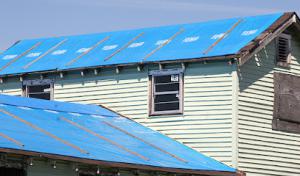
Because Long Beach claims can involve both coastal moisture issues and storm-related damage, homeowners should document interior leaks, exterior roof areas, and any temporary tarping from the first day of loss. Start a leak diary, noting dates, rooms affected, and any interior staining or mold growth. Keep tarps secure and visible in photos, with close-ups of fasteners and edges. This evidence supports whether a leak stems from a sudden event or ongoing deterioration.
Connect with contractors who help homeowners navigate the claims process from damage assessment to final approval.
Capitol Roofing Company
(213) 878-0282 www.capitolroofingcompany.com
Long Beach, California
4.9 from 25 reviews
The Long Beach market shows especially strong demand for re-roofing, quick response, and cleanup, indicating homeowners here value contractors who can manage occupied homes efficiently. When a crew can work around furniture, pets, and daily routines without turning the house into a construction zone, that matters as much as the finished roof. Look for contractors who can schedule work in chunks that minimize disruption and who commit to cleaning up each day so you aren't chasing nails through the living room.
Tile roofing, emergency repair, skylight work, and insurance-claim help all appear frequently in the local contractor base, so screening for specialists is smart. If the project involves tile, verify genuine tile installation experience and a portfolio showing re-roofs on similar homes or neighborhoods. For emergency repairs or storm-related issues, confirm 24/7 accessibility and a plan for temporary protection, not just a quick fix. If insurance claims are part of the process, ask how the contractor coordinates with adjusters and documents damage for claims. A focused team that routinely handles these tasks will move faster and reduce miscommunications.
Long Beach also has a notable mix of residential and commercial roofers, so homeowners should confirm that the contractor regularly handles their specific roof type and neighborhood housing style. A credible firm should be able to discuss flashing, underlayment, and wind-seismic considerations that align with coastal conditions. Ask for local project references, ideally within a few blocks and with homes similar in age and style. This ensures the contractor understands how Santa Ana winds, coastal moisture, and local roofing codes influence material choices and detailing.
Start with three references from recent re-roofs, especially those that involved occupied-home work and post-project cleanup. Request a written project timeline, including daily work hours and nuisance-minimizing steps. Verify the crew size and subcontracting plan, and ask how access will be managed on tight driveways or front-yard setbacks. Finally, confirm the contractor provides a clear warranty that covers both materials and workmanship for the specific roofing system chosen.