
Last updated: Apr 19, 2026
Pasadena sits at the base of the San Gabriel Mountains, so homes closer to the foothill edge can see stronger downslope and Santa Ana wind effects than flatter parts of the city. That means roofs face sudden gusts, concentrated storms, and more stress on edge details, hips, and tiles. The stronger winds can lift loose tiles, expose fasteners, and create micro-tears in underlayment long before a storm arrives. If your home sits near the foothills, treat any loose flashing, broken ridges, or chipped edge tiles as urgent. Do not assume a quick tarp or temporary fix will hold through a windy night. The risk is not just wind damage; it's wind-driven moisture finding its way under roofing layers when underlayment has already been stressed by previous reuse or aging. Immediate attention to wind-prone seams, valleys, and hips is essential, especially after a dry period that grants wind-driven debris free access to vulnerable areas.
The city's wet season typically runs from November through March, making exposed tear-offs and underlayment installation more vulnerable to rain delays and moisture intrusion during reroofing. When crews are working in that window, every open terrace, ridge vent, and stack penetration becomes a potential leak source if not properly protected. Plan projects so critical staging work lines up with dry spells, and insist on continuous protection for any open roof areas during rain fronts. Even a brief shower can saturate newly exposed decking or underlayment and set back a reroof by days or weeks if moisture is allowed to pool or seep. Consider temporary weatherproofing strategies that minimize exposed substrate and ensure roof-to-wall transitions are sealed promptly after decking is revealed.
Fall Santa Ana events are a practical roofing hazard in Pasadena because open roof areas, loose tiles, and staged materials can be affected by sudden dry wind episodes before winter storms arrive. Those gusts can slam open cavities, blow a bucket of fasteners across a driveway, or push underlayment laps out of proper alignment. When fall winds pick up, any staged materials left unsecured become project hazards and potential leak starters. A proactive approach is essential: secure all loose components at the end of each day, cover exposed sections with rigid sheathing or heavy-duty tarps, and verify that temporary Dayton-style fasteners or sealants are in place on wind-prone sections. If a Santa Ana impulse hits during a roofing phase, responders should pause high-risk work, secure the site, and reassess the weathered areas for uplift risk. The combination of dry air and sudden gusts near the edge of the foothills means every fastener should be double-checked, every seam re-sealed, and every tile bed reinforced before the first heavy rainfall of winter.
On homes with tile or shake profiles common to foothill neighborhoods, edge protections matter more than ever. Prior to any tear-off, perform a thorough inspection for loose tiles, cracked tiles, and degraded sealant around penetrations. Replace or reseal underlayment fasteners that show corrosion or uplift potential, and install a durable wind-rated underlayment where possible, especially around hips and valleys. During the wet season, avoid extended open-wall exposures by coordinating decking work to avoid back-to-back rain events. If a storm forecast arrives during a critical phase, implement a staged, robust temporary barrier plan: secure all materials, cover exposed areas, and schedule interior work to align between rain cells. In all cases, maintain clear sightlines to edge details and ensure annual maintenance focuses on maintaining the integrity of coping, parapet terminations, and flashing where wind and moisture converge.
Pasadena has well-known historic neighborhoods and landmarked properties where reroofing may face added review beyond a standard Building & Safety permit. That means the choice of materials, detailing, and even the roofline can encounter scrutiny aimed at preserving the district's character. If you own a Craftsman-era home or a hillside property, your reroof project will likely involve more careful coordination with design review bodies and your local neighborhood associations. The practical consequences are not cosmetic suspicion but a real push to maintain original proportions, textures, and roof silhouettes that define a street's identity. Expect questions about how the new roof preserves the home's visual weight, eave depth, and decorative rafter tails. In turn, decisions you thought would be straightforward may require a longer planning window and a few more site visits with reviewers or your contractor's architect liaison.
In certain hillside areas, reroofing can involve additional constraints or approvals that affect material choice, staging, and project timing. Wind exposure from Santa Ana patterns can drive fast roof uplift risk and sway decisions toward more robust evaluation, especially for taller structures or roofs with complex pitches. Staging on steep grades adds logistical challenges: crane-free installs mean scaffolding or wheel-based equipment must maneuver tight, uneven lots, sometimes requiring access through neighboring parcels or careful coordination with driveways. Material and underlayment choices gain weight here, since you may need to balance wind performance with weight limits on older rafters and ceiling spacings. If trees or hillside landscaping are near the roof, plan for debris containment and access routes that minimize damage to vulnerable slopes and plantings. These practicalities often extend timelines and replace the spur-of-the-moment feel of a typical reroof with a measured, methodical pace.
Because housing stock includes many older architecturally significant homes, replacement roofs often need to respect original appearance more closely than in newer suburban markets. That means color palettes, profile lines, and surface textures shouldn't scream "modern retrofit," even if newer products offer improved performance. For a Craftsman, the way the tiles or shingles sit in relation to eaves, rake boards, and chimney detailing matters as much as their material durability. Historically sympathetic choices may limit certain bold profiles or high-contrast finishes, so you're not just swapping coverings-you're preserving a memory of the street. Communicate clearly with your contractor about acceptable substitutions and how details like fascia treatments, drip edges, and venting align with the property's historic language. If the goal is longevity without sacrificing curb appeal, the path often involves a careful blend of faithful replication and modern performance underlayment.
Every material option arrives with a set of tradeoffs tied to appearance and performance. Clay and concrete tiles offer a strong historic cadence, but their weight and edge details can impact rafter sizing and attic venting in older homes. Metal roofing can deliver wind resilience and long life, yet reflective finishes and panel lines must be considered in the context of adjacent properties and the home's silhouette. Asphalt shingles can be a practical fallback, but color and texture should be selected to harmonize with neighbor patterns and the home's original aesthetic. Wood shingles or shakes echo a classic Craftsman texture, yet they demand attention to moisture, decay, and fire considerations that local hillside conditions amplify. Regardless of choice, you're weighing how closely the new roof communicates the house's established character against the practicalities of wind, slope, and hillside access.
Find contractors who specialize in clay and concrete tile roofs, known for their durability and curb appeal.
Ariel Builders Roofing Services
(800) 903-7344 ariel-buildersinc.com
225 S Lake Ave STE 300, Pasadena, California
5.0 from 101 reviews

Overhead Roofing Inc - Pasadena Roofers
(626) 612-1316 overheadroofingca.com
155 N Lake Ave #800, Pasadena, California
4.9 from 123 reviews

Clarke Brothers Roofing
(626) 900-0908 expertsroofing.homes
125 N Raymond Ave #336, Pasadena, California
4.9 from 79 reviews
Clay and concrete tile are the defining roof materials for many homes you'll see along the Craftsman-tinged streets, hillside estates, and era-façade districts that characterize this area. The tile profiles-curved barrel tiles, low-profile Spanish tiles, and bold hip shapes-complement the plaster walls, wrought-iron details, and intricate eaves that are part of the neighborhood character. When evaluating reroof options, the look and silhouette of the roof matter as much as the roof's weather performance, because many houses were designed around those visible high-profile rooflines. In Pasadena, the tile choice isn't just about weather resistance; it's about preserving the exterior harmony of a historic streetscape.
A practical decision in tile reroofing is whether to reuse salvageable field tiles or replace broken pieces. Salvage tiles can preserve the original rhythm and color variation that give a home its period charm, but verify the tiles are intact, free of hairline cracks, and match existing profiles. When reusing tiles, plan for a layout that accommodates minor height differences and edge treatments so the new installation reads seamless. If a large handful of tiles are damaged or weathered, replacing them with matching profiles from reliable suppliers can prevent an obvious mismatched appearance. Beneath the visible tiles, ensure underlayment is updated to modern standards to improve moisture management and wind-driven rain resistance.
The weight and profile of tile systems matter more here than in many cities because so much of the local housing stock was designed around visible roof architecture. The substantial weight of clay or concrete tiles requires a careful assessment of the existing structure, especially on hillside homes where wind exposure is common. A reroof should confirm the roof deck and framing can support the tile load, and consider upgraded fasteners and integrated wind straps if the wind exposure is significant. In areas with Santa Ana patterns, emphasis on secure ridges and hip edges helps prevent tile loss during gusts.
Begin with a roof plan that documents tile types, profiles, and any areas of previous patching. Before removal, photograph existing tile patterns to guide reinstallation and edge detailing. When pulling tiles, protect surrounding plaster and decorative trim to avoid collateral damage. If choosing to reuse tiles, set aside a representative mix of colors and profiles for quality checks after cleaning. Move to a reliable underlayment system and consider a continuous ridge vent to improve attic ventilation without compromising the tile aesthetic. Finally, coordinate color and texture with soffits, fascia, and any decorative vents so the new roof maintains the historic look while benefiting from modern performance. This approach helps preserve the distinctive character while meeting contemporary durability expectations.
Find contractors who specialize in clay and concrete tile roofs, known for their durability and curb appeal.
Ariel Builders Roofing Services
(800) 903-7344 ariel-buildersinc.com
225 S Lake Ave STE 300, Pasadena, California
5.0 from 101 reviews
Overhead Roofing Inc - Pasadena Roofers
(626) 612-1316 overheadroofingca.com
155 N Lake Ave #800, Pasadena, California
4.9 from 123 reviews
Clarke Brothers Roofing
(626) 900-0908 expertsroofing.homes
125 N Raymond Ave #336, Pasadena, California
4.9 from 79 reviews
Ariel Builders Roofing Services
(800) 903-7344 ariel-buildersinc.com
225 S Lake Ave STE 300, Pasadena, California
5.0 from 101 reviews
Ariel Builders Roofing Services provides exceptional roofing solutions to the Pasadena community. We specialize in both residential and commercial projects, offering a full range of services from new installations to expert repairs and maintenance. Our experienced team is dedicated to delivering superior craftsmanship and using high-quality materials, ensuring the longevity and durability of your roof. Trust Ariel Builders for all your roofing needs and experience the difference that professional, reliable service makes.

Overhead Roofing Inc - Pasadena Roofers
(626) 612-1316 overheadroofingca.com
155 N Lake Ave #800, Pasadena, California
4.9 from 123 reviews
Looking for reliable roofing in Pasadena? Overhead Roofing CA provides expert residential and commercial roofing services, including roof repair, roof replacement, and roof installation. Our certified Pasadena roofers specialize in flat, tile, and TPO roofing systems built for durability and energy efficiency. With over 25 years of experience, we deliver fast, high-quality roofing solutions across Pasadena and Los Angeles County. Contact us today for a free estimate.

Clarke Brothers Roofing
(626) 900-0908 expertsroofing.homes
125 N Raymond Ave #336, Pasadena, California
4.9 from 79 reviews
Clarke Brothers Roofing is a trusted family-owned roofing company committed to providing exceptional roofing services. With our extensive experience in the industry, we offer comprehensive solutions for all your roofing needs. From roof repairs to installations, our skilled team of professionals is dedicated to delivering top-quality craftsmanship and customer satisfaction. We understand the importance of a well-maintained roof and utilize high-quality materials and industry-leading techniques to ensure the durability and functionality of your roofing system. At Clarke Brothers Roofing, we pride ourselves on our attention to detail and commitment to excellence. Trust us for reliable roofing solutions that exceed your expectations.
Smart Price Roofing
(626) 414-4978 smartpriceroofingpasadenaca.com
400 Edmondson Alley, Pasadena, California
5.0 from 42 reviews
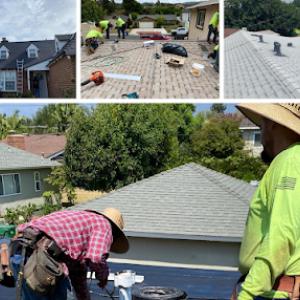
Smart Price Roofing is your reliable roofing contractor in Pasadena, CA, Experience in delivering top-quality, affordable roofing services for homes and businesses. We specialize in Roof Repair, Roof Replacement, Roof Installation, Roof Coating, Roof Inspection, and Roof Rejuvenation—providing long-lasting protection and value. Our expert team is trained in all major roofing systems, including Shingle, Metal, Tile, Slate, Flat, TPO, Rubber, and Cedar Roofing. Whether you're facing storm damage, roof leaks, or need a complete roof upgrade, we deliver honest pricing and expert craftsmanship tailored to Pasadena’s unique needs. Contact us today for dependable roofing in Pasadena, CA.
Pacific Roofers
(626) 209-8100 pasadenaroofmasters.com
2575 Paloma St #342, Pasadena, California
4.7 from 73 reviews
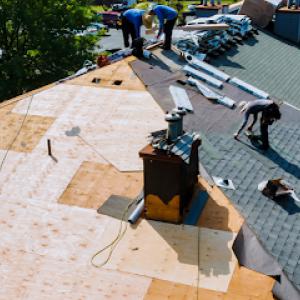
Pacific Roofers is a trusted roofing company serving the Pacific region with professionalism and expertise. With our skilled team of professionals, we offer a comprehensive range of roofing services for residential and commercial properties. Whether you need roof installations, repairs, or maintenance, we have the knowledge and resources to handle your project efficiently and effectively. We prioritize using high-quality materials and proven techniques to deliver exceptional craftsmanship and durable results. At Pacific Roofers, we are committed to exceeding your expectations and providing reliable roofing solutions that enhance the protection and aesthetics of your property. Trust us for top-notch roofing services tailored to your needs.
Legends Roofing
(626) 323-8285 legendsroofingca.com
35 Union St Suite A, Pasadena, California
4.9 from 43 reviews
Founded in 2017 by a pair of brothers with decades of contracting experience, Legends Roofing is a family-owned business with a strong focus on our customers' needs and budgetary concerns. Yet, we don’t hold back in terms of the results you deserve. Our roofing products and materials are of the highest quality available, from leading brands that customers know and love, like Owens Corning, CertainTeed, and Polyglass. In fact, as a CertainTeed Select ShingleMaster and an Owens Corning Preferred Contractor, our roofing company offers the peace of mind that comes from factory-trained installers and extended warranty options.

J & J Roofing
(323) 913-4190 jandjroofing.com
1485 Lincoln Ave, Pasadena, California
4.8 from 67 reviews
J & J Roofing has been servicing roofing clients in the Los Angeles Area for over 30 years. Using the Highest Quality Materials and offering Trustworthy Craftsmanship, Fair Pricing, as well as Comprehensive Warranties Available, call LA's trusted roofer to schedule you free estimate and let us be your choice roofer for your roof repairs, full residential re-roofs, & large commercial projects. We offer all phases of roofing including: shingles, slate, coating, silicone, all types of shake and tile, Shake Fire Retardant Coating, torch down roofing systems and tapered-insulation roofing systems. We also offer Escrow inspections w/ full report ($385) State Licensed contractor, bonded, and top listings on Angi, Nextdoor, and Yelp, among others.
Red Turtle Roofing of Pasadena
(626) 746-5247 redturtleroofing.com
35 N Lake Ave 7th floor suite 22, Pasadena, California
5.0 from 26 reviews
Red Turtle Roofing of Pasadena is a trusted roofing company serving Pasadena, CA and nearby. We specialize in residential and commercial roofing services, including roof repair, replacement, installation, and coatings. Our expertise spans a wide range of roofing materials, such as shingle, metal, TPO, slate, flat, tile, rubber, and cedar. We also offer roof inspection, rejuvenation, skylight installation, gutters, and siding services. Whether you need routine maintenance or a complete roof overhaul, our professional team is here to provide top-quality solutions. For reliable, affordable, and expert roofing services in Pasadena, call Red Turtle Roofing today!

Hexagon Roofing Inc. - Pasadena Roofers
(626) 244-8024 www.hexagonroofing.com
117 E Colorado Blvd Suite 600, Pasadena, California
4.9 from 49 reviews
Hi everyone, Abraham here with Hexagon Roofing Over 15 years in the industry and have had the pleasure of working on and overseeing thousands of roofing projects to ensure the highest level of quality. Together with my team of experienced roofers, we are certified professionals willing to go above and beyond to meet your needs. My team and I treat every project, big or small, as if it were our own. Looking forward working with you!
Sunrise Roofing
(213) 516-9295 pasadenaroofingsolution.com
300 E Colorado Blvd #26, Pasadena, California
4.9 from 17 reviews
Welcome to Sunrise Roofing, where excellence meets the horizon! Elevate your home or business with our top-notch roofing services. Our expert team specializes in Roof Installation, ensuring precision and durability that stands the test of time. Need a Roof Replacement? Trust Sunrise Roofing to revitalize your property with premium materials and skilled craftsmanship. For Roof Repair, we're your go-to problem solvers, swiftly restoring your roof to perfection. Explore our diverse range, from sleek Metal Roofing to classic Asphalt Shingle Roofing. Commercial TPO Roofing? We've got your business covered. From New Construction Roofing to reliable Flat Roofing solutions, Sunrise Roofing is your key to superior, lasting protection.
Express Roofing Repair Service Pasadena
(626) 605-2457 express-roofingllc.com
476 S Fair Oaks Ave, Pasadena, California
5.0 from 16 reviews
At Express Roofing Repair Service Pasadena we take pride in being one of the most reliable roofing contractors in Pasadena, CA. Our mission is simple: to provide homeowners and businesses with high-quality roofing solutions that combine durability, style, and long-lasting protection. Whether you need a new roof installation, quick roof repairs, or regular roof maintenance, our experienced team delivers exceptional craftsmanship using only premium materials. We understand that your roof is one of the most important investments for your property, and we’re committed to ensuring it stands strong
Top Cal Roofing
(323) 273-7510 topcalroofing.com
530 S Lake Ave, Pasadena, California
5.0 from 12 reviews
Topcal Roofing Company is dedicated to serving the roofing needs of Homeowners and businesses in California. We understand that getting a new roof can be a lot to handle. That’s why our team of experts is here to assist you every step of the way. We work with all insurance companies, offer fast customer service, and quality products. When a storm impacts your area, we come to you when you need us most.
A reroof in Pasadena typically requires a City of Pasadena Building & Safety permit rather than being treated as minor maintenance. This means you'll need to submit plans for review before any work begins, and the project will move through a formal approval process. Plan review can add lead time compared with jurisdictions that issue simple over-the-counter reroof permits, so factor scheduling and weather windows into your project calendar. Because Pasadena's permit workflow is tied to the city's development and historic review processes, it helps to start the permit discussion early with a licensed contractor who understands local expectations.
Permits are issued after plan review, and the specifics of how your roof is framed, underlayment choices, and additional features (like skylights or venting upgrades) will be evaluated for code compliance and structural suitability. In neighborhoods with Craftsman-era homes or hillside construction, plan reviewers often look closely at materials, roof pitch, and historic compatibility. If your property sits in a historic district or on a hillside, anticipate more detailed reviews and possible condition notes that aim to preserve visual character and curb appeal. Providing existing drawings or a simple site plan can smooth the process and reduce back-and-forth.
Pasadena requires inspections during installation to verify critical milestones, such as deck and sheathing integrity, underlayment, and nailing patterns, as well as a final inspection to confirm everything is completed to code. Historic or hillside properties may trigger additional review layers or conditions, especially if the roof surface alters the silhouette, color, or reflective properties that affect neighboring views or seismic considerations. Expect the inspector to verify that all penetrations (vents, chimneys, skylights) are properly flashed and sealed, and that any wiring or venting remains compliant with current standards.
Historic districts in the foothills can tighten reroofing choices beyond standard code requirements. If your home features clay or concrete tile or tile-like profiles, additional documentation may be requested to demonstrate compatibility with existing massing and aesthetics. Hillside locations also bring wind exposure considerations; plan reviews may scrutinize wind-rated fasteners, edge detailing, and drainage outcomes to minimize uplift risk. In practice, that means coordinating closely with your roofer and permit reviewer to select materials, details, and colorways that satisfy both safety and the neighborhood's character.
To keep the process smooth, assemble a clear scope of work, including roof type, attic ventilation strategy, and any accessory installations. Engage a licensed contractor who has experience navigating Pasadena's permit channels and historic-review expectations. Schedule pre-submittal conversations with the Building & Safety division if possible, and prepare to respond promptly to plan-review comments to avoid delays.
Pasadena's housing stock leans heavily on clay and concrete tile, and that shapes the typical reroofing price landscape. When you compare local ranges, expect asphalt shingles to sit well below tile in cost, but clay and concrete tile dramatically lift the overall project price. The city's climate and elevation-foothill homes to the San Gabriel foothills-mean tiles are popular for their durability and fire resistance, contributing to a higher baseline cost than other neighboring communities. In practice, a homeowner choosing between asphalt and concrete or clay tile will see a meaningful gap in upfront expense that ripples through removal and installation work.
Historic-home detailing isn't just about aesthetics. In Pasadena, reroofing often requires careful matching of profile, color, and trim to preserve the neighborhood's character. If a house features Craftsman or Mission-style elements, a contractor may recommend textures and shapes that mimic traditional roofing. That care adds labor time and sometimes specialized materials, pushing costs above the cheapest modern alternatives. In hillsides or areas with historic overlays, these design constraints can be a larger share of the project than the raw material price.
Tile roofing excels in Pasadena's Santa Ana wind exposure and dry summers, but it also carries weight and handling considerations. Lifting bulky clay or concrete tiles onto a steep or confined hillside can require additional equipment and crew time, especially where access is tight or shared driveways are involved. The higher labor component from limited staging space, plus potential reinforcement for the existing roof deck to support heavy tiles, means the total price can exceed simple per-square-foot estimates. Expect installation methods that protect tile integrity and avoid cracking during removal to contribute to the overall cost.
If you're weighing options, plan for a higher per-square cost if you choose clay or concrete tile, especially when matching historic details or upgrading underlayment and ventilation to suit tile systems. For homes with complicated silhouettes, multiple dormers, or hillside setbacks, the project may require more precise flashing and edge work, further lifting the bill. Insurance-backed contingencies for wind-related stress and roof-penetration repairs can also influence the final number. In short, Pasadena reroof projects tend to cluster around tile-based price bands, with material choice, historic detailing, and access constraints driving the adjustments beyond the base cost.
The most popular roofing material in the US. Find pros who install, repair, and replace asphalt shingles.
Clarke Brothers Roofing
(626) 900-0908 expertsroofing.homes
125 N Raymond Ave #336, Pasadena, California
4.9 from 79 reviews
Pacific Roofers
(626) 209-8100 pasadenaroofmasters.com
2575 Paloma St #342, Pasadena, California
4.7 from 73 reviews
Legends Roofing
(626) 323-8285 legendsroofingca.com
35 Union St Suite A, Pasadena, California
4.9 from 43 reviews
Pasadena homeowners operate in a broader California insurance pullback, where wildfire and wind risk modeling increasingly drives underwriting decisions. The effect shows up in how policies are written, renewed, and renewed with exclusions or reduced coverage. When a roof issue follows a windy event, the decision about coverage often hinges on how well risk factors align with the insurer's current appetite rather than on a simple assessment of damage alone.
When wind-driven damage occurs, insurers commonly require photo documentation, contractor estimates, and an adjuster review rather than accepting a straightforward homeowner report. The sequence matters: clear, timestamped photos of affected areas, comprehensive contractor bids from licensed roofers, and a cooperative adjuster visit can speed a claim. In this city, where sloped tiles and historic fabric intersect, the insurer may scrutinize both the visible damage and any accompanying venting, fasteners, or flashing that could affect wind performance.
Depreciation and coverage limits can materially affect reroof decisions because older tile, wood, or architecturally matched systems may be more expensive to restore than standard composition roofs. Historic and hillside homes often rely on materials chosen for style and durability rather than mass-market simplicity. That aligns with how coverage is valued and restored. If the roof system includes historically appropriate details, expect the adjuster to consider restoration versus replacement parity, which can influence the claim outcome.
Begin with organized documentation that clearly shows pre-event conditions, the damage, and the scope of needed repairs. Engage a licensed roofer to produce a detailed estimate that can be cross-checked by the insurer's adjuster. Communicate openly with the adjuster about any architectural requirements, tile constraints, or wind-related vulnerabilities that affect the restoration plan. In a community where historic and hillside homes guide reroof choices, aligning documentation, contractor expertise, and policy expectations reduces surprises during settlement.
In neighborhoods with Craftsman character and tile-heavy stock, future wind events will continue shaping decisions. Plan for repairs that preserve the home's character while meeting the insurer's review standards, and keep your documentation organized so future claims, if any, move more smoothly through the process.
Connect with contractors who help homeowners navigate the claims process from damage assessment to final approval.
Ariel Builders Roofing Services
(800) 903-7344 ariel-buildersinc.com
225 S Lake Ave STE 300, Pasadena, California
5.0 from 101 reviews
Clarke Brothers Roofing
(626) 900-0908 expertsroofing.homes
125 N Raymond Ave #336, Pasadena, California
4.9 from 79 reviews
Pacific Roofers
(626) 209-8100 pasadenaroofmasters.com
2575 Paloma St #342, Pasadena, California
4.7 from 73 reviews
Despite a strong association with historic pitched homes, the local contractor market sees meaningful demand for flat and low-slope roof work in select residential pockets, especially foothill areas where wind exposure and older envelope details come into play. When planning a reroof on a flat or low-slope section, start with a precise assessment of how the existing deck conditions, drainage plan, and parapet details will handle wind-driven rain. Look for proven low-slope assemblies that maintain proper seam integrity and drainage without imposing undue weight or complexity on a hillside grade. In neighborhoods with Craftsman character, a flat roof retrofit should balance functional weatherproofing with the scale and texture of surrounding homes, avoiding overly slick surfaces that clash with the street façade.
Skylight-related roofing work shows up frequently in local practice, and simple penetrations can become recurring leaks if flashing or flashed-curtain detailing isn't matched to the roof slope and deck material. Before sealing or replacing, verify the alignment of skylight flanges with the roof plane, and confirm flashing boots integrate with any tile or flat surface transitions. In practice, you'll want to daylight-test each skylight area after a rain event to confirm transitions between roof material and skylight flashing. Consider choosing skylight systems that minimize thermal movement around the opening, which helps prevent later leaks in homes that see significant sun exposure through long Pasadena summers.
Sunny climates make solar integration a real planning factor, especially when reroof timing intersects with penetrations, mounts, or potential future solar plans. Coordinate the roof replacement sequence to align with the planned solar array layout, ensuring mounts sit on durable, uniform surfaces and that any wiring routes avoid compromising flashing integrity. If a reroof is on the calendar, map out anticipated panel locations and flashing transitions now, so that future solar work can piggyback cleanly on the same roof plane without modifying multiple penetrations. In hillside and wind-prone zones, confirm that mounting hardware is selected to withstand gusts without altering tile alignment or surface drainage.
Find specialists in TPO, EPDM, and built-up flat roofing systems for residential and commercial properties.
Overhead Roofing Inc - Pasadena Roofers
(626) 612-1316 overheadroofingca.com
155 N Lake Ave #800, Pasadena, California
4.9 from 123 reviews
Clarke Brothers Roofing
(626) 900-0908 expertsroofing.homes
125 N Raymond Ave #336, Pasadena, California
4.9 from 79 reviews
Smart Price Roofing
(626) 414-4978 smartpriceroofingpasadenaca.com
400 Edmondson Alley, Pasadena, California
5.0 from 42 reviews
In neighborhoods with craftsman charm and hillside vistas, the typical reroof often means dealing with older roof decks, hidden rot, and intricate chimney gaps. Look for firms that regularly perform tear-offs on older structures, not just quick overlays. Ask about the condition of the deck after removing old roofing materials and whether the crew will reveal and address surprises before re-roofing. A Pasadena project benefits from contractors who understand the layering common on historic homes and how to avoid surprises behind plaster or wood siding.
Because Pasadena has many older homes and reroofing dominates the local market, homeowners benefit from contractors used to tear-off, deck condition surprises, and cleanup on occupied properties. Confirm that the bid includes removal of debris, protection for landscaping and driveways, and a clear plan for keeping the house weather-tight during the project. Insist on a careful inspection of the deck structure, fascia, and gutters once the old material is off, and demand a written protocol for addressing any soft spots or rot before new material goes on.
The local market signals show Pasadena homeowners consistently value quick response and cleanup, which matters when leaks appear during winter rains or wind events. Favor long-established or family-owned firms that maintain a recognizable presence in the area and can mobilize promptly after a leak or storm. Check references from neighbors in nearby craftsman blocks or foothill streets, and prioritize contractors who communicate clearly about scheduling, day-to-day progress, and post-project cleanup.
Long-established and family-owned firms have a visible presence in Pasadena, which aligns with homeowner preference for contractors familiar with older neighborhood housing stock. Seek one with a track record of respectful installations on period details, chimneys, skylights, and tile or shingle transitions that match the community's historic character. Ensure the crew respects the neighborhood's aesthetics during edge trimming and color selection to preserve the street's character.