Last updated: Apr 19, 2026
In this inland valley, the Mediterranean pattern drives long, brutal summers with choking heat and a sharp drop in moisture. Most rain arrives between November and March, but the sun's relentless glare can age a roof long before winter storms arrive. Shingles and tiles crack, sealants dry, and underlayment cases become vulnerable when heat cycles repeatedly expand and contract the roof assembly. The first sign of trouble most homeowners notice is sun-bleached color, warped edges, and a tassel of granules washing into gutters after a dry, windy afternoon. That sun-driven wear isn't just cosmetic-it weakens surface layers and sets the stage for leaks once winter storms finally roll in.
Fall offshore wind events, and the Santa Ana conditions that funnel into Ventura County valleys, don't just chill the air or rattle a chimney. they lift roofs at vulnerable points-ridges, edges, tile laps, and older shingle systems on exposed façades. This uplift stress accelerates failure modes you'll otherwise see only after years: loosened shingles, lifted tiles, flashed seams that start to weep, and accelerated edge creep where moisture invites rot. If your home sits on an elevated street, a corner lot, or a valley-facing slope, wind uplift is a real, repeatable risk. The takeaway is simple: if a roof is already compromised, the next season of Santa Anas can push it from vulnerable to critical.
Late-summer ember conditions around the urban-wildland interface are not a distant threat; they are a practical concern for roof-covering choices and maintenance. Embers can land on vents, under eaves, and along roof-to-wall junctions, igniting dry debris and then propagating through gaps or deteriorated flashing. Vent detailing becomes part of fire resistance, not an afterthought. If a roof shows exposed fasteners, cracked vent collars, or compromised ridge cap integrity, ember resistance upgrades-stronger coverings, intact gable ends, and properly sealed penetrations-become critical to survivability. In this climate, the roof isn't just a weather barrier-it's a frontline defense.
Heat, wind, and ember risk translate into timing decisions you can act on now. In an area with intense sun exposure, a reroof is most effective when performed before the next heating peak and before a season of Santa Ana winds. Prioritize systems that hold up under repeated heat cycles and offer robust edge and ridge protection. If tiles or shingles show curling, quarter-size cracks, or loose fasteners, treat those symptoms as signals to move promptly rather than later. A roof that anticipates wind uplift and ember exposure will keep attic spaces cooler, reduce moisture migration, and resist rapid deterioration when a wildfire-season breeze picks up.
Clay and concrete tile systems provide long-term resistance to heat and wind, with the caveat of proper installation to avoid micro-cracks at the laps and around penetrations. Metal roofing offers exceptional wind uplift performance and quick debris shedding, but requires precise flashing at valleys and vent junctures to deter ember entry. Synthetic or composite shingles can bridge the gap between weight and performance, delivering improved impact resistance and flexible installation for uneven surfaces. When choosing materials, align with the home's exposure: ridge-line homes, exposed eaves, and older shingle systems benefit most from upgrades that emphasize wind resilience, ember resistance, and durable flashing details.
Inspect after the hottest weeks and before the Santa Ana season arrives. Look for lifted edges, cracked vent seals, and clogged or damaged gutters where embers can collect and ignite. Replace missing or damaged flashing promptly, reseal penetrations, and ensure proper attic ventilation to minimize heat buildup under the deck and underlayment. A proactive approach minimizes the risk of a mid-winter leak or a late-summer ember ignition, keeping the roof functional when it matters most.
Concrete and clay tile are common and well-suited to the Mediterranean-style homes that populate many neighborhoods here. The weight and durability of tile help withstand the hot inland valley sun, and their thermal mass can keep attic temperatures a bit steadier if a ventilation strategy is in place. In this climate, clay and concrete tiles handle the Santa Ana-season heat better than many asphalt systems, and their reflective surfaces can help reduce heat transfer to the interior. When you're evaluating earlier reroofs, consider tile's long service life and how it pairs with the existing roof deck, framing, and underlayment. If your home already carries a tile aesthetic, sticking with a tile material keeps the look cohesive and minimizes reroofing surprises. On hillside or brush-adjacent lots, tile can also offer a fire-conscious profile, provided the installation follows proper clearance and detailing.
Asphalt remains a practical baseline for many homes, especially when first cost and ease of replacement matter. In a high-heat environment, however, shingles may experience accelerated granule loss, brittleness, and faster play-by-play aging compared with milder coastal markets. If you're weighing asphalt, lean toward a higher solar reflective shingle option and ensure the underlayment and attic ventilation are up to the task. Space considerations matter: some existing homes with vaulted ceilings and limited attic access benefit from a roof system designed for improved ventilation and moisture control to offset heat stress. For reroofs where a lighter-weight option is desired without sacrificing service life, a high-quality asphalt with a reinforced polymer or fiberglass mat and better ducting can extend performance. If the home sits near open desert exposures or wide, sun-facing slopes, plan for more frequent inspections of flashings and sealants where heat cycles are hardest on the substrate.
Metal roofing and synthetic/shingle composites are worth a closer look when heat performance and maintenance are priorities. Metal panels tend to reflect more solar radiation and shed heat efficiently, which can translate to cooler attic temps and reduced cooling loads with proper installation. Synthetic shingles offer the benefit of lighter weight, consistent color fade resistance, and improved fire ratings compared with traditional organic shingles. On brush-adjacent or hillside properties, these materials often pair well with fire-conscious upgrades such as ember-resistant venting and enhanced clearance at eaves. If you're considering metal, pay attention to panel profile, coating color, and the roof's exposure to wind gusts and Santa Ana driving winds-fast-moving air can stress edges and fasteners if not properly engineered. For synthetic options, verify UV stability and warranty provisions specific to heat cycling and sun exposure typical of the area.
In a high-heat, wind-prone environment with wildfire pressure at the urban-wildland edge, the timing of reroofs matters. Expect periodic inspections focusing on flashing integrity, edge weathering, and sealant condition, regardless of material. A robust underlayment and ventilation strategy amplifies any material's performance, but especially supports tile and metal systems where heat and wind can stress components. When choosing a roof, align material characteristics with the home's architectural language, local brush proximity, and the expected maintenance cadence. Tailor fastener types, sealants, and venting to the specific exposure profile of each slope, ensuring that the system performs under the dual demands of sun and wind.
In this climate, the tile surface often looks sound while the waterproofing beneath has already aged past its prime. The harsh sun, high heat, and long dry spells can bake the underlayment and flashing, especially where tiles butt against hips, valleys, and penetrations. This is why lift-and-reset reroofs-where the tile is removed and reinstalled with new underlayment and flashing-still make sense even when the visible tiles look fine. Those aging layers govern leaks long before any brick-and-mortar sign of trouble shows up inside the attic or ceilings.
Clay and concrete tiles sit on top of an underlayment that was never meant to last forever. In older valley developments with original tile roofs, the underlayment has endured decades of heat cycling, UV exposure, and occasional wind-driven debris. The result can be small, slow leaks that gradually spread along rafters and through the sheathing. Homeowners may notice staining or musty smells only after the damage has progressed. Even if the tile surface remains intact, the waterproofing beneath can become brittle and fail around flashing corners, vent penetrations, and valley troughs. That hidden deterioration is the quiet culprit behind many interior leaks after a hot season.
When Santa Ana winds sweep through the corridors, individual field tiles and ridge components can lift or shift. A simple gust may reveal loose edges or cracked tiles, but the bigger threat hides under the surface: deteriorated underlayment. Wind can accelerate wear at the valleys and flashing details where water migration begins. If the underlayment has already thinned or separated from the deck, wind-driven rain can seep in even with most tiles still in place. This is why a reroof strategy that focuses on replacing underlayment and securing flashing often yields longer protection than merely reseating tiles.
A lift-and-reset approach makes particular sense if the roof is aging in a climate that cycles between blistering heat and drying winds. If the attic shows signs of moisture intrusion, or if the flashing around chimneys, vents, and valley intersections looks degraded upon inspection, that's a strong signal to address the underlayment rather than chasing surface tile replacements alone. This method can also prevent cascading damage to the roof deck and reduce the risk of sudden leaks after the next wildfire-season wind event. The decision hinges on a careful assessment of the deck's condition, the flashing integrity, and the age of the current underlayment.
Start with a targeted roof inspection after the peak heat and prior to the windy season. Look for soft spots along valleys, dark staining on sheathing, or musty attic odors-these point to underlayment or flashing trouble. Schedule a professional evaluation that prioritizes underlayment condition and flashing seal integrity. If you're planning a reroof, insist on removing and replacing the underlayment and upgrading flashing components in vulnerable areas. Finally, maintain clear gullies and ensure valley troughs are free of debris so water flow remains uninterrupted during seasonal storms.
Find contractors who specialize in clay and concrete tile roofs, known for their durability and curb appeal.

Infinity Roofers
(805) 225-7663 infinity-roofers.com
1302 Madera Rd, Simi Valley, California
5.0 from 73 reviews
August Roofing & Solar
(805) 855-1655 www.augustroofing.com
650 E Cochran St STE 8, Simi Valley, California
4.9 from 260 reviews
Regional Roofing
1213 Simi Town Center Way, Simi Valley, California
5.0 from 5 reviews

Infinity Roofers
(805) 225-7663 infinity-roofers.com
1302 Madera Rd, Simi Valley, California
5.0 from 73 reviews
Are you looking for a trusted Roofing contractor in Simi Valley, California? If yes, Infinity Roofers is the company you can count on for the job. We do Residential Roofing, Commercial Roofing, Roof Repair, Roof Replacement, Roof Maintenance, Roof Inspection, Emergency Roof Repair, Shingle Roofing, Metal Roofing, Tile Roofing, Flat Roofing, and more. We have a team that provides some of the best Roofing Solutions in the Simi Valley, California area. Our roofing company in Simi Valley, California, has a well-trained team of roofing professionals dedicated to providing exceptional roofing solutions to our clients. Contact us to get a free estimate on your next project today.

Next Door Home Upgrades
(805) 919-8091 nextdoorsolar.com
4180 Guardian St Ste 113, Simi Valley, California
5.0 from 69 reviews
Next Door Home Upgrades in Simi Valley, CA, specializes in professional roof replacement designed to protect homes from the region’s hot sun, seasonal winds, and occasional heavy rain. Our team replaces aging or damaged roofs with durable solutions that address common local issues such as cracked shingles, heat damage, and storm wear. By focusing on quality installation, we help homeowners improve energy efficiency and safeguard their property for years to come. As experienced roofers in Simi Valley, we are known for our professionalism, reliability, and dedication to delivering trusted roofing services tailored to the needs of our community.
August Roofing & Solar
(805) 855-1655 www.augustroofing.com
650 E Cochran St STE 8, Simi Valley, California
4.9 from 260 reviews
August Roofing & Solar provides premium roofing and solar solutions. It is our goal to deliver professional service, best in class materials and superior craftsmanship for residential customers from West LA through Ventura County to Santa Barbara.

GreatWay Roofing
(805) 852-0510 greatwayroofing.com
4518 Industrial St, Simi Valley, California
4.9 from 42 reviews
Trusted Roofing Experts in Simi Valley – GreatWay Roofing Looking for a reliable, professional roofer in Simi Valley, CA? GreatWay Roofing has you covered. Since 1999, our family-owned and locally operated company has proudly served the Simi Valley community with top-quality roofing services backed by over 25 years of experience. Our dedicated team ensures every job is completed with exceptional workmanship and attention to detail—before, during, and after your project. We take pride in providing honest estimates, dependable service, and lasting results you can count on. Don’t leave your roof to chance. Choose GreatWay Roofing—Simi Valley’s trusted roofing specialists. Call today for your free estimate!
Superstar Roofing Inc - Simi Valley Roofers
(805) 590-5722 superstar-roofing.com
Simi Valley, California
5.0 from 11 reviews
Trusted Roofing Services in Simi Valley The hot, dry summers and seasonal storms in Simi Valley can gradually wear down your roofing system. Prolonged exposure to sun, wind, and rain can lead to cracked shingles, roof leaks, and even structural issues. If you’ve noticed missing tiles, water spots on ceilings, or any sagging in your roof, it’s time to contact a reliable roofing company in Simi Valley for a professional assessment. At Superstar Roofing, we deliver high-quality roof repairs, full replacements, and custom installations. Our skilled team ensures your roof remains durable, energy-efficient, and capable of withstanding Simi Valley’s demanding weather conditions.
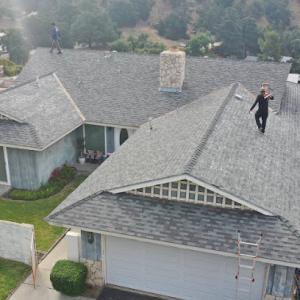
Simi Valley Roofing Crew
(805) 515-3311 www.simivalleyroofers.com
Simi Valley, California
4.6 from 15 reviews
Simi Valley Roofing Crew is the choice for you if you are looking for high quality but affordable roofing installation services in Simi Valley, or roof replacement services. Our team has nearly two decades of experience, and has served families all across Simi Valley, Glendale, Santa Monica, Malibu, and greater Los Angeles. We are able to offer some of the most affordable prices on the market, because we don't have salespeople and therefore have smaller overhead fees, which are passed along to our customers in the form of lower prices. Simi Valley Roofing Crew is a branch of Shylee Roofing, dedicated to serving the families and businesses of Simi Valley. Give us a call today by clicking above.

Regional Roofing
1213 Simi Town Center Way, Simi Valley, California
5.0 from 5 reviews
Family-owned Regional Roofing has been protecting homes and businesses in Simi Valley and nearby communities with quality roofing services. From minor repairs to complete replacements, we treat every project with care. Expert installation of shingles, tile, metal roofing. Fully insured with references available.
ElitePitch Roofing Repair Service Simi Valley
1975 First St, Simi Valley, California
5.0 from 5 reviews
ElitePitch Roofing Repair is your trusted partner for complete roofing solutions in Simi Valley. Our experienced crews specialize in delivering quality services for homes and small businesses, understanding the unique challenges local weather patterns, sun exposure, and architectural styles present. We are committed to your long-term satisfaction. Our process begins with a detailed inspection, providing you with a clear understanding of your roof's condition and the solutions available. We focus on transparent communication and superior craftsmanship, ensuring your roof is durable and well-prepared for any weather.
Westside Roof Repair
1409 Kuehner Dr, Simi Valley, California
5.0 from 4 reviews
Westside Roof Repair sets the standard for premium roofing in Simi Valley 93063. Superior craftsmanship, top-tier materials (GAF, Owens Corning, CertainTeed), meticulous attention to detail. Comprehensive services from inspections to complete roof systems. Your investment deserves the best.

Prime Team Roofers
(747) 298-5700 canogaparkroofing.com
Serving
4.9 from 67 reviews
Prime Team Roofers is a trusted and experienced roofing company dedicated to providing top-quality services and exceptional results. With our skilled team of professionals, we offer a comprehensive range of roofing solutions for both residential and commercial properties. From roof repairs to complete installations, we have the expertise and knowledge to handle projects of any size or complexity. We prioritize craftsmanship, attention to detail, and customer satisfaction, ensuring that your roofing needs are met with the highest standards. Trust Prime Team Roofers for reliable and efficient roofing services that enhance the beauty and durability of your property.
Roofing H Thousand Oaks
Serving
5.0 from 47 reviews
With Roofing H Thousand Oaks, you can rest assured that your roof is in expert hands. Our experienced team is dedicated to providing superior roofing services, from meticulous new installations to reliable repairs and proactive maintenance. We use high-quality materials and proven techniques to ensure a durable and long-lasting roof that protects your home or business for years to come. Experience the difference that professionalism and quality craftsmanship can make.
Zen Roofing Pros
(818) 530-3373 zenroofingpros.com
Serving
5.0 from 32 reviews
Zen Roofing Pros is a trusted roofing contractor in West Hills, CA, delivering top-quality residential and commercial roofing services since 2010. As a family-owned roofing company, we specialize in everything from asphalt shingle roofing in West Hills to full roof replacements for homes and businesses. Our experienced team is known for reliable craftsmanship, transparent pricing, and a commitment to doing every job right the first time with 120% efficiency. Whether you need residential roofing in West Hills or expert commercial roofing in West Hills, we're here to help. Contact Zen Roofing Pros today for roofing West Hills CA can count on—built to last with premium materials and decades of proven expertise.
In this area, the rainy season concentrates from November through March, so leak calls tend to cluster after dry months have masked cracked flashings and underlayment failures. When the first sustained storms arrive, roofs that looked solid in late summer suddenly reveal slow drips and hidden failures. The combination of Santa Ana-warmed air and cooler nighttime moisture can push seals around penetrations and transitions past their limit, creating a cascade of signs from damp ceilings to staining near vents and skylights.
Occasional hail and winter storm activity in Ventura County can expose weak seals around penetrations, skylights, and transitions even when roofs looked serviceable during summer. If you notice new or enlarging staining, damp patches near ridge caps, or granule runoff in gutters after a storm, treat it as a warning. Inspectments should focus on flashing where roof meets chimneys, vents, and dormers, plus the integrity of the underlayment around valleys and transitions. Cold fronts can tighten fasteners and loosen sealants, so pay attention to any loose shingles or brickmold around skylights.
The local contractor market shows unusually strong emergency-repair and storm-damage activity, matching homeowner demand for fast tarping and leak containment during seasonal storms. If a leak is active, place a sturdy tarping plan over the affected area and secure edges to prevent wind uplift. Stay vigilant for interior damage that can escalate quickly in heavier winter rains, including mold risk in attic spaces. Call a trusted local roofer with a track record of rapid mobilization for storm events, and prioritize those who can perform an on-site assessment within 24 hours.
Treat this season as a diagnostic period: worn flashings, aging sealants, and compromised underlayments that survive summer heat often fail when moisture returns. Plan for a targeted repair strategy that addresses both the immediate leak and the underlying weaknesses exposed by winter weather. For homes with tile or shake overhangs, expect that edge conditions and transitions may demand expedited attention to prevent widespread interior damage as storms roll through the county corridors.
When you can't wait, these contractors offer fast response times to stop leaks and prevent further damage.
Infinity Roofers
(805) 225-7663 infinity-roofers.com
1302 Madera Rd, Simi Valley, California
5.0 from 73 reviews
When planning a reroof, start with the local ballpark for around-the-roof pricing. For asphalt shingles, expect roughly $350 to $700 per square. Metal roofs run higher, typically $800 to $1500 per square. Clay tile projects usually land in the $1900 to $3600 per square range, while concrete tile sits around $1800 to $3000 per square. Wood shingles or shakes come in at about $600 to $1400 per square, and synthetic or composite shingles are generally $650 to $1200 per square. These figures reflect the heating, wind exposure, and wildfire pressures common to this area, plus the material characteristics that installers factor in when scheduling a job.
Costs in Simi Valley often rise on tile homes because tear-off, tile handling, underlayment replacement, and any broken-tile matching add labor beyond a basic shingle reroof. If the roof is tile and you're staying with tile, you may see a premium for careful tile removal and reinstallation to preserve color and texture. If you're considering changing to a different material, ask the contractor to break down what's involved in removing existing tile, how underlayment is addressed, and whether matching or accent tiles will be needed. The more interruptions to the roof line or the more delicate the tiles, the higher the potential labor component.
Seasonal demand can push pricing and scheduling in winter storm periods and after wind events. In a town shaped by Santa Ana winds and heat, a sudden wind event can tighten the window for materials delivery and crew availability, nudging costs up and compressing calendars. Any review finding-especially ventilation corrections or underlayment upgrades-adds to the project scope. Even when the weather window looks clear, a project that includes venting adjustments or insulation improvements will extend the crew's time on site and can elevate the final price.
Get multiple bids and insist on itemized estimates that separately show tear-off, tile handling, underlayment, and broken-tile replacement if tile is involved. If you're sticking with tile, clarify whether the bid includes matching tiles and any decorative or color-tint components. For asphalt, confirm the number of layers and the reinstall of any hip or valley flashings. Knowing these details helps align expectations with the local realities and the specific demands of Simi Valley's climate.
Get a clear picture of your project costs upfront - no commitment required.
Infinity Roofers
(805) 225-7663 infinity-roofers.com
1302 Madera Rd, Simi Valley, California
5.0 from 73 reviews
GreatWay Roofing
(805) 852-0510 greatwayroofing.com
4518 Industrial St, Simi Valley, California
4.9 from 42 reviews

A full reroof in this area typically requires a building permit through the City of Simi Valley Building and Safety division. Before any tear-off begins, confirm permit status and the scope of work with the local authority to avoid delays. The permit process is not just a paperwork hurdle; it helps ensure that the reroof assembly aligns with current codes for wind, heat exposure, and wildfire considerations that are common in this part of the valley.
Local inspections are commonly performed at rough tear-off, underlayment, and final completion rather than only at the end of the job. Expect the inspector to verify that the deck is sound after removal, that the underlayment is properly installed and continuous across roof lines and penetrations, and that flashing details meet the area's performance expectations. If your contractor plans any changes to ventilation or attic access during the reroof, schedule inspections accordingly so the inspector can verify air flow and comfort-related features are still up to code.
Plan review may look at attic ventilation and underlayment details, so reroof projects that change assembly components can face more scrutiny than simple patch work. In hot, wind-prone environments with wildfire risk at the urban-wildland edge, authorities may focus on how the new roof system handles radiant heat, exhaust in the attic, and the continuity of underlayment around hips, valleys, and skylights. If a contractor proposes upgrading to a cooler or more wind-resilient material, be ready for the plan review to vet those choices against current standards.
Coordinate with the building department early to align permit timing with material delivery and weather windows. Have your contractor prepare detailed roof plans showing venting layout, underlayment type, and flashing sequences to expedite review. Keep a clear line of communication with inspectors during rough-in and final checks to minimize re-inspection cycles and keep the project on track.
In Ventura County, insurers have tightened underwriting around wind exposure, wildfire risk, and aging roofs, which directly affects reroof decisions in Simi Valley. The combination of hot inland heat and Santa Ana-driven wind corridors means that roof systems endure more cycles of drying, expansion, and uplift. This reality translates into stricter standards for roof age, material resilience, and overall weatherproofing. Homeowners should anticipate more stringent questions about roof condition and recent maintenance before any binding coverage is offered or renewed.
Homeowners may be asked for roof-condition photos, prior claim history, and wind-uplift-related documentation before binding or renewing coverage. In practice, that can mean detailed photo sets showing all elevations, penetrations, and edge details, plus notes from any roof repairs or replacements. If a Santa Ana event has left visible wear or minor damage, documentation becomes even more critical. Having a clear record of how the roof has held up through past Santa Ana wind storms or winter moisture can influence the insurer's assessment of risk.
Coverage options can narrow during high-risk periods or on older roofs, making pre-loss documentation especially important after Santa Ana wind events or winter storm damage. A roof that has endured multiple seasons of heat and wind exposure may trigger stricter limits or premium adjustments. Proactive homeowners who maintain up-to-date, organized records and photos can position themselves for smoother renewals, even when the weather season ramps up. In practical terms, expect insurers to request evidence of recent weather-related impacts and to scrutinize uplift vulnerabilities at eaves, ridges, and penetrations. Staying ahead with clear, dated evidence helps avoid gaps in protection when demand for comprehensive coverage spikes after wildfire warnings or heavy rain events.
Connect with contractors who help homeowners navigate the claims process from damage assessment to final approval.

Although pitched tile and shingle roofs dominate, Simi Valley homes commonly include low-slope sections over patios, additions, and transitions that fail differently from the main roof. These areas often hide underlayment, membranes, and flashings that see more sun exposure and less airflow. If a low-slope run connects two roof planes or tees into a wall, inspect the edge details closely. Look for wrinkles, loose fasteners, or blisters in the membrane that signal premature wear. The goal is to catch creeping leaks before they travel to living spaces.
These low-slope areas are vulnerable when winter rain follows long dry periods that have baked sealants and membrane details through the summer. After a dry season, sun and heat shrink seals, joints, and edge caps. When the first substantial storm hits, water can exploit small gaps at penetrations, vents, or transitions. A simple post-rain check: feel along transitions for damp spots inside attic or ceiling lines, and look for staining along exterior low-slope edges. If moisture appears, don't delay attention-even small leaks can migrate quickly in these zones.
Mixed-roof homes in Simi Valley often need contractors who can address both the visible main roof and hidden low-slope leak sources at transitions and penetrations. Plan for a careful assessment that includes attic space, underlayment condition, and flashings at valleys, chimneys, skylights, and wall junctions. A thorough inspection should map every low-slope surface, noting material changes, condition of sealants, and any signs of prior patchwork. Prioritize timely resealing and membrane upgrades where aging or mismatched components are found, focusing on the most exposed edges first.
Find specialists in TPO, EPDM, and built-up flat roofing systems for residential and commercial properties.
Infinity Roofers
(805) 225-7663 infinity-roofers.com
1302 Madera Rd, Simi Valley, California
5.0 from 73 reviews