
Last updated: Apr 19, 2026
A dry-season schedule makes sense for a full roof replacement in this coastal South Bay climate. Torrance's mild Mediterranean pattern means most full replacements are scheduled in the dry season to reduce leak exposure and weather delays. Plan around a window when the rain risk is minimal, typically late spring through early fall, and avoid the tail end of winter storms that can suddenly stretch a project's timeline. If a roof is nearing the end of its life, align the start with several consecutive clear-weather weeks and build in buffer days for unexpected delays caused by Santa Ana wind surges or late-season drizzle. A weather-aware project calendar helps minimize the chance of tile or shingle exposure to wind-driven rain.
Fall Santa Ana wind events are a real factor here, and they can lift shingles and dislodge ridge and edge components even though this is a coastal city. When planning replacements or major repairs, prioritize securing edge details, ridge caps, and vent closures before the first strong wind spell of autumn. If a replacement is staged across multiple days, ensure temporary wind barriers and proper fastener hardware are in place to resist gusts. For existing roofs with aging ridge caps or loose eave components, pre-emptive resealing and careful re-fastening during the cool, calm days of late summer reduces the chances of wind-related damage during the fall surge. In neighborhoods with higher exposure to open ridges, consider additional wind clips or sealants recommended for coastal salt air, and verify the attic ventilation remains balanced to prevent inward pressure that can lift roof materials.
Winter rain creates short but important leak windows, so temporary dry-in and tarping matter during active projects. Even in a mild climate, a few days of heavy rain can force a pause, so plan for portable tarps and quick-drying sealants to cover exposed decking and gaps. Inspect for prior repairs that may be more vulnerable to sudden downpours, such as penetrations around vent stacks, skylights, and chimney flashings. If a project cannot be completed before the first winter storms, arrange a temporary protective plan: secure tarps over open areas, seal flashings, and use drip edge protection to channel water away from vulnerable deckings. Communicate a realistic completion timetable to homeowners so that expectations align with coastal weather patterns. Post-storm checks should be routine to verify there are no hidden leaks behind tarps or under temporary seals that could worsen with subsequent rain.
Coastal salt air and UV exposure alter how materials age at the edges and fasteners corrode. In this context, selecting materials with robust edge and ridge performance becomes more critical. Clay and concrete tiles can handle the coastal environment but require sturdy installation and attention to underlayment and fastener compatibility to resist wind uplift. Metal roofs offer excellent wind performance if properly installed, with attention to corrosion-resistant alloys and protective coatings. Synthetic or composite shingles can provide good weight savings and wind resistance when installed with high-grade sealants and compatible underlayment. Regardless of material, emphasize secure edge detailing, wind-rated fasteners, and thorough flashings at penetrations and transitions to address Torrance's mix of salt spray, sun, and Santa Ana gusts.
A proactive maintenance routine supports longer roof life in this neighborhood. Schedule a biannual inspection aligned to post-winter and post-summer periods, focusing on edge fasteners, ridge caps, vent seals, and flashings around penetrations. In the aftermath of Santa Ana events or seasonal storms, perform a rapid check for lifted shingles or displacement of ridge components, and address any loose elements promptly to prevent cascading damage. Keep an eye on sealants and coatings in coastal zones, where sun and salt can accelerate wear. A careful, regular inspection cadence helps catch small issues before they become panel replacements, supporting a stable roof that holds up through Torrance's distinctive coastal weather pattern.
The salty marine air that brushes the South Bay is real enough to notice on metal flashings, fasteners, vents, and other penetrations around the roof. Exposed metal components can develop rust or corrosion sooner than you expect when salt and humidity linger. In spots where salt spray periodically lands or where wind-driven moisture hugs the edge of the roof, fasteners and flashings become the weak link. That corrosion isn't always obvious from a quick glance at the field of shingles or tiles; it often hides at the overlaps where rainwater concentrates or where edge metal sweeps into valleys. When those metal points start to deteriorate, leaks can follow, sometimes long after the rest of the roof looks sound. In practice, a roof that otherwise feels sturdy can harbor rusting flashings or corroded edge metal that quietly compromises the seal around vents, skylights, and chimney details.
Corrosion risk is especially relevant in neighborhoods closer to the beach influence than inland parts of the county. In those coastal pockets, salt carry and higher humidity settle deeper into the roof assembly. Metal components that sit in shadowed valleys or under overhangs tend to hold moisture longer, accelerating oxidation. The cumulative effect over time is more than just a surface stain; it can weaken the integrity of fasteners and flashing, increasing the chance of slow leaks and the need for more invasive repairs down the line. The takeaway is practical: don't rely on surface appearance alone. A metal-underneath-you approach to inspection-checking every exposed fastener, every seam, and every penetration-will save trouble later.
During an inspection, expand your view beyond the field material condition and target rust at valleys, skylights, and edge metal. Valleys deserve a careful eye because moisture concentrates there, and if metal is showing even small signs of corrosion, the valley seal can fail before surrounding tiles or shingles show wear. Skylight frames and mounting hardware are another common hotspot for hidden rust that can quietly erode the seal around the unit. Edge metal-rakes, drip edges, and gutter-to-roof interfaces-receives the brunt of salt air and rain splash, and corrosion there is a reliable red flag. Take note of any staining, bubbling paint, or loose flashings, as these are clues that moisture is finding its way through or around the metal components. A thorough check should include a tactile inspection of metal seams, a visual scan for brown or greenish corrosion streaks, and a gentle tug or wiggle test on flashings to assess their grip and flexibility.
Because the coastal environment accelerates wear on metal parts, a roof's lifespan often hinges on the condition of these non-field components more than the shingles or tiles alone. If rust or corrosion is allowed to advance at penetrations or where metal meets other materials, the resulting leaks can force earlier interventions than expected. In homes with frequent winter rain and seasonal Santa Ana winds, the window of vulnerability tightens: after sharp, gusty days, lingering moisture can penetrate compromised seals more readily. You'll want to schedule targeted evaluations that specifically document rusting at valleys, skylights, and edge metal alongside standard roof health checks. When corrosion signs accumulate around penetrations or along the roof edge, treat them as early warning signals. Addressing them before they undermine surrounding materials helps you extend the roof's performance and prevent cascading repairs.
Explore specialists in steel, aluminum, and standing seam metal roofs built to last 50 years or more.
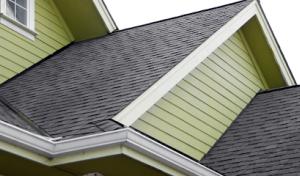
Solid Torrance Roofing
(424) 484-0002 roofingtorrance.com
4840 W 190th St #42, Torrance, California
4.8 from 71 reviews
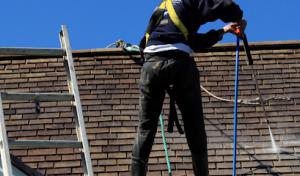
Ray & Sons Roof Repair
(424) 361-0009 torranceroofmasters.com
3445 Pacific Coast Hwy #74, Torrance, California
4.8 from 71 reviews
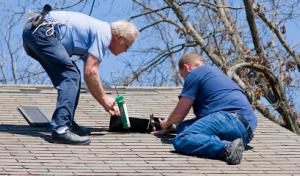
Clay tile and concrete tile suit the South Bay character with their classic look and proven durability in coastal sun. In Torrance, the tile itself often remains sound, but the underlayment beneath can age out long before the tiles show wear. The salty marine air accelerates moisture intrusion and mineral breakdown in aging underlayment, which means replacement timing is frequently driven by what sits under the tiles rather than the tiles themselves. If a roof reads as visually solid but shows interior attic signs of aging-soft spots, attic condensation, or cracked decking-expect underlayment refresh to become the critical maintenance milestone. Your decision about re-roofing should weigh a thorough inspection of the underlayment system, flashings, and the roof deck, because a tile replacement without a simultaneous underlayment refresh can limit the roof's overall remaining life. In practice, homes with clay or concrete tiles tend to benefit from a detailed moisture assessment every 10 to 15 years, with the understanding that the tiles are long-lived but the underlayment and fasteners may dictate the true replacement horizon.
Asphalt shingles remain a common lower-cost option for Torrance homes, yet summer UV exposure accelerates surface aging compared with cooler-season wear alone. The sun's intense rays promote granule loss, color fading, and edge curling, which can shorten the effective life of a roof line if maintenance lapses occur. In coastal exposure, ensure the shingle layout and edge details are robust enough to resist wind-driven debris and salt spray, particularly on exposed ridges and valleys. Regular inspections should focus on the condition of the granules, flashing at valleys and dormers, and the integrity of sealant joints around vents. If you notice accelerated aging after several hot summers, a re-seal or partial replacement of damaged areas can buy time, but plan on a broader assessment of ventilation, insulation, and attic moisture control to slow further deterioration.
Wood shingles and shakes appear in the local material mix, but fire-code review and maintenance expectations make them a more specialized choice in this market. Where wood products are used, consider tongue-and-groove or shingle layouts that minimize exposed fasteners to reduce water intrusion risk. Regular cleanings to remove moss and debris, plus vigilance for cupping or splits after Santa Ana wind events, helps extend life. Fire-rated options or treated wood varieties may shift maintenance needs and inspection frequency, and local conditions can influence when replacement is the wiser path rather than repair.
Tile roofs tend to be favored for their durability against coastal weather, even when underlayment age becomes the practical limit. Shingle roofs offer cost flexibility and simpler repairs but require attention to UV-related aging and wind resistance unique to the coastal environment. Ultimately, a roof's end-of-life signal in this market often blends the underlayment's condition with the exterior surface's health, so prioritize a professional assessment that traces pathways of moisture from the deck upward. Your plan should align with the specific stresses of marine air, Santa Ana wind patterns, and winter rain to time replacement in a way that protects your home's structure and interior comfort.
In Torrance, material costs are a major driver, and the local pricing reflects what you'd expect for a coastal climate. Asphalt shingles sit in a broad range from about 350 to 800 USD per square, depending on sub-brand and underlayment choices. Metal roofing climbs higher, roughly 700 to 1600 USD per square, driven by panel profile and integrated fasteners. Tile options stand out here: clay tile typically lands between 900 and 2600 USD per square, while concrete tile runs about 900 to 2100 USD per square. Wood shingles or shakes are commonly 600 to 1200 USD per square, and synthetic or composite shingles generally range from 450 to 900 USD per square. Those ranges aren't theoretical-they reflect the coastal blends of weight, durability, and wind resistance that matter on South Bay homes.
Torrance and its tile-heavy neighborhoods push labor and disposal complexity higher than a simple shingle tear-off. When underlayment replacement becomes the real scope driver, you're not just paying for tearing off old material-you're paying for a robust, wind-ready base. Clay and concrete tile roofs often require careful handling, precise re-fastening, and sometimes reinforced decking. Expect crews to spend extra time if old tiles are brittle from salt air exposure or if the roof pitch complicates debris removal. This dynamic makes tile re-roofs costlier in practice, even if material prices appear similar on the surface to other regions.
Project timing matters in the dry season, and here in the South Bay, many homeowners avoid winter rain by scheduling early, which tightens contractor availability. If you're flexible, you may secure a more favorable window and potentially better labor pricing, but be prepared for tighter calendars during peak months. Conversely, delayed start due to weather or backlogged crews can compress scheduling later, increasing the chance of incidental add-ons if underlayment or flashings need to be refreshed under pressured timelines.
When budgeting, anchor your plan to the local price bands above and factor in the added complexity of tile work if that's your choice. If coastal salt air has accelerated wear on flashings or decking, set aside a contingency for underlayment and fastener upgrades. For dry-season projects, confirm a realistic start window and build in a small cushion for potential crew scheduling shifts.
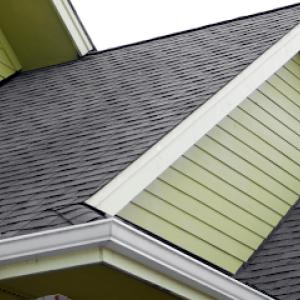
Solid Torrance Roofing
(424) 484-0002 roofingtorrance.com
4840 W 190th St #42, Torrance, California
4.8 from 71 reviews
Experience solid and reliable roofing services with Solid Torrance Roofing. Our dedicated team of professionals is committed to delivering exceptional results that exceed expectations. With our extensive knowledge and expertise, we provide top-quality roofing solutions tailored to your unique needs. Whether it's a residential or commercial property, we offer reliable installations, repairs, and maintenance services to ensure the integrity and durability of your roof. With Solid Torrance Roofing, you can trust in our attention to detail and commitment to customer satisfaction. Discover the difference we can make for your property today.
Ray & Sons Roof Repair
(424) 361-0009 torranceroofmasters.com
3445 Pacific Coast Hwy #74, Torrance, California
4.8 from 71 reviews
Welcome to Ray & Sons Roof Repair, your reliable partner for all your roof repair needs. Our dedicated team of professionals is committed to providing exceptional results and exceeding customer expectations. With our attention to detail and expertise, we offer reliable and efficient repair services to address any issues with your roof. Whether it's fixing leaks, replacing damaged shingles, or addressing structural issues, trust Ray & Sons Roof Repair for reliable and professional solutions. Experience the difference we can make for the longevity and functionality of your roof.
Action Roofing
22801 Lockness Ave, Torrance, California
5.0 from 42 reviews
ACTION ROOFING, INC. is your trusted neighborhood roofing service, proudly serving the Torrance, CA area. Located on Lockness Avenue, we're dedicated to providing top-quality roofing solutions for your home or business. When you need reliable roofing expertise close to home, think ACTION ROOFING.
Torrance Roofing
23740 Hawthorne Blvd #106, Torrance, California
4.8 from 75 reviews
Torrance Roofing is your trusted partner for professional roofing services in the Torrance area. With our team of experienced roofers, we provide top-quality roofing solutions for both residential and commercial properties. We understand the importance of a durable and well-maintained roof to protect your property. Whether you need roof repairs, installations, or maintenance, Torrance Roofing delivers efficient and effective solutions. Trust us for professional and reliable roofing services.
Torrance Roofing Pros
(310) 912-6646 rite-wayroofing.store
23848 Hawthorne Blvd, Torrance, California
5.0 from 31 reviews
Torrance Roofing Pros is the go-to roofing contractor for homeowners and businesses in Torrance and the South Bay. Our experienced team specializes in roof repairs, replacements, new installations, leak detection, and emergency roofing services, delivering high-quality results that keep your property safe and secure. We work with a wide range of roofing systems including asphalt shingles, tile, flat roofs, and energy-efficient options, ensuring every project is built to last. At Torrance Roofing Pros, we pride ourselves on honest estimates, skilled craftsmanship, and dependable service—making us a trusted choice for roofing solutions throughout the community.
Americas Best Roofing Company
(310) 792-1261 www.americasbestroofing.com
3848 W Carson St Suite 218, Torrance, California
4.8 from 47 reviews
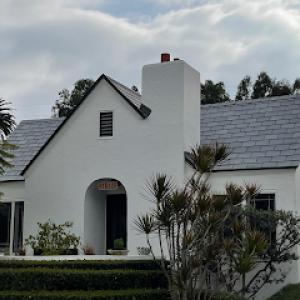
America's Best Roofing Company is a residential and commercial roofing contractor based in Torrance, California. We serve Redondo Beach, Palos Verdes, the South Bay and Greater Los Angeles. We are dedicated to customer service and will strive to satisfy you with high quality, custom roof solutions. We provide peace of mind by offering full warranties from both our company and the material manufacturer. Our goal is to exceed your expectations and earn the reputation of being the best roofing contractor in Los Angeles.

Rovex Roofing Services - Torrance
(323) 948-8949 rovexroofingservices.com
20562 Palm Way, Torrance, California
5.0 from 17 reviews
Rovexra Roofing Service is your premier destination for all your roofing needs. Located in Torrance, we are dedicated to providing an extensive selection of high-quality materials, from shingles and tiles to underlayment and accessories, ensuring you have everything required for a successful project. Whether you are a professional contractor or a dedicated DIYer, our knowledgeable team is committed to providing unparalleled support and the finest products to help you achieve a flawless finish.
Magic Roofing Construction Pro
(424) 380-6290 magicroofingconstructionpro.com
20704 S Vermont Ave unit 10, Torrance, California
4.8 from 34 reviews
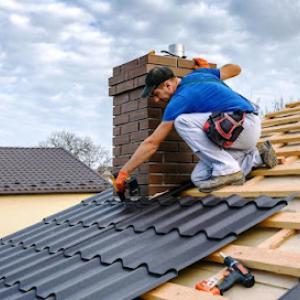
At Magic Roofing Construction Pro, we take pride in offering premium roofing and construction services, customized to suit the specific needs of our clients. Backed by years of experience and a strong commitment to quality, we are dedicated to delivering outstanding craftsmanship and unparalleled customer service. Our team of skilled professionals ensures that every project, from small repairs to full-scale renovations, is completed with the utmost precision and care. Using top-quality materials and the latest industry techniques, we guarantee long-lasting results and complete satisfaction. Rely on Magic Roofing Construction Pro to safeguard and elevate your property with our dependable and efficient solutions.
Ichiban Roofing | Torrance, CA
(323) 295-4400 ichibanroofing.net
4068 Redondo Beach Blvd, Torrance, California
4.7 from 36 reviews
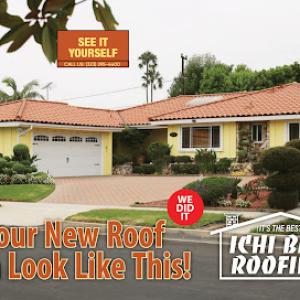
Ichiban Roofing offers comprehensive residential solutions, elevating the aesthetic and functionality of buildings in Torrance, CA. With expertise in roofing, rain gutters, windows, and siding, Ichiban Roofing prioritizes quality workmanship, ensuring a seamless blend of style, protection, and durability for every project. Their commitment to excellence reflects the company's dedication to providing reliable, long-lasting solutions for discerning homeowners, property managers, and business owners.
GreenLiving
2321 Torrance Blvd, Torrance, California
4.0 from 96 reviews
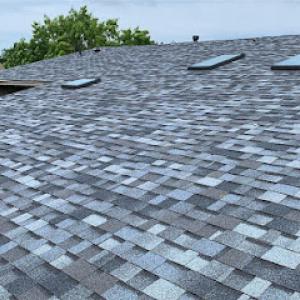
WHO WE ARE We are GreenLiving, an award winning Roofing Services contractor and home improvement company collectively serving Los Angeles, Orange County and San Diego County areas. We also specialize in exterior paint, solar and the installation of windows. As trusted leaders in the home improvement you can rest assured that your home improvement project is in good hands OUR VISION To provide our customers with the best service and highest quality products at a price that fits any budget. OUR MISSION To always exceed our customers expectations.
A1 All American Roofing
(310) 320-0224 a1roofingcorp.com
Serving
4.7 from 72 reviews
At A-1 All American Roofing, we deliver quality roofing with integrity and confidence. Our mission is to set the standard in Southern California with unmatched customer service, reliable workmanship, and a commitment to supporting our team’s personal, professional, and financial success as the company grows. Guided by our core values—Inspirational, Disciplined, Accountable, Transparent, Aligned, and Results-Oriented—we specialize in roof replacements, repairs, inspections, and maintenance for residential, commercial, and multi-family properties. From shingles to flat roofs, we use only proven materials and industry-leading installation. We also are fast, reliable and respond to any emergency. State of California License Number 1130235
Lawndale Roofing Specialists
(424) 339-2173 lawndaleroofingspecialists.com
Serving
5.0 from 33 reviews
Lawndale Roofing Specialists is your trusted roofing contractor in Lawndale, CA, proudly serving homeowners and businesses nearby and throughout the surrounding areas. We specialize in residential and commercial roofing, including roof repair, replacement, installation, coating, and inspections. From shingle and metal to tile, flat, TPO, slate, cedar, and rubber roofing—we do it all with expert care. Whether you're upgrading or fixing a leak, we're the local pros you can count on. For top-quality roofing near you, contact Lawndale Roofing Specialists today and let’s protect your property with precision and pride!
A full roof replacement in Torrance generally requires a building permit through the City of Torrance Building & Safety. Before any material is delivered or roofers climb up, you'll want to check the permit scope with the city and secure plans that reflect the exact roof assembly you intend to install. The process is designed to ensure the project aligns with local codes, weather considerations, and safety guidelines that are particular to this coastal environment. Starting early with the right paperwork helps avoid delays once crews arrive on site.
City review commonly checks structural support, underlayment, ventilation, and fire-code considerations before approval. In practice, that means the plans must show load-bearing capability for the chosen system, whether asphalt, tile, metal, or composite, and confirm the attic or roof space has adequate intake and exhaust ventilation. The underlayment must meet Torrance-specific standards for moisture resistance and wind resistance, given the marine exposure and Santa Ana events. If any changes occur-such as switching to a heavier tile or a different deck substrate-updates to the permit and accompanying calculations are typically required before the inspector signs off.
Fire-code considerations are a regular focus, especially with coastal Santa Ana winds that can stress rapid fire ignition risk and ember infiltration. The inspection pathway emphasizes ignition barriers, appropriate clearance, and the use of fire-rated materials where applicable. Materials should be compatible with the established roof assembly and the surrounding housing stock, which in Torrance ranges from older bungalows to newer detached homes. Expect questions about chimney flashing, vent terminations, and any penetrations that could compromise the fire-resistance profile during both the permit review and final inspection.
Inspections occur during and after installation in Torrance to verify the roof assembly matches approved code requirements. On the day of installation, the inspector may observe fastening patterns, venting, and flashing details, ensuring the chosen system is installed per plan. A final inspection confirms that the completed roof aligns with the approved drawings and meets structural, water-shedding, and fire-related criteria. Maintaining open communication with the contractor and having all documentation ready can smooth the process and reduce the risk of rework or delays.
When a storm rattles the South Bay and Santa Ana winds howls, the first step is solid documentation. California insurers commonly ask Torrance homeowners for detailed contractor estimates, prior damage photos, and a clear scope of work when roof claims are filed. If a leak starts during winter rain, take timestamped photos of the affected areas from multiple angles, then note what you had repaired or reinforced temporarily. The goal is to show a continuous, undisturbed record of the roof's condition before any quick fixes hide early problems.
Coastal salt spray and UV exposure wear roof surfaces differently than inland homes. In one season, you may see faster granule loss on asphalt shingles or surface staining on metal, while tile systems can experience microcracking from windborne sand. Wind-related damage from Santa Ana events is a common trigger for claim reviews, but insurers still want to see whether the damage fits a pattern or is isolated. Document how consistent the noticeable wear is, and compare it to the age and type of the roof. A claim that appears random or premature may prompt questions about the roof's long-term maintenance.
Winter rain can turn a leak into a headline, but evidence left to weather can vanish quickly. Document leaks promptly, keeping careful notes of when and where water enters and how it travels inside the home. Before any temporary patchwork masks the true extent, photograph the full roofline, flashings, and penetrations to preserve a baseline. If possible, arrange a professional assessment early so the scope of work reflects actual conditions, not assumptions formed after the rain has subsided.
Be ready to provide a transparent narrative: what failed, when it failed, and how prior maintenance might influence the outcome. A clear scope of work helps prevent disputes over scope creep or coverage interpretation. Honest, contemporary records support a smoother path from claim to repair, even when coastal realities complicate the timeline.
Connect with contractors who help homeowners navigate the claims process from damage assessment to final approval.
Solid Torrance Roofing
(424) 484-0002 roofingtorrance.com
4840 W 190th St #42, Torrance, California
4.8 from 71 reviews
Ray & Sons Roof Repair
(424) 361-0009 torranceroofmasters.com
3445 Pacific Coast Hwy #74, Torrance, California
4.8 from 71 reviews
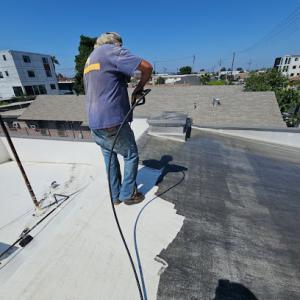
Flat and low-slope roofing is a meaningful part of the local market, especially on commercial properties and some residential additions. In the winter rain, drainage performance matters more than the dry season would suggest. Roofs with insufficient slope, clogged scuppers, or blocked internal drains can start small-an occasional ponding spot becomes a standing pool after a heavy shower. Inspect after storms: look for areas where water lingers beyond 48 hours, and verify that drainage paths remain free of debris, leaves, and edge blockages. On concrete and built-up systems, plan for regular drain maintenance and confirm that parapets aren't deflecting water toward seams. If you notice repeated ponding, a targeted slope correction or revised internal drain routing may be needed to avoid accelerated membrane wear or substrate damage.
Coastal salt air and occasional Santa Ana conditions place higher demands on low-slope assemblies. You'll see faster wear on older single-pply membranes and metal flashings if coatings aren't renewed. In Torrance, roof coatings and restoration are common strategies to extend life without full replacement. When evaluating a worn surface, prioritize UV-stable top coats and algae/mildew resistance for shaded expanses near trees. Check for fastener corrosion, especially around edge detailing and penetrations. If the existing system uses ballast, verify that ballast stability isn't compromised by wind or salt crust. For aging roofs, consider fiber-reouters or reinforced membranes that resist salt deposition and thermal expansion.
Set a seasonal maintenance cadence that aligns with winter rains. Twice-yearly inspections should focus on seals around curbs, penetrations, and transitions between roof planes. After heavy rains, perform a quick walk-around to identify new entrapped debris or settled ponding; remove debris from scuppers and edge troughs immediately. If a coating system is chosen, verify the product's compatibility with the current substrate and confirm a clean, dry surface before recoating. For additions or retrofits, ensure any new low-slope section harmonizes with existing drainage and does not introduce new low-spot vulnerabilities. In this market, well-timed coatings and targeted repairs can meaningfully stretch service life and performance.
Find specialists in TPO, EPDM, and built-up flat roofing systems for residential and commercial properties.
Solid Torrance Roofing
(424) 484-0002 roofingtorrance.com
4840 W 190th St #42, Torrance, California
4.8 from 71 reviews
Crown Trim Roofers
(424) 800-3007 crowntrimroofers.pro
2765 Pacific Coast Hwy, Torrance, California
4.8 from 45 reviews
Torrance Roofing Pros
(310) 912-6646 rite-wayroofing.store
23848 Hawthorne Blvd, Torrance, California
5.0 from 31 reviews
Solar-integrated roofing is an active specialty in this coastal area, so roof replacement planning often includes coordination around existing or future solar equipment. When you map out a replacement window, think about panel or tile mounting plans, inverter locations, and any future grid-tied or battery storage upgrades. The roof's age, the chosen roofing system, and the expected equipment footprint should all be aligned so you avoid reworking the roof deck or flashing later. This means confirming where solar rails, mounts, and penetrations will land relative to vents, chimneys, and skylights, so you don't end up with awkward cutouts or incompatible flashing details.
Permit review in this city includes roof assembly details, making sequencing between roofing and rooftop equipment important to avoid rework. For a full replacement, coordinate the order so the roof deck is clean and sealed before any solar hardware goes on, or ensure the solar contractor can work with a partially completed roof if a simultaneous replacement isn't possible. If you're installing or upgrading a solar system, plan for access during a re-roof to protect new penetrations from wind-driven disruption during Santa Ana events and winter rains. Clear communication between the roofing crew and the solar installer helps keep flashing transitions tight and reduces the chance of later resealing or resealing mistakes.
Penetration-heavy roofs in the South Bay climate need careful flashing attention because salt air can accelerate deterioration at metal interfaces. Prioritize a robust flashing plan around roof penetrations, vent stacks, and mounting brackets, with corrosion-resistant materials chosen for coastal exposure. If the roof surface is being replaced in an area with dense rooftop equipment, install compatible flashing seals that can accommodate movement between panels and tiles. In windy seasons, ensure all penetrations stay well-sealed as Santa Ana gusts exert extra stress on edges and joints. Routine inspections after the first rain or wind events help catch minor gaps before they evolve into more substantial leaks.
Find contractors who integrate solar panels or solar shingles into your roof for long-term energy savings.
Ray & Sons Roof Repair
(424) 361-0009 torranceroofmasters.com
3445 Pacific Coast Hwy #74, Torrance, California
4.8 from 71 reviews
Torrance Roofing Pros
(310) 912-6646 rite-wayroofing.store
23848 Hawthorne Blvd, Torrance, California
5.0 from 31 reviews
Americas Best Roofing Company
(310) 792-1261 www.americasbestroofing.com
3848 W Carson St Suite 218, Torrance, California
4.8 from 47 reviews