Last updated: Apr 19, 2026
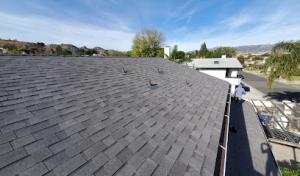
Antelope Valley's high-desert sun pours down on homes for most of the year. Intense sun exposure is the principal driver of premature roof aging in this market. The UV rays aren't just bleaching color; they're breaking down surface materials, sealing, and flashing joints over time. In this climate, you'll notice asphalt granules thinning and asphalt shingles becoming brittle sooner than in milder areas. The dry air and bright sun also bake flashing membranes, meaning sealant and lap joints wear faster. The end result is a roof that looks worn after fewer years, with reduced water-shedding efficiency and a higher risk of small leaks starting at edges and penetrations.
Hot, dry summers in Lancaster accelerate thermal cycling: days push temperatures high, nights cool off, and the roof deck follows with repeated expansion and contraction. That constant flexing stresses shingle tabs, tile laps, and the fasteners holding everything together. Metal edges can ripple, underlayment can delaminate, and fasteners can work loose or back out. Flashings around vents, skylights, and chimneys take a direct hit from this repetitive movement. Over time, that cycle creates micro-cracks in coatings, loosens granules, and invites wind-driven debris into vulnerable seams.
Different roof types respond in distinct ways to Lancaster's climate. Asphalt shingles may initially ride the sun well enough, but their surface coating deteriorates faster, exposing the mat beneath and speeding granule loss. Tile roofs-especially concrete and clay-offer excellent long-term durability in heat but can suffer from thermal expansion as well; tiles may crack if fasteners and attachment systems aren't designed for constant heating and cooling. Metal roofs resist heat better and shed sun effectively, yet seams and fasteners require careful detailing to prevent energy-driven degradation at laps and penetrations. Synthetic or composite shingles can balance weight and UV resistance, but quality varies by product line and installation details. The common thread is this: the harsher the sun and the longer the exposure, the sooner aging signs appear, even if the roof started with premium materials.
Look for granule loss on asphalt shingles, a chalky appearance on the surface, or bare patches along eaves and ridges. Check for rapidly darkening or chalky whitening where UV exposure is greatest. On tile roofs, inspect for cracked or chipped tiles and for signs that sealants around fittings are drying out or splitting. In metal systems, listen for unusual creaks or watch for faint leaks at seams after a hot day followed by a cool night. Early signs often show up as small leaks or attic condensation during peak heat periods, even if rain hasn't occurred recently.
Start with the basics: ensure proper attic ventilation and a well-sealed attic-to-roof transition to reduce heat buildup inside the home. Regular exterior inspections after the hottest months can catch wear before it progresses. Pay particular attention to flashings at chimneys, vents, and skylights, and to any area where debris may accumulate, since dust and wind-driven grit accelerate surface wear. For re-roof decisions, consider materials with enhanced UV resistance and favorable expansion properties. In hotter, drier climates, the choice often weighs durability against lightweight construction and thermal performance-synthetic or composite shingles, metal with proper coating, or tiles that tolerate expansion without cracking become stronger candidates.
In this market, replacement timing tends to be driven by sun-baked wear and brittleness more than by humidity or freeze-thaw cycles. If a roof shows widespread granule loss, brittle shingle edges, widespread color fading, or significant flashing deterioration within a short service window, plan for proactive replacement rather than waiting for a dramatic failure. A well-taired, heat-aware maintenance plan that includes resealing flashing, reattaching loose components, and refreshing protective coatings can buy meaningful life from a roof system and help avoid emergency repairs during peak wind and dust seasons.
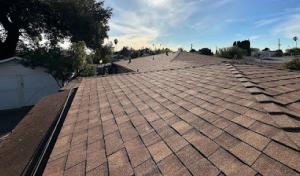
Tile roofing is especially prevalent in the area's contractor market, reflecting the large number of homes with clay and concrete tile roofs. That popularity isn't random: tiles handle the high-desert sun, big temperature swings, and wind well when installed and maintained properly. But the very commonness of tile means there are many aging roofs in the field, and every home shares a similar set of weak points. When a tile roof is built to resist heat, it can also become more brittle over time, and quick fixes from the wrong roofer are a real risk. The outcome is a roof that looks solid from the curb yet hides trouble above the underlayment that will matter when re-roof decisions are made.
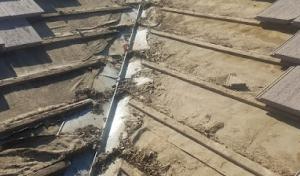
On the weathering surface, the exposure to UV, dust, and intense heat takes its toll at the topmost layer long before the structural components show signs of fatigue. In many tile roofs, the underlayment can fail earlier than the surface, especially where tiles crack or shift and expose the plywood or felt to sun and wind. The consequence isn't always obvious until a re-roof planning stage, when the hidden failure emerges as rot, moisture intrusion, or loose decking. If the surface looks solid but the underlayment has aged, a re-roof discussion must account for the likelihood of replacing the deck or adding a more durable underlayment system. That mismatch between visible tiles and unseen underlayment makes thorough, experienced inspection essential.
Fall winds in the Antelope Valley raise concern about displaced tiles, ridge components, and debris movement on exposed roof slopes. High-desert gusts can shear up loose tiles, compromise ridge caps, and push dust and small rocks under flashing. A roof that sheds tiles during a windy autumn isn't merely a cosmetic issue; it signals vulnerable fastenings, compromised ridgelines, and potential water intrusion. For homeowners, this means revised maintenance habits in the shoulder seasons, plus careful attention to ridge and flashing integrity when planning a re-cover or full replacement. The risk isn't limited to visible damage-wind-driven debris can lodge under tiles and wedge against underlayment or decking, quietly accelerating deterioration.
Because this terrain emphasizes both surface exposure and hidden wear, inspections should target more than visible breakage. Look for hairline cracks along tile edges, uneven seating, and signs that tiles aren't resting squarely. Probe around penetrations and along ridges for micro-movement that could indicate fastening or flashing issues. Don't overlook the gutters and drip edges, which can accumulate dust and create backups that amplify water intrusion under the tile roof. On flat or low-slope portions, pay special attention to areas where debris collects, since blocked drainage can magnify moisture damage behind the tile surface.
When planning a re-roof, the practical takeaway is to anticipate a layered assessment: tile surface condition, deck integrity, and underlayment health should be evaluated together rather than in isolation. Expect that the weathered surface may outlast the underlayment, and plan for contingencies that address potential hidden failures. Rely on a local contractor who understands how wind, sun, and dust interact with tile and underlayment in this climate, and who can map a path that preserves roof performance while mitigating the unique risks posed by fall winds and long-term UV exposure.
Find contractors who specialize in clay and concrete tile roofs, known for their durability and curb appeal.
Moore Brothers 2 North division
3555 E Ave H 4, Lancaster, California
4.8 from 73 reviews
Bull Roofing , Inc. #1046299
(661) 499-7439 bullroofinginc.com
43903 2nd St E, Lancaster, California
4.5 from 42 reviews
Garcia Roofing
(661) 946-3947 garciaroofingcoca.com
3111 E Ave H 4, Lancaster, California
5.0 from 8 reviews
Moore Brothers 2 North division
3555 E Ave H 4, Lancaster, California
4.8 from 73 reviews
Family owned and operated we were established in 1968, we have a general license insured and bonded. No job is too big or small for our profession ,we work from the desert to the Sea. We do free estimates and would love to build your vision and bring your construction needs to life, we are a big believing company and will will donate 10% of our profits to your choice of worship center please call, text, email us when you're ready, we also take payments in cash, check, payment plans, credit or debit cards
AJC Roofing
(661) 264-3473 www.ajc-roofing.com
626 W Lancaster Blvd Suite 93, Lancaster, California
5.0 from 14 reviews
AJC Roofing 20 years in the Antelope Valley counting. . . Over 20 years ago, Rich Barrol established AJC Roofing with one goal in mind: To give great roofing services that meet the highest standards of quality. From that day onwards, he never settled for less. Because a good strong roof matters, and so does how we treat our customers. With 2 decades of roofing repair and installation service in Lancaster CA. and Palmdale CA. as well as the entire Antelope Valley we have grown to be be one of the top roofing companies with a legacy of taking care of our clients and community. It’s all about service, and about making sure that you feel confident with your choice, and know you are getting the best solution when it comes to protecting your h...
Bull Roofing , Inc. #1046299
(661) 499-7439 bullroofinginc.com
43903 2nd St E, Lancaster, California
4.5 from 42 reviews
Roof issues? Look no further. Bull Roofing, Inc. is your solution for all roofing needs. As a licensed roofing company, we work to meet all of your roofing needs. Lic. # - 1046299
Garcia Roofing
(661) 946-3947 garciaroofingcoca.com
3111 E Ave H 4, Lancaster, California
5.0 from 8 reviews
🏠 Garcia Roofing From shingles to tiles, we've got your roofing needs covered!!! 🔨 At Garcia Roofing, we take pride in our commitment to quality and customer satisfaction. Our team is made up of experienced professionals who are dedicated to providing the best roofing services for our clients ✨. 💬🧱 We value integrity, transparency, and open communication, which allows us to build strong and lasting relationships with our customers. ✅ Whether you're upgrading your home or starting a new project, Garcia Roofing is here to make sure your roof is durable, beautiful, and built to last. 📞 Contact us today and let’s raise the roof—literally!
Wasson Roofing & General Contracting
(661) 718-1322 newroofandconstruction.com
Lancaster, California
3.9 from 11 reviews
At Wasson Roofing and General Contracting, we pride ourselves on delivering top-notch roofing services with a focus on quality and customer satisfaction. Our skilled team of professionals is dedicated to providing reliable solutions that protect your home or business. Count on us for all your roofing needs; we've got you covered!
Colin Roofing
(661) 225-9855 colinroofing.com
Serving
4.9 from 109 reviews
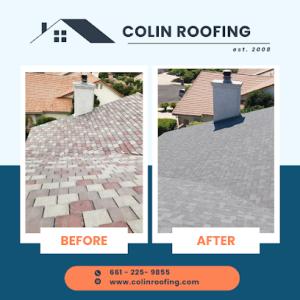
Established in 2009. Colin Roofing is a reliable roofing company owned and operated by Juan Colin. With nearly 30 years of experience, Juan has dedicated his life to installing lasting roofs across Southern California. We repair, install, and replace just about every type of roof for both residential and commercial structures, including tiled roofs, shingles, and flat roofs. Our intent is to assure you the highest level of satisfaction at an affordable price. 5 stars on Yelp! 5 stars on Facebook! Call Colin Roofing today to schedule a free quote.
A-Pro Roofing
(661) 866-3141 a-proroofinginc.com
Serving
4.7 from 114 reviews
Commercial and Residencial Roofing Company. CALL OR TEXT AT 661-866-3141. Protect your largest investment with our reliable roofing services. We are a locally owned and operated roofing company currently serving Antelope Valley, CA and surrounding communities. If you want to make your roof last as long as possible, it is vital that you never put off a roof repair. Small issues with roofing become big issues in a hurry. No matter how major or minor the repair you need, we are here to help. We offer roofing contractors, roof installation, and roofing services.
Coronado Roof Care
(661) 425-3454 coronadoroofcare.com
Serving
5.0 from 9 reviews
At Coronado Roof Care, our pride is in our workmanship and your peace of mind. We’re a licensed residential roofing company serving North Los Angeles—including the San Fernando Valley, Santa Clarita Valley, Antelope Valley, Simi Valley, and nearby areas—with durable roofing solutions. We handle roof installations, replacements, maintenance, and repairs with integrity, transparency, and meticulous attention to detail. From cracked shingles and active leaks to storm damage and aging materials, we deliver honest guidance and dependable results. Whether you have asphalt shingles, tile, or a flat roof, we tailor every recommendation to your home’s needs, climate, and budget—always treating your home as if it were our own.
Star Roofing Services - Palmdale
(661) 228-8891 starroofingservicesca.com
Serving
5.0 from 6 reviews
Located in the heart of Palmdale, Star Roofing Services is your premier destination for all professional roofing needs. Specializing in a vast selection of high-quality roofing materials, we are dedicated to providing contractors and DIY enthusiasts alike with the durable supplies necessary to complete any project with confidence. From shingles and underlayment to metal roofing and accessories, our store at 51 Daffodil is stocked with everything you need for a job well done. We are committed to exceptional service and expertise, ensuring you find the perfect solutions for your next roofing endeavor.
Superior Roof Service
(661) 470-4053 www.superior-roofservice.com
Serving
5.0 from 4 reviews
Superior Roof Service, Inc is a Licensed Roofing company committed to delivering quality service at professional level. We have 10 plus years of experience in roofing both commercial and residential; Tile roofs, shingles roofs, low slope roofs, steep roofs. Leak specialist, We offer free estimates and roof inspections. Please feel free to contact us at any time.
Milo Roofing
(661) 495-4844 milo-roofing.com
Serving
5.0 from 5 reviews
Welcome to Milo Roofing, your reliable roofing partner in Palmdale, CA, with over 25 years of experience serving both residential and commercial clients. We specialize in providing durable, high-quality roofing solutions tailored to meet the unique needs of your property. Whether you're looking to install new shingles, upgrade your flat roof, or replace worn-out tiles, our skilled team is dedicated to delivering exceptional workmanship that you can trust. Let us help you protect your investment with roofing solutions that stand the test of time.
American Apex Roofing
Serving
We are a family owned business. We focus on building relationships while providing quality products and services. We pay attention to the details as well as the overall picture. Whether it's a repair or replacement, we take pride in our work. The satisfaction of our customers is our number one priority.
Lancaster can see sudden monsoon-season storms that bring abrupt rain and occasional hail, creating fast-moving leak events rather than long-duration tropical storm damage. If you notice a sudden drip after a storm, treat it as an emergency without waiting for the next rainfall. Inspect roof seams, vent flashings, and any previously compromised areas first, then check interior ceilings for telltale brown stains. In these conditions, temporary roof tarping is a prudent move to protect belongings while you arrange a prompt permanent repair. Keep an eye on exposed fasteners and ridge caps, since driving rain and hail can force water to intrude through the smallest gaps.
Winter storms in Lancaster bring occasional heavier rainfall that can expose underlayment weaknesses and delay tear-off or dry-in schedules. If a shift in weather is forecast, plan for shorter work windows and more frequent inspections, because cold or damp conditions slow curing times and can compromise adhesive bonds. When an older roof exhibits frayed underlayment or questionable flashing, consider accelerating a proactive repair window right after a dry spell. Delays in tear-off can leave vulnerable underlayment exposed to recurring moisture, increasing the risk of localized rot and subsequent leaks during winter fronts. Have temporary protection in place and clear access routes to the roof for rapid service when rain pressure rises.
Fall wind events are a local roofing concern because exposed desert-area roofs face uplift pressure and debris-control challenges during active work. High-desert winds can lift unsecured materials, trash debris, and loose shingles, turning a routine job into a safety event. Before any ascent, secure the jobsite perimeter, harness anchor points, and debris containment nets or chutes. On days with gusts forecast above a practical threshold, postpone roof work if possible and rely on ridge-vent and boot flashing inspections instead of aggressive removals. After a windstorm, check for lifted shingles, exposed nails, and loose sealant that can become projectiles in the next gust. Proactive edge protection and a rapid response plan for wind-driven damage keep you from chasing leaks that escalate with each passing storm.
When storm risk spikes, your immediate priorities are safety, containment, and rapid assessment. Move valuables away from ceilings directly under rooflines and trim back nearby debris that could clog gutters. If there is visible daylight or moisture intrusion from compromised seals, contact a trusted local roofer for a same-day assessment, prioritizing repairs that restore underlayment protection and secure critical flashings. Consistent vigilance during monsoon and wind seasons reduces the chance of minor flaws evolving into major damage.
Find local contractors experienced in assessing and restoring roofs after hail, wind, and severe weather events.
Moore Brothers 2 North division
3555 E Ave H 4, Lancaster, California
4.8 from 73 reviews
Typical Lancaster pricing aligns with local stock: asphalt shingles run about $350 to $550 per square, metal from $700 to $1100 per square, clay tile $1200 to $2000 per square, concrete tile $1000 to $1800 per square, wood shingles or shakes $700 to $1100 per square, and synthetic or composite shingles $600 to $1000 per square. The choices that stand out in high-desert heat are metal and concrete or clay tile, which resist UV wear and thermal cycling better than asphalt, but each comes with its own labor and underlayment considerations. In practice, the material you pick will cascade into underlayment needs, fastener choices, and potential reinforcements for wind and sun exposure.
Costs in Lancaster are strongly affected by whether an existing tile roof needs underlayment replacement, broken tile sorting, or a structural review before reset or replacement. If the existing roof is a tile system and the deck shows UV-hardening or water intrusion, you'll likely face underlayment upgrades and careful tile cleanup. Sorting broken tiles adds labor time, especially when mismatched pieces must be cataloged and replaced to maintain uniform performance and warranty. A structural assessment becomes more likely if trusses or rafters show signs of heat-induced stress or moisture swelling from seasonal humidity swings.
Summer heat can shorten safe installation windows, limiting daily work hours and accelerating material handling constraints. In practice, this means tighter schedules, higher crew availability costs, and potential delays if temperatures push beyond standard limits. Winter rain interruptions and sudden monsoon storms can add scheduling inefficiency and labor cost, particularly for elevated or steep roofs common with tile systems. When planning, align delivery and crew shifts to cooler morning blocks and prepare a contingency for mid-season weather, as these factors ripple through overall project pricing.
Start with a cost-and-condition walkthrough of the existing roof, focusing on underlayment, tile condition, and any signs of decking damage. Request a phase plan that separately lists tile removal, underlayment replacement, and any structural work, so you can compare apples to apples across bids. Consider whether upgrading to metal or concrete tile in the same budget band improves long-term heat resistance and longevity, even if upfront costs spike.
Get a clear picture of your project costs upfront - no commitment required.
Moore Brothers 2 North division
3555 E Ave H 4, Lancaster, California
4.8 from 73 reviews
Bull Roofing , Inc. #1046299
(661) 499-7439 bullroofinginc.com
43903 2nd St E, Lancaster, California
4.5 from 42 reviews
A full re-roof in this area typically requires a permit through the City of Lancaster Building and Safety Department. The process starts with a permit application that documents the scope of work, material choices, and ventilation or moisture-control details. Because the high-desert sun accelerates wear on roofing components, plan reviewers often scrutinize details that influence heat gain, cooling loads, and UV exposure on the chosen system. Be prepared for questions about attic ventilation, radiant barriers, underlayment type, and attic access-elements that can shift when Title 24 requirements are in play.
Lancaster's permit review frequently aligns with California energy-code and Title 24 roof requirements. Expect possible plan adjustments tied to those standards, especially if a retrofit changes roof color, reflectivity, or insulation strategy. If nonstandard roof assemblies are proposed (for example, a mixed-material retrofit or an unconventional underlayment), plan review may request additional documentation or calculations to verify thermal performance and moisture management. Having clear, code-compliant details up front can smooth the process and reduce delays later in inspections.
The process commonly includes an inspection after tear-off to verify that the deck is sound and prepared for the new roof system, followed by inspections at installation milestones such as ridge and edge detailing, flashing, and waterproofing provisions. A final inspection confirms that all components meet code compliance and that ventilation, moisture barriers, and condensation controls are properly implemented. Given the desert climate, inspectors will often pay particular attention to how the new system mitigates heat buildup and dust intrusion around penetrations and vents.
Have your builder or contractor prepare a complete submittal package with product data, wind-resistance details, and underlayment specifications that address heat exposure. If you're opting for Title 24-compliant cool-roof options, keep color and reflectivity data ready, as these influence both energy performance and plan-review feedback. Schedule inspections with built-in buffers for weather or dust days common to the Antelope Valley, and ensure attic ventilation pathways remain accessible and unobstructed throughout the project. A proactive, code-aware approach reduces back-and-forth during the permit review and helps the new roof perform better under Lancaster's intense sun.
Lancaster homeowners are navigating a California insurance market where carriers have tightened underwriting in wildfire-prone and other higher-risk areas. In the high-desert, extreme sun and shifting winds raise concerns about rapid rooftop wear, flashing integrity, and the potential for wildfire exposure to interior structures. This tightened stance means coverage decisions may come with stricter scrutiny, and carriers can pause opportunities for new policies or renewals if a roof shows wear that raises risk flags. The consequence is a landscape where every choice on a roof-from materials to installation quality-carries longer-term implications for staying insured.
Insurers may ask Lancaster-area homeowners for detailed pre-loss condition records, installation photos, and documentation of wind-mmitigation features after roof damage. Having clear, organized records can streamline the claim process in a market that prizes proof over assumptions. If a storm or heat-related wear exposes weak spots, your claim may hinge on showing that prior maintenance or upgrades met the insurer's standards. Photos of the installed system, including underlayment, flashing, and attic ventilation, can become critical evidence when a loss occurs. Be prepared to retrieve manufacturer specs and any contractor invoices that verify a proper, code-aligned installation.
Limited carrier availability and stricter claim documentation can affect both policy placement and the timing of roof-related claims in this region. When options are scarce, delays in securing coverage or aligning a claim with a deductible and coverage window can extend the period before repairs begin. Proactively coordinating with a trusted, locally familiar roofing contractor who understands wind-driven debris, UV exposure, and desert dust helps ensure that assessment and documentation align with what insurers expect. In a market where every detail matters, thorough pre- and post-event records can move timelines from setback toward restoration, even in a climate that relentlessly tests roof systems.
Flat and low-slope roofing appears often enough in the local contractor market to merit separate attention, especially on additions, patio covers, and some commercial-style residential sections. The high-desert sun and dusty air bake these surfaces daily, which accelerates membrane aging and speeds up sealant drying and drying-set issues. Check drainage paths during installation and after dry spells: if water can pool even briefly, that spot will show wear sooner. Inspect edge terminations where the slope transitions to higher tiers, and confirm that perimeters have proper drip edges and flashing integrated with the wall flashing. In this climate, a proactive plan for debris-free drains and frequent surface cleaning helps prevent sudden performance losses.
Sudden rain events in Lancaster can quickly expose drainage or flashing weaknesses on low-slope roof areas that may go unnoticed during long dry stretches. The combination of wind-driven dust and UV exposure can dry out and harden sealants, masks micro-cracks, and hide marginal flashing until a heavy shower tests them. After a rain, walk the roof with a bright flashlight and look for water staining, wicking at seams, or loose joints around penetrations or curbs. If you notice any sign of moisture intrusion, address it before the next monsoon-like system arrives. Keep a spare roll of same-capability flashing and an extra sealant cartridge on hand for quick, targeted fixes.
Skylight penetrations deserve extra scrutiny in Lancaster because intense sun and thermal movement can age sealants and flashing details faster than homeowners expect. Inspect skylight flanges for signs of aging caulk, cracking, or squeezed-out putty. Thermal cycling from cool desert nights to scorching days can create micro-movements that loosen fasteners or split sealants. Create a routine to re-seal and reflash skylight joints on a set interval, and check the flashing against the curb and curb sealant compatibility after each major heat wave. If glazing shows condensation or staining, address it promptly to avoid interior damage.
Find specialists in TPO, EPDM, and built-up flat roofing systems for residential and commercial properties.