
Last updated: Apr 19, 2026
Autumn Santa Ana wind events can turn calm roofs into potential ember hotspots in moments. Wind-driven embers and debris surge toward edges, vents, valleys, and tile laps, finding the smallest gaps to ignite and propagate. In this climate, a seemingly minor edge detail or a aging roof assembly can become the difference between a contained incident and a full-house loss. The mix of hillside brush, Basin dry air, and coastal moisture means every microclimate demands a distinct fire-resilience approach, even for homes that sit only a few blocks apart.
A roof system built to resist ignition must couple fire-rated components with proper detailing. Look for tight tile laps and well-sealed penetrations around vents and chimneys, paired with ember-resistant underlayment and metal step and rake flashings. In Los Angeles, clay and concrete tile roofs should be evaluated for the fire resistance of both the tiles and the roof deck assembly, not just the surface appearance. Consider updated venting that minimizes ember capture, and ensure that gaps around skylights and solar penetrations are flashed with noncombustible sealants. A true fire-resistive strategy also requires a continuous, well-sealed underlayment that can withstand Santa Ana gusts without lifting.
Roof choices must match exposure: canyon and hillside homes face higher ember and wind loads, while basin and coastal properties contend with rapid drying and brush proximity. A home perched above brush may benefit from noncombustible trim and ignition-resistant fascia, with gutters designed to resist ember intrusion. For mid-slope and low-slope homes, prioritize roof assemblies that maintain integrity under wind-borne debris and that resist radiant heat transfer from nearby wildland fire zones. The goal is a system that remains weather-tight and ember-proof through the season's peak fire risk weeks, not just during a storm.
Insurance scrutiny increasingly centers on wildfire resistance ratings and roof age, especially for hillside and brush-adjacent properties. If a roof has aged components, worn-fasteners, or any signs of prior ember damage, expect tighter underwriting or premium considerations. Regular, documented inspections focusing on edge detailing, vent integrity, and flashings can provide a clearer picture of resilience and help avoid coverage surprises when wildfire risk is at its highest.
Inspect roofs after the dry season's last rain and before the first Santa Ana window opens. Tighten and reseal all penetrations, replace damaged tiles, and upgrade to ember-resistant vent trays and closures where feasible. Prioritize maintenance on edges, valleys, and lap joints, and treat brush-clear zones around the home to reduce radiant heat exposure. When choosing materials, favor systems that promote fire resistance without compromising drainage and ventilation, and ensure the chosen assembly aligns with the specific wildfire exposure of the property. If a roof shows signs of age or accumulated debris, address it now to prevent an ember-led ignition from catching hold on a quiet afternoon.
Find local contractors experienced in assessing and restoring roofs after hail, wind, and severe weather events.
NEMA ROOFING - Woodland Hills
(818) 528-6412 nemaroofing.com
Los Angeles, California
5.0 from 144 reviews
All In Roofing
(323) 287-2407 allinroofingla.com
800 S Eastman Ave, Los Angeles, California
5.0 from 212 reviews
Confirmed Roofing Experts - Roofing Contractor
(888) 576-4820 confirmedroofingexperts.com
10801 National Blvd Suite 573, Los Angeles, California
5.0 from 127 reviews
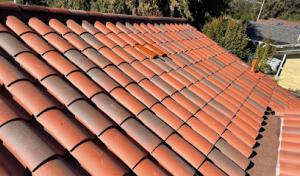
This city has a long habit of clay and concrete tile on Spanish, Mediterranean, mid-century, and multifamily buildings, so most neighborhoods expect a roof that looks timeless and breathes with the climate. Tile roofs bring durability when properly installed, but the real challenge is the underlayment and the roof deck beneath. In many cases, the tiles outlive the waterproofing layer, which means leak investigations and replacement timing can feel counterintuitive: a seen leak might trace back to an aging underlayment rather than a failed tile surface. When a tile roof is opened for repair, expect a careful, staged process-tiles are removed, the underlayment inspected, and the deck checked for moisture damage. If the underlayment is near the end of its life, plan for replacing it in the same stage as a tile replacement to avoid a second round of disruption.
For homes with clay or concrete tiles, the hat often does most of the work, but the tile's edge details-valleys, hips, dormers, and hip-and-ridge transitions-require precise detailing. In mixed microclimates across the city, roofers must tailor fasteners, grout, and sealants to avoid moisture wicking and wind-driven uplift. In coastal or hillside spots, fastener corrosion and wind-driven leakage show up sooner, so a diligent inspection cadence matters. When selecting tile, consider the weight and the solar exposure: heavier concrete or clay varieties call for a reinforced deck and competent fastening details to hold up through Santa Ana gusts and dry Santa Ana mornings that quickly heat up the surfaces.
Because tile roofs can outlast the underlayment, the life cycle of a repair often focuses on the layers below the tiles. If a contractor installs a premium underlayment with a proven track record for hot, dry climates, it pays off in higher reliability during Santa Ana wind events and the dry season. Look for a deck inspection that goes beyond surface rot to check for soft spots, delamination, and proper slope for drainage. In low-slope sections, water may stand longer and salt spray or pesticide residues can accelerate deterioration. In these cases, the membrane choice and seam details around penetrations become the real gatekeepers of long-term performance. Expect the need for more frequent inspections after major windstorms or after a drought-driven shift in maintenance cycles.
Low-slope roof sections are particularly common on additions, apartment buildings, garages, and modern homes with flat or gently pitched portions. Drainage planning becomes critical: if ponding spots form, they need prompt attention to avoid accelerated membrane wear or backwater seepage into parapet walls. In multifamily configurations, drainage must be designed for consistent flow across larger areas, with scuppers and terminations checked for blockage from debris or plant matter. The risk profile changes with microclimate: hillside properties can experience more rapid membrane aging due to shade patterns and temperature swings, while basin homes may see more algae and moss on north-facing or shaded zones. When scheduling a low-slope replacement, prioritize a seamless transition at any vertical junctions-chimneys, parapets, and skylight penetrations-to prevent edge lifting during windy periods.
Wildfire resistance remains a practical driver for choice and maintenance. Tile is inherently non combustible, but radiant heat and ember exposure at the eaves and vents can threaten adjacent wooden components and underlayment. A proactive plan includes ember-deflecting details at rake sections, robust vent protection, and regular debris clearance around roof edges. In dry seasons, a scheduled inspection after the first heat spike helps catch microcracks in flashing or bubbling in underlayment before a small issue becomes a leak. For low-slope areas, ensure flood-bleed or overflow paths from internal drains are clear so embers don't collect at seams or penetrations. The goal is a roof system that stands up to fire exposure while maintaining a reliable, predictable drainage pattern across the varied city terrain.
Find specialists in TPO, EPDM, and built-up flat roofing systems for residential and commercial properties.
NEMA ROOFING - Woodland Hills
(818) 528-6412 nemaroofing.com
Los Angeles, California
5.0 from 144 reviews
Safari Roofing
(855) 772-3274 safariroofing.com
6100 De Soto Ave #121, Los Angeles, California
5.0 from 109 reviews
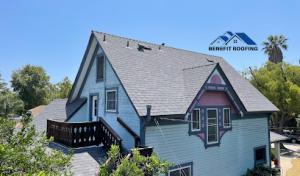
Benefit Roofing
(800) 670-2551 benefitroofing.com
360 E 2nd St 8th Floor, Los Angeles, California
5.0 from 119 reviews
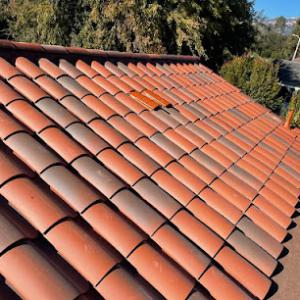
NEMA ROOFING - Woodland Hills
(818) 528-6412 nemaroofing.com
Los Angeles, California
5.0 from 144 reviews
Whether you’re a domestic or commercial client, what you need is a team of roofers who have the skills and experience to fix any problem that your roof is suffering from. That’s exactly what you’ll get from NEMA Roofing, a job well done for a fair and affordable price. With over years of experience in all aspects of the roofing industry, NEMA Roofing is the best roofing contractor in All Woodland Hills, CA. NEMA Roofing has the knowledge and expertise in all aspects of roofing. Whether you need traditional asphalt shingles, metal roofing or a flat roof application, we will provide you a finished product you will be happy with for years to come.
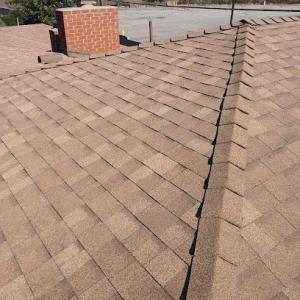
All In Roofing
(323) 287-2407 allinroofingla.com
800 S Eastman Ave, Los Angeles, California
5.0 from 212 reviews
we offer a range of services to meet your needs, including repairs, maintenance, and new roof installations. Your roof is in safe hands with All in Roofing.
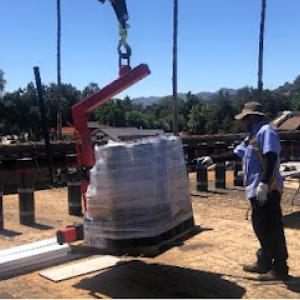
Safari Roofing
(855) 772-3274 safariroofing.com
6100 De Soto Ave #121, Los Angeles, California
5.0 from 109 reviews
Roofing Installation ( Tile, Metal, TPO, Asphalt Shingles, Cool Roof, Torch Down, Slate, Flat Roof, TPO, PVC Installation for Comercial, Residential, Government Customers) Solar Installation Providing Services in Greater Los Angeles County & Orange County, Riverside, Thousand Oaks, Oxnard, Santa Clarita, Malibu, Beverly Hills CA
Quality Roofing Specialists
(310) 340-1643 qualityroofingspecialists.com
1444 N Poinsettia Pl Unit 308, Los Angeles, California
5.0 from 91 reviews
Quality Roofing Specialists is a locally-owned and operated roofing contractor in Los Angeles. Residential and commercial roofs are our specialty. The types of roofs we service are asphalt shingles, roof tiles, torch down, acrylic coatings, silicone coatings. These types of roofs can take advantage of our roof replacement, roof repair, roof inspection, and roof maintenance services. With a team of more than 30 years of combined experience in the industry, we have what it takes to care for your property's most important feature. Get a free estimate today for your roofing project. We'll schedule a time to meet with you and inspect your roof so that we can deliver precise services.

Confirmed Roofing Experts - Roofing Contractor
(888) 576-4820 confirmedroofingexperts.com
10801 National Blvd Suite 573, Los Angeles, California
5.0 from 127 reviews
Welcome to Confirmed Roofing Experts, your trusted roofing contractor in Los Angeles, CA.We specialize in a wide range of roofing services including roof repair, roof install, roof replacement ,leaking roofs ,commercial roofing,roof inspection, metal roofing and more .our experienced team is here to help. As one of the top roofing companies near you, we pride ourselves on delivering quality workmanship and exceptional customer service. We understand the unique needs of Los Angeles residents and businesses, ensuring your roofing project is completed efficiently and to your satisfaction. If you are looking for a roofing contractor company near you, we are your best option. Contact us today for a free estimate and let us protect your property!
Costar Roofing Los Angeles
(818) 639-7731 costarroofinginc.com
718 S Hill St, Los Angeles, California
5.0 from 68 reviews
Protect your home with expert roofing repair services from Costar Roofing in Los Angeles. Our skilled team specializes in fixing leaks, damaged shingles, and structural issues, ensuring your roof is strong and secure. With fast response times and quality craftsmanship, we deliver reliable repairs tailored to your needs. Trust Costar Roofing for affordable, long-lasting solutions that keep your home protected and your peace of mind intact.

Best Team Roofing & Exteriors
(213) 642-2600 allstarsroofingpros.com
155 Occidental Blvd #228, Los Angeles, California
4.9 from 72 reviews
Best Team Roofing & Exteriors is a reputable company dedicated to delivering exceptional roofing and exterior services. Our experienced team of professionals is committed to providing top-quality craftsmanship and excellent customer service. We specialize in roof repairs, replacements, and installations, utilizing high-quality materials and industry-leading techniques. Additionally, we offer a range of exterior services, including siding installation, window replacements, and more. With Best Team Roofing & Exteriors, you can trust that your project will be completed to the highest standards, enhancing the beauty and functionality of your property.
The Local Roofers Builder
446 S Curson Ave, Los Angeles, California
5.0 from 62 reviews
Roofing Contractor Los Angeles - The Local Roofers and Builders is a professional team for all your roofing needs.
Francisco's Roofing
(323) 253-5146 franciscosroofinginc.co
124 E Avenue 40, Los Angeles, California
4.9 from 90 reviews
Francisco’s Roofing is a family-owned and operated roofing company established in 2022. Founded by Francisco Sr., who has been in the roofing industry since 1994, our company is built on decades of hands-on experience, quality craftsmanship, and honest service. Today, the business is run by Francisco Sr. and his son, Francisco Jr., an Army veteran who helps ensure the company is professionally managed, organized, and customer-focused. Together, we are committed to delivering reliable roofing solutions with integrity and attention to detail on every project.
Family Roofing
(323) 688-8088 familyroofinginc.com
1444 N Poinsettia Pl Unit 219, Los Angeles, California
5.0 from 57 reviews
At Family Roofing, we are a dynamic and passionate roofing company committed to making a positive impact in our community. Founded by Ami, who began his career in the roofing industry from the ground up as a runner, then advanced to roofing inspector and project manager for several reputable companies, we know the value of hard work, dedication, and expertise. Coming from a family of contractors, Ami’s journey has shaped our company’s mission: to deliver top-quality roofing services with integrity, transparency, and a focus on customer satisfaction. We believe that every roofing project, big or small, deserves the same level of care and attention. Unlike larger companies with expensive overhead, we operate lean and efficiently—avoiding
Denali Builders & Roofing
(855) 200-6550 denalibuildersca.com
1702 S Robertson Blvd #122, Los Angeles, California
4.9 from 149 reviews
Denali Builders & Roofing Working with mortgage holders, property directors, building engineers, building proprietors, retailers, draftsmen, schools, religious offices and general contractual workers, we offer mastery in a wide range of material and design sheet metal frameworks, from rooftop substitution to rooftop upkeep, repairs, and new development ventures. With phenomenal change happening in the construction business, now, like never before, the most imperative thought in material is “the contractual worker”. You have to work with individuals you can trust: a temporary worker whose experience attempts further bolstering your good fortune by giving you the bits of knowledge and capacities of prepared experts.
Power Roofing
(424) 999-7359 www.power-roofing.com
950 S Fairfax Ave Suite 238, Los Angeles, California
5.0 from 46 reviews
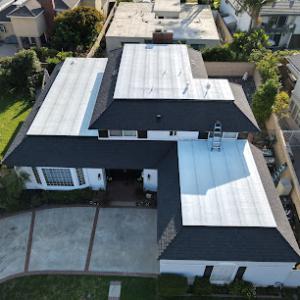
Our roofing company, located in Los Angeles & Orange County, CA. is locally owned and operated and has been servicing areas from Malibu to Dana Point. Here in Power Roofing we specializes in Residential, Commercial & Industrial roofing. For example: Composite Shingles, Cool Roof Systems, Flat Roof, Hot Mop and Demolition. We are fully insured and bonded and offer one of the strongest labor warranties in the industry. Quality is our commitment. Therefore our standards sets on "High". from excellent customer service to the best roofs out there. We are here to assure you will Get It Right On The First Time. Power Roofing, Inc. is a premier Los Angeles & Orange County based company specializing in residential and commercial roofing services.
In coastal neighborhoods, fog and marine layer dampness slow drying on roof surfaces. That extra moisture breeds mildew-prone pockets under shingles, keeps sealants from fully curing, and can extend the wet cycle into mornings that feel cool and humid. On a tilted roof or a low-slope system, you may notice moss or algae pockets forming where shade lingers near eaves and deciduous landscaping blocks sun. The key is to treat these microclimate realities as part of your initial design and ongoing maintenance. When a roof cycle includes persistent dampness, expect faster wear on dark flexible underlayment and vulnerable penetrations, especially joints around vent stacks and skylight flanges. A coastal-friendly approach strengthens edge fasteners and uses moisture-tolerant sealants that remain pliable in misty mornings.
Move inland, and summer heat ramps up dramatically. Dry, hot days push underlayment and self-sealing membranes toward accelerated aging, especially where sun exposure is long and roof framing runs hot. Shingles or tiles adjacent to heat-reflective surfaces can fade unevenly, and fasteners respond to heat cycles by loosening or warping if not chosen to match climate demands. Inland roofs may also see faster hairline cracking on clay or concrete tiles where thermal expansion stresses are highest. The takeaway: in hotter valleys or hillside exposures, choose underlayments with proven heat resistance and consider reflective or cool-roof options to mitigate long-term stress on the entire roof system.
The same material ages differently depending on location within the basin, coast, or hillside. A metal roof, for example, can resist coastal corrosion but may show faster color fading in bright inland sun unless a high-quality finish is specified. Concrete and clay tiles excel in fire resistance and longevity, yet coastal salt exposure or dusty marine air can demand more frequent cleaning and sealant checks near roof penetrations. Synthetic or composite options offer consistent performance across microclimates, but the best choice still hinges on your specific exposure. In foggy coastal zones, prioritize ventilation at the attic and ensure there is a clear drainage path to prevent water pooling under tile or shingle edges. In dry inland zones, emphasize durable underlayment and robust fasteners designed for heat cycles and wind gusts.
Maintenance routines should mirror the climate rhythm of your neighborhood. After a marine layer spell or persistent coastal dampness, inspect within a month for any signs of softening sealants, mildew growth, or lifted edge components. In hotter periods, schedule more frequent checks of flashing, ridge caps, and vent penetrations to catch heat-related gaps before wind erodes them. In hillside or valley exposures, look for microcracks in tiles or shingles that develop from rapid day-night temperature swings. Align inspections with seasonal shifts: right after the winter fog sets in, and again after the peak heat of late summer, to catch climate-driven changes early and keep the roof resilient across Los Angeles's diverse microclimates.
Roof replacement projects in this climate hinge on dry spells and wind cycles. The long dry season is the most reliable window for tear-off and installation because winter rains can interrupt work and increase leak exposure during open-roof phases. If possible, align the schedule to hit the tail end of the dry season and the early fall lull before Santa Ana events begin to ramp up. This approach reduces weather-related delays and helps crews finish in a single push, minimizing exposes on tile and metal systems alike.
Autumn brings Santa Ana winds that can load a roof with more debris and stress temporary dry-in controls. Plan to have all underlayment and flashing fully secured before those gusts arrive, and arrange for daily site checks during peak wind periods. On Los Angeles-area roofs, this is often when gutters and nearby trees shed extra material, so anticipate more cleanup time and technician presence on site. A well-ventilated tarping strategy and fast-dry-fast-draw dry-in can keep the job moving despite wind-driven dust and leaves.
Summer scheduling in the basin or inland zones can be complicated by extreme heat, which slows crew productivity and stresses material handling. If the project must run through hot months, stagger work to cooler hours-early morning or late afternoon shifts-and ensure hydration and shade for crews. For metal, tile, or composite options, plan material staging to avoid heat-related warping or premature curing issues. Consider shorter, focused shifts on the hottest days and reserve the most sensitive tasks for cooler windows.
Target a consecutive dry-weather block of 10-14 days where possible, with a contingency plan for a few rain-free days later in the window. Build in a buffer for Santa Ana pass-throughs and heat waves, but keep the majority of the work during the core dry period. Coordinate debris management to minimize street closures and neighborhood disruption, especially in denser residential areas where quick turnover matters. If a winter rain event looks likely, pre-stage all materials and secure flashings to weather-ready status before the first forecasted storm.
When you can't wait, these contractors offer fast response times to stop leaks and prevent further damage.
NEMA ROOFING - Woodland Hills
(818) 528-6412 nemaroofing.com
Los Angeles, California
5.0 from 144 reviews
All In Roofing
(323) 287-2407 allinroofingla.com
800 S Eastman Ave, Los Angeles, California
5.0 from 212 reviews
Confirmed Roofing Experts - Roofing Contractor
(888) 576-4820 confirmedroofingexperts.com
10801 National Blvd Suite 573, Los Angeles, California
5.0 from 127 reviews
Clay and concrete tile remain especially relevant because they match the city's common architectural styles and perform well in long dry periods. The Mediterranean-inspired roofscape you see across hillside properties and coastal bungalows benefits from tiles that shed heat, resist cracking, and hold color over decades. In drier microclimates, tiles stay cooler under sun exposure and offer solid resistance to UV degradation. When choosing tile, consider lighter colors to reflect heat and a profile that accommodates Santa Ana winds without catching debris. Proper underlayment and a vented attic space help tiles breathe during Santa Ana events, reducing heat buildup and aiding moisture management in adjacent living areas.
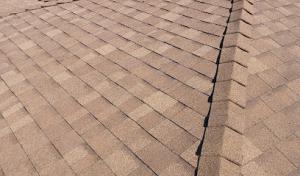
Asphalt shingles are widely used in Los Angeles but may be less aligned with some historic and high-end neighborhood aesthetics dominated by tile roofs. If you do choose asphalt, select architectural or fiberglass varieties with a thicker mat, a factory-applied granule finish, and a color that harmonizes with neighboring tile roofs. In neighborhoods with strict architectural guidelines, ensure the shingle profile reflects the neighborhood character. For fire-resistance considerations, pair asphalt with an approved underlayment and ensure proper sealing at eaves and penetrations to minimize ember intrusion during wildfire season.
Metal roofing is increasingly considered for fire resistance and longevity, while wood shakes face added scrutiny where wildfire resistance matters. Metal panels offer excellent resistance to embers and a longer service life with less maintenance in many microclimates. In hillside and canyon areas, metal can reduce heat transfer to the attic when paired with a reflective finish and proper attic ventilation. Consider standing-seam metal for a clean appearance that still blends with modern and mid-century rooflines, or engineered metal tiles that mimic tile aesthetics while delivering enhanced wind uplift performance. If choosing metal, verify that fasteners and overlaps are corrosion-resistant for coastal exposure and that penetrations are well-sealed to prevent wind-driven moisture.
Wood shakes face added scrutiny where wildfire resistance matters. In neighborhoods with stricter wildfire risk assessments, wood may be restricted or require treated, class-A fire-rated finishes and additional ember barriers. If considering wood, choose certified fire-resistant options and pair with a robust ember mesh and ignition barriers at vents and skylights. Regular inspections are key to catching cupping, splitting, or termite signs before they compromise the roof's integrity in sensitive fire-prone months.
Across microclimates from the Basin to the hills, matching roof materials to exposure-coastal humidity, dry inland air, and Santa Ana gusts-matters. Ventilation, attic insulation, and appropriate underlayment strategies should be tailored to the roof type and local wind patterns. In coastal zones, corrosion-resistant hardware and sealants extend longevity; in dry inland pockets, reflective coatings and thermal break details help manage heat gain. The right combination-material choice, color strategy, and proper installation-delivers resilience against fires, sun damage, and seasonal moisture while respecting Los Angeles's distinctive architectural fabric.
The most popular roofing material in the US. Find pros who install, repair, and replace asphalt shingles.
NEMA ROOFING - Woodland Hills
(818) 528-6412 nemaroofing.com
Los Angeles, California
5.0 from 144 reviews
Safari Roofing
(855) 772-3274 safariroofing.com
6100 De Soto Ave #121, Los Angeles, California
5.0 from 109 reviews

Quality Roofing Specialists
(310) 340-1643 qualityroofingspecialists.com
1444 N Poinsettia Pl Unit 308, Los Angeles, California
5.0 from 91 reviews
Replacement costs in this market reflect a tile-heavy landscape, where underlayment replacement, tile handling, and broken-tile matching can add labor. A typical job begins with removing the old roof system, assessing underlayment condition, and planning tile re-use versus replacement. In neighborhoods with clay or concrete tile, material choices drive a large portion of the budget, but labor often becomes the deciding factor when crews must protect ornamental gutters and preserve drip edge details.
Tile roofs dominate the pricing mix because each tile must be hand-handled, and matching new tiles to the existing color and profile matters for curb appeal. Expect higher costs for underlayment and flashing upgrades when the existing layer is installed on a concrete deck or a steep slope. Labor for tile removal and reinstallation often surpasses the base price of the replacement material, especially if broken tiles need to be sourced from specialty suppliers.
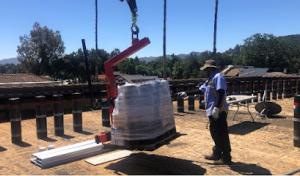
Steep hillside access, dense urban lots, and limited staging space in many neighborhoods raise labor and logistics costs. Vehicles must maneuver tight streets, and crews may need to crane materials or use rooftop rail systems, which adds time and risk. Detached garages can complicate material staging and require longer ladder extensions or temporary ramps to avoid damaging landscaping.
Solar equipment, skylights, chimneys, and mixed roof geometries are common and can increase replacement complexity beyond base material pricing. Electrically integrated systems require careful planning to isolate circuits, protect seals, and avoid heat-related panel damage. Mixed geometry means multiple pitches, valleys, and flat runs that demand more flashing and precise tile cutting.
Budgeting considerations: expect costs to rise with the tile option, from synthetic to concrete or clay. Typical ranges per square (one square equals 100 square feet) on asphalt, metal, tile, or composite reflect material price bands, but in practice tile and underlayment add-ons push a lot of bids into the upper end. A well-timed replacement can minimize risk during Santa Ana winds and wildfire season; plan for a spring or early fall window to avoid peak heat.
Don't let upfront costs delay a critical repair - these contractors offer payment plans to fit your budget.

Prestige Worldwide Roofing
145 W 119th St, Los Angeles, California
5.0 from 42 reviews

Sunshine State Roofers - Inglewood
(424) 544-7888 sunshinestateroofersinglewood.homes
Serving
4.8 from 56 reviews
A full roof replacement in Los Angeles typically requires a permit from the City of Los Angeles Department of Building and Safety. Jumping ahead on permits can cost you time and create unnecessary complications when the work is nearly done. Start the process early, and make sure the permit scope matches the actual project-adding or removing structural elements, such as changing from one roof type to another, often triggers additional reviews. If a previous permit exists for the structure, verify its status and any open items with LADBS before pulling new approvals.
Inspections commonly occur during construction and again at final, with particular attention paid to underlayment, flashing, venting, and fire-blocking details. In this climate, fire-resistance details matter, so expect inspectors to scrutinize how the underlayment and flashing integrate with any venting and moisture barriers. Thermal movement, wind-driven debris, and Santa Ana exposure all influence sealant choices and flashing transitions, so prepare to demonstrate how these elements are installed to spec. A rushed or incomplete inspection can stall your project and trigger rework that complicates scheduling with trades.
Because the region has a large volume of re-roofing and mixed roof types, homeowners should expect permit and inspection coordination to be a normal part of a legitimate replacement project. If you are dealing with tile, metal, or low-slope sections, ensure the contractor's plan includes consistent integration across materials and transitions. Keep a clear, accessible set of documents: permit cards, approved plans, inspection notices, and any change orders. If an item is flagged, address it promptly to avoid cascading delays that can affect neighborhood workflows and post-installation approvals.
In this climate, policies tighten when a roof shows its age or leans toward materials that burn easily. The mix of wildfire exposure, Santa Ana winds, and dry years makes carriers wary of older roofs, especially when tile or shake is involved. Catastrophic fires nearby can shift a homeowner's options overnight, so preparedness saves more than a renewal notice.
For Los Angeles homeowners, California's insurance tightening affects those with wildfire exposure or older roof age, making underwriting more restrictive. When seeking or keeping coverage, you may be asked to show proof of recent roof replacement or documentation of fire-resistant materials. A paper trail that includes product specs, installation dates, and a maintenance log helps, but the strongest signal is a roof updated to fire-resilient components.
Claims and underwriting can hinge on roof age, wildfire resistance, and photo documentation taken before and after wind or rain events. Take photos that clearly show material class, fasteners, and any fire-resistant upgrades. Keep copies of receipts and contractor notes, and store them in a digital folder that can be shared quickly with your insurer or an adjuster if a claim arises.
Start by evaluating current roof age and wildfire-rated features common in LA homes, like Class A fire-rated shingles or concrete tiles, sealed skylights, and ember exposure. Schedule a roof assessment after windy season to capture up-to-date conditions. Documentation should include a dated report from a licensed roofer, photos of all elevations, attic and venting details, and proof of any fire-resistant upgrades. If planning replacement, coordinate timing with insurer windows to minimize coverage gaps, and keep a binder of communications.
In this climate, leaks often trace back to aged underlayment, flashings, and penetrations rather than the field tiles themselves. You might see dry-looking tiles while water is traveling along old underlayment or behind a loose flashing at a vent pipe. Inspect where the roof meets walls, around dormers, and at skylight bases for cracked sealant, lifted flashing, or missing counterflashing. Replace brittle underlayment and upgrade a compromised membrane where the roof deck shows signs of wear. When you plan a repair, focus on resealing every penetration with brush-on or self-adhered flashing, and ensure clear drainage away from the penetrations.
Santa Ana debris and wind exposure can stress ridges, edges, valleys, and roof-mounted equipment attachments. Look for loose ridge caps, torn edge metal, or worn valley metal where debris can trap moisture and abrade the seam. Clean the roof of pine needles, dust, and litter before sealing or re- flashing. For valleys, ensure the flashing sits properly over the weathering flange and that the cement or mastic has not dried out. If you notice rust or gaps on any edge metal, address it promptly to prevent capillary wicking from wind-driven moisture.
Skylights, chimneys, and transitions between low-slope and steep-slope sections are recurring weak points on homes with additions and mixed-era construction. Water can slip through poorly sealed transitions where a low-slope membrane abuts a steeper plane. Examine the seal around skylights and chimneys for hairline cracks or missing boot flashing, and verify the transition flashing is continuous and properly integrated with the adjacent roofing. Reflash or reseal as needed, and consider upgrading to a continuous membrane over the transition for added resilience.
Roof-mounted equipment attachments, including hvac condensers, vent pipes, and solar hardware, create potential leak paths if not carefully detailed. Check mounting collars, sealants, and fastener penetrations for corrosion or fatigue. Use corrosion-resistant flashing and ensure flashing turns flow toward the drainage plane. When equipment is moved or replaced, reassess surrounding flashings and reseal as necessary to avoid unseen moisture intrusion.
Find contractors experienced in skylight installation, flashing, and leak repairs to bring natural light into your home.
All In Roofing
(323) 287-2407 allinroofingla.com
800 S Eastman Ave, Los Angeles, California
5.0 from 212 reviews
Best Team Roofing & Exteriors
(213) 642-2600 allstarsroofingpros.com
155 Occidental Blvd #228, Los Angeles, California
4.9 from 72 reviews
The Local Roofers Builder
446 S Curson Ave, Los Angeles, California
5.0 from 62 reviews