
Last updated: Apr 19, 2026
Prolonged hot, dry sun is the primary aging factor for most roof coverings in this valley. In Merced, the sun isn't just bright-it's relentless for months on end, baking asphalt and tiles alike. Shingle surfaces experience accelerated UV degradation, which manifests as surface granule loss, dark streaking, and a tendency for cheaper materials to curl or crack sooner than expected. When a roof spends long days under a clear sky, the underside of the deck and any underlayment can experience heat stress that weakens joints and seals. The practical takeaway is to look at the roof after the hottest weeks of summer and note any lifted edges, loosened fasteners, or exposed nail heads. If you're planning a reroof, prioritize materials with UV resistance and consider lighter colors that reflect heat, reducing the long-term thermal load on the deck.
Winter in this basin is milder than the mountains but wetter than the peak of summer. The transition from heat stress to seasonal rain exposes a dynamic shift for roof coverings. Materials that held up through the dry season may reveal vulnerabilities once moisture returns. In Merced, winter rain isn't torrential every year, but it comes with a sharp change in temperature and a cycle of wet days and cool nights. This cycle stresses sealants, flashing, and edge detailing. The practical signal is to monitor for soft spots or obvious leaks after a wet spell, especially on roofs with aging underlayment. Winter moisture slows down drying of surface or underlayment, so dampness can linger on shaded roof faces for longer periods.
Valley fog and cool-season moisture can keep roof surfaces damp longer in winter, particularly on shaded slopes or north-facing sections. The presence of persistent dampness matters for underlayment condition and leak detection timing. If a portion of the roof remains damp for days after a rain, expect a higher likelihood of hidden issues: compromised underlayment, slow-drying plywood, or weakened sealant around penetrations. The practical check is to review the roof after foggy spells or extended damp mornings, inspecting close to penetrations, add-ons, and around vents. On roofs with mixed exposure, expect the shaded areas to show moisture-related wear sooner than sunny faces, even if the overall roof age is comparable.
Many Merced homes feature generally low-slope suburban roofs that can shed water adequately yet remain vulnerable to the cycle described above. This combination means underlayment and flashing choices are critical. A roof that endures long UV exposure and then sudden dampness needs a robust seal, plus careful attention to the conditioning of concealed members. If a roof shows any sign of moisture penetration in the first winter after installation, address it promptly rather than letting it ride through multiple seasons. Quick action reduces the risk of wood rot, warped sheathing, or ceiling staining that tends to appear after several wet cycles.
Because extreme summer UV accelerates material aging and winter moisture tests seals and underlayment, the timing for reroof decisions is driven by both heat exposure history and recent rainfall patterns. If a roof has reached or surpassed the expected service life for its material and shows UV-related wear combined with any signs of moisture ingress, planning ahead for replacement during a dry window helps minimize on-site weather risk. When selecting materials, prioritize those with proven resilience to UV and improved moisture resistance, and consider color and reflective properties to mitigate heat gain in future cycles. Regular inspection after the peak heat months and again after the wet season provides a practical rhythm for staying ahead of issues caused by Merced's UV-wet cycle.
In Merced, the reroof window is driven, more than anywhere else, by how brutal the summer sun becomes and how the winter moisture arrives. Hot summer install conditions bake shingles, sealants, and crews into extreme heat loads, accelerating material strain and increasing the risk of gaps or failed seals if work is rushed. If you try to line up a tear-off and dry-in during peak heat, you'll pay with faster wear, brittle underlayment, and more callbacks. That means the best window is when daytime highs are manageable, but the work remains efficient enough to avoid extended exposure of the roof deck to moisture and debris.
Winter storms and rainfall in Merced can delay tear-off, dry-in, and inspection scheduling more than in the dry season. Wet conditions cripple safety, slow adhesive cures, and create high slip hazards for crews up on a low-slope suburban roofline. Scheduling in late fall or early winter without a contingency plan invites rain-induced delays that push projects past ideal dry-in conditions. If a storm rolls in, you'll see knock-on effects: delayed inspections, postponed curb-to-peak timelines, and potential moisture intrusion risks if the roof deck isn't fully protected. Align your reroof plan with the unpredictable winter pattern so that your contractor has a clear target for a dry, contiguous dry-in period.
Occasional spring wind events in the area can complicate debris control and underlayment staging during active reroof work. High gusts fling shingle fragments, loose fasteners, and protective tarps around the job site, raising the risk of damage to surrounding landscaping and neighboring homes. A tight debris-control plan is non-negotiable: establish wind-safe staging, seal off eaves and vents, and minimize loose material that can become projectiles. Your crew should set aside a dedicated wind day protocol, including secure bundling, netting, and timely cleanup, to prevent wind-driven debris from stalling the schedule or creating safety hazards for the street and sidewalks.
Coordinate with a contractor who understands the local climate cycle and builds buffers into the plan. Target a start date after the peak of summer heat has abated but before winter storms begin to intensify, with a clear contingency for rain or wind days. Lock in a sequence that prioritizes tear-off during calm, dry mornings; protect the deck with breathable underlayment that resists moisture ingress during brief winter rain events; and schedule inspections promptly so small issues don't balloon into costly, weather-induced setbacks. Finally, set up a communication rhythm that alerts you to heat alerts, forecasted storms, and wind advisories so you can adjust the plan before conditions derail progress.
Asphalt shingles are common in Merced and are especially exposed to UV-related granule loss and surface aging during long Central Valley summers. That intense sun accelerates granule shedding, which can lead to faster gloss fade and reduced UV protection on a roof's surface. When granules are thin in the corners and valleys, surface wear becomes more noticeable, and the edges of shingles can curl sooner than expected. If you own an older asphalt roof, plan for more frequent inspections after the peak of summer heat and after the first strong winter rains. Choosing shingles with good UV resistance and ensuring proper attic ventilation helps extend life by reducing heat buildup that ages the surface from the inside out. Regular cleaning of debris and careful repair of damaged shingles keeps the roof performing through several hot seasons.
Clay and concrete tile fit many Merced-area home styles, but their weight and the condition of the underlayment beneath older tile systems are major reroof considerations. The weight load on structures varies, and some older homes may not have been designed for modern tile weights without reinforcement. If a tile roof is already in place, verify that the rafters and supporting structure can handle any planned reroof using heavier tiles. Underlayment beneath older tile systems can degrade over time, especially after winter moisture cycles that can slow down drainage and promote leaks. When reroofing or retiling, inspect or replace the underlayment to prevent moisture from seeping into framing. Proper alignment and careful sealing at penetrations, hips, and valleys are essential to keep performance intact through seasonal rain and tule-fog moisture.
Metal roofing can perform well in Merced heat, but expansion, detailing, and installer quality matter because summer temperatures create large daily thermal swings on exposed roofs. Metal panels expand and contract with the sun, which stresses fasteners, seams, and edge details. A well-planned installation uses adequate clearance for thermal movement and precise sealing at joints and flashings. Choose a system with a finish rated for high UV exposure and coastal-like heat cycles, and ensure the contractor accounts for valley drainage and attic ventilation. If the home has shallow roof pitches, confirm that the chosen metal profile provides reliable water shedding to avoid puddling during winter storms. A careful installation strategy reduces the risk of wind uplift and seam leaks during the Santa Ana-like gusts that occasionally sweep through the valley.
In Merced, the combination of intense summer UV and winter moisture cycles pressure roofs differently than in milder climates. The local planning ranges per square help homeowners forecast what to budget, recognizing that summer heat can slow production and winter weather can create stop-and-start scheduling. Heavier tile systems or any required underlayment and deck repairs after long valley exposure cycles tend to push costs higher.
Use these local planning ranges per square in Merced: Asphalt Shingles 350 to 650, Metal Roofing 800 to 1400, Clay Tile 900 to 1800, Concrete Tile 800 to 1400, Wood Shingles/Shakes 500 to 1100, Synthetic/Composite Shingles 380 to 750. Concrete and clay tiles are common on suburban lots with existing tile decks and slightly sloped roofs; those installations skew toward the upper end when tear-off reveals damaged underlayment. Asphalt remains a consistent option for many mid-century homes or updated ranch styles, where the pricing stays toward the lower to mid-range unless decking or structural work is needed. Metal roofs tend to sit in the upper-mid to upper range when an underlayment upgrade, vapor barrier, or concealed fasteners collide with the need for flashing, attic venting, or seismic considerations. Synthetic options often land toward the lower end, but long-term UV exposure and moisture cycling can prompt earlier replacement or reseaming.
Costs can rise when summer heat slows production, or when winter weather creates stop-and-start scheduling. If a tear-off exposes underlayment and deck damage from years of valley exposure, expect the project to move toward the higher end of the local ranges. Tile systems, especially clay or concrete, bring heavier crews and longer install times, which amplifies labor costs during peak season. Suburban homes with lower-slope roofs frequently mix asphalt or synthetic shingles with partial tile overlays, which can influence pricing by blending material premiums and labor complexity.
Common suburban roof forms in Merced often keep asphalt pricing competitive, while heavier tile systems and any structural or underlayment work can move projects toward the upper end of local ranges. If the home has multiple slopes, dormers, or a complex valley layout, materials like clay or concrete tile may require additional bracing and deck prep, further affecting the bottom line. Planning for a reroof in this climate also means prioritizing ventilation and moisture barriers to counteract the valley's wet winters and sun-drenched summers.
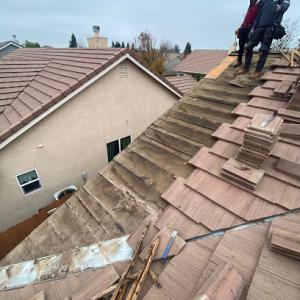
Celestial Roofing
(209) 355-4401 celestialroofinginc.com
3146 Juneau Ct, Merced, California
5.0 from 17 reviews
Celestial Roofing is a licensed, insured roofing contractor providing expert residential and commercial roofing services throughout Merced, Atwater, Livingston, Winton, Los Banos, Turlock, and surrounding Central Valley communities. We specialize in roof replacement, roof repairs, leak detection, shingle roofing, flat roofing, attic ventilation, gutters, siding, waterproofing, and custom sheet‑metal work. Our team uses premium materials and proven installation methods to deliver durable, energy‑efficient roofing systems built to withstand California’s heat, storms, and seasonal weather. Whether you need a small repair or a full reroof, we bring precision, craftsmanship, and service that’s truly out of this world. Protect your home or b

Merced Roofing
(209) 618-2373 www.mercedroofingcompany.com
Merced, California
4.9 from 9 reviews
Need a reliable and trustworthy roofing company in Merced, CA? Look no further than Merced Roofing! With years of experience, we've become the go-to choice for top-notch roofing services. Get top-quality roofing services for your home and commercial properties. From repairs to replacements, our expert team can handle any project with ease. Whether you need asphalt, metal, tile, or wood shake, we work with all types of materials. Trust us to deliver high-quality workmanship using only the finest materials. Contact us today for a reliable and great roofing experience. We offer roof repair, roof replacement, residential and commercial roofing services. Our team specializes in various roofing materials - shingles, tile, metal, and flat roofs.
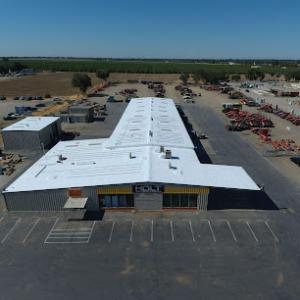
Straight Edge Roofing
(209) 262-8768 straightedgeroofing.com
Serving
4.9 from 261 reviews
Straight Edge Roofing is a team of experienced and dedicated roofing installation and roofing repair contractors committed to providing our clients with high-quality commercial and residential roof repair services. The roof is the most essential part of your property, and if you find yourself searching the internet for the "best roof repair services near me," our team of roofing repair contractors is here for you. We ensure that every home or business establishment's roof is well-maintained and functional for everyone's safety and comfort.
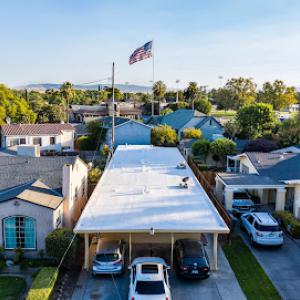
Benchmark Roofing
(209) 756-3019 benchmarkroofingca.com
Serving
4.9 from 196 reviews
We are a full service roofing company serving the San Joaquin valley and surrounding areas in California. With over 35 years in the industry, we have the experience, knowledge, and resources to get the job done right. Whether you have a residential home or a commercial building; we have a time proven system to meet your roofing needs and budget. We install new shingle and metal roof coatings. We also offer roofing repairs for residential and commercial roofs. We offer: New Roofs Roofing Installation Roof Coatings Commercial Roofing White Roofing Roof Repair Roof Replacement Storm Damage Repair Metal Roof Coatings

Ralph's Restorations
Serving
4.3 from 6 reviews
Being in business for 30+ years has given us an unparalleled advantage over our competition and allowed us to provide the finest and most efficient customer service possible. We strive to ensure you’re confident and satisfied with our work. We look forward to providing excellent customer service to you!
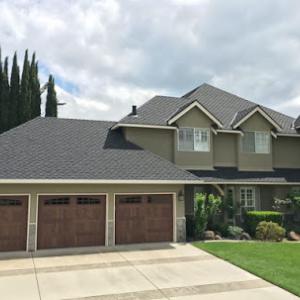
DeHart Roofing
(209) 667-7737 www.dehartroofinginc.com
Serving
4.3 from 53 reviews
With over five decades of expertise, DeHart Roofing is a trusted name in roofing solutions for the Turlock community. Since 1975, this established contractor has been dedicated to protecting homes and businesses with a comprehensive range of services. From full-scale residential and commercial roofing projects to meticulous repairs and gutter services, DeHart Roofing delivers exceptional craftsmanship. Their team uses high-quality materials to ensure durable, long-lasting results, all while prioritizing customer satisfaction and clear communication. For reliable waterproofing and expert roofing solutions tailored to your needs, DeHart Roofing provides professional service you can count on.

Hensley's MFG Direct Metalroofing
(209) 632-2118 hensleysmfgdirectmetalroofinginc.com
Serving
4.6 from 10 reviews
Manufacture Metal Roofing
Platinum Roofing Group
Serving
Providing the valley with the highest quality work and customer service for any and all of there roofing needs.
In the City of Merced, a full roof replacement typically requires a permit through the Building Division before work begins. The permit process helps ensure that the project follows local code requirements for ventilation, flashing, underlayment, and wind resistance, which are important in this climate's long UV exposure and winter moisture. Before applying, gather your builder's plan, the roofing material specifications, and any existing structural notes. Expect the Building Division to review drainage may require adjustments to meet local hillside or slope conventions, and that a topology or layout check is part of the approval. Once issued, keep a copy of the permit visible at the job site and ensure your contractor adheres to all permit conditions during installation.
Merced inspections are commonly staged, with review after underlayment and flashing installation and a final inspection at project completion. The staged approach helps catch moisture or venting issues early, before the mass of shingles is laid. During the underlayment and flashing review, inspectors verify that proper underlayment type, nail patterns, and flashing around penetrations (vent pipes, chimneys, skylights) meet local practice. The final inspection confirms all components are installed to code and that the roof area is fully secured and water-tight. Schedule inspections to align with dry-in milestones, avoiding delays if unusual heat waves or foggy, damp periods disrupt scheduling.
Because reroof work in this area can be interrupted by rain or extreme heat, homeowners should confirm how inspection timing aligns with dry-in and final scheduling. Plan around the typical Santa Ana-like heat peaks and the tule-fog season, recognizing that extended exposure before the roof is weather-tight increases moisture-related risk to underlayment and interior spaces. Coordinate with your contractor to set a realistic sequence that accommodates potential weather delays, keeps permits active, and preserves the integrity of the installation from first underlayment to the moment the final shingle is secured.
Merced homeowners operate in a climate where California's insurance market shows volatility, and carriers may tighten underwriting after notable weather events elsewhere in the state. Even without a single dominant local catastrophe pattern, the pattern of severe sun in long summers followed by winter moisture can influence how insurers view roof age and condition. In this area, a shingles or tile roof that looks "okay" on the surface may raise questions about long-term performance once hail, heavy rain, or tule-fog moisture cycles push materials beyond expected wear. Understanding this reality helps you anticipate how a policy may respond after a roof has shown accelerated aging or repeated weather exposure.
For a Merced roof, documentation should be detailed and organized. Start with dated photos that show surface condition, flashing around chimneys and vents, and any visible wear on edges or valleys. Capture underlayment exposure if work is being performed, since insurers often want to see what lay beneath the surface. Keep records showing when a project began and when it reached final inspection, including the contractor's notes about materials and installation steps. Maintain a simple, chronological file of these items so when a carrier requests information, you can respond quickly. This local climate-with intense sun followed by winter moisture-means small signs of wear can be interpreted as significant risk without solid proof of proper maintenance.
After severe weather events in California, claims handling can reflect statewide caution, even if Merced hasn't experienced a dramatic event in isolation. Clear, dated documentation reduces ambiguity about a roof's condition and the timing of any repairs or replacements. If a carrier questions a claim, a well-organized file that pairs photos with inspection dates and contractor notes can support your case and keep the process moving. In this market, proactive documentation is a practical hedge against slow or uncertain insurer responses.
On asphalt roofs in this town, the relentless summer sun takes a toll year after year. You'll notice the shingles becoming brittle and granules washing away, especially along the eaves and south-facing exposures. As winter rains arrive, those changes can turn into leaks if the underlayment and decking have already lost their protective surface. The sequence is subtle at first: a few loose granules, a curled edge, a soft spot that wasn't there last spring. If not addressed, the combination of UV-damaged shingles and chilled moisture can lead to accelerated failure and unexpected water intrusion. A proactive eye on flashing and valley integrity helps, but the critical moment is often the first hard winter soak after a dry, sun-drenched season.
On older tile roofs, the visible tile may outlast the waterproofing layer below, making underlayment failure a frequent hidden issue during replacement planning. Clay and concrete tiles can crack or shift, yet the surface still looks intact. The real vulnerability lies with the membrane that keeps rain out when tiles move or crack. In practice, that hidden layer may be past its prime even if the tiles themselves wear well. When replacement work begins, expect attention to the underlayment, fasteners, and parapet detailing to be as important as tile color or shape. This is especially true in homes with mixed or lower-slope sections where water can linger and find slight gaps.
Wind-driven rain during seasonal storms can expose weak flashing details around penetrations and transitions on homes across established neighborhoods. In Merced's climate, storms push moisture into joints near chimneys, vent boots, skylights, and transitions from roof to wall. A small misfire-loose nails, poor sealant, or a shifted step flashing-can become a leak path after a few storm cycles. The result is sudden staining downstairs or damp attic spots that appeared only after a windy rainfall event. Regular checks of flashing, sealants, and the integrity of transitions help catch vulnerabilities before they become bigger problems.