
Last updated: Apr 19, 2026
The hot, dry days of the San Joaquin Valley are the most reliable time for a full reroof. When temperatures push past the 90s and dry heat holds, underlayment and roof deck can dry quickly after tear-off, and shingles lay down with minimal thermal interference. If you want to avoid winter moisture exposure during tear-off, this is the window to plan around. The key is to schedule for mid-morning to late afternoon so crews can work with shade as the sun shifts, and to have the site prepared for a long, uninterrupted stretch of sunny days. This season also minimizes the risk of unexpected rain delays and reduces the chance of dew or overnight humidity soaking exposed decking. If you can align your reroof with a heat-spike lull or a quick dry-in window, you'll likely experience smoother progress and fewer re-works from moisture.
As summer fades, fall brings stronger winds and dust that can complicate tear-off days. Central Valley gusts lift debris and can disrupt staggered underlayment staging, which in turn affects how quickly the roof can be fully sealed and protected. Start planning around expected wind patterns and seasonal Santa Ana-like days when dry air can help maintain underlayment integrity, but also watch for sudden gusts that push loose material into gutters and vents. Fall is a good time to discuss fire-conscious material choices and to coordinate cleanup logistics so debris control remains tight on smaller residential roofs. If a fall schedule gets delayed by high winds or smoke considerations, be ready to shift to a calm window within the late fall lull when conditions stabilize and crews can finish a dry-in without interruption.
Spring in the Valley carries a blend of windy days and late-season rain risk. Wind events can complicate tear-off and shingle installation, especially if shingles are being staged or exposed during underlayment work. If a spring project hits a windy week, expect to pause tear-off to protect underlayment and to shield exposed decking from blowing debris. Rain chances during spring can still arrive with short notice, so a contingency plan for quick tarp deployment and rapid dry-in becomes worthwhile. For homeowners aiming to keep a tight schedule, target a dry spell with a forecasted window of at least 3-5 days of stable weather and prepare to adjust around any rain events that threaten the project's continuity.
Winter periods in this area are cooler and wetter, and that combination can delay dry-in and increase the chance of exposed-deck leaks during tear-off. If the forecast shows a string of rain events or substantial overnight moisture, rescheduling becomes a practical step to avoid decking soaking and to maintain interior dryness. When winter weather aligns with a lull in storms, a careful, staged approach to tear-off and underlayment can still proceed, but with a readiness to pause for rainfall and to reinforce protection around vents and penetrations. In practice, winter plans should include a buffer for potential rain delays and an emphasis on water-tight staging once underlayment is in place.
Seasonal timing naturally influences material choice. For instance, high-heat periods favor products that resist thermal expansion and excessive drying, while winter timing may push toward underlayment systems with superior moisture resistance and faster dry-in capabilities. When considering tile or metal options, the long-term behavior under Selma's climate-heat tolerance, wind resistance, and fire-conscious selections-should guide scheduling conversations as much as immediate installation ease. If fall or spring winds threaten a planned tear-off, coordinate with crews on debris containment strategies and accelerated staging to keep the project on track.
Clay and concrete tiles perform notably well in hot, arid summers. The long days of sun in this valley place emphasis on thermal performance and durability, and tile materials offer long service life when properly installed. In this climate, the roof must handle extreme daytime heat and cooler, wetter periods without cracking or warping. The choice of tile, especially for reroofs, should prioritize materials that resist UV degradation and maintain color and strength under prolonged exposure. With clay and concrete, you're looking at a system that can shed heat when installed with the right underlayment and ventilation, while still presenting a durable exterior surface that resists the occasional dry wind-driven dust that sweeps through the area.
In reroofs around here, issues beneath the visible tiles often drive repairs more than the broken or slipped tiles you see from the ground. The underlayment and the system beneath the tile play a critical role in performance after years of UV exposure and seasonal rain cycling. As the age of the roof increases, the underlayment can degrade, flashing can fail at roof-to-wall transitions and penetrations, and vent details can become brittle. Leaks tend to appear where these components meet or where the tile system cantilevers over a vulnerable edge or valley. Expect to evaluate the integrity of the deck and the condition of fasteners, rather than assuming that every failed tile means a full tile replacement is required.
Warm, dry conditions are generally favorable for working with clay and slate materials, but the timing of a reroof matters here. In Selma's climate, summer heat can speed up material handling and installation, yet the season's peak heat also stresses new sealant and flashing during setting. Plan roof work for windows of milder weather if possible, avoiding peak heat hours, and coordinate any ventilation or ridge work to maximize air flow. The winter rainfall window dictates a practical schedule, since the roof must shed moisture reliably as soon as the wet season starts, so a dry, secure underlayment and properly installed flashing are essential before the first rain. The deck's condition will influence whether a tile replacement can stay true to the original tile layout or if adjustments are needed to maintain alignment and drainage.
Edge details matter more than they might in milder climates. Tile roofs in this area must withstand wind-driven rain and seasonal exposure, so edge details, eaves, and rake lines deserve close attention. Ensure that the fascia, drip edge, and any overhanging channeling are in good shape to prevent water infiltration at the eave line. Valleys require careful attention: the valley linings, flashing, and tile profiles must work together to direct water efficiently toward the gutter system. After UV exposure and several cycles of sun and rain, valleys can become the most vulnerable spots, so a proactive inspection plan is essential.
Ventilation is a key factor in maintaining tile roof health in hot weather. Proper attic ventilation reduces heat buildup that can otherwise accelerate underlayment aging and deck warping. When evaluating a reroof, check that the roof structure and existing deck are capable of supporting the tile weight, and confirm that the substrate is solid enough to hold fasteners without movement. Tile replacements depend on the structural background; if the deck shows signs of sagging or weakened support, tile installations may require reinforcing the roof structure to prevent future failures. The compatibility between tile type, underlayment, and vent details should be verified to ensure the replacement remains stable under both the July sun and the winter rain.
Find contractors who specialize in clay and concrete tile roofs, known for their durability and curb appeal.
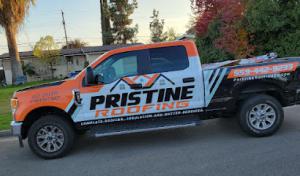
Pristine Roofing | Roofing Company Fresno & Visalia
(559) 442-9233 www.pristineroofingca.com
Serving
5.0 from 275 reviews
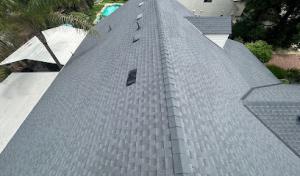
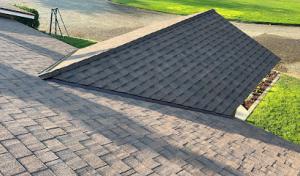
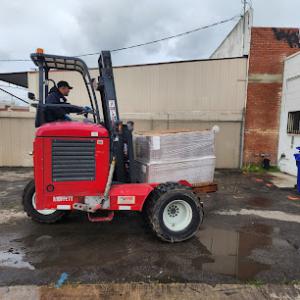
All Valley Roofing & Tiles
(559) 347-8232 www.allvalleyroofing.com
Serving
5.0 from 17 reviews
Founded over 30 years ago, All Valley Roofing and Tiles, LLC has become a trusted name among roofing contractors in Fresno, CA. From our beginnings as a small roofing company, we’ve expanded to serve commercial roofing services and residential roofing services clients throughout the region. Over the decades, we’ve built a strong reputation for quality workmanship and dependable results. What makes us stand out is our ability to provide both services and materials.
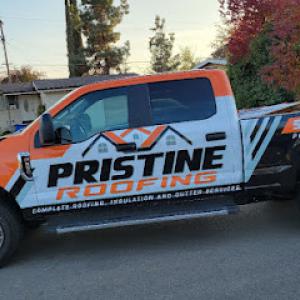
Pristine Roofing | Roofing Company Fresno & Visalia
(559) 442-9233 www.pristineroofingca.com
Serving
5.0 from 275 reviews
We're a top-rated local and reputable roofing company Fresno. Best Roofers Fresno! Not only do we serve Fresno, we also serve Visalia, Tulare, and neighboring counties. We install a variety of roofing systems including shingles, metal, tile ,TPO and Modified bitumen. If you're looking for an amazing roofing contractor, give us a call! We're happy to give you a free estimate for a new or repaired roof.
CJM Roofing
(559) 826-0070 cjm-roofing.com
Serving
5.0 from 139 reviews
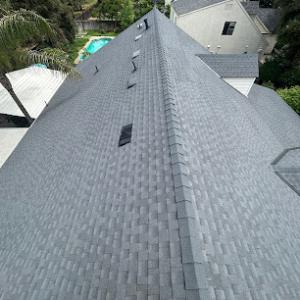
Protect your largest investment with our reliable roofing services. We are a locally owned and operated roofing company currently serving Fresno, CA and surrounding communities. If you want to make your roof last as long as possible, it is vital that you never put off a roof repair. Small issues with roofing become big issues in a hurry. No matter how major or minor the repair you need, we are here to help. We offer roofing contracting, roof installation, and asphalt shingle roofing.
Jacobo Roofing
(559) 736-3997 roofingsvcfarmersvilleca.com
Serving
5.0 from 14 reviews
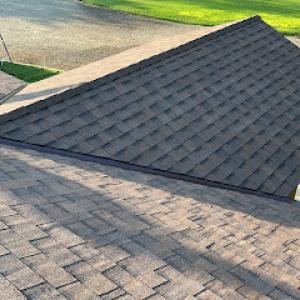
Jacobo Roofing delivers top-tier roofing solutions in Farmersville, California. As experienced roofing contractors, they expertly handle everything from residential composition roofs to durable metal roofing systems. Whether you need a complete reroof, a fresh new installation, or prompt roof repairs, Jacobo Roofing has you covered. They also specialize in TPO commercial roofing and beautiful tile work, offering reliable roofing expertise for both homes and businesses.
Authentic Roofs
(559) 916-5251 authenticroofsfresno.com
Serving
5.0 from 16 reviews
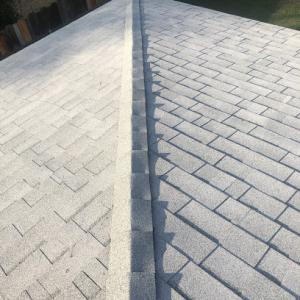
Authentic Roofs CSLB # 1082362 is a family owned top quality roofing company with more the 15 years of experience. If you are in Need of a new roof, roof repair or even just roof maintenance give us a call and get a free estimate!

Roof Doctors Fresno County
(559) 272-7878 theroofdoctors.net
Serving
4.7 from 64 reviews
"Nobody inspects, repairs and certifies more roofs or solves more roof leak problems in the Central Valley Area." Over 300,000 roofs inspected. We do complimentary roof inspections with detailed reports that include pictures. Reports sent within 24 hours of inspection. We are a licensed roofing contractor that offer repairs, replacment bids, gutter cleaning bids, gutter guard installs, and general roof maintenance. Service in the following Central Valley counties: San Joaquin, Stanislaus, Merced, Madera, Fresno, Kings & Tulare Counties.
New View Roofing
(559) 326-8683 www.newviewfresno.com
Serving
4.8 from 52 reviews
New View Roofing is rooted right in the heart of California, we're a local, family-run business with over 50 years of roofing expertise. At New View Roofing, we’re passionate about providing your home with the exceptional roof it needs, blending high-quality service with a personal touch you won't find elsewhere. Whether it's repair work, a complete replacement, or regular upkeep, we use only the finest materials and pay close attention to every detail. But to us, it's more than just roofing—it's about building trust, keeping you informed, and ensuring your satisfaction from start to finish. In need of roofing experts? Reach out at 559-326-8683. Let’s enhance your home together, giving it a fresh perspective with New View!
Advanced Roofing & Raingutters
(559) 441-7800 advancedroofingandraingutters.com
Serving
4.5 from 58 reviews
Advanced Roofing & Raingutters is locally owned and operated. We take pride in our work, which is why we’ve been in business for over 18 years. More than 70% of our employees have been with us from the beginning. Our company has bilingual staff, fluent in English and Spanish. We are certified with multiple manufacturers to offer the best workmanship and warranties. Advanced Roofing & Raingutters has completed thousands of projects throughout California. We have excellent ratings earned by talented and knowledgeable staff. We believe in having peace of mind when caring for your home. Stress-free home improvement starts with Advanced!
Magallon's Roofing
(559) 315-3354 magallonsroofing.com
Serving
4.7 from 111 reviews
Magallon's Roofing is a family-owned and operated roofing contractor that has been serving the Fresno County community since 1999. We offer a wide range of roofing services, from roof repair to roof replacement and solar tube installation or skylight replacement. Our experienced and certified team is dedicated to providing our customers with the highest quality roofing solutions at competitive prices. We also offer financing options to make it easier for our customers to afford the roofing services they need. Contact us today for a free estimate!
Garcia's Kingdom Roofing
(559) 356-1542 garciaskingdomroof.wixsite.com
Serving
5.0 from 24 reviews
Re-Roofing/New Construction/Repairs/Roof Certifications/Roof Coatings/Single Ply Roofing/Patios/Metal Roofing
A&C Pro Roofing
(559) 558-2634 acproroofing.com
Serving
5.0 from 49 reviews
A&C Pro Roofing offers a comprehensive range of roofing services tailored for residents and businesses across Central and Northern California, from Bakersfield to Sacramento. As a leading contractor founded in 2023, we specialize in residential roofing, single ply roofing systems including TPO and PVC, and acrylic elastomeric coatings that provide long-lasting protection. Our expert team is also skilled in leak detection and repair, ensuring your property stays safe and dry year-round. For new constructions or renovations, count on A&C Pro Roofing for precise and reliable roof installations. With deep industry experience and a commitment to quality, A&C Pro Roofing is your trusted partner for all your roofing needs.
Castone Roofing & Construction
(559) 840-5178 www.castoneinc.com
Serving
4.8 from 27 reviews
We have a team of professional and experienced roofers that can install or fit new roofs, give periodic maintenance and make any kind of repair. We are able to handle any residential or commercial roofing task or project. From flat roofing to gutter replacements, from full roof installations using slate, tile, asphalt and rubber (single ply) to fiberglass. We can manage any roofing project regardless of size or complexity. Castone can also build new patio structures, interior and exterior paint, and full kitchen remodels.
The prolonged summer heat and UV exposure in this open valley setting ages asphalt shingles faster, especially on roofs that soak up long afternoon sun. You'll notice the detrimental effects first on the south-facing or unshaded slopes where the sun hits hardest. Plan for quicker edge wear, granule loss, and potential curling over time. When selecting asphalt shingles, prioritize sun-reflective blends and rolled-appearance underlayment that can stand up to high heat. During installation, confirm that the installer uses nails and fasteners rated for high temperatures and installs with proper nailing patterns to prevent lift during heat waves. In repair, look for matching granule color and texture near the peak sun zones to slow further degradation.
Wood shingles and shakes here face a drying-dominated cycle, with cracks and weathering rather than the coastal moisture pattern. The drying stress concentrates near ridges and overhangs where airflow is limited. When reroofing with wood, choose shakes or shingles with natural resistance to UV and finish them with a breathable, UV-stable coating if the manufacturer allows. Regular inspection should focus on splitting, cupping, and checking for any soft spots near eaves after a dry stretch followed by sudden rain. Sealants and maintenance treatments must be compatible with the wood type and the local climate to avoid trapping moisture during rare winter moisture events.
Aluminum avoids the salt-air corrosion seen in coastal California, so the bigger performance questions are heat movement, fastening, and installation quality under high summer temperatures. Ensure panels are rated for high ambient temperatures and that fastening hardware allows for expansion and contraction without loosening. Pay attention to panel seams and closure strips; improper sealing can become leaks during the winter thaws after a long dry season. For renewals, verify that coatings are designed for intense sun and do not chalk excessively in the first few summers.
Material choice in this region matters beyond the surface layer. Underlayment longevity is critical because the dry spell can extend long before winter rains arrive. Use a breathable, moisture-resistant underlayment that can cope with a sharp shift from extreme heat to fall rains. The assembly should account for heat-driven expansion, with secure fasteners and proper spacing. Check for continuous drip edges and correctly flashed penetrations to minimize water entry during late-season rain moments when heat suddenly breaks.
Reroof scheduling should align with the valley's weather windows: avoid the peak of summer for roof work that leaves membranes exposed and use shoulder seasons when possible. If a leak risk appears during the first winter rains after a long dry spell, inspect all flashings, edge metal, and penetrations promptly. A focus on long dry-season performance and how the system handles sudden winter moisture will guide material choices and detail work, reducing the risk of leaks when the rains finally return.
The most popular roofing material in the US. Find pros who install, repair, and replace asphalt shingles.
Pristine Roofing | Roofing Company Fresno & Visalia
(559) 442-9233 www.pristineroofingca.com
Serving
5.0 from 275 reviews
In Selma, many urgent roof calls cluster around winter rain because long dry periods can hide weak flashing and underlayment until the first sustained storms arrive. That means a small, dry spell fix can become a major leak once the first downpour hits. You need to treat every forecast of rain as a test of the last maintenance done on flashing, seals, and the underlayment beneath your reroof. If a roof looks dry but is old, assume it will fail when rain returns.
Leak risk rises when reroof work overlaps rainy periods, making temporary dry-in quality especially important during Fresno County winter weather. Plan for a window with at least several days of dry forecast before any tile or shingle work starts. If a storm sneaks in, insist on a reliable dry-in with synthetic underlayment, proper flashing and fasteners, and a temporary seal over skylights and penetrations until the crew can finalize the installation.
Skylight edges, roof penetrations, and transition flashing are high-attention details in this market because they are often where seasonal rain reveals failures first after hot summers. Inspect around vent stacks, chimney transitions, step flashing at tile roofs, and the edge of any dormers. A single compromised edge can channel a wall of water into a living space during a December shower.
Local homeowners often prioritize fast response because even a short rain event can expose long-deferred maintenance issues on aging reroof systems. If a leak appears, document it with photos and call your roofer immediately for a temporary fix and a plan for a proper dry-in and complete roof replacement if needed. Call now for dry-in.
Find contractors experienced in skylight installation, flashing, and leak repairs to bring natural light into your home.
Advanced Roofing & Raingutters
(559) 441-7800 advancedroofingandraingutters.com
Serving
4.5 from 58 reviews
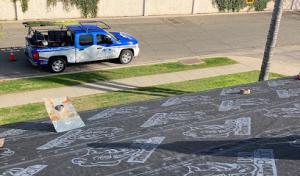
Average Selma-area reroof pricing runs about $400-$800 per square for asphalt shingles, $700-$1500 for clay tile, $800-$1200 for concrete tile, $600-$1200 for wood shingles or shakes, $1500-$3500 for slate, and $700-$1100 for aluminum roofing. Those numbers reflect a typical mix of homes in the area, where tile reroofs are common enough to swing crews toward heavier, more labor-intensive work. If you're weighing options, the material price is only part of the story-weight, handling, and underlayment choices push final numbers up, especially when tile is involved.
Costs in Selma often rise when a homeowner keeps or upgrades to tile because tear-off weight, replacement tile handling, and underlayment work are more labor-intensive than basic shingle reroofs. Clay and concrete tiles, in particular, require careful staging, more crew time for removal and restacking, and sometimes structural checks for added load. If your home already has tile, plan for a higher baseline for reroofing versus a straight shingle replacement, even if the new tile is the same style or color as what you removed.
Project timing can affect pricing in Selma because dry-season demand is attractive for both homeowners and contractors trying to avoid winter rain interruptions. If you can start a roof job in late spring or early summer, you may avoid rain-delay costs and some scheduling premium. Conversely, a mid-winter start can trigger weather-related holdovers and higher labor/equipment costs due to compressed timelines and contingency planning.
Permit scope, flashing replacement, ventilation corrections, and any deck repairs discovered after tear-off can materially change final reroof cost in Fresno County projects. While those items aren't the primary material choice, they frequently surface mid-project, especially when inspecting toward tile or slate installations. Plan a contingency in the budget and flag these areas early with your contractor to minimize surprises.
Get a clear picture of your project costs upfront - no commitment required.
Pristine Roofing | Roofing Company Fresno & Visalia
(559) 442-9233 www.pristineroofingca.com
Serving
5.0 from 275 reviews
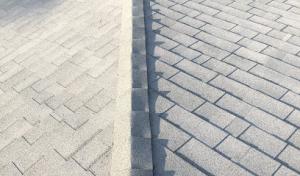
A full reroof in Selma typically requires a building permit, with the application generally filed by the contractor or homeowner through Fresno County's building department. That process is not a box-ticking exercise; it sets the pace for how quickly a project can move from teardown to weatherproof. The county wants to confirm that the plan matches local code, especially for roofs that face the San Joaquin Valley's heat and winter rains. Missing or mismatched details at filing can slow down the whole job, and that delay often shows up as exposed decking or stalled venting work in the middle of a hot July week.
Permits are not just paperwork. Inspections are commonly scheduled during and after installation to verify underlayment, flashing, and roof venting work before final approval. In practice, that means you'll see county or city inspectors walking a careful line across the newly installed roof, peering at overlaps, drip edge, and how the underlayment lays under tiles or shingles. If a misstep is found-perhaps flashing around a chimney that doesn't meet clearance or a venting path that's not adequately sized-the contractor will need to return for corrections. The heat and sharp timing of Selma's summer and the rain risk in winter amplify the stakes for getting this right on the first pass, so expect some back-and-forth rather than a single, clean pass.
Selma reroof permits are usually tied to project scope, so material type and warranty information may need to be disclosed as part of the permit record. That can matter if a tile reroof or composite option triggers different inspection points or warranty disclosures, and it ties your permit to the exact plan you approved. If the scope shifts-say, choosing a different underlayment or a change in venting strategy-be prepared for additional review. It's better to flag these changes early than to run into a pause after the deck has already been exposed to heat and weather.
Homeowners should expect a short plan-check window but also be prepared for follow-up inspections if corrections are needed before sign-off. A tight schedule can become a long one if a flashing detail or vent placement doesn't meet the letter of the code, so coordinate with your contractor to address potential issues promptly and keep the project moving toward a proper, weather-tight finish.
When insurers tighten up after long summers and variable winters, you'll notice scrutiny that focuses on age, material, and what can be proven about replacements. In this market, the roof is often a lens for overall risk, not just a single leak. The emphasis isn't on hail frequency as much as whether the roof is aging, leak-prone, or documented well enough to support continued coverage. A tile reroof, especially if it replaced an older layer, can shift underwriting quickly if the paperwork looks shaky or incomplete.
Wildfire-related underwriting pressure in California can push reroof timing even in valley communities. If insurers ask for proof of newer underlayment or roof updates, that request can become a practical constraint on scheduling. In practice, a long, hot Selma summer followed by winter rain windows means you may need to align reroof work with anticipated underwriting approvals or documentation requests. Delays aren't rare, and rushing a project to meet a deadline without the necessary proof can backfire on coverage.
For claims or underwriting reviews, keep comprehensive records: permit records, installation contracts, photos, and product documentation showing what was replaced. Store these in a safe, organized place where they can be accessed quickly. If a claim arises after a storm or a period of heavy heat, the ability to demonstrate a well-documented upgrade can matter more than the upgrade itself.
Insurance concerns here center on whether the roof is old, leak-prone, or documented well enough for continued coverage. When a carrier questions the roof, the clarity and availability of records often determine the next steps. Keeping a thorough file now reduces friction later, even if the roof's material-tile or shingle-remains a practical choice for Selma's climate.