
Last updated: Apr 19, 2026
In this valley climate, summers are long, hot, and dry, while winters bring mild days with most of the annual rain concentrated in the cool season. That pattern pushes reroof scheduling toward spring and fall, when temperatures are moderate and moisture risk is lower. If a roof is nearing end of life, you'll often gain the most reliable results by targeting a window just after the wet season but before the peak heat returns. The goal is to avoid the twin stresses of drought-wrung heat and winter moisture on vulnerable underlayment, sealants, and fasteners. For homeowners with aging roofs, plan a reroof before the second summer strikes if you notice curling shingles, loss of granules, or cracked seals.
The city sits in the San Joaquin Valley near the Kings River corridor, where overnight moisture and winter tule fog can keep roof surfaces damp even when daytime temperatures look mild. That dampness matters for material choice and application; avoid long stretches of wet-surfaced installation and allow for adequate drying time between days with fog, dew, or persistent low humidity. During tule fog season, interior moisture loads may rise, and attic ventilation becomes more influential on roof lifespan. When planning removal and installation, extended damp periods can slow progress and shift crews toward moisture-tolerant sequences, like tearing off one section, then drying, then laying underlayment. In practice, you'll want to micromanage start times to align with dry morning windows and keep sheathing and underlayment dry during installation to prevent warping or bonding problems.
Summer work in Reedley often has to be staged around extreme afternoon roof-surface heat, which affects shingle handling, crew productivity, and safe installation windows. The heat drives faster material expansion and can complicate the handling of heavier tile options or multi-layer underlayment. To minimize risk, schedule the most physically demanding tasks for early morning hours, with a clear plan to pause during peak heat and resume when surfaces have cooled. If your project uses clay or concrete tile, anticipate longer lead times and adjust staging to cooler portions of the day to protect workers and ensure proper fastener seating. Communicate with the crew about heat-related safety breaks and hydration needs, and consider shading one side of the roof temporarily to extend usable installation time on hot days.
A mix of tile and composition roofs characterize the local housing stock, which means the reroof plan must address both weight and ventilation needs. For tile roofs, ensure the deck is sound and that the underlayment strategy accommodates seasonal moisture shifts, since tile systems rely on a continuous seal and proper batt insulation. For composition or synthetic shingles, focus on attic ventilation adequacy and attic-to-roof ventilation balance to prevent heat buildup that accelerates aging. If the current roof includes vented soffits or ridge vents, verify these channels remain unobstructed during replacement to preserve cooling in the attic and reduce temperature-driven shrinkage of seals. The timing decision should align with a period when long dry spells can support a clean deck, steady adhesive cure, and predictable nail set without sudden humidity swings.
Think in two-phase planning: first, secure a dry, mild-window block in spring or fall when daytime temps are moderate and tule fog risk is lower, and second, build a two-week buffer around potential weather swings. Have a contingency for an extended dry spell to complete any remaining tasks after the initial installation. Build your crew's schedule around forecasted cool mornings and plan to wrap up by early afternoon on hot days to stay within safe working temperatures. If the old roof shows persistent moisture damage, address deck repairs promptly within the planned window to prevent rework that can trap you in the next heat cycle. In Reedley, aligning reroof timing with these seasonal and daily patterns yields the most durable results and minimizes the risk of moisture-related complications down the line.
In this climate, the aging underlayment beneath clay or concrete tile often wears out long before the tiles themselves show a crack or chip. The heat cycles that bake roofs for months, followed by tule-fog moisture in winter, push underlayment toward accelerated deterioration. When underlayment pores and seams begin to fail, leaks appear at the interior fasteners and around roof penetrations, even if the visible tile remains intact. The consequence is not a dramatic tile failure, but a creeping rot and moisture load that weakens the roof deck and invites hidden mold. Homeowners should expect to re-evaluate underlayment health on a schedule that matches Central Valley conditions, especially after a decade or two of heat cycling in tile installations.
Clay and concrete tile patterns are common in local neighborhoods, with their long lifespan tempting owners to overlook the system beneath. The tile itself resists UV and weathering well, but the underlayment ages more quickly in this climate. When underlayment fails, you may observe staining along interior ceilings, subtle musty smells, or attic condensation buildup, even if the tile seems secure. The weight of tile systems also stresses decking over time; if the deck has shifted or settled, you can get high-point gaps that invite water intrusion or ice dam-style backing during sudden temperature swings. The practical takeaway is to treat the underlayment as the real preventive target: if it's past its prime, reefing the system before a leak shows is prudent, and you should inspect fasteners and flashing where tile lines intersect roof valleys and transitions.
Asphalt shingles in this region endure longer sun exposure and higher temperatures than many climates, which accelerates granule loss and brittleness. Shingle edges may curl, and the surface may appear chalky as granules shed into gutters. The result is not just cosmetic wear; reduced granule protection accelerates asphalt breakdown and increases the risk of shingle cracks under foot traffic or minor hail impact. In the valley's dry heat, you also see premature adhesive failures in roof felt layers and valley linings when the underlayment isn't properly ventilated. The practical path to longevity is regular inspections focused on the attic side for signs of moisture or insufficient ventilation, and early replacement of shingles showing significant brittleness or random curling rather than waiting for a full panel failure.
Wood shingles and shakes are favored for their rustic look, but the valley climate punishes them if ventilation or sealing is neglected. Repeated dry heat followed by winter moisture can drive splitting and curling, letting water infiltrate seams that appear tight from the exterior. This cycle also invites algae and moss growth in shaded sections, which traps moisture and accelerates decay. You'll notice accelerated weathering on exposed edges and where coatings have degraded; underlayment moisture damage beneath the wood becomes harder to detect until interior staining appears. The strongest defense is a proactive approach: treat wood with appropriate sealants or finishes, ensure good attic ventilation to minimize interior humidity swings, and monitor for any soft spots or hollow-sounding sections that indicate compromised structural wood.
Keep an eye on interior ceilings beneath suspected roof areas after particularly hot summers or heavy winter rain events. If staining or bubbling appears around fasteners, vents, or flashing, investigate sooner rather than later. In tile systems, listen for creaks or movement over roof axes where underlayment fatigue may be progressing. For shingles, look for sudden granule accumulation in gutters after seasonal heat spikes, and for wood, check for new cracks or changes in color that suggest moisture infiltration. A careful, seasonally scheduled inspection plan tailored to this climate helps pinpoint when aging underlayment is the limiting factor, often before the tiles or shingles themselves fail.

Magallon's Roofing
(559) 315-3354 magallonsroofing.com
23205 Clayton Ave, Reedley, California
4.7 from 111 reviews
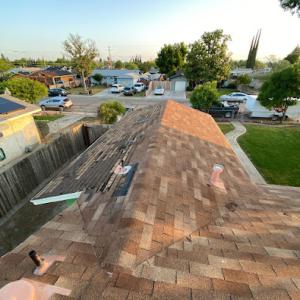
Magallon's Roofing is a family-owned and operated roofing contractor that has been serving the Fresno County community since 1999. We offer a wide range of roofing services, from roof repair to roof replacement and solar tube installation or skylight replacement. Our experienced and certified team is dedicated to providing our customers with the highest quality roofing solutions at competitive prices. We also offer financing options to make it easier for our customers to afford the roofing services they need. Contact us today for a free estimate!
Avalos Roofing
Reedley, California
4.8 from 10 reviews
Welcome to our roofing page! We are dedicated to providing top-quality roofing services for your residential or commercial property. From minor repairs to full roof replacements, we've got you covered. Our team of experienced professionals uses only the highest-quality materials and the latest techniques to ensure that your roof is not only durable and long-lasting, but also looks great. We pride ourselves on our commitment to customer satisfaction and will work with you to find the best solution for your roofing needs. Contact us today to schedule a free estimate.
Garcia & Sons Roofing
(559) 415-0625 garciansonsroofing.com
Reedley, California
4.2 from 10 reviews
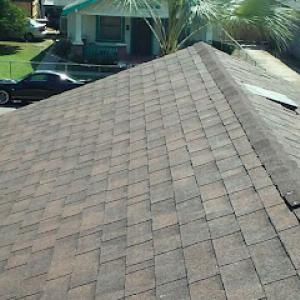
Garcia & Sons Roofing have the skill that you demand, the experience that you require, and the affordability that you need for all your roofing needs. Through the course of three decades, we have fully addressed the roofing needs of commercial and residential projects across Hanford and its surrounding areas. Our vast experience in the field and commitment to always go above and beyond, allows us to set the standards of quality under which other companies measure themselves.

Jake's Roofing & Coating
(559) 622-8663 jakesroofingandcoating.com
Reedley, California
5.0 from 3 reviews
As fourth generation Visalia Commercial Roofers, we take pride in all of our residential and commercial roofing jobs no matter the size. You will have our owner's personal attention on every single project. Guaranteed. We specialize in polyurethane spray foam roofing and cool roof coatings for commercial properties, industrial properties, agricultural properties, residential properties, mobile homes and any other building with a roof.
CJM Roofing
(559) 826-0070 cjm-roofing.com
Serving
5.0 from 139 reviews
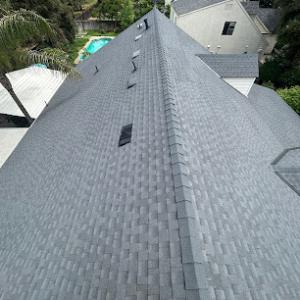
Protect your largest investment with our reliable roofing services. We are a locally owned and operated roofing company currently serving Fresno, CA and surrounding communities. If you want to make your roof last as long as possible, it is vital that you never put off a roof repair. Small issues with roofing become big issues in a hurry. No matter how major or minor the repair you need, we are here to help. We offer roofing contracting, roof installation, and asphalt shingle roofing.
Jacobo Roofing
(559) 736-3997 roofingsvcfarmersvilleca.com
Serving
5.0 from 14 reviews
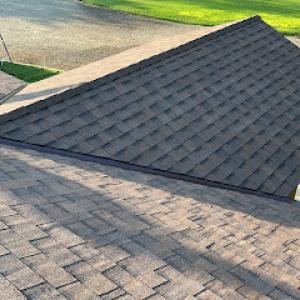
Jacobo Roofing delivers top-tier roofing solutions in Farmersville, California. As experienced roofing contractors, they expertly handle everything from residential composition roofs to durable metal roofing systems. Whether you need a complete reroof, a fresh new installation, or prompt roof repairs, Jacobo Roofing has you covered. They also specialize in TPO commercial roofing and beautiful tile work, offering reliable roofing expertise for both homes and businesses.

All Valley Roofing & Tiles
(559) 347-8232 www.allvalleyroofing.com
Serving
5.0 from 17 reviews
Founded over 30 years ago, All Valley Roofing and Tiles, LLC has become a trusted name among roofing contractors in Fresno, CA. From our beginnings as a small roofing company, we’ve expanded to serve commercial roofing services and residential roofing services clients throughout the region. Over the decades, we’ve built a strong reputation for quality workmanship and dependable results. What makes us stand out is our ability to provide both services and materials.
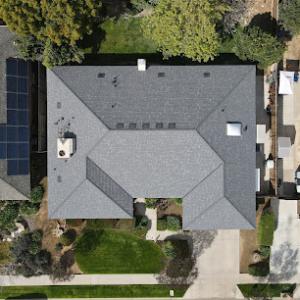
New View Roofing
(559) 326-8683 www.newviewfresno.com
Serving
4.8 from 52 reviews
New View Roofing is rooted right in the heart of California, we're a local, family-run business with over 50 years of roofing expertise. At New View Roofing, we’re passionate about providing your home with the exceptional roof it needs, blending high-quality service with a personal touch you won't find elsewhere. Whether it's repair work, a complete replacement, or regular upkeep, we use only the finest materials and pay close attention to every detail. But to us, it's more than just roofing—it's about building trust, keeping you informed, and ensuring your satisfaction from start to finish. In need of roofing experts? Reach out at 559-326-8683. Let’s enhance your home together, giving it a fresh perspective with New View!
Authentic Roofs
(559) 916-5251 authenticroofsfresno.com
Serving
5.0 from 16 reviews
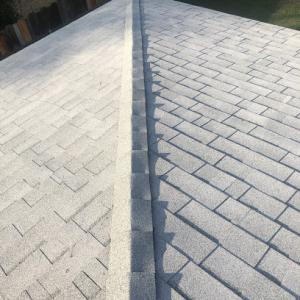
Authentic Roofs CSLB # 1082362 is a family owned top quality roofing company with more the 15 years of experience. If you are in Need of a new roof, roof repair or even just roof maintenance give us a call and get a free estimate!
Castone Roofing & Construction
(559) 840-5178 www.castoneinc.com
Serving
4.8 from 27 reviews
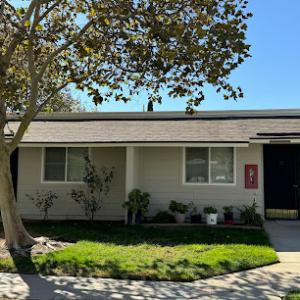
We have a team of professional and experienced roofers that can install or fit new roofs, give periodic maintenance and make any kind of repair. We are able to handle any residential or commercial roofing task or project. From flat roofing to gutter replacements, from full roof installations using slate, tile, asphalt and rubber (single ply) to fiberglass. We can manage any roofing project regardless of size or complexity. Castone can also build new patio structures, interior and exterior paint, and full kitchen remodels.
Allstate Spray Foam Roofing
(559) 785-2726 allstatesprayfoamroofing.com
Serving
5.0 from 12 reviews
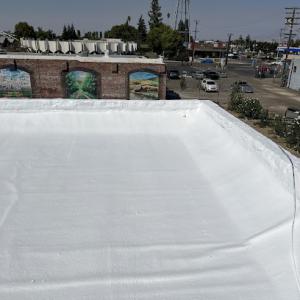
Allstate Spray Foam Roofing, a division of Allstate Spray Foam Insulation. Lic #C-2-1052735 We are a family owned company that has been in the spray foam business for over 20 years. Spray polyurethane foam (SPF) is a spray-applied plastic that is widely used to insulate buildings and seal cracks and gaps, making a building or home more energy-efficient and comfortable temperature wise. SPF insulation is known to resist heat transfer extremely well, and it offers a highly effective solution in reducing unwanted air infiltration through cracks, seams, and joints.

Roof Doctors Fresno County
(559) 272-7878 theroofdoctors.net
Serving
4.7 from 64 reviews
"Nobody inspects, repairs and certifies more roofs or solves more roof leak problems in the Central Valley Area." Over 300,000 roofs inspected. We do complimentary roof inspections with detailed reports that include pictures. Reports sent within 24 hours of inspection. We are a licensed roofing contractor that offer repairs, replacment bids, gutter cleaning bids, gutter guard installs, and general roof maintenance. Service in the following Central Valley counties: San Joaquin, Stanislaus, Merced, Madera, Fresno, Kings & Tulare Counties.
In this market, the baseline costs per square for common roof types are clearly shaped by local material preferences. For asphalt shingles, plan on 350 to 700 USD per square. Metal roofing sits higher, roughly 700 to 1100 USD per square. Clay tile ranges from 1100 to 1800 USD per square, while concrete tile runs 1000 to 1700 USD per square. Wood shingles or shakes typically land around 800 to 1200 USD per square, and synthetic or composite shingles fall in the 600 to 1000 USD per square band. These figures reflect typical material and basic install, but actual bids can drift based on roof complexity and crew availability.
Costs in Reedley are strongly affected by the local prevalence of heavier tile systems. When a project involves tear-off, disposal, underlayment replacement, and any needed deck or support corrections, labor time rises, and that adds to the bottom line beyond the material price. A tile reroof frequently requires more careful sheathing inspection and sometimes reinforcement, especially on older homes or ones with marginal deck conditions. If a previous layer exists, plan on a longer removal and waste cycle, which pushes bids higher than a simple composition tear-off. In practice, even when tile materials are within the quoted range, crews may charge more for the extra handling, which is common in the area.
Scheduling pressure typically rises in spring and fall because homeowners and contractors try to avoid peak summer heat and winter rain. In Reedley, that means tighter windows for crew availability, and crews may run backlogs that extend timelines. If you're coordinating a replacement when heavy tile is involved, consider factoring additional lead time for underlayment and potential deck work, since those steps can dominate the schedule when conditions are hot and dry or damp and foggy. A thoughtful plan aligns material delivery, tear-off, and lapses in rain into a single window, reducing the risk of weather-driven delays and keeping costs more predictable.
Permitting for reroof projects is a standard step you'll encounter on most homes here. In practice, the process is coordinated through the local City or County building department depending on jurisdiction, so you'll want to verify which agency is responsible before any material removal begins. Working through the correct office helps ensure that your project aligns with local wind, fire, and reflectivity requirements, which can influence underlayment choices and venting details for the heat and tule-fog cycles that trademark this valley climate. Clear communication with the building department also helps minimize delays should inspections or documentation questions arise once work starts.
In Reedley, a permit workflow typically expects submissions that include project scope, roof venting and attic ventilation details, and a plan for debris containment and safety. Even if the roofing system is a straightforward replacement, the review may note specific local considerations such as attic ventilation adequacy for summer heat and moisture control during winter. Be prepared to supply product specs, installation methods, and a staged timeline to demonstrate compliance with local standards. Understanding these expectations upfront can prevent rework and keep the project moving on schedule.
Reroof projects in this area commonly schedule inspections in two major checkpoints. The first is an underlayment inspection, which happens after roof deck work and underlayment installation. This stage is critical because the underlayment must lay flat and seal properly to provide a moisture barrier through the hot season and any winter moisture that finds its way into the valley. The second major milestone is the final inspection, conducted after shingles, tiles, or other coverings have been installed and all penetrations and flashing details have been completed. Planning around these two stops helps align the crew's sequencing with inspection windows and avoids last-minute adjustments that can stall the process. If the project uses a roof with tile or high-profile layouts, expect a potential third check for flashing around chimneys, vents, or dormers, depending on how the county or city interprets the plan review.
A practical local compliance detail to confirm before tear-off begins is whether a permit card must remain visible on site during the project. Some jurisdictions require that the card stay posted until the final inspection is approved, serving as a quick reference for inspectors and neighbors alike. Ensuring the permit card is displayed prominently can prevent inadvertent stop-work orders or confusion during staged inspections. Keep a dedicated, weather-protected spot for the card and ensure it's legible from a reasonable distance. This small step supports steady progress through both the underlayment and final inspections, aligning with the seasonal rhythm of Reedley's heat and moisture patterns.
Reedley's cool-season rain pattern can catch an exposed roof off guard if tear-off and dry-in aren't tightly sequenced before winter storms roll in. If a roof project drags into fall without a clear, weather-locked plan, moisture can seep into decking and underlayment, accelerating wear and inviting rot. You need a coordinated window: remove old coverings, install a quality underlayment, and complete flashing and ventilation work before the first strong storm. When a forecast shows back-to-back rain events, pause any ongoing work and tarp exposed areas securely. A rushed dry-in with gaps invites costly moisture damage that doubles the life-limiting heat and moisture cycle you're already facing in this climate.
Occasional fall wind events in the eastern San Joaquin Valley can disrupt debris control, underlayment staging, and safe tile or shingle handling on open roofs. Before a windy spell, clear the job site of loose debris and secure all materials on the roof deck. Set up robust edge protection and use tarps that won't billow or tear free during gusts. For tile or high-profile shingle projects, plan staging and transport of materials for calm mornings or evenings, not during peak gusts. If a fall wind warning hits, halt lift operations, double-check fasteners, and re-secure any tiles or shingles that may have shifted. Your crew should practice a quick-response drill for sudden wind events to prevent costly rework and water intrusion.
Spring weather in Reedley can be variable, with gusts and passing storms that complicate start dates even before the hottest part of summer arrives. Do not pencil in a hard-start date without a contingency plan for cool fronts and off-and-on rain. Coordinate with the crew to have all critical components pre-staged and inspected so a favorable dry window can be seized quickly when it appears. If spring storms threaten, keep underlayment and flashing protected until a dry stretch is confirmed. This can save weeks of delay and preserve roof integrity through the transition to summer heat.
Keep a rolling plan that ties together weather forecasts, material staging, and crew rotation. Prioritize a complete dry-in before the first sustained cool-season rain, align fall-debris controls with wind forecasts, and set flexible start dates for spring weather swings. In Reedley, timing is the key to resisting the combined assault of heat, moisture, and wind on a roof. Stay proactive, stay weather-aware, and your roof will outlast the season's challenges.
Reedley homeowners are dealing with California's broader hardening insurance market, where some carriers are tightening underwriting and asking for roof age, condition photos, and replacement documentation before binding or renewing coverage. That means the decision to insure or continue coverage can hinge as much on documentation as on roof condition. The risk posture here is shaped by statewide wildfire caution, recession risk, and a more selective appetite from carriers, not just local storm history. Sleep better knowing that a proactive approach to presentation can make a material difference when a carrier looks at the policy renewal or a new quote.
For roof claims or underwriting reviews, homeowners in Reedley should keep itemized estimates, date-stamped photos, and proof of permit and final inspection because carriers increasingly ask for complete documentation. If a roof is near or past its practical life, expect requests for age, prior work details, and any major repairs. The more thorough the file, the smoother the process tends to be. In practice, that means you should maintain a clear sequence of work, contractor invoices, and a simple calendar trail showing improvements over time.
Insurance decisions in Reedley are influenced less by hail history and more by overall California carrier pullbacks, wildfire-related market caution, and roof-condition scrutiny. The combination of extreme summer heat and winter moisture elevates roof stress, especially for aging or poorly ventilated roofs. The consequence is a tighter underwriting lens and a higher bar for renewal confidence. Keeping a current, well-documented record reduces surprises and supports steadier coverage as conditions and policies shift.
A common reroof decision in Reedley is often composition versus tile underlayment replacement, driven by heat and moisture cycling rather than frequent hail. The central Valley climate pushes underlayment and ventilation to the forefront, since prolonged summer heat accelerates deck and shingle aging while winter moisture challenges can lead to hidden rot. Your choice matters for long-term durability and re-roof timing.
Tile systems remain a staple for curb appeal and durable lifespans when properly underlaid and vented, but their weight and the need for a solid deck are real factors. If you prefer a tile look without the structural burden, synthetic or composite options can mimic the appearance with lighter weight and easier installation. In any case, prioritize a high-quality underlayment that resists both heat degradation and moisture migration, plus an advanced ventilation plan to cool the attic space during peak heat.
Metal roofing can perform well in Reedley's heat, especially for long summers, but attention to expansion joints, fastener countdowns, and panel alignment is essential. You'll want contractor oversight on expansion details to prevent panels from buckling or leaking as temperatures swing. Also plan for attic heat management: a well-sealed attic with appropriate vents helps minimize heat transfer into decking and insulation, extending roof life.
Synthetic or composite shingles offer tile-like aesthetics with easier handling and reduced weight, which can lower structural and labor burdens compared to full tile systems. They respond better to rapid temperature fluctuations than some traditional materials, provided installation specifications are followed and underlayment is compatible with the product. This option can be particularly appealing if your home's structure or budget discourages heavy tile retrofits.
In Reedley, the best path blends careful underlayment choice, robust ventilation, and a material that aligns with deck capacity and attic climate control. Whether you lean toward composition with upgraded underlayment or tile-inspired synthetic options, a well-planned setup reduces climate-driven wear and helps you time replacements more accurately.