
Last updated: Apr 19, 2026
In this valley, carriers expect detailed photo documentation before authorizing any roof work. When a hailstorm or wind event hits, adjusters often request a before/after sequence showing the full roof, edges, vents, and any visible damage. Your best move is to photograph the roof promptly from multiple angles, then again after any temporary repairs are made. Keep a dated record of weather events and any contractor communications. If a claim lingers because photos are missing or unclear, the window for quick authorization narrows-especially when spring hail systems collide with the start of the main roofing season. Don't wait for the mail to deliver the photos; upload them during the first 24 to 48 hours after the event and keep backups. In practice, this means acting immediately, coordinating with a local, reputable contractor who understands how to document hail-related damage in this environment, and providing clear, high-resolution images that clearly show granule loss, dented metal, torn underlayment, and damaged flashing.
Spring in this market is when claim volume spikes because hail activity often overlaps with the primary roofing season. That overlap creates adjuster backlogs and contractor scheduling pressure that can drag on for weeks. If a roof is older or if the hail exposure is severe, the risk of delayed coverage decisions rises. The practical consequence is that repairs sometimes stall while files queue, and temporary leaks become a bigger concern. Your plan must be proactive: line up a trusted local contractor before the first strong spring system, set expectations with the insurer about timely inspections, and reserve a clear window for a coordinated visit. Communicate the urgency to your insurance representative and your contractor, and request a specific appointment cadence so neither side loses momentum. If weather or backlog delays approvals, keep the project moving with temporary, code-compliant mitigation that prevents further interior damage while a decision is made.
Coverage decisions in this market frequently hinge on three anchors: the roof's age, the material type, and whether the assembly meets wind-uplift standards observed during local permitting and inspection. Older roofs may be deemed at end of life, reducing the likelihood of full replacement or shifting the scope toward repairs. Durable materials with favorable wind uplift ratings-like certain metal or high-performance synthetic options-carry different implications than older shingles or lighter tile assemblies. A precise appraisal should compare the existing roof's structure, underlayment, fasteners, and flashing design against the wind-uplift expectations commonly noted during inspections. If a roof lacks adequate uplift resistance, the insurer may require reinforcement or replacement to meet current standards before approving work. The key is to align documentation, material selection, and installed performance with what the local inspection cadence already demands. When in doubt, request a pre-inspection with the contractor to gauge uplift compliance and to identify any weak points that could become claim-based sticking points later. Acting with that clarity helps keep the process efficient and reduces the risk of a denial or forced changes after the facts have shifted.
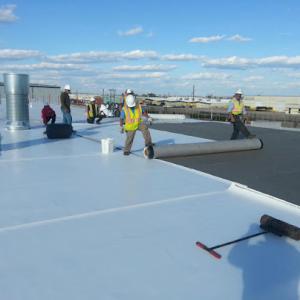
Centerline Roofing
(719) 320-8916 www.centerlineroof.com
Serving
4.8 from 90 reviews
Centerline Roofing is a residential and commercial roofing contractor specializing in reroofing, recovering, designing, engineering, green roofs, solar roofs, insurance claims, and preventative maintenance programs for commercial roof systems. We are based in Colorado Springs and cover the entire Colorado front range as well as mountain towns throughout Colorado.
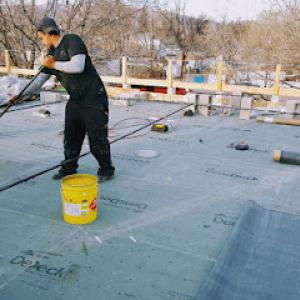
DiRito Roofing & Claims
(719) 431-0818 diritoroofingandclaims.com
Serving
4.4 from 9 reviews
DiRitos is a name you can trust. Our family has provided Quality Products and Services to Canon City and Fremont County more than 66 years. General Contractors, Roofing and Gutters, Storm Claim Assistance, New Construction, Home Building, Roof Trusses, The 1st Pizza Restaurant, Real Estate and much more. The owners installed their 1st Roof in Lincoln Park, lasting and providing safety to its owners for more than 35 years before Replacement. Over the past two years we have helped commercial & residential customers get more than $2m in insurance funds inspected, approved, reconstructed, and paid out. More than a Roofing company. We're here to help, and ensure the fairest recovery possible. Your Claim is more than numbers on paper.
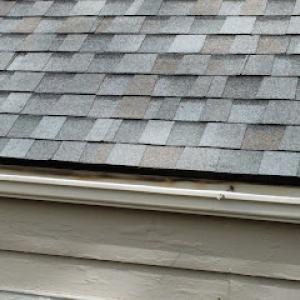
Farha Roofing
(719) 204-4726 farharoofing.com
Serving
4.6 from 10 reviews
Farha Roofing is your expert residential and commercial roofing contractor serving Canon City and surrounding communities. Our local roofing contractors concentrate on high-quality work with affordable pricing. Rest assured that our local roofers will complete all your roofing projects on time and with professional-level craftsmanship. We are licensed and registered to help you handle any storm damage or other insurance-related claims. Our focus is to build a lasting relationship with our customers and provide a seamless experience when looking for a reliable roofer.
Marshall Contracting
(314) 757-1121 www.marshallcontracting.biz
Serving
4.1 from 18 reviews
Marshall Contracting is a trusted Saint Louis remodeling and exterior services company specializing in kitchen and bathroom renovations, roofing, foundations, siding, and concrete flatwork. As a family-owned business, we focus on quality craftsmanship, honest pricing, and customer satisfaction—earning us an A+ Better Business Bureau rating. From interior upgrades to full exterior transformations, our experienced team works closely with homeowners to deliver seamless, stress-free results. Let us help you turn your home into a space that fits your style, needs, and long-term value.
Armijo Roofing
(719) 994-4364 armijoroofs.com
Serving
We have 18 year's of roofing experience and we offer free Estaments we are a licensed and insured company!!!
Canon City's semi-arid climate subjects roofs to strong UV every sunny day, with hot summers that accelerate drying, granule loss, and surface aging on asphalt-based products. The result is faster weathering of the shingle surface and a higher likelihood of micro-cracks that can invite moisture intrusion if flashing or underlayment laps aren't fully protected. To mitigate this, you'll want to inspect asphalt shingles after peak heat periods for signs of granule loss, especially on southern exposures and valleys where heat concentrates. Match the aging pattern to your roof's orientation and plan proactive resealing or re-lapping of vulnerable edges before a heavy storm season begins.
Cold winters followed by sunny daytime warming create freeze-thaw stress that can open vulnerable flashing points and underlayment laps. In practice, that means you should pay special attention to roof edges, chimneys, vents, and transitions where ice damming can force water under the flashing. If you're reroofing or resealing, ensure all flashings are integrated with a durable sealant system and that underlayment laps are overlapped with cold-weather compatibility. After a cold snap, inspect for hairline gaps around penetrations and reseat any compromised flashing promptly to avoid ice-related damage when the sun returns.
Summer thunderstorms and gusty winds in the valley can disrupt tear-off and installation days even when the broader forecast looks workable. In practice, scheduling windows should consider predicted wind gusts and hail risk, with contingency plans for on-site staging and secure material storage. During high-wind days, temporary roof protection or delaying a critical tear-off can prevent wind-driven debris from compromising exposed underlayment or newly installed components. If shingles are being replaced in a storm-prone season, double-check that fasteners are installed to the manufacturer's wind-rated guidelines and that all edges are properly sealed to resist wind uplift.
Different roof types respond distinctly to Arkansas Valley stress patterns. Asphalt aging accelerates under UV; metal roofing handles heat but demands careful sealant management at joints; tile systems must manage freeze-thaw cycles around fasteners and laps. Establish a seasonal inspection cadence that targets critical points: penetrations, edges, hips and ridges, and any areas showing prior wear. In Canon City's climate, proactive maintenance is not just about preserving appearance-it's about preventing small issues from becoming costly failures when sun, hail, and wind converge.
Asphalt shingles remain common because they fit the local price point, but in this sun-and-hail exposure they need close attention to impact resistance and heat aging. You'll want shingles with high impact resistance ratings and good UV stability, since the Arkansas River valley sun can bake roofs for long stretches in summer. Look for products that specify Class 3 or higher impact resistance and reflective or IR-rated granules to slow heat buildup. In homes with shallow pitches or limited overhangs, consider upgrading underlayment and ventilation to extend the life of an asphalt system, reducing the cadence of replacements after severe hail events.
Metal roofing is especially relevant locally because it handles hail and wind better than many lighter systems, but noise expectations and trim detailing matter during summer storm season. If you're near open terrain or in a gusty valley corridor, metal can resist dents and movement better than asphalt, and its longevity under freeze-thaw cycles is favorable. Plan for a solid attachment strategy and a well-sealed perimeter to minimize wind-driven leaks. Noise can be mitigated with solid sheathing, additional attic insulation, or a sacrificial underlayment layer. Pay attention to trim detailing and flashing where storms push across ridgelines; a professional who understands local hail patterns will tailor fasteners and sealants to hold up through rapid summer downpours.
Clay and concrete tile fit Southern Colorado architecture and heat performance, yet their weight, breakage risk in hail events, and replacement logistics can complicate repairs in Canon City's smaller contractor market. Tile offers excellent heat deflection and a long service life when installed on a properly engineered roof deck. However, the risk of breakage under hail is higher than with other common systems, and a smaller local crew may struggle with tile replacement logistics after a storm. If you choose tile, ensure structural compatibility and have a plan for rapid sourcing of replacement tiles and skilled installers who can match profiles and colors to maintain curb appeal after hail-related damages.
Across all options, a key decision factor is how your roof handles extreme sun, hail, and wind within a narrow market. Insulation and ventilation choices should align with the roof type to manage interior temperatures and moisture. Look at how the roof detail handles transitions-chimneys, skylights, vents, and parapets-as these are common failure points after severe weather. In a hail-prone and wind-rich climate, your best choice balances upfront durability, ease of maintenance, and local repair accessibility, rather than chasing the latest trend. A thoughtful roof selection, paired with a resilient installation, sets the stage for fewer surprises when spring storms roll in and hail season tests the neighborhood roofs.
In this market, your roofing budget should be keyed to per-square costs that reflect real local conditions. Asphalt shingles typically run 350 to 750 per square, metal between 600 and 1100, clay tile 1200 to 1900, concrete tile 1000 to 1700, wood shingles or shakes 500 to 1000, and synthetic or composite shingles 700 to 1200. Those ranges account for Canon City's mix of high-desert sun, spring hail, gusty storms, and winter freeze-thaw cycles, plus the fact that local crews and material supply can shift quickly after a hail event.
Spring hail can tighten up lead times across Southern Colorado, and Canon City often sees a spike in demand that drives labor shortages and longer wait times. If a hail event hits, expect the best scheduling and price certainty to occur when several weather cycles pass and contractors reallocate crews. In practice, that means if you're evaluating reroof options in the spring, you may pay a premium for faster installation and material availability. Planning ahead outside peak hail months can help keep bids closer to the midpoints of the ranges above.
Tile systems-especially clay and concrete-tend to cost more locally when material sourcing and experienced installers are limited compared with larger Front Range markets. Tile, metal, and specialty synthetic systems can command a premium when local supply chains are tight or installers with specific expertise are scarce. Asphalt shingles remain the most price-stable option for budget-conscious projects, but note that their long-term performance under intense sun and freeze-thaw cycles should factor into your reroof decision. If a longer life with less maintenance is desired, weighing the up-front premium of tile or metal against the expected lifespan and repair frequency is worthwhile in Canon City.
Start with a standardized per-square estimate across the roof's square footage to build a baseline, then layer in site-specific factors: attic ventilation, roof slope, and any roof deck refinishing needs after hail. If a preferred material sits near the upper end of its range, ask the contractor to itemize ballast like underlayment upgrades, fasteners rated for high winds, and mineral granule retention strategies, since these touch the performance envelope in our wind-prone, sun-intense climate. Finally, request a phased schedule that aligns with anticipated weather windows to minimize exposure and reduce the risk of weather-related delays.
A full reroof in Canon City typically requires a building permit, and the contractor usually applies for the permit and pays the fee. In this market, the permit process is not something to wait on until the last minute, because a hold at the permit desk can stall your project and push your completion date into severe weather windows. Expect the permit to be tied to the plan set you and your contractor agree on, including underlayment choices and fastener schedules. If your roof is part of a broader exterior upgrade, make sure the permit package reflects any changes to eave detail, venting, and attic access. The key is clarity: if a detail is unclear on the application, ask for a quick clarification rather than risk a delay that could ripple through a project that depends on dry stacking of materials and favorable weather.
Inspections are commonly scheduled at pre-sheathing or underlayment stage and again at final completion rather than only at the end of the job. In Canon City, this sequencing matters because the valley of your climate-strong sun, hail events, and rapid freeze-thaw cycles-places extra emphasis on early moisture management and fastener integrity. Pre-sheathing or underlayment checks catch missteps before shingles or metal panels go on, reducing the chance of costly rework. A final inspection confirms that the roof system, vents, and flashings are correctly installed and that the overall assembly aligns with the approved plan. If an inspection slips or a correction notice is issued, address it promptly-weather windows can close quickly, and delays often lead to re-inspection fees or scheduling conflicts with storm seasons.
Canon City's building department pays close attention to underlayment, nailing patterns, and wind-uplift requirements, and missed notes can trigger re-inspections. Underlayment material and installation must follow the specified pattern and overlap to prevent early water intrusion during hail surges or gusty spring storms. Nailing must meet wind uplift ratings for the chosen roofing material, whether asphalt, metal, or tile, and fastener sizing should align with climate expectations for high-desert exposure and freeze-thaw cycles. Any deviation from approved notes-such as mismatched fastener schedules, missing vented soffits, or incorrect drip edge placement-can prompt a hold and another inspection. Communicate with the inspector proactively: if a drawing or note seems ambiguous, request a clarification in writing before proceeding. The practical consequence is simple-stay on top of documentation and confirmed details to keep your reroof moving, even when sudden weather or material delivery hiccups occur.
Winter snow and freezing temperatures can delay access and make tear-off, sealing, and crew safety more difficult. If you're facing a late-season freeze, scheduling becomes a two-step process: first secure clear-cold-weather days with your crew, then plan for a window where temperatures stay above freezing for several days. In Canon City, winter weather can swing quickly, so you want a plan that allows flexibility for thaw days and short workups when roads and driveways are still slick.
The dry season is your best bet for a reliable reroof, but timing must align with local patterns. Homeowners often try to schedule around both spring hail disruptions and late-summer thunderstorm patterns. Aim for a stretch when the humidity is lower and afternoon thunderstorms are less likely to roll in, typically avoiding the peak of spring hail risk and the late-summer monsoon tendency. A tight, weather-aware schedule helps reduce tear-off delays and interior exposure, especially on mid-size to larger roofs.
Autumn can look favorable locally, but sharp temperature swings and early snowfall can shorten the safe installation window faster than homeowners expect. Plan to start early enough in the season to complete before mid to late fall, when the first cold fronts can hit. Dry, calm days with moderate temperatures are ideal for sealing and shingle adhesion, so keep a couple of backup dates ready if the forecast shows a sudden cold snap.
Even in the shoulder seasons, quick shifts in weather can trap a project mid-way. Build in buffer days for forecasted storms and consider temporary tarping if a late storm appears during tear-off. Coordination with residents and street access matters in Canon City, where street parking and alley work can clog a tight schedule. Regular checks of the forecast and a lean crew plan help keep your project on track when the sky looks unsettled.
In a setting like this Arkansas River valley, asphalt roofs rarely fail from a single flaw. Instead, you see a blend: hail bruising that dings the surface, wind-lifted tabs ready to peel, and UV-driven wear that dulls color and accelerates granule loss. The same panel might show small dents and a few loose edges, signaling that the system is aging in multiple areas at once. The practical takeaway is to treat an asphalt roof as a network of vulnerable points rather than a single failure point. Look for edge curling, accelerated granule shedding, and soft spots that appear after strong spring or early summer storms.
Tile roofs in this area often experience impact breakage and underlayment aging as separate issues. A visible broken tile is not always the whole story; the tile may be cracked while the underlayment beneath shows signs of wear or water infiltration. In Canon City's sun-baked climate, underlayment can degrade faster than the surface tile, especially where tiles have fractured but the roof deck remains compromised through small, creeping leaks. When you spot individual broken tiles, inspect closely for accompanying signs of moisture intrusion, such as staining in the attic, and plan for a broader assessment beyond replacing the visibly damaged pieces.
Wood shingles and shakes are not as forgiving in this desert-meets-high-sun environment. Dry conditions and intense UV exposure accelerate drying, leading to curling, splitting, and surface weathering, even if a roof has been well maintained. Poor ventilation or infrequent cleaning compounds the problem by trapping heat and moisture. If maintenance slips, service life shortens noticeably, with edge warping and accelerated granule loss in shaded or sometimes damp micro-niches. The early-warning signs are hairline splits near edges, dark streaking, and a pattern of uneven color that worsens after seasonal swings.
Colorado's high-claim hail environment means claims reviews can hinge on how clearly the roof's story is told. When a hailstorm drops, insurers expect date-stamped photos, close-ups of visible damage, and full-slope context shots. The closer you document the roof as it sits, the stronger your position becomes if an adjuster questions whether damage is recent or age-related. In this market, a well-timed, precise record can save both time and confusion.
Adjusters in this region may compare storm damage with prior wear, so documenting roof age, prior repairs, and material type is especially important before temporary fixes are made. You'll want to note any prior patches, patchwork, or color changes that might affect how the current damage is interpreted. If a repair was done months or years earlier, capture those details with dated photos and a quick note in your file. This helps establish a truthful timeline when conversations turn to cause and extent.
Because Colorado is a high-claim hail market, the specifics of each photo matter. Take wide-angle shots to show the roof slope and overall condition, close-ups of impacts or bruising on shingles or tiles, and any signs of granule loss. Include داخلments such as ridge lines, flashing, and sunset glare-free close-ups that reveal soft spots or lifted edges. For wind-related concerns, focus on uplift indicators around edges and vents. Keep a dated log of when photos were taken and under what weather conditions.
Wind-uplift details and installation quality can affect claim discussions locally, making permit records and inspection sign-offs useful supporting documents. If a roof shows raised tabs, missing fasteners, or compromised underlayment near hips and ridges, document those areas thoroughly. Compare current conditions with the original installation type, and note any discrepancies that might influence how an adjuster weighs wind-related damage versus material wear over time. This careful record-keeping can shape the outcome of a settlement.