
Last updated: Apr 19, 2026
Spring in this high-desert Front Range corridor brings sudden hail and gusty winds that can pummel roofs in a single afternoon. You'll see shingles peeled back, granules washed away, and dented metal edges, all while contractors juggle tighter windows after the weather. The rush to lock in a credible claim collides with a surge in demand, so inspection timing and contractor availability can slip from "soon" to "weeks." Plan for a rapid response by setting expectations with your insurer and your roofer: the first 24 to 72 hours after a major event is when the most damage shows up, especially on roofs that faced hail or wind-driven impacts.
Colorado's insurance market leans hard on documentation, and Pueblo claims often demand stronger photo evidence, detailed date-of-loss records, and a clear cut between new storm damage and pre-existing wear. Take fresh, well-lit photos from multiple angles of every vulnerable area: roof surface, flashing, skylights, vent pipes, gutters, and any interior staining that could indicate leaks. Time-stamped shots help establish the exact moment the damage happened, which matters when the wind and hail patterns are bouncing around. Keep a simple damage log: note the date you observed damage, the weather conditions, and any prior roof issues that existed before the storm. The more you can show that new damage followed a specific storm event, the smoother the claim becomes.
In Pueblo, storm-driven roofing demand spikes can affect both inspection timing and contractor availability after major spring weather events. If you wait to call, you risk longer gaps between detection and repair, which can compound leaks and interior damage. Reach out to a local roofing professional who has a track record with hail season and can coordinate an inspection quickly. Ask about their process for prioritizing high-risk roofs, rainouts, and supply delays. When storms hammer the area, the window to secure a reliable adjuster inspection tightens, so lining up a trusted roofer and an adjuster-ready plan in advance reduces chances of a recurring setback.
A core challenge is separating storm-caused issues from pre-existing wear and age-related deterioration. Clear, labeled photos help, but also include a simple note on each area: whether damage looks recent, whether there are new impact marks, and whether flashing or underlayment shows signs of weathering that predate the current event. An experienced adjuster will scrutinize soft spots, granule loss patterns, and edge damage differently depending on whether it aligns with the most recent hail line or pre-existing aging. If you have prior claim history, keep those records accessible; insurers will want to compare the latest damage to prior claims to avoid double-dipping or missed pre-storm deterioration.
Start with a rapid roof and exterior assessment, ideally within 72 hours of a major hail event. Gather and organize photos, logs, and any interior signs of leaks, then share them with your insurer and chosen contractor in a single, clear package. Request a written scope of work from the contractor that explicitly differentiates new storm damage from pre-existing wear, and ensure the adjuster's conclusion aligns with that scope. Finally, confirm scheduling priority with your roofer for the earliest feasible inspection and repair window, recognizing that after big storms, the calendar can fill quickly-and that delay can translate into escalating interior damage in the attic and ceilings.
Find local contractors experienced in assessing and restoring roofs after hail, wind, and severe weather events.
Patriot Roofing
(719) 716-7663 patriotroofco.com
503 N Main St #611, Pueblo, Colorado
5.0 from 113 reviews
Colorado Front Range Roofing
(719) 542-2330 www.coloradofrroofing.com
4289 N Elizabeth St, Pueblo, Colorado
4.9 from 233 reviews

Colorado Roof Builders
(719) 399-3995 coloradoroofbuilders.com
301 N Main St #111, Pueblo, Colorado
5.0 from 31 reviews
Patriot Roofing
(719) 716-7663 patriotroofco.com
503 N Main St #611, Pueblo, Colorado
5.0 from 113 reviews
Patriot Roofing is a locally owned and operated roofing and exterior insurance restoration expert passionate about assisting property owners across Southern Colorado.
Colorado Front Range Roofing
(719) 542-2330 www.coloradofrroofing.com
4289 N Elizabeth St, Pueblo, Colorado
4.9 from 233 reviews
Colorado Front Range Roofing provides residential and commercial roofing services to the Pueblo, Pueblo West, Canon City, and Colorado Springs, CO areas.

Colorado Roof Builders
(719) 399-3995 coloradoroofbuilders.com
301 N Main St #111, Pueblo, Colorado
5.0 from 31 reviews
Residential/Commercial Roofing Specialty Slate, Clay Tile, EPDM, TPO, and more. Free Estimates Locally owned Over 30 years of experience
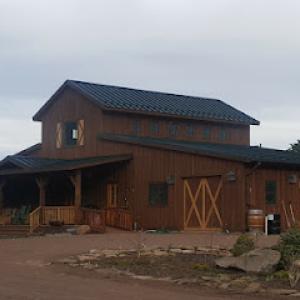
Adame Roofing
(719) 369-9055 adameroofing.com
810 S Norwood Ave, Pueblo, Colorado
4.8 from 123 reviews
Recipient of the Best of Pueblo 2024 award for exceptional roofing services. Adame Roofing is a trusted roofing company in Pueblo, providing top-tier roofing solutions with years of hands-on experience. Our licensed and insured team of professional roofers in Pueblo specializes in roof repairs, replacements, and new installations for homes and businesses. As a reliable roofing contractor in Pueblo, we focus on quality materials, expert craftsmanship, and customer-first service. Whether it’s storm damage or a complete upgrade, we deliver fast and dependable roofing services in Pueblo that stand the test of time. Call today for a free estimate from your local roofing pros.

PC Roofing & Gutters
1340 W Northern Ave, Pueblo, Colorado
5.0 from 15 reviews
PC Roofing and Gutters specializes in high quality roofing, gutter installation, siding, window installation, appliance installation and several other handyman and remodeling services in the Pueblo and Pueblo County area. From sheet rock and painting, to door replacement and general household repairs, PC Roofing and Gutters does just about everything you need when it comes to handyman repairs. Give PC Roofing and Gutters for more information and ask about a free quote today!
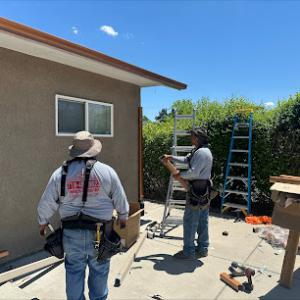
L. E. Roofing
2110 E 4th St, Pueblo, Colorado
4.6 from 32 reviews
L.E. Roofing is a trusted roofing company in Pueblo, CO, specializing in roof repair, roof replacement, storm damage restoration, and inspections for both residential and commercial properties. With years of hands-on experience and a commitment to quality craftsmanship, our local roofing experts ensure every project is done right the first time. We stand behind our work with dedicated quality control and honest, upfront service. Whether you're dealing with leaks, hail damage, or just need a reliable roofing contractor in Pueblo, L.E. Roofing is here to help. Contact us today for a free estimate and experience roofing done with integrity and care.
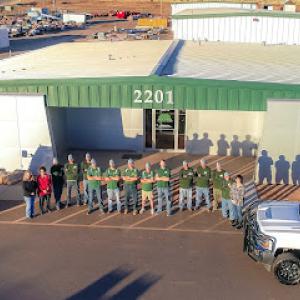
Drury Brothers Roofing Inc (Residential & Commercial Roofing Contractor, Installation, & Repair)
(719) 543-0600 www.drurybros.com
2201 I-25, Pueblo, Colorado
4.2 from 118 reviews
Drury Brothers Roofing, Inc. is southern Colorado’s trusted roofing contractor for residential and commercial roofing. We specialize in tile roofing, metal roofing, shingle roofing, and flat roofing installation, repair, and maintenance. Our services also include solar roofing, siding, and gutter installation, and storm damage repair to protect and enhance your property. Serving Pueblo, Colorado Springs, and surrounding areas, we are committed to quality craftsmanship and exceptional customer care. Whether you need roof repairs, a new roof, or exterior upgrades, Drury Brothers delivers reliable, lasting solutions. Contact us today for a free roofing consultation and discover why we’re southern Colorado’s premier roofing experts since 1985!
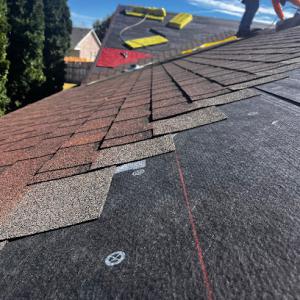
Hornet Roofing & Exteriors
(719) 299-8848 hornetroofing.com
106 33rd Ln, Pueblo, Colorado
4.3 from 41 reviews
Hornet Roofing – Southern Colorado’s Fastest, Friendliest Roofing Experts At Hornet Roofing, we’re raising the standard for roofing in Pueblo, Colorado, and surrounding communities. Locally owned and family-operated, we offer fast, honest, and professional roofing services with a focus on quality craftsmanship and outstanding communication. From storm damage inspections to full roof replacements, we handle everything—including permits and insurance coordination—so you don’t have to. What makes us different? ✅ 48-Hour Roof Inspections ✅ Permit-Handled, Fully Insured Work ✅ Solar-Ready Roofing Options ✅ Courteous, On-Time Crews ✅ Lifetime Warranty Options Available We proudly serve Pueblo, Colorado Springs, Fountain, and surrounding areas.

J Turner Roofing & Custom Finishes
(719) 545-4223 www.jturnerroofing.com
2811 3rd Ave, Pueblo, Colorado
4.6 from 18 reviews
Full service Roofing contractor from full roof replacement to roof repairs, roof coatings and Roof maintenance also providing interior exterior painting services drywall repairs home maintenance home remodel fencing insurance claim specialists water damage restoration We provide free inspections and free Estimates large variety of commercial and residential handyman repairs available. competitive pricing and price matching Over 45 years of combined experience serving the Colorado front range and Arkansas Valley Call today for your Free Estimate 719-545-4223

Cornerstone Roofing & Gutter
(719) 564-5470 cornerstoneroof.com
85 Precision Dr, Pueblo, Colorado
3.9 from 219 reviews
At Cornerstone Roofing & Gutter, integrity is the foundation of our business. For over 40 years, we have proudly served Southern Colorado, including Pueblo and Colorado Springs, providing top-quality roofing and gutter services. Our offerings encompass everything from residential roof construction and repairs to free roof inspections and comprehensive insurance claim assistance. As a testament to our commitment to our customers, we provide free estimates, allowing us to assess whether your roof requires repairs or a complete replacement. Our expert team is equipped to manage your roofing needs promptly and professionally, ensuring each job is done right the first time. Trust us for dependable service and unmatched craftsmanship.

Turner Roofing
(719) 545-2400 www.turnerroofingllc.com
4100 W 8th St, Pueblo, Colorado
4.0 from 45 reviews
Turner Roofing, is a locally owned and operated business originally founded in 1973 to provide quality, cost-effective roofing solutions to Southern Colorado area families. While we have grown since that time, we have kept our original commitment to quality and customer service. Our clients range from residential homes, individual businesses, to public corporations and government agencies. To maintain skills at peak levels, our staff is constantly retrained to be familiar with the latest systems, methods, materials, and safety techniques. This enables us to efficiently provide the answer to any and all roofing needs ranging from a minor repair to the largest replacement. We look forward to being of service to you.
Old World Roofing
(719) 214-7197 oldworldroofing.com
429 S Neilson Ave, Pueblo, Colorado
4.1 from 19 reviews
Old World Roofing delivers comprehensive roofing services to Pueblo since 1977. Our family-owned team combines 48 years of experience with Owens Corning Platinum Preferred and CertainTeed Master Applicator certifications. We specialize in residential and commercial roofing, hail damage repair, emergency services, plus gutters, skylights, and home insulation throughout Southern Colorado. From storm damage assessment to roof replacement with extended warranties—we're Pueblo County's most experienced roofing contractors. A+ BBB rated since 1991. Available 24/7 for emergencies serving all Pueblo neighborhoods including Belmont, Bessemer Park, and East Pueblo areas.
The dry, sunny climate here means roofs endure sustained UV while lingering heat tests the core materials of asphalt shingles more aggressively than in cooler, cloudier Colorado markets. UV rays bake through the surface, breaking down protective granules and accelerating granule loss. That loss leaves the asphalt vulnerable to further weathering, reducing wind resistance and increasing the likelihood of surface cracking and thinning. In practice, this translates to faster aging and more frequent maintenance cycles for shingles that would otherwise hold their color and flexibility longer in damp climates. If a roof only sees occasional summer heat, you might not notice quick wear; with day-after-day sun, the age indicators-curling edges, delamination at the exposed seams, and brittle shingles-show up sooner. The takeaway is to monitor for granule loss after the peak heat of mid-summer and to plan targeted maintenance for sections that show early aging signs.
Pueblo's daily and seasonal temperature fluctuations drive expansion and contraction across the roof system. The flashing around chimneys, vent stacks, skylights, and transitions experiences repeated stress cycles that can loosen seals or create micro-movement cracks. In practice, bright mornings followed by hot afternoons cause sealants to shrink and expand repeatedly, which over time can lead to flashing lift, nail heads popping, and staple or nail failure where fasteners anchor shingles or underlayment. The net effect is a higher propensity for leaks at joints and penetrations in mid-life roofs, especially if previous repairs used generic sealants that don't tolerate the local temperature profile. When inspecting, pay close attention to the condition of sealants, the integrity of any overlapping shingle edges at transitions, and the general tightness of vent flashings after a few warm days.
Spring hail is a defining factor in this climate, and impact patterns play into aging differently than in hilly or forested markets. Hail not only dents and cracks shingles but can also loosen protective coatings and expose underlying layers to accelerated deterioration. Wind-driven damage compounds this effect, often creating small breaches that water intrusion will exploit during the first thaw or summer thunderstorms. With ongoing exposure, those micro-damages coalesce into larger vulnerabilities if left unattended. Because insurance documentation tendencies here are frequent, a roof with evidence of recent hail impact-dented edges, missing granules in the hail path, or lifted shingles-needs a careful, dated record. Regular, proactive inspections after hail events help capture the extent of damage before it compounds into more extensive repair needs.
Shoulder seasons in spring and fall offer the most practical reroofing windows in this region because they dodge peak summer heat and winter access challenges. Cooler, stable conditions reduce the stress on underlayment and roofing materials during installation, helping to achieve a more durable crawl finish and fewer post-installation micro-cracks. Scheduling roofing work in these windows also minimizes heat-induced expansion during the installation process and reduces the risk of thermal shock to newly laid joints. If a full replacement is on the horizon, aiming for a shoulder-season project helps align material performance with the local climate, improving long-term resilience and extending the service life of the roof system.
A roof exposed to harsh UV and large temperature swings will benefit from a proactive maintenance plan that emphasizes early detection of aging signs and timely resealing of flashings. Regular inspections after spring hailstorms, followed by targeted repairs to flashing and fasteners, can prevent small issues from escalating. Consider prioritizing roofing materials known to fare well under intense sun and wide diurnal temperature ranges, especially in areas with high solar exposure. By aligning maintenance and replacement decisions with Pueblo's characteristic climate patterns, homeowners can optimize the roof's performance and lifespan in this high-desert setting.
Asphalt shingles remain common in Pueblo, yet the hot Front Range sun accelerates granule loss, brittleness, and earlier replacement timing. In practical terms, that means you'll see color fade and a rougher surface sooner than you might expect if your roof sits exposed to midday glare. For homeowners, that translates into shorter intervals between inspections after summer storms and a mind toward selecting shingles with higher granule retention and better heat aging resistance. When choosing asphalt, prioritize sealed openings around vents and chimneys, and consider a reflective shingle option to temper heat gain without sacrificing the familiar look of a typical home here.
Metal roofing suits Pueblo's sunny, dry climate because it sheds hail impact better than some lighter coverings and cools quickly under full sun. Local contractors actively offer metal, and it can lengthen service life with proper installation. Where the practical concerns show up is in detailing: wind-driven rain can exploit gaps around trim, and thermal movement can stress seams and fasteners. If choosing metal, invest in a secure ridge and flashing package, and ensure fasteners are corrosion-resistant and properly sealed. Pay attention to substrate movement and deck compatibility, since heat cycles and wind can reveal weak trim work over time.
Clay and concrete tile are established options in the current Pueblo market, offering a distinctive profile and strong life if installed correctly. The weight factor is real: heavier systems demand adequate deck capacity and reinforced framing. The risk of breakage during hail events also warrants attention to tile quality and the type of underlayment used. If tile is on the radar, ensure the deck structure can bear the cumulative weight and that replacement pieces align in weight, color, and form after storms. Underlayment condition matters more here, because a compromised layer beneath heavy tiles can spell faster deterioration when temperature swings stress joints.
Across all these options, Pueblo's high-desert climate imposes a practical rule: the condition of underlayment and deck affects the roof's life as much as the visible covering. Extreme day-to-night temperature shifts and hail impact mean that a robust secondary barrier, adequate ventilation, and sound deck integrity are non-negotiable in a Pueblo roof. If a contractor notes any deck weakness or underlayment wear, address it proactively before completing the new roof. Small upgrades-improved underlayment, better flashing, and temperature-conscious fasteners-can markedly improve performance in the region's outdoor conditions.
Explore specialists in steel, aluminum, and standing seam metal roofs built to last 50 years or more.
Colorado Front Range Roofing
(719) 542-2330 www.coloradofrroofing.com
4289 N Elizabeth St, Pueblo, Colorado
4.9 from 233 reviews
Colorado Roof Builders
(719) 399-3995 coloradoroofbuilders.com
301 N Main St #111, Pueblo, Colorado
5.0 from 31 reviews
Adame Roofing
(719) 369-9055 adameroofing.com
810 S Norwood Ave, Pueblo, Colorado
4.8 from 123 reviews
In this high-desert Front Range climate, Pueblo homeowners see practical, predictable ranges for reroofing based on material. Typical Pueblo material ranges run about $350-$700 per square for asphalt shingles, $600-$1000 for metal, $900-$1500 for clay tile, $800-$1400 for concrete tile, $600-$1100 for wood shingles or shakes, and $1100-$2400 for slate. Those numbers reflect ordinary labor, deck access, and typical tear-down or tear-off requirements. When you're budgeting, treat asphalt as the baseline and expect the others to scale up with weight, handling needs, and the extra detailing that unusual roof layouts demand.
Spring hail events tighten the market quickly. Reroof pricing can rise after hail because regional demand surges and crews are booked across Southern Colorado claim work. If your roof is hit and you need rapid scheduling, you'll likely see higher bids and tighter windows for materials availability. In practice, plan for notice-to-start gaps that stretch beyond a typical couple of weeks after a storm, especially for larger or more complex homes.
Costs in Pueblo also move with tear-off complexity, deck repairs found during inspection, tile handling, and whether unusual roof layouts trigger more review or detailing time. A simple roof swap on a standard single-story home can stay near the low-to-mid end of the ranges, but long-run roofs, multiple decks, or a roof with skylight or vent-heavy geometry will push toward the higher end of the per-square price. Tile and slate demand careful handling and extra labor, which shows up as higher costs and longer timelines. Hail-damaged components often require additional moisture barriers or metal flashing checks, nudging prices upward.
Asphalt shingles remain the most cost-stable option, with many Pueblo homes landing in the $350-$700 per square band if the tear-off is straightforward and the deck is sound. Metal roofing tends to hold value but can ride into $600-$1000 per square where a clean tear-off isn't required and punctures aren't an issue. Clay and concrete tiles push higher quickly, typically $900-$1500 and $800-$1400 per square, respectively, driven by weight, handling, and the need for precise tile layout. Wood shingles and shakes land around $600-$1100 per square, while slate is the premium at $1100-$2400 per square due to weight, cutting, and meticulous detailing.
Get a clear picture of your project costs upfront - no commitment required.
Colorado Roof Builders
(719) 399-3995 coloradoroofbuilders.com
301 N Main St #111, Pueblo, Colorado
5.0 from 31 reviews
Adame Roofing
(719) 369-9055 adameroofing.com
810 S Norwood Ave, Pueblo, Colorado
4.8 from 123 reviews

Before any reroof project starts, the project team completes the Pueblo Building Department permit process. In most cases, a building permit is required for reroof work, and applications are filed through the City of Pueblo Building Department. The permit helps ensure that work meets local wind, fire, and reflective-surface rules that are common in a high-desert climate with intense sun and wide temperature swings. Gather your contractor's project plans, ladder access details, and a description of the roofing material and underlayment to streamline the submittal. When the scope includes unusual roof features-such as non-standard hips, valleys, or combination roof lines-be prepared for an additional plan review step. That extra review can slow the start of work but helps prevent missteps on complex designs typical of Pueblo's housing stock.
Unusual roof configurations in Pueblo may trigger additional plan review before work proceeds, which can affect project timing. If the permit review flags a need for structural or venting specifics, your contractor may need to provide decking details, fastener schedules, and flashing diagrams tailored to local wind and sun exposure. Expect questions about attic ventilation balance, ridge vent continuity, and the compatibility of underlayment with the climate's temperature swings. Plan review discussions can also address how the roof line integrates with storm-ready eaves and overhangs, which influence hail resistance and wind-driven rain performance. Be proactive: respond promptly to plan review requests to avoid delays.
Inspection activity follows a logical progression. Rough inspections commonly occur after the roof deck is in place and all underlayment, flashing, and temporary protections are set, with attention to decking condition, proper nailing patterns, and venting paths. The inspector confirms that the roof assembly aligns with code requirements and that attic spaces maintain proper airflow, which is critical in Pueblo's dry climate. After the roofing material is installed and the final finish is completed, a final inspection ensures the work meets permit scope, flashing details, and finish quality. Scheduling both inspections with the City and coordinating access for the inspector are essential; delays often come from missed access or holding areas that aren't secure.
Weather can drive timing in this market, especially during spring hail season when roof damage assessments and insurance-driven replacements are common. Coordinate with the contractor to secure a clear sequence: permit approval, plan-review clearance if triggered, rough inspection, material delivery and installation, and finally the final inspection. Ensure the permit card is posted during the project and that any required certificates of compliance or warranty documentation are ready for the final review. If changes occur mid-project-such as an alternate flashing detail or venting adjustment-keep the Building Department informed to avoid re-inspection cycles.
In this Front Range climate, freeze-thaw cycling can quietly widen small flashing gaps and stress older roofing materials even when snowfall is lighter than in the higher mountains. The repeated freezing and thawing pushes and pulls at seals, edging, and vent penetrations, so a small, unnoticed gap today can become a telltale leak next spring. After a harsh winter or a quick warm spell followed by a freeze, expect to find hairline cracks near valleys or skylights that were snug before the cold set in. A cautious approach is to address these gaps promptly rather than hoping they'll vanish with seasonal changes.
Snow load still matters, and icy access remains a real constraint for repair work. Even light snow can create treacherous footing on a pitched roof, and icy patches can form around drip edges and ridge lines when temperatures swing. Schedule repairs for windows of dry, daytime conditions, and consider how lingering ice may delay tear-off or shingle replacement. If a leak is suspected, prioritize temporary protection to limit water intrusion while weather conditions improve. Expect that final inspection may be delayed by lingering ice or fresh snowfall, so plan for a staged approach rather than a single-day push.
Winter roof work is often less predictable than fall work because cold mornings affect material handling and site safety. Adhesives and sealants can behave differently in low temperatures, and metal components may become slick as frost forms. Daylight hours are shorter, winds can pick up without warning, and a routine teardown may spill into early afternoons when surfaces still feel icy. A practical plan includes warming the workspace with temporary barriers, pre-staging tools, and clear fall-protection layouts. If conditions feel marginal, postponement is the prudent choice to avoid costly slips, miscuts, or improper resealing.
The Front Range's dramatic day-to-night swings push low-slope transitions, wall flashings, and roof penetrations to the limit. In Pueblo, sealants and metal details age out faster than you'd expect, and that can show up as micro-leaks around parapets or along chimney flashings long before a visible drip appears. Expect accelerated wear where vents, skylines, or coping caps meet the deck, and plan for more frequent inspections after seasonal temperature spikes. When you see hairline cracks or hardening sealant beads, don't delay resealing; small failures quickly compound with sun exposure and wind-driven dust.
Flat and low-slope areas stand out after spring hail because bruised membranes may not be immediately obvious, and drainage issues can hide beneath granule loss or surface scuffing. In Pueblo's high-desert climate, hail damage can sneak past the eye when the membrane still looks intact, leading to edge ponding, accelerated aging, or hidden punctures that leak only after heavy rain or rapid temperature shifts. Pay attention to any new damp spots near low spots, around transitions, or along the edges where the membrane meets parapets and scuppers. A careful hand-match test or professional moisture scan can reveal bruising that isn't visually obvious.
Sun-drenched days emphasize UV exposure and thermal movement around skylights and solar roof penetrations. Weaker sealant-based repairs here tend to fail sooner in Pueblo's sunny market, especially where flashing runs meet curb mounts or railings. Look for early signs of dried-out putty, cracked seam tape, or loose flashing ears. When you notice irregular stretching or shifting of flashing during seasonal temperature swings, address it promptly. Proper flashing that accommodates movement reduces the risk of leaks that silently travel along seams during a short, high-desert shower.
Find specialists in TPO, EPDM, and built-up flat roofing systems for residential and commercial properties.
Colorado Front Range Roofing
(719) 542-2330 www.coloradofrroofing.com
4289 N Elizabeth St, Pueblo, Colorado
4.9 from 233 reviews
Colorado Roof Builders
(719) 399-3995 coloradoroofbuilders.com
301 N Main St #111, Pueblo, Colorado
5.0 from 31 reviews
Adame Roofing
(719) 369-9055 adameroofing.com
810 S Norwood Ave, Pueblo, Colorado
4.8 from 123 reviews
Pueblo sits in a Colorado insurance environment shaped by frequent hail and wind claims, so adjusters may examine roofs more closely for prior wear during active storm periods. That reality means the timeline of damage matters: report new damage promptly, and expect closer scrutiny of preexisting conditions. Knowing this helps you keep the process steady rather than reactive.
Homeowners benefit from pre-storm photo sets, dated notes, and contractor estimates that clearly identify slope-by-slope damage. Create a current roof photo log from multiple angles, then store it with timestamps. When a storm season looms, secure updated contractor evaluations on every section of the roof, so you can reference exact areas if hail or wind tests come into play.
Because claim activity is common in this region, insurers may want detailed contractor information and more complete damage documentation than in lower-claim markets. Have your roofing contractor's contact details ready, including license information, a written scope of work, and model materials for the exposed sections. If possible, gather notes that connect specific hail impacts to visible damage on corresponding slopes, and keep these aligned with your photo log.
As soon as a claim is opened, compile a clear, slope-by-slope damage map that mirrors the contractor's scope. Include notes on fastener corrosion, granule loss on shingles, and any exposed underlayment or flashing issues observed during a careful inspection. Store all communications with the insurer in a single, dated folder so nothing slides through the cracks during heavy claim activity.
In a market with frequent hail and wind, revisiting files after repairs helps with future claims. Update photos after work concludes, noting any patches or replacements by roof section. If another storm hits, reference the prior damage documentation to show progress and remaining vulnerabilities.