Last updated: Apr 19, 2026
Arvada sits in the Denver metro hail corridor, where spring hailstorms and fast temperature swings routinely trigger roof inspections and insurance activity. That pattern isn't just annoying-it's a predictable risk cycle. When a storm front rolls through, the insurance clock starts ticking on documentation, and adjusters move quickly through neighborhoods. If you wait, you can lose leverage on preferred shingle types, wind ratings, and replacement timelines. The window for timely hail claims narrows fast, especially after consecutive hail years when contractor calendars fill up weeks in advance.
High claim volume after regional hail years can compress contractor availability across Arvada and nearby Jefferson County communities, affecting scheduling and pricing. Local crews get booked, sometimes several weeks out, and subcontractors juggle multiple houses with similar needs. This means your project can shift from a standard timeline to a chain of rapid decisions, sometimes under pressure to meet insurer-dictated milestones. The urgency is real: delays aren't just inconvenient, they can hamper claim approvals and material availability, especially during peak storm seasons.
Local homeowners need thorough pre- and post-work photo records because insurers in this market commonly scrutinize hail, wind, and material-condition documentation. Photograph every visible surface from multiple angles before any work begins. Capture attic and interior evidence only if you're safe and comfortable doing so, and ensure photos are date-stamped when possible. After work, take fresh shots that clearly show the new material, hip-and-ridge lines, flashing, vents, and any penetrations. Keep a log of communication with the insurer, including who you spoke with, the date, and the substance of the conversation. This isn't vanity documentation-it's part of building your claim's credibility in a market where adjusters compare weather timing, hail density, and current roof condition.
When hail is forecast, assume inspections and adjuster visits will spike within 24 to 72 hours. If your roof shows obvious damage, don't wait for a perfect weather day to start the conversation with your insurer or a local contractor. Proactive, documented communication helps preserve scheduling options and keeps your mitigation steps aligned with your claim narrative. If you're dealing with a stiff timetable, prioritize securing a reputable contractor who understands how insurer timelines interact with permit-driven re-roof workflows and the local supply chain realities.
A sudden change in wind-driven debris, granule loss after a hail event, or curling shingles are signs to escalate. If the insurer questions the scope or you notice mismatched warranty terms or material substitutions, contact your roofer immediately to assemble a precise, photograph-backed claim package. In this market, the fastest path to a smooth claim and reliable replacement is a well-documented, quickly executed plan that aligns storm timing with the insurer's assessment cycle and the contractor's availability.
Arvada Roofing & Home Improvement
(720) 402-8039 www.arvadaroofing.com
6330 W 53rd Ave, Arvada, Colorado
5.0 from 205 reviews
At Arvada Roofing & Home Improvement our mission as a business is to provide top-quality care to your roof, resulting in your safety and cost reductions down the road. We value customer service over everything else. Colorado can be quite unfriendly to your roof, with rapid changes, to Hail damage. At Arvada Roofing & Home Improvement, we specialize in repairing and replacing all of these problems, with more than ten years of experience. We strive for quality of quantity of roofs finished. Allowing us to surpass our competitors with more specialized, accurate work. Because of this we like to let our customers know what they are working with and provide free roof inspections and estimates.
Rise Roofing
(303) 905-8136 www.riseroofingco.com
5610 Ward Rd STE 300, Arvada, Colorado
5.0 from 99 reviews
Family owned roofing company with a strong focus on EXPERIENCE and QUALITY. We specialize in working with insurance companies to make the process easy for you when you have hail damage. You need a roofer who is not only a roofing specialist, but who has the abilities/skills/desire to work well with insurance adjustors.
Kidd Roofing
(720) 324-8130 www.kiddroof.com
5195 W 58th Ave D, Arvada, Colorado
4.8 from 66 reviews
Kidd Roofing is a Denver area roofing company serving residential and commercial customers across the area. We offer roof repair, installation and maintenance as well as gutter services and wall cladding.
Arvada Roofing & Construction
(720) 437-8550 arvadaroofingcompanies.com
5293 Ward Rd UNIT 2, Arvada, Colorado
4.8 from 104 reviews
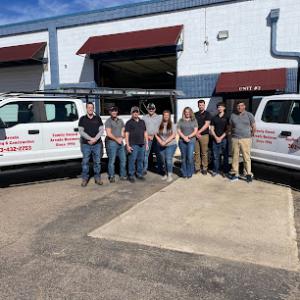
Arvada Roofing & Construction is the premier choice for roofing, siding, gutter, and construction services in Denver. With over 30 years of dedicated service, we've built a solid reputation for reliability and excellence. Our skilled team prioritizes the integrity of your roof, offering top-notch repairs, replacements, and installations using high-quality materials and cutting-edge techniques. Beyond roofing, we provide comprehensive siding, gutter, and construction solutions tailored to enhance your property's functionality and curb appeal. We emphasize clear communication, transparent pricing, and personalized service to surpass your expectations on every project.
Roof Squad
(720) 868-9615 www.roofsquad.com
5255 Marshall St #207, Arvada, Colorado
4.9 from 71 reviews
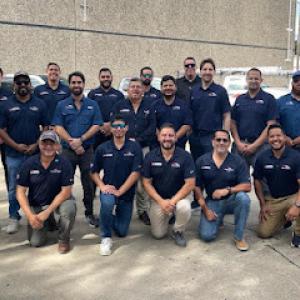
Roof Squad is a trusted roofing and siding contractor based in Arvada, CO. We specialize in providing top-quality roofing and siding services to residential and commercial clients. Our team of experienced professionals is dedicated to delivering exceptional workmanship and customer service on every project. Whether you need a new roof installation, roof repair, or siding replacement, Roof Squad is here to help. Contact us today for a free estimate.
Endurance Roofing
(720) 740-5745 enduranceroofing.net
5783 Sheridan Frontage Rd a 202, Arvada, Colorado
5.0 from 27 reviews
Endurance Roofing is a trusted Arvada roofing contractor providing reliable residential and commercial roofing services. We handle shingle, tile, metal, and commercial roofing systems built to endure Colorado’s tough weather. Our team offers roof inspections, repairs, replacements, and storm damage restoration with fast, dependable service. Whether you need siding installation or general contracting, Endurance Roofing delivers quality workmanship using certified materials from trusted brands. When you need a reliable Arvada roofing contractor, trust Endurance Roofing for projects completed on time and within budget, backed by craftsmanship that stands the test of time.
Turner Morris Commercial Roofing - Denver Office
(303) 431-1300 www.turnermorris.com
5054 Marshall St, Arvada, Colorado
5.0 from 22 reviews
We do work right the first time. Turner Morris replaces, repairs, and maintains commercial roof systems throughout Colorado. Whether you’re located on the front range, high in the Rockies, or somewhere in between, our craftsman can safely and proficiently service all your commercial roofing needs.
Avoda
(720) 708-4126 www.avodacon.com
12650 W 54th Dr, Arvada, Colorado
4.7 from 101 reviews
Avoda is the trusted roofing partner for commercial and multifamily properties. Serving Colorado, Arizona, and Utah, Avoda helps property managers and owners maximize roof lifespan through proactive maintenance and expert repairs. Specializing in everything from flat systems (TPO, PVC, EPDM, metal) to traditional shingle and tile, Avoda delivers tailored solutions for every need. When storms strike, rely on Avoda for thorough hail damage assessments and seamless claim support, ensuring top-quality replacements. For larger capital projects, Avoda extends its reliable, code-compliant services across the Western U.S., delivering peace of mind with every project.
Kape Roofing & Exteriors
(303) 922-7663 kaperoofing.com
6735 W 58th Pl, Arvada, Colorado
4.7 from 48 reviews
At Kape Roofing & Exteriors in Arvada, CO, we bring Colorado-tough quality with neighbor-next-door service. With over 76 years of combined experience, our family-owned team handles roofing, siding, windows, and gutters for homes and businesses of all sizes. From quick repairs to full installations, we do it right the first time. Need help with insurance claims? We’ve got your back. Call today for a no-pressure inspection.
Colorado Roofing Company
(720) 999-2393 coloradoroofingcompanyllc.com
5455 W 59th Ave, Arvada, Colorado
4.7 from 28 reviews
Colorado Roofing Company is dedicated to providing premier roofing services to residential and commercial properties across the state of Colorado. We have years of experience installed, repaired, and maintained roofs that have met the highest quality and durability standards. More than roof installation, repair, and maintenance, our services have been designed keeping an individual's unique need in mind. As good as our services is the dedication that we give to customer satisfaction for their work
Elo Roofing
5310 Ward Rd suite g-05, Arvada, Colorado
4.5 from 59 reviews
Elo Roofing is a roofing contractor in Arvada, serving Denver, Aurora, Centennial, and nearby areas. Our roofing company offers residential roofing, commercial roofing, roof repair, asphalt shingle roofing, metal roofing, and more. Customers love us because of our comprehensive roof warranties and affordable roof financing options. We also have industry affiliations and certifications such as GAF and Owens Corning. Contact your reliable Denver roofing company for a free estimate!

Lallier Construction
(303) 254-4303 www.lcidenver.com
5685 Gray St, Arvada, Colorado
4.6 from 44 reviews
Lallier Construction, Inc. has been a local Denver Roofing Contractor since 1989. We work on Commercial, Multi-Family, and Residential properties. LCI ensures our customers are 100% satisfied before calling any project complete. In the last 29 years, LCI has mastered the installation of various roofing types: TPO, EPDM, PVC, Metal, and Asphalt Shingle. We also have experts to help you with any storm damage insurance claims. You can trust us with all of your roofing and exterior needs.
Front Range exposure brings a unique mix of hail, high altitude sun, and rapid temperature swings. Arvada's dominant roof choices- asphalt shingles, metal, clay tile, concrete tile, wood shakes, and slate-each respond differently to hail impact, freeze-thaw stress, and strong UV at Denver-metro elevation. Asphalt shingles, the workhorse of local homes, tend to shed granules after years of sun and hail, which can accelerate aging and reduce reflective protection. Metal roofs generally shrug off hail more readily, but edges and panels can dent or loosen if hailstones are especially large, and fasteners must hold up to temperature-driven expansion and contraction. Clay and concrete tiles bring durability, yet their brittle profiles can crack under direct hail strikes or from foot traffic during inspection. Wood shakes and shingles offer rustic curb appeal but bear the brunt of sun and wind-driven drying; they are prone to splitting and faster weathering under repeated UV exposure. Slate delivers a long lifespan but requires careful handling due to its weight and potential for breakage when impacted by hail or during maintenance. In short, the local mix means knowledge of each material's weak points is essential for timely diagnosis and targeted repairs after a storm.
Tile and slate roofs show up on some higher-end Front Range homes and they demand a careful, less forgiving approach to hail and inspection. Hail can chip glaze or break tiles and slate, creating hidden pathways for water intrusion if fasteners or underlayment are compromised. Foot traffic for inspection or repair needs to be minimized on these surfaces; using proper cushioning and stepping techniques helps prevent new cracks. When damage occurs, repaired sections should match the original tile or slate type, color, and profile to preserve both performance and curb appeal. Due to their weight and brittleness, professional assessment after a storm is prudent, and temporary protection during heavy weather can prevent further micro-cracking that isn't immediately visible. Expect longer lead times for replacements in the event of widespread hail damage, and ensure any work preserves drainage patterns and snap-in securement that tile and slate systems require.
Dry, sunny climate conditions accelerate drying of wood shakes and shingles, which means weathering can outpace a homeowner's sense of urgency after a hail event. Between storms, the sun's UV exposure can cause color fading and surface checking, and the dry air increases the risk of splitting with temperature swings. When inspecting, focus on wind-driven edge damage, cupping, and any signs of surface granularity loss in nearby asphalt facings that can indicate accelerated wear around the roofline. Replacement decisions should consider not only visible damage but also the likelihood of accelerated failure in heated, shaded microclimates on the roof. Matching profiles and treating new wood to resist moisture ingress helps extend the roof's life, but this material remains more sensitive to the combined effects of hail and repeated sun exposure than asphalt or metal.
Asphalt shingles bear the brunt of repeated UV and hail exposure, which accelerates granule loss and surface granule embedment issues. Once granules are shed, the underlying asphalt becomes more vulnerable to further sun damage, leading to faster aging and potential for bare patches. The local cycle of hail events can create a mosaic of impacted areas that evolve into larger repair zones if left unattended. Regular, careful inspections after major hail weeks are advisable, looking for curling, cupping, or unusual granule accumulations at the gutters and downspouts. Quick, targeted repairs that address both the surface and underlayment can prevent more extensive leaks, especially around flashing details and transitions to vents or chimneys.
A practical approach is to pair annual roof health checks with after-storm inspections, prioritizing hail storms and freeze-thaw cycles. On each visit, assess flashing, vent closures, and the edge systems that bear the most stress from wind-driven moisture and temperature swings. For tile, slate, and wood systems, document any micro-cracks or missing pieces and plan for prompt, matched replacements to maintain a coherent barrier against water intrusion. With asphalt, monitor granule loss and the condition of the shingle surface, especially in areas with consistent sun exposure or shallow slope where runoff is fastest. In all cases, keep a simple repair log, noting weather conditions at the time of observed damage and the sequence of inspections, so you can align your repairs with the local storm history and the typical deterioration patterns seen in Arvada's Front Range climate.
Replacement projects tend to run best from late spring through early fall. In this climate, the high-altitude sun and strong ultraviolet exposure can speed shingle aging, while the Front Range humidity and occasional gusts push underlayment and fasteners to perform at temperature extremes. Starting tear-off and roof deck work after the last frost reduces the risk of moisture entrapment and helps the crew hit dry-in targets before winter winds roll in. If a storm or hail event occurs, the window narrows quickly, so plan a conservative start date that allows for weather contingencies and a realistic pace through to completion.
Spring is a prime inspection season and a risky damage period. Hail can strike during the same time homeowners begin evaluating replacement needs, meaning you may be facing a decision with partial damage assessment. Have documentation ready from the initial storm and a clear plan with your contractor for how to verify shingle integrity, attic ventilation, and attic insulation gaps that storms can expose. Early-season inspections can identify moisture intrusion and hail-related micro-cracks before they become leaks when roofs warm up and cool down with daily sun cycles.
Cold-season snow and freeze conditions in the Denver metro can delay final completion and inspection timing even when emergency repairs are completed first. Freezing temperatures affect sealants, roof felt, and certain fastener performance, and snow cover can hinder access to eaves, ridges, and valley work. If a project starts late in the season, expect potential delays tied to ground conditions, curb appeal cleanups, and the need for weather windows that allow successful dry-in. In practice, this means coordinating with the crew for a cushion period in late fall and preparing for a possible spring finish if winter weather lingers.
Storm timing in this market often drives scheduling pressure, especially after a hail event. Insurance documentation becomes a focal point, so maintain a clear, organized file of claim correspondence, contractor estimates, and photos of storm impacts. The goal is to align roofing tear-off, deck repair, and shingle replacement with a realistic dry-in plan that avoids mid-season interruptions from afternoon thunderstorms and sudden heat spikes. Have a contingency plan for temporary repairs if a storm interrupts progress, and work with a contractor who can pivot between urgent repairs and full replacement without sacrificing quality or warranty coverage.
Coordinate with the contractor on a realistic sequence: remove damaged shingles, inspect the decking for moisture or soft spots, replace or repair decking where needed, and then implement underlayment and roofing installation during favorable weather blocks. Use weatherproof tarping and secure yard materials to withstand sudden gusts common in late spring and summer. Maintain open lines of communication with the contractor about expected weather gaps, staged inspections, and preferred times for final inspections so the project can wrap up with a solid seal over the upcoming winter season.
Get a clear picture of your project costs upfront - no commitment required.
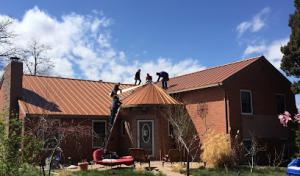
Arvada Roofing & Home Improvement
(720) 402-8039 www.arvadaroofing.com
6330 W 53rd Ave, Arvada, Colorado
5.0 from 205 reviews
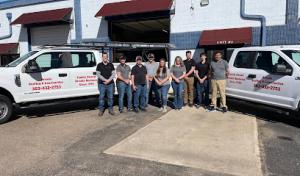
Arvada Roofing & Construction
(720) 437-8550 arvadaroofingcompanies.com
5293 Ward Rd UNIT 2, Arvada, Colorado
4.8 from 104 reviews
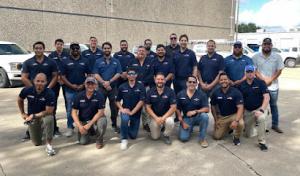
Roof Squad
(720) 868-9615 www.roofsquad.com
5255 Marshall St #207, Arvada, Colorado
4.9 from 71 reviews
In this market, full roof replacements are generally not treated as maintenance and typically require a roofing permit. This isn't a formality to gloss over-having the permit in place helps ensure the project aligns with local expectations and avoids later hold-ups. The local building department expects clear documentation of the scope, materials, and contractors, and missing a permit can stall a project mid-shingle or trigger a re-inspection when weather or storm timing is tight. Plan for the permit process as an integral part of your replacement timeline.
Plan review and inspections are handled by the local building department, and a final inspection is required after the roofing work is completed. During review, the authority will compare your project details against applicable codes and standards. Inspections are not only a hurdle but a safeguard, catching issues that could affect performance, longevity, and insurance documentation later on. Expect possible corrections or documentation requests if the submission leaves gaps about ventilation, underlayment, or flashing details. Knowing what the department will look for helps you prepare.
The final inspection marks the moment the city officially recognizes the roof replacement. If the work has progressed without timely inspections, you risk rework or penalties that drag on storms season. Bring all contractor statements, material certifications, and any required test results to the final visit. Be prepared for the inspector to verify that every penetration, exhaust, and vent is correctly flashed and sealed, and that the ridge and eave details meet current expectations. A smooth final inspection can prevent insurance concerns from becoming sticking points after a claim.
Verification often centers on ventilation provision, underlayment quality, and flashing details. Expect questions about attic vent placement, soffit intake adequacy, and how flashing ties into abutting structures. If the permit notes specific requirements for underlayment type or wind-driven rain resistance, ensure those products and installation methods are clearly demonstrated in the site documentation. In this jurisdiction, attention to these details reduces the risk of later disputes with the building department or the insurer, especially after a hail event.
Typical pricing in this market runs about $350 to $550 per square for asphalt shingles, $700 to $1200 for metal, $900 to $1600 for clay tile, $750 to $1400 for concrete tile, $450 to $900 for wood shingles or shakes, and $1400 to $2800 for slate. These ranges reflect the combination of local labor, material availability, and the need for careful handling of high-altitude UV exposure and hail impact. When evaluating bids, your decision shouldn't hinge on the sticker price alone; the long-term durability and performance under severe hail exposure matter just as much.
Costs in Arvada can rise after major Denver-metro hail events when regional demand surges for labor, materials, and inspection appointments. If a hail storm hits, expect lead times to stretch and subcontractor availability to tighten. Insurance-driven replacements can move quickly, but scheduling for a thorough inspection and a detailed claim can still introduce weeks of variability. In practice, a homeowner should plan for a temporary uptick in both material choices and labor charges in the weeks following a significant storm, with the understanding that timing influences the final price tag.
Material choice matters more here than in many markets because hail exposure, UV intensity, and the need for specialized tile or slate handling can widen the gap between basic and premium roof systems. For example, moving from asphalt shingles to concrete tile or from metal to slate can noticeably shift the project total, even when square footage stays the same. In Arvada, choosing a premium system isn't just about aesthetics; it's about resilience against frequent hail impacts and the harsher sun. Weigh the upfront cost against expected service life, the likelihood of insurance coverage support, and the potential for reduced future repairs.
Start with a square-foot estimate and convert to squares for roofing commonality. Compare bids that itemize underlayment, fasteners, flashing, ice and water shield, and venting, since failures in these areas often drive post-storm claims. Consider the impact of different warranty terms and the availability of local materials. Finally, align the selected system with the home's orientation and exposure: ridge lines, valleys, and trees can all influence performance and drive differences in cost between a basic asphalt install and a premium tile or slate upgrade.
Don't let upfront costs delay a critical repair - these contractors offer payment plans to fit your budget.
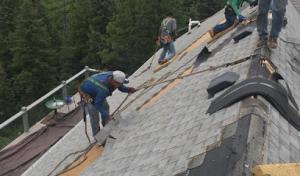
Elo Roofing
5310 Ward Rd suite g-05, Arvada, Colorado
4.5 from 59 reviews
In Arvada, homeowners operate within a Denver-metro insurance environment where frequent hail and wind claims drive how storms are handled and documented. Roof decisions often align with adjuster timelines and the documentation standards that come with those claims. When a hail event hits, expect an accelerated pace for assessments and for decisions about replacement or repair to hinge on how thoroughly the roof and surrounding collateral damage are portrayed on paper.
Insurers in this region commonly require detailed condition photos, precise measurements, and clear material identification before a replacement moves forward. After a storm, you may be asked to show each nuance of the roof's surface, flashing, and any interior signs of water intrusion. The more you can demonstrate the roof's starting condition and the exact scope of damage, the smoother the process tends to run. Prepare to provide cataloged evidence that matches the contractor's scope of work and the adjuster's notes.
Because claim handling can tighten in high-damage seasons, preserving evidence beforehand matters. If temporary repairs are necessary, document them thoroughly and date every photo. Keep close track of any collateral damage, such as gutters, siding, or attic moisture, and photograph those areas with a clear timestamp. This practice helps prevent disputes about pre-existing conditions and ensures that later documentation supports the full replacement or repair plan the insurer approves.
Storm timing drives the rhythm of approvals and payout milestones. Planning ahead by organizing a comprehensive photo log, a detailed scope, and an accurate materials list can reduce back-and-forth with adjusters. In the end, clear, well-organized evidence supports a smoother transition from assessment to decision, reducing surprises as the claim progresses.
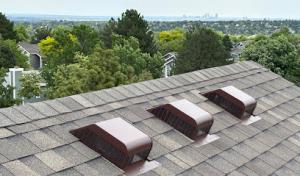
Arvada's spring and summer weather brings hail and strong winds that stress roof penetrations and flashing transitions more than other times of year. After a storm, inspect ridge lines, vent boots, and plumbing stacks first, then check along dormers and skylight edges. Hail can deform flashing metal or loosen sealant at transitions, which may not show up as a wet spot right away. Focus on seam joints and any raised fasteners that could trap water. In practice, treat any impact marks around penetrations as potential failure paths, even if the surface looks fine.
The local emphasis on flashing details and underlayment means leak investigations often hinge on installation quality, not surface material alone. When evaluating a roof, prioritize the condition of step and counter-flashing where wall-to-roof transitions occur, and inspect the drip edge in gutters and along eaves for gaps or deterioration. Look for degraded or missing underlayment at valleys, chimneys, and along low-slope sections. If a storm leaves you with a damp ceiling near a penetration, test the surrounding flashing for movement, as wind-driven rain will exploit even small gaps.
Skylights are a meaningful specialty in this market, reflecting how storm-driven leak calls in the Denver metro often involve glazing transitions and surrounding flashing. Check the skylight curb, sealant continuity, and any molding that bridges the skylight to the roof plane. Pay attention to water tracking along the frame and into the curb area after a heavy rain or hail event. If moisture is found at the glazing transition, inspect the sealant joints and flashing boot for cracks, gaps, or movement that may require resealing or flashing replacement to restore a watertight path.
Find contractors experienced in skylight installation, flashing, and leak repairs to bring natural light into your home.
Rise Roofing
(303) 905-8136 www.riseroofingco.com
5610 Ward Rd STE 300, Arvada, Colorado
5.0 from 99 reviews
Arvada Roofing & Construction
(720) 437-8550 arvadaroofingcompanies.com
5293 Ward Rd UNIT 2, Arvada, Colorado
4.8 from 104 reviews
In Arvada, strong sun exposure makes solar-related roof planning relevant, but roof condition and remaining service life should be evaluated before panel work is added. A roof that has already endured hail events or is nearing the end of its service life will behave differently once solar hardware is installed, so a roofing contractor should assess framing, deck stability, and underlayment readiness before any panel mounting begins.
Solar attachments should not be treated as an afterthought. Local inspections tend to scrutinize flashing and underlayment details closely, so coordinating solar hardware with the re-roof scope is essential. If panels are planned on a roof that has aging underlayment or questionable flashings, upgrade those components in the same project window to minimize the risk of leaks later. Durable ground- or roof-mounted racking is preferable where pitch and orientation maximize sun exposure without compromising drainage on steeper roof faces.
Low-slope sections appear most often on additions, porches, or mixed-roof homes and require different drainage and membrane considerations than the city's more common pitched residential roofs. Ensure the low-slope area has continuous, properly installed membrane with an integrated step-down to the main roof drainage system. Pay attention to transitions where low-slope areas meet the main roof to avoid ponding or moisture buildup, which can undermine both the roof and any attached solar equipment over time.
Because solar attachments and low-slope transitions will be reviewed alongside the overall roof plan, coordinate the solar layout with the re-roof scope from the outset. That coordination helps validate flashing details, edge conditions, and warranty coverage, ensuring that both the solar system and the roof perform as a unified, weather-resilient surface.
Find contractors who integrate solar panels or solar shingles into your roof for long-term energy savings.
Rise Roofing
(303) 905-8136 www.riseroofingco.com
5610 Ward Rd STE 300, Arvada, Colorado
5.0 from 99 reviews
Centennial Exteriors
(720) 530-7258 centennialexteriors.com
14405 W 52nd Ave, Arvada, Colorado
4.8 from 16 reviews