
Last updated: Apr 19, 2026
Hail season in this neighborhood is not a maybe; it's a pattern. Englewood sits in the Denver metro hail corridor on the Colorado Front Range, where spring and early summer thunderstorms regularly generate roof claim activity. That means every homeowner should plan for a surge of activity during a few tight weeks each year. The first sign of trouble isn't a cosmetic ding on the shingle edge-it's a roof that looks fine from the curb but isn't performing as it should under a hail-driven wind gust. When storms hit, the clock starts for your claim: the more you document, the stronger your position when you talk to your adjuster.
H3: Documentation you can't overlook
Front Range hail and wind losses have produced high claim volume, and local insurers in this market often want dated photos, age records, and close documentation. Take fresh, timestamped photos after every significant storm, focusing on impact marks on shingles, gutters, vents, and flashings. Photograph interior attic conditions if you notice attic condensation, stains, or accelerated shingle wear that lines up with a storm timeline. Keep a simple storm log: date, approximate time, and reported wind or hail size from the storm app or weather service. If you've had prior repairs or a previous claim, keep those dates clearly documented; it helps establish the roof's age and the scope of current damage.
H3: Recognize the window and the risk
Replacement scheduling in Englewood is often compressed into late spring through early fall because winter weather and snow complicate tear-off, dry-in, and inspection timing. That compressed window means decisions and scheduling move quickly once a claim is opened. If a claim is accepted, you'll need to coordinate measurements, material selection, and crew availability within weeks rather than months. Delays aren't just inconvenient; they can affect the integrity of the roof under a variable Front Range climate, where a mis-timed tear-off can leave you exposed to a sudden hail or wind event during the process.
H3: Timing, coordination, and the rule of readiness
The most effective homeowners stay proactive. When a storm hits, contact your insurer promptly, but with a prepared file: your storm photos, a simple roof condition summary, and any prior maintenance notes. If an adjuster visits, be present with your documentation and a concise list of questions: the scope of hail damage, whether higher layers like underlayment or decking are affected, and the expected timeline from inspection to completion. In Englewood, quick decision-making reduces the risk of miscommunication and protects against weather-induced delays on a tight schedule. If you're rallying a contractor, verify they have a proven plan for a Front Range teardown and drying-in sequence, because the timing of flashing, underlayment, and ventilation matters as much as the shingles themselves.
H3: Actions you should take now
Know your roof's approximate age and construction type, and gather your past insurance correspondence to map out who's responsible for what. Create a one-page damage brief you can share with your insurer or contractor: storm date(s), visible impact zones, attic signs of moisture, and a simple, dated photo log. Finally, establish a preferred, practical date range for tear-off and reinstallation during the late spring to early fall window, then lock in the plan with your chosen pro before the season tightens. This is how Englewood homeowners protect their roofs from the Front Range's most aggressive weather pattern.
Apex Restoration & Roofing
(303) 691-5035 apexroofingusa.com
14 Inverness Dr E Ste H140, Englewood, Colorado
5.0 from 172 reviews
Apex Restoration and Roofing is a trusted Englewood roofing contractor dedicated to providing reliable and efficient roofing services. Whether you need roof repairs, gutter installation, or full roof replacements, our skilled team is equipped to handle residential and commercial projects. At Apex Restoration and Roofing, we prioritize high-quality materials and fast solutions tailored to your needs. With years of experience in the industry, our reputation is built on customer satisfaction and attention to detail. We’re proud to be your go-to roofing contractors in Englewood. Contact us today to discuss how we can improve your roof's safety and longevity!
FTC Roofing
(720) 726-5854 www.myftconstruction.com
2970 S Fox St, Englewood, Colorado
4.9 from 271 reviews
Want a local roofing company with experience you can trust? FTC Roofing has proudly served the Englewood, Littleton, Lakewood, Denver & surrounding communities for years. Our roofing contractors are experts in all types of roofing systems from GAF & asphalt shingles to metal, tile & steel-coated roofs to commercial flat roofs & more. We offer free roof inspections & reports. Our specialties include full roof replacements & re-roofing projects, along with roof insurance claims. Our priority is customer satisfaction through our detailed work & strong communication. Call us today to schedule an appointment!
Excel Roofing
(303) 761-6400 www.excelroofing.com
4510 S Federal Blvd, Englewood, Colorado
4.9 from 554 reviews
Excel Roofing has been Denver's most trusted residential and commercial roofer since 1993. We complete roof repairs, installations, and other services. We have completed over 50,000 satisfied customers. We are a long-time partner with Tom Martino and an active member of the community. We're on top of it! When you choose Excel Roofing, Expect the Very Best". Our President, J Bretz, champions a motto that ensures you're completely satisfied; you don't pay a cent until you're content. Serving Englewood, Highlands Ranch, Littleton, Parker, Aurora, Lone Tree, Centennial, Greenwood Village, Lakewood, Golden, Denver, Boulder, Longmont, Thornton, Arvada, Westminster, Commerce City, Dakota Ridge, Ken Caryl, Wheat Ridge, Columbine, + every else!
Just Roofs & Gutters
(303) 834-1126 justroofsandgutters.com
9615 E County Line Rd Ste B-226, Englewood, Colorado
4.9 from 197 reviews
Just Roofs and Gutters, your trusted roofing contractor in the Denver metro area and the Colorado front range, brings you reliable solutions for roof replacement, roof repair, and gutter replacement. Our seasoned experts are here to safeguard your investment and ensure the safety of your residential or commercial property. With a focus on quality, safety, and time efficiency, we provide top-notch roofing materials and skilled crews. Whether it's hail impact-resistant, metal roofs, wood shake removal, rolled commercial roofing, or asphalt shingles, we've got you covered. Serving Englewood, Parker, Centennial, and beyond, we work seamlessly within the scope of insurance to make your new roof installation hassle-free.
1st Priority Roofing
(720) 271-3718 1stpriorityroofing.com
9800 Mount Pyramid Ct #4051, Englewood, Colorado
4.9 from 434 reviews
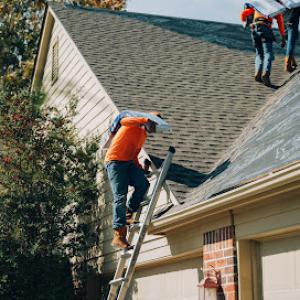
“Improving Lives” is a motto we live by at 1st Priority Roofing. Providing lifetime value and comprehensive warranty coverage for your roofing gives peace of mind to you and knowledge of a job well done to us. Improving Lives and serving people with Excellent Roofing Service 1st Priority Roofing offers quality roofing craftsmanship. Award-winning and distinguished as one of GAF Master Elite Roofing Companies, we make you our first priority! We guide you through the entire process from color and material selection, to ordering, scheduling, and installing your roof. And we don’t stop there. We use quality products and guarantee our workmanship, so you can have full confidence in your new roof!
Roof Evolution
(720) 334-7311 roofevolution.com
2651 W Hampden Ave UNIT A, Englewood, Colorado
5.0 from 87 reviews
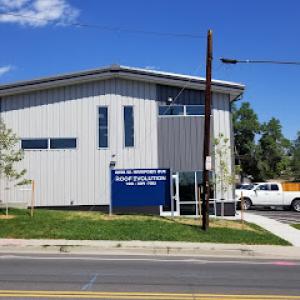
Roof Evolution, based in Englewood, CO, provides expert commercial and residential roofing across Denver and nearby areas. With 25 years of experience, we offer free inspections to detect hail damage, leaks, and structural issues early. Our licensed team handles roof installations, repairs, replacements, maintenance, emergency services, and gutter work to protect your property from Colorado’s harsh weather. We pride ourselves on fast, friendly service using quality materials and modern equipment. Trusted for honest advice and insurance claim assistance, we deliver durable, affordable roofs tailored to your needs. Contact Roof Evolution at (720) 334-7311 or sales@roofevolution.com for a free inspection today!

Up Top Roofing
(720) 573-4376 uptoproofing.net
1880 W Evans Ave, Englewood, Colorado
4.9 from 83 reviews
Up Top Roofing is Colorado's trusted provider for premium commercial and residential roofing services. With expertise in everything from TPO and Duro-Last installations to roof repairs and inspections, we are committed to delivering high-quality roofing solutions across Denver, Colorado Springs, Aurora, and beyond. Our team of licensed and bonded roofers ensures precision and reliability on every project. Whether it's flat roof repairs, insurance claim assistance, or long-lasting roofing warranties, we’ve got you covered. At Up Top Roofing, we take pride in protecting your property with excellence and craftsmanship.
Crone Roofing
(720) 239-2751 croneroofing.com
37 Inverness Dr E #102, Englewood, Colorado
5.0 from 49 reviews
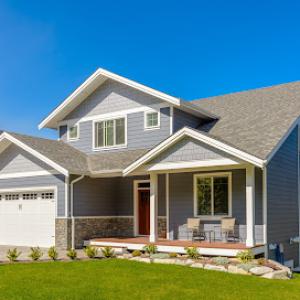
Crone Roofing in Englewood, CO, offers expert roofing services for both residential and commercial properties, specializing in new installations, repairs, and maintenance. Our commitment to quality, safety, and craftsmanship is unwavering, ensuring every project, from small repairs to large installations, meets the highest standards. Rooted in trust, integrity, and professionalism, our skilled team is dedicated to delivering durable, aesthetically pleasing roofing solutions that enhance the value and appeal of your property.
EcoShield Exteriors
(720) 575-2803 www.ecoshieldexteriors.com
7670 S Vaughn Ct Ste 2000, Englewood, Colorado
4.8 from 166 reviews
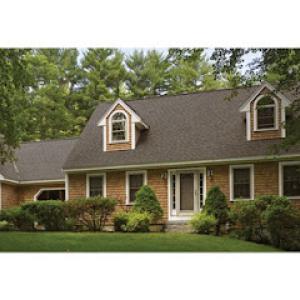
EcoShield Exteriors is Denver’s trusted roofing company specializing in roof replacement, repair, and storm damage restoration. Our licensed local crews handle insurance claims, inspections, and hail repairs quickly and professionally. Proudly serving Highlands Ranch, Littleton, Centennial, Lone Tree, Aurora, and Castle Rock, we deliver high-quality craftsmanship backed by integrity and a 5-star reputation. Call now for a free inspection — fast, friendly, and guaranteed workmanship from Colorado’s roofing pros.

Capital Roofing & Restoration
(720) 542-8715 capitalroofingandrestoration.com
14 Inverness Dr E Bldg B # 144, Englewood, Colorado
4.9 from 69 reviews
Capital Roofing & Restoration is a locally-owned roofing contractor that has been serving clients in the Englewood area since 2013. We offer a wide range of services to ensure that we meet our customers’ needs. Our goal is to simplify the roof replacement and restoration process while offering a superior customer service experience. Contact us today for more information!

Infinity Restoration
(303) 816-1888 www.infinityroofer.com
14 Inverness Dr E # F160, Englewood, Colorado
4.7 from 246 reviews
Since 2004, Infinity Roofing & Siding has been a friendly, family-owned roofing company serving homeowners and business owners across the country. We know that the only thing worse than a leaky roof is unqualified, unprofessional, and uncaring roofers—and we’ve worked hard to build our reputation as the industry experts nationwide!
All Weather Gutter
(720) 915-4323 www.allweathergutter-inc.com
Englewood, CO
4.9 from 39 reviews
All Weather Gutter Established in 1995, All Weather Gutter has been the trusted choice for gutter solutions in the Denver metro area and surrounding suburbs. With a commitment to quality and longevity, we provide comprehensive services to meet all your gutter needs. We specialize in installing 5” seamless rain gutters offered in over 20 colors, ensuring a seamless match or complement to your existing trim color. While we prefer to meet in person to discuss all the details, we understand the constraints of busy schedules. Hence, we’ve curated this website to provide you with comprehensive information to assist in your decision-making process. Our gutters boast a .032 gauge (equivalent to 32/1000ths of an inch thick) Aluminum, the most...
The dominant local material mix in this market includes asphalt shingles, metal, clay tile, concrete tile, wood shakes, and synthetic/composite products, reflecting both older neighborhoods and higher-end Denver south suburbs housing stock. That mix matters because it isn't a one-size-fits-all decision; your choice should align with how each material handles extreme sun, wide diurnal temperatures, and the city's spring hail pattern. In this setting, the roof's ability to shed heat, resist granule loss, and accommodate thermal movement becomes as important as initial appearance.
South Platte Front Range sun exposure drives rapid aging of asphalt shingles and can accelerate granule loss more than milder climates. If you're evaluating shingles, prioritize options with a durable mineral grit and a polymer-modified asphalt binder that helps resist premature brittleness from cold nights and scorching afternoons. Metal roofs handle heat well but can develop thermal expansion gaps if fasteners aren't properly accounted for. For clay or concrete tile, the radiant heat can stress underlayment and trim, so consider a roof system that anticipates long-term underlayment performance and venting to reduce heat buildup in attic zones.
Tile roofs are popular in older Englewood neighborhoods and among higher-end homes, but they demand attention to underlayment and edge detailing. Freeze-thaw cycles stress the system differently here: water can intrude at seams, fasteners, or around penetrations as temperatures swing from warm afternoons to near-freezing nights. Choose underlayment with proven low-temperature flexibility and ensure proper installation of flashing at valleys, chimneys, skylights, and roof-to-wall intersections. Regular inspections should focus on cracked tiles, lifted edges, and any hairline cracks that could invite moisture infiltration during rapid thaw cycles.
Metal roofs and impact-oriented synthetic options are often evaluated for hail resilience in this climate. Metal performs exceptionally well for shedding hail impact and summer heat, provided it's installed with properly spaced fasteners and a rated underlayment that can tolerate thermal movement. If hail damage risk is a primary concern, consider standing-seam or corrugated metal with a finish designed to resist color fade and corrosion. Synthetic or composite shingles, especially those built for impact resistance, offer a middle ground: better hail tolerance than standard asphalt, while retaining lighter weight and easier retrofit potential. In any case, verify that the system uses an underlayment and flashing approach capable of withstanding repeated impact events and the Front Range's wind loads.
Wood shakes bring a distinct aesthetic and good durability when properly installed, but they demand more maintenance in this climate. Expect to monitor for weathering, splitting, and moss growth in shaded areas or where drainage is poor. Cedar shakes need regular sealing and periodic treatment to slow UV-induced drying and warping. If choosing shakes, align with a installation team that specializes in tight crown detailing and adequate venting to reduce moisture retention.
Start by mapping your roof's exposure: direct sun exposure zones, shaded valleys, and drainage paths. Prioritize a system type that matches both your maintenance tolerance and hail exposure history. For the typical Englewood home, a well-installed asphalt package with reputable granule retention, or a metal option with treated fasteners and proper underlayment, often provides a robust balance of performance and cost. If choosing tile, plan for enhanced underlayment and careful inspection routines to manage freeze-thaw risk. For high-wind or hail-prone areas, ask about impact-resistant synthetic overlays that maintain curb appeal while improving resilience. In all cases, align the roof choice with a maintenance plan that includes seasonal inspections after storm seasons and post-wail assessments to preserve the roof's long-term performance.
In Englewood, storm-driven price shifts are a real consideration. When a major Denver-area hail event hits, contractor demand across Englewood and nearby south metro communities can spike quickly, compressing lead times and driving up material and labor costs for a short window. That means if you're considering replacement in the weeks after a hail hailstorm, you should expect quotes to land higher than the typical ranges and to book slots further out than usual. Planning with a cushion for those price and schedule shifts can save headaches later, especially if weather forecasts point to the start of the Front Range storm season.
Englewood's housing stock runs a broad spectrum-from straightforward ranch silhouettes to more intricate designs featuring tile-heavy roofs and steeper pitches in established neighborhoods and infill remodels. Simple, flat- or shallow-pitched roofs generally cost less to replace and require fewer specialty details, while tile-heavy or steep, multi-section layouts demand more labor, longer installation times, and additional materials for proper underlayment and ventilation. Those design realities translate to the cost spectrum you'll see locally: even within the same material category, a basic ranch with standard eave lines often comes in at the lower end, while a complex, tile-heavy or steep-slope home tends toward the higher end. When budgeting, it's useful to think in terms of the roof's square footage, pitch, and the number of unique planes or dormers involved, all of which tend to push costs up from the baseline estimates for common shingle types.
The South Platte Front Range climate-with bright sun, wide temperature swings, and hail-favors materials that resist impact and hold up under UV exposure. Asphalt shingles remain the most economical option, but metal, concrete tile, and synthetic shingles offer longer lifespans or better impact resistance in high-stress years. For many Englewood homes, a mid-range approach-such as synthetic or architectural asphalt shingles paired with a robust underlayment and upgraded venting-often provides a good balance between upfront cost and long-term performance. If the home features a more tile-heavy look or tends toward a Mediterranean or hillside style, clay or concrete tile can achieve the aesthetic and durability, though note that tile systems come with higher installation costs and require a careful, slope-appropriate design.
Front Range storm season concentrates work windows and supplies in late spring through late summer. If a hail event has caused damage, you're likely to see more competition for local crews during that period, which can influence both scheduling and pricing. A practical approach is to obtain a detailed, written scope early, with a phased timeline that accounts for potential delays from weather or material backlogs. By aligning your project pacing with the typical storm pattern, you minimize the risk of extended exposure to the elements and reduce the chance of weather-driven hold-ups that push your project past peak demand.
Get a clear picture of your project costs upfront - no commitment required.
Weatherguard Roofing & Restoration of Englewood
(970) 533-8738 wgrestoration.com
63 Inverness Dr E Suite 210, Englewood, Colorado
4.6 from 147 reviews
Sunny Roofing
(303) 734-0956 www.sunnyroofing.com
5039 S Federal Blvd Suite #7, Englewood, Colorado
4.7 from 67 reviews
A full re-roof requires a permit through the Building Division, not a casual job that gets done on the side. The city takes the scope of the roofing project seriously, and the approval hinges on clear documentation of the work to be done, including the type of materials, venting plan, flashing details, and any structural changes. The review is designed around ensuring the roof can stand up to Englewood's typical weather swings-from bright sun and heat to quick cold snaps and the region's signature hail events. Expect roughly 1 to 2 weeks of processing, depending on the current workload. If the project involves replacing like-for-like and adding vents or changing roof pitch, have the specifics ready so the reviewer can assess accuracy and safety upfront. Having a clear copy of the proposed roof plan, manufacturer installation guidelines, and a permit application that matches your contractor's scope can help keep the process moving.
Inspections in this city are purposefully layered to verify installation details that affect performance and longevity. Early on, inspectors focus on underlayment quality and attachment, flashing around chimneys, roof-to-wall transitions, and how penetrations (like vents and skylights) are sealed. Ventilation is checked to ensure attic conditions won't bake or trap moisture, which matters for long-term shingle life, attic comfort, and energy efficiency. The inspectors then verify the installed materials and fasteners align with the approved plan, including any required drip edge and valley flashing. A final inspection seals the job at completion and confirms that all elements, from gutters to ridge caps, are properly integrated and weather-tight. If discrepancies arise, expect a short pause to correct the issues before final sign-off.
Start with your project's scope documented in clear terms: material type, number of layers to be removed, and a standard installation approach that matches the manufacturer's guidelines. Coordinate with your roofer to ensure the permit application mirrors the actual on-site work-this minimizes back-and-forth and delays. Have a sturdy set of photos or a simple sketch showing penetrations, vent locations, and any unique details particular to your home's roofline. If your home survived a hail event recently, organize damage notes and any related repairs to present a coherent story for the Building Division. Understanding the timeline helps align weather-friendly windows for work, especially during the busy storm season-planning around possible rain or hail events reduces interruptions and keeps the permit on track.
Avoid introducing changes after permit issuance without updating the file, as inspectors will require documentation to match the field reality. Missing or misaligned flashing details, improper venting, or gaps around penetrations are frequent triggers for re-inspection. Ensure the contractor's installation details are consistent with the permit plan, including any special requirements for Colorado's climate, such as wind-rated underlayment or specific fastener patterns. Clear communication with the Building Division and the roofing crew helps prevent delays and keeps the project moving toward a weather-tight finish.
Front Range insurance dynamics shape every hail season here. After a regional storm, adjuster backlogs are common, and the process can feel slow and opaque. Wind and hail events don't just test shingles; they test the communication between homeowner, insurer, and contractor. The timing of a re-roof often hinges on how quickly the claim progresses, how clearly damage is documented, and how well roof age and prior wear are understood by the carrier. In this climate, stress on the system is predictable, and knowing what to expect can prevent a rushed or undersold settlement.
Homeowners benefit from meticulous records because carriers in hail-prone Colorado markets scrutinize condition and prior wear more closely. Pre-loss roof photos, taken from multiple angles and during different seasons, serve as crucial baselines. Keep dated records of roof age, prior repairs, and any known issues such as flashing failures or moss growth. When a storm hits, those images can differentiate new damage from existing wear, helping to avoid disputes that stall a claim. In practice, build a simple, organized file you can share with your adjuster or roofing contractor during inspection.
Insurance decisions in Englewood are often tied to whether damage is functional or cosmetic, especially on metal and other impact-prone materials. A dented panel or compromised seal may trigger coverage if it affects water infiltration or structural protection, but a superficial surface blemish might not. This distinction matters because it can influence the scope of repair or replacement and the speed of approval. Be prepared to articulate how a so-called cosmetic issue could progress to a larger problem if left unaddressed, and gather evidence that demonstrates performance concerns beyond appearance.
Even before an adjuster visits, walk the roof with a critical eye. Note any lifted granules, flashing gaps, loose valley metal, or visible hail impact marks. Photograph from the ground and from the roof if safe to do so, capturing skylights, chimney boots, and edges where leaks often start. Document attic conditions as well-stains, damp spots, or unusual heat patterns can corroborate interior impact. A simple chronicle of weather events and subsequent symptoms in your home creates a narrative that helps an adjuster understand the severity and timing of damage.
Expect interruptions from weather, high claim volumes, and the need for supplemental documentation. When the claim stalls, proactive communication with both insurer and contractor becomes essential. A vigilant homeowner leverages the pre-loss records, presents clear evidence of new damage, and requests reasonable timelines for reinspection. In a Front Range context, patience paired with precise documentation can prevent you from being caught between a delayed settlement and a weather-driven window for safe repair.
Connect with contractors who help homeowners navigate the claims process from damage assessment to final approval.
Apex Restoration & Roofing
(303) 691-5035 apexroofingusa.com
14 Inverness Dr E Ste H140, Englewood, Colorado
5.0 from 172 reviews
FTC Roofing
(720) 726-5854 www.myftconstruction.com
2970 S Fox St, Englewood, Colorado
4.9 from 271 reviews
Excel Roofing
(303) 761-6400 www.excelroofing.com
4510 S Federal Blvd, Englewood, Colorado
4.9 from 554 reviews
Front Range freeze-thaw cycles in fall and winter commonly stress flashing transitions, exposed fasteners, and shingle edges on Englewood homes. When temperatures swing above and below freezing, water trapped at joints freezes, then expands, loosening seals and widening gaps. That subtle wear often goes unnoticed until a new storm hits. If you've had hail earlier in the season, the combination of hail-induced micro-damage and seasonal freeze-thaw can push vulnerable details past their limit.
Heavy winter snow can delay leak tracing and replacement access in Englewood even when the original damage happened during earlier hail season. Snow piles melt unevenly, clouding roof contours and masking gaps. Access for inspection or temporary weatherproofing becomes harder, so small penetrations or seam failures may silently worsen until a longer dry spell arrives. Don't mistake calm skies for safety; blocked vents and clogged valleys can compound damage.
Temperature swings around freezing are especially hard on aging underlayments beneath tile and on penetrations where sealants have already been UV-dried. Old underlayment loses flexibility, becoming brittle and prone to cracking under pressure. Sealants at penetrations-pipes, vents, and skylights-can separate or crack, inviting moisture intrusion during thaw cycles. If edges or fasteners show weathered wear, treat them as warning signs rather than isolated incidents.
When a storm season wanes, inspect visible transitions and any suspected flashings; feel for squatting edges or loose metal. In Englewood, plan careful, daylight-focused evaluations after the snow has cleared, prioritizing accessible areas first. If a leak appears after a cold snap, prioritize temporary sealing that accommodates future warm days for a thorough, staged repair.
When you can't wait, these contractors offer fast response times to stop leaks and prevent further damage.
Roof Evolution
(720) 334-7311 roofevolution.com
2651 W Hampden Ave UNIT A, Englewood, Colorado
5.0 from 87 reviews
Capital Roofing & Restoration
(720) 542-8715 capitalroofingandrestoration.com
14 Inverness Dr E Bldg B # 144, Englewood, Colorado
4.9 from 69 reviews
Sunny Roofing
(303) 734-0956 www.sunnyroofing.com
5039 S Federal Blvd Suite #7, Englewood, Colorado
4.7 from 67 reviews
Englewood includes a mix of residential and commercial properties, so low-slope sections, porch roofs, additions, and garage roofs are a meaningful part of the local roofing workload. This means planning for a variety of up-slope transitions, edge details, and existing penetrations. On flatter sections, the emphasis is on reliable drainage, careful seam protection, and coordinating with exterior wall assemblies to avoid leaks at counter-flashings and skylight interfaces. When you're evaluating a project, map each low-slope area by its exposure to sun, wind, and storm runoff, and note where snow and ice accumulate during cold snaps.
South-facing roof planes in this sunny Front Range market are attractive for solar, but penetrations and flashing details matter more after hail and freeze-thaw exposure. Prioritize a thorough inspection of hip-and-ridge lines, vent pipes, and any mounting hardware for signs of hairline cracks or loose seals. In Englewood's climate, heat cycling can loosen seals around rail mounts and edge flashings, so verify that all flashings have been upgraded to high-elongation, weather-resistant materials designed for hail-prone environments. Panel siting should minimize shading from nearby walls or chimneys, and mounting brackets should be installed with proper backer materials to reduce micro-movement in wind gusts.
Flat and low-slope assemblies in Englewood need careful drainage review because snow, ice, and summer storm runoff can expose weak seams and ponding-prone areas. Check for proper slope away from walls and around penetrations, with attention to internal drains and scuppers if present. Regularly inspect for debris buildup in gutters and adjacent roof edges, especially after large hail events, to prevent continued head pressure on seams. Sealants should be compatible with freeze-thaw cycles and not rely on a single layer that could degrade under UV exposure. Plan routine maintenance of sealant joints, edge metal, and flashing intersections to sustain performance across multiple Front Range seasons.
Find specialists in TPO, EPDM, and built-up flat roofing systems for residential and commercial properties.
FTC Roofing
(720) 726-5854 www.myftconstruction.com
2970 S Fox St, Englewood, Colorado
4.9 from 271 reviews

Up Top Roofing
(720) 573-4376 uptoproofing.net
1880 W Evans Ave, Englewood, Colorado
4.9 from 83 reviews