
Last updated: Apr 19, 2026
Spring hailstorms and strong winds are not rare events here; they are a defining pattern that drives sudden roof damage. This neighborhood climate tightens the window for a proper roof recovery, because the bounce from a storm can expose shingles, flashing, underlayment, and drainage to rapid wear. The Front Range's mix of freeze-thaw cycles and intense hail means every spring becomes a triage period: assess, document, and act before further weather compounds the damage. A roof that looks fine after a storm can still harbor hidden issues-lifted shingles, granule loss, compromised underlayment, and misaligned flashing-all of which spiral into leaks once the next thaw hits. Knowing this, you should treat post-storm inspection as a high-priority, time-sensitive task.
The most common replacement window stretches from spring into fall, and that is also when hail events spike demand for repairs. Scheduling gets tight quickly after a storm when insurers, roofers, and Restoration teams all line up. Delays are not just inconvenient; they increase risk of hidden damage turning into visible leaks during the next freeze. Plan for a rapid, documented inspection within 48 hours of a hail event. If a storm hits on a weekend, your first call should be an urgent damage assessment to a trusted local roofer who understands Front Range nuances-wind-driven lifting and hail impact patterns are not universal across regions. The best approach is to have a storm-response plan: take clear photos from multiple angles, note any creased or missing shingles, exposed underlayment, and evidence of granule loss in gutters or downspouts, and share that immediately with your chosen contractor and insurer.
Colorado's hail-heavy claim environment rewards timely, detailed records. After a storm, take comprehensive photos-close-ups of damaged shingles, flashings around valleys, chimneys, and vent pipes, and wider shots that show the roof as a whole. Capture the drainage path: downspouts, scuppers, and any signs of pooling water near the edge. Keep a running log of dates, weather conditions, and any changes you notice day by day. If you notice granules in gutters or on the ground, photograph that as well-this is a red flag for shingle wear. Your insurer will want to see the progression of damage, so a chronological album that accompanies an inspection report can accelerate approvals and prevent back-and-forth delays.
Look for more than obvious bruising on asphalt shingles. In this region, hail can compromise the granule surface, leading to accelerated UV exposure and faster aging. Check for soft, dented shingles, exposed roofing felt, and curled edges along hips and ridges. Wind can lift edges, even on relatively new installations. Don't forget flashing: poorly seated or bent metal around chimneys, skylights, and where roof sections meet walls is a common failure point. If any migration of water stains appears on ceilings or attic insulation becomes damp after a storm, treat that as a top-priority red flag and escalate the inspection. The goal is to identify not just what looks damaged, but what undermines the roof's ability to shed water for the next freeze-thaw cycle.
Coordinate with a local roofer who understands how to document, measure, and photograph the damage in a way insurers recognize. Arrange a rapid on-site assessment, with a written damage report that includes the observed hail impact areas, moisture indications, and ventilation or drainage concerns. Request an accelerated scope of work that prioritizes tear-off quality: ensure underlayment is intact or replaced, ventilation is adequate to manage attic heat, and flashing is properly sealed. If you notice consistent wind-driven damage on the ridge or along vents, insist on a full roof replacement plan that addresses high-risk zones first. In the days following a storm, keep a tight line of communication with your insurer, your contractor, and your mortgage holder if applicable-the more precise the documentation, the faster the claim moves and the sooner you can secure a durable, storm-resilient roof before the next round of weather.
Colorado's frequent hail and wind losses keep roofing claims common, and Wheat Ridge homeowners quickly learn that storms don't merely dent a roof-they expose weaknesses in underlayment, ventilation, and flashing. When a hail event rattles your ridge lines or dents attic vents, the impact isn't limited to cosmetic damage. Freeze-thaw cycles can stress lifted shingles, and the Front Range climate means you'll see a mix of granular loss, granule migration in gutters, and accelerated aging on surfaces that bore the brunt of bursts of hail. Expect a few weeks of post-storm checks from neighbors and the occasional testy conversation with contractors who are chasing storm-related work, and prepare for the fact that insurers are watching not just the visible dents but how the roof performed during the last winter and storm season.
Carriers in Colorado may require before-and-after photos, adjuster reports, and thorough scope documentation before approving roof work. In Wheat Ridge, that usually translates to a careful record of what the hail damaged, what the underlying decking looks like after inspection, and whether the ventilation and flashing show signs of compromise. Have a trusted local contractor walk the roof with you and photograph each major component-shingles, underlayment, vents, ridges, and valley regions. If there is any sagging, edge lifting, or shingle perforation, document it clearly with dates and weather conditions at the time of the storm. The insurer will scrutinize whether the scope of repair truly reflects the damage or if it's driven by a contractor's recommendation rather than an objective assessment. Be prepared to provide a concise narrative of the storm event, including wind direction, hail size if known, and the time window when the damage could have occurred.
Because some insurers have tightened coverage in response to claim activity, Wheat Ridge homeowners need to verify deductibles, exclusions, and actual roof system coverage before signing a contract. Hail-driven claims often cluster around the high-risk months, so careful timing matters: a rushed replacement can complicate documentation, while delaying too long might affect warranty or liability considerations. If you're nearing the end of a season with heavy activity, expect longer waits for adjuster appointments and for contractors to secure a clean, documented scope. Plan around a clear sequence: assess with a qualified roofer, submit the claim with complete, organized evidence, and await the adjuster's report before choosing materials or committing to a full tear-off. Communication matters here-confirm with your insurer exactly what they will need to approve a replacement and align your contractor's scope with that checklist.
The local climate rewards thorough venting and solid flashing, particularly in sprinklered, shaded, or canyon-adjacent roofs common in this area. When you're comparing replacement options, consider how different systems respond to hail exposure and wind. A staged approach-where the underlayment and flashing are upgraded to modern, impact-resistant standards and the ventilation is reassessed-can reduce future risk. If you've had prior hail events, insist on a system that demonstrates enhanced impact resistance, better sealing around penetrations, and a robust drainage plan to minimize pooled water in heavier rain or snow events. The goal is to emerge from the process with a roof that not only looks sound but stands up to the next round of Colorado weather.
Expect a period of careful review between you, your contractor, and the insurance adjuster. The emphasis will be on durable workmanship, thorough documentation, and clear alignment of the claim scope with the actual roof condition. If a dispute arises about whether certain areas were damaged by hail versus aging or wind uplift, a second opinion from a local roofer can help. In Wheat Ridge, the outcome hinges on transparent records, precise measurements, and a shared understanding that the roof is a system-not a collection of isolated damaged pieces. Stay proactive: keep records organized, address questions promptly, and ensure that every step-from teardown to final inspection-has a clear, traceable path.
Ideal Roofing, Siding, & Solar
(720) 316-5455 www.myidealpros.com
4175 Harlan St #140, Wheat Ridge, Colorado
5.0 from 170 reviews
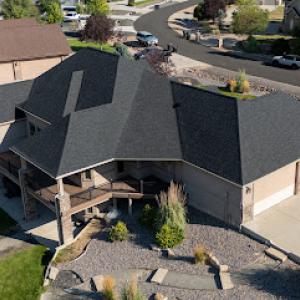
Ideal Roofing and Solar, established in 2019, offers a comprehensive approach to residential roofing and solar needs in the Denver Metro area. Their services include roof repair and replacement, solar panel installation, and exterior painting. Ideal Roofing and Solar prioritizes clear communication and starts every project with a free consultation.

Pachner Exteriors
(720) 467-6225 pachnerexteriors.com
12150 W 44th Ave Unit 104, Wheat Ridge, Colorado
5.0 from 97 reviews
Pachner Exteriors is an experienced storm restoration company specializing in windows, roofing, gutters, siding, and garage doors, as well as maintenance services, for home and business owners. We make the storm damage repair process as easy as possible by providing exceptional products and service and working on your behalf to maximize your insurance payout
Roof Technologies
(855) 766-3001 www.rooftechnologies.com
4955 Miller St Suite 202, Wheat Ridge, Colorado
5.0 from 60 reviews
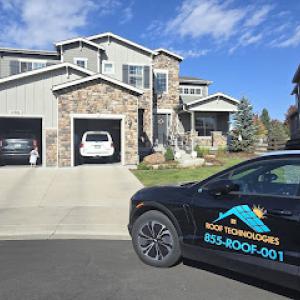
Roof Technologies is a trusted roofing contractor in Colorado, specializing in roof repair, solar roofing, and emergency storm damage restoration. We guide homeowners through their insurance claims and We offer FREE roof inspections. Call now for expert roofing services in Colorado.
Roper Roofing & Solar
(720) 475-1065 www.roperroofingandsolar.com
11919 W Interstate 70 Frontage Rd Unit 122, Wheat Ridge, Colorado
4.9 from 263 reviews
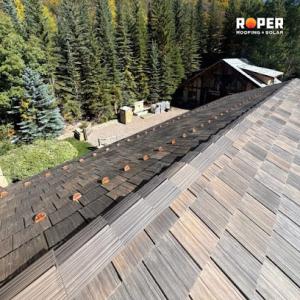
Roper Roofing & Solar is a trusted, locally-owned roofing company proudly serving Colorado. We specialize in residential and commercial roofing, storm damage repair, and solar energy solutions. As a GAF Master Elite® Residential Contractor, GAF GoldElite™ Commercial Contractor, Owens Corning Certified Installer, and Duro-Last® Authorized Contractor, we meet the industry's highest standards for quality, training, and customer satisfaction. From inspections to replacements and insurance claims we work by your side every step of the way.
Performance Roofing
(720) 202-2000 performanceroofingco.com
3705 Kipling St Suite 206, Wheat Ridge, Colorado
4.8 from 63 reviews
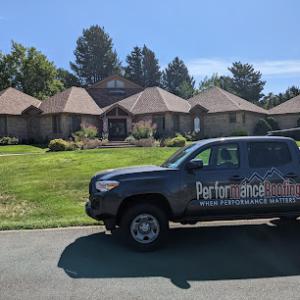
Performance Roofing, Inc. of Colorado is a full-service roofing company and general contractor that specializes in residential, multi-family, and commercial property roofing, gutters, painting, and storm restoration needs. We also guide you through the claims process in order to make sure your insurance company covers what they owe you. We strive to be the best roofing company in the Denver metro and all of Colorado! Our office is located in Wheat Ridge, and our roofing services include roof repairs, replacement, new construction roofing needs. The counties we serve include Denver, Adams, Arapahoe, Broomfield, Douglas, Boulder, and Jefferson. Our team has an A+ BBB Rating, proud member of Team Dave Logan, and looks forward to serving you.

Western Roofing
(303) 500-8960 www.westernroofingco.com
4896 Van Gordon St, Wheat Ridge, Colorado
4.6 from 89 reviews
Western Roofing is a commercial and industrial roofing contractor providing roofing repair and maintenance services through the Front Range, CO area

Gold Star Premium Roofing
(303) 593-2761 www.goldstarpremiumroofing.com
4640 Wadsworth Blvd, Wheat Ridge, Colorado
4.4 from 135 reviews
Roofing Contractor serving Colorado
Cenco Roofing
(720) 613-4362 www.cencoroofing.com
Serving
4.9 from 837 reviews
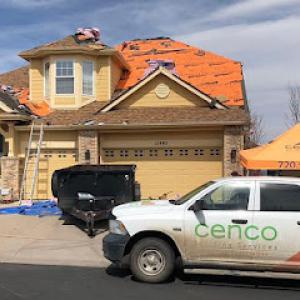
Cenco Roofing has been providing dependable roofing services in Denver, Colorado, and communities across the Front Range since 2013. Our highly skilled and NRCA ProCertified Installers specialize in various roofing needs, including repairs, replacements, storm damage restoration, gutter installation, gutter protection installation, attic insulation. Along with providing free 72-point roof inspections and a 5-year warranty, Cenco Roofing offers 24/7 emergency services. Proudly committed to giving back to the community, this locally owned company donates 2% to local charitable partners. Whether you need assistance with a small repair or a complete roof replacement, Cenco Roofing is the experienced and reliable choice.
Arvada Roofing & Home Improvement
(720) 402-8039 www.arvadaroofing.com
Serving
5.0 from 205 reviews
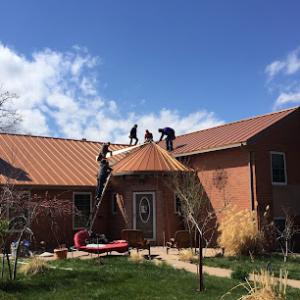
At Arvada Roofing & Home Improvement our mission as a business is to provide top-quality care to your roof, resulting in your safety and cost reductions down the road. We value customer service over everything else. Colorado can be quite unfriendly to your roof, with rapid changes, to Hail damage. At Arvada Roofing & Home Improvement, we specialize in repairing and replacing all of these problems, with more than ten years of experience. We strive for quality of quantity of roofs finished. Allowing us to surpass our competitors with more specialized, accurate work. Because of this we like to let our customers know what they are working with and provide free roof inspections and estimates.
Turner Morris Commercial Roofing - Denver Office
(303) 431-1300 www.turnermorris.com
Serving
5.0 from 22 reviews
We do work right the first time. Turner Morris replaces, repairs, and maintains commercial roof systems throughout Colorado. Whether you’re located on the front range, high in the Rockies, or somewhere in between, our craftsman can safely and proficiently service all your commercial roofing needs.

Roof Squad
(720) 868-9615 www.roofsquad.com
Serving
4.9 from 71 reviews
Roof Squad is a trusted roofing and siding contractor based in Arvada, CO. We specialize in providing top-quality roofing and siding services to residential and commercial clients. Our team of experienced professionals is dedicated to delivering exceptional workmanship and customer service on every project. Whether you need a new roof installation, roof repair, or siding replacement, Roof Squad is here to help. Contact us today for a free estimate.
Bonhardt Roof & Trades
(720) 419-4369 bonhardtroofs.com
Serving
5.0 from 55 reviews
COMMERCIAL & RESIDENTIAL Roofs, Gutters, Siding, and Paint
When planning a full roof replacement, expect a permit process rather than treating the project as informal maintenance. The city's approach centers on tear-off, underlayment, ventilation, flashing, and drainage, and inspections are designed to verify these critical details before work continues or completes. In practice, the permit is generally pulled by a licensed contractor, not left to the homeowner after work starts. This means you'll be coordinating with a contractor who understands Wheat Ridge's inspection checkpoints and the local storm-driven climate realities.
The first step is selecting a licensed contractor who clearly understands the permit flow and inspection cadence. A reputable firm will confirm that a full replacement is the correct path and will handle the application, plan review, and scheduling with the city. You should expect a contractor to present a scope of work that includes tear-off, disposal, underlayment type, attic ventilation plans, flashing details, and proper drainage solutions. In Wheat Ridge, the permit review will scrutinize how the new roof will perform during freeze-thaw cycles, hail exposure, and rapid temperature swings, so documentation should reflect code-compliant and weather-appropriate choices.
As soon as the permit is pulled, the work typically proceeds in two distinct inspection stages. The first inspection occurs after tear-off and underlayment installation. Inspectors verify that the old roofing material has been properly removed, that the roof deck is sound, and that the underlayment installation aligns with local requirements and the manufacturer's specifications. Attention to ventilation is key at this stage; the inspector will look for adequate soffit intake and ridge or powered ventilation as applicable, ensuring the attic will vent properly to reduce condensation and heat buildup in summer, which is a common concern during front-range heat events.
The second stage-the final completion inspection-occurs after the roof is sealed, flashing is installed, and drainage components are integrated. Inspectors will verify that all flashing details around chimneys, vents, skylights, and transitions are correctly installed and sealed against potential hail-related damage. Drainage checks focus on ensuring proper eave and gutter alignment to prevent water pooling and ice dam formation during freeze-thaw cycles. It's important to have a clear, organized record of the exact materials used, including the underlayment type and ventilation strategy, so the inspector can confirm compliance without delays.
Throughout the process, maintain open communication with both the contractor and the building department. If weather patterns predict storms or hail windows, discuss sequencing with the contractor to minimize exposure risk to the interior and to align with any city-imposed inspection windows. After the final inspection, make sure you receive a signed certificate of completion and retain all permits and inspection reports for potential future reference or insurance documentation. This concrete trail of compliance can simplify future maintenance or upgrades and helps ensure the roof system performs reliably under Wheat Ridge's demanding climate.
The dominant residential materials in Wheat Ridge are asphalt shingles, metal roofing, clay tile, concrete tile, wood shingles or shakes, and synthetic or composite shingles. Each material behaves differently under the local mix of cold winters, warm summers, and periodic hail. Asphalt shingles are common for their balance of cost and performance, but hail can compromise the surface and reduce service life if the underlayment and ventilation aren't up to par. Metal roofing offers excellent impact resistance and fast drainage, yet some systems move with temperature swings and require careful detailing at edges and transitions to prevent condensation and ice dam formation. Clay and concrete tiles bring durability and a distinctive look, but their weight and rigid structure demand solid roof framing, precise flashing, and properly pitched drainage to avoid leaks after heavy storms. Wood shingles or shakes provide a traditional aesthetic but can be more sensitive to hail damage and moisture; they benefit from higher-grade underlayment and proactive maintenance. Synthetic or composite shingles strive to combine impact performance with flexibility, which helps during freeze-thaw cycles while preserving a lighter footprint.
In this climate, impact resistance matters as much as the ability to handle thermal movement between seasons. Heavier roof systems, especially tile, require thoughtful attachment and a well-designed ventilation strategy to manage attic heat gain and condensation. In a storm season that brings hail, the goal is to preserve the roof's continuous barrier-underlayment, flashing, and properly sealed transitions-so that a single hail event doesn't cascade into widespread interior damage. The compatibility between roofing material and attic ventilation becomes critical, since good airflow helps relieve pressure on flashing and reduces the likelihood of ice dam formation in colder months.
Tile and heavier roof systems used in parts of the Denver metro require close attention to flashing, drainage, and replacement logistics after storm damage because repairs are often more specialized than standard shingle work. When a storm hits, details matter: step and counter-flashing at chimneys, vent penetrations, and eaves must be integrated with the roof's drainage plan to prevent water from creeping under the roof deck. If replacement is needed, it is essential to coordinate material matching, warranty considerations, and the sequencing of tear-off with attic ventilation and roof deck inspection to maintain performance through the next cycle of weather.
You can narrow choices by assessing your roof's current structure, the local storm history, and how much maintenance you're prepared to invest in year to year. If hail exposure is high, prioritize materials with robust impact resistance and ensure the underlayment and ventilation are upgraded to support your chosen system. For heavier tile options, plan for precise flashing and reliable drainage connections, recognizing that repairs after a hail event are often more specialized. This approach helps align a roof's performance with Wheat Ridge's distinctive blend of weather and housing stock.
Typical Wheat Ridge material pricing runs about $320 to $650 per square for asphalt shingles, $480 to $1200 for metal, $900 to $1800 for clay tile, $700 to $1300 for concrete tile, $600 to $1300 for wood shingles or shakes, and $520 to $900 for synthetic or composite shingles. Those ranges reflect the Front Range climate where hail impact and freeze-thaw cycles test rooftops every storm season. When you shop, focus on the installed price rather than just the material sticker price, because labor, underlayment, ventilation checks, and flashing detail all ride along.
Storm-driven demand surges along the Front Range can push Wheat Ridge pricing upward when many homeowners are replacing roofs after the same hail event. If a large hail day hits, you may see a short-term spike in materials and labor as local crews schedule replacement work. In practical terms, expect lead times to extend and crews to prioritize jobs that clearly document hail exposure and damage. Planning a replacement for the wind-down of storm season or the shoulder months can help avoid some of those peaks.
Storm-season replacements require careful coordination of underlayment, ventilation, flashing, and drainage to satisfy the local expectations for a proper job. Even if a roof is structurally sound, reaching the required level of venting and flashing detail adds labor time beyond raw material costs. For example, replacing with asphalt shingles tends to be the most cost-effective route when you're balancing replacement timing with the need for reliable drainage and edge detail, while metal or tile options demand more precise installation work and may increase both time and cost.
Document the roof's condition with clear photos and a concise notes package for your insurer, especially after a hail event. When you receive bids, compare not only per-square prices but how each contractor plans to address ventilation, flashing, drainage, and any required underlayment upgrades. In Wheat Ridge, the goal is to secure a durable, weather-resilient roof that performs through freeze-thaws and hail seasons without recurring failures, while keeping the project within a realistic budget for the storm year.
Don't let upfront costs delay a critical repair - these contractors offer payment plans to fit your budget.
Winter freezes and snowfall can limit roof access and extend project timelines compared with the main spring-to-fall season. If a storm drops significant snow or ice, crews may pause to clear shingles and assess safety. You should plan for potential weather gaps and keep materials sheltered to prevent ice dam issues. When a clear window appears, expect shorter daylight hours to push through the tear-off, dry-in, and ventilation checks efficiently.
Spring is a common start to replacement season and a period of elevated hail and wind risk, so homeowners often face a tradeoff between early scheduling and storm uncertainty. A first warm stretch can bring rapid progress, but sudden hail can stall crews and complicate insurance documentation. If hail was recent, ensure crews verify underlayment condition and flashing integrity before covering with drip edge. Spring winds can also shift staging and haul routes, so coordinate access routes to minimize yard disruptions.
Summer thunderstorms and heat can reduce available work windows and affect how crews stage tear-off and dry-in work. Schedule early in the day to avoid peak heat, and plan for afternoon storms that may force temporary shutdowns. Ventilation and ridge vent installation should be timed to maximize drying potential after a tear-off. Hot, dry spells can stress underlayment, so confirm that chosen materials tolerate radiant heat and that attic ventilation is adequate to control moisture buildup during the roof replacement.
As temperatures cool, the pace tends to stabilize, but fall storms can still appear with brief, intense bursts. Prioritize final inspection readiness and ensure drainage details are complete before the first hard freeze. If a late-season replacement is needed, verify tear-off completeness and flashing sealants are ready to withstand winter conditions without compromising drift and snow load considerations.
In Wheat Ridge, inspectors zero in on ventilation, flashing, and drainage details because these are the joints where performance tends to unravel first after a storm. Poor or undersized soffit vents, blocked ridge vents, or gaps around chimney and vent boot seals create hidden heat and moisture traps that accelerate rot and shingle deterioration. When a new roof is installed, ensure ventilation paths are clearly established and tied into the attic space with proper intake and exhaust balance. Edge details-where the roof meets the fascia and gutters-often become the first lines of defense or the first signs of trouble if they are compromised.
Front Range freeze-thaw cycling can magnify minor water-entry problems around flashing transitions if they are not corrected during re-roofing. Small cracks at step flashing, kick-out points, or valley intersections can sneeze water under underlayment during a sudden freeze, then thaw and refreeze, widening the concern with every season change. Pay special attention to any flashing around dormers, chimneys, and transitions to siding. A high-quality anti-siphon seal and properly bent, continuous flashing can prevent sustained leaks that creep into ceilings and walls.
Hail and wind events in this area often turn minor vulnerabilities into active leaks, especially when underlayment and edge details are already compromised. Damaged shingles, loose fasteners, or torn underlayment at the eaves and rake edges create paths for water to reach the interior quickly after a hail hit. After a storm, inspect the upper edges, valleys, and any spots where hail marks were noted, because hidden punted damage can silently worsen until a heavy rain arrives. A robust underlayment, sound edge protection, and careful sealing at transitions are your best defenses against rapid deterioration.
Find contractors experienced in skylight installation, flashing, and leak repairs to bring natural light into your home.
Ideal Roofing, Siding, & Solar
(720) 316-5455 www.myidealpros.com
4175 Harlan St #140, Wheat Ridge, Colorado
5.0 from 170 reviews

Pachner Exteriors
(720) 467-6225 pachnerexteriors.com
12150 W 44th Ave Unit 104, Wheat Ridge, Colorado
5.0 from 97 reviews
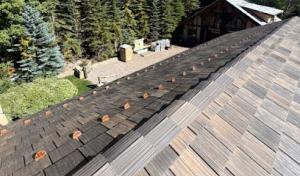
Roper Roofing & Solar
(720) 475-1065 www.roperroofingandsolar.com
11919 W Interstate 70 Frontage Rd Unit 122, Wheat Ridge, Colorado
4.9 from 263 reviews
Low-slope roofing has carved out a meaningful niche in this market, with homeowners seeking practical, durable options for garages, accessory structures, and between-panel transitions. In steady sun and fluctuating temperatures, flat or near-flat sections require careful attention to drainage and edge detailing. A local contractor will assess slope, runoff patterns, and potential ponding, ensuring that the chosen system can channel meltwater and rain efficiently without compromising underlayment or flashing.
Drainage details matter in this climate because inspections may review how water moves off low-slope sections before final approval. Plan for a clearly engineered drainage path that directs water toward established eaves and gutters, avoiding low spots that could trap moisture. Pay particular attention to sills, parapets, and transitions where water can wick into seams or create ice-damming opportunities during freeze-thaw cycles. A well-integrated drainage plan reduces future call-backs and surface wear.
Solar-integrated roofing is increasingly popular, but its success hinges on timing and compatibility with existing or planned roof upgrades. When solar elements are added to a replacement roof, penetrations and conduit runs must be coordinated with the tear-off sequence, flashing details, and the chosen underlayment. If a roof is nearing the end of its service life, scheduling solar installation to align with a full replacement helps ensure a clean, continuous surface and minimizes disruption to the system wiring.
Flashing compatibility and edge details become even more critical when solar is involved. Properly sealed penetrations for racking, wiring enters, and grounding connections help prevent leaks and corrosion, particularly around parapets or skylight interfaces. In colder months, any penetrations near vents or chimney stacks should be reviewed for potential ice buildup and how the solar installation might affect heat distribution on the roof plane.
In Wheat Ridge, both flat or low-slope upgrades and solar integrations reflect local demand for upgrades and repairs. Collaborate with a contractor who understands how to balance long-term drainage performance, robust flashing, and clean, traceable installation work that stands up to hail and freeze-thaw cycles, while preserving the roof's ability to shed water effectively.
Find specialists in TPO, EPDM, and built-up flat roofing systems for residential and commercial properties.
Roper Roofing & Solar
(720) 475-1065 www.roperroofingandsolar.com
11919 W Interstate 70 Frontage Rd Unit 122, Wheat Ridge, Colorado
4.9 from 263 reviews

Western Roofing
(303) 500-8960 www.westernroofingco.com
4896 Van Gordon St, Wheat Ridge, Colorado
4.6 from 89 reviews

Gold Star Premium Roofing
(303) 593-2761 www.goldstarpremiumroofing.com
4640 Wadsworth Blvd, Wheat Ridge, Colorado
4.4 from 135 reviews