
Last updated: Apr 19, 2026
Your roof faces a relentless cycle: heavy winter snow piling on, then melt and refreeze as the temperature swings around freezing. That freeze-thaw cycling twists and flexes shingles, underlayment, and fasteners, accelerating wear far beyond what you'd expect in lower elevations. Add bright, high-UV summers that bake surfaces at altitude, and you're looking at accelerated surface aging, chalking, and brittleness in materials that aren't built for this climate. The result is a roof that moves more, degrades faster, and becomes a ticking clock for leaks and failures if not checked regularly.
Snow can linger, but storms bring more than weight. When snow sits on the roof and melts, it seeps into any microcracks and refreezes, prying shingles and flashing apart from the deck. Hail season compounds damage with direct impact strikes that can dent metal, crack clay or concrete tiles, and loosen granules from asphalt shingles, reducing their reflective UV shield and life. Summer monsoons add wind-driven rain, beating exposed edges, corners, and eaves. Each season creates a distinct damage pattern, and a roof that isn't designed for this sequence will show trouble sooner rather than later.
At altitude, UV light is fierce, hitting surfaces at a higher angle and with less atmospheric filtration. That sun exposure accelerates color fading, surface granule loss, and coating breakdown on asphalt and composite products. A high-elevation roof will often look "okay" until a storm hits and reveals softer decking or lifted edges. Surface aging isn't just cosmetic here-it's a warning flag for water intrusion and heat-related warping. If you spot granule loss or asphalt shingle curling, treat it as urgent, not cosmetic.
You need a proactive plan. Start with a professional roof inspection scheduled just as snow melts and before strong sun returns. Have the contractor check for missed nail lines, lifted tabs, loose flashing, and deteriorated underlayment. For hail-prone seasons, insist on a targeted inspection after storms to catch hidden damage that isn't obvious from the ground. Prioritize reinforcing vulnerable flashings and ensuring proper ventilation to tame thermal movement. Finally, confirm your roof's surface material choices are rated for high-UV exposure and freeze-thaw resilience at altitude, so you're not chasing premature deterioration after the first hot day of summer.
Asphalt shingles are common in Durango, and you'll see them on many homes year-round. The high-elevation sun means more intense UV exposure, which can accelerate granule loss and surface aging compared with milder climates. When you're choosing asphalt, look for a higher-than-average UV resistance granule blend and a stout nailing pattern to hold up through heavy snow and freeze-thaw cycles. In Durango's seasonal swings, a sealed, well-vented attic helps keep the asphalt from drying out and cracking prematurely. Consider laminated or architectural options for added wind resistance and a longer service life given the local wind events and hail potential.
Metal stands out in the local market for snow shedding and durability, and it's often selected with wildfire-conscious design in mind across Southwest Colorado. A metal roof can shed snow more reliably, reducing ice damming and the risk of long-standing snow load pressing on the underlying structure. Since the sun is relentless here, metal's reflected heat can help limit surface heating in spring sun-ups, but it also means choosing a coating designed for high UV exposure to prevent chalking and color fade. When opting for metal, verify panel overlap, fastener seals, and a snow retention plan that fits your home's rake edges and valley configurations. For homes with a lighter structure or tighter budgets, a standing-seam system with a corrosion-resistant alloy can offer better long-term performance in Durango's climate.
Clay and concrete tile appear in the local material mix, but their weight and installation details matter in a snow-and-hail market where underlayment integrity and structural suitability are critical. Clay tile can deliver excellent UV resistance and a classic look, but it requires a reinforced deck and careful connection details to handle freeze-thaw cycles and heavy snow loads. Concrete tiles are typically heavier and can be more impact-resistant to hail, yet improper spacing or inadequate support can lead to cracking under heavy wind-driven hail. If you're considering tile, ensure the roof structure is rated for the additional load and that the underlayment and fasteners are specified for Durango's extremes.
Wood adds natural beauty, but in Durango wood shingles face harsher sun and moisture cycles that speed up aging. The freeze-thaw pattern can cause warping or splitting if the wood isn't properly treated and vented. If you lean toward wood, pursue pressure-treated or fire-retardant options and a durable finish that stands up to UV and hail impacts. Proper installation with an appropriate underlayment and a robust drip edge helps minimize moisture intrusion during rapid snowmelt. Expect to schedule more frequent inspections to catch wear, cupping, or flashing degradation early.
Synthetic or composite shingles strike a balance between weight, impact resistance, and UV stability. They can mimic the look of wood or slate while offering enhanced hail resistance and improved tolerance to Durango's freeze-thaw cycles. Look for products with proven wind uplift ratings and a long-term finish that resists chalking under strong sun. Installation considerations mirror asphalt, but the guaranteed performance under hail and UV exposure can be a decisive factor when choosing between traditional and synthetic options.
Explore specialists in steel, aluminum, and standing seam metal roofs built to last 50 years or more.
Diversified Roofing
29318 US-160 Unit A, Durango, Colorado
4.9 from 111 reviews
Farha Roofing
(970) 709-7422 farharoofing.com
29160 US-160 Unit B, Durango, Colorado
5.0 from 136 reviews
Farha Roofing is your residential and commercial roofing contractor serving Durango and surrounding communities. Our local Durango roofing contractors concentrate on high-quality work with affordable pricing. Rest assured that our expert Durango roofers will complete all your roofing projects on time and with professional-level craftsmanship. We are licensed and registered to help you handle any storm damage or other insurance-related claims. Our focus is to build a lasting relationship with our customers and provide a seamless experience when looking for Durango roofers. Farah is here to assist the Durango area with any commercial, multi-family, or residential roofing project with superior craftsmanship and customer service
Diversified Roofing
29318 US-160 Unit A, Durango, Colorado
4.9 from 111 reviews
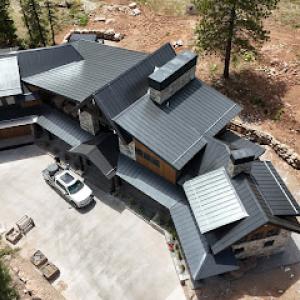
Diversified Roofing is a locally owned roofing contractor serving Durango and Southwest Colorado with dependable residential and commercial roofing services. We specialize in shingle roofing, metal roofing, low-slope systems, metal siding, gutters, snow bars, and heat cable installation. Known for quality craftsmanship, clear communication, and attention to detail, our team delivers seamless roofing experiences from inspection to completion. We work with a wide range of roofing materials to fit different needs, climates, and budgets, while protecting homes and businesses from harsh mountain weather. Proudly serving La Plata, Montezuma, and Archuleta Counties, Diversified Roofing is trusted for reliable results and long-term roof performance
365 Roofing
(970) 759-4202 www.365-roofing.com
2615 Main Ave, Durango, Colorado
4.9 from 69 reviews
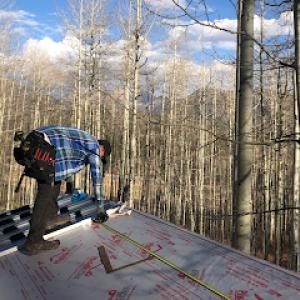
At 365 Roofing, LLC, high-quality service is our priority. With the customer at the forefront, we repair, replace, and install all types of commercial and residential roof systems in the Durango area. One of our roof consultants will meet with you to learn about your concerns and offer solutions depending on your needs and budget. Throughout the process, you can expect: -Prompt, Reliable Contact & Appointments -Timely Analysis & Reports, Complete with Photos -Professional Workmanship & Trustworthy Business -Contractor’s Warranty on Most Projects
Adept Roofing
170 E 6th Ave, Durango, Colorado
5.0 from 19 reviews
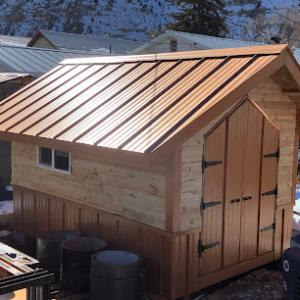
Thirty years hands on experience. Build equity into your home with hidden fastener metal roofing, move on from screw down and its associated drawbacks, all colors from budget friendly to premium. Panels and trim made on site to fit your home. Wainscoting and gutters available to match further added value and curb appeal to your most valuable investment. A proper chimney is no problem either, make your wood stove burn hotter with a chaise and snow diverter, no more unsightly galvanized pipe being attacked by the snow. Nothing to any of this, we make it happen all the time. Got something up high? We have a lift. Got something heavy? We have a bobcat. Do-it-yourselfer? I’ll make you a metal package and walk you through it. Copper available.
AMCAT Roofing
(970) 799-6759 amcatroofing.com
2615 Main Ave, Durango, Colorado
4.5 from 55 reviews
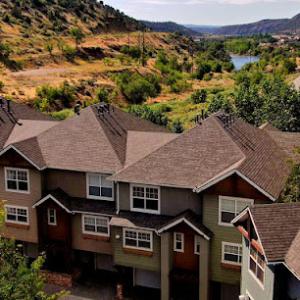
AMCAT Roofing is a premier roofing company serving Durango, CO, and the surrounding areas. We specialize in residential and commercial roofing services, including roof repair, roof replacement, and gutter installation, as well as addressing hail damage and snow-related challenges such as ice dam removal and prevention. We also offer insulation solutions to improve the energy efficiency of your property. As a certified Owens Corning Platinum Preferred Contractor and Metal Center Metal Master Elite, we are committed to delivering quality with industry-leading warranties and advanced online tools for a smooth customer experience. Trust AMCAT Roofing for dependable and professional roofing services in Durango, CO.
Higher Ground Roofing
(970) 769-9550 www.highergroundroofs.com
825 E 32nd St, Durango, Colorado
5.0 from 12 reviews
Higher Ground Roofing is a locally owned and operated roofing company serving Durango, CO and La Plata County and other regions of Colorado and New Mexico. We specialize in residential and commercial roofing, roof repair and replacement, inspections, storm and snow mitigation, and high-altitude roofing solutions built for Colorado’s unique weather conditions. As certified and insured roofers with deep local experience, we deliver reliable, long-lasting roofs backed by top-tier workmanship and personalized service. Call us today for a free estimate in Durango, CO.
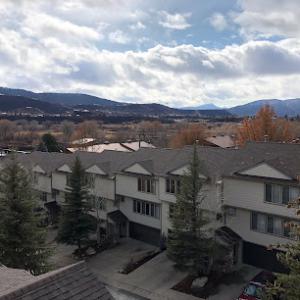
Lakey Roofing Company
(970) 759-1164 www.lakeyroofing.com
13 Hawthorne Ct, Durango, Colorado
4.5 from 15 reviews
Lakey Roofing was established in 2016 by Jake Lakey who has over 25 years experience in the roofing industry. Locally owned and operated. We take pride in our work and stand by our motto- Quality, Efficiency, and Experience.

Pitch Roofing & Exteriors
(970) 403-3325 pitchroofingdurango.com
29434 US-160, Durango, Colorado
5.0 from 6 reviews
Pitch Roofing & Exteriors was created by former owners of TL Roofing. With a solid foundation as a roofing contractor, they have expanded their expertise to encompass metal fabrication and siding installations. Combining unparalleled workmanship with cutting-edge technology, they create durable and visually striking exteriors that elevate the aesthetics of any property. We look forward to servicing the greater Durango Colorado Area with their Commercial Roofing & Residential Roofing needs.
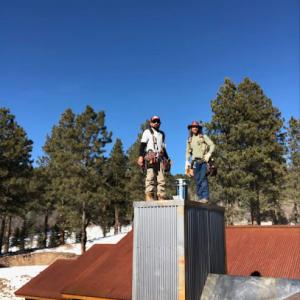
All Season Solutions
(505) 433-0049 allseasonsolutionsllc.com
Durango, Colorado
5.0 from 5 reviews
All season Solution ;provides a variety of services such as roof repair, siding repair, sn gutter cleaning, gutter instalation.
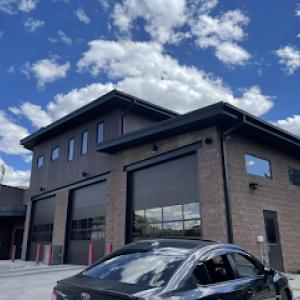
Durango Seamless Gutter & Standing Seam Roof
392 Needham Cir, Durango, Colorado
4.3 from 11 reviews
Seamless Gutters
Durango Roof Repair
Serving
5.0 from 1 review
We have been serving our customers residential roofing needs in the Durango Colorado area for 25 years. We offer full roof replacements as well as small repairs. Avoid the high costs and low quality of the larger companies and call us today

Handlebar Exteriors
Serving
1.0 from 1 review
What We Do Proudly serving southwest Colorado including Durango, Pagosa Springs, Mancos, Cortez and everywhere in between. Our commitment to providing the highest quality work in the industry is what we pride ourselves in. We specialize in roofing, new construction, remodels and every aspect of home building and exterior needs. Trust is to handle all of the projects you need done.
Durango's spring weather can turn volatile quickly, increasing the chance of hail and wind damage before the summer storm cycle begins. A storm can punch through a roof in minutes, leaving hidden damage that lets water intrude once the warm, bright sun returns. When high-elevation conditions collide with heavy precipitation, steep slopes and older underlayment systems become prime targets. If you notice new dents, missing granules, or exposed felt after a hail event, treat it as a flashing point for bigger problems-especially if wind-driven rain follows soon after.
Summer monsoonal storms in Southwest Colorado can bring heavy rain, hail, and gusty winds that expose flashing, ridge, valley, and underlayment weaknesses. Look for granule loss on asphalt shingles, curling edges, or shingle cracks on the uppermost roof plane. In metal roofs, inspect for denting and loose panels where hail has hit the ridges or valleys. Valleys, eaves, and near chimneys or vents are common failure zones during abrupt, intense weather. If any section of the roof feels soft to the touch or shows damp spots in attic spaces after a storm, address it immediately; moisture can spread quickly with the canyon winds and afternoon thunderheads.
Because storms can create sudden leaks during active weather, emergency tarping and rapid dry-in are a meaningful local service category rather than a fringe offering. If you suspect damage during a storm, place a sturdy tarp over the affected area and secure it well, focusing on vulnerable flashing and vent penetrations. Keep furniture and valuables away from the leak path and avoid interior work in lightning conditions. After the weather passes, arrange a rapid-dry-in assessment to determine if roof deck drying is needed and to identify any compromised underlayment or insulation that could lead to mold or rot if left untreated.
At the first sign of hail or wind damage, schedule a thorough inspection that prioritizes flashing integrity, ridge caps, and underlayment condition. High-UV exposure at elevation can accelerate shingle oxidation, so confirm that material compatibility is preserved after repair and that color- and UV-resistant options are considered for future cycles. Roofing upgrades should favor reinforced flashings, stronger valley assemblies, and ventilated attic spaces to mitigate freeze-thaw stress and prevent recurrent damage through the next monsoon season.
When you can't wait, these contractors offer fast response times to stop leaks and prevent further damage.
Farha Roofing
(970) 709-7422 farharoofing.com
29160 US-160 Unit B, Durango, Colorado
5.0 from 136 reviews
Diversified Roofing
29318 US-160 Unit A, Durango, Colorado
4.9 from 111 reviews
Cold Durango winters can leave snow on roofs long enough for repeated melt-refreeze cycles, which is especially hard on flashing transitions, fastener penetrations, and vulnerable shingle edges. The freeze-thaw stress can pry flashing loose, widen seams, and push a roof toward early wear or leaks you don't notice until a thaw exposes it. Pay particular attention to valleys and any areas where snow lingers, since those spots face more rapid temperature swings and moisture intrusion. If a roof has existing minor gaps or worn edges, those weak points become the first places to fail under these cycles.
Roofs with valleys, shaded sections, and north-facing exposures in Durango can hold snow and moisture longer than sun-exposed slopes, increasing uneven wear across the same home. That uneven load and lingering moisture can accelerate membrane degradation where shingles or sealants meet flashing, and can lead to failed drip edges or diverted water paths. A roof that looks mostly fine after winter may still harbor moisture behind fascia or under edge flashing, especially where shade keeps a cold, damp microclimate around critical transitions.
Winter access can delay inspections and replacement scheduling in Durango, making late spring through fall the more practical window for larger re-roof projects. If a leak is suspected, delays complicate patching and full replacements, raising the risk of concealed damage spreading beneath the surface. Plan proactive checks as soon as weather allows, focusing on fasteners near edges and around penetrations, and pay attention to any ice dam-related staining or soft spots that may indicate deeper issues.
To reduce risk, consider proactive maintenance that targets freeze-thaw vulnerability: verify that valleys and flashing are well-sealed, ensure fasteners are secure without overtightening, and clear any heavy snow accumulations near critical transitions after a storm. For homes with shaded or north-facing slopes, create a targeted inspection schedule that prioritizes these high-retention zones. In the event of weather-driven delays, document concerns with photos and notes to support timely planning when access improves.
In this high-elevation mountain climate, your choice of material drives a big part of the project budget. Asphalt shingles fall in the $350-$700 per square range, metal roofing runs about $600-$1200 per square, clay tile $1000-$2000, concrete tile $900-$1800, wood shingles or shakes $700-$1500, and synthetic or composite shingles $500-$1000 per square. Those figures reflect not only the material itself but the extra labor and staging needed to work on steep slopes and during shorter southern-arc daylight windows.
Durango projects tend to swing higher than flat-ground estimates because steep-slope mountain architecture requires careful nailing, underlayment, and proper venting to handle heavy snow and freeze-thaw cycles. Snow-oriented roof designs often demand reinforced fasteners and upgraded underlayment, which pushes costs upward. Tear-off, staging, and weatherproofing in a high-elevation climate add additional labor hours, especially when snow restrictions or cold snaps compress the usable work window. When hail or monsoon storms hit, crews may face tighter scheduling, and price quotes can shift accordingly.
Storm-driven demand after hail or monsoon events can tighten contractor availability in Durango. If a project lands in a busy window, expect potential price bumps tied to expedited timelines or limited crews. Conversely, a clearer shoulder season can yield more negotiating space and shorter lead times, but may still be influenced by lingering snow on the roof or access concerns.
For Durango's climate, selecting a roof system that tolerates UV exposure, freeze-thaw cycles, and seasonal hail matters. Metal roofs offer durability and speed of install but come with higher upfront costs. Concrete or clay tiles provide excellent longevity and hail resistance but require a robust structure and heavier framing, which can add to the bill. Asphalt remains a common, cost-conscious choice, yet its longer-term performance in harsh winters should be weighed against potential higher maintenance in heavy snow years.
If replacing after weather events or during winter sun breaks, expect labor to be a meaningful portion of the total. Permitting is handled separately, but the actual tear-off, staging, and weatherproofing are where Durango-specific costs show up. Use the local cost ranges as a practical guardrail, and plan for a contingency of 5-15% to cover weather-related scheduling shifts or unexpected structural prep.
Get a clear picture of your project costs upfront - no commitment required.
Higher Ground Roofing
(970) 769-9550 www.highergroundroofs.com
825 E 32nd St, Durango, Colorado
5.0 from 12 reviews
Durango generally requires building permits for most re-roof projects rather than treating roof replacement as a no-permit maintenance item. Even when the project seems routine, the city ordinance typically views a full or partial roof replacement as a structural modification that triggers permitting. The permit process helps ensure the new roof meets wind and snow load requirements appropriate for the region's high-elevation climate, and it guards adjacent properties during installation. Before ordering materials or tearing off shingles, confirm the scope with the local building department, and secure the necessary permit in writing to avoid any hiccups during inspections or at project closeout.
The city issues the permit and performs inspections during and after the roofing work, with contractors typically responsible for scheduling those inspections. Plan ahead by coordinating with the roofing crew to align tear-off, underlayment, and shingle installation with the inspection windows. Weather can complicate timing, so build in buffer days for snow events or heavy freeze-thaw cycles that can affect adhesive cure times and debris removal. Ask your contractor to provide the inspection notice and ensure required documentation, such as product data, wind-resistance ratings, and nailing patterns, are ready for the inspector. In Durango, routine checks often occur mid-project to verify the temporary weatherproofing and edge detailing, followed by a final check once installation is complete.
A final inspection is commonly part of the process to verify proper installation and weatherproofing before the project is fully closed out. This final step ensures that all penetrations, flashings, vent booting, and parapet details meet code requirements and perform well under heavy snow and hail exposure. If the inspector identifies minor issues, address them promptly to avoid delays in permit closure. Keep a record of the final inspection card and any completed corrective work; this documentation can help with future maintenance questions or warranty claims. Understanding that the permit is tied to the project's complete and compliant closure helps keep your re-roof on track and protects against weather-related surprises once the new roof is in place.
Durango sits in Colorado's high hail-and-wind claim environment, so insurers often expect detailed photo documentation and clear damage mapping for roof claims. This means a claim file should show the entire roof surface, gutters, flashing, and any chimneys or skylights, with close-ups of dents, cracks, and granule loss. If storm winds accompany hail, include footage or photos of loose shingles, blown-off granules, and any displacement in the roof edge. The aim is to create a narrative that connects the hail impact with actual performance changes in the roof assembly, not just a single symptom.
Because tile and metal systems are both active parts of the market here, roof weight and installation method can affect underwriting questions and coverage decisions more than in markets dominated by one lightweight material. Keep a detailed damage map that marks every panel, tile, or seam affected, noting their specific type and location. Time-stamped photos from multiple angles help prevent later disputes. A written third-party assessment can be particularly persuasive, especially when hail coincides with high snow load, UV exposure, or wind events that stress fasteners. In long winters, freeze-thaw cycles can complicate how damage is interpreted, so documentation that distinguishes new hail marks from preexisting wear is valuable.
Colorado's broader insurance tightening around hail-prone properties makes careful pre-loss and post-storm documentation especially important for homeowners in this market. Roads, yards, and nearby structures can influence claim questions around roof-mounted accessory equipment, weight loading, and mounting methods. If a roof uses mixed materials-such as metal in one section and tile in another-expect questions about roof edge restraint, flashing transitions, and potential water intrusion paths. Preparing a clear, material-specific narrative helps insurers assess the true extent of damage and the integrity of the remaining roof system.
After a hail event, promptly organize photo timelines, including day-of-storm shots and any immediate aftermath views from ground level. Maintain a steady line of communication with the insurer, providing the damage map, senior adjuster contact, and repair timelines. In Durango, where high-UV exposure accelerates aging in some materials, carriers may scrutinize how repairs restore long-term performance. A careful, honest record of post-storm conditions reduces the risk of coverage questions when the next season brings another round of weather.
Connect with contractors who help homeowners navigate the claims process from damage assessment to final approval.
Farha Roofing
(970) 709-7422 farharoofing.com
29160 US-160 Unit B, Durango, Colorado
5.0 from 136 reviews
Diversified Roofing
29318 US-160 Unit A, Durango, Colorado
4.9 from 111 reviews
In Durango, repeated UV exposure can shorten the service life of exposed sealants and accelerate aging on sun-facing roof slopes. Pay close attention to roof penetrations, flashing tabs, and gutter line seals on those sides that bear the brunt of the afternoon sun. If you notice cracking or chalking on sealants, plan for resealing before a winter freeze binds in gaps. Use sealants rated for high-UV environments and reapply on a schedule that matches sun exposure, not just calendar time. Inspect skylights, vent boots, and chimney crowns annually and refresh sealants as needed to prevent slow leaks that creep under shingles or tiles.
Freeze-thaw movement and snow retention make flashing details at penetrations, valleys, and roof-to-wall transitions especially important in this climate. Inspect valleys for hairline cracks and ensure metal flashing remains fully embedded and corrosion-free. Check sidewall flashing where snow buildup can press against the roof edge and push water toward underlayment. Ensure snow guards or retention devices are installed where ice dams could form, and verify attic ventilation is adequate to reduce prolonged ice dam risk. If you see ice buildup along eave edges, address gutter clearance and insulation gaps promptly to limit more freeze-thaw stress.
Hail-prone conditions in Durango mean cosmetic-looking impacts can still matter if they fracture tile, bruise shingles, or compromise protective coatings on metal panels. Closely inspect hail-damaged areas after storms, focusing on exposed tile surfaces and metal panel coatings. Damaged coatings can accelerate corrosion or surface wear, so plan for timely coating touch-ups or panel replacement rather than waiting for leaks to appear. For metal roofs, check caulking around fasteners and edge trims; for tile, look for cracks that could permit water intrusion during spring thaws. Regular, proactive inspections save more extensive repairs later.
Find contractors experienced in skylight installation, flashing, and leak repairs to bring natural light into your home.
When a storm hits, the re-roofing market in this mountain region heats up. Prioritize contractors who can document damage clearly with photos, measurements, and a concise written summary you can share with your insurer. Ask for a realistic timeline that aligns with city inspection windows and seasonal weather patterns, so the project isn't sitting under high snowbanks longer than necessary. A reputable pro will walk you through what to expect during the claim process and how long each inspection will take, including any required re-inspections after a matching storm event.
Quick response matters because heavy snow and freeze-thaw cycles can expose bare decking and underlayment, inviting further damage if repairs lag. Look for contractors who explicitly commit to on-site arrival windows, staged cleanup, and weather-ready protection for exposed areas when storms roll in. In Durango's climate, a project that includes tarp coverage, temporary shoring, and daily debris removal reduces the risk of ice dams and hail-induced debris causing additional harm to your property.
Locally owned and long-standing crews stand out when homeowners want continuity for follow-up service after seasonal weather events. Ask about the firm's track record on repeat work, especially after heavy snow years, and who handles warranty claims if needed. A local team should be able to designate a primary project manager who remains accessible for post-install questions, seasonal maintenance, and any minor fixes that arise after severe weather passes.
Your roof faces hail, heavy snow loads, and high-UV exposure in repeated cycles. Confirm that the contractor can recommend material options suited to Durango's elevation and climate, discuss expected performance under freeze-thaw conditions, and outline a plan for inspecting and maintaining roof metal work, fasteners, and flashing after winter storms. Ensure the scope includes careful assessment of attic ventilation and insulation as part of a durable, long-term repair strategy.