
Last updated: Apr 19, 2026
In Farmington, the storm risk peaks in the late-summer monsoon window, roughly July through September, when sudden thunderstorms can roll in after long dry spells. The risk isn't a quiet fade-in; it comes hard with hail, sharp outflow winds, and a burst of rain that can pelt a roof before you can grab tools. If you've spent the summer watching the sun bake shingles and edges, you're staring at a moment when the roof's defenses meet an unexpected punch. The cycle is fast: a dry, hot day gives way to hail and wind, and that same season can hammer a roof that looks fine on a quick glance but is already aging.
Roofs in this city often enter storm season already UV-aged from the high-desert sun exposure, so hail and wind can exploit brittleness, granule loss, and weakened seal strips. Those granules aren't just cosmetic; they protect asphalt and underlying layers. Once granules wash away or cracks form, sunlight and moisture accelerate wear under storm stress. You'll notice brighter sunspots one week and hail impact marks the next, with flashing and seals showing stress where the material has thinned or hardened unevenly. The result is a roof that seems to hold up until a fast-moving storm proves otherwise.
The Four Corners high-desert environment is famous for flipping weather on a dime. A roof can swing from extreme heat to dangerous impact in the same season, which makes pre-monsoon inspections essential. Look for soft granule loss, curling shingles, loose fasteners, lifted edges, and aged sealant lines around vents, skylights, and penetrations. Pay attention to areas with prior patchwork or compromised flashing. If you can, schedule an inspection after the hottest stretch but before monsoon onset, so you're not chasing problems after a hail event instead of catching them early.
After a storm, walk the ground around the house and check for shingles, gutters, and downspouts scattered in the yard. Look for dark rubbery streaks along valleys or around penetrations, which can signal moisture intrusion beneath the surface. Inside the attic, a quick flick of the flashlight should reveal any damp spots or roof daylight where it shouldn't be. If you find damage, document it with photos and note the storm date and approximate hail size if possible. Then contact a local roofer who understands not just the shingles but the way sun, wind, and monsoon rain interact on a roof aged by Farmington's sun.
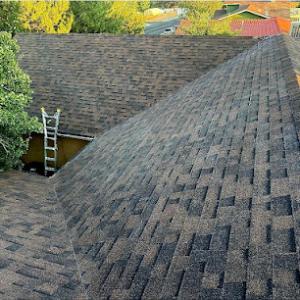
D & D Roofing & Gutters
(505) 215-3838 www.roofsbydd.com
409 W Broadway, Farmington, New Mexico
4.7 from 79 reviews
With over 50 years experience in the industry, D & D Roofing & Gutters has been protecting homes and businesses in Farmington, NM, and surrounding areas with dependable roofing and gutter solutions. As experienced roofing contractors, we offer expert installation, repair, and maintenance services, ensuring your property is shielded from the elements. Rely on D & D Roofing & Gutters to deliver quality workmanship and lasting protection for your home or business.
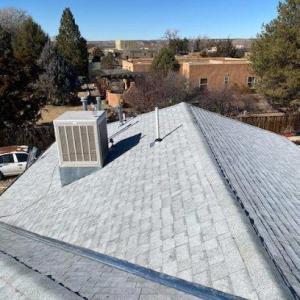
4 Seasons Roofing
(505) 947-0744 www.4seasonsroofingllcnm.com
511 E 20th St, Farmington, New Mexico
4.8 from 51 reviews
Highly responsive, knowledgeable, & solution-oriented contractor.
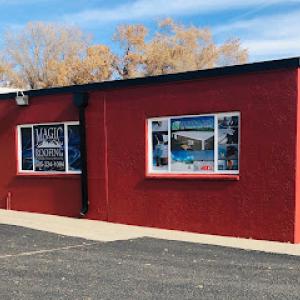
Magic Roofing & Construction Company
(505) 324-1094 www.magicroofing.com
910 Fairgrounds Rd, Farmington, New Mexico
4.5 from 88 reviews
A full service professional roofing contractor. Call us when you need a fully insured and licensed factory certified roofing contractor that has general contracting abilities to tackle all water proofing needs. We cover the entire Four Corners region, NM, CO, AZ, UT. Commercial and Residential
Durango Roof Doctor
101 E Pinon St Ste 1, Farmington, New Mexico
4.5 from 13 reviews
We've been doing roof repairs and installations in Farmington, NM, Durango, Colorado and the surrounding area for over 10 years and our customer service is second to none! We've repaired and installed hundreds of residential and commercial roofs along with other roofing work like skylights! Call us today and let us help you with your roofing needs and see why we are the best roofing company in Farmington, NM and in Durango, CO!
Atencio Roofing
Farmington, New Mexico
3.0 from 2 reviews
We are Atiencio Roofing Service located in Farmington, NM. We are a roofing company and provide roofing services.
Certified Roofing
Serving
3.7 from 3 reviews
Certified Roofing is locally owned and family operated in Famington, NM. Since we stay local we pride ourselves with the low cost of the service and the quality of our work. Satisfaction is our top priority. We value you feedback and ask that if you like what we do, rate our services and let your review be heard. Call today for your free estimate
The Four Corners setting shapes every roof in this area: intense sun, big day-night temperature swings, spring winds, and late-summer monsoon activity all tax a roof on a single annual cycle. That combination means UV exposure wears down shingle and sealant surfaces faster than in milder climates, while daytime heat followed by chilly nights forces materials to expand and contract. In practice, that means your roof needs to withstand more than just rain-the cycles themselves are a consistent stressor. Asphalt shingles, metal panels, clay and concrete tiles, and even synthetic options all react to the climate in distinct ways, so choosing a roof system that anticipates these cycles pays off in longer life and fewer surprises.
In Farmington, the wind is a frequent antagonist, especially during the windy spring and fall windows. Wind-driven debris can loosen edge fasteners or lift shingles at vulnerable edges, allowing water intrusion during monsoon storms. Sun exposure accelerates aging of UV-aged asphalt and can dull reflective coatings on metal or tile surfaces. Hailstorms, common during the monsoon, add an aggressive mechanical load that can dent metal or crack hail-resistant tiles if the roof is already fatigued from UV and thermal cycling. A well-chosen roof in this region accounts for these forces with edge detailing, impact-resistant options where appropriate, and an installation approach that emphasizes a tight, well-sealed envelope.
Not all roofing materials behave the same under high-desert conditions. Asphalt shingles offer familiar ease of repair and replacement, but may require more frequent maintenance in a zone of thermal cycling and hail. Metal roofs handle heat well and shed hail effectively when installed with proper underlayment and fastener patterns, yet the coating and panel seams must be protected from repeated thermal expansion. Clay and concrete tiles provide substantial durability and a long service life, but their weight and brittle edges demand careful handling during installation and close attention to attic ventilation to manage heat buildup. Synthetic or composite shingles aim to blend resilience with lighter weight, but the aging profile under UV exposure and wind can vary by product. Each choice benefits from a detailed inspection plan after severe weather to identify early signs of aging, such as granule loss on shingles or loosened fasteners on metal panels.
Dry, windy springs and falls in Farmington can complicate tear-off and installation. Dust and grit in the air settle on exposed roofing materials, which can hinder bonding and drying of sealants or underlayment. During installation, prioritize clean sheathing, meticulous nail patterns, and a thorough inspection of ventilation channels. A roof system that breathes properly-adequate intake and exhaust ventilation-reduces moisture buildup in the attic, which, in turn, supports longer shingle life and helps protect sealants from early failure. Weather windows matter here; aiming for installation or major repairs during low-wind, dry spells minimizes dust intrusion and improves the overall quality of the job.
With UV aging and thermal cycling at play, proactive maintenance becomes a practical habit. Look for loose granules on gutters and driveways, curling or cupping of edges on asphalt shingles, or any loosening around flashings and penetrations. On metal roofs, check for lifted seams, corrosion at fasteners, and worn protective coatings. Tiles (clay or concrete) should be examined for chips or cracks, which can worsen with continued sun exposure and wind-driven debris. After a monsoon, perform a careful roof sweep to remove debris that can trap moisture at joints or clog valley systems. Regular inspections after hail events are especially important, since hidden damage can progress into leaks before a storm contact is even noticed.
Choose a contractor who understands the seasonal rhythm of roofs here: how heat cycling interacts with venting, how wind-driven debris tests edge systems, and how UV aging shapes sealants and fasteners over time. Request references from neighbors with similar roof types and solar exposure, and ask about their approach to edge detailing, fastener patterns, and attic ventilation. A local pro who can tailor a maintenance plan to the high-desert climate will help keep a roof resilient through the full cycle of sun, wind, and storm for years to come.
Asphalt shingles are common in Farmington, and they're a straightforward choice for many homes. The intense sun and wide temperature swings can shorten appearance life, and older shingles become more vulnerable when monsoon hail arrives. If you choose asphalt, look for a higher-quality, UV-resistant product and consider an upgraded underlayment to add a layer of protection against hail impact and pinhole leaks after seasonal heat. In practice, plan for more frequent inspections after the monsoon window and after any hail event, especially on southern and western exposures where sun exposure is strongest. Proper sealing around penetrations and edge fasteners helps reduce wind-driven uplift during windy days. A reflective granule coating can help reduce heat buildup, but keep in mind it doesn't prevent hail impact damage. When replacing, match shingle thickness and architectural profile to your roof's slope, because steeper surfaces shed hail and water more effectively.
Metal roofing fits this climate well because it handles UV exposure and sheds occasional snow efficiently, but expansion and contraction details matter in a place with hot days and cold winters. If you're considering metal, choose panels with a robust coating system and a sealed, corrosion-resistant edge detail. Pay close attention to fastener type and placement, since thermal cycling can cause fasteners to loosen over time if not installed with proper sealant and closure strips. The underlayment should be compatible with metal to prevent condensation issues and to dampen sound on stormy days. In areas with strong sun, thermal expansion joints near ridges and transitions are essential. A standing-seam design often performs well here because it minimizes exposed fasteners, reducing leakage risk during hail impacts and wind-driven rain. Have a qualified roofer verify that valley and seam closures are tight after heavy storms, and consider a reflective coating on exposed surfaces to moderate heat gain along the attic side.
Clay and concrete tile appear on Southwestern-style homes common in northwestern New Mexico, but in Farmington they need attention to underlayment aging, impact damage, and freeze-related movement during winter cold snaps. Tiles are heavy and can crack from hail or from rapid temperature shifts, so a resilient underlayment and solid roof deck are critical. Look for shake- and crack-resistant tile profiles, and ensure a professional installation that uses proper spacing to accommodate expansion and contraction. Underlayment should be rated for freeze-thaw cycles, and flashing around chimneys, vents, and skylights must allow for movement without compromising the seal. Hail can cause concentrated impact damage that often travels inward through the deck and insulation if the underlayment isn't in good condition. In winter, ensure your roof has adequate drainage and that freeze-thaw cycles won't trap water against vulnerable edges. For tile lovers who want long-term durability, pairing these with a high-quality, continuous underlayment and a reputable sealant around penetrations pays off in quieter operation and fewer leaks after storms.
When you're planning a replacement, choose the outside peak monsoon months for the tear-off and re-shingle window. July through September storms can interrupt work and expose homes to sudden rain, which makes delays more than just annoying. The aim is to finish ahead of monsoon activity and avoid having an open roof during one of those quick, hard-downpour events that spray shingles loose and stress underlayment. In practice, that means targeting late spring or early fall stretches when skies are calmer and crews can move through the job without the weather forcing slowdowns.
Extreme summer heat slows installation pace, particularly on darker roofs that absorb heat and push surface temperatures into uncomfortable ranges for workers. If a roof is a darker color, expect scheduling to shift earlier in the day or to shorten daily shifts to keep crews safe and productive. This is not a one-size-fits-all rule, but it does shape how quickly materials are moved, tarping is set, and the crew can safely handle components on the roof deck. Plan for a slightly longer timeline when a roof faces high surface temperatures, and coordinate with the contractor to align work with cooler hours when possible.
Winter freezes and occasional snow complicate tear-off, material handling, and inspection timing. Shoulder seasons-late spring and early fall-tend to provide the most predictable conditions for a full tear-off, clean deck reveal, and proper insulation and ventilation checks before the next heat cycle. Frozen gravel piles, icy ladders, and damp decking can stall progress or affect adhesive-setting times for some underlayments. If a replacement must occur in winter, expect more weather-related pauses and a tighter window for inspection and final adjustments.
Begin by mapping the calendar around forecasted monsoon risk and typical summer heat patterns. Schedule a pre-construction walkthrough to assess deck condition, venting, and any moisture signs that could affect installation. Confirm with the roofing crew how they handle work during heat peaks and how they'll protect landscaping, gutters, and HVAC units from debris and overspray. Having a clear plan for weather contingencies reduces the chance of delays and keeps the project steadily moving through Farmington's unique high-desert climate.
Farmington homeowners can expect broad material ranges per square: asphalt shingles 350 to 650, metal 600 to 1100, clay tile 900 to 1500, concrete tile 800 to 1400, wood shingles or shakes 700 to 1200, and synthetic or composite shingles 450 to 900. Those figures reflect typical installations on the town's mix of steep slopes and decorative detailing, and they're useful for initial budgeting before you start talking with crews. A simple rule: local crews often price by the roof's complexity, not just the material choice, so taller slopes and visible architectural features can push costs up.
Costs in Farmington can rise after monsoon hail events when claim-driven demand increases competition for crews and extends scheduling times across the local market. If a hailstorm hits, you'll likely see a scramble for nearby labor, higher material strike rates, and compressed timelines. As a result, you may pay a premium for faster turnarounds or for crew availability, especially for larger or more intricate roofs with tile or shake profiles. When estimating, build in a buffer for storm-driven demand and potential short-notice project adjustments.
Southwestern roof designs seen around Farmington can include steeper visible slopes, tile profiles, and architectural details that increase labor, while permit processing and required inspections add administrative steps to reroof jobs. Tile and shake installations, in particular, can require extra framing checks and careful underlayment work to ensure long-term performance under intense sun and wide day-night temperature swings. Even asphalt shingles on a complex geometry roof can cost more if multiple ridges, dormers, or curved lines are involved.
In the high-desert seasonality, UV aging and wind exposure matter. If you're weighing between asphalt and metal, consider long-term durability versus upfront cost, knowing Farmington's sun can accelerate aging on some products. Clay or concrete tiles offer resilience against hail when properly installed, but their weight and installation intricacy can heighten both labor and structural prep costs. Wood shingles or shakes bring a distinctive look but demand extra detailing to resist hail impact and weathering. Synthetic or composite shingles often strike a balance between upfront price and hail resistance, with extra benefit of lighter framing requirements in many cases.
Get three written quotes and ask for itemized line items that separate tear-off, underlayment, ridge cap, vent work, and any architectural features. Request a sample of the exact tile or shingle profile to confirm fit with existing detailing, since Southwestern slopes and profiles can differ. If hail history is relevant to your home, ask about impact ratings and warranty alignment. Keep an eye on crew availability after storms and clarify lead times before you commit.
Residential reroof permits are typically required through Farmington's Building Division rather than being treated as a no-paperwork job. The local authority expects documentation that confirms the roof replacement will meet current code, weatherproofing standards, and the long-term durability needed in the Four Corners climate. Skipping the permit or rushing the paperwork can lead to delays, fines, or problems when selling the home. With the high-desert sun, temperature swings, and monsoon season, proper permitting helps ensure the new roof is installed to withstand Farmington's unique conditions.
The process typically includes an initial plan review followed by two required inspections: one after tear-off and one after completion. During plan review, the reviewer checks that the chosen roofing system, fasteners, underlayment, and ventilation align with local code and the home's structure. Have your roofers provide a clear scope, including tear-off methods and debris containment, so that the plan review moves without unnecessary back-and-forth. This step sets the foundation for a smooth build, especially when UV-aged substrates or weathered decking are involved.
The first inspection occurs after the tear-off, confirming the roof deck is sound, dry, and prepared for new materials. The second inspection happens after completion, verifying proper installation, flashing, ventilation, and alignment with the approved plan. Delays in either inspection can stall the project, particularly when shifting monsoon patterns or wind events threaten exposed decking. Your crew should schedule inspections promptly and keep documentation organized.
Final clearance is needed to close the permit in Farmington, so homeowners should confirm the permit is fully finalized rather than assuming the job ends when materials are installed. Make sure the permit card shows final clearance before any final payment or occupancy considerations. If the final paperwork isn't complete, the city may place a lien or require reinspection, especially if hail exposure or wind-driven debris tests surface later.
In this four-corners high-desert setting, hail and wind events drive roofing claim activity, especially during storm-prone months. Insurers serving this region scrutinize roof age, material type, and overall condition, because UV wear in Farmington can blur the line between storm damage and prior deterioration. Using a roof in an aged state, or with sun-baked surfaces, can shift the claim from a simple hail patch to broader questions about repair vs. replacement. The consequence is that a storm photo from last week may not be enough to tell the whole story days or years later, leaving you with unexpected coverage questions.
Homeowners should keep dated pre-storm and post-storm photos, material records, and permit paperwork because adjusters often request detailed documentation in hail and wind claims. Clear images of shingles, flashings, eave lines, and any prior repairs help tell the roof's history. Collect receipts or installation records for the exact material type and the year of installation. If a hail event rattles your area, store this information in a weatherproof folder or digital drive labeled by year and street address, so the adjuster can quickly verify what existed before the storm and what is being proposed for repair.
When a claim is filed, checklist-style organization matters. Note the storm date, wind speeds if available, and any nearby property damage that mirrors roof impact. If the roof shows both new hail impacts and older UV wear, be prepared to discuss maintenance history and prior inspections with the adjuster. A careful, well-documented submission can prevent delays and help ensure the settlement reflects the true condition of the roof, not assumptions about age alone.
Prolonged sun exposure in this high-desert climate can bake asphalt shingles and accelerate the aging process. After years of intense UV, asphalt loses fibers and granules, becoming more brittle and prone to cracking. When monsoon season arrives and hail or strong winds hit later in the season, those aged shingles are less able to shed impact. The result is a higher likelihood of fracture, missing tabs, and exposed underlayment. You'll notice granule loss in the gutters or on the driveway, and the roof may feel spongy where the shingles have deteriorated. A practical check is to walk the roof edge after a dry spell, looking for flat, dull patches that didn't exist a few years back, and to inspect the attic for accelerated insulation wear or light showing through where shingles once blocked it.
Tile roofs in this area can hide trouble below the surface because underlayment ages earlier than the visible wear on the tile itself. Repeated heat cycles, followed by cold winter nights, stress the underlayment and fasteners. When tiles endure this cycle, fasteners can loosen and underlayment can degrade, leading to hidden leaks that only show up after a storm. In practice, you should consider periodic underlayment checks during tile maintenances, especially if the roof has seen several hot summers. Look for soft spots along eaves, tiles that sit unevenly, or a distinct damp odor inside the attic after a rain, which can signal underlayment failure even when the surface tiles look intact.
In dry seasons, dust and debris are routinely blown across the roof and toward penetrations, valleys, and exposed edges. This debris acts like sandpaper, accelerating wear around sealants, flashings, and where roof penetrations meet the flashing. The result is faster degradation of the seals and potential leaks at vent stacks, chimney boots, and valley intersections. To mitigate, keep roof penetrations clean, inspect flashings after windy spells, and monitor edge tiles or shingles for lifted or cracked sections. A careful eye on these vulnerable zones helps catch issues before a leak sneaks in during the next monsoon squall.