
Last updated: Apr 19, 2026
After a storm, you face a unique Navarre reality: wind can peel back shingles and reveal roof decking, but water intrusion often travels through wind-driven rain and missed fasteners in overlooked corners. Begin with a careful walkaround at first light. Photograph every damaged area from multiple angles, including attic spaces if accessible. Capture close-ups of lifted shingles, granule loss, flashing gaps, and any staining or staining on ceilings or walls below the attic. Time is critical: the clearer the before-and-after trail, the stronger your claim position when insurers review wind versus water damage. If you detect moisture or musty smells inside, document with dated photos and note room locations and dates.
Navarre's fast-react storms mean interior damage can worsen within hours as afternoon squalls roll in. Secure a temporary tarping or leak-stabilization plan as soon as you recognize damage, even if the roof seems only superficially affected. Your priority is to prevent further wind-driven rain from intruding into the attic or living spaces. Do not wait for a full repair crew if visible gaps exist. A temporary cover minimizes interior exposure and buys you crucial time to coordinate a proper repair with your contractor and the insurer's adjuster.
Insurance expectations tighten when hurricane exposure is part of the equation. You will benefit from a concise narrative that maps what happened, when, and how damage progressed. Note the date of storm passage, wind speeds if known, and any reported weather warnings. Record whether damage occurred in a single event or multiple bursts. Preserve any receipts for emergency materials or temporary fixes, as these often support the legitimacy of urgent mitigation actions and help prevent further loss.
When the adjuster arrives, expect a thorough roof condition report that covers wind resistance features, visible leaks, and interior impact. Having a well-organized set of photos, a dated damage log, and a short summary of mitigation steps helps streamline the process. If an item on the claim list is disputed, request a written explanation and, if needed, a second opinion from a local, trusted contractor who understands the island corridor dynamics. Keep communications in writing whenever possible to maintain a clear trail.
Once the claim moves toward approval, you'll shift to scheduling a rapid repair window that minimizes further exposure. In a coastal setting, a phased approach-temporary stabilization followed by a full restoration using proven, wind-resilient strategies-helps ensure your home returns to a weather-ready state promptly. Track progress daily and verify that tarps remain secure during intermittent squalls, especially if a second round of storms targets the area before work completes.
Connect with contractors who help homeowners navigate the claims process from damage assessment to final approval.
A&M Construction of NW Fla.
(850) 803-0650 amroofingcontractormaryesther.com
Navarre, FL
4.9 from 128 reviews
SEC Renovations & Repairs
(850) 936-7550 www.secroofing.com
1876 Edgewood Dr, Navarre, Florida
4.8 from 36 reviews
Floridas Roofing & Construction Group
(850) 920-7663 floridasroofingpros.com
Serving
4.6 from 22 reviews

A&M Construction of NW Fla.
(850) 803-0650 amroofingcontractormaryesther.com
Navarre, FL
4.9 from 128 reviews
For over three decades, A&M Construction of NW Fla. Inc. has been the roofing contractor of choice for those dedicated to quality and durability in Fort Walton Beach and surrounding areas. With a commitment to excellence and a team of experienced roofers, you can trust our expertise in roof design, installation, and repair to create lasting and beautiful solutions for any residential or commercial space. We also offer solar panel removal and replacement on re-roofs with solar panels- contact us to get started! CCC1326077 / CVC57246
H&R Roofing & Construction
(850) 625-0325 hrroofingandconstruction.com
8173 E Bay Blvd Unit D-E, Navarre, Florida
4.9 from 56 reviews
H&R Roofing and Construction, LLC is a locally owned and operated family business. With combined experience of 20+ years in the construction business; we understand how the process is supposed to work from beginning to end. Our experience comes from working on both sides of the roofing and construction business; from working in the field and running our own roofing and construction jobs to working on the manufacturing side and understanding the processes that go in to making the very products we promote and sell. If you have questions we have answers! Please do not hesitate to reach out and let us help you through your next project!!
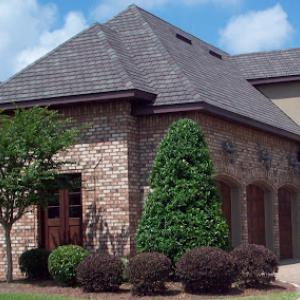
SEC Renovations & Repairs
(850) 936-7550 www.secroofing.com
1876 Edgewood Dr, Navarre, Florida
4.8 from 36 reviews
SEC Roofing offers customers high quality roofing materials and professional installation. We work with Atlas Shingles and are licensed and insured in Florida. Primarily servicing Florida's panhandle, we do new construction roofing, new roofs, roof repairs and maintenance, roof inspections and roof cleaning. Shingle roofing, metal roofs and more.
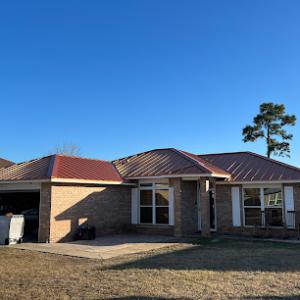
Campbell Roofing Contractors
(850) 803-4300 campbellcontracting.com
1966 Esplanade St, Navarre, Florida
4.3 from 15 reviews
State Certified Licensed Roofing Contractor
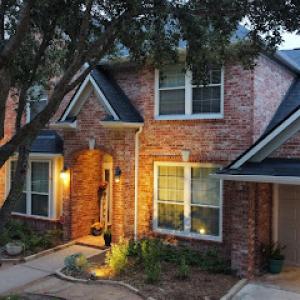
L&B Roofing
(850) 992-2586 www.lb-roofing.com
2659 Holley Club Dr, Navarre, Florida
5.0 from 2 reviews
Family business with 16+ years experience. Residential and Commercial Roofing. Commercial services provided Nationwide. Call to claim your Free Inspection!
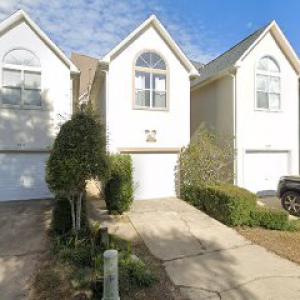
Navarre Roof Masters
(850) 842-5326 roofingnavarre.com
7216 Majestic Blvd, Navarre, Florida
5.0 from 1 review
Navarre Roof Masters works on roofing projects for residential and commercial properties throughout Navarre, FL. We provide roof repair, roof replacement, roof installation, roof inspections, commercial roofing, and emergency roof repair. With experience in coastal environments, we understand wind exposure, humidity, and roofing materials commonly used along the Gulf Coast. We deliver roofing services designed to support weather-resistant, long-lasting roof systems.
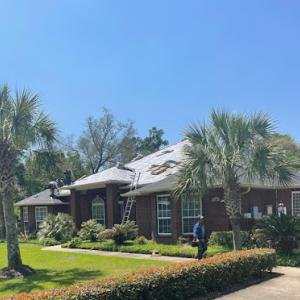
Floridas Roofing & Construction Group
(850) 920-7663 floridasroofingpros.com
Serving
4.6 from 22 reviews
Looking for high-quality roofing services in Florida? Look no further than Florida's Roofing and Construction Group! Our team of experts is here to help with all of your roofing needs. We offer a wide range of roofing products, including asphalt shingles, metal roofing, tile roofing, slate roofing, cedar shakes, and synthetic roofing materials. We also provide a comprehensive range of services, including repairs, replacements, inspections, leak detection and repair, gutter installation and repair, skylight installation and repair, attic insulation and ventilation, roof cleaning and maintenance, storm damage repairs, emergency roof repairs, and insurance claims assistance.
Buildia Construction Group
(850) 490-0708 www.buildiainc.com
Serving
5.0 from 7 reviews
Call on the experts at Buildia Construction Group for your roofing services in the Pace area. We are a trusted roofer and general contractor, dedicated to your complete satisfaction. Contact us today to see what makes Buildia Construction Group the roofing expert you can trust!

Coastal Roofing & Exteriors
(850) 816-1973 coastalroofingexterior.com
Serving
4.9 from 31 reviews
Coastal Roofing and Exteriors is a local roofing contractor serving Milton Florida and nearby communities. We focus on residential roofing and protect homes from heat, rain, wind, and severe storms common to the Florida Panhandle. Homeowners trust us for roof repair, roof replacement, emergency roofing, and storm damage repair tied to insurance claims. Our team installs and repairs shingle roofing and metal roofing with attention to detail. We provide clear roof inspections and honest guidance so homeowners understand roof condition. We are licensed and insured with deep experience handling Florida storm damage. Clear communication, reliable scheduling, and solid workmanship guide every project from inspection through completion.
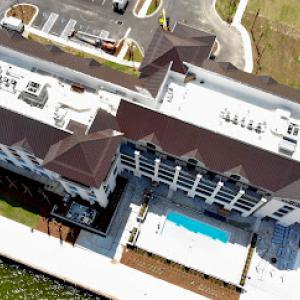
L3 Roofing
(850) 737-3626 www.l3roofing.com
Serving
5.0 from 12 reviews
L3 Roofing is a leading provider of residential and commercial roofing services in the Fort Walton Beach area and surrounding communities. Contact us today to schedule a consultation.
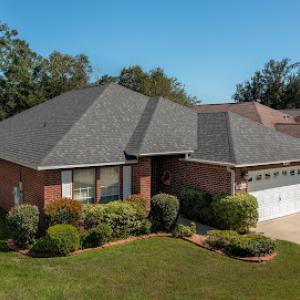
Quality Roofing Solutions
(850) 446-0416 qualityroofingsolutions.com
Serving
4.9 from 182 reviews
Quality Roofing Solutions, based in Fort Walton Beach, FL, provides top-notch residential and commercial roofing services. We specialize in installations, repairs, replacements, and maintenance using premium materials like asphalt shingles, metal, and flat roofing systems. Our team expertly handles storm damage, enhances curb appeal, and offers preventative care to ensure your roof’s longevity and performance. We pride ourselves on outstanding craftsmanship, safety, and customer satisfaction. Proudly serving the community, we offer military and senior citizen discounts. From minor repairs to complete replacements, Quality Roofing Solutions delivers reliable, customized results you can trust to protect your home or business.
Generations Roofing
(850) 295-8090 www.proroofinstall.com
Serving
5.0 from 36 reviews
Generations Roofing provides residential and commercial roofing services to the Fort Walton Beach, FL area.
In this Gulf Coast pocket, wind resistance and salt-air exposure shape every roofing decision. Asphalt shingles and metal roofing are the two frontrunners because they balance install practicality with long-term resilience against humid, salty air and pounding storms. Shingle systems can be a straightforward retrofit in many existing homes, but metal has a built-in appeal when storm readiness and easier post-storm recovery are top priorities. The coastal environment makes you weigh not only upfront cost but how the material behaves under high wind, flying debris, and salt-laden air year after year.
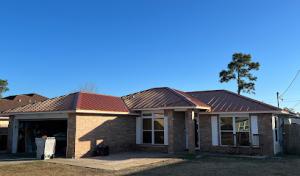
Metal roofing excels in this market because local contractors regularly specialize in it, reflecting homeowner demand for durable, storm-ready systems. A metal roof can shed wind-driven projectiles and resist uplift better when it's installed with correct fasteners and a properly detailed edge. For homes with high exposure to salt spray, a coated or painted metal surface holds up more consistently to corrosion compared to some traditional shingle underlayers. The practical takeaway is that metal is not just about a long lifespan; it's about maintaining a snug, weather-tight envelope after a hurricane pass.
Asphalt shingles remain common for a reason: relative ease of installation, compatibility with existing roof decks, and a broad local contractor base. In Navarre, they can perform satisfactorily when the roof is well air-sealed and the underlayment is chosen with coastal conditions in mind. The tradeoff to consider is wind performance and salt exposure over years. Shingle roofs can suffer uplift if wind devices, edge detailing, and attic ventilation aren't optimized to the Gulf climate. If you lean toward shingles, look for enhanced wind-rated products and ensure the installation crew follows coastal best practices for sealant and flashing details.
Tile options-clay or concrete-do exist locally, as do wood shingles and slate. Their suitability heavily depends on the house structure, maintenance expectations, and how they stand up to coastal weather stress. Tile offers durability and a distinctive look, but weight and edge detailing become critical in hurricane-prone neighborhoods. Wood shingles can sway with wind and humidity, and slate is excellent when installed with careful underlayment and fastener choices, yet both demand vigilant maintenance in salt-laced air. In many Navarre homes, these materials work best where the roof structure is reinforced and the project budget anticipates ongoing upkeep.
Start with your roof's exposure and existing structure: tall coastal homes with hard exposure require a stronger wind-ready system. If you choose metal, verify that the contractor emphasizes coastal-grade fasteners, proper panel seams, and edge detailing to resist uplift. If shingles are preferred, opt for a high-wind-rated product and insist on a robust underlayment and sealed flashing around vents, chimneys, and skylights. For any non-standard material, ensure the roof deck and structural supports are evaluated for the added weight and wind load implications. In this market, the best choice aligns with a proven local installation approach, a maintenance plan that fits humid, salty air, and a strategy for rapid tarp-ready recovery after major storms.
Explore specialists in steel, aluminum, and standing seam metal roofs built to last 50 years or more.
SEC Renovations & Repairs
(850) 936-7550 www.secroofing.com
1876 Edgewood Dr, Navarre, Florida
4.8 from 36 reviews
Campbell Roofing Contractors
(850) 803-4300 campbellcontracting.com
1966 Esplanade St, Navarre, Florida
4.3 from 15 reviews
Floridas Roofing & Construction Group
(850) 920-7663 floridasroofingpros.com
Serving
4.6 from 22 reviews
Typical local pricing ranges are about $350 to $650 per square for asphalt shingles, $700 to $1,200 for metal, $950 to $1,600 for clay tile, $900 to $1,400 for concrete tile, $700 to $1,100 for wood shingles or shakes, and $1,600 to $2,800 for slate. These figures reflect Navarre's Gulf Coast exposure: labor availability, material delivery times, and the spike in demand after hurricane or tropical storm events can shift costs quickly. When evaluating bids, check whether the estimate breaks down material, waste, and staging separately, since crews may charge more for high-wind regions or limited access sites.
Scheduling during the cooler, drier part of the year can improve workflow in Navarre because extreme summer heat, humidity, and frequent thunderstorms can slow installation and increase staging complexity. If you can time a re-roof for late fall or early winter, you'll likely see steadier material supply and fewer weather-related delays. However, after a storm surge or a Gulf-front weather event, expect a tighter window and potential price movement as crews rebuild demand across the coast. Plan with a reserve in your budget for short-notice schedule changes if a hurricane or tropical storm precedes your project.
If your roof currently uses asphalt shingles, the low-to-mid range remains a practical option for cost control, but consider impact resistance and wind uplift ratings especially in high-wind zones along the barrier island corridor. Metal roofs can offer strong performance against wind and hail, though initial costs are higher. For clay or concrete tiles, weight and fastener corrosion are considerations; in saline air, you'll want corrosion-resistant hardware and proper underlayment. Wood shingles and slate carry premium price points, with slate delivering durability but higher installation complexity. Factor long-term maintenance and potential recovery costs after a storm when selecting a material.
In Navarre, costs can rise when hurricane or tropical storm activity creates regional demand spikes for labor, dry-in crews, and material deliveries across the Gulf Coast. If your project starts during a surge, you may see higher bid totals or shorter crew windows. Communication with the contractor about expected lead times and staging constraints helps protect a realistic budget. Ask for a clearly defined schedule that accounts for material delivery buffers and weather contingency days.
Start with a written, itemized bid that lists material type, underlayment, fasteners, drip edge, and flashing upgrades. Request references from neighbors who've re-roofed after a storm and, if possible, verify that the installer carries storm-specific insurance coverage. Build a contingency of 10-20% for supply or access delays tied to Gulf Coast weather. If the project requires higher-end materials, plan for additional up-front procurement to minimize on-site delays and keep the crew productive through the critical, post-storm window.
Don't let upfront costs delay a critical repair - these contractors offer payment plans to fit your budget.

Quality Roofing Solutions
(850) 990-0025 www.qualityroofingsolutions.com
Serving
5.0 from 263 reviews
A full re-roof in this area typically requires a building permit through Santa Rosa County rather than a city-specific building department process. The contractor usually submits the permit application to the county building department, and inspections are staged during construction with a final inspection required before closeout. The county system is designed to verify that the roof assembly and fasteners meet current wind-resistance standards that matter for Santa Rosa County's Gulf Coast exposure. Expect some back-and-forth as inspections progress, but staying on a defined schedule helps prevent longer project gaps.
Wind mitigation and related documentation can affect timing in this county process, which matters in Navarre because many homeowners are balancing permit closeout with insurance needs. Work with the contractor to ensure wind-rated components are clearly documented in the submittals, including roof decking, nailing patterns, underlayment, and the type of fasteners used. Keep copies of all contractor-generated drawings, product data sheets, and any approved changes to the original plan. If a wind- mitigation credit is pursued for insurance purposes, have the engineer's or manufacturer's specifications ready for the county review, and submit them as early as possible to reduce hold-ups.
Coordination between the permit closeout and insurance requirements is common, so align scheduling with your contractor and insurance agent. Inspections can be staggered to match construction progress, but delays in one stage can ripple into the next, especially during hurricane season when weather and demand affect availability. Plan for the final inspection to coincide with any required documentation for wind mitigation or policy endorsements. A proactive approach minimizes the risk of a last-minute extension that could affect coverage timelines.
designate a single, reliable point of contact at the contractor's office to track the permit timeline and inspection dates. Promptly provide any county-requested information and keep a copy of all submitted forms. When possible, schedule initial inspections before peak storm season to avoid weather-driven delays. Ensure the crew adheres to county-approved methods for wind-resisting installations and that all debris removal and site cleanup are completed before final closeout. This local process, while meticulous, keeps roofs resilient against Gulf Coast wind and salt exposure and helps maintain steady insurance transitions.
In this exposed Gulf Coast setting, heat, humidity, and salty air conspire to shorten roof life. Wet conditions linger longer, keeping assemblies damp and stressing sealants, flashings, and ventilation components well beyond what inland climates experience. In practice, that means granules loosen faster on asphalt, metal edges corrode more readily, and underlayment suits can degrade sooner if drainage isn't consistently managed. The consequence is a roof system that feels "soft" under repeated Florida downpours and the predictable heat of summer, especially when the season stretches into weeks of high humidity. For homeowners, the takeaway is simple: materials and details chosen for coastal durability pay dividends only if moisture management stays robust year after year.
Summer storms arrive with little warning and often wet roofs before any visible repairs can catch up. In this market, every new drip around a vent pipe or along a chimney can set up a repeat cycle of damage if the roof hasn't fully dried out or if flashing integrity was compromised during the last fix. The barrier-island environment means water finds seams, fasteners, and roof transitions more aggressively, so leak paths can reappear even after a patch. This is not a one-off risk-it's a recurring pattern that tests the longevity of repairs and can lead to interior staining, attic condensation, and accelerated framing wear if not addressed promptly and comprehensively.
The Gulf-adjacent environment demands heightened corrosion resistance and moisture management. Metal roofs must be coated and fasteners sealed against salt spray; concrete and clay tiles benefit from careful staining and moisture barriers to prevent algae and mold that thrive in humid soils. Ventilation becomes more than a box to check; it acts as a critical outlet for trapped humidity that otherwise undermines attic insulation and wood members. When inspecting a roof, prioritize sealed penetrations and robust flashing transitions, and plan for more frequent inspections after summer storms to catch early signs of failure before they cascade into bigger problems.
Find contractors experienced in skylight installation, flashing, and leak repairs to bring natural light into your home.
A&M Construction of NW Fla.
(850) 803-0650 amroofingcontractormaryesther.com
Navarre, FL
4.9 from 128 reviews
Campbell Roofing Contractors
(850) 803-4300 campbellcontracting.com
1966 Esplanade St, Navarre, Florida
4.3 from 15 reviews
Floridas Roofing & Construction Group
(850) 920-7663 floridasroofingpros.com
Serving
4.6 from 22 reviews
In Navarre, solar-integrated roofing deserves special planning because any added roof penetrations must be evaluated in a market already dealing with wind-driven rain and hurricane exposure. The combination of exposed Gulf winds and salt-air corrosion makes penetration sizing, placement, and seal detail critically important. Anticipate how panels, racking, and conduit will affect existing flashing, drip edges, and valley intersections. The goal is to minimize weak points that can catch rain or lift during a storm, while still delivering the energy upgrade you want.
The local contractor signal for solar roofing indicates that some Navarre-area homeowners are pairing roof replacement decisions with energy upgrades rather than treating them as separate projects. When you replace the roof, think through how new flashing details will tie into the panel mounting and how future service access is impacted. Do not retrofit panels onto an aging roof without confirming that a robust flashing plan and access path are in place. Favor configurations that keep hail and wind-driven debris risk low at the penetrations, and choose a layout that stays functional if a future tile or shingle refresh is needed.
In a storm-prone climate, sequencing matters: homeowners should think about whether the roof system, flashing details, and future service access are being planned together. Start with a comprehensive roof-to-penetration map that shows where panels, conduits, and fasteners will land relative to ridge lines, hips, and valleys. Use corrosion-resistant hardware and sealed penetrations that accommodate salt spray. Verify that the mounting system accommodates expansion and movement without creating stress at flashing interfaces, and plan for clean, accessible routing of cables to simplify any future repairs after a hurricane.
Find contractors who integrate solar panels or solar shingles into your roof for long-term energy savings.
A&M Construction of NW Fla.
(850) 803-0650 amroofingcontractormaryesther.com
Navarre, FL
4.9 from 128 reviews
Floridas Roofing & Construction Group
(850) 920-7663 floridasroofingpros.com
Serving
4.6 from 22 reviews