
Last updated: Apr 19, 2026
June through November sits in the crosshairs of Atlantic tropical activity, and that means your roof plan should be built around the inevitable interruptions: tear-offs, dry-in schedules, and material deliveries can all be knocked offline by a tropical storm or a quick, gusty squall. When the forecast shows even a low-pressure system forming offshore, expect delivery delays and scheduling pivots. The most reliable approach is to map a tight tear-off window during the late dry spell of fall and winter, and treat the June-November period as a defensive buffer. If you have a project lined up in late spring, plan for potential rescheduling and buffer extra days to accommodate late-day wind or sudden downpours. The goal is to avoid forcing job pauses during the height of storm season, which can cascade into moisture exposure and added risk.
Warm, humid conditions and frequent summer rain create a real hazard when underlayment or decking sits exposed between stages. In this climate, long exposure can lead to accelerated moisture uptake, warping, and even mold growth under the shingles. A fast, well-coordinated sequence is essential: complete the deck or underlayment installation, then promptly secure the covering. If a dry-in cannot be achieved within a day or two, consider protective tarp solutions and staged re-covering to limit sun, wind, and salt-air impact. The region's salt-laden breeze accelerates corrosion and can compromise edges and fasteners if the deck isn't covered in a timely fashion. Ask the crew for a concrete plan: back-to-back framing, underlayment, and shingle installation with minimal gaps in between. Your goal is to minimize any period where wood or synthetic underlayment is left exposed to humid, tropical air and rain.
Homeowners in this area often shift full replacements to the drier winter period to reduce weather delays, while still watching for occasional wind events that can upend a plan at a moment's notice. A smart approach is to target a sustained stretch of dry winter weather for the bulk of the work, coupled with a contingency plan for a late-season push if conditions cooperate. Build in a pre-winter contingency block so a delayed start in late fall doesn't leave you dangling during the wettest part of the season. If a late-wall storm or tropical surge appears, you should have a clear decision point to pause, secure, or accelerate work to protect the structure and interior from moisture influx.
Have the crew flag potential storm days at a 72-hour notice and pre-approve temporary protections, such as tarps and wind-rated fasteners, so you're not scrambling when a storm forms offshore. In practice, this means sequencing that prioritizes securing underlayment and fasteners before the heaviest rain events, with a plan to seal and protect exposed surfaces quickly after any pause. Keep clear lines of communication with the contractor and a trusted storm plan, so you can react quickly to the shifting Atlantic corridor that defines this coastline.
Sebastian's dominant local material mix already includes asphalt shingles, metal, clay tile, concrete tile, wood shakes, and synthetic/composite shingles. That means you're choosing among systems that are common in this area, not niche products. In humid, rain-heavy seasons, the choice you make now can influence how your roof ages in the lagoon's salt air. When evaluating a replacement, focus on how each system handles humidity, wind-driven rain, and the corrosive coastal air. Asphalt shingles and metal are practical default options, while tile options bring long life but require careful slope and fastener details in storm-prone years. The decision should align with your home's existing roof geometry, attic ventilation, and the ability to maintain a watertight underlayment through Sebastian's wet spells.
Humidity accelerates deterioration of underlayment and can expose weaknesses in older shingle and tile assemblies faster than inland dry climates. If your roof is approaching the 15-20 year mark for shingles or the 25-35 year range for tiles, use a careful eye toward the underlayment condition, including felt or synthetic layers, and any signs of moisture through the decking. In coastal settings, the underlayment's resistance to salt creep and wind-driven moisture matters as much as the outer covering. A practical approach is to plan a full underlayment assessment during a reroofing project and prioritize modern synthetic underlayments with good breathability and moisture tolerance, especially if the current layer shows any moisture staining or delamination after seasonal storms.
Coastal air exposure near the Indian River Lagoon makes corrosion resistance and fastening details especially important when comparing metal systems. If choosing metal, look for coatings with proven salt spray performance and consider thicker gauges in higher wind zones. Fastener selection matters: corrosion-resistant screws or nails with sealing washers, matched to the panel profile, help reduce panel loosening and water intrusion after storm events. For existing homes with older metal, verify that the substrate and backer supports are intact, since salt-laden air can accelerate corrosion in fasteners and connectors. A coastal-focused metal option can provide excellent longevity if installed with attention to proper sealants at hips, ridges, and penetrations.
Hurricane-season resilience is a practical driver in Sebastian. After major storms, inspect not just shingles or tiles but also flashings, eaves, and valley plastics or sealants for uplift damage. If a storm reveals widespread granule loss on shingles, lifted tiles, or broken metal panels, prioritize a repair or replacement plan that reinforces wind resistance. Consider upgrading to wind-rated shingles or metal systems with enhanced edge detailing, and ensure that sealants and coping at roof-to-wall transitions receive attention to maintain a rain-tight envelope during the next storm cycle. In this climate, proactive maintenance and timely reselection of components that resist salt and moisture will help extend roof life and reduce costly surprises after the next hurricane.
Sebastian roofs face tropical-storm wind uplift, wind-driven rain intrusion, and debris strikes during rapid weather shifts. A bent eave, lifted shingles, or compromised sealant can turn a small breach into a full roof leak within minutes of a storm's edge. In practical terms, that means prioritizing rapid identification of gaps, flashing failures, and displaced fasteners as soon as conditions permit. If a storm cell is approaching, treat any signs of moisture entering through the attic as a priority alert, not a nuisance drip. Quick attention now reduces water migration into ceilings, walls, and insulation, which compounds damage and accelerates interior restoration needs.
Because outages and weather interruptions are common during stronger summer storms, temporary tarping and quick leak stabilization are a practical local concern. If you can safely access the roof or eaves, cover obvious openings with a sturdy, weatherproof tarp secured away from wind-driven edges. Inside, place absorbent materials under any active leaks, and minimize interior water exposure by directing drips toward a containment method. For neighborhoods with wooden soffits or vulnerable overhangs, inspect quickly for exposed fascia nails or corroded fasteners, which are common failure points when sustaining wind-driven rain. Do not delay tarping if sustained gusts are forecast; even a few extra hours of containment can avert interior mold and ceiling collapse risks.
Post-storm demand spikes in Sebastian and surrounding Indian River County can stretch scheduling, making early documentation and rapid response more important. Photograph all exterior damage from ground level and, if safe, from the roof edge to capture uplift, lifted shingles, dented gutters, and displaced underlayment. Create a simple map of damaged zones to guide crews and insurance notes. Given the likelihood of storm-driven scheduling bottlenecks, communicate damage reports to contractors promptly, flagging urgent leaks and hard-to-protect areas so crews can triage efficiently when the first window becomes available.
During a roof review after a storm, check for lifted shingles or tabs, torn flashing around chimneys and vents, granule loss in gutters, and any section where the underlayment appears exposed. Look for wind-driven debris strikes: punctures or cracks in the roof surface, punctured vent boots, and damaged ridge cap. Inspect for interior signs of moisture near ceilings and walls directly beneath rafters, especially in attic spaces with limited ventilation. Document everything: a dated set of photos, weather notes, and any corroborating observations from neighbors.
Sebastian's climate demands a proactive stance on storm resilience. If a roof shows recurring vulnerabilities to wind uplift or repeated leaks after seasonal storms, plan for targeted upgrades-such as enhanced flashing, better underlayment, and rated fasteners-before the next hurricane season arrives. Maintain a ready-to-activate rapid response kit: tarps, nails or fasterners, a durable flashlight, and a small drain-safe container for collecting leaks during the worst conditions. Establish a prioritized contact list with a trusted local roofer who understands the bay-front salt air's impact on fasteners and sealants, and ensure the emergency call window is clear of typical summer scheduling bottlenecks.
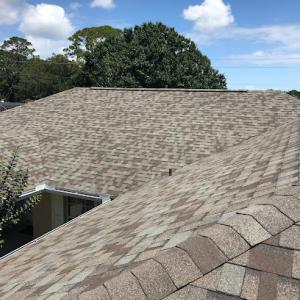
Rock Solid Roofing
(321) 749-7069 rocksolidroofing.com
1063 Persian Ln, Sebastian, Florida
5.0 from 39 reviews
Rock Solid Roofing is a family owned roofing company based out of Sebastian since 2005. We specialize in shingle, metal and flat roof installations for all residential and commercial buildings.
Scozzari Roof Services Contracting & Consulting
(772) 388-7453 www.roofservicesconsulting.com
1401 Thornhill Ln, Sebastian, Florida
4.8 from 58 reviews
All phases of roofing and water proofing
Cutting Edge Roofing
(772) 202-0716 cuttingedgeroofing.net
105 Midvale Terrace, Sebastian, Florida
5.0 from 17 reviews
Residential & Commercial roofing contractor specializing in residential shingle, 5V, standing seam, & tile roofing systems in addition to commercial TPO
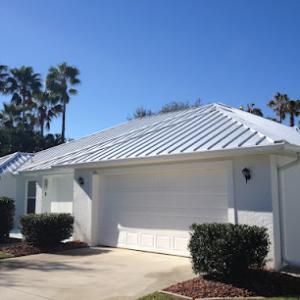
Leeward Roofing
(772) 589-2400 www.leewardroofing.com
9577 Gator Dr Unit #5, Sebastian, Florida
4.8 from 31 reviews
Leeward Roofing is a premier Florida roofing contractor dedicated to excellence in every project. Specializing in a wide range of residential and commercial services, we provide superior craftsmanship and high-quality materials for every roof. Our expertise covers various roofing types, including tile, metal, shingle, and flat roofs, ensuring your property receives a durable and top-tier installation. Committed to the highest standards, Leeward Roofing delivers professional service and lasting results for every client.
Highland Homes Roofing
(772) 388-1411 highlandhomesroofing.com
1136 US-1, Sebastian, Florida
5.0 from 9 reviews
Highland Homes Roofing is a veteran-owned roofing company serving Sebastian, Vero Beach, and the Treasure Coast since 1986. With over 40 years of experience, we specialize in shingle, metal, and aluminum roofing for residential and commercial properties. Our licensed and insured team is committed to quality craftsmanship, timely service, and fair pricing. From new roof installations to repairs and inspections, we ensure durable, weather-resistant solutions tailored to Florida’s climate. Contact us for a free estimate and experience trusted, local roofing expertise.
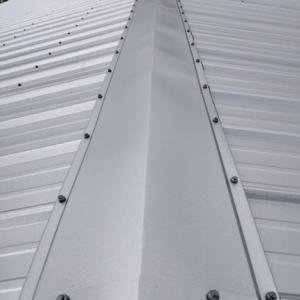
Florida Roofing Company
(800) 674-3017 flroofingco.com
Serving
4.8 from 13 reviews
Roofing Contractor
DC Roofing
(772) 362-2904 www.dcroofingbrevard.com
Serving
5.0 from 51 reviews
DC Roofing, Inc. is proud to now serve Melbourne Beach and the surrounding coastal communities with trusted residential and commercial roofing services. From metal roof installations to shingle replacements and more, our experienced team is here to do your roof right the first time. Since 2015, our family-owned business has built a strong reputation in Melbourne and across Brevard County for quality workmanship, dependable service, and honest communication. At DC Roofing, we use top-grade materials, apply innovative roofing techniques, and prioritize customer satisfaction every step of the way. Whether you're protecting your home or business, you can count on us to deliver long-lasting results and a stress-free experience.

BD Roofs & Exteriors
Serving
4.9 from 129 reviews
Over 25 years of Roofing Experience: We promise we will assure you QUALITY WORKMANSHIP THAT WE STAND BEHIND!!!
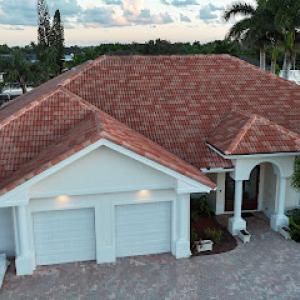
Coral Coast Roofing
(833) 313-7277 www.coralcoastroofing.com
Serving
5.0 from 16 reviews
Where Coastal Living Meets Roofing Excellence! The Coral Coast Roofing mission is to provide more than just roofs. We are dedicated to crafting structures that symbolize security, shelter, and protection! As a Florida native, we feel it is our duty to strengthen and preserve our vibrant communities. "Having a roof over our head" means more than a just place to live; it means having a place to grow, build a family, and defend! Here at Coral Coast Roofing we know that we are only as strong as our neighbor and that everyone needs a sanctuary in the storm. Choose us for your next roofing project! - Sustainable Roofing Practices - Community-Driven Partnerships - 10 Year Workmanship Warranty - Designated Repair and Maintenance Specialists
3LP Roofing
(321) 385-8193 www.3lproofing.com
Serving
5.0 from 152 reviews
3LP Roofing is a Palm Bay firm that does dependable roofing repair, installation, replacement, and inspection for residential and commercial properties across Brevard County and Indian River County. Their services further include skylights and attic ventilation. With an experienced team, 3LP Roofing has earned a reputation for taking time with property owners to make sure all the issues involved in their roofing are properly understood before making a decision. 3LP Roofing also makes flexible financing options available through their office, so property owners can think long-term without being weighed down by short-term budget concerns. Call their office today. They answer the phone 24/7.
Richards' Roofing
(321) 482-7220 richardsroofinginc.com
Serving
4.9 from 126 reviews
Experienced professionals committed to quality
Barrier Island Roofing
(772) 925-9223 barrierislandroofing.com
Serving
4.7 from 31 reviews
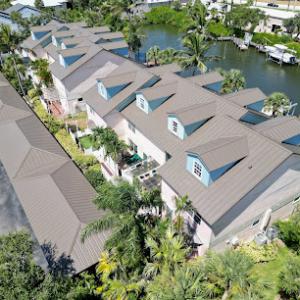
Barrier Island Roofing is a trusted roofing contractor serving Vero Beach, FL, and surrounding areas. Specializing in roof installation and roof repair, they provide high-quality solutions for both residential and commercial properties. Their team of experienced professionals ensures each project is completed with precision and care, delivering durable and long-lasting results. With a focus on customer satisfaction, Barrier Island Roofing has earned a reputation for reliability and expertise in the roofing industry.
Material costs in Sebastian follow the city's exposed coastal exposure and storm-driven cycle. For asphalt shingles, budget in the low-to-mid range of 350 to 650 USD per square, a spread that reflects local availability, short-term demand after tropical events, and the need for wind-resilient underlayment. Metal roofing typically lands between 600 and 1100 USD per square, with the higher end driven by coastal-fastening systems and corrosion-resistant coatings that hold up to salt air and heavy rain. Clay tile ranges from 800 to 1500 USD per square, while concrete tile sits around 750 to 1200 USD per square, each option offering distinct wind performance and maintenance profiles in a hurricane season climate.
Wood shingles or shakes carry a higher starting point locally, about 900 to 1500 USD per square, owing to material susceptibility to humidity, rot, and sun exposure as well as the need for careful fastener choices to meet wind mitigation expectations. Synthetic or composite shingles usually fall between 700 and 1100 USD per square, providing a lower-maintenance alternative with decent wind resistance, though color longevity and texture acceptance should be checked against local coastal aesthetics. In practice, local pricing should be framed around these per-square ranges, with a readiness to adjust for the specific roof geometry, attic ventilation, and existing deck condition.
Storm-season demand surges can push scheduling pressure and pricing volatility higher after tropical events. When a quick turnaround is needed to restore roofing integrity after a wind-driven event, crews may incur urgent mobilization costs, overtime labor, or expedited orders for missing components. Homeowners should expect tighter windows for material selection and inspection coordination during late summer and early fall, when Sebastian's storm corridor is most active. This means the difference between a smooth project and a rushed one often comes down to early planning, a clear scope, and a contractor who can secure preferred materials before a post-storm rush hits supply chains.
Longer-term cost planning should account for the realities of the market cycle in Indian River County. While labor and material are the core factors, certain stretches may see elevated bids due to weather-related scheduling bottlenecks or scarce local crews. For a homeowner weighing options, the practical approach is to target a finish that aligns with the roof's exposure, weight, and wind mitigation needs while staying within the per-square ranges above. Price swings can be managed by locking in a preferred material class early, confirming weathertight installation windows, and budgeting a contingency for rapid-response scheduling if a storm disturbance changes timing.
Don't let upfront costs delay a critical repair - these contractors offer payment plans to fit your budget.
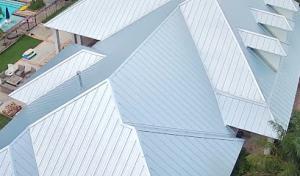
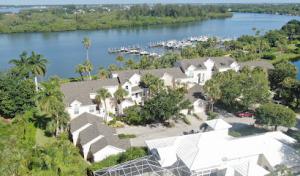
A full re-roof in Sebastian typically requires a permit through the local jurisdiction in Indian River County. Before any shingle, tile, or metal comes off, you'll want to verify the permit status with the county building department and your contractor's plan set. The permit process is not a nuisance-it's a safeguard for hurricane-season readiness, wind-mitigation alignment, and the long-term durability of your roof. Expect the paperwork to cover the scope of work, proposed materials, and the intended installation timeline. If your home sits near the lagoon or the Atlantic breezes, the inspectors will want to see corrosion protection, fastener counts, and edge protection details that match Sebastian's exposure to salt air and strong afternoon storms.
Roof replacement plans are reviewed with wind mitigation considerations in mind before work proceeds. In this part of the coast, the county looks closely at how the roof tie-ins, nailing patterns, hip and ridge configurations, and underlayment choices will perform during a hurricane event. Your contractor should provide a wind mitigation checklist as part of the permit package, including fastener types, roof-to-wall connections, and attic ventilation strategy that won't undermine uplift resistance. If you've got vent socks, roof deck choices, or metal edging, ensure they align with the county's wind standards. The goal is to reduce uplift risk and protect interior envelopes during peak storm pressure, while still allowing for adequate drainage and humidity control inside the attic space.
Inspections commonly occur at rough framing, underlayment, and final stages, and failed items can trigger re-inspection. Rough framing checks confirm roof geometry, beam connections, and proper framing support for your chosen material. Underlayment inspection ensures the barrier to moisture is continuous and compatible with salt-laden air and humid summers. Final inspection verifies that membrane flashing, penetrations, vents, and edge metal are correctly installed and sealed. If anything is not up to code-loose fasteners, improper flashing, or gaps in the underlayment-the inspector will require correction and another appointment. Being proactive about addressing common failure points can streamline the process and minimize disruption during hurricane season.
Sebastian sits in Florida's high roof-claim environment, where storm exposure keeps insurers focused on roof age, condition, and documentation. After a tropical front passes or a hurricane brushes the coast, carriers are quick to scrutinize whether a roof stood up to wind, hail, and salt-laden air. What that means for you is simple: the life of your roof and how well you've cared for it directly influence whether an insurer stays aligned with your policy, offers renewals, or pushes for adjustments elsewhere in your plan.
Florida carriers have adjusted coverage availability in some years, which can influence whether Sebastian homeowners repair, replace, or seek premium reductions through mitigation improvements. When the market tightens, quick repairs can become maladaptive if a larger claim is looming or if a renewal hinges on the age and condition of the roof. In practice, this creates a real pressure to weigh replacement versus patchwork, even when the roof otherwise seems serviceable.
Insurers increasingly want photos, records, and wind-mitigation-related details after storm events, so Sebastian homeowners benefit from documenting roof condition before and after tropical weather. Take clear, dated photos of every seam, edge, and penetrant, and keep a running log of maintenance, repairs, and material replacements. This archive not only supports a smoother claim process if a storm hits, it also helps you demonstrate responsible upkeep when the wind picks up again.
Set a routine to inspect the roof after the busy Atlantic storm season and before the next one. Note loose shingles, lifted flashing, and corrosion from salt exposure. If you notice deterioration, address it promptly with documented repairs. Having a well-kept roof and a robust record can matter when insurers review your property's resilience in a high-risk environment.
Connect with contractors who help homeowners navigate the claims process from damage assessment to final approval.
Scozzari Roof Services Contracting & Consulting
(772) 388-7453 www.roofservicesconsulting.com
1401 Thornhill Ln, Sebastian, Florida
4.8 from 58 reviews
Leeward Roofing
(772) 589-2400 www.leewardroofing.com
9577 Gator Dr Unit #5, Sebastian, Florida
4.8 from 31 reviews
Tile roofs are a meaningful part of the local market, and the underlayment beneath durable clay and concrete tile ages differently than the visible tiles. In Sebastian, weathering from humid salt air and frequent heavy rains means the underlayment can wear even when tiles look fine. Look for soft spots, delamination at eaves, or staining on interior ceilings near the attic after storms. When tiles are replaced or reseated, address underlayment with a higher-grade synthetic or upgraded peel-and-stick layer that resists moisture intrusion and salt. If tile edges show exposed underlayment or curling, plan for a full underlayment refresh as part of a tile replacement to avoid hidden leaks during late-summer downpours.
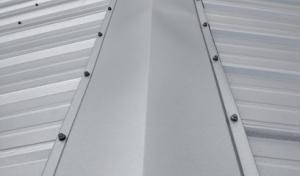
Metal is common here for wind performance and long-term durability. Inspect metal panels for loose or missing fasteners, lifted seams, and any signs of corrosion, especially near coastal edges and on older coatings. Flashing transitions around chimneys, skylights, and wall penetrations merit yearly checks, plus after any tropical storm. Cleaning salt deposit buildup helps preserve coating life. If fasteners show wear or sealant is cracking, schedule resealing or panel reattachment promptly to prevent water intrusion during hurricane-season winds.
Flat and low-slope sections show up often in local contractor work, and problem areas tend to center on ponding, flashing transitions, and drainage details. After heavy summer rain, inspect for standing water that persists beyond 48 hours, which signals drainage or slope issues. Check membrane edges, seam tapes, and any penetrations where flashing meets the counter-flashing. If ponding persists or flashing shows signs of lift, a targeted repair or conversion to a more drainage-friendly configuration may be needed to keep leaks out during the peak of storm season.
During hurricane-season, prioritize roof sections that combine tile or metal with low-slope transitions. Plan proactive inspections after tropical systems and before the peak of summer rains, focusing on underlayment in tile roofs, fastener integrity in metal, and ponding in flat areas. A timely, localized assessment helps prevent widespread interior damage when storms surge through Sebastian.
Explore specialists in steel, aluminum, and standing seam metal roofs built to last 50 years or more.
Rock Solid Roofing
(321) 749-7069 rocksolidroofing.com
1063 Persian Ln, Sebastian, Florida
5.0 from 39 reviews
Scozzari Roof Services Contracting & Consulting
(772) 388-7453 www.roofservicesconsulting.com
1401 Thornhill Ln, Sebastian, Florida
4.8 from 58 reviews
Cutting Edge Roofing
(772) 202-0716 cuttingedgeroofing.net
105 Midvale Terrace, Sebastian, Florida
5.0 from 17 reviews
In this market, re-roofing is the strongest contractor signal you can make. Homeowners should expect bids to lean toward full replacement rather than small repairs. That tendency isn't about ego or price alone-it's a practical read on how much life your roof has left under humid, salt-laden air and the Atlantic storm corridor. If a bid misreads that, keep questions pointed: are they planning to install underlayment appropriate for coastal exposure, and will the shingles or tiles be matched to withstand Sebastian's long rainy season and hurricane-season winds?
Local hiring priorities emphasize cleanup efficiency and rapid scheduling. Debris removal after a storm is not a luxury; it's a safety and access issue that can impact timing and insurance interactions. Look for a contractor who can commit to a fixed daily cleanup plan, tarp strategy for exposed roof edges, and a clear communication window for weather-related delays. A practical schedule is as important as the roof itself, because heavy rainfall and sudden squalls demand dependable on-site management.
Sebastian's market blends residential and commercial firms, with many long-established and family-owned operators. This mix means you'll see strong local track records alongside newer teams knocking on doors after a storm. When evaluating bidders, weigh local familiarity with storm-driven replacement projects, responsiveness to calls and texts, and references from nearby neighborhoods that share your exposure to spray, salt, and high humidity. For a large, repetitive job, prefer teams that demonstrate a dependable crew rotation and proven on-site supervision.
Start with two to three firms that have completed similar re-roofs in your area and can point to recent wind-driven replacements. Ask for a site visit to assess attic ventilation, underlayment choice for coastal conditions, and fastener systems rated for high-wind environments. Require a written project plan detailing staging, debris containment, and a response commit during the hurricane season.