
Last updated: Apr 19, 2026
June through November brings regular disruption to roof work in this Treasure Coast city. Tropical systems ride in off the Atlantic, bringing wind-driven debris, heavy rain bands, and sudden downpours that can stall or halt a tear-off mid-progress. When a tropical storm forms on a forecast track aimed at the coast, crews may need to pause work to safeguard underlayment and exposed decking. The window from early summer into late fall is reliably the period of highest risk, so any roof replacement plan must account for potential weather interruptions and supply delays. Delays aren't just inconvenient; they can put a fragile roof under exposure for longer than anticipated, increasing the chance of wind-driven leaks and interior moisture.
The hot, humid subtropical climate here features a pronounced wet season that makes dry-in sequencing a practical, time-saving strategy. Full replacements scheduled during drier periods help keep underlayment exposure minimal and rain delays from stretching out. For example, a solid plan often leans toward cooler, drier months when storm activity is lower and afternoon storms are less frequent, allowing you to stage crews more predictably and reduce the chance of shingle lift or warping from sustained moisture. In the same breath, remember that summer heat itself can stress materials during installation; plan for shade and efficient staging to keep workmanship tight while the roof is open.
Port Saint Lucie's summer thunderstorms arrive fast and can roll in with little warning. A routine tear-off can become a weather risk in the course of a workday, requiring rapid decisions about temporary tarping and securing loose materials. A practical approach is to establish a weather-watch routine during installation: daily start times that leave a window for an early close when a front is approaching, and a ready-to-tarp plan if brief, intense rain bands pop up. Ensure that staging areas are clearly defined and that tarps and fasteners are pre-positioned so crews can respond in minutes rather than hours. This proactive stance reduces the chance of storm-related damage to newly installed or partially installed components.
Because supply interruptions can accompany hurricane activity, align your project with a tight, weather-informed schedule. Dry-in sequencing becomes a safety and quality imperative when rain is imminent or when a tropical cyclone forms near the coast. Keep the most critical components-underlayment, flashings, and edge details-prioritized so that if a delay strikes, the exposed roof line can be kept watertight with temporary coverings while the remainder of materials are secured. In practice, this means clear communication with the contractor about daily weather outlooks and contingency steps for shifting crews, materials, or timing without compromising the roof's integrity.
As the season turns, you want to have a pre-season readiness mindset. Confirm access to tarps, secure staging zones, and a reliable crew who understands the local risks of sudden squalls and tropical moisture. A seasoned project plan anticipates mid-season delays, schedules more than one dry-work window, and builds in buffer days specifically for wet-weather contingencies. With hurricane-season timing driving decisions, the goal is a fast, safe roof replacement that can ride out the storms and land in a solid, weather-ready state as the calendar shifts toward the drier part of the year.
Port Saint Lucie features a roofing market that blends asphalt shingles with metal, clay tile, concrete tile, wood shingles or shakes, and synthetic or composite shingles. While Mediterranean- and Florida-style neighborhoods often showcase concrete and clay tile, newer replacements are increasingly leaning toward metal for wind resistance and lower maintenance. This local reality means decisions should be guided by how each system handles the tropics-strong sun, humidity, and tropical storm exposure-rather than by a one-size-fits-all approach.
If concrete or clay tile dominates in your neighborhood, weight becomes a primary concern. Tile systems bring established durability in wind zones but require a solid structural assessment to handle weight, especially if upgrading from lighter materials. Metal roofs, by contrast, deliver impressive wind performance with lighter loads and tighter fastener patterns, which reduces movement during gusts. In areas with frequent hurricanes and tropical storms, the way a roof is fastened and the method of attachment to the framing shifts the risk profile more than the material itself. Plan for a professional evaluation that checks rafter sizing, sheathing integrity, and the suitability of fasteners for coastal salt air.
The intense sun and humidity in this coastland climate accelerate aging for all roofing types, but the effects differ by material. Clay and concrete tile resist impact and fire and can fare well under epoxy-like coastal sun exposure, yet their tiles are prone to cracking if flexed or walked on and can be heavy to replace. Metal roofs shed heat efficiently and can reduce attic temperatures, but require careful detailing around penetrations and flashing to prevent corrosion in a salty environment. Shingle-based systems, including synthetic options, vary widely in UV resistance and granule retention. The practical implication is that you should prioritize systems with proven coastal performance and confirm that coatings, underlayment, and flashing are designed for tropical humidity and occasional salt spray.
Maintenance planning should account for the local weather cycle and the specific system. Tile roofs demand periodic inspection for cracked or slipped tiles, with prompt replacement to avoid moisture intrusion. Metal roofs benefit from regular checks of seams, fasteners, and coating wear, especially in salty air where corrosion risk climbs. In neighborhoods with frequent tropical rains, ensure the roof surface remains free of debris that can trap moisture and encourage mold growth. A proactive approach-seasonal checks after hurricane season and after significant storms-helps keep the roof performing as intended and reduces the chance of accelerated wear.
Replacement timing hinges on how well the chosen system tolerates coastal weather, wind loads, and the cumulative wear from sun and humidity. Tile systems often offer long service life when installed correctly and maintained, but do require attention to weight limits and tile integrity after heavy weather. Metal systems can pair well with wind-driven replacement strategies due to their fastening patterns and-sealed profiles, potentially providing a more resilient option under recurring storms. The decision should align with the home's structural capacity, the neighborhood's common roof types, and the owner's tolerance for maintenance cycles in a high-sun, high-humidity climate. In all cases, ensure a qualified contractor assesses wind uplift design, flashing details, and the compatibility of the roof with existing coastal weather patterns.
Platinum Roofing & Exterior
(772) 634-0946 platinumroofingandexterior.com
Port Saint Lucie, Florida
4.9 from 31 reviews
Woman-owned and operated roofing and exterior business.
A Coast Roof
Serving
5.0 from 97 reviews
Reroof and Roof Leak Repair Specialists.
PDK Roofing
(772) 528-0113 pdkroofinginc.com
Serving
4.8 from 134 reviews
PDK Roofing is a premier company specializing in residential and commercial roofing services, we are dedicated to providing customer service that is second to none. Whether you have a new construction project or need to replace an old or damaged roof, we offer roofing repair and replacement services.
Patch Roofing
Serving
5.0 from 12 reviews
Roof repair specialist Roofing maintenance Residential reroofs
Marzo Roofing
(772) 742-4289 www.marzoroofing.com
Serving
4.6 from 156 reviews
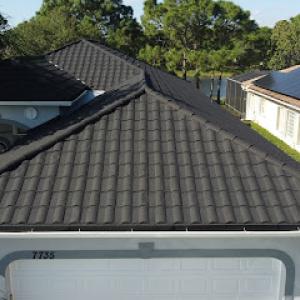
Marzo Roofing, Inc., located at 861 SW Lakehurst Dr Suite A, Port Saint Lucie, FL, is a top-rated roofing contractor specializing in comprehensive roofing services. With over 30 years of excellence, we offer expert roof repair, roof replacement, new roof installation, and residential roofing solutions tailored to withstand Florida's severe weather. Our certified team handles shingle, metal, tile, and flat roof systems, ensuring quality workmanship and durability. As an A+ BBB rated company, Marzo Roofing is committed to delivering exceptional service, quick estimates, and reliable roofing solutions to protect your home or business. Call us today for your roofing needs!
St Lucie Roofing
(772) 254-7196 www.stlucieroofing.net
Serving
4.8 from 124 reviews
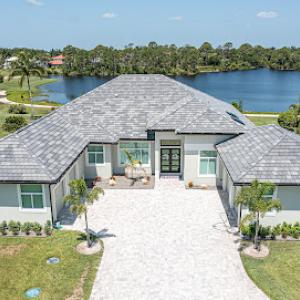
Family owned and operated. St Lucie Roofing provides residential, commercial, and new construction roofing installations, as well as roof repair and reroofing services to the Port St. Lucie, FL area.
Koch Roofing - Koch
(772) 370-9200 www.kochroofing.com
Serving
4.9 from 66 reviews
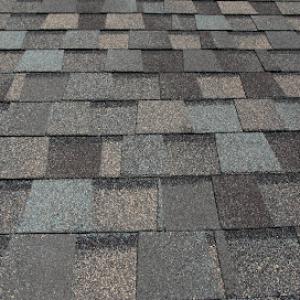
Koch Roofing, a roofing contractor, has been trusted for over 35 years to deliver value with quality products and services at great prices. When you're considering a new roof installation for your home, that kind of trust is important. We offer FREE at home inspections, planning, and estimates. With all work guaranteed, we provide quality you can trust. A family owned and operated company, we offer "A Great Job for LESS!"
Saltwater Roofing
(772) 877-2043 saltwaterroofing.com
Serving
5.0 from 11 reviews
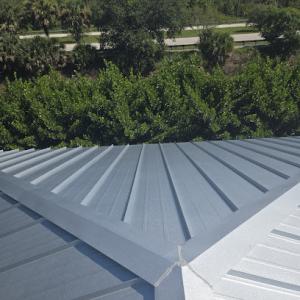
Saltwater Roofing is your trusted Roofing Service on the Treasure Coast with 30 Years of Excellence! We are Fully Licensed, Bonded, and Insured, offering industry-leading warranties and certified technicians on every project. We specialize in immediate Emergency Roof Repair and complete Roof Replacement for residential and commercial properties. Our expertise covers all Roof Options, including durable Metal Roof installations and Roof Tile Replacement. We provide expert service for Storm and Wind Damage, Roof Leak Detection, and Attic Venting/Insulation to protect your investment. We proudly serve Port St. Lucie, Stuart, Jupiter, Fort Pierce, Vero Beach, Jensen Beach, Palm City, including Hobe Sound, Tequesta, and St Lucie West.
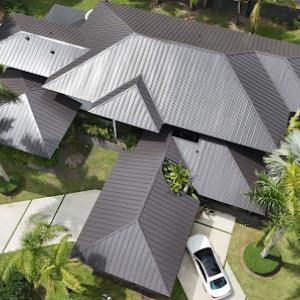
K Construction - Elite Affordable Roofing & Gutters
(772) 521-0314 www.eliteaffordableroofing.com
Serving
5.0 from 56 reviews
Quality Roofing & Gutters at Affordable prices. We will provide you top quality work at Affordable prices. We pride ourselves in providing customer satisfaction on all are projects. We are determined to provide you the best quality work and roofing system possible; So, your home or business can resist Florida's unpredictable weather. Commercial & Residential. Metal, Tile, Shingle, Flat Roof, etc. Re-Roof, New Construction, Restoration, Repair. Gutter Installation and Replacement.
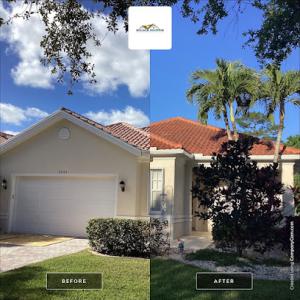
Solace Roofing
(772) 494-2729 solaceroofing.com
Serving
4.9 from 43 reviews
Solace Roofing proudly establishes itself as the gold standard among residential roofing companies in the Treasure Coast & the Palm Beaches. With a rich history of over 20 years of combined construction experience, we bring unparalleled expertise to every roofing project. As a family business operating in St. Lucie, Martin, and Palm Beach Counties, our commitment to excellence shines through in our specialized roofing services, where master craftsmanship meets innovative solutions to deliver durable, aesthetically pleasing roofs tailored to each client’s unique needs.
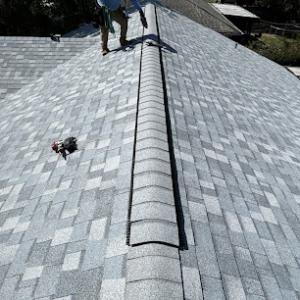
About it All Roofing & Construction
(772) 292-9595 www.aboutitallroofing.com
Serving
5.0 from 51 reviews
About It All Roofing and Construction is the trusted roofing contractor Port St. Lucie homeowners rely on. Our licensed and insured team provides roof inspections, repairs, replacements, and new construction roofing for homes across the Treasure Coast. Since 1996 when Tony did his first roof in south Florida , he has gained his experience serving to deliver honest estimates, clear communication, and top-quality craftsmanship using premium materials. We specialize in residential roofing in Jensen Beach, offer expert Stuart roofing services, roofing& repair in Vero Beach, and serve as a leading Jupiter roofing company. From preventative maintenance to full roof replacements, we keep your property protected. Contact us today for a free quote!
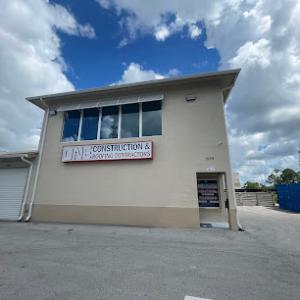
One Construction & Roofing Contractors
(772) 200-1609 www.oneconstructionservices.com
Serving
4.9 from 535 reviews
One Construction & Roofing Contractors is the trusted choice for roof replacement and new roofing in Port St. Lucie, Stuart, Fort Pierce, and across the Treasure Coast. We specialize in hurricane-approved shingle and metal roofing systems including 5V Crimp and Concealed Fastener applications, designed for durability, energy efficiency, and Florida’s toughest weather. Whether you need a new roof installation or a complete reroofing project, our experienced local team delivers top-quality craftsmanship, competitive pricing, and clear communication from start to finish. Backed by a 5-Year No-Leak Warranty and 5-star reviews, we’re committed to protecting your home or business with a roof built to last. Call today for a free estimate!
Local replacement pricing is framed around the ranges provided for each material per square. In Port Saint Lucie you'll commonly see asphalt shingles in the lower to mid-range, while metal and tile systems sit higher due to material and labor intensity. Asphalt shingles typically land in the $350-$700 per square band, with metal around $600-$1,200 and clay or concrete tile often between $900 and $2,300 per square. Synthetic or composite shingles fall in the mid-to-lower end of the spectrum, roughly $450-$900 per square. Remember that a "square" is 100 square feet, so multiply by 100 to estimate a full roof replacement's rough scale. These are local baselines; actual bids will adjust for your roof's slope, attic conditions, and overall complexity.
Material choice matters sharply in this market because Port Saint Lucie has active demand for metal and tile roofs, both of which typically require more specialized labor than basic asphalt shingle work. If your home currently uses a heavy tile or metal profile, expect higher tear-off and installation labor, plus potential upgrades to fasteners and underlayment to meet wind and water performance standards. Sheathing repairs found after tear-off can add to the bill, especially if extensive damage is revealed during removal. Logistics of keeping the roof dried-in during frequent summer rain interruptions also influences labor scheduling and, at times, phasing costs across multiple visits.
Costs can shift during hurricane season when demand spikes after storms and scheduling tightens. If a storm has just passed, crews may charge premium for quick turnaround or allocate fewer crews to accommodate the surge in work across the area. In practice, waiting until the end of the hurricane season can reduce peak pricing, but that adds risk if timing clashes with another storm window or when wind and moisture exposure increases your risk. Plan ahead for a window of several days to a couple of weeks, depending on weather and crew availability, to avoid last-minute price escalations.
An efficient re-roof in this climate hinges on readiness: have the roof pre-inspected, and identify any underlayment or deck issues before tear-off, so the crew can speed through installation without frequent stoppages. If your home has a history of leaks or consistent summer deluges, scheduling the dry-in phase to minimize exposure becomes critical. A well-sequenced project with reliable weather blocks helps avoid extended labor days, which can otherwise inflate material handling and crew time costs.
Get a clear picture of your project costs upfront - no commitment required.
About it All Roofing & Construction
(772) 292-9595 www.aboutitallroofing.com
Serving
5.0 from 51 reviews
Port Saint Lucie generally requires a building permit for a full roof replacement, and the permit application is typically submitted by the contractor with project scope and cost information. Knowing this upfront helps you coordinate timing with a licensed roofer and avoid delays that can push your project into a new hurricane season window. In practice, a local contractor will assemble the necessary forms, reflect the chosen roofing system, and estimate the scope-including underlayment, ventilation, and any structural checks that may apply to your home.
The permitting process in this area is not just a one-and-done event. After the permit is issued, inspections are scheduled at key milestone stages rather than only at the end. Common checkpoints include underlayment installation, a first inspection after the roof deck is secured, and a final completion inspection once everything is installed and weatherproofed. This staged approach helps confirm workmanship meets code requirements and that the installation can withstand typical Florida conditions, especially during hurricane season when wind-driven rain exposure is highest.
Because the region sits in a hurricane-prone zone, wind mitigation considerations may be reviewed during permitting or inspection. It is common for inspectors to verify features that contribute to wind resistance, such as fastener patterns, nailing schedules, roof-to-wall connections, and attic ventilation that supports moisture control without compromising performance. If any mitigation measures are identified as lacking, they can often be addressed before final permit closure or as a follow-up inspection. Understanding these potential checks helps prevent delays and ensures the system performs well during severe weather.
Keep in mind that the permit is not closed until all required inspections pass. Pending items at any milestone can stall the closure, which means scheduling and preparing for each inspection in advance is crucial. A proactive homeowner keeps the contractor informed of upcoming inspections and ensures access to the attic and roof lines as needed. If a deviation from the approved plan is necessary due to unforeseen conditions, communicate promptly with the building department and the contractor to document changes and avoid rework. By following the staged inspections and wind-conscious features, your new roof will be well aligned with local expectations and resilient against Port Saint Lucie's seasonal realities.
Port Saint Lucie homeowners are navigating Florida's strained insurance market, where rate increases and reduced carrier appetite after major hurricane events directly affect roof replacement decisions. In a city where tropical downpours and coastal winds are routine, insurers are scrutinizing roof condition, past replacements, and the presence of protective features before they approve payments or renew coverage. The consequence is that a storm damage decision may hinge less on a simple repair need and more on how well the roof aligns with current underwriting expectations.
Documentation That Pays. Insurers in this region often want documentation of roof upgrades and wind mitigation features, which can influence whether a homeowner repairs, replaces, or upgrades materials after storm damage. After a damaging event, assemble a thorough archive: clear before photos, close-ups of shingles, fasteners, flashing, and attic ventilation; a dated log of repairs; and contractor statements that describe the scope and materials used. Keep copies of any previous inspection reports in a dedicated folder that you can share quickly with an adjuster.
Wind Mitigation Features That Matter. Homes on the Treasure Coast commonly benefit from metal, tile, or impact-rated assemblies, but insurers still want tangible evidence of mitigation. If your roof has features like sealed penetrations, modern fasteners, or reinforced hips and ridges, document them with photos and, when possible, builder specs. These details can meaningfully affect claims decisions and future policy options.
Storm Response and Adjuster Timeline. Because adjusters may inspect before payment and some carriers limit coverage in coastal areas, Port Saint Lucie homeowners need thorough photo records, record-keeping of improvements, and contractor documentation after storms. Start gathering materials immediately after a storm, maintain a clean folder, and ensure your contractor provides a written summary of work completed.
Long-Term Strategy After Storms. A careful approach reduces future risk: maintain up-to-date photos, organize histories of repairs, and consider how upgraded materials or mitigation features align with your carrier's preferences in the years ahead. A cautious, organized homeowner can navigate the patchwork of coverage more confidently when the next hurricane season approaches.
Keep a running folder with photos, invoices, and correspondence. A concise timeline helps you respond quickly and supports your adjuster conversations. Stay organized year-round for clarity.
Connect with contractors who help homeowners navigate the claims process from damage assessment to final approval.
Platinum Roofing & Exterior
(772) 634-0946 platinumroofingandexterior.com
Port Saint Lucie, Florida
4.9 from 31 reviews
In Port Saint Lucie, repeated wind-driven rain and tropical storm exposure make edge details, flashing transitions, and fastener integrity more important failure points than in lower-wind markets. You should pay close attention to undersized or corroded nails, mismatched sealants, and poorly raised drip edges. When ties between roof planes shift after a heavy storm, fasteners can back out and allow water to wick into the deck. If you notice moisture at eaves, soffits, or around vent collars after a storm, treat it as a warning sign rather than a cosmetic issue. Prompt resealing, re-fastening, or flashing replacement can prevent progressive water intrusion that compounds interior damage.
Tile roofs are common here and can hide aging underlayment beneath an intact surface. After a tropical season, underlayment may deteriorate without obvious surface cues, especially when exposed to persistent humidity and rapid cooling at night. If a tile crack occurs, the underlying felt or synthetic underlayment may already be compromised, allowing hidden leaks to creep along the decking. Inspect for blistering, mold, or musty odors in attic spaces even when the tiled surface looks intact. In severe storms, displaced tiles or hairline cracks can become full leaks within hours, so timely tile replacement and underlayment evaluation are not optional.
Shingle roofs may show granule loss and heat-related wear sooner under strong Florida sun. Granule loss speeds up bare substrate exposure, accelerating deck and roof deck rot in humid seasons. Warped or curling shingles often indicate heat cycling or wind-driven movement that can undermine the sealant bonds around hips, valleys, and transitions. If you spot curled edges, bare patches, or uneven color, plan a targeted inspection rather than waiting for a full roof replacement. Early intervention helps limit interior damage and preserves attic ventilation efficiency.
Find contractors experienced in skylight installation, flashing, and leak repairs to bring natural light into your home.
Platinum Roofing & Exterior
(772) 634-0946 platinumroofingandexterior.com
Port Saint Lucie, Florida
4.9 from 31 reviews
About it All Roofing & Construction
(772) 292-9595 www.aboutitallroofing.com
Serving
5.0 from 51 reviews
The Port Saint Lucie market leans toward re-roofing, so focus on contractors who have solid replacement experience and a proven dry-in process. Ask for recent storm-related projects and verify that crews protect and seal gaps promptly to minimize leaks during the wet season. Look for a clear plan for tarp coverage, weather monitoring, and staged material delivery that keeps your home secure when late-summer showers roll in.
Local homeowners value fast replies and tidy job sites, especially with occupied homes and debris control after storms. Prioritize roofers who outline response times, after-storm call-back policies, and daily cleanup routines. Observe whether crews contain debris, protect landscaping, and remove waste at the end of each day. A contractor's ability to communicate schedule shifts and weather cancellations without delay is a practical indicator of readiness for Port Saint Lucie's storm-driven rhythm.
Because the market includes many affordable, family-owned, and long-established companies, compare how teams handle scheduling, on-site management, and problem-solving. Assess initial communication for clarity about materials, workmanship standards, and warranty coverage. Check references from neighbors with similar homes and roof types, and ask about how crews protect skylights, vents, and trim during replacement in dense neighborhoods.
Plan around hurricane-season windows and wet-season variability. Ask about staging options to minimize disruption to living spaces and to keep interior areas dry while asphalt, metal, or tile systems are fastened. Confirm a concrete start-date, with contingency plans for rain delays, to maintain steady progress without compromising dry-in.