
Last updated: Apr 19, 2026
Afternoon thunderstorm cycles are a daily reality here, especially during the June through November tropical season. Roof problems often begin as sudden leaks rather than one spectacular failure, which means you need to treat every drip as a red flag. If a storm rolls in and rain starts tracking through attic lines or ceiling, move quickly to identify where water is entering and shut off affected internal zones to limit damage. In homes with older roofs or mixed materials, weaknesses show up sooner under this pattern, so time is of the essence for anyone with a storm approaching or recent wind-driven activity.
Central Florida weather can spike demand for repairs in a matter of hours, so take fast, decisive action. The first step is to prevent further interior damage: place clean buckets or trays under active drips, protect ceilings with tarps if accessible from a safe exterior point, and relocate furniture or valuables away from affected areas. If you have a flat or low-slope section, consider temporary tarping reinforced with weighted edge boards to withstand gusts between showers. Photograph the scene with dated, clearly labeled shots showing the source and extent of intrusion, especially any wind-driven damage to vents, flashing, or edge metal. These images will be crucial for insurance documentation and for assessing whether a temporary dry-in is viable before a full replacement window opens.
Insurance reviews frequently hinge on roof age, precise photos, and wind mitigation paperwork triggered by a claim or underwriting review. Start a dedicated storm file: note the date and time of each storm event, the areas affected, and any changes in the rain pattern or attic conditions. Capture close-ups of damaged flashing, missing shingles, lifted edges, and signs of water intrusion around chimneys, vents, or skylights. Maintain receipts for emergency measures like tarps or temporary repairs, and log all communication with the insurer or adjuster. If a contractor can provide a written scope that differentiates temporary stabilization from permanent repair, keep that document ready to share during the claim process.
Because storm demand can spike quickly, a fast dry-in is often the first line of defense before full replacement scheduling. A licensed contractor may offer a temporary tarping solution to shield interior spaces from ongoing rain while you coordinate with the insurer. Ensure tarps are securely fastened to resist wind uplift and that there are no gaps along edges where water could seep underneath. While the tarp is in place, continue with interior documentation: take daily photos of any new staining, track changes in attic warmth or humidity, and note any mold or musty odors that develop. This proactive approach helps demonstrate ongoing risk to the insurer and can accelerate the scheduling of a permanent fix.
Storm-damaged roofs can lead to a fast-moving claim timeline, so align expectations with your insurer and a trusted local contractor who understands Florida-specific wind and moisture patterns. Your chosen professional should be able to evaluate venting and flashing integrity, confirm whether shingle uplift or tile displacement occurred, and provide a clear plan for temporary stabilization that minimizes further interior damage. The right team acts quickly, brings in proper weatherproofing gear, and communicates openly about the steps necessary to reach a permanent, code-appropriate repair in the shortest safe window. In this climate, decisive action today can prevent tomorrow's cascading damage.
Storm-driven demand and wetter months can push roofing costs higher in this market, especially during the June-to-November window when scheduling disruptions, dry-in protection, and labor inefficiencies show up. Asphalt shingles in Orlando typically run about 350-600 USD per square, metal about 700-1200, clay tile about 900-1500, concrete tile about 850-1400, slate about 1000-1900, and copper about 2200-4000. Those ranges reflect typical local supply conditions and the need to pair a roof with Florida-friendly accessories like underlayment, venting, and protective metal flashings. When you're weighing options, it helps to think not just about initial price per square, but also how each material performs in a hot, humid climate with sudden thunderstorm cycles.
Asphalt shingles remain the practical baseline for most Orlando homes because they're faster to install and generally cheaper upfront. In a busy storm season, crews may face tighter schedules and tighter material availability, which can nudge the project timeline and cost a bit higher than quiet months. If you're considering an upgrade, upgrading to premium architectural shingles can improve wind resistance and clip-in ventilation details, but the added cost will stay within the broader range. Note that shingle systems still require solid attic insulation and a sealed underlayment strategy to resist leaks during tropical downpours, especially when storm fronts pass through quickly.
Metal roofing is a common upgrade path in Central Florida for its durability and reflectivity. Costs range from about 700 to 1200 per square here, and you'll find that the long-term maintenance profile is attractive in a climate with heavy rain and heat. A metal roof installed with proper fasteners, corrosion-resistant coatings, and comprehensive attic venting can help reduce heat buildup and protect against wind-driven debris. During peak storm season, metal projects can overlap with supply constraints, so plan for potential scheduling shifts that may affect the dry-in and ongoing protective steps.
Clay tile sits higher on the pricing scale, about 900-1500 per square, with concrete tile close behind at 850-1400. These heavier systems provide excellent durability and a distinct Florida look, but they add structural load and may require additional roof framing or reinforcement. Accessory costs-like heavier underlayment, specialized fasteners, and more robust edge details-tend to rise in wetter months when crews are juggling multiple jobs. If you're replacing a lighter roof, budget for the possible need to upgrade decking or truss support to avoid long-term sagging or fastener failure in a hurricane surge.
Slate and copper command premium prices, reflecting their longevity and aesthetic appeal. Expect roughly 1000-1900 per square for slate and 2200-4000 per square for copper. In this market, those materials are less common as standard replacements and more often chosen for durability in high-end homes or where a unique architectural statement is desired. In storm-heavy periods, lead times and transport logistics for these specialty products can extend timelines and tighten scheduling, which translates to higher costs and potential exposure to weather-related delays.
Material choice matters here because tile and metal are common upgrade paths in Central Florida, while heavier systems such as clay and concrete tile can add structural and accessory costs compared with basic shingle replacements. When planning, consider not only the price per square but also how each option interacts with Florida's humidity, heat, and storm risk. A well-chosen roof can improve wind performance, reduce interior damage risk, and align with insurance documentation needs that expedite claims after a heavy storm.
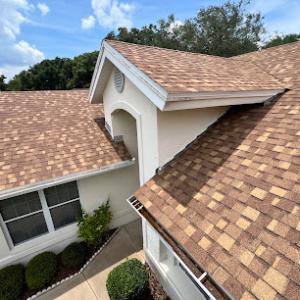
Gravity Roofing
(407) 461-0234 gravityroof.com
14 S Bumby Ave, Orlando, Florida
5.0 from 513 reviews
Looking for a trusted roofer in Central Florida? Gravity Roofing is a locally owned and operated roofing company proudly serving homeowners across the region. With over 15 years of experience, we specialize in residential roof replacements, emergency roof repairs, and comprehensive roof inspections—including hurricane season prep. Our licensed and insured team (License #CCC1334209) is known for exceptional craftsmanship, clear communication, and affordable financing options that make protecting your home stress-free. Whether you're dealing with storm damage, an aging roof, or just want peace of mind, we’re here to help. Call today to book your free inspection and see why we’re one of Central Florida’s top-rated roofing companies.
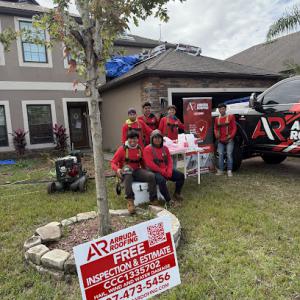
Arruda Roofing
(407) 473-5456 www.arrudaroofing.com
2295 S Hiawassee Rd #104, Orlando, Florida
5.0 from 151 reviews
Arruda Roofing has been serving our community for many years, so we know how drastically storms can affect our daily lives. Whether you’re upgrading to a new roof or recovering from storm damage, any roofing project can disrupt your normal life. That’s why we focus on offering fast, high-quality service.
Schick Roofing
(407) 749-0808 www.schickroofing.com
8516 Old Winter Garden Rd Ste 100, Orlando, Florida
5.0 from 349 reviews
Schick Roofing has been proudly serving Orlando, FL, for over 21 years as a reliable roofing contractor. Our team focuses on clear communication and quality work from start to finish. Whether you need repairs or a full roof replacement in Orlando, we handle every project with care and professionalism. We aim to make the process smooth and efficient, ensuring your home stays protected. Our experienced staff is committed to delivering dependable results and keeping you informed throughout the job. For trusted roofing services in Orlando, Schick Roofing is ready to help with your roofing needs.

Next Level Roofers
(407) 237-7960 nextlevelroofs.com
775 S Kirkman Rd Ste 117, Orlando, Florida
4.9 from 393 reviews
Next Level Roofers was created to deliver the quality roof homeowners across Central Florida are searching for. Next Level Roofers began as an Orlando roofing company where both office staff and roof installers honed their craft. Our team has a combined experience of over 39 years in the roofing industry and we are dedicated to delivering a high standard of customer service. From humble beginnings, Next Level Roofers has taken their valuable experience and risen to a new level; we look forward to sharing our knowledge with all homeowners.
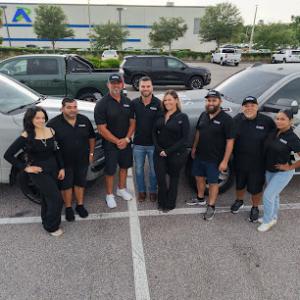
Ares Exteriors
(407) 640-0056 aresexteriors.com
200 E Robinson St Suite 1120, Orlando, Florida
5.0 from 110 reviews
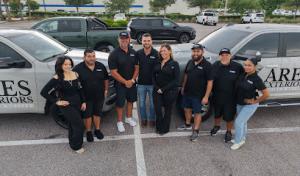
At Ares Exteriors our priority is to provide high-quality services, competitive pricing, quality materials, and exceptional customer service. Our company stands out for its reliability, professionalism, and commitment to customer satisfaction, making it a top choice for customers seeking trustworthy and skilled roofing services.
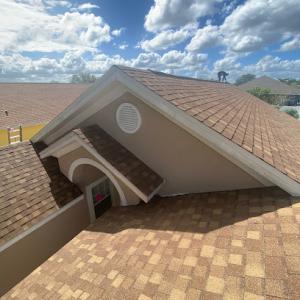
Top Builder Roofing
(407) 881-4600 www.topbuilderroofing.com
618 E South St STE 500, Orlando, Florida
5.0 from 104 reviews
Top Builder Roofing is a licensed and insured Florida roofing contractor serving Orlando, Winter Park, Lake Mary, Longwood, Kissimmee, Sanford, and nearby communities. We specialize in shingle, tile, and metal roof replacements, roof repairs, and insurance-related inspections, all performed to the 2023 Florida Building Code (8th Edition). Our team delivers 5-star service with transparent pricing, financing options, and a 10-year workmanship warranty backed by leading manufacturers. Call today for a free roof evaluation within 24 hours.
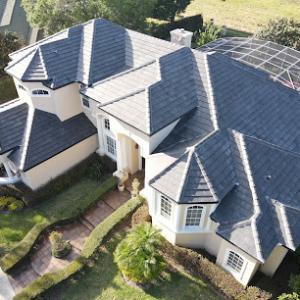
CFL Roofing
9500 Satellite Blvd Suite 150, Orlando, Florida
4.9 from 344 reviews
CFL Roofing offers trusted, high-quality roofing services in Orlando and Central Florida. As a family-owned and licensed roofing company, we specialize in roof inspections, repairs, replacements, and new roof installations for both residential and commercial properties. As licensed and insured roofers, we handle storm damage restoration, roof coating, and maintenance with reliability and care. Proudly serving Orlando, Kissimmee, Windermere, Saint Cloud, and nearby areas, we deliver durable roofing solutions built to last. Call CFL Roofing today for dependable local roofing services and a free roof estimate near you!
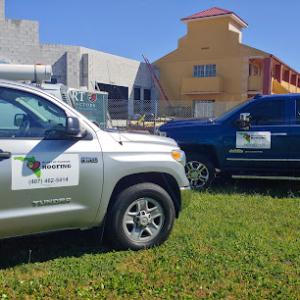
Heart Of Florida Roofing
(407) 462-5414 heartoffloridaroofing.com
2661 Muscatello St, Orlando, Florida
5.0 from 204 reviews
When our founder first started Heart of Florida Roofing, he did so with one goal in mind—to put his years of roofing experience to work for the residents of Orlando and Kissimmee, FL. Now, with a dependable team and over 100 years of collective experience, Heart of Florida Roofing continues to serve the Orlando community at every opportunity. To speak with a reliable roofing contractor about a roof inspection, roof coating, a new roof or a roof repair from storm damage or general wear and tear, contact us today. Heart of Florida Roofing is fully licensed, bonded and insured in the state of Florida.
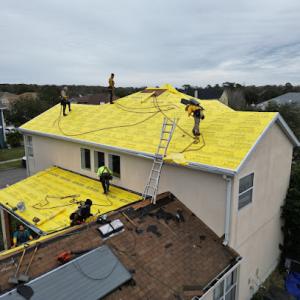
RoofClaim
3500 Silver Star Rd, Orlando, Florida
4.9 from 504 reviews
RoofClaim provides expert roof inspections, repairs, and replacements in Orlando, FL. If your roof has storm, hail, or wind damage, we make the process easy by handling everything—even providing documentation for your insurance claim. With over 70,000 roofs replaced, we’re known for one-day installs, transparent service, and industry-leading warranties. Our licensed Orlando roofing team works fast and efficiently to protect your home and restore your roof. We proudly serve Orlando, Winter Park, Lake Nona, and all of Central Florida. Schedule your free roof inspection today with the trusted local roofing experts at RoofClaim.
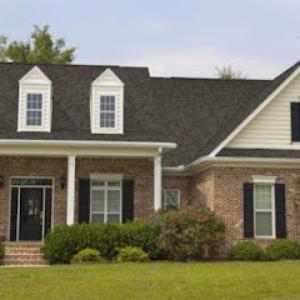
Orlando Roof Tech
(407) 809-7663 www.orlandorooftech.com
5036 Dr Phillips Blvd #238, Orlando, Florida
5.0 from 80 reviews
Roof Replacement and Repair. Free Estimates. Free Insurance Damage advice. Full Service company with all Roofing types. Commercial and Residential. We are truly your partner with all your roofing needs.
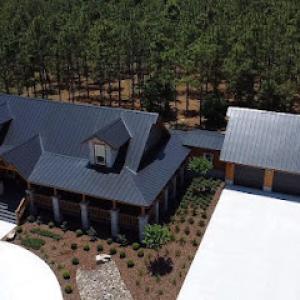
Hurricane Roofing & Construction
(407) 256-0801 www.hurricaneroofinginc.com
Orlando, Florida
5.0 from 80 reviews
Quality construction has been a core value to our family and we are proud to extend our knowledge and dedication to keep your family safe and protected. At Hurricane Roofing and Construction, Inc. we service all roofing needs in Orlando and surrounding locations. Whether you have storm damage, Insurance claims, residential re-roofs, commercial re-roofs, roof repairs or roof replacements, we can provide a quality roof!
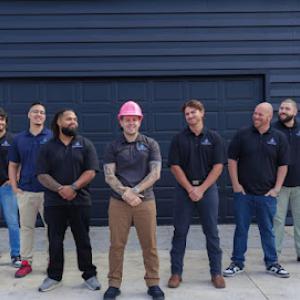
Integrity Roofing
(407) 993-2764 integrityroofingfl.com
1950 S Chickasaw Trail, Orlando, Florida
4.9 from 332 reviews
Integrity Roofing and Gutters is a reliable and experienced roofing contractor established in 2002. Located in Orlando, Florida, they specialize in providing exceptional roofing solutions to Alafaya and the greater Orlando area. With their team of skilled professionals and high-quality materials, they offer a wide range of services, including roof repairs, replacements, and installations. Integrity Roofing and Gutters is committed to integrity, craftsmanship, and customer satisfaction, ensuring every project is completed to the highest standards.
A full re-roof in Orlando typically requires a permit through the City of Orlando Building Division rather than being handled informally between contractor and homeowner. This isn't a formality to dodge; it ensures the new roof meets local wind and structural requirements that Florida summers demand. The Building Division will verify that the chosen roofing system, fasteners, underlayment, and any venting or flashing meet current codes and Florida-specific wind mitigation standards. Approvals are not guaranteed by a contractor's word alone-the permit office must see plans and product specs up front.
The City of Orlando reviews submitted plans and conducts inspections during the project, including rough-in and final stages for qualifying roof work. If the roof is part of a larger home improvement, plan review can take longer, especially if engineering ties or roofline changes are involved. Submitting complete, accurate plans helps avoid back-and-forth and potential delays. Set aside time for the plan review window, because the inspector will cross-check attic ventilation, ladder integration, and entry/egress around the worksite. Seasonal demand can push timelines-processing times can vary seasonally in Orlando, so homeowners replacing after storms or during busy weather windows should expect permit timing to affect start dates.
Prepare architectural or structural drawings that clearly show the new roof layout, drainage, and any changes to the roofline. Include product data for the shingles, metal, tile, or other chosen systems, plus puncture and wind-resistance details if applicable. A site plan showing access points, temporary safety barriers, and material storage zones helps the permit office assess site safety. If the project involves elevating the roof or altering capping, be ready to provide structural calculations or a stamped engineer's note. Keep a folder of emails or notices from the building division throughout the process; this creates a traceable timeline that helps resolve questions quickly.
Inspections occur at key milestones, with rough-in typically happening as work progresses and final inspections concluding the permit. The rough-in inspection checks structural connections, underlayment, flashing details, and nail patterns, while the final inspection confirms leak integrity, ventilation adequacy, and proper drainage. Coordinate with the contractor to ensure access for inspectors during these visits, and have the permit card or project number readily available. If a storm event alters the plan, contact the Building Division promptly to update the inspector-timely communication minimizes rework and keeps the project on track.
Know that permit timing can influence start dates, so align scheduling accordingly. Have a contingency plan for weather-driven interruptions-Orlando's thunderstorm cycles can disrupt exterior work and inspections. Ensure all subcontractors understand required access and safety practices so inspections aren't held up by missing information or unsafe site conditions. By preparing thoroughly and coordinating with the Building Division, the re-roof project moves smoothly from permit submission through to a compliant, watertight result.
In this market, wind mitigation documentation may be requested for certain roof assemblies, making installation details and paperwork more important than in many inland markets outside Florida. The combination of year-round heat, humidity, and sudden summer storm cycles means that insurers increasingly look for clear records showing how a roof is built to resist wind uplift. Missing or vague records can slow claims, raise questions about insurability, and complicate underwriting down the line. Your best defense is a well-documented history that covers materials, fasteners, underlayment, and any aging components.
Florida insurers have tightened coverage options in recent years, so Orlando homeowners often need to think about insurability and premium impact before choosing repair versus full replacement. A small repair may not satisfy wind- resistance expectations, while a full replacement can provide a cleaner, more defendable wind mitigation profile. When storms loom or when a claim is filed, the difference between a sturdy, certifiable roof and a patched-up one can influence whether coverage remains in force and how quickly a claim is processed. Weigh the long-term reliability of a complete upgrade against the cost of piecemeal fixes.
Detailed compliance records, roof age proof, and post-storm photos can affect both claims handling and future underwriting in the market. Keep a centralized folder with original installation details, repair receipts, and any retrofits that affect wind performance. After a storm, take clear, dated photos from multiple angles, focusing on fasteners, flashing, and sealant integrity. For homes with mixed roof lines or non-standard installations, a written summary from a qualified contractor outlining how each section meets wind mitigation expectations can prevent ambiguity when the insurer reviews the file.
Begin by identifying your roof assembly and gathering any existing wind-rated documentation, including air- gap details, underlayment type, and fastening patterns. If records are missing, consult the original contractor or the roofing supplier for replacement documentation. Consider a formal wind mitigation evaluation if the roof is approaching a major service life milestone or if a new wind-related claim is anticipated. Storing both physical and digital copies of all documentation ensures quick access when insurers request them, reducing the chance of gaps that could affect future coverage.
Connect with contractors who help homeowners navigate the claims process from damage assessment to final approval.
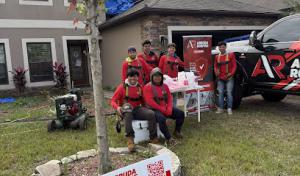
Arruda Roofing
(407) 473-5456 www.arrudaroofing.com
2295 S Hiawassee Rd #104, Orlando, Florida
5.0 from 151 reviews
Schick Roofing
(407) 749-0808 www.schickroofing.com
8516 Old Winter Garden Rd Ste 100, Orlando, Florida
5.0 from 349 reviews
Next Level Roofers
(407) 237-7960 nextlevelroofs.com
775 S Kirkman Rd Ste 117, Orlando, Florida
4.9 from 393 reviews
Orlando's dominant residential roof materials include asphalt Shingles, metal roofing, clay tile, and concrete tile, reflecting both mainstream suburban construction and higher-end Florida architectural styles. This mix means you'll see a broad spectrum of wear patterns and maintenance needs. Asphalt shingles respond quickly to prolonged heat and heavy rains, showing surface aging and underlayment stress sooner than you'd expect. Metal roofs hold up well in heat and storm cycles but require careful flashing and seam sealing to prevent moisture intrusion after a fast-moving thunderstorm. Clay and concrete tiles bring long-term durability and a distinctive look, yet their weight and fasteners demand careful installation and periodic checks for cracked tiles after hail or heavy winds. In neighborhoods with premium homes, copper accents and slate occasionally appear, bringing different upkeep realities around flashing and attachment.
The hot, humid climate accelerates aging differently by material. Heat ages shingles from the top down, softening sealant and lifting tabs where air can flow poorly, especially on roofs with limited shade. Moisture stress shows up in underlayments when humidity cycles creep into attic spaces; a small roofing leak can become a larger problem if the deck and insulation stay damp. Storm exposure tests attachment details and flashing, so misaligned step or counter-flashing can let rain intrude during a passing shower or a tropical-sided afternoon storm. Tile roofs distribute weight and shed water efficiently, but cracked tiles or loose fasteners after a wind event are common trouble spots. A well-installed metal system tends to resist weathering, yet exposed fasteners and laps must be sealed and maintained; splashy Florida downpours can reveal weaknesses in seals quickly.
Tile roofs are popular where contractors emphasize durability and a timeless profile; their longer service life can make sense in storm-prone periods, provided installation accounts for local seismic and wind considerations. Metal roofs, increasingly common in newer builds or remodels, shine in heat dissipation and rapid rain shedding, with the caveat that flashing, ridge caps, and edge details must be installed to handle gusty June-November cycles. Asphalt shingles keep cost and installation straightforward for many homeowners, but expect more frequent inspections after heavy thundershowers and hurricane-season activity. Regardless of material, a robust approach to maintenance-regular inspections, timely tile or shingle replacement, and proactive sealing of seams and penetrations-helps you navigate rapid weather shifts without escalating damage.
As soon as you notice a potential leak, document the issue with dates and photos, especially after a storm. Inside, check the attic for damp spots, staining, or unusual odors, and keep a log of any drips that occur during rain. During the June through November window, have a trusted local roofer on standby for rapid tarping and temporary fixes to limit interior damage while awaiting a permanent repair. For insurance documentation, compile a concise record of storm-related damage, including photographs, dates, and the extent of affected areas; clear, dated records support faster claims and proof of loss, particularly when wind exposure or hail might have impacted flashing or underlayment. A steady, well-documented response reduces the risk of claim delays and helps secure timely repairs when storms surge through the season.
Find contractors who specialize in clay and concrete tile roofs, known for their durability and curb appeal.
Gravity Roofing
(407) 461-0234 gravityroof.com
14 S Bumby Ave, Orlando, Florida
5.0 from 513 reviews
Schick Roofing
(407) 749-0808 www.schickroofing.com
8516 Old Winter Garden Rd Ste 100, Orlando, Florida
5.0 from 349 reviews
Ares Exteriors
(407) 640-0056 aresexteriors.com
200 E Robinson St Suite 1120, Orlando, Florida
5.0 from 110 reviews
In this climate, repeated wet-dry cycling from summer storms and intense sun exposure can turn small flashing or sealant weaknesses into recurring leak paths over multiple seasons. A roof that looks fine after a quick inspection may harbor micro-fractures at step flashing, chimney crickets, or vent penetrations that only show up after a few heavy rain events. The lesson is simple: pay attention to the first signs of uneven staining, damp attic spots, or subtle soft spots around flashing, because these are often the precursors to larger, more costly failures after another Florida downpour.
Flash rain events in spring can expose vulnerable transitions quickly, especially around penetrations and roof-to-wall details before a homeowner notices broader deterioration. Leaks often start at the seams where roof deck meets wall, at valley intersections, or where a misaligned shingle or sealant has degraded. If you notice sudden damp patches on ceilings after a short but intense downpour, investigate the transitions first. A meticulous eye on these details can prevent leaks from turning into interior water damage that compounds with humidity and mold concerns.
Skylights and similar roof openings deserve extra scrutiny in Orlando because sudden heavy rain can reveal installation weaknesses immediately even when the rest of the roof appears serviceable. Look for condensation trails, damp interiors around skylight edges, and any peeling around flashing or sealant bead. These openings can become pressure points, letting rain ride through the shell during short, intense storms. Treat skylight seals as high-priority items for inspection and maintenance, especially after a period of frequent storm cycles.
Find contractors experienced in skylight installation, flashing, and leak repairs to bring natural light into your home.
Gravity Roofing
(407) 461-0234 gravityroof.com
14 S Bumby Ave, Orlando, Florida
5.0 from 513 reviews
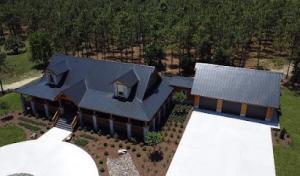
Hurricane Roofing & Construction
(407) 256-0801 www.hurricaneroofinginc.com
Orlando, Florida
5.0 from 80 reviews
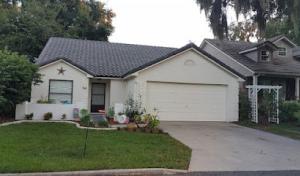
Advantage Roofing
(407) 559-4409 roofingadvantage.com
6903 Partridge Ln, Orlando, Florida
4.9 from 243 reviews
Replacement demand tends to concentrate in the drier months because the hot, humid pattern and seasonal rainfall make uninterrupted installation windows more valuable. If you're weighing a full replacement, aim for late winter to early spring when storms are less frequent and crews can schedule without repeated weather interruptions. The goal is to have a dry-in period before the next rainy season starts.
Heavy rains and tropical storms from June through November can delay tear-off, dry-in, and final completion even when crews are available. Plan for margin in your project timeline and keep a backup plan for unexpected weather gaps. Choose a contractor who can stage materials and crew for quick adjustments, so a stubborn afternoon rainstorm doesn't stall progress for days.
Afternoon summer heat in Orlando can slow installation pace and affect material handling, so start times, staging, and daily weather planning matter more than homeowners often expect. Early starts while temperatures are rising can reduce heat-related delays and keep asphalt shingles and underlayment from expanding too quickly in the sun. Ensure your crew has shade breaks and a clear plan for moving materials to avoid heat-related wear on products.
If a leak develops after a heavy storm, a temporary patch can buy time, but a full replacement may be the prudent long-term solution when shingles show widespread granule loss, cupping, or widespread ceiling staining. In this climate, deciding sooner rather than later helps control interior damage and salvageability of attic insulation and framing. A well-documented assessment from a local pro keeps your options clear when insurance discussions begin.
Flat and low-slope roofing is an active specialty in Orlando, especially on additions, porches, multifamily sections, and commercial properties exposed to sudden heavy rain. The year-round heat and humidity amplify the effects of poor drainage, so a reliable drainage plan is not only a comfort issue but a long-term durability matter. When roofs are exposed to frequent summer downpours, minor misalignments or clogged drains can quickly become visible leaks or interior moisture, making proactive design and testing essential.
Orlando's intense downpours make drainage performance and ponding management more consequential on low-slope sections than in drier inland markets. Standing water on a membrane or at transitions can stress seals, flashings, and edge details within hours. Focus on achieving positive slope toward scuppers or internal drains, and confirm that drains won't be overwhelmed by sudden volumes. Check for proper drainage paths around parapets and HVAC curbs, where debris buildup or minor sagging can create quiet but persistent ponding.
Short weather stoppages from spring flash rain events can be especially disruptive on low-slope work because exposed membranes and transitions are less forgiving during installation. Scheduling work to align with predictable dry windows reduces the risk of membrane damage, debris intrusion, and delayed cures for sealants. When installs resume after a weather interruption, re-check flashings and drain fittings for integrity, since thermal cycles and rapid rain exposure can reveal hidden vulnerabilities.
Routine inspections after heavy rain events help catch early drainage inefficiencies. Watch for edge ponding, clogged scuppers, and drain headers that shift with temperature swings. In between storms, keep roof surfaces clear of vegetation, leaves, and debris that can impede flow. Document drain conditions and any observed movement or leaks, so responses to future storms can be swift and targeted.
During a storm, focus on exterior access to drains and alignment of low-slope transitions. After a heavy rain, inspect for signs of membrane movement, seam separation, or fastener loosening around edges and penetrations. Clear, organized documentation of affected areas-photos, timestamps, and notes-supports timely insurance communication and faster leak response when window openings or weather gaps appear again.
Find specialists in TPO, EPDM, and built-up flat roofing systems for residential and commercial properties.
Gravity Roofing
(407) 461-0234 gravityroof.com
14 S Bumby Ave, Orlando, Florida
5.0 from 513 reviews
Ares Exteriors
(407) 640-0056 aresexteriors.com
200 E Robinson St Suite 1120, Orlando, Florida
5.0 from 110 reviews
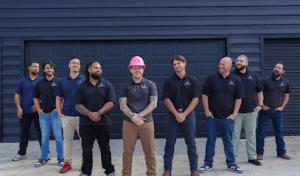
Integrity Roofing
(407) 993-2764 integrityroofingfl.com
1950 S Chickasaw Trail, Orlando, Florida
4.9 from 332 reviews
Solar-integrated roofing is an active niche in Orlando, so you often need to line up roof replacement timing with future or existing solar equipment rather than treating them as separate projects. Start with a clear assessment of the underlying roof's condition and anticipated life. If the roof is nearing or at replacement age, plan for solar panel work to be done in conjunction with the new covering. This reduces redundancy, simplifies attachment details, and minimizes post-installation disruptions during the hot, humid months when storms are common.
Because insurers and inspectors may focus closely on roof age and how the roof is assembled, solar planning should account for whether the underlying roof system is near replacement age before panels are installed or reset. Have a trusted roofer evaluate deck integrity, flashing, underlayment, and any fascia or skylight interfaces. If fastener patterns or roof-penetrating hardware need updates, address those before mounting solar hardware. In practice, this means scheduling solar planning discussions after a professional roof evaluation but before ordering panels, so the system aligns with the roof's structure and warranty.
Frequent storm exposure in Central Florida makes attachment details and post-installation documentation especially important when solar components intersect with roofing work. Ensure attachment points use corrosion-resistant hardware and that flashings around penetrations are upgraded if needed. Document attachment methods, panel layout, and any retrofits for the insurer and for future maintenance. Keep a stamped diagram of rafter spacing, nail or screw patterns, and sealant types to speed any future inspections or claims after a storm.
In a climate with rapid heat cycles and humidity, solar components should be positioned to minimize overheating and gutter interference. Plan for a robust post-installation maintenance routine, including panel cleaning, sealant checks, and quick access for leaks around micro-cracks near penetrations. When a panel is reset, ensure the roof deck and flashing are reverified, and gather documentation that connects the solar system to the primary roof assembly for future service needs. This approach helps maintain performance through the June-to-November storm cycles.
Find contractors who integrate solar panels or solar shingles into your roof for long-term energy savings.

Fiddler's Roofing
(407) 366-2300 fiddlersroofing.com
521 W Miller St, Orlando, Florida
4.9 from 180 reviews
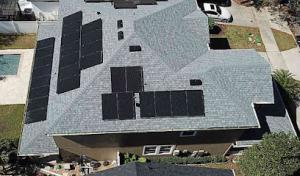
Bela Roofing
(407) 250-4904 belaroofing.com
5528 Force Four Rd, Orlando, Florida
5.0 from 65 reviews
Tadlock Roofing
(407) 710-2600 tadlockroofing.com
2438 Sand Lake Rd, Orlando, Florida
4.6 from 153 reviews