
Last updated: Apr 19, 2026
West Palm Beach homeowners are in a Florida wind-risk insurance market where roof age, attachment details, and documentation can directly affect coverage options and premiums. The combination of salt-laden coastal air and frequent tropical storms means a roof is not just a shield from rain; it's a line of defense against powerful wind gusts that can peel shingles, lift tiles, or snap eave connections. When a roof shows its age or corners aren't securely fastened, insurance credits can drop and premiums can rise. That makes proactive wind-ready work essential, not optional.
The city's tropical storm and hurricane exposure makes roof replacement timing closely tied to storm season, with June through November bringing the highest disruption risk. If a replacement or major retrofit is on the calendar, align installation so the roof is fully covered and tested before the late-summer peak, especially in neighborhoods with clay or concrete tile roads where weight and fastener patterns matter. In practice, this means planning ahead for weather windows, ensuring crews can complete wind-rated upgrades before the first tropical pulse, and avoiding a scenario where a mid-season repair becomes a rushed, patchwork fix. A properly staged project preserves the roof's ability to resist high winds during the most dangerous months.
Final inspections commonly verify installation details tied to wind performance, including underlayment, nailing patterns, and wind mitigation documentation used for insurance credits. Underlayment should be correctly overlapped and sealed to resist water intrusion while remaining flexible in heat and salt spray. Nailing patterns must meet the latest wind-resistance standards for the specific roof system chosen, with fasteners driven to the correct depth and spacing. For tile roofs, especially clay and concrete, the attachment system must demonstrate secure tile-to-underlayment connections and appropriate mitigation hardware, such as uplift-rated clips or accessories. In metal and synthetic options, verify that fasteners have corrosion resistance appropriate for coastal environments and that the profile secures the panels without creating gap points under wind load. After installation, conduct a thorough walk-around to confirm no gaps, loose flashings, or damaged seals on hips, ridges, and vent penetrations. Finally, ensure the wind mitigation documentation is complete and accessible, since it is the key to insurance credits and to proving the roof's wind performance to adjusters if a claim arises. A complete packet should include manufacturer specs, photos of the attachment details, and a clear record of the nailing or fastener pattern used during installation.
Reach out to a contractor who understands coastal exposure and understands how Florida wind codes apply to your home type, whether you have interlocking clay tiles or a sleek metal profile. Request a pre-renewal wind mitigation review to identify attachment upgrades or underlayment enhancements that could improve your coverage and resilience. When planning, prioritize crews with coastal experience and a track record of passing stringent final inspections, so there is no last-minute delay or rework. After work is complete, insist on a detailed final inspection checklist and a complete wind mitigation packet, ready to present to the insurer at the next policy renewal. Your roof's wind resilience hinges on timely, precise preparation and documentation that stands up under scrutiny when the season roars.
Tile roofing is noticeably the strongest specialty signal in this market, and clay and concrete tile dominate the re-roofing and repair workload. Homeowners should expect that a tile-led replacement project will attract crews who routinely work with heavier tile systems and matching aesthetics for South Florida housing styles. When a contractor mentions tile, they're often signaling a broader discussion about structural load, fastening patterns, and long-term performance under coastal winds. In practical terms, that means you'll want a crew with proven experience matching tile type to roof deck structure, not just a surface-layer swap.
The hot, humid climate and frequent rain here speed up underlayment aging even if the surface tiles look serviceable. Underlayment degradation can progress quietly, especially beneath the shade of a tile roof where moisture lingers. A practical approach is to plan for a proactive underlayment assessment during any tile work, not just a full tear-off. If moisture has penetrated seams or flashed at eaves, it might be masking hidden rot or mold growth. Expect to consider ventilation and attic clearance changes as part of a mindful retrofit so the roof assembly breathes properly in the heat and humidity.
South Florida housing styles commonly use heavier tile systems, making structural suitability a central concern. The deck, rafter spacing, and connection hardware must support the load, especially when the roof faces hurricane wind zones. Replacement projects should include a thorough assessment of whether the existing framing can sustain new tile weights, and whether reinforcement is needed at critical points such as hip valleys, ridge lines, and overhangs. Matching the replacement tile to the original profile, color, and texture helps preserve neighborhood character while maintaining wind performance. In practice, that means you may encounter a staged process: confirm structural readiness, choose a compatible tile system, and then coordinate precise fastening patterns that minimize wind-driven uplift.
Wind mitigation is not a one-time checkbox; it's a set of decisions about fastening, underlayment, and edge details designed for coastal exposure. Tile roofs can be very strong when installed with the right fasteners, clips, and sealants, but poor detailing at edges, penetrations, and transitions can become failure points during a hurricane. A practical path is to review the fastening method for hips and ridges, the way valley and penetrations are flashed, and how the roof meets exterior walls. Look for upgrades that improve wind resistance without compromising tile movement or long-term maintenance, such as coordinated flashing changes and proper sealing around vent pipes and skylights. The goal is a consistently secure surface that resists uplift and resists moisture ingress from driving rain.
With tile, you gain durability and a distinctive look, but maintenance planning remains essential. Schedule routine inspections after major storms or unusually heavy rains, focusing on fastener integrity, cracked or displaced tiles, and any mortar or sealant degradation at fixtures. Even when the tiles appear intact, the underlying deck and underlayment deserve a check, especially if roofline transitions or overhangs have shifted due to weather events. For storm timing and readiness, align replacement planning with the seasonal cycle so that crews can complete onsite work with minimum exposure to peak storm windows, ensuring a solid, watertight result before the height of hurricane season.
Find contractors who specialize in clay and concrete tile roofs, known for their durability and curb appeal.
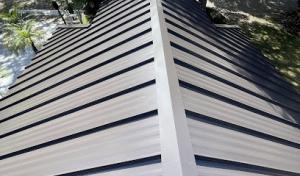
Mompie Construction
3832 Park Ln, West Palm Beach, Florida
5.0 from 234 reviews
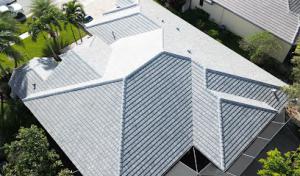
Coastal Roofing of South Florida
(561) 783-4185 www.coastalroofingofsouthflorida.com
9020 Bellhurst Way STE 110, West Palm Beach, Florida
5.0 from 136 reviews
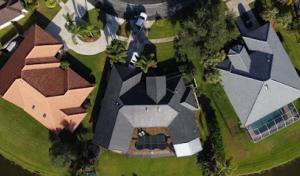
Neal Roofing & Waterproofing
2101 Centrepark W Dr STE 100, West Palm Beach, Florida
4.9 from 889 reviews
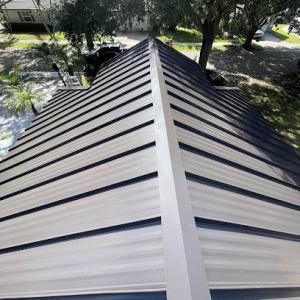
Mompie Construction
3832 Park Ln, West Palm Beach, Florida
5.0 from 234 reviews
Mompie Construction is a family-owned roofing company that has serviced the area of Palm Beach County since 2008. Our mission is to provide unmatched quality for new roof installations and roof remodel. Mompie Construction continues to lead the charge in the roofing industry in Palm Beach County. We do this by staying up to date with the latest safety technology for our installers and providing efficient tools to get the project done the best way. As a team we provide exceptional advice for both residential and commercial projects. Mompie Construction understands that a roof is one of the most important decisions you will make as a homeowner, and we take pride in our white glove service working with our clients from beginning to end.
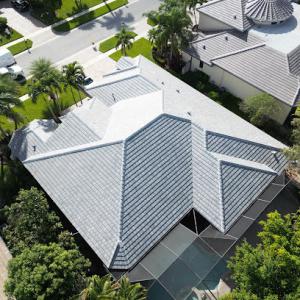
Coastal Roofing of South Florida
(561) 783-4185 www.coastalroofingofsouthflorida.com
9020 Bellhurst Way STE 110, West Palm Beach, Florida
5.0 from 136 reviews
Coastal Roofing of South Florida is one of the leading Roofing Companies proudly serving West Palm Beach and surrounding areas. With a reputation built on integrity, quality craftsmanship, and 5-star customer satisfaction, we specialize in expert roof installation, prompt roof repair, and complete roof replacement services. Our team brings years of local experience and attention to detail to every project, ensuring each roof is built to withstand Florida’s unique climate. Whether you're a homeowner or business owner, you can count on our professional and friendly service to deliver long-lasting value and dependable protection. We are committed to providing trustworthy solutions tailored to your property’s needs.
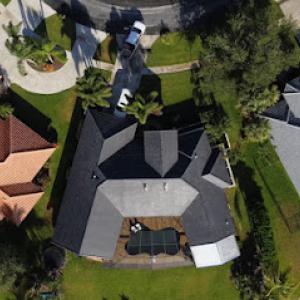
Neal Roofing & Waterproofing
2101 Centrepark W Dr STE 100, West Palm Beach, Florida
4.9 from 889 reviews
Established in 2018, Neal Roofing & Waterproofing provides comprehensive roof care for homes and businesses in West Palm Beach. Their services include roof replacement, repair, and all other roofing services, ensuring the complete protection of your property.

Builders of America
(561) 594-6444 www.youtube.com
6906 151st Ct N, West Palm Beach, Florida
5.0 from 206 reviews
Roof Restoration, Repairs, Chemical-Free Pressure Cleaning
CLS Roofing
(561) 207-7693 clsroofingllc.com
2054 Vista Pkwy # 400, West Palm Beach, Florida
5.0 from 129 reviews
CLS Roofing, located at 2054 Vista Parkway Suite #400, is your premier roofing contractor in South Florida, specializing in roof repair, roof replacement, and new roof installations. Serving Martin, Palm Beach, Broward, Dade counties and beyond, we offer expert residential and commercial roofing solutions, including tile roofing and shingle installations. Our licensed and certified team is committed to top-quality craftsmanship, delivering durable and energy-efficient roofs with a focus on customer satisfaction and reliability. With over 60 five-star Google reviews, CLS Roofing is your trusted partner for all your roofing needs. Contact us today for a free quote.
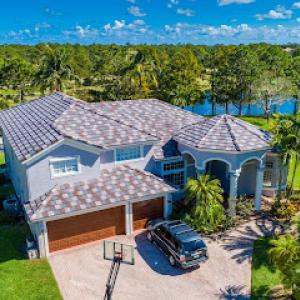
Altec Roofing
(561) 559-8117 www.altecroofing.com
3134 45th St, West Palm Beach, Florida
4.9 from 162 reviews
Family-run since 1984, Altec Roofing is the most-trusted name in exterior home improvements installing custom single-family, multi-family, and commercial roof systems throughout West Palm Beach and South Florida. They provide the best workmanship and service in the business, and have experienced local pros to provide repair and replacements for metal roofs, wood shake roofs, slate roofs, clay tile roofs, concrete tile roofs, ceramic tiles roofs, flat roofs and waterproof coatings. With 40 years of experience in the industry, their team of skilled roofing professionals has encountered every type of repair challenge. From minor leaks to extensive storm damage, Altec Roofing has the expertise to handle it all.
Ace Pro Roofing
(561) 282-6128 www.aceproroof.com
4264 Westroads Dr Suite B, West Palm Beach, Florida
4.9 from 240 reviews
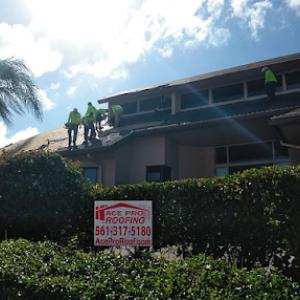
Ace Pro Roofing is a full service licensed roofing company. We primarily serve Palm Beach in Florida. We have an excellent reputation with our clients. We offer a wide range of professional roofing services including re-roofs, repairs, restoration, maintenance, coatings, and inspections. We are very experienced in assisting with hurricane damage and the insurance claim process. We believe that gaining the trust and loyalty of our clients is the key to our success. For this reason, we try our best to be fair, honest, professional, and always readily available to our clients. So, if you are in need of service please contact us.
Stat Roofing & Sheet Metal
(561) 840-0504 www.stat-roofing.com
1638 Donna Rd, West Palm Beach, Florida
5.0 from 49 reviews
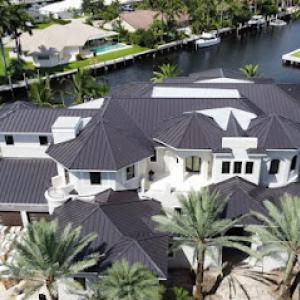
Perfect Installs Your roof is the main defense against the elements and one of the larger financial decisions you'll make for your home. We can walk you through the best options to fit your needs and then handle the complete installation. Reliable Upgrades Are you looking for a change? If you'd like to update or upgrade your roofing and gutters, we've got you covered. Book a free consultation to discuss our different types of roofing composition! Maintenance & Repair Age and environmental factors can wreak havoc on your roof. Ignoring problems for too long can cause headaches down the road. Whether you're experiencing leaks or dealing with storm damage, start with a free consultation today!
NeNa's Roofing - Palm Beach County Re-roofs & Repairs
(561) 670-4919 www.nenasroofing.com
1224 Shibumy Cir, West Palm Beach, Florida
5.0 from 43 reviews
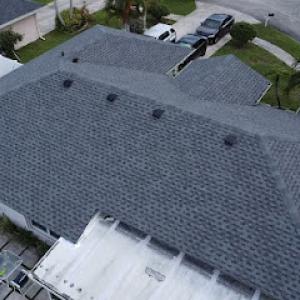
Nena’s Roofing | Expert Roofing in Palm Beach County With 20 years of Florida roofing experience, Nena’s Roofing provides high-performance solutions for residential and commercial properties in Wellington and West Palm Beach. We specialize in TPO and flat roofs, 24-gauge metal panels, shingles, and concrete tile systems. Our team focuses on hurricane-ready protection, offering expert assessments for roof-to-wall connections, insurance mitigation, and structural repairs including trusses and skylights. Built on integrity and resilience, we provide transparent communication in English, Spanish. Contact us for professional craftsmanship and reliable overhead protection in South Florida
Nik's Roofing
(561) 888-4875 niksroofing.com
4453 Edward Rd, West Palm Beach, Florida
5.0 from 41 reviews
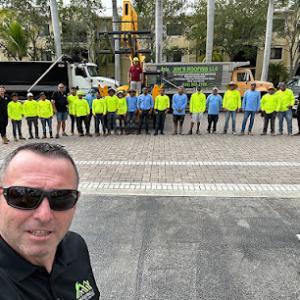
Why are we one of the best roofing companies West Palm Beach? Because whether you need a new roof installed or your current roof requires repairs, we are experts in all roofing services. We have over 15 years of experience in the roofing industry. Our trained and educated roofers utilize the most up-to-date roofing materials to ensure your roof is sturdy and long-lasting. We also offer inspection and maintenance services to guarantee that your roof is constantly in excellent shape. You may rely on us to offer you the best services possible at affordable pricing. You can count on excellent craftsmanship and first-rate customer service from Nik's Roofing.
Complete Roofing Solutions
(561) 848-7663 www.my-roofer.com
5678 N Military Trl, West Palm Beach, Florida
4.8 from 138 reviews
Established in 1985, Complete Roofing Solutions brings decades of expertise to every project. Specializing in residential, commercial, and industrial roofing, their skilled team delivers exceptional service across Palm Beach and Martin counties. From new installations to urgent repairs, they handle a wide range of roofing systems, including flat, tile, shingle, and metal. Their comprehensive services also include waterproofing and proactive maintenance, ensuring the longevity and integrity of your property. Complete Roofing Solutions is dedicated to delivering durable, high-quality roofing solutions tailored to your specific needs.
Legacy Contracting Solutions
(561) 844-4910 legacycontractingsolutions.com
6557 Garden Rd UNIT 10, West Palm Beach, Florida
4.8 from 213 reviews
Best Roofing company in Palm Beach Gardens every year for almost two decades. Proud to be the trusted roofer of thousands of beautiful homes in BallenIsles, Mirasol, Ibis, Frenchmans Reserve, being held to the highest standards and coming away with referrals. From a small roof leak repair to a complete new roof installation you'll be in good hands. Way back in 2009 our word-of-mouth reputation in PGA National got us selected to replace all 5 guardhouse roofs! We know what it takes to work in these stunning communities. Our system is designed to make it easy for you. We will handle the HOA approval process, we know exactly what they need. People trust us so much that every summer we do roofing projects for snowbirds hundreds of miles away.
Salt air in the West Palm Beach coastal environment can accelerate corrosion on metal panels, flashings, and fasteners if the system is not selected and installed for marine exposure. The salty breeze doesn't just dull a finish; it seeks out tiny gaps and vulnerable joints, where corrosion can creep in and shorten the life of a roof you rely on during heavy storms. When choosing metal, look for coatings and alloys specifically rated for coastal or marine service, and ensure the system is paired with fasteners and edge-metal details that resist salt spray. If the roof isn't designed for marine exposure from the start, you'll face more frequent maintenance, more visible wear, and more opportunities for leaks after high-wind events.
Metal roofing is one of the most active specialties in this area, showing strong local demand despite the added corrosion considerations of the Atlantic-side climate. That demand reflects real benefits: durability, wind resistance, and a lighter weight compared to some tile products. Yet the corrosion risk means a metal roof isn't a "set it and forget it" choice. Your decision should balance the benefits of hail and wind resilience with the realities of a county coastline that breathes salt air and sea spray. Proper configuration isn't negotiable: panel seams, flashing transitions, and penetration points must be upgraded beyond standard residential practice to stand up to years of coastal weather.
Homes closer to the Intracoastal and ocean-facing exposure typically need closer attention to fastener compatibility and edge-metal durability than inland roofs. Edge trim, drip edges, and fasteners must be chosen with corrosion resistance in mind, not as an afterthought. When you inspect a proposed system, verify corrosion-resistant fasteners with compatible coatings, and ask about the longevity of clips, screws, and sealants under prolonged salt exposure. Pay attention to retrofit options if a roof already exists-some existing edges and penetrations can become weak points where salt-laden air exploits micro-voids.
Coastal roofing demands a proactive maintenance mindset. In practice, that means annual inspections after hurricane season and mid-season touch-ups if you notice staining, discoloration, or loose components along the eaves and ridges. Salt-rich winds can accelerate wear at the edges and near rooftop penetrations, so plan for targeted checks at the flashing details and fastener heads. A well-timed mid-life service visit can forestall more extensive repairs or early replacement, preserving the roof's ability to perform when the next storm surge or gust front rolls in.
Choosing metal with marine-grade coatings and ensuring a corrosion-aware installation isn't a guarantee against future issues, but it is a practical path toward longevity in a challenging environment. When the wind kicks up and salt air swirls around the eaves, you want confidence that the system's backbone-fasteners, edge components, and flashing-will stand up rather than succumb to quiet, creeping corrosion.
Explore specialists in steel, aluminum, and standing seam metal roofs built to last 50 years or more.
Mompie Construction
3832 Park Ln, West Palm Beach, Florida
5.0 from 234 reviews
Coastal Roofing of South Florida
(561) 783-4185 www.coastalroofingofsouthflorida.com
9020 Bellhurst Way STE 110, West Palm Beach, Florida
5.0 from 136 reviews
Neal Roofing & Waterproofing
2101 Centrepark W Dr STE 100, West Palm Beach, Florida
4.9 from 889 reviews
The dry season, roughly November through April, offers the most predictable window for tear-offs and replacements. In this period, rain is less frequent and afternoon showers won't derail an entire week of work. A typical approach is to plan a wind-rated underlayment install first, followed by shingles or tile, while you still have a solid stretch of dry weather ahead. Start by coordinating a clear two-week pace: a crew can strip, tarp, and install underlayment in the first week, then lay the roof covering in the second, with a midweek check to seal any small gaps before a potential cold front or fresh sea breeze moves in. Scheduling around the front-half of the dry season minimizes the risk of sudden downpours interrupting an ongoing tear-off and reduces the chance of wind-driven debris during installation.
June through November brings the peak storm season, which can delay projects, expose open roofs to sudden rain, and drive post-storm demand that tightens contractor availability. If a tear-off cannot be safely timed to avoid a tropical system, the practical path is to stage the project in shorter, modular segments. Start with securing access, tarping, and weatherproofing the eaves and interior spaces before a potential storm window; then complete the remaining phases as soon as the outlook improves. Communication matters: maintain a plan B with the contractor for rapid rescheduling if a named storm approaches or if local forecasts show persistent rain bands. Being flexible yet prepared helps keep a project on track without abandoning critical roof integrity.
Hot, humid summers affect material handling, crew pace, and curing conditions during installation. Concrete or clay tiles can be more fragile when surfaces are excessively hot, and sealants may cure faster than anticipated, altering alignment or flashing details if rushed. Plan for early starts to avoid the peak heat hours, and ensure ample hydration and shade during breaks to maintain crew performance. Consider staggered tasks: strip in the cooler morning hours, allow for a midday lull, then resume with installation when shade and moisture conditions are more stable. By aligning the work sequence with the local climate, the project maintains steady progress without compromising roofing performance or longevity.
Get a clear picture of your project costs upfront - no commitment required.
CLS Roofing
(561) 207-7693 clsroofingllc.com
2054 Vista Pkwy # 400, West Palm Beach, Florida
5.0 from 129 reviews
Mendieta Roofing
13529 52nd Ct N, West Palm Beach, Florida
4.7 from 170 reviews
Infinity Roofing & Siding
(561) 459-2826 www.infinityroofer.com
411 7th St #13, West Palm Beach, Florida
4.6 from 31 reviews
In this coastal climate, your re-roof budget should reflect the city's dominant materials: asphalt shingles typically run from 350 to 650 USD per square, metal from 600 to 1100, clay tile from 800 to 1200, concrete tile from 700 to 1100, wood shingles or shakes from 700 to 1000, and synthetic or composite shingles from 400 to 900. These ranges align with West Palm Beach's mix of homes that lean toward tile and tile-like products, with asphalt as a practical option for mid-range projects. The salt air and hurricane-season exposure drive a premium on corrosion-resistant components and careful flashing details, which can push the bottom of a budget higher in practice.
Tile-heavy neighborhoods dominate the local skyline, and that matters for your numbers. If you're upgrading from shingles to concrete or clay tiles, plan for a higher square-foot cost due to heavier weight, more complex rafter work, and roof deck prep. Concrete and clay tiles install slower and require precise alignment to keep wind uplift in check, especially where coastal exposures and high wind zones intersect. Synthetic or composite options can offer similar aesthetics with lighter weight and faster installation, often landing between asphalt and traditional tile in overall cost.
Costs in West Palm Beach can rise after tropical weather events when emergency demand surges and re-roofing crews are booked out across Palm Beach County. If a storm has just passed, you'll likely see premiums on both materials and labor, plus tighter scheduling windows. When planning, build in some flexibility for crew availability and potential price bumps if a named storm season has already affected the area.
Tile-heavy housing stock, coastal corrosion-resistant components, and inspection-driven processes can push local projects above simpler inland shingle replacements. If your home already uses tile or you anticipate a tile upgrade, you're looking at longer timelines and a need for reinforced ventilation and waterproofing strategies to handle sea-salt exposure. For asphalt, ensure upgrades focus on upgraded underlayment and wind-rated shingles to satisfy wind mitigation expectations. In all cases, consider the maintenance cycle: coastal homes benefit from periodic inspections and proactive repairs to address salt spray corrosion and sealant degradation before leaking or wind damage occurs.
The most popular roofing material in the US. Find pros who install, repair, and replace asphalt shingles.
Mompie Construction
3832 Park Ln, West Palm Beach, Florida
5.0 from 234 reviews
CLS Roofing
(561) 207-7693 clsroofingllc.com
2054 Vista Pkwy # 400, West Palm Beach, Florida
5.0 from 129 reviews
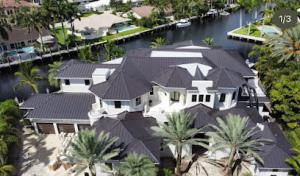
Stat Roofing & Sheet Metal
(561) 840-0504 www.stat-roofing.com
1638 Donna Rd, West Palm Beach, Florida
5.0 from 49 reviews
A full re-roof in this city typically requires a permit through the City of West Palm Beach Building Department. Before any screws turn, start with the permit application, which sets the project scope, roof type, and wind-resistance goals for hurricane season. The department often requests project details that prove the replacement will meet current wind mitigation standards and local standards for coastal exposure. Plan ahead for review timelines that align with storm-season schedules.
The plan review step is not a formality to be rushed; it documents the installation approach, ventilation strategy, underlayment, nailing patterns, and necessary details for coastal wind loads. Have your roofing contractor provide stamped drawings if required, plus a clear outline of vent placement and attic access for inspection ease. In coastal areas, the reviewer may emphasize fastener schedules and material compatibility with salt-laden air, so ensure the proposed system includes corrosion-resistant components and appropriate flashing details around cornices, chimneys, and vents.
At completion, a final inspection is conducted to verify installation meets code and the wind-mitigation expectations. City inspectors commonly check ventilation adequacy, correct underlayment installation, accurate nailing patterns, installation details (such as seam and rake conditions), and the presence of wind-mitigation documentation. Be ready to demonstrate proper roof deck ventilation and confirm that attic ventilation remains unobstructed after the new installation. If any item does not pass, address it promptly, as re-inspection may require temporary repair or rework that can extend the project timeline.
Coordinate with the contractor to align permit approval, material delivery, and scheduling around storm-season windows. Keep digital copies of all permit approvals, plan reviews, and wind-mitigation paperwork in a folder accessible to the homeowner and the roofing crew; these documents simplify inspections and future resale disclosures.
West Palm Beach sits in Florida's high-claim wind and hurricane insurance environment, where roof documentation is often requested during underwriting or renewal. That means every repair, replacement, or even a significant roof patch can travel with your file into the next policy year. If the documentation trail isn't clear, you may face questions, delays, or tighter coverage than anticipated. The outcome is not just about surviving a storm; it's about staying predictable in a market that treats roofs as a high-stakes asset.
Some insurers in this market adjust how they view roof age and material type, and coverage availability can vary significantly by carrier. A roof that was fine a decade ago might trigger stricter scrutiny today, especially if the material is susceptible to wind uplift or salt erosion. On the other hand, a well-documented, properly maintained roof can help your case when a carrier weighs risk versus premium. The room for interpretation is smaller than it used to be, and decisions can hinge on the specifics of your installation and maintenance history.
Homeowners here should keep inspection records, photos, permit history, and wind mitigation paperwork because insurers may request detailed proof after storms or before issuing credits. Build a simple, organized folder you can pull quickly: pre- and post-storm inspection notes, any repair receipts, and clear photos showing fastener patterns and flashing integrity. If you've had recent wind mitigation work, ensure the certificates and contractor details are ready to share. When storms threaten, that organized glass can translate into faster claim handling and steadier coverage, rather than a surprise setback.
Flat-roof specialization is notably active in this market, reflecting a meaningful share of low-slope residential additions, multifamily buildings, and commercial properties in the city. That means you will frequently encounter long-term performance questions around drainage, flashing, and membrane integrity. When a flat roof is part of the home, expect more frequent attention to seam work, penetrations, and wear from coastal exposure.
Frequent heavy rain in this area makes drainage performance a top concern for low-slope roofs. If water tends to pool, even briefly, you can accelerate wear on membranes and coatings. Check that roof drains are clean and unobstructed, and verify downspouts and scuppers discharge away from the structure. After storms, inspect for small ponding areas and triage them with prompt cleaning or minor adjustments before they deepen.
Membrane integrity and flashing details are the everyday focus on flat roofs here. In the salty coastal climate, fasteners and edge wrap can corrode sooner than expected. Look for blistering, rips, or edge uplift near parapets and transitions. Probing for moisture behind the flashing is prudent after heavy rains. If the roof deck can be seen or if there are soft spots, plan a careful assessment rather than a reaction to a leak.
Roof coatings are an active local specialty, indicating that restoration strategies are common to extend life between full replacements. In West Palm Beach, coatings can seal minor leaks, deflect heat, and buy time during storm season. When choosing a coating, ensure compatibility with the underlying membrane and verify they're rated for coastal salt exposure and UV stress. Regular re-coatings can be a practical maintenance rhythm.
Establish a semiannual inspection cycle that targets after hurricane season and before the hottest months. Document seam health, drainage performance, and coating condition, then address minor deficiencies before they become leaks. A local approach blends timely fixes with coating touch-ups, aligning with typical flat-roof maintenance patterns in this market.
Find specialists in TPO, EPDM, and built-up flat roofing systems for residential and commercial properties.
Builders of America
(561) 594-6444 www.youtube.com
6906 151st Ct N, West Palm Beach, Florida
5.0 from 206 reviews
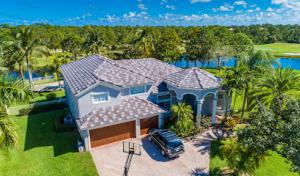
Altec Roofing
(561) 559-8117 www.altecroofing.com
3134 45th St, West Palm Beach, Florida
4.9 from 162 reviews
Ace Pro Roofing
(561) 282-6128 www.aceproroof.com
4264 Westroads Dr Suite B, West Palm Beach, Florida
4.9 from 240 reviews
Emergency repair is one of the strongest service signals you'll see after a wind-driven rain event. In this market, rapid leak response can mean the difference between a soaked ceiling and saved interior finishes. When you spot active dripping, pooled water, or visible daylight through gaps, treat it as urgent. Call a local roofer who offers 24/7 triage, and document every moment of damage with photos and timestamps. Quick stabilization buys time for proper repair and helps prevent interior mold and drywall damage.
Skylight penetrations are a meaningful specialty here, because tropical downpours and driving winds can force water around seals or into poorly flashed edges. If a skylight shows condensation between panes, sweating on glass, or damp framing, don't wait. A trained eye can seal or temporarily cover the reveal to slow leakage, but plan for a targeted repair that restores flashing, sealant, and the surrounding curb if needed. Keep exterior debris away from the penetration to prevent additional intrusion during the next gust.
Tarping is your first line of defense after a storm. As soon as wind and rain stop, lay a heavy-duty, roof-appropriate tarp over compromised sections, weighted along the edges with sandbags or weighted boards. Secure fasteners to a solid, non-rupturing surface and ensure edges extend past the damaged zone. Avoid improvised coverings that can whip loose in the next squall. If you're unsure about securing an area, arrange for a fast-response crew to install a temporary shield and prevent further interior exposure while permanent repairs are scheduled.
Protect interior spaces by moving valuables away from the leak path and laying down plastic sheeting on floors and furniture. Take comprehensive photos of the affected roof, the skylight area, and any tarped zones. Share the images with the contractor and insurer promptly to accelerate triage and a storm-timed roof replacement plan, aimed at restoring structure and comfort quickly.
Find contractors experienced in skylight installation, flashing, and leak repairs to bring natural light into your home.
Neal Roofing & Waterproofing
2101 Centrepark W Dr STE 100, West Palm Beach, Florida
4.9 from 889 reviews
Builders of America
(561) 594-6444 www.youtube.com
6906 151st Ct N, West Palm Beach, Florida
5.0 from 206 reviews
CLS Roofing
(561) 207-7693 clsroofingllc.com
2054 Vista Pkwy # 400, West Palm Beach, Florida
5.0 from 129 reviews