
Last updated: Apr 19, 2026
During the May through October window, inland Central Florida weather roars to life with frequent thunderstorms, and that means your roof tear-off and dry-in schedule can flip in a heartbeat. The heat, sudden downpours, and rising humidity create slip hazards for crews and soft ground that slows progress. If your project starts in early May, expect interruptions from at least a few storms per week, and be ready for temporary hold-ups when the roof deck is exposed. This is the time when delays aren't just possible-they're likely. Build in buffer days for each phase, and align your contractor's milestones to the calmer midweek slots after fronts push through. Have a plan for securing the site quickly after a storm: tarps, fasteners, and a nearby safe area to stage materials so the crew can resume without missing precious daylight.
The late-summer to early-fall period is when wind events and regional demand spikes can push schedules well beyond the usual. August through October brings the highest risk of weather-driven shutdowns, not just from tropical systems but from the increased volume of requests as crews race to finish before the season's next front. Materials can become scarce or delayed when storm warnings ripple through supply chains. Communicate clearly about contingency timelines with your roofing team, and lock in preferred crews and delivery windows as early as possible. If a storm threat looms, have a pre-arranged plan with a neighboring property or licensed roofer to secure the site rapidly and minimize exposure of the new decking to wind-driven debris.
When the calendar flips to late fall and winter, the workday cools and dries, giving you a real edge on progress. Dry-in periods shorten, and weather delays drop off, letting crews push through without the long pauses characteristic of the heat and thunder season. This is the most workable re-roofing window in the area, so aligning major components-tear-off, decking inspection, underlayment, and final shingle or tile installation-during this stretch can keep your project on track and reduce the chance of rework caused by heat-related material expansion or sudden afternoon storms.
Set a targeted start date for the tear-off just after the peak wet season, but with a firm backup plan if a storm threatens. Confirm with the contractor that storm contingency procedures are in place, including rapid tarp deployment and secure staging for materials. Schedule critical siding or interior work that depends on a weather-tight roof to follow the dry-in, so you don't risk backtracking. In the weeks leading up to the late-fall window, verify delivery times for underlayment and shingles or tiles, and align crews to maximize continuous work days through the cooler period. Keep an open line with insurance adjustments and project approvals so documentation can move swiftly if wind events impact progress.
In this market, projects that replace the roof must be planned as wind-resilient rebuilds rather than a simple material swap. The focus here is on how the roof system performs under gusty afternoon storms and sustained wind events common to the central Florida wet season. A wind-ready re-roof recognizes that the fast-growing mix of shingle, metal, and tile homes near the tourism corridor and master-planned subdivisions each have different attachment needs, and the job should reflect those specifics rather than applying a one-size-fits-all change. This means the project starts with a clear assessment of how the current roof is anchored, how the new system will resist uplift, and where fasteners and edge details will be improved to meet higher wind expectations.
When you prepare for a re-roof, outline the wind-resistance goals from the outset. Choose a system that matches the existing roof geometry and house design while addressing typical storm paths in the area. For homes with metal or clay or concrete tiles, verify that edge restraints, hip and ridge connections, and underlayment choices are compatible with the intended wind-resistance strategy. The planning phase should also map out stages where deck rough-in, underlayment or sheathing review, and the final inspection will occur, so that there are explicit checkpoints rather than a single handoff. This multi-point approach helps avoid gaps between the roof surface and the structural envelope, which is where wind-driven damage tends to start.
Local inspections commonly include deck rough-in, underlayment or sheathing review, and final inspection, so scheduling must account for multiple approval points before completion. Start with a deck inspection to confirm that the roof deck is sound and securely fastened to resist uplift during storms. Then review underlayment and sheathing to ensure proper installation, coverage, and nailing patterns that align with the chosen roof system. The final inspection should confirm that all wind-resistant details-such as secure fasteners, proper sealants at transitions, and compatible edging products-are complete and correctly documented. Keeping a log of every inspection date, instructed method, and any corrective steps is invaluable if a storm event occurs and an insurance-related review is needed later.
Wind mitigation documentation may be requested in reroof projects, making photo records and product paperwork especially important for final closeout and insurance use. Throughout the project, photograph each critical stage: the deck condition, fastener patterns, valley and hip details, edge clips, and the attachment of any metal components or tile systems. Save product data sheets, installation manuals, and test reports that show what wind-resistance features were selected and how they were implemented. Clear, chronological photo evidence and neatly organized product documentation will help during the insurance closeout process and provide a transparent narrative if wind-driven damage is evaluated in the future.
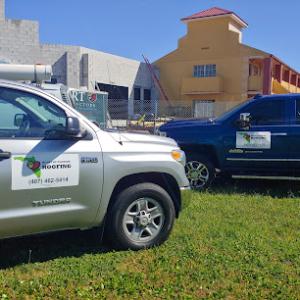
Heart Of Florida Roofing
(407) 462-5414 heartoffloridaroofing.com
22 W Monument Ave Suite 31, Kissimmee, Florida
5.0 from 178 reviews
When our founder first started Heart of Florida Roofing, he did so with one goal in mind—to put his years of roofing experience to work for the residents of Orlando and Kissimmee, FL. Now, with a dependable team and over 100 years of collective experience, Heart of Florida Roofing continues to serve the Orlando community at every opportunity. The roofing contractor Kissimmee FL trusts and rated the highest! To speak with a reliable roofing contractor about roof repair, roof replacement, roof inspection, roof coating, replacement windows, gutters, siding, solar, roof cleaning, storm damage repair and more, contact us today. Heart of Florida Roofing is fully licensed, bonded and insured in the state of Florida.
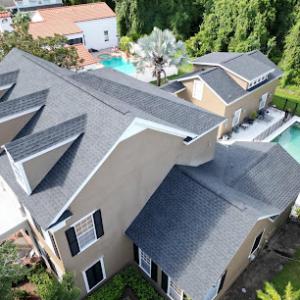
Greenway Roofing of Florida
(407) 230-3858 www.greenwayroofing.com
16 N Orlando Ave, Kissimmee, Florida
5.0 from 101 reviews
Greenway Roofing of Florida is a roofing service based in Kissimmee, FL, providing residential and commercial roofing work. We repair damaged roofs, replace worn systems, install new roofing and perform roof inspections for homeowners, property managers and commercial properties across Kissimmee and nearby Central Florida. Our licensed roofing contractors fix roof leaks, respond to storm damage, complete re-roof projects and service commercial roofing systems using proper installation standards and approved materials. We also install gutters to manage water runoff. Free roof inspections are available, including urgent leak and storm damage evaluations. Contact Greenway Roofing for roof repair or roof replacement in Kissimmee, FL.
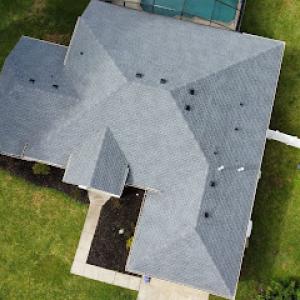
Southeast Roofing & Contracting
(407) 201-3419 www.se-roofing.com
4423 S Orange Blossom Trail, Kissimmee, Florida
5.0 from 98 reviews
We replace roofs. Shingles. Tile. Metal. TPO. Flat Roofs and More
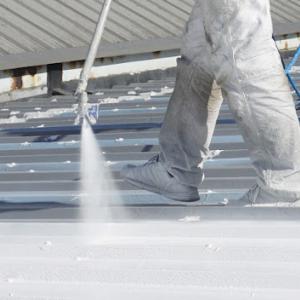
Troyer Commercial Roofing
(941) 564-5614 troyercommercialroofing.com
Kissimmee, FL
5.0 from 44 reviews
Specialising in the installation and repair of commercial roofs, Troyer Commercial Roofing is your trusted roofing contractor for reducing energy costs and eliminating disruptions caused by roof leaks. Proudly serving much of Florida, including Sarasota, Jacksonville, and Fort Myers, our skilled team will enhance the durability and energy efficiency of your roof. We combine cutting-edge techniques with premium materials, including trusted Conklin roofing products, to extend your roof’s lifespan and protect your investment. Discover why businesses across Florida rely on Troyer Commercial Roofing as their go-to roofer for dependable, professional service. Contact us today for a free inspection or to explore our custom roofing solutions.
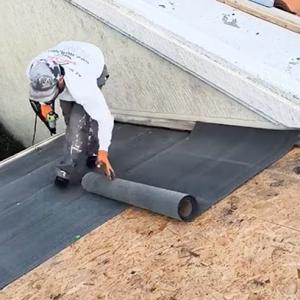
Top Notch Roofing Partner Kissimmee
(689) 252-6315 roofingpartnersusafl.com
111 E Monument Ave suite 401 20, Kissimmee, Florida
5.0 from 39 reviews
Top Notch Roofing Partner Kissimmee is your trusted local expert for high-quality roofing services in Kissimmee, FL. We specialize in roof repair, roof replacement, new roof installation, metal roofing, shingle roofing, flat roofs, storm damage repair, leak detection, and emergency roofing services. Available 7 days a week, our experienced team is committed to delivering durable, weather-resistant solutions tailored to Florida’s unique climate. Whether it’s residential or commercial roofing, we use top-grade materials and proven techniques to protect your home or business. Call Top Notch Roofing Partner Kissimmee today for reliable, affordable roofing services you can count on!
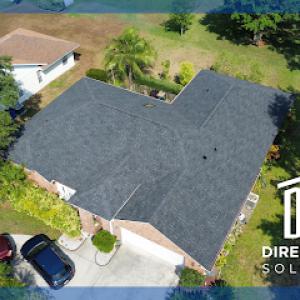
Direct Home Solutions
(407) 515-6716 www.directhome.solutions
8 Broadway STE 105, Kissimmee, Florida
4.8 from 53 reviews
We specialize in Roofing, HVAC, general contracting and water filtration systems for your home or business
JT Construction Roofing Contractors
(321) 624-9477 jtflroofing.com
2545 Shadetree Ct, Kissimmee, Florida
5.0 from 26 reviews
A Central Florida Roofer that you can trust! We're here to make sure that your roof not only protects your home, but doesn't cost you an arm and a leg. FREE Estimates are available!

Affordable Roofing by John Cadwell
(407) 935-0050 affordableroofingfl.com
600 N Thacker Ave w2, Kissimmee, Florida
4.6 from 185 reviews
Roofing Company
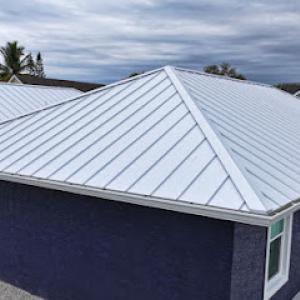
M&L Roofing / Roof Repair / Replacement, Installation / Flat, Metal / Emergency Roofing / Contractors / Orlando / Florida
(407) 729-0104 mlroofingflorida.com
1101 Miranda Ln, Kissimmee, Florida
4.9 from 16 reviews
Our mission at M&L Roofing is simple: protect your home with the best roofs. We offer durable, high-quality solutions so you can enjoy a safe and comfortable space.
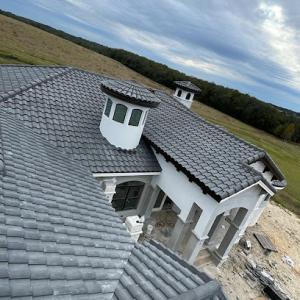
Florida Roofing Team
5264 Giron Cir, Kissimmee, Florida
4.8 from 19 reviews
Florida Roofing Team, located in Kissimmee, FL, is a trusted roofing contractor specializing in residential and commercial roofing services. Our experienced team handles everything from new roof installations to repairs and maintenance. We pride ourselves on providing high-quality, reliable roofing solutions, ensuring your home or business is protected. Whether you're dealing with roof leaks, storm damage, or need a complete roof replacement, Florida Roofing Team is here to help with expert service and exceptional results. Contact us today for all your roofing needs in Kissimmee, FL!
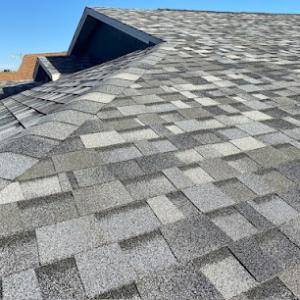
Nercha Roofing
2459 Sweetwater Club Cir APT 13, Kissimmee, Florida
4.9 from 12 reviews
Estamos orgullosos de servir a nuestros valioso clientes con mano de obra de alta calidad en la elaboración y reparación de sus techos con precios accesibles , honestidad y puntualidad
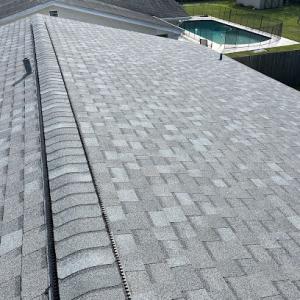
Wooley Brothers
(321) 239-5254 www.wooleybrothers.com
2575 Ames Haven Rd, Kissimmee, Florida
4.3 from 65 reviews
**Elevate Your Roofing Experience with Wooley Brothers** For over three decades, Wooley Brothers Roofing has been the premier roofing authority in Central Florida. As a family-owned business, we are committed to delivering exceptional quality and unparalleled workmanship to our valued customers. From re-roofs and repairs to a comprehensive suite of services, including shingles, tile, metal, and more, we have the expertise to handle all your roofing needs. Our dedication to going the "extra mile" ensures your roof is in top-notch condition, providing the peace of mind and security you deserve. Experience excellence with Wooley Brothers Roofing, the trusted name in roofing services.
Asphalt shingles remain common in Kissimmee because they fit many suburban replacement budgets, but prolonged heat and humidity can accelerate granule wear and shorten appearance life. In a climate with strong sun and heavy afternoon showers, you'll want shingles with a robust mineral granule surface and good UV resistance. Look for reinforced asphalt products with engineered asphalt binders that resist curling and wind uplift. Regular maintenance should include rinsing off surface algae and inspecting for granule loss after major storms. If you're replacing a roof in a mixed neighborhood of vinyl and stucco exteriors, a shaded installation plan-placing valleys and ridges where they won't trap heat-helps preserve color and reduces heat transfer into attic spaces. Pay attention to venting and attic insulation; heat buildup contributes to faster aging of asphalt, especially on homes with limited shade or south-facing slopes. In terms of repair, a reliable match for existing shingles keeps the overall look cohesive and may simplify insurance documentation after a weather event.
Metal roofing has strong local relevance because it handles intense sun well and is widely offered in this market, making it a frequent upgrade path for homeowners planning long-term storm resilience. Reflective finishes and color choices that minimize heat absorption translate to cooler attic conditions and potentially lower cooling loads. Metal systems are often installed with interlocking panels that resist wind-driven rain, a practical feature during wet-season cycles. When selecting metal, consider panel profiles that shed water quickly and prepainted finishes that resist fading. Because Kissimmee homes frequently blend modern updates with traditional facades, metal roofs can be matched to a range of architectural styles-from contemporary lines to Mediterranean-inspired detailing. Pay attention to fastener types and regionally appropriate wind ratings; a well-sealed ridge and properly sealed penetrations are essential to prevent moisture intrusion after representative afternoon downpours. If budget allows, a standing-seam option can offer cleaner lines and improved long-term weather performance, with lower maintenance needs compared to exposed-fastener designs.
Clay and concrete tile are especially visible on homes influenced by Central Florida Mediterranean and resort-style architecture, but their weight and breakage risk make underlayment condition and tile replacement logistics a bigger issue than on shingle roofs. The weight of these tiles requires a thorough structural assessment to ensure the existing deck can carry the load without compromise. In regions with heavy summer rain and possible hail, tiles can crack or loosen during storms, and broken pieces may travel and cause further damage. Underlayment must be in excellent condition to prevent leaks where tiles meet ridges and valleys. Replacement logistics matter: tile inventories, matching styles, and careful re-sealing around penetrations require planning with a roofer who understands local substrate conditions and the nuances of Mediterranean-inspired homes. If a tile upgrade is in the plan, budget for careful handling, potential reinforcement, and professional tile setting to maintain wind resistance and water shedding capabilities over time.
Kissimmee pricing can swing sharply after tropical weather, because regional storm demand pulls labor and materials across Osceola, Orange, and the wider Central Florida market. When a storm season hits, crews that normally work on new roofs and repairs cluster into a smaller window, and suppliers shift inventory to meet the surge. That means a typical re-roof project can see higher labor rates and tighter scheduling, especially if you're aiming to complete a full replacement within the same week as nearby storms. In practical terms, set aside a weather-aware contingency and expect some price pressure from both crews and material suppliers during peak wet-season windows.
Tile-heavy neighborhoods and steeper decorative rooflines common in newer master-planned communities tend to raise both labor time and waste factors compared with simple shingle roofs. More complex geometry means longer material handling, more cuts, and more waste trimmed from tile, metal, or synthetic courses. With that comes higher accessory counts-underlayment transitions, flashing, and edge details-and more trips up and down the ladder to place or reseat components. If your home features a multi-height ridge line, curved parapets, or heavy tile accents, budget for additional labor and waste disposal and plan for a longer install timeline to keep crews efficient and safety-focused.
Kissimmee's coastal-influenced inland climate makes wind-resistance detailing a front-and-center cost driver. Homes in newer developments with mixed roof materials or elevated ridges require more robust fastener patterns, wind-rated underlayment, and sometimes specialty valleys or edge fasteners. The result is not just higher material costs but longer coordination with the crew to verify wind-clip layouts, fastening schedules, and staged inspections that align with the project's wind-resistance requirements. If your roof is pursuing the highest available wind-rated details, expect incremental increases in both materials and labor due to the added complexity and the one-off nature of some components.
Given the local mix of shingle, metal, and tile homes near the tourism corridor and master-planned subdivisions, costs reflect a blend of asphalt, metal, clay, concrete, and synthetic options. Asphalt shingles sit at a baseline, with metal and tile options carrying higher per-square ranges due to installation complexity in steeper or decorative roofs. Budget in a practical range for the area: your choice will drive the overall square-foot cost, but planning for variable pricing tied to the wet season and design complexity will help you maintain a realistic project budget in this market.
Get a clear picture of your project costs upfront - no commitment required.
JT Construction Roofing Contractors
(321) 624-9477 jtflroofing.com
2545 Shadetree Ct, Kissimmee, Florida
5.0 from 26 reviews
A full re-roof in Kissimmee requires a permit rather than informal replacement work, so homeowners should expect municipal review before tear-off begins. This means you will need to prepare and submit all documentation up front, including project scope, material types, and wind-resistance features. The permit review process is designed to verify that the new roof will meet local wind codes and the overall residential construction standards common to inland Central Florida. Plan for a short pause between the decision to start and the day the crew lifts the first bundle, so permit approval can be queued without pressuring weather windows.
The local process reviews the roofing system selection together with wind-resistant installation details, which is especially important in a Florida inland storm market like Kissimmee. When you choose materials, ensure the chosen system aligns with the verified wind-resistance requirements and that fasteners, underlayment, and flashing are specified to withstand typical summer gusts and heavy downpours. Expect the inspector to check for proper nailing patterns, shingle or panel adherence, and securement at eaves, rakes, and hips. If you're considering tile or metal, confirm that the chosen product has an approved wind uplift rating for your home's specific geometry and existing structure, not just a generic label. Documentation that ties the product to a labeled wind-resistance package will help avoid back-and-forth during review.
Inspection sequencing in Kissimmee typically includes deck rough-in, underlayment or sheathing, and final inspection, so missed inspection timing can stall progress even when weather is clear. Coordinate with your contractor to schedule rough-in as soon as the deck is prepped and weather permits. The underlayment and sheathing phase should be documented with photos or a report from the contractor, since the inspector will verify fastener type, sealants, and overlaps. The final inspection confirms compliance with wind-resistant details and proper installation of penetrations, vents, and flashings. If a weather window shifts or a storm approaches, work with the permit office to reschedule the inspection rather than letting the timeline drift, which can lead to additional hold times and rechecking requirements.
Kissimmee homeowners operate in Florida's high-claim wind environment, where carriers often want detailed roof age, material, and installation documentation after storms. When a storm rolls through, a well-documented roof can make the difference between a smooth claim and a drawn-out fight. If your roof has seen wind-driven shingle lift or hail bruises, insurers will look for consistent records that show the roof's history and whether your installation aligned with tested methods.
Because insurers in Florida have tightened underwriting in storm-prone areas, a properly documented re-roof with wind-mitigation features can matter not just for claims but for ongoing eligibility and pricing. That means you should expect questions about the roof's age, the exact materials used, and the installation details. Having clear, date-stamped evidence makes it easier to prove resilience, which can influence future coverage decisions and premium assessments.
In Kissimmee, keeping permit records, inspection signoffs, product approvals, and date-stamped storm photos is especially important because wind mitigation paperwork may be requested during or after the roofing process. Build a simple file folder or digital album early in the project that stores: product spec sheets, installation manuals, and any wind-tested fastener details; signed inspection cards; and contemporaneous photos capturing the roof at key milestones and after severe weather. When storms threaten, those records are your fastest route to clarity with the insurer.
Set up a dedicated folder (digital and physical) for weather-related documentation, with clearly labeled sections for age, materials, and installation method. After a re-roof, request final inspection signoffs and keep the stamped copy accessible. If a storm hits, photograph critical angles, ridge lines, and any snagged areas within a few days. If adjustments or repairs are made later, maintain a trail of updates so the history remains intact for any future claims. This level of readiness can prevent surprises when a wind event tests the roof's performance.
Connect with contractors who help homeowners navigate the claims process from damage assessment to final approval.
Heart Of Florida Roofing
(407) 462-5414 heartoffloridaroofing.com
22 W Monument Ave Suite 31, Kissimmee, Florida
5.0 from 178 reviews
Greenway Roofing of Florida
(407) 230-3858 www.greenwayroofing.com
16 N Orlando Ave, Kissimmee, Florida
5.0 from 101 reviews
Southeast Roofing & Contracting
(407) 201-3419 www.se-roofing.com
4423 S Orange Blossom Trail, Kissimmee, Florida
5.0 from 98 reviews
In this humid climate, tile roofs often show service issues from cracked or displaced individual tiles, which can invite slow water intrusion. The bigger danger isn't a single storm, but repeated wet-season exposure that wears down the tile-to-tile and tile-to-underlayment seals. When flashing around vents, chimneys, and valleys is already weakened before summer, water finds its way in after a string of coastal-like thunderstorm days. If you notice cracked tile surfaces or soft spots underfoot, treat it as a red flag and inspect the underlayment beneath the surface-the true gatekeeper for leak prevention as tiles age.
Even repairable tile surfaces can mask a failing underlayment system. The aging layer beneath can become brittle or compromised, especially after years of heat cycling and heavy rains. Look for subtle signs like staining, brushing, or a spongy feel when stepping on flat sections. Because underlayment failure might precede visible tile damage, a proactive assessment should focus on the layer just beneath the surface rather than chasing isolated tile issues. If you're seeing recurrent damp patches after moderate rains, plan for a careful lift-and-inspect to gauge the condition of the underlayment.
Shingle roofs commonly show storm-related lifted tabs and edge damage, with accelerated aging from prolonged UV exposure and heat. The combination can blur the line between normal wear and insurable wind damage, so the distinction matters for insurance discussions and timing of repairs. If you notice curling edges, exposed fasteners, or tabs that lift during gusty days, consider a targeted inspection after a storm cycle. Early detection helps you avoid cascading leaks that sneak in along eaves and rake edges once the attic is heated and humidity climbs.
Kissimmee's frequent summer downpours make drainage performance on low-slope sections more critical than in drier inland markets, especially where additions, lanais, or porch tie-ins create transition details. When inspecting or planning a re-roof, pay close attention to every rollover and seam where a slope changes or a new edge meets a larger roof plane. In practice, verify that all low-slope sections drain toward established gutters or scuppers without creating ponding zones after a typical afternoon thunderstorm. If a transition detail sits above a newly added space, consider upgrading to a higher-grade underlayment and ensuring the edge drip is solidly flashed to resist rapid water entry during a downpour.
Homes near the area's resort and planned-community styles often include roof penetrations and daylight features that need careful flashing maintenance during re-roofing. Skylight domes, vent stacks, and chimney flashings must be reseated with precision where the roof plane meets any daylight opening. In transitions, such as where a lanai roof ties into the main house, ensure flashing membranes extend evenly under the neighboring roof surface and are sealed at all fasteners. Use continuous flashing where possible, and replace compromised step flashing with a prefabricated, corrosion-resistant profile. Inspect fasteners for corrosion after each major storm season and reseal edges if evidence of lift or hairline leaks appears.
Because repeated rain events can expose small installation defects quickly, skylight curbs and low-slope transitions are common callback areas during the local wet season. Check curb boxes for uniform flange seating and confirm that the surrounding shingles or tiles align flush without gaps. Seal all joints with a compatible sealant and reinforce with a flashing boot that matches the roof composition. After a re-roof, perform a targeted water test around skylights and transitions, watching for any water streaks along interior walls or ceiling vents during a controlled rain simulation. If any seepage is observed, reflash promptly rather than waiting for a full storm cycle.
Find specialists in TPO, EPDM, and built-up flat roofing systems for residential and commercial properties.
Southeast Roofing & Contracting
(407) 201-3419 www.se-roofing.com
4423 S Orange Blossom Trail, Kissimmee, Florida
5.0 from 98 reviews
Troyer Commercial Roofing
(941) 564-5614 troyercommercialroofing.com
Kissimmee, FL
5.0 from 44 reviews
Top Notch Roofing Partner Kissimmee
(689) 252-6315 roofingpartnersusafl.com
111 E Monument Ave suite 401 20, Kissimmee, Florida
5.0 from 39 reviews
In this area, the work climate is dominated by re-roofs that respond quickly to storm cycles, with crews ready to address wind and rain damage and to coordinate insurance needs. Homeowners should expect contractors to prioritize fast scheduling, thorough cleanup, and clear communication with the insurer. The goal is a solid, wind-resistant roof that can stand up to Central Florida temp swings and summer downpours, not just a quick facelift.
Because full re-roofs require a staged inspection path, look for a contractor who routinely manages the municipal process rather than one focused solely on rapid replacement volume. Ask who handles the inspection scheduling, what documentation is prepared in advance, and how crews coordinate between stages. A crew that treats inspections as a core workflow is less likely to stall mid-project and more likely to complete the job with the required compliance in mind.
In a market with a mix of affordable family-run operators and larger firms, price is only one factor. Assess how quickly the contractor responds to calls and emails, how detailed their written proposals are, and what post-work documentation they provide (warranty details, material specs, and a clear lien/insurance conversation). You want a partner who can keep you updated about setbacks, weather holdbacks, and any changes that affect scheduling or coverage, not one that disappears after the initial quote.
Ask for recent Kissimmee-area projects and contact references who faced storm-related damage. Confirm that the contractor has a system for documenting the scope, photos of before-and-after, and a ledger of materials used. Request a written outline of the project timeline, communication cadence, and a point of contact for insurance coordination. End with a clear understanding of who handles the city inspections and who signs off on each stage.