
Last updated: Apr 19, 2026
Dry season in this coast-warmed town is precious. You plan a reroof around the dry spell because summer rain and frequent afternoon storms can interrupt tear-off and dry-in work, leaving you exposed to wind-driven leaks longer than you intended. In practice, that means lining up a crew and materials for a window from late fall through early spring, with strict milestones for tear-off completion, underlayment application, and shingle or tile dry-in before the first storm fronts roll in. When storms threaten, you want as few open penetrations as possible and a tightly staged sequence so you aren't left with tarps flapping in gustier sessions.
Hurricane season runs from June through November, and in this area every homeowner should treat wind resistance as a first-order concern for a replacement roof. That means selecting a roofing system and fastener plan designed to withstand our typical wind loads, and coordinating closely with your contractor on the exact sequence: tear-off, deck inspection, underlayment, and a robust wind-rated installation. The goal is a watertight roof system before the strongest part of the season hits, so you're not scrambling when storms arrive. If a contractor hints at delaying critical steps, push back-timing a complete, high-widelity dry-in now pays dividends when the next squall moves through.
Florida insurers commonly want wind-mitigation documentation after roof work, so storm-readiness decisions in this area are tied directly to future insurability. From the moment you commit to a reroof, your project should be documented with clear records of materials, fasteners, and installation methods that meet or exceed code expectations. Your contractor should provide a comprehensive wind-mitigation package that you can submit to insurers without delay. If you encounter resistance or vague notes, press for a formalized packet that includes product data, engineer-approved details, and a verifiable installation log. This isn't just paperwork; it's your shield if a hurricane rumor turns real.
Residential stock here leans heavily toward tile, but your choice should reflect coastal realities: wind uplift performance, impact resistance, and ease of inspection after storm events. Tile roofs demand a careful rake and batten strategy, plus meticulous sealant work around penetrations. If you lean toward newer materials, ensure they're specified for high-wind coastal conditions and compatible with your existing structure and fastener layout. Whatever you decide, insist on a plan that guarantees continuous drainage paths and a watertight transition from eave to ridge, especially along exposed facades.
Before the first storm front, verify that gutters are cleared, penetrations are sealed, and attic ventilation remains balanced to reduce condensation pressure under the deck. Schedule a pre-storm inspection with your roofer to confirm dry-in integrity and to flag any minor gaps that could become major leaks in a gusty shower. In Lake Worth Beach, the difference between a resilient roof and recurring damage often comes down to tight coordination, timely execution, and documentation that supports insurance and wind-mitigation expectations when the season arrives.
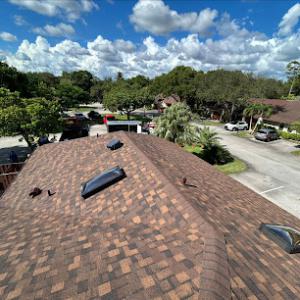
Tile roofing is the strongest specialty signal in this market, matching the South Florida housing stock where clay and concrete tile are common on residential re-roofs. In practice, tile offers rigidity against the salty coastal air and tropical storms, with a long service life when installed correctly. If your home leans toward classic Florida styling or you're remodeling a mid-century or newer stucco façade, tile can preserve curb appeal while delivering solid wind resistance when the underlayment, fasteners, and battens are properly chosen for this climate. The key here is pairing a high-quality installation with proper ventilation and a weather-resistant barrier that can handle salt spray and heat.
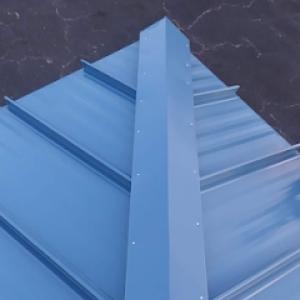
Metal roofing is also highly active locally, reflecting homeowner interest in wind performance and lower maintenance in a hot, humid coastal climate. In practical terms, metal panels or metal shingles can offer excellent wind uplift resistance, a cooler roof surface on hot days, and easier, faster installation in many cases. Metal can be a strong option for modern or Mediterranean-style homes that want a crisp look and a low-slump maintenance profile. If your roof line has multiple hips or slopes, a metal system with integrated fasteners and concealed seams can reduce the potential for wind-driven leaks, provided the installation is done by a crew experienced with coastal detail work.
Lake Worth Beach's dominant material mix includes asphalt shingles, metal, clay tile, concrete tile, synthetic/composite shingles, and aluminum roofing, so material choice is a major local decision rather than a one-material market. For a tile lover, the local environment supports clay and concrete as reliable long-term options, especially when a wind-rated underlayment and appropriate edge detailing are used. For those prioritizing low maintenance and faster build times, metal offers compelling advantages, particularly on homes with simple, uninterrupted roof geometry where seams can be sealed effectively.
Start by assessing your roof shape and pitch; tile tends to shine on Mediterranean and low-pitched forms but can be heavier on higher pitches, requiring careful structural checks. If your home has exposure to direct wind paths or frequent squalls, consult a local roofer about wind-rated tile fasteners and enhanced edge protection. If considering metal, verify that the chosen system is rated for high-velocity winds and that coatings and finishes are appropriate for a salt-spray environment. For either choice, ask about integration with ridge vents, attic ventilation, and a continuous soak barrier to reduce heat gain and moisture buildup.
No matter the material, preventive maintenance matters. Tile benefits from periodic inspection for cracked or displaced tiles and check for drainage and waterproofing around penetrations. Metal requires attention to oiling or replacing fasteners where needed and inspecting seals around skylights and chimneys. Here, proactive checks after storm season pay dividends in keeping a wind-resilient roof performing at peak.
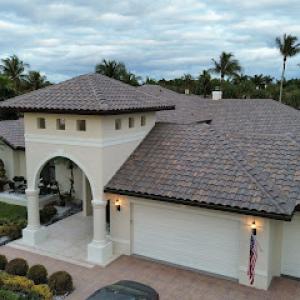
South Star Roofing
(561) 537-5544 southstarroofing.com
Serving
5.0 from 41 reviews
At South Star Roofing, we provide expert roofing services across Palm Beach County, including roof repairs, new roof installation, and full roofing projects. Our in-house team delivers quality, competent roof services with every job. Whether you need a new roof or reliable repairs near Palm Beach County, we make the process effortless, budget-friendly, and stress-free. Trusted for roofing in West Palm Beach and beyond, South Star Roofing is committed to giving every customer the best results from start to finish on their roofing project.
A1 Pro Roofing
(888) 332-7776 a1proroofingllc.com
Serving
5.0 from 52 reviews
A1 Pro Roofing is your trusted local roofing company in Lake Worth, FL, specializing in roof repairs, replacements, and inspections for residential and commercial properties. Our licensed and insured team delivers top-quality workmanship, honest service, and durable roofing solutions designed to protect your home for years to come. Whether it’s shingles, tile, or metal roofing, A1 Pro Roofing guarantees professional results every time. Call today for a free roof inspection or estimate!
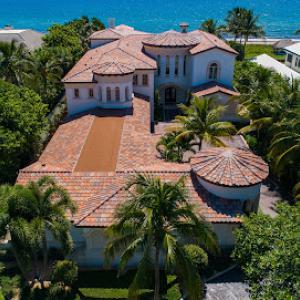
Jeff Albert Roofing
(561) 988-6001 jeffalbertroofing.com
Serving
4.7 from 40 reviews
Jeff Albert Roofing, Inc. is a full service-roofing contractor for residential and commercial roofs. We are licensed and insured in the state of Florida, working closely with Florida County and Municipal Building Departments to maintain the high-quality standards that our customers should expect. Our professional roofing installers are experienced roofing craftsman that are continually trained and monitored to ensure that our customers receive the very best. Our crews are qualified to perform all phases of roof repair, replacement and maintenance. Tile, shingle, metal and commercial roofing systems are carefully installed. You can trust the experts at Jeff Albert Roofing!
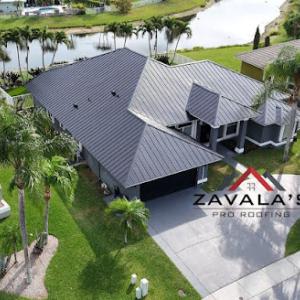
Zavala's Pro Roofing
(561) 629-7937 zavalasproroofing.com
Serving
4.9 from 72 reviews
Zavala’s Pro Roofing is a licensed and insured roofing company based in West Palm Beach, FL, with over 20 years of experience in both residential and commercial roofing. We specialize in tile and metal roof replacements, leak repairs, and emergency tarping services. Our in-house crews provide expert craftsmanship using top brands like Owens Corning and CertainTeed. We offer free inspections, same-day estimates, and flexible financing options, including zero down and 24 months with no interest. Ask about our veteran discounts, referral rewards, and seasonal offers. Schedule your free inspection today and experience the expert roofing service you deserve!
Best American Roofing
(561) 381-1280 bestamericanroofing1.com
Serving
4.9 from 54 reviews
Best American Roofing is a licensed and insured roofing company in south Florida that provides Top Quality Roofing Solutions at affordable prices. We install new shingle roofs, tile roofs, metal roofs, flat roofs, and roof repairs. From weather damage to normal wear-and-tear due to the roofs age. We are specialized to provide our customers with top quality service. We offer: Tile roof repairs Shingle roof repairs Flat roof repairs New roof installation Roof silicone coatings Free roofing estimates Weather damage repairs Roof leak inspections And much more!
Superior Roofing of Florida
(561) 788-7900 superiorrooffl.com
Serving
4.8 from 65 reviews
Superior Roofing of Florida is a professional, full-service roofing contractor serving Palm Beach County. We provide expert, top-quality installation and repair for residential and commercial properties, specializing in tile and metal roofing systems. Our commitment is to comprehensive service, lasting craftsmanship, and excellent customer care on every project.
Florida Coast Contracting & Roofing
(561) 260-3126 floridacoastcontracting.com
Serving
4.9 from 44 reviews
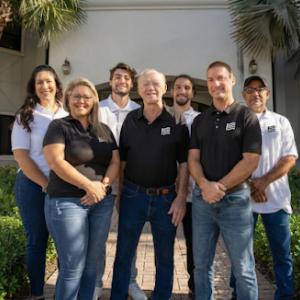
Florida Coast Contracting & Roofing is a family-owned and operated company serving South Florida since 2003. With over 1,000 completed projects, our licensed professionals deliver high-quality roofing and construction solutions for residential and commercial properties. We’re built on integrity, craftsmanship, and community—providing dependable service, transparent communication, and lasting results. From repairs to full replacements, we’re proud to protect homes and businesses across East and West Florida.
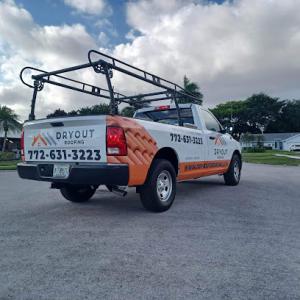
Dryout Roofing
(772) 631-3223 www.dryoutroofing.com
Serving
4.9 from 69 reviews
Dryout Roofing is a family-owned roofing company that provides professional roof repairs and roof replacements since 2013. Besides roofing, we also offer Impact windows and doors installation. We are licensed and insured and our staff is professionally trained, reliable, and effective. We pride ourselves on providing the best roofing materials, labor, and workmanship. Our goal is to complete the job on time, efficiently, and in the most unobtrusive manner for the best value.
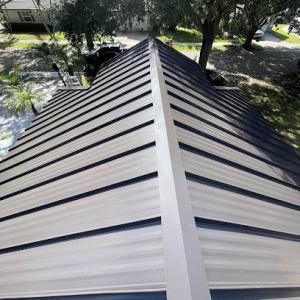
Mompie Construction
Serving
5.0 from 234 reviews
Mompie Construction is a family-owned roofing company that has serviced the area of Palm Beach County since 2008. Our mission is to provide unmatched quality for new roof installations and roof remodel. Mompie Construction continues to lead the charge in the roofing industry in Palm Beach County. We do this by staying up to date with the latest safety technology for our installers and providing efficient tools to get the project done the best way. As a team we provide exceptional advice for both residential and commercial projects. Mompie Construction understands that a roof is one of the most important decisions you will make as a homeowner, and we take pride in our white glove service working with our clients from beginning to end.
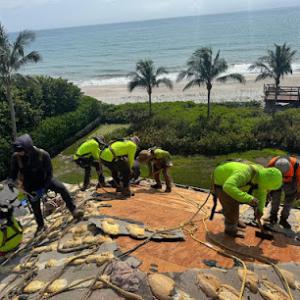
JV Eagle Roofing & Waterproofing
(561) 337-0545 jveagleroofingandwaterproofing.com
Serving
4.8 from 16 reviews
We are a full-service roofing company. We: Repair, re-roof, recover, maintain, coat. Whatever your roof needs, we are on top.
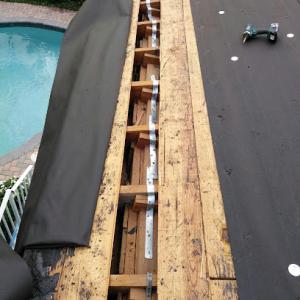
A & J Roofing Contractors
(561) 507-0866 roofingpalmsprings.com
Serving
4.9 from 72 reviews
A and J Roofing Contractors is a family owned and well- trusted business located in Palm Springs, Florida. We put 100% into getting the job done to exceed your expectations. When choosing to work with A and J Roofing Contractors, you will have the confidence to know your roof was done right!
In this coastal market, your decision starts with material type. The provided local pricing ranges run about $350 to $700 per square for asphalt shingles, $550 to $1100 for metal, $600 to $1400 for clay tile, $700 to $1500 for concrete tile, $450 to $900 for synthetic/composite shingles, and $600 to $1000 for aluminum roofing. Those bands reflect Lake Worth Beach's mix of older homes with tile accents and newer constructions that lean toward lighter, wind-tolerant options. Expect the higher end of these ranges if your roof is large, complex, or needs precise color-matching and specialty profiles. If your project includes significant tear-off, disposal, and weatherproofing, add-ons can push costs further into the upper ends of these ranges.
Costs in Lake Worth Beach can spike after major storms because Florida's high-claim environment creates demand surges for labor, dry-in crews, and emergency protection. When a hurricane passes, local crews are booked weeks out, weather windows tighten, and premium labor rates kick in. If your replacement timeline coincides with the post-storm window, budgeting for a 10-20% premium on materials and labor isn't unusual. In practice, that means planning for contingencies while tracking storm forecasts and anticipated restoration waves to avoid protracted downtime between work phases.
Tile-heavy roof designs common in this market can raise replacement costs through heavier materials, more accessory pieces, and more labor-intensive repairs than basic shingle systems. Clay and concrete tiles arrive with durable lifespans, but installation requires careful sequence, additional underlayment considerations, and potential roof deck reinforcement to handle weight. Expect extra costs for underlayment upgrades, improved fasteners, and meticulous waterproof detailing around hips, valleys, and transitions. For synthetic or composite shingles, the price advantage can be lower upfront, but long-term wind resilience and matching profiles should still guide selection in a salt-air environment.
Begin with a materials-forward estimate that isolates per-square costs by product type, then add an allowance for debris removal, roof deck inspection, and any required repairs. If wind mitigation or insurance-related documentation will drive the project, factor in the time and potential staging costs to secure the necessary paperwork. For tile and metal options, verify compatibility with attic ventilation and coastal salt exposure, as these influence both performance and long-term maintenance costs. By prioritizing the combination of wind-resilient features and local pricing bands, you'll land on a plan that withstands the season and stays within a predictable budget.
Get a clear picture of your project costs upfront - no commitment required.
A full re-roof in Lake Worth Beach typically requires a permit through the City of Lake Worth Beach Building Department. The permitting process is not just a paperwork hurdle; it aligns the project with wind-resilience standards important for South Florida's hurricane season. The city's approach emphasizes documenting how the new roof will perform under high wind loads, and it creates a traceable record for future insurance and safety reviews. Understanding this pathway helps homeowners avoid delays that can arise from missing paperwork or inconclusive plans.
The local process generally involves permit application submission, plan review, and inspections at rough and final stages. Submitting a complete package up front-roof type, fastener details, underlayment, ventilation, and any retrofit measures-will smooth the plan review. The plan review checks that materials and installation methods meet current Florida Building Code plus any Lake Worth Beach amendments, especially those related to wind mitigation and roof edge restraint. After approval, inspections occur in stages: a rough-inspection confirms framing and underlayment readiness, followed by a final inspection that verifies the completed roof matches the approved plans and meets the required wind-resistance criteria. Scheduling inspections promptly and coordinating access for the inspector are critical to keeping the project on track, particularly during hurricane season or when storms threaten the forecast.
Wind-mitigation documentation may be requested in connection with the project, which matters both for code compliance records and insurance follow-up. The city and insurers alike value details such as roofing nail patterns, hip- and ridge-strap installations, and the presence of wind-rated underlayment. Even if your chosen material is common in the neighborhood, the documentation proves the installation is designed to withstand coastal wind events. Prepare to provide manufacturer specifications, installation notes, and any retrofit features that enhance resilience. If the project includes reinforcing components like straps or clips, ensure those details are clearly reflected in the renovation plans so the inspector can verify alignment with wind-resistance expectations.
Coordinate with a licensed contractor who is familiar with Lake Worth Beach's permit nuances and the wind-mitigation reporting process. Keep a centralized file of all permit numbers, plan review comments, and inspection dates. When responding to plan review notes, supply precise revisions and updated drawings promptly. On the day of inspections, ensure access to the attic and roofline, and have the project's documentation organized to demonstrate compliance with both code requirements and this city's emphasis on hurricane-season readiness. A well-documented, code-compliant re-roof not only supports safer performance during storms but also helps streamline insurance and future maintenance requirements.
Lake Worth Beach sits in Florida's high wind and storm-claim environment, so roofing decisions are often shaped by underwriting changes and carrier scrutiny after storms. The coastline emphasizes gusts that can stress traditional roofs more quickly than inland areas, and insurers monitor neighborhoods for how roofs hold up under seasonally intense events. That dynamic means your roof choice, fastened repairs, and even the sequence of inspections after a storm can ripple through what your carrier will cover next year. The practical consequence is that a roof is not a single upgrade but a moving piece of your overall risk profile.
Insurers in this market often require detailed roof documentation and may request wind-mitigation certifications when a roof is replaced or storm damage is reported. In a town with tile, metal, and composite options common on solid, wind-exposed structures, having a clear file of roof age, materials, and installation details can make the difference between a smooth claim and a prolonged dispute. A dated roof plan, photos, and a stamped wind-mitigation report are not mere paperwork; they are the leverage that supports the repair or replacement path when storms strike. Keep these records organized and accessible, especially during the peak of hurricane season when carriers are leaning on their own data.
Because coverage terms can shift after major Florida storms, homeowners in Lake Worth Beach benefit from documenting roof condition before hurricane season and immediately after wind events. Start with a simple, honest assessment of how panels and tiles sit, where fasteners show wear, and whether flashing around chimneys and vents remains watertight. If you suspect wind-driven damage, photograph the roof from multiple angles and preserve weather-sealed areas. Timely, thorough documentation can reduce back-and-forth with the insurer and help secure a more predictable post-storm outcome. In a neighborhood with a tile-dominant mix, recognizing when a seemingly minor issue could escalate into a covered claim is essential for preserving both structure and settlement potential.
Connect with contractors who help homeowners navigate the claims process from damage assessment to final approval.
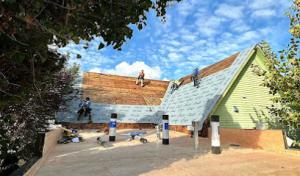
BP Pros Roofing Company Lake Worth Beach
(561) 486-7446 southflorida.roofrightnow.com
Serving
4.8 from 21 reviews
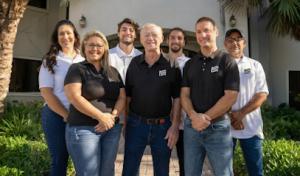
Florida Coast Contracting & Roofing
(561) 260-3126 floridacoastcontracting.com
Serving
4.9 from 44 reviews
Frequent summer downpours in Lake Worth Beach can turn minor roof defects into active interior leaks quickly, especially when afternoon storms arrive before temporary repairs are in place. A small crack or loose edge can flood a ceiling within minutes once rain starts hammering the roof's vulnerable spots. Homeowners should identify high-risk areas-edge flashings, valleys, and any roof penetrations-before storm season peaks, and keep a trusted tarp kit ready for rapid deployment at the first sign of trouble. If a leak is detected, prioritize stopping the water flow at the source, then call for urgent temporary measures to buy time until a permanent fix can be installed.
Rapid weather changes during transition seasons can disrupt open-roof schedules and increase the importance of same-day dry-in planning. When a storm window opens, crews may need to secure the interior first and delay full re-roof work. Have a clear, same-day plan with your contractor that outlines pre-determined tarp coverage, temporary sealing of vents, and rapid interior protection. Keep communication lines open so adjustments can be made as the forecast shifts, ensuring the roof can be stabilized even when rain bands arrive unexpectedly.
Emergency repair is one of the strongest active specialties in this market, reflecting how often homeowners need tarping and leak response during storm periods. If a severe storm hits and a leak worsens, insist on immediate tarping to prevent further interior damage, followed by a fast, targeted dry-in to restore shelter. In this environment, choosing a contractor with a proven rapid-response track record can save walls, ceilings, and personal belongings from costly water damage.
When you can't wait, these contractors offer fast response times to stop leaks and prevent further damage.
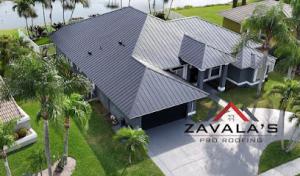
BP Pros Roofing Company Lake Worth Beach
(561) 486-7446 southflorida.roofrightnow.com
Serving
4.8 from 21 reviews
Flat-roof specialization is meaningfully present in this market, with a notable share of low-slope residential and commercial work. In this area, roofs tend to be lighter in slope and more exposed to coastal winds, so the regular shape of flat or near-flat systems shows up on many homes and small businesses. That makes it important to treat drainage, seam integrity, and edge details as part of the core design, not afterthought work. Expect more parapet walls and flashing transitions in this climate, where salt air and frequent summer downpours push drainage toward the lowest point of the roof.
Hot, humid conditions and frequent rain require a relentless attention to drainage and ponding control. Check it after every heavy rain or tropical shower: standing water more than a quarter inch deep can accelerate wear on membranes or coatings. Inspect seams, flashing, and terminations at least twice a year, and after wind events. Clean gutters and scuppers so water can exit freely without backing up onto the deck. If you see wrinkling, blistering, or delamination on the surface, treat it as a sign to address the underlying ponding or drainage issue before it worsens.
Roof coating appears as an active but secondary specialty locally, suggesting some owners pursue restoration or reflective maintenance strategies instead of immediate full replacement. If the surface shows algae growth, oxidation, or minor chalking, a reflective coating can buy you time and improve heat performance. For best results, surface must be clean and dry, with all ponding issues resolved first. Coatings work best as part of a planned maintenance cycle rather than a stand-alone fix for a leaking roof.
Plan for seasonally higher rain intensity by prioritizing seam maintenance and drain clarity ahead of hurricane season. If you notice recurring leaks at parapets or around penetrations, schedule a targeted inspection of flashing details and membrane edges. A modest, well-maintained coating program paired with timely repairs often reduces downtime and disruption during storm seasons.
Find specialists in TPO, EPDM, and built-up flat roofing systems for residential and commercial properties.
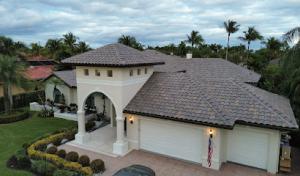
Skylights can become a target for leaks quickly when summer downpours are frequent and intense. Repeated exposure to heavy rain in a single afternoon stresses the flashing and sealants, especially after years of near-constant humidity. This is not theoretical here: a modest drip can turn into staining on ceilings or hidden moisture behind walls if the issue isn't caught early. The combination of coastal wind and high humidity means small flaws in the skylight assembly can propagate faster than expected.
On tile and metal roofs, skylight detailing is notably more complex than on simpler shingle roofs. The roof surface around a skylight requires careful integration with the surrounding cap flashing, base pan, and any valley or rake transitions. If those transitions aren't handled precisely, water finds seams where it can travel sideways before it shows up as a leak. In a market with a lot of tile and metal, a poorly detailed skylight becomes a leak hotspot that can mimic a roof-wide problem.
High humidity makes slow moisture intrusion harder to notice until staining or interior damage appears. Look for hidden signs such as damp spots on the undersides of attic spaces, warped trim around the skylight, or peeling interior paint near the ceiling line. After each heavy rain, inspect the interior ceiling perimeter around the skylight for any fresh discoloration. Proactive staging-adequate flashing checks, sealant renewal, and reinforcing the curb if needed-helps prevent small issues from escalating during the wet season. If a drip is observed, treat it as a warning rather than a nuisance, because delays tend to magnify repairs later.
Find contractors experienced in skylight installation, flashing, and leak repairs to bring natural light into your home.

NeNa's Roofing - Palm Beach County Re-roofs & Repairs
(561) 670-4919 www.nenasroofing.com
Serving
5.0 from 43 reviews
In this coastal Florida texture, the market leans toward re-roofing over niche new-construction work. When you shop, prioritize recent replacement experience on occupied homes rather than speculative projects. Ask for a few references from homes with similar roof types-tile and shingles-and verify how closely the crews matched timelines around storm season. The goal is a crew that understands the rhythm of Lake Worth's weather windows and the urgency of protecting occupants while work is underway.
Quick response and cleanup are unusually strong hiring signals here. You want a crew that answers calls promptly, documents progress daily, and contains debris control as a central practice-especially around debris drop zones and street-facing yards. During a storm window, you'll value crews that establish a clear on-site plan, protect landscaping, and resume work quickly after any weather interruption. A schedule-and-cleanup protocol should feel practical, not theoretical, and should be consistently demonstrated in the field.
Family-owned and well-known local outfits tend to carry warranty follow-through and post-storm availability that matter when Florida weather tests a roof. Look for firms with a sustained local presence, a predictable crew rotation, and a service model that stays responsive after the last nail is set. These firms often maintain longer-term relationships with local suppliers and insurers, which helps when documentation and wind mitigation needs arise. If possible, speak with neighbors about their experiences with the same crews and observe job sites in active neighborhoods to gauge day-to-day workmanship, neatness, and respect for neighboring homes.